
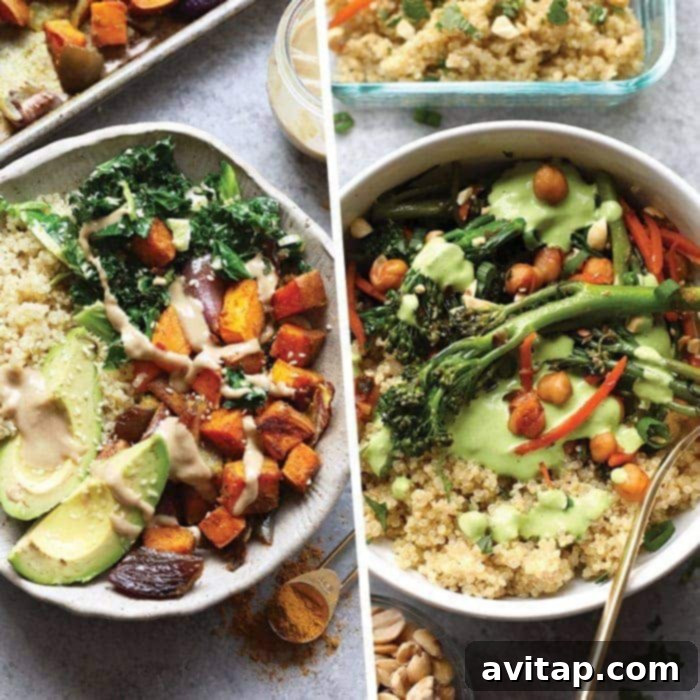
The Ultimate Guide to Crafting Delicious & Healthy Buddha Bowls for Effortless Meal Prep
In the realm of healthy eating, few dishes offer the versatility, nutritional punch, and aesthetic appeal of a Buddha bowl. Often hailed as a complete meal in a single bowl, these vibrant creations are much more than just a collection of ingredients; they’re a philosophy of balanced eating. Picture a generous serving of wholesome grains, hearty lean proteins, an abundance of fresh, colorful vegetables, crunchy nuts and seeds, all brought together with a delectable dressing. Whether you call them Buddha bowls, power bowls, or simply meal prep bowls, they are the cornerstone of a healthy, convenient lifestyle. Join us as we demystify the art of building the perfect Buddha bowl, providing you with all the insights and inspiration to craft your own delicious and nutritious meals for the week ahead!
Embrace the Buddha Bowl Lifestyle: Why They’re Perfect for You
There’s a reason why Buddha bowls have soared in popularity – they simplify healthy eating without sacrificing flavor or variety. If you haven’t yet discovered the magic of these balanced bowls, now is the time to jump on board! Integrating Buddha bowls into your weekly routine can revolutionize your meal times, making healthy habits effortless and enjoyable. They are the epitome of smart meal preparation, ensuring you have wholesome, ready-to-eat meals at your fingertips throughout your busy week.
At their core, Buddha bowls encourage you to “eat the rainbow” and prioritize nutrient-dense foods. This means focusing on ingredients that provide sustained energy, essential vitamins, and ample fiber. The beauty of these bowls lies in their incredible flexibility: no two Buddha bowls ever have to be the same! You can tailor each creation to your specific taste preferences, dietary needs, and whatever fresh produce you have on hand. Don’t be afraid to get creative and experiment with different combinations. A good rule of thumb? If it’s a whole food, it’s probably a great addition to your bowl. To elevate your flavors, consider investing in high-quality spices from brands like Simply Organic or Penzys, which offer a vast array of options to add depth and excitement to any dish.
Beyond their nutritional benefits, Buddha bowls offer unparalleled convenience. By preparing your components in advance, you can assemble a fresh, satisfying meal in minutes, eliminating the temptation for less healthy options. They are also excellent for reducing food waste, as you can easily incorporate leftover ingredients into your next bowl. It’s a holistic approach to eating that fuels both your body and your busy schedule.
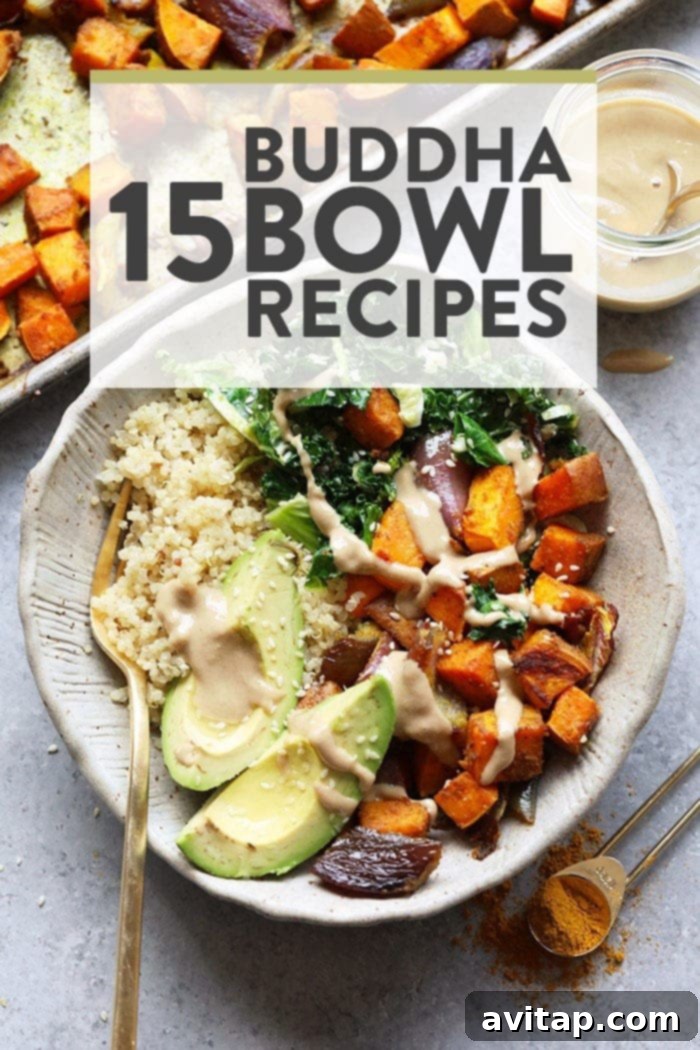
Deconstructing the Perfect Buddha Bowl: Essential Components
A classic Buddha bowl is a masterclass in balance, combining various textures, flavors, and nutritional elements into a harmonious dish. While traditional Buddha bowls are often plant-based, featuring vegan ingredients, you have complete freedom to adapt them to your dietary preferences. Let’s break down the fundamental layers that make up an exceptional Buddha bowl:
1. The Foundation: Wholesome Grains
Your chosen whole grain forms the comforting and energy-rich base of your Buddha bowl. It provides essential complex carbohydrates and fiber, keeping you feeling full and satisfied. My personal favorite is quinoa, a true superfood that cooks quickly and is one of the few plant-based foods considered a complete protein. However, don’t limit yourself! Expanding your grain horizons can introduce exciting new textures and flavors to your meals. I recently stepped out of my comfort zone to try farro in a Roasted Butternut Squash Kale Salad with Farro, and it was absolutely delightful.
Explore these fantastic whole grain options:
- Brown Rice: A versatile and widely available grain, perfect for absorbing flavors.
- Quinoa: High in protein and fiber, with a fluffy texture.
- Millet: A gluten-free option with a mild, slightly nutty flavor.
- Barley: Chewy and satisfying, great in hearty bowls.
- Farro: An ancient grain with a rich, nutty taste and a pleasantly chewy texture.
- Wild Rice: Earthy and nutritious, adding a gourmet touch.
- Couscous (whole wheat): Quick-cooking and light, ideal for busy days.
2. The Powerhouse: Lean Protein
Protein is crucial for building and repairing tissues, and for promoting satiety. When selecting your protein, think about nutrient density rather than just calorie count. While classic Buddha bowls are typically vegan, you have the flexibility to incorporate animal protein if you wish. The goal is to choose options that align with your dietary needs and taste preferences.
Here are some excellent protein choices for any Buddha bowl:
- Chicken Breast (grilled, baked, or shredded): A lean, versatile animal protein.
- Garbanzo Beans (Chickpeas): A plant-based staple, great roasted or in hummus.
- Black Beans: Rich in fiber and plant-based protein, excellent in Mexican-inspired bowls.
- Tofu: A soy-based protein that readily absorbs flavors, perfect for marinating.
- Tempeh: Fermented soy with a firm texture and nutty flavor, offering a great source of probiotics.
- Ground Turkey (lean): A lighter alternative to ground beef.
- Ground Beef (lean): A hearty protein option for those who prefer meat.
- Lentils: Tiny powerhouses packed with protein and fiber, excellent in stews or seasoned.
- Edamame: Fresh, vibrant, and a complete plant-based protein.
- Fish (salmon, tuna, cod): A fantastic source of omega-3 fatty acids and lean protein.
3. The Vibrancy: Abundant Vegetables
Vegetables are undoubtedly one of the most exciting components of a Buddha bowl, offering endless possibilities for color, texture, and nutrients. This is where you can truly “eat the rainbow” and pack your bowl with vitamins and antioxidants. Use whatever fresh or leftover veggies you have in your fridge, or let seasonal produce inspire your bowl’s theme. In my opinion, you can never go wrong with roasted sweet potatoes – their natural sweetness and soft texture are a perfect addition. For a quick guide, check out our post on how to roast sweet potatoes.
Another smart strategy for veggie inclusion is to prepare a large salad at the beginning of the week and divide it among your meal prep bowls. Try adding a refreshing Massaged Kale and Fennel Salad or a zesty Thai Chili Corn Salad. Massaged kale, in particular, becomes wonderfully tender and flavorful.
A diverse selection of vegetables:
- Brussels Sprouts: Roasted until caramelized, they’re incredibly delicious.
- Sweet Potatoes: Roasted, steamed, or mashed, they add sweetness and fiber.
- Caramelized Onions: Sweet and savory, adding a depth of flavor.
- Butternut Squash: Another excellent roasted option, rich in vitamins.
- Spinach or Arugula: Fresh greens for a peppery or mild base.
- Bell Peppers: Sliced raw for crunch or roasted for sweetness.
- Broccoli or Cauliflower: Steamed or roasted for a healthy florets.
- Cucumber: Cool and refreshing, adds a great crunch.
- Carrots: Shredded or roasted for sweetness and color.
- Avocado: Creamy, healthy fats – a must-have for many bowls.
4. The Finishers: Nuts, Seeds, and Flavorful Dressings
Don’t underestimate the power of toppings and dressings to complete your Buddha bowl experience! They add crucial layers of crunch, healthy fats, and moisture that tie all the components together. I love scattering roasted pecans or pumpkin seeds over my bowls for an extra textural pop and a boost of fiber and healthy fats. Any nut or seed will do the trick!
As for dressings, they are the glue that binds your bowl together, infusing it with flavor and often adding a creamy element. While a classic green goddess dressing is a personal favorite, sometimes I opt for a generous dollop of hummus, which makes the bowl wonderfully creamy and satisfying. The sky is truly the limit when it comes to these finishing touches!
- **Nuts:** Raw cashews, walnuts, almonds, pecans, pistachios – for crunch and healthy fats.
- **Seeds:** Sunflower seeds, pepitas (pumpkin seeds), hemp seeds, chia seeds, sesame seeds – for nutrients and texture.
- **Dressings:**
- Vinegar-based (balsamic vinaigrette, apple cider vinaigrette): Light and tangy.
- Avocado-based (creamy avocado lime dressing): Rich and herbaceous.
- Olive oil-based (lemon herb dressing): Simple, healthy, and versatile.
- Tahini-based (lemon tahini dressing): Creamy, nutty, and savory.
- Peanut or almond butter based (Thai-inspired dressing): Sweet, savory, and rich.
- Hummus: A creamy, protein-packed alternative to dressing.
- Fresh Herbs: Cilantro, parsley, basil, mint for a burst of freshness.
- Sprouts: Alfalfa, bean, or broccoli sprouts for added crunch and nutrients.
Building Your Buddha Bowl: A Step-by-Step Guide
Now that you know the key components, let’s assemble your perfect Buddha bowl:
- Start with your Grain Base: Place a generous serving of your cooked whole grain (quinoa, brown rice, farro) at the bottom of your bowl. This provides a stable foundation.
- Add Your Protein: Arrange your chosen lean protein (beans, tofu, chicken, tempeh) next to the grain. Ensure it’s seasoned and cooked to perfection.
- Layer on the Veggies: This is where you bring in the color! Add both raw and cooked vegetables, arranging them in sections around the grain and protein. Think roasted sweet potatoes, fresh greens, bell pepper strips, or steamed broccoli.
- Sprinkle with Crunch: Top your bowl with a handful of nuts or seeds for healthy fats and a satisfying crunch.
- Drizzle with Dressing: Generously drizzle your favorite dressing over all the ingredients. This will marry all the flavors together. If using hummus, dollop it in a central spot.
- Garnish (Optional but Recommended): A sprinkle of fresh herbs, a wedge of lime, or some extra sprouts can add a final flourish and enhance the freshness.
Following these steps ensures a visually appealing and balanced meal that is both satisfying and incredibly healthy.
Meal Prep Strategies for Buddha Bowls
One of the greatest advantages of Buddha bowls is their adaptability to meal prep. Preparing the individual components in advance means you can quickly assemble fresh bowls throughout the week, saving time and reducing stress.
- Cook Grains in Batches: Prepare a large batch of your favorite grain (quinoa, brown rice) at the start of the week. It stores well in the refrigerator for up to 4-5 days.
- Roast or Steam Veggies: Roast a variety of vegetables like sweet potatoes, broccoli, or Brussels sprouts. These can be stored separately and added to your bowls as needed. Keep some fresh veggies like cucumber and bell peppers ready for raw crunch.
- Prepare Proteins: Cook your chosen protein in bulk. Grill chicken, bake tofu, or prepare a large pot of beans. Portion them out for easy assembly.
- Make Dressings Ahead: Whip up a batch of your favorite homemade dressing. Store it in an airtight container in the fridge. This keeps flavors fresh and prevents soggy salads.
- Separate Wet and Dry: When packing for grab-and-go meals, keep your dressing separate until just before eating to maintain the freshness and texture of your ingredients.
With a little planning, you can have a week’s worth of delicious, healthy meals ready to go!
Creative Buddha Bowl Themes to Inspire You
Beyond the basic components, you can infuse your Buddha bowls with global flavors and exciting themes:
- Mediterranean Bowl: Quinoa, chickpeas, cucumber, cherry tomatoes, Kalamata olives, feta (optional), and a lemon-tahini dressing.
- Asian Fusion Bowl: Brown rice, edamame, shredded carrots, bell peppers, baked tofu, and a peanut-ginger dressing.
- Mexican Fiesta Bowl: Farro, black beans, corn, avocado, salsa, cilantro, and a creamy avocado-lime dressing.
- Harvest Bowl: Wild rice, roasted butternut squash, Brussels sprouts, candied pecans, dried cranberries, and an apple cider vinaigrette.
- Green Goddess Bowl: Quinoa, massaged kale, cucumber, green beans, avocado, and a vibrant green goddess dressing.
Healthy Meal Prep Bowl Recipes to Get Started
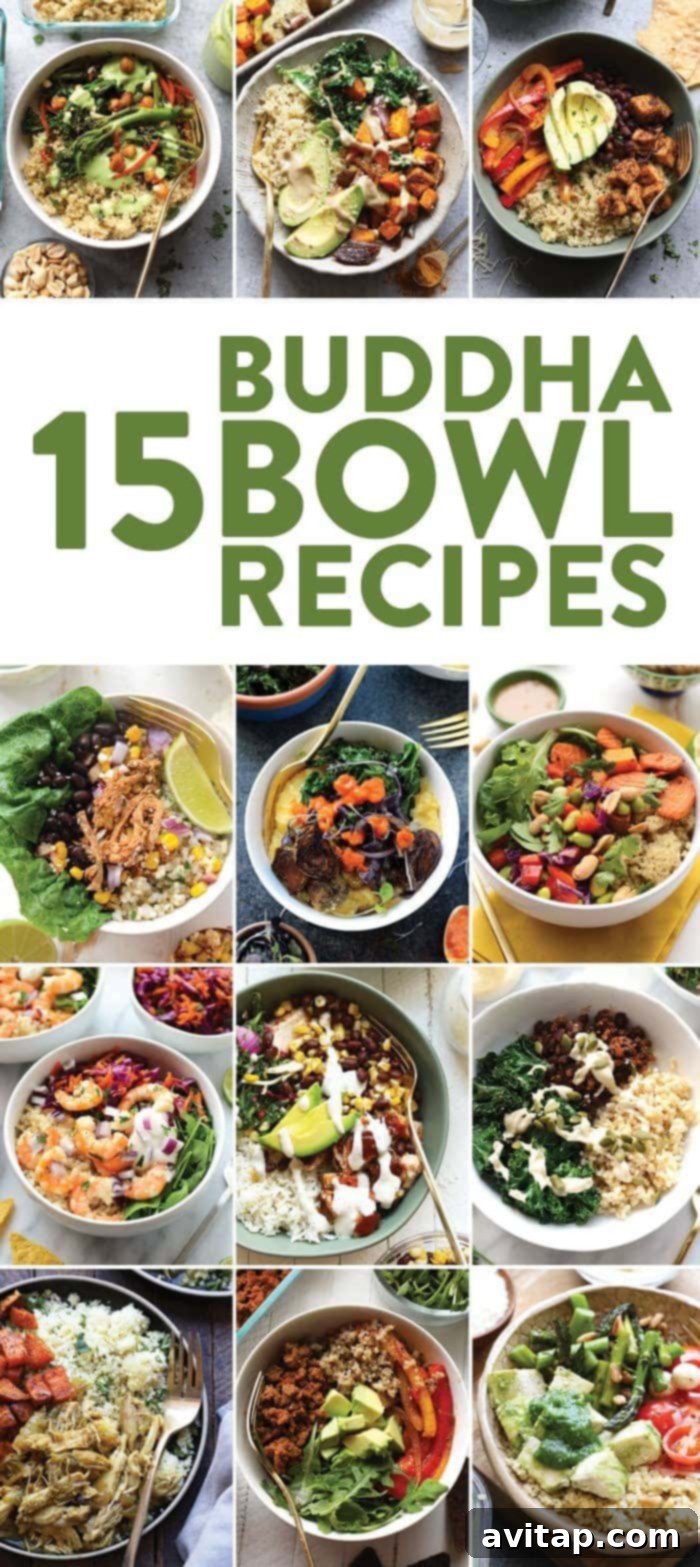
Now that you’re well-versed in the art of the Buddha bowl, here’s a collection of delicious recipes, including our foundational vegan Buddha bowl, to spark your culinary journey. Dive in and find your next favorite healthy meal!
- Meal Prep Vegetarian Kung Pao Quinoa Bowls
- Grilled BBQ Chicken Bowls
- Sheet Pan Meal Prep Tofu Quinoa Burrito Bowls
- Slow Cooker Carnitas Burrito Bowls
- Vegetarian Meal Prep Roasted Brussels Sprouts Polenta Bowls
- Healthy Thai Coconut Quinoa Bowls
- Cilantro Lime Shrimp Bowls
- Black Bean Breakfast Bowls
- Instant Pot Moroccan Chicken Bowls
- Sweet Potato Vegan Buddha Bowl Recipe
- Team Fit Foodie’s Go To Meal Prep Bowl
- Butternut Squash Buddha Bowl
- Copy Cat Chipotle Chicken Burrito Bowl Recipe
- Pesto Chicken Meal Prep Recipe
Basic Vegan Buddha Bowl Recipe
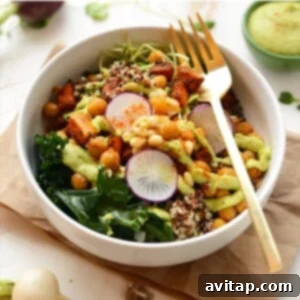
This is our foundational vegan Buddha bowl recipe. It’s built with fluffy quinoa, tender roasted sweet potato, protein-rich garbanzo beans, fresh massaged kale, crisp bean sprouts, and finished with a zesty green goddess dressing. Feel free to unleash your creativity and customize your Buddha bowl with any grain and protein you prefer!
By: Lee Funke
Prep: 30 mins
Cook: 45 mins
Total: 1 hr 15 mins
Servings: 1
Ingredients
- 1 cup cooked quinoa
- 1/2 cup roasted sweet potato
- 1/4 cup garbanzo beans
- 1 cup massaged kale*
- A handful of bean sprouts
- 1 fresh radish, sliced
- 1 teaspoon sesame seeds
- 1 tablespoon vegan dressing (we recommend green goddess dressing)
Instructions
- Place all ingredients into a bowl and enjoy!
Tips & Notes
- For 1 cup of massaged kale, you’ll typically need about 2 cups of fresh kale. Combine with 0.5 tablespoons of olive oil and a pinch of salt. Massage the kale by hand until it becomes shiny, darker green, and more tender.
Nutrition
Calories: 581 kcal, Carbohydrates: 87 g, Protein: 22 g, Fiber: 16 g, Sugar: 14 g
Nutrition information is automatically calculated and should only be used as an approximation.
Shop This Post
Garbanzo Beans
Brown Rice
Love this recipe? Leave a comment below!
Don’t forget to tag your posts on social media with the hashtag #fitfoodiefinds – we’d love to see your amazing Buddha bowl creations!