

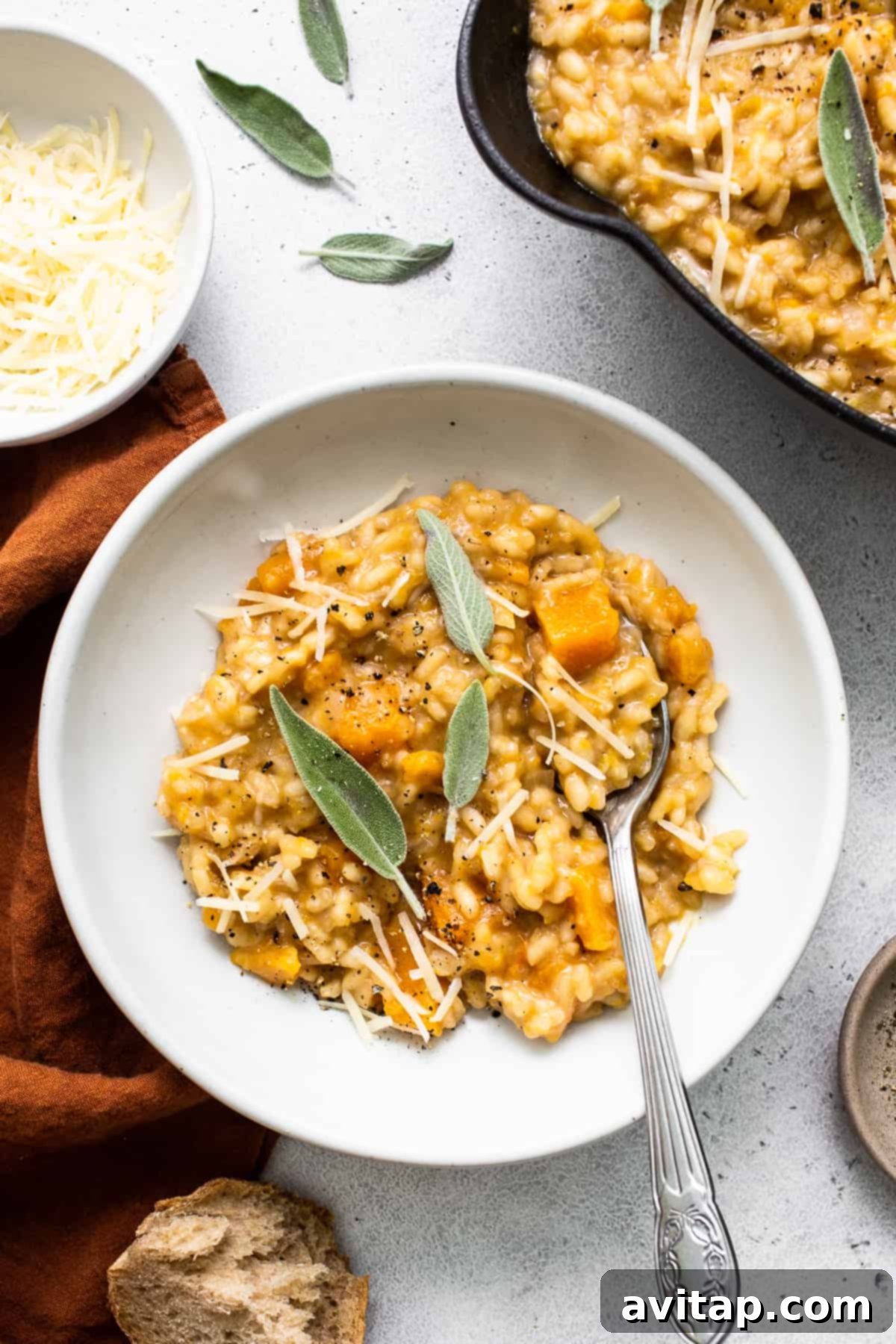
This creamy butternut squash risotto is the ultimate autumn comfort food, bringing warmth and gourmet flavor to any table. You’ll be enchanted by its rich, savory notes and incredibly smooth texture, making it a perfect centerpiece for a cozy fall evening or a festive gathering. Far from being an intimidating dish, this homemade butternut squash risotto is surprisingly simple to master, even for novice cooks. Get ready to impress your family and friends with a dish that tastes elegantly complex but comes together with straightforward steps.

Indulge in this Creamy Butternut Squash Risotto
Dinner is officially served! Tonight, we’re celebrating the season with a truly delightful butternut squash risotto, a dish renowned for its luxurious creaminess and vibrant flavor. While the word “risotto” often conjures images of complicated culinary feats, we’re here to demystify the process. Our easy-to-follow guide will transform you into a risotto-making pro, proving that this Italian classic is well within your reach. Prepare to create a vegetarian masterpiece that’s both comforting and sophisticated.
Why This Butternut Squash Risotto Will Be Your New Favorite Fall Recipe!
Vegetarian Perfection: Searching for a deeply satisfying meal without meat? This butternut squash risotto is a fantastic vegetarian option, packed with wholesome flavors and nutrients from fresh vegetables.
Effortless Elegance: Despite its sophisticated appeal, this creamy risotto is remarkably easy to prepare. With just a few simple steps and a bit of patience, you’ll have a restaurant-quality meal on your table.
Elevated Comfort Food: This recipe strikes the perfect balance between simple ingredients and an exquisitely rich taste. It feels incredibly special and fancy, yet the cooking process remains approachable for home cooks.
Seasonal Sensation: Butternut squash is at its peak in the fall, offering a naturally sweet and earthy flavor that shines in this dish. It’s the ideal way to celebrate autumn’s bounty.
Customizable Delight: Easily adapt this recipe with various herbs, spices, or even a touch of protein to suit your taste preferences, making it a versatile addition to your culinary repertoire.
The Magic of Butternut Squash in Risotto
Butternut squash isn’t just a delicious addition to risotto; it’s a game-changer for its texture and depth of flavor. As it cooks down and is partially mashed, it creates a velvety, naturally sweet base that infuses every grain of Arborio rice with its comforting essence. This not only enhances the overall creaminess but also adds a beautiful golden hue and a subtle, earthy sweetness that perfectly complements the savory notes of the cheese and broth. It’s truly the star ingredient, transforming a simple risotto into an unforgettable fall feast.
Essential Ingredients for Perfect Butternut Squash Risotto
- Butternut Squash: The hero of our dish! You have the flexibility to choose between a whole butternut squash, which you’ll peel and chop into uniform 1-inch cubes for even cooking, or opt for the convenience of pre-chopped butternut squash from your local grocery store. Either way, ensure your cubes are consistent in size.
- Aromatic Spices: We’re creating a symphony of fall flavors with coarse sea salt, freshly ground black pepper, a pinch of cayenne pepper for a subtle kick (optional, but highly recommended), warm coriander, and a hint of nutmeg. These spices are carefully chosen to enhance the natural sweetness of the squash.
- Light Brown Sugar: Just a small amount of light brown sugar goes a long way. It helps to caramelize the butternut squash and amplify its inherent sweetness, adding a delightful depth to the dish.
- Onion and Garlic: These foundational ingredients are the backbone of any great risotto. Finely diced onion and minced garlic create an incredibly fragrant and flavorful base, setting the stage for the rich layers of taste to come.
- Quality Broth: The choice of broth significantly impacts the final flavor. Vegetable broth is perfect for a truly vegetarian risotto, while chicken broth offers a slightly richer profile (note: not vegetarian). For an extra layer of umami, you could even try a homemade parmesan broth. Ensure your broth is warm when adding it to the rice for best results.
- Fresh Sage Leaves: Fresh sage is non-negotiable for this recipe! Its distinctive earthy, slightly peppery aroma adds an unparalleled freshness and authentic fall taste that dried sage simply cannot replicate.
- Dry White Wine: A dry white wine, such as Sauvignon Blanc, is used to deglaze the pan, adding a layer of acidity and complexity to the risotto. This step helps lift the rich flavors from the bottom of the pan, contributing to a more profound taste. Any dry white wine you enjoy drinking will work well here.
- Arborio Rice: This is the star rice for risotto! Arborio rice is a short-grain Italian rice known for its high starch content, which releases as it cooks, creating the signature creamy texture of risotto. Do not substitute with regular rice; it won’t achieve the desired creaminess.
- Freshly Grated Parmesan Cheese: The secret to an irresistibly creamy and profoundly flavorful butternut squash risotto lies in using freshly grated Parmesan cheese. Its salty, nutty notes melt beautifully into the rice, binding all the flavors together. Always grate your own for the best results!
The Art of Risotto: The Secret to Its Creaminess
Making a truly great risotto isn’t about speed; it’s about technique and patience. The magic lies in the constant stirring and gradual addition of warm liquid to Arborio rice. As you stir, the rice grains gently rub against each other, releasing their natural starches. These starches then dissolve into the broth, creating that iconic velvety, luscious sauce that coats each grain of rice. It’s a dance between absorption and release, building layers of flavor and achieving a texture that is simultaneously firm (al dente) and wonderfully creamy. Understanding this process is key to mastering homemade risotto.
Step-by-Step Guide to Butternut Squash Risotto
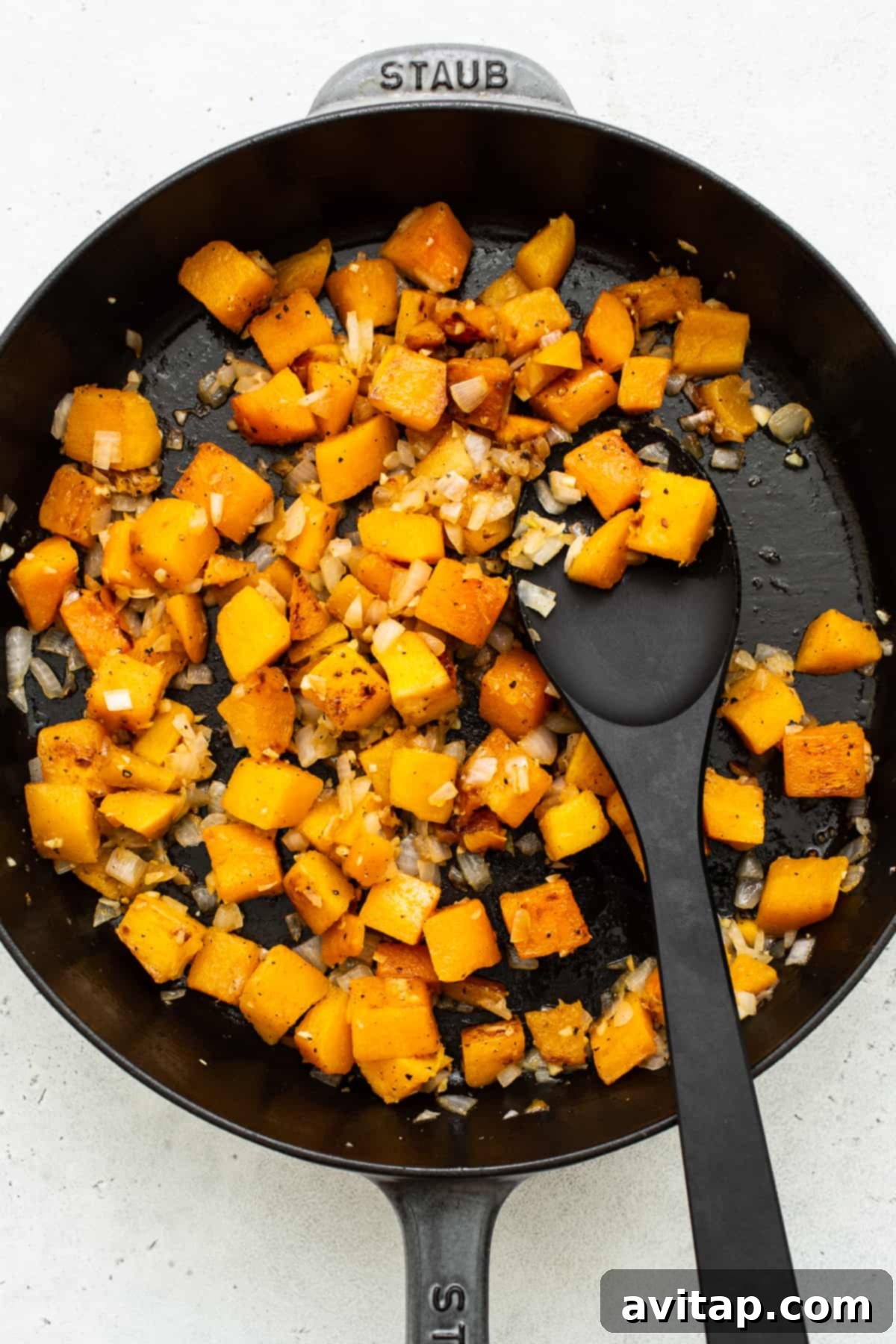
- Prepare the Butternut Squash: Begin by seasoning half of your cubed butternut squash. Place it in a bowl and drizzle with olive oil, then season generously with a portion of the brown sugar, salt, black pepper, and cayenne pepper. Toss everything together to ensure each cube is well coated. Allow this mixture to sit and marinate while you prepare other components, allowing the flavors to meld and the squash to slightly tenderize. Set the remaining butternut squash aside for a later step.
- Craft the Aromatic Broth: This flavorful broth is essential. In a large stockpot or saucepan, sauté half of the diced onion and minced garlic in a tablespoon of olive oil until fragrant and softened. Then, pour in your chosen broth (vegetable or chicken), add the coriander, nutmeg, and fresh sage leaves. Bring the mixture to a gentle simmer over low heat. Keeping the broth warm throughout the risotto cooking process is crucial for optimal absorption and temperature control.
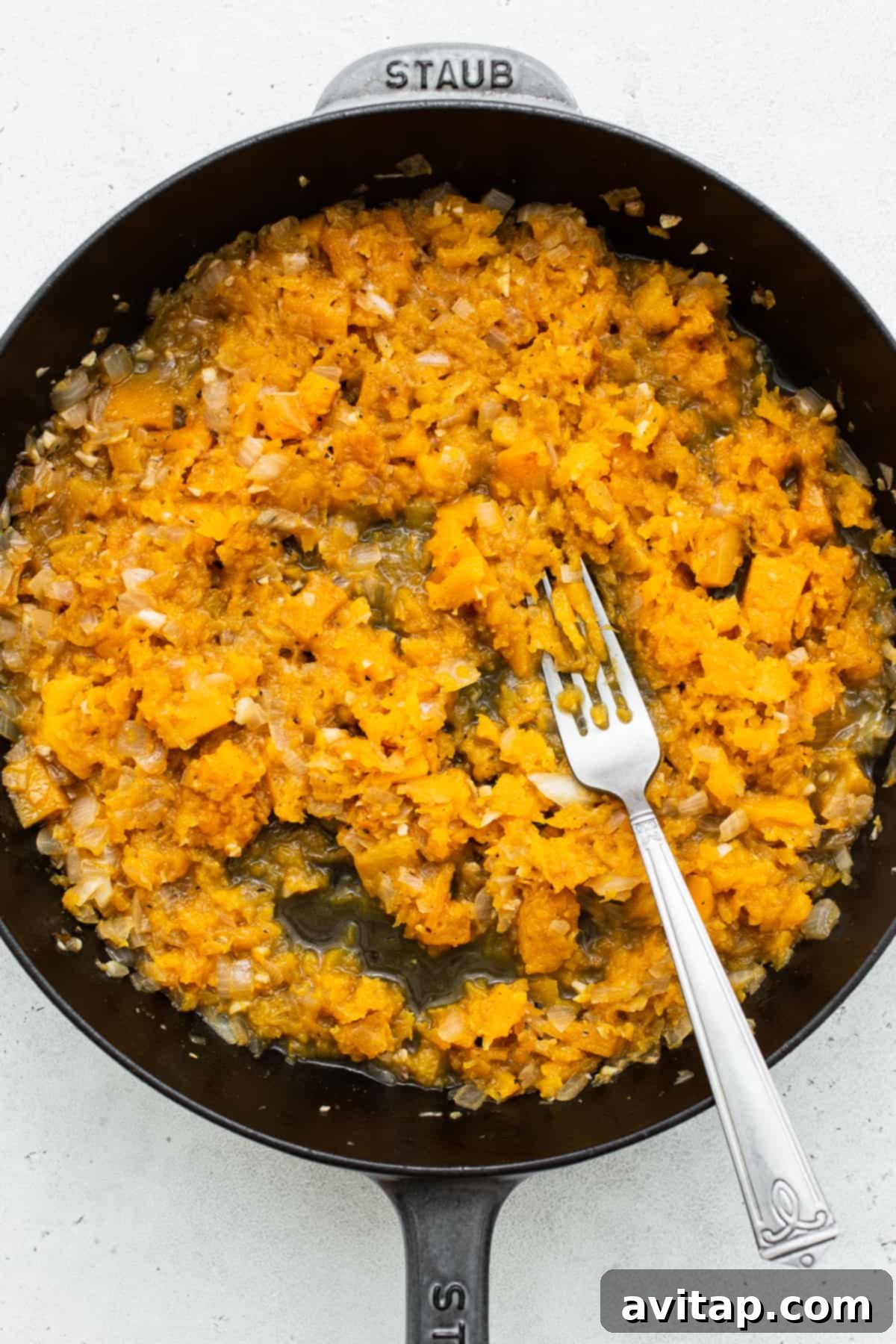
- Sauté and Mash the Squash: Heat a large skillet with high sides over medium-high heat. Add the seasoned butternut squash to the pan and cook, stirring occasionally, until it starts to soften and caramelize, about 6-8 minutes. Add the remaining diced onion and minced garlic, then cover and cook for another 3-4 minutes until the squash is fork-tender. Once soft, use the back of a fork or a potato masher to gently smash a portion of the cooked squash directly in the pan, creating a creamy, flavorful puree. This step is key to the risotto’s velvety texture.
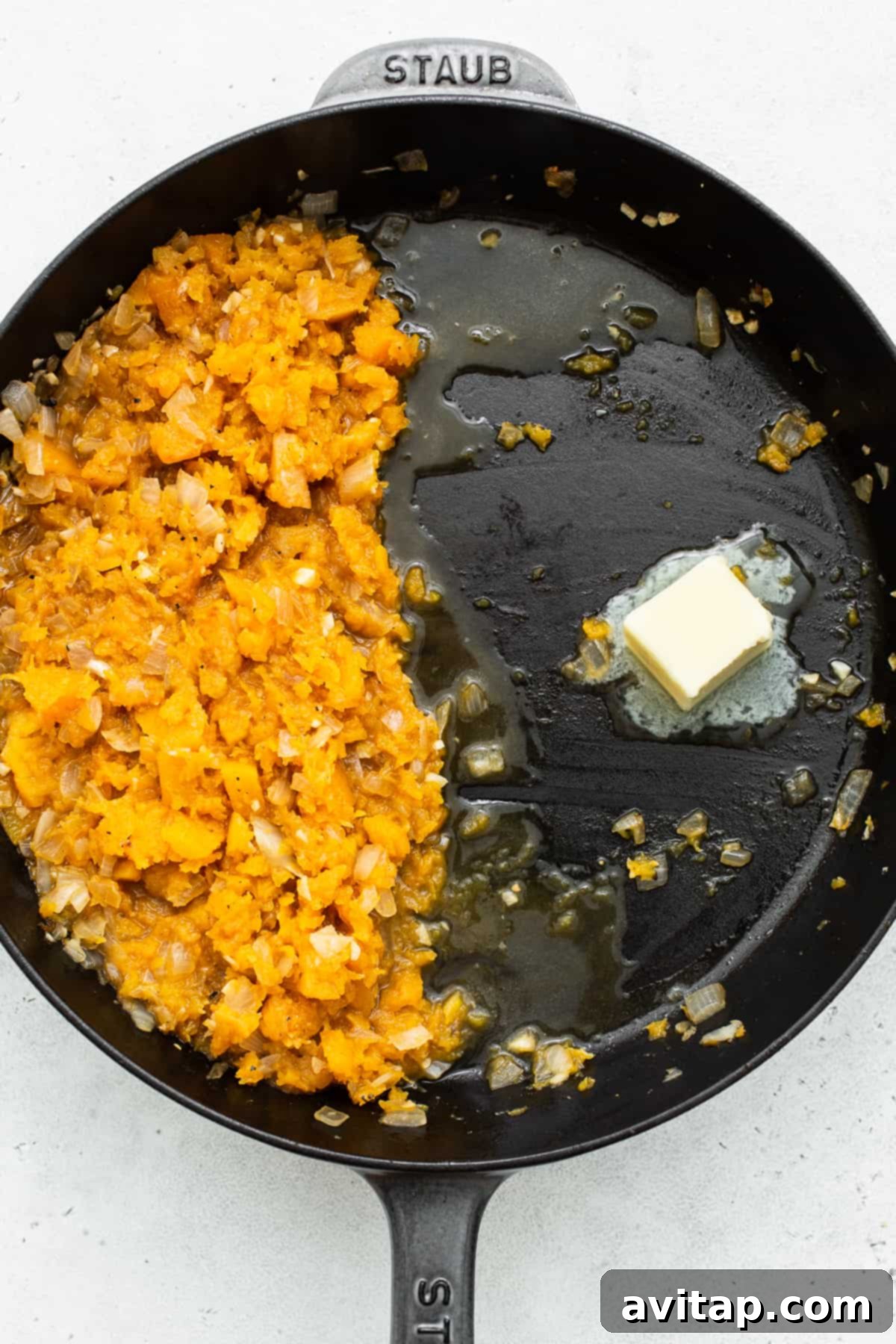
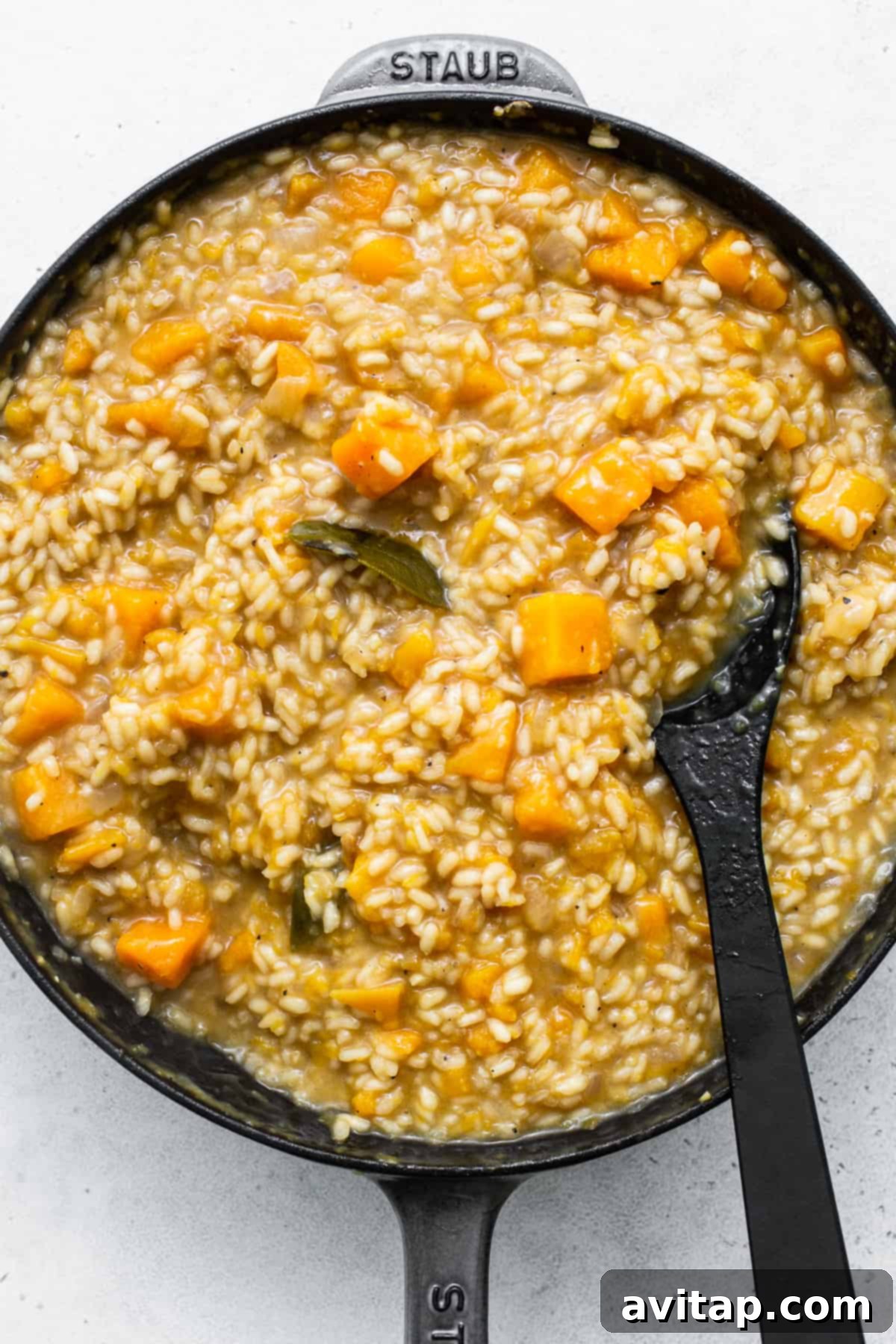
- Toast the Rice and Gradually Add Liquid: Push the mashed butternut squash to one side of the skillet. Add butter to the cleared side of the pan and let it melt. Once melted, add the remaining cubed butternut squash and the Arborio rice to the butter. Toast the rice for 1-2 minutes, stirring constantly, until the edges of the grains become translucent. This toasting step (called ‘toasting the rice’ or ‘tostatura’) helps the rice absorb the liquid more evenly. Now, combine the toasted rice and fresh squash cubes with the mashed squash. Begin adding the warm broth, one ladleful (about ¾ cup) at a time, stirring continuously until each addition is almost completely absorbed by the rice before adding the next. This gradual process, which takes about 30-45 minutes, is what releases the starch from the Arborio rice, creating the risotto’s signature creamy texture. Season with a pinch of salt and pepper after each few additions. Continue this process until the rice is al dente – cooked through but still with a slight bite in the center.
- Finish with Parmesan: Once the rice is perfectly al dente, and most of the broth has been absorbed, stir in the freshly grated Parmesan cheese. Stir vigorously until the cheese is fully melted and incorporated, making the risotto incredibly creamy and rich. Remove the skillet from the heat, taste, and adjust seasonings if necessary. Garnish with cracked black pepper and fresh sage leaves before serving.
The Golden Rule: Embrace Patience for Perfect Risotto
Making authentic, creamy risotto is a meditative and rewarding process that simply cannot be rushed. The gradual addition of liquid and continuous stirring is what coax the starches from the Arborio rice, creating that luscious, velvety texture we all crave. Expect this critical step to take anywhere from 30 to 45 minutes. Think of it as a culinary journey: put on some music, pour yourself a glass of wine or a comforting cup of tea, and enjoy the rhythm of stirring. The delicious, perfectly creamy result will be well worth every moment of your dedication.
More Irresistible Dinner Recipes
Creamy Chicken Mushroom Pasta (Ready in 30 Minutes!)
Flaky Oven-Baked Salmon (Cooked in Foil!)
Creamy Marry Me Chicken Soup (With Ground Chicken)
Easy Oven-Roasted Turkey Tenderloin
Crispy Tofu Stir Fry (Better Than Takeout!)
Expert Tips for Perfect Butternut Squash Risotto
Save Time with Pre-Chopped Squash: If you’re short on time or prefer to skip the peeling and chopping, don’t hesitate to purchase pre-chopped butternut squash from your grocery store’s produce section. Many stores, like Fresh Thyme, offer this convenient option, making your prep even quicker.
Customize the Spice Level: Not a fan of heat? Simply omit the cayenne pepper from the recipe. If you prefer a milder warmth, you can substitute a tiny pinch of red pepper flakes, which tend to offer a more subtle heat profile than cayenne.
Master the Art of Patience: We cannot stress this enough – risotto is a labor of love. The gradual addition of warm broth and consistent stirring is crucial for achieving that signature creamy texture. Resist the urge to rush the process; allow the rice to slowly absorb the liquid and release its starches. The final, delectable result will be your reward.
Warm Your Broth: Always ensure your broth is heated to a gentle simmer before adding it to the rice. Adding cold broth will shock the rice, lowering the pan’s temperature and hindering the starch release, which can lead to a less creamy and unevenly cooked risotto.
Freshly Grate Parmesan: For the best flavor and melt, use a block of high-quality Parmesan cheese and grate it fresh. Pre-grated cheeses often contain anti-caking agents that can prevent it from melting smoothly and alter the texture of your risotto.
Taste and Adjust: Always taste your risotto throughout the cooking process and especially before serving. Adjust salt, pepper, or other seasonings as needed. The flavor of your broth and cheese can vary, so tasting ensures a perfectly balanced dish.
Frequently Asked Questions About Butternut Squash Risotto
Butternut squash risotto is a rich and hearty meal on its own, but it pairs wonderfully with lighter, fresh sides. Consider a crisp, vibrant fall kale salad with a bright vinaigrette, or a simple protein like grilled or roasted chicken breast or pan-seared scallops to complement its creamy texture without overpowering it.
At its core, butternut squash risotto is crafted from high-starch Arborio rice, a flavorful broth (vegetable or chicken), the star ingredient butternut squash, and rich Parmesan cheese. These are often enhanced with aromatic elements like onion, garlic, fresh herbs, and a touch of dry white wine to build complex flavors.
This versatile risotto can be served alongside a variety of proteins. Excellent choices include tender roasted or grilled chicken, savory beef tenderloin, or succulent pan-seared pork. Each of these proteins offers a distinct flavor profile that harmonizes beautifully with the creamy, sweet notes of the butternut squash risotto.
Yes, with a few simple substitutions, you can easily make this recipe vegan. Use vegetable broth, omit the butter and replace it with olive oil or a vegan butter alternative, and swap the Parmesan cheese for a high-quality vegan Parmesan substitute. The natural creaminess from the mashed butternut squash and Arborio rice will still shine through.
A dry white wine is ideal for deglazing in risotto. Sauvignon Blanc, Pinot Grigio, or Chardonnay (unoaked) are all excellent choices. The key is to use a wine you would enjoy drinking, as its flavor will concentrate in the dish. Avoid sweet wines, as they will throw off the balance of flavors.

Recommended Kitchen Essential
Our Favorite Cast Iron Pan
For perfectly sautéing your butternut squash and building the foundation of your risotto, we highly recommend the Great Jones King Sear cast iron pan. It’s a fantastic investment for any kitchen, offering excellent heat retention and durability for many years of delicious cooking.

Storing and Reheating Butternut Squash Risotto
Butternut squash risotto is best enjoyed fresh, but leftovers can be delicious with proper storage and reheating. Once the risotto has cooled completely, transfer it to an airtight container and store it in the refrigerator for up to 3-5 days. This will help maintain its freshness and prevent it from drying out.
To Reheat: Risotto can become quite firm once chilled. To restore its creamy texture, transfer the desired portion to a saucepan and heat it gently over medium-low heat. Add about 1/4 cup of vegetable or chicken broth (or water) per serving, stirring frequently. Continue to cook, stirring, until the risotto is warmed through and has regained its creamy consistency. You may need to add a splash more liquid if it still seems too thick. Avoid microwaving, as it can make the rice gummy and dry.
Discover More of Our Favorite…
Hearty Dinner Recipes
- Instant Pot Whole Chicken
- Beef and Barley Soup
- Perfect Baked Pork Tenderloin
- Instant Pot Pork Tenderloin
Butternut Squash Risotto
This delightful butternut squash risotto features creamy Arborio rice, sweet roasted butternut squash, rich Parmesan cheese, and a blend of aromatic spices. It’s a perfect fall comfort food that serves 8.
By: Emily Richter
Prep Time: 30 mins | Cook Time: 35 mins | Total Time: 1 hr 5 mins
Servings: 8

Ingredients
- 4.5 cups 1-inch cubes butternut squash, separated
- 2 tablespoons olive oil
- 2 teaspoons coarse salt, separated
- 1 teaspoon light brown sugar
- 1.5 teaspoons ground black pepper
- ⅛ teaspoon cayenne pepper (optional, for heat)
- 1 large white onion, diced and divided
- 6 cloves garlic, minced and divided
- 8 cups vegetable or chicken broth, warmed
- 1 teaspoon ground coriander
- ⅛ teaspoon ground nutmeg
- 6 fresh sage leaves
- 1 cup dry white wine (e.g., Sauvignon Blanc)
- 2 tablespoons unsalted butter
- 2 cups uncooked Arborio rice
- 1 cup freshly grated Parmesan cheese, plus more for topping
Instructions
- Season First Batch of Squash: In a large bowl, combine 2.5 cups of butternut squash cubes with 1 tablespoon of olive oil, 1 teaspoon of salt, brown sugar, ½ teaspoon of black pepper, and cayenne pepper (if using). Massage the seasonings into the squash cubes with your hands to ensure even coating. Let this mixture sit for at least 15 minutes to marinate.
- Prepare Seasoning Mixture: In a small bowl, combine the remaining salt and pepper. This mixture will be used in layers to season the risotto.
- Start the Broth Base: Heat ½ tablespoon of olive oil in a large stockpot over medium heat. Add half of the diced white onion and sauté for 2 minutes until softened. Add 3 cloves of minced garlic and sauté for another minute until fragrant.
- Simmer the Broth: Pour the warmed broth into the stockpot with the onion and garlic. Stir in the ground coriander, ground nutmeg, and fresh sage leaves. Bring to a boil, then reduce heat to low and let it simmer gently, keeping it warm while you prepare the risotto.
- Cook and Mash Squash: Heat a large skillet with high sides over medium-high heat. Add the remaining 1 tablespoon of olive oil. Add the marinated butternut squash cubes (2.5 cups) to the pan and toss to coat. Cover the skillet and cook for 3-4 minutes. Uncover, toss the squash, then add the remaining onion and garlic to the skillet. Cover again and cook for another 3-4 minutes, or until the squash is caramelized and very soft.
- Deglaze with Wine: Deglaze the pan by pouring in the white wine. Stir gently, allowing the squash to cook in the wine for 2-3 minutes as the alcohol evaporates and the flavors meld.
- Mash Squash and Toast Rice: Once the squash is soft, use the back of a fork to mash about half of it directly in the skillet, creating a creamy puree. Push the mashed squash to one side of the skillet. To the other side, add the unsalted butter and let it melt. Add the remaining (un-mashed) 2 cups of butternut squash cubes and the Arborio rice to the butter. Toast the rice for 1-2 minutes, stirring constantly, until the edges of the grains become translucent.
- Gradual Broth Addition: Combine all ingredients in the skillet. Turn the heat to medium. Add ¾ cup of the warm broth mixture to the skillet and stir continuously until the broth is almost completely absorbed by the rice. Season with a pinch of the reserved salt and pepper mixture. Repeat this step, adding ¾ cup of broth at a time and stirring until absorbed, until approximately 7.5 cups of broth have been used (about 30 minutes). Taste the rice; it should be al dente (tender with a slight bite). If it’s still too hard, continue with the remaining broth.
- Finish with Parmesan: Add the final ½ cup of broth to the rice, stirring until it’s about halfway absorbed. Then, stir in the freshly grated Parmesan cheese until it melts and creates a creamy, luxurious consistency.
- Serve: Remove the risotto from the heat. Garnish with freshly cracked black pepper and extra fresh sage leaves. Serve immediately and enjoy!
Tips & Notes
- If you are running short on time or prefer not to chop butternut squash, buy pre-chopped squash from the grocery store.
- Don’t like spice? Skip the cayenne pepper entirely or use a tiny pinch of red pepper flakes for a very mild warmth.
- Remember, risotto is a labor of love; do not rush the gradual broth addition process for the best creamy texture.
Nutrition
Nutrition information is an approximation. Values per serving (based on 8 servings):
- Calories: 375 kcal
- Carbohydrates: 57 g
- Protein: 9 g
- Fat: 10 g
- Fiber: 4 g
- Sugar: 4 g
Love this recipe? Share your thoughts below!
Don’t forget to tag your beautiful creations on social media with the hashtag #fitfoodiefinds – we’d absolutely love to see what you’re cooking up!
Photography: All images featured in this post were captured by Ashley McGlaughlin from The Edible Perspective.