
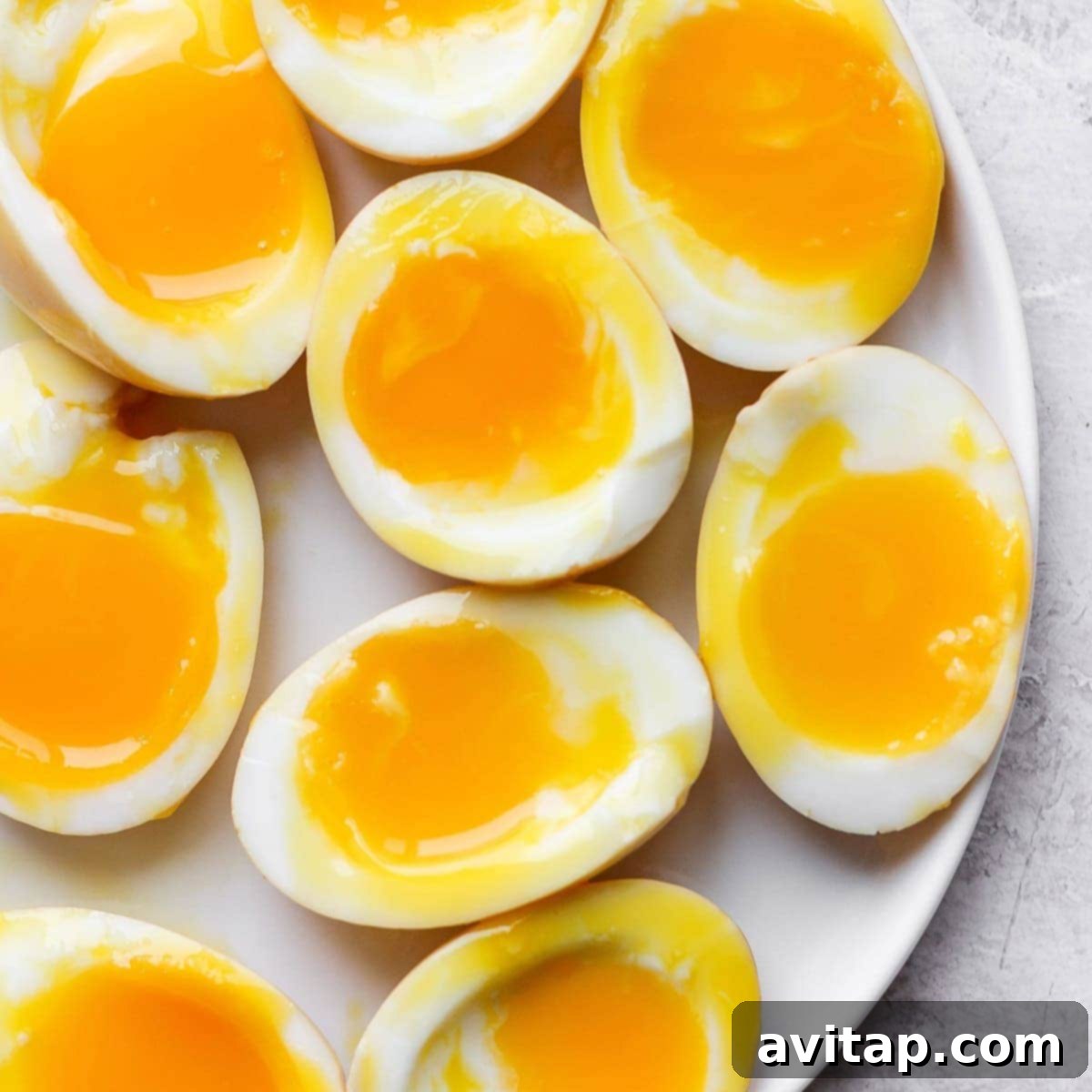
Forget everything you thought you knew about ramen eggs! While traditional ajitama are undeniably delicious, our unique recipe introduces a revolutionary flavor profile that will tantalize your taste buds. These aren’t just any soft-boiled eggs; they are meticulously marinated in a rich, aromatic black tea and ginger infusion, creating an unforgettable culinary experience. Whether you’re seeking a protein-packed snack, a gourmet addition to your lunch, or the crowning glory for a steaming bowl of homemade ramen, these black tea and ginger ramen eggs are an absolute game-changer.
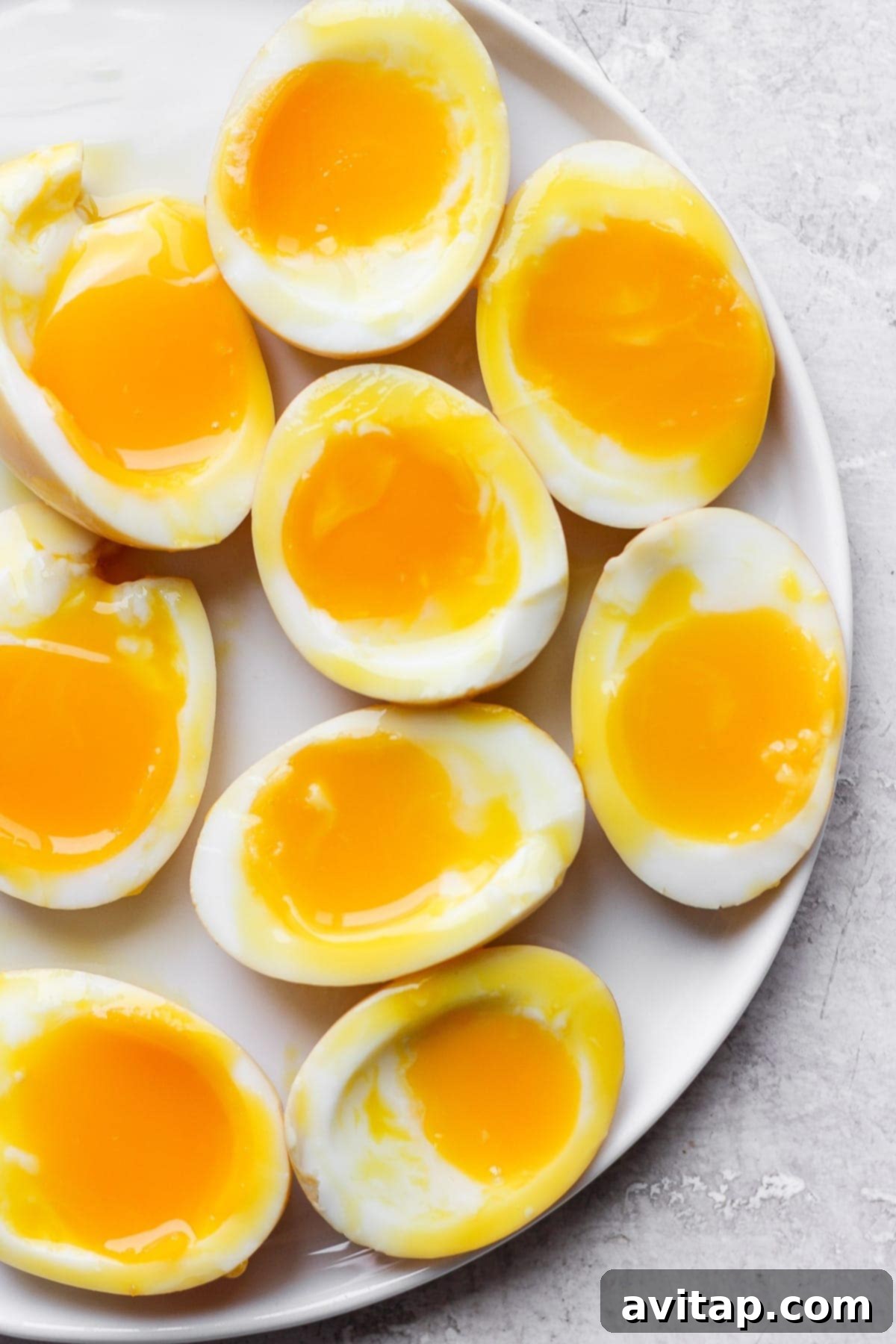
Elevate Your Culinary Experience with Black Tea & Ginger Ramen Eggs!
At our core, we’re passionate about eggs – from the simplicity of perfect hard-boiled eggs to the versatility of oven-baked eggs, and the comfort of fluffy scrambled eggs. But among all the incredible ways to enjoy this staple, our black tea and ginger ramen eggs have quickly ascended to the top of our favorites list. This recipe isn’t just about cooking eggs; it’s about transforming them into a savory, umami-rich delicacy that can be enjoyed in countless ways. Imagine a perfectly jammy yolk encased in a subtly spiced, tea-infused white – it’s a gourmet experience accessible right in your kitchen.
It’s crucial to understand that these are **not** your typical ramen eggs. Traditional ramen eggs, known as *ajitama* or *ajitsuke tamago*, involve soft-boiling eggs, chilling them quickly in an ice bath, and then marinating them in a mixture predominantly composed of soy sauce, mirin (sweet rice wine), and water. While that classic method yields fantastic results, our black tea and ginger rendition offers a distinct, aromatic twist. Our eggs still undergo the critical soft-boiling and ice bath steps, but their true magic unfolds during the marination process. They share a spiritual kinship with Chinese Tea Eggs, which are famous for their beautiful marbled appearance and fragrant tea-infused flavor, but we’ve streamlined the process and elevated the taste profile with fresh ginger and lemongrass.
Mastering These Quick & Flavorful Ramen Eggs: A Step-by-Step Guide
Crafting these exquisite soft-boiled ramen eggs is a straightforward process that anyone can master. We’ve broken it down into a few essential, easy-to-follow steps, ensuring that you’ll be enjoying these delightful eggs in no time. Precision and patience are key, especially during the cooking and cooling phases, but the results are truly worth it. Let’s dive into the simple journey to creating your new favorite egg dish:
- Prepare the Aromatic Marinade: This is where the unique flavor begins.
- Expertly Soft-Boil the Eggs: Achieving that perfect, jammy yolk is vital.
- Chill Promptly in an Ice Bath: A crucial step for texture and easy peeling.
- Gently Peel the Eggs: Techniques to ensure a smooth, unblemished surface.
- Immerse in the Marinade: Let the flavors meld and deepen.
- Savor and Enjoy: The delicious reward for your efforts!
The Heart of the Flavor: Crafting the Perfect Marinade
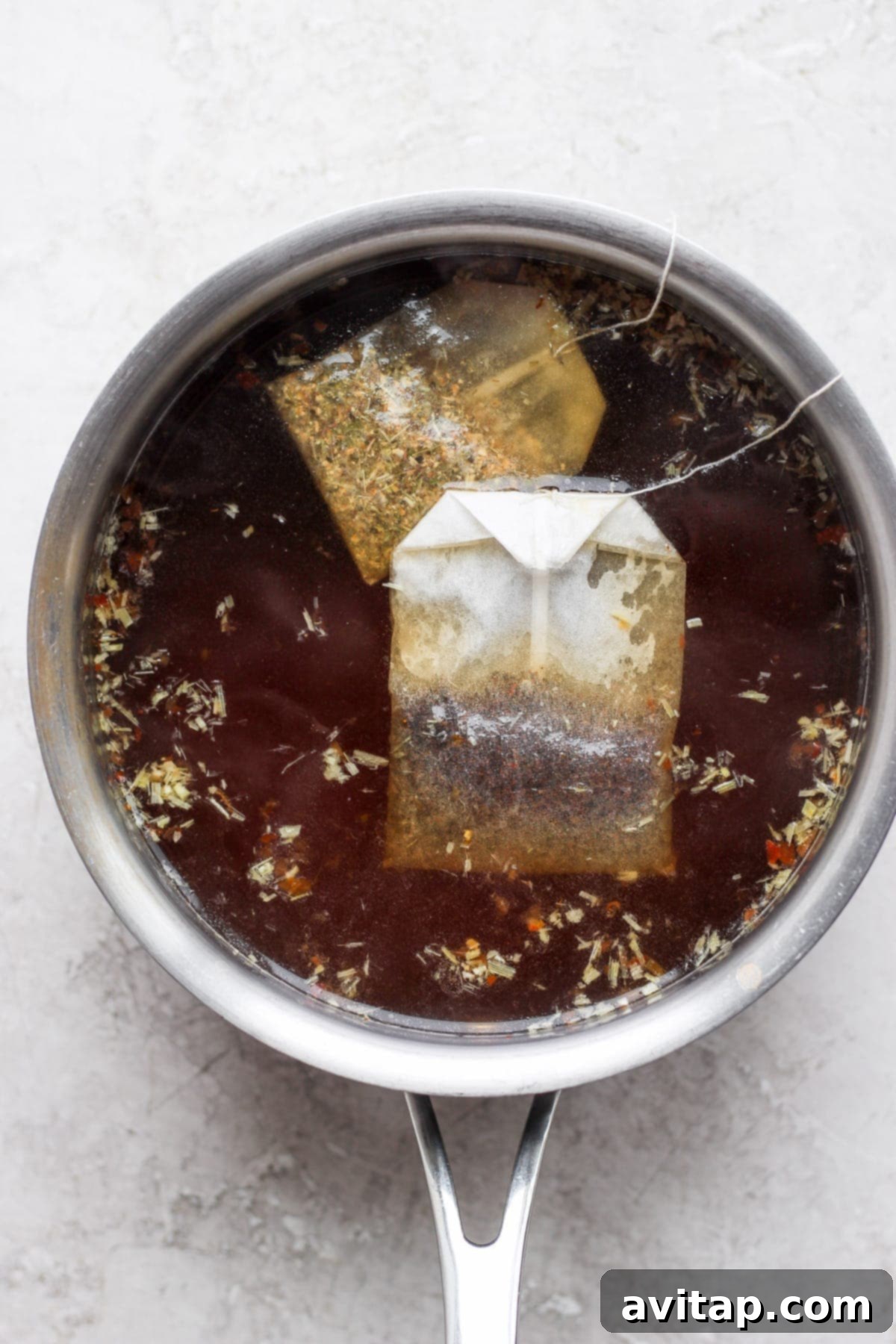
The marinade is the secret weapon in this recipe, infusing the soft-boiled eggs with their signature black tea and ginger essence. The first step in this culinary adventure is always to prepare your marinade. This proactive approach ensures that by the time your eggs are perfectly cooked and peeled, the marinade will have cooled completely – a crucial detail we’ll explain shortly. You’ll be amazed at how simple yet profound the flavor development is with this blend of ingredients.
Honestly, this marinade is incredibly easy to prepare, requiring just a few minutes of active time for a burst of complex flavors!
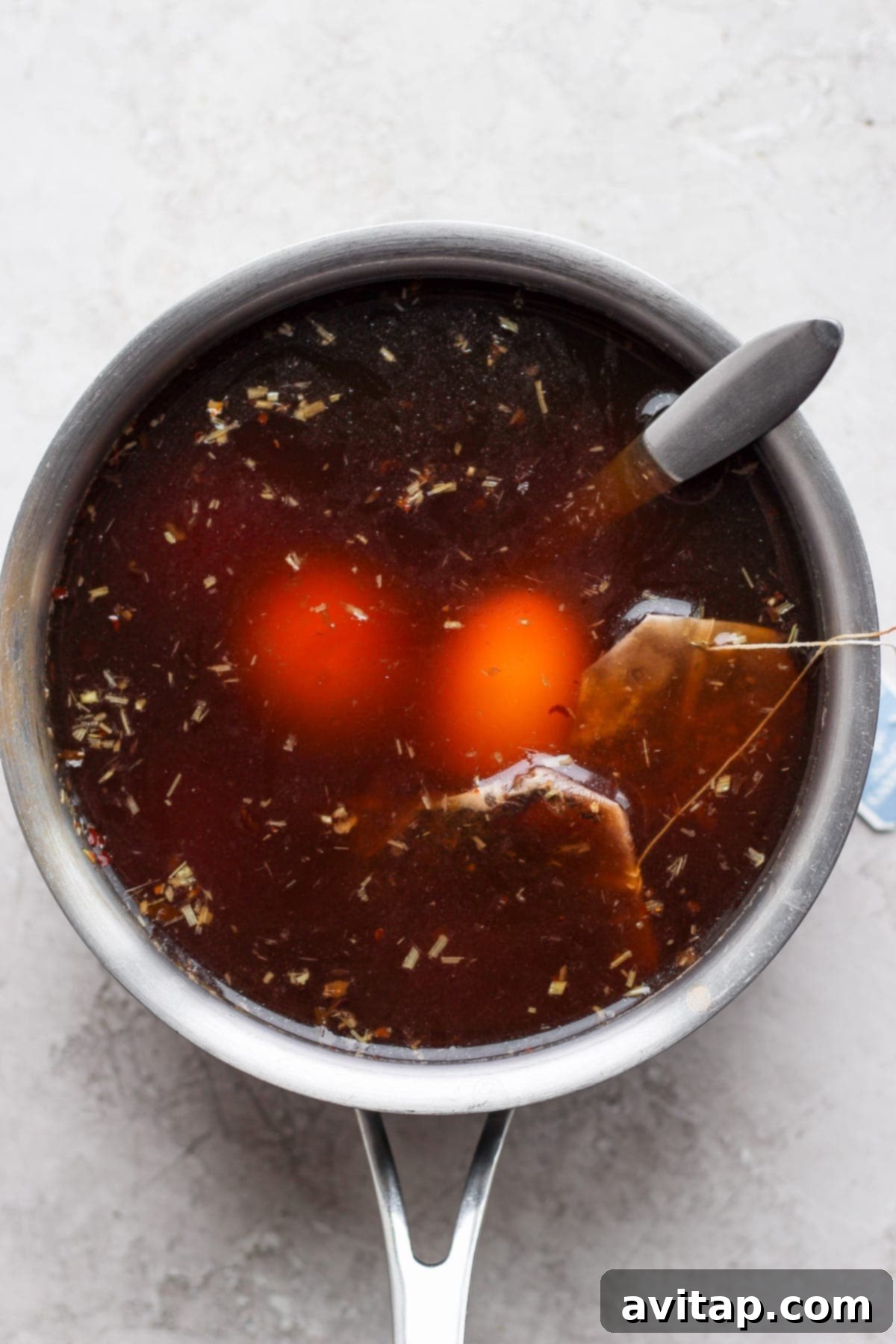
- Begin by bringing 4 cups of water to a rolling boil in a medium-sized saucepan. Once boiling, remove it from the heat to prevent over-reduction of the liquid before steeping.
- To this hot water, add the soy sauce (or tamari for a gluten-free option), freshly grated ginger, aromatic lemongrass, and a dash of fish sauce. Whisk these ingredients together until they are thoroughly combined and the fragrances begin to bloom.
- Finally, introduce the black tea bags and ginger tea bags to the mixture. Allow them to steep in the warm liquid. The goal is not just to infuse the tea flavors but also to let the entire mixture cool down to room temperature. This cooling period is essential for reasons we’ll discuss next.
Can I customize my marinade with other ingredients?
Absolutely! This recipe provides a fantastic base, but feel free to unleash your creativity and tailor the marinade to your personal taste. If you’re a fan of bolder flavors, consider adding a touch more chili garlic sauce or sriracha for an extra kick. For deeper umami, a splash of mushroom soy sauce could be wonderful. A star anise pod or a stick of cinnamon can add warmth and complexity, reminiscent of traditional Chinese tea eggs. Experiment with different types of tea as well – a smoky Lapsang Souchong or an Earl Grey could offer intriguing variations. Don’t hesitate to play with spices and aromatics to truly make this recipe your own.
Important Tip: Ensure Marinade is Completely Cool!
It is absolutely essential to allow your marinade to cool completely to room temperature before adding the soft-boiled eggs. Why is this so critical? If you place your delicate soft-boiled eggs into a warm marinade, the residual heat will continue to cook them. This will turn your beautiful, jammy yolks into firm, rubbery ones, completely defeating the purpose of a perfect ramen egg. Patience here ensures that silky, rich yolk texture you’re aiming for.
The Art of the Perfect Soft-Boiled Egg
The hallmark of an exceptional ramen egg is its captivatingly soft, almost custardy yolk. While we would never judge your preference for a firmer cook, the traditional and most beloved form of a ramen egg features a fully set, yet tender egg white surrounding a gloriously runny, rich, golden yolk. This contrast in textures is what makes them so incredibly satisfying and sought after in ramen bowls around the world. Achieving this delicate balance requires precise timing and a quick transition to a cold environment.
Before you even think about boiling water for your eggs, ensure your ice bath is prepared and ready. Grab a large bowl, fill it generously with ice, and then cover the ice with cold water. This immediate cold shock is paramount to halting the cooking process at precisely the right moment.
Preparing the ice bath *before* your eggs finish cooking is a non-negotiable step. The moment your timer dings, those eggs need to be plunged into the icy depths. This rapid cooling not only stops them from continuing to cook (preventing an overcooked, chalky yolk) but also helps to separate the egg membrane from the shell, making peeling significantly easier – a common frustration many home cooks face!
Optimal Cook Time for Jammy Ramen Eggs
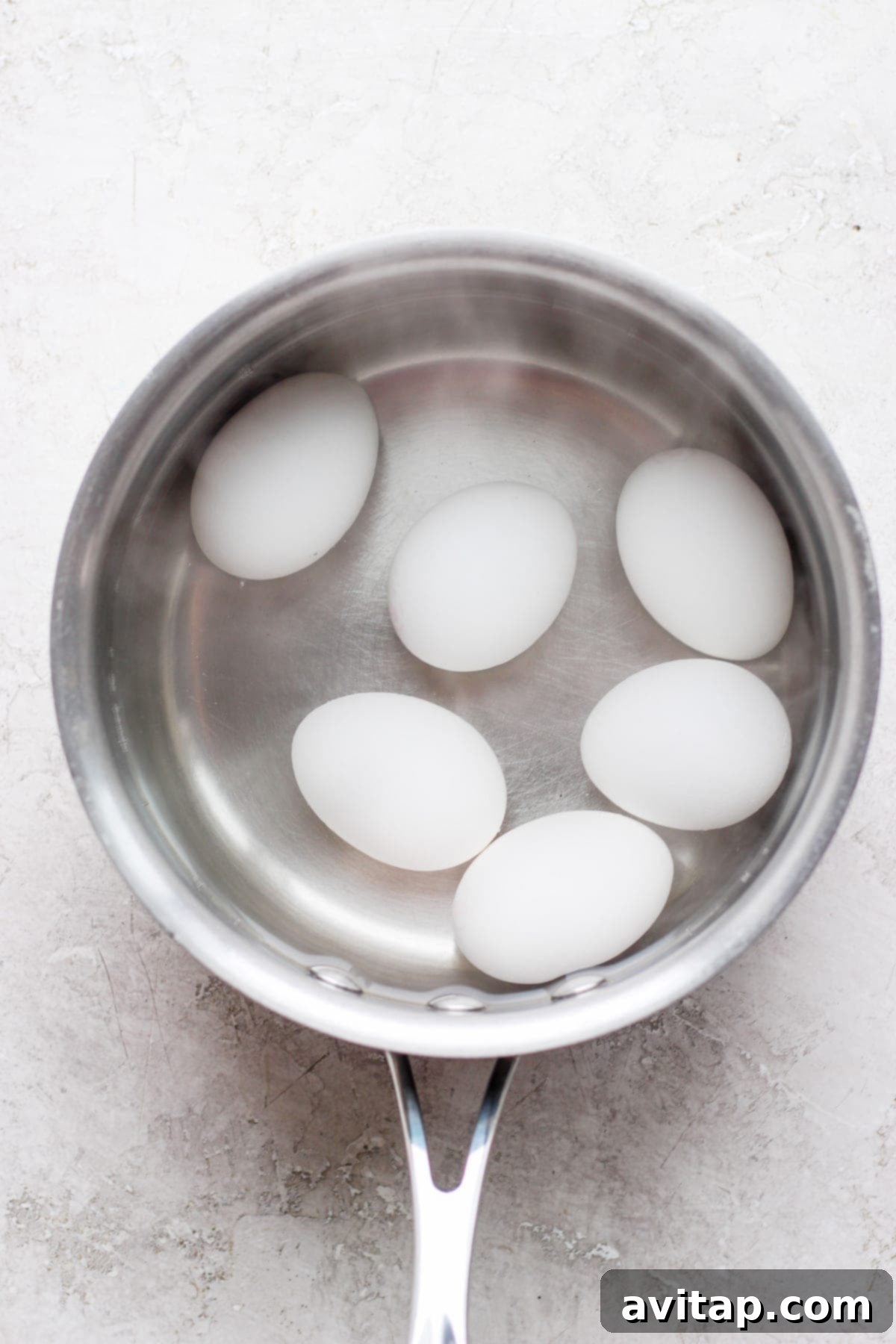
To achieve that coveted jammy consistency, bring a pot of water to a vigorous boil. Carefully, using a slotted spoon, gently lower your eggs into the boiling water. The key is minimal movement to prevent cracking. Once all eggs are in, set your timer for exactly 5 minutes for a slightly runnier, perfectly jammy yolk. If you prefer a slightly firmer, but still soft and creamy yolk, you can extend the cooking time to 6 minutes. Avoid overcrowding the pot, as this can lower the water temperature and lead to uneven cooking.
The instant the timer goes off, swiftly remove the eggs from the boiling water with your slotted spoon and plunge them directly into the pre-prepared ice bath. Let them sit there for at least 5 minutes. This abrupt temperature change is vital for stopping the cooking process and ensuring easy peeling.
The Final Steps: Peeling and Flavor Infusion
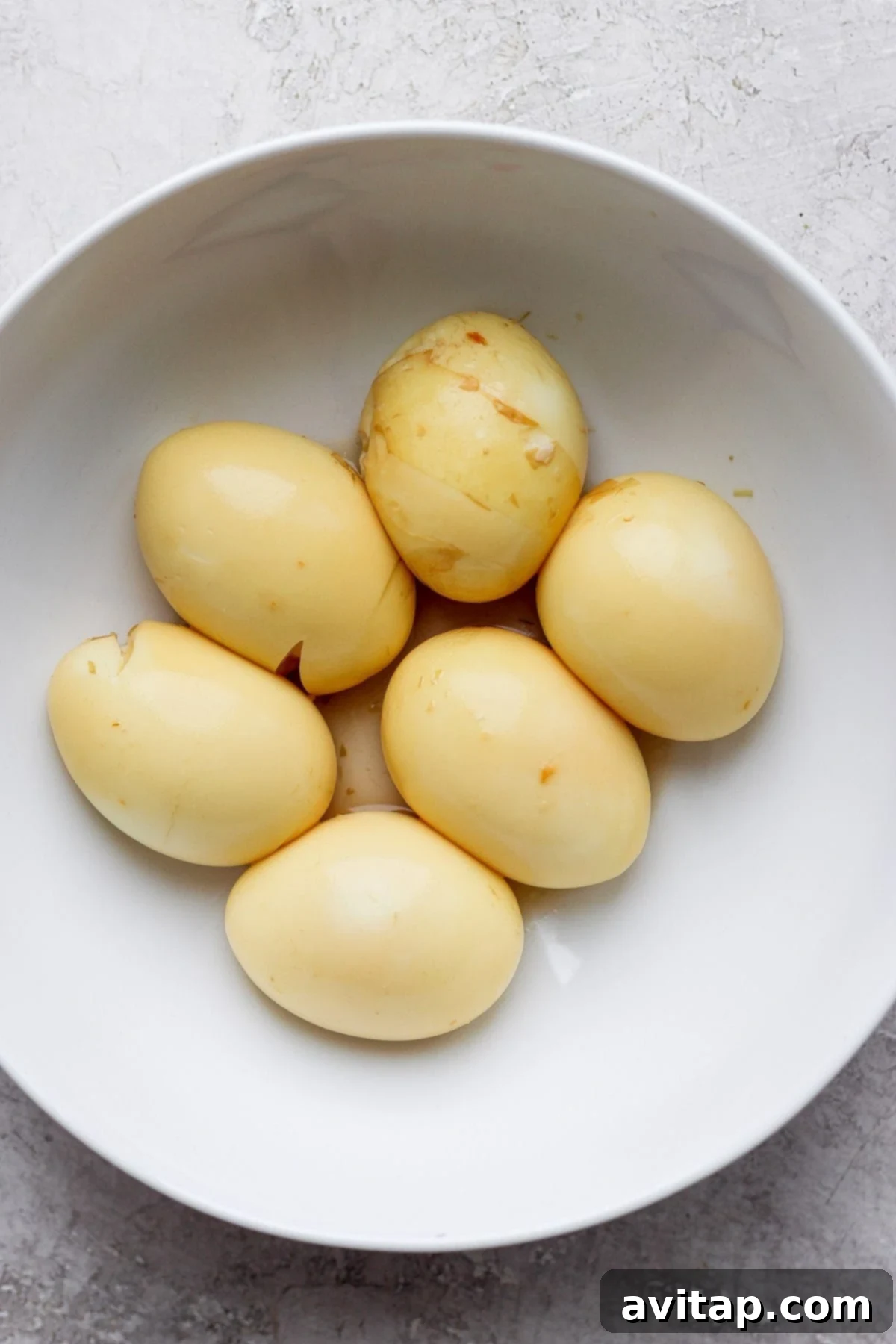
After your eggs have had their refreshing ice bath for at least 5 minutes (and don’t worry, they can stay in there longer if you get sidetracked – the colder, the better for peeling!), it’s time for the delicate art of peeling. Remove each egg from the ice water and, with utmost care, gently peel away their shells. Once peeled, immediately transfer these smooth, pristine eggs into your cooled black tea and ginger marinade to begin their transformative soak. This is where they will absorb all those incredible flavors, deepening in color and taste.
How Long Should You Marinate Your Ramen Eggs?
The marination time is flexible, allowing you to control the intensity of flavor. For a batch of “quick ramen eggs” that still pack a delightful punch, aim for at least 30 minutes of soaking. This short duration will impart a noticeable, yet subtle, tea and ginger essence.
However, for the most profoundly flavorful and beautifully colored ramen eggs, we highly recommend an overnight soak. Place your eggs, fully submerged in the marinade, into an airtight container and refrigerate them overnight. The extended marination allows the eggs to absorb maximum flavor and develop a gorgeous amber hue, making every bite a rich, complex experience. The longer they soak, the deeper the flavor and color will be!
Expert Tips & Clever Tricks for Perfect Ramen Eggs Every Time
Achieving consistently perfect ramen eggs can feel like a culinary superpower, but with a few insider tips, you’ll be cracking (and peeling!) them like a pro. Here are some frequently asked questions and invaluable advice to guide you:
What kind of eggs are traditionally used in ramen?
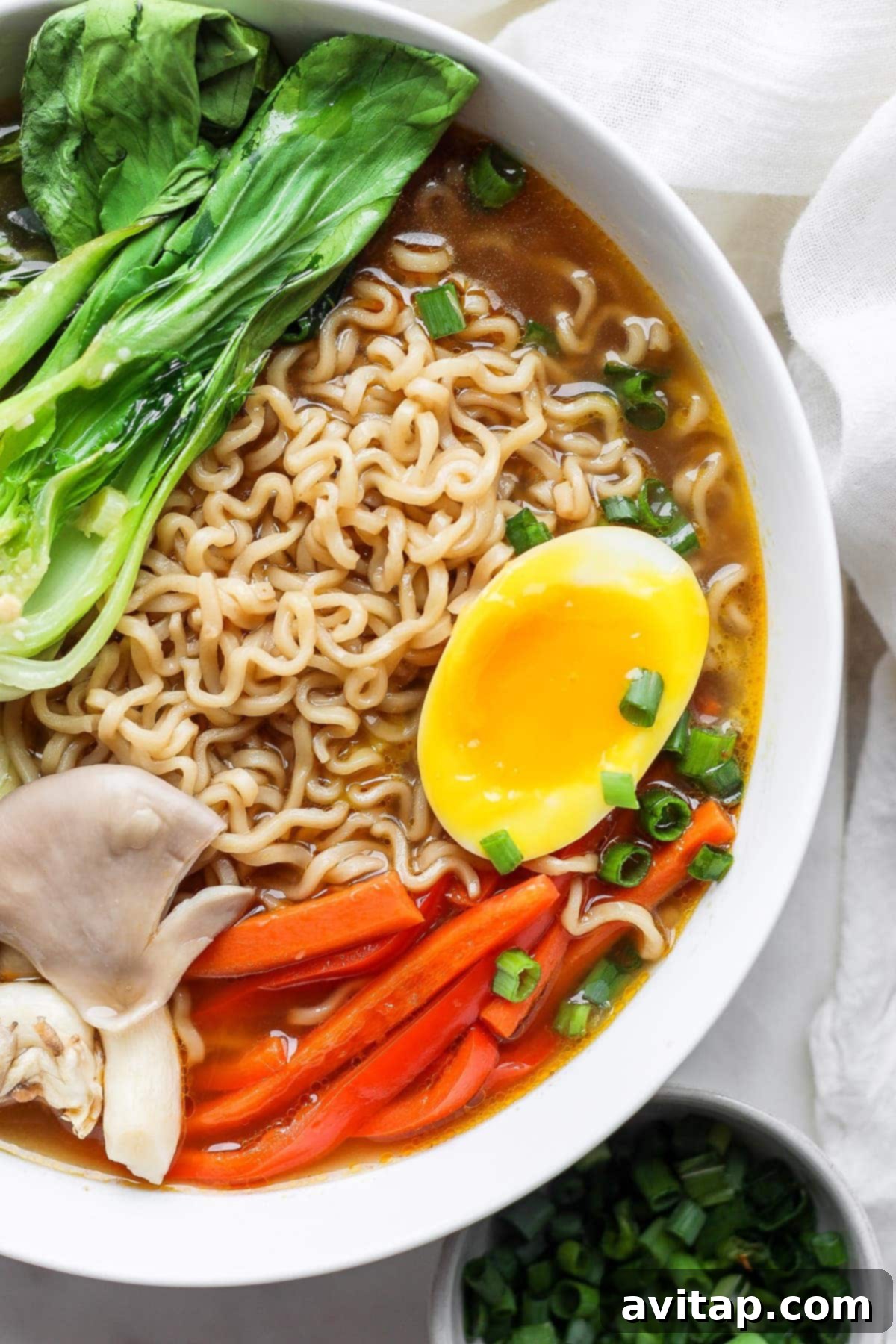
Traditionally, soft-boiled eggs, specifically *ajitama* or *ajitsuke tamago*, are the go-to egg for ramen soup. Their creamy, sometimes runny, yolk perfectly blends with the rich broth, adding a luxurious texture and depth of flavor that complements the noodles and other toppings. Our black tea and ginger version, while non-traditional, fits this role perfectly with its unique aromatic profile.
What’s the best way to peel a soft-boiled egg cleanly?
Peeling soft-boiled eggs can be notoriously tricky, but a few techniques can make it much easier:
- Ice Bath is Your Ally: As mentioned, the rapid cooling in an ice bath helps the egg white contract, creating a tiny gap between the egg and its membrane. This is crucial.
- Tap and Roll: Once cooled, gently tap the wide end of the egg on a hard surface to create a small crack. This is usually where the air pocket is located. Then, gently roll the egg on the counter, applying slight pressure with your palm, until cracks appear all over the shell.
- Peel Under Water: Submerge the cracked egg back into a bowl of cold water (or peel under a very gentle stream of running water). The water helps to get under the membrane and wash away tiny shell fragments, allowing the shell to slide off more easily.
- Find the Membrane: Once you get a small piece of shell off, try to locate the thin membrane just beneath it. If you can slip your finger under this membrane, you’ll often be able to peel off large sections of the shell, sometimes even the entire shell, in one go.
- Don’t Aim for Perfection: It’s okay if they aren’t perfectly smooth. A few minor imperfections won’t affect the taste, especially once they’re marinated and sliced for your ramen!
How do I serve these delicious black tea and ginger ramen eggs?
The most obvious and celebrated way to serve these marinated eggs is, of course, on top of a hearty bowl of ramen soup. Their rich flavor and creamy yolk integrate beautifully with various broths, enhancing the overall ramen experience. However, the versatility of these eggs extends far beyond just ramen. Get creative!
- An Elevated Snack or Breakfast: Enjoy your ramen eggs chilled, just as you would a regular hard-boiled egg. They make for a wonderfully satisfying, protein-rich snack or a unique breakfast item.
- Enhance Your Salads: Slice them in half or quarters and add them to any of your favorite salads. Their savory, aromatic flavor pairs exceptionally well with fresh greens and crisp vegetables. They are particularly delicious when served with our simple Asian salad, complementing the dressing and other components perfectly.
- Grain Bowls & Rice Dishes: Elevate a simple grain bowl or a serving of steamed rice with a halved ramen egg. The runny yolk acts as a natural sauce, adding richness to every bite.
- Appetizer Platter: Cut them in half and arrange them on an appetizer platter with a sprinkle of sesame seeds and fresh scallions for an elegant and flavorful starter.
- Stir-fries and Noodle Bowls: Add them as a protein component to your next stir-fry or cold noodle salad for an extra layer of flavor and texture.
Storing Your Black Tea & Ginger Ramen Eggs
One of the many advantages of these marinated eggs is their suitability for meal prepping. You can make a batch at the beginning of the week and enjoy them over several days, making healthy eating convenient and delicious.
How long do black tea ramen eggs last?
When properly stored, your black tea and ginger ramen eggs will remain fresh and flavorful for up to 5 days in the refrigerator. To maintain their quality and prevent them from drying out or absorbing other fridge odors, store them in an airtight container, preferably submerged in their marinade. This not only keeps them fresh but also allows the flavors to continue to deepen slightly over time.
More of our Favorite Healthy & Flavorful Recipes…
Delicious & Nourishing Soups
- Hearty Chicken Quinoa Soup
- Comforting Asian Chicken Noodle Soup
- Easy One-Pot Golden Curry Chicken Soup
Black Tea & Ginger Ramen Egg Recipe
Prep: 30 mins
Cook: 6 mins
Total: 36 mins
Print Recipe
Ingredients
- 6 large eggs
- 6 cups water (for boiling eggs)
- 2 tablespoons soy sauce (or tamari for gluten-free)
- 2 teaspoons fresh grated ginger
- 2 teaspoons fresh grated lemongrass
- 2 teaspoons garlic chili sauce
- 1 teaspoon fish sauce
- 2 black tea bags
- 2 ginger tea bags
Instructions
- Bring 4 cups of water to a boil in a medium saucepan. Once boiling, remove it from the heat.
- Add the soy sauce, grated ginger, lemongrass, garlic chili sauce, and fish sauce to the saucepan. Whisk them together until well combined.
- Add the black tea bags and ginger tea bags to the saucepan and let them steep until the mixture cools completely to room temperature. This is your marinade.
- In a separate saucepan, bring 5 cups of water to a rolling boil. Carefully add the 6 eggs into the boiling water using a slotted spoon.
- While the eggs are boiling, prepare an ice bath by filling a large bowl with ice and covering it with cold water.
- Allow the eggs to boil for 5-6 minutes (5 minutes for a runnier yolk, 6 minutes for a jammy yolk). Immediately transfer the cooked eggs to the ice bath and let them sit for at least 5 minutes.
- Once cooled, carefully remove the eggshells from all the eggs. Gently peel them to avoid tearing the whites.
- Place the peeled eggs into the completely cooled black tea and ginger marinade. Ensure they are fully submerged.
- Let the eggs soak in the marinade for at least 30 minutes for a quick infusion, or for a deeper, more pronounced flavor, refrigerate them overnight in an airtight container.*
Tips & Notes
- The longer you soak your eggs in the marinade, the more intense and flavorful they will become, and the deeper their amber color will be.
- This unique recipe was inspired by the traditional methods and delicious essence of Chinese Tea Eggs.
Nutrition
Nutrition information is an approximation, automatically calculated, and should be used as a general guide.
Love this recipe? Leave a comment below!
Don’t forget to share your creations on social media using the hashtag #fitfoodiefinds – we can’t wait to see your delicious black tea and ginger ramen eggs!