
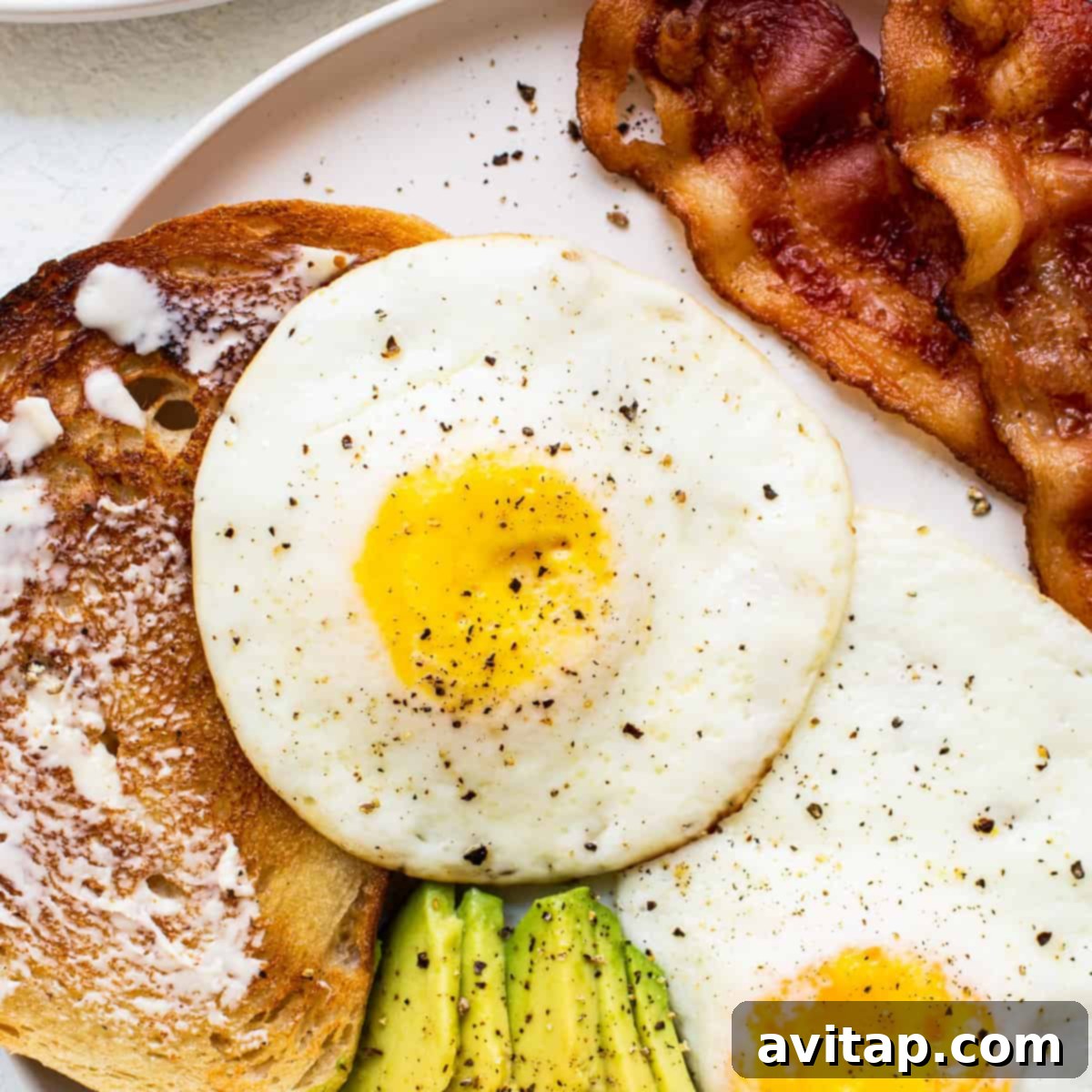
Master the art of frying eggs with this comprehensive guide to making **perfect over hard eggs** every single time. Whether you’re a breakfast aficionado or just looking for a simple, satisfying meal, our step-by-step, foolproof instructions will ensure you achieve that coveted firm, fully cooked yolk without any burnt edges. Say goodbye to guesswork and hello to consistently delicious, diner-quality over hard eggs that are a true culinary delight. This recipe simplifies the process, making it accessible for home cooks of all skill levels, transforming an everyday ingredient into a breakfast staple that’s cooked exactly to your preference.
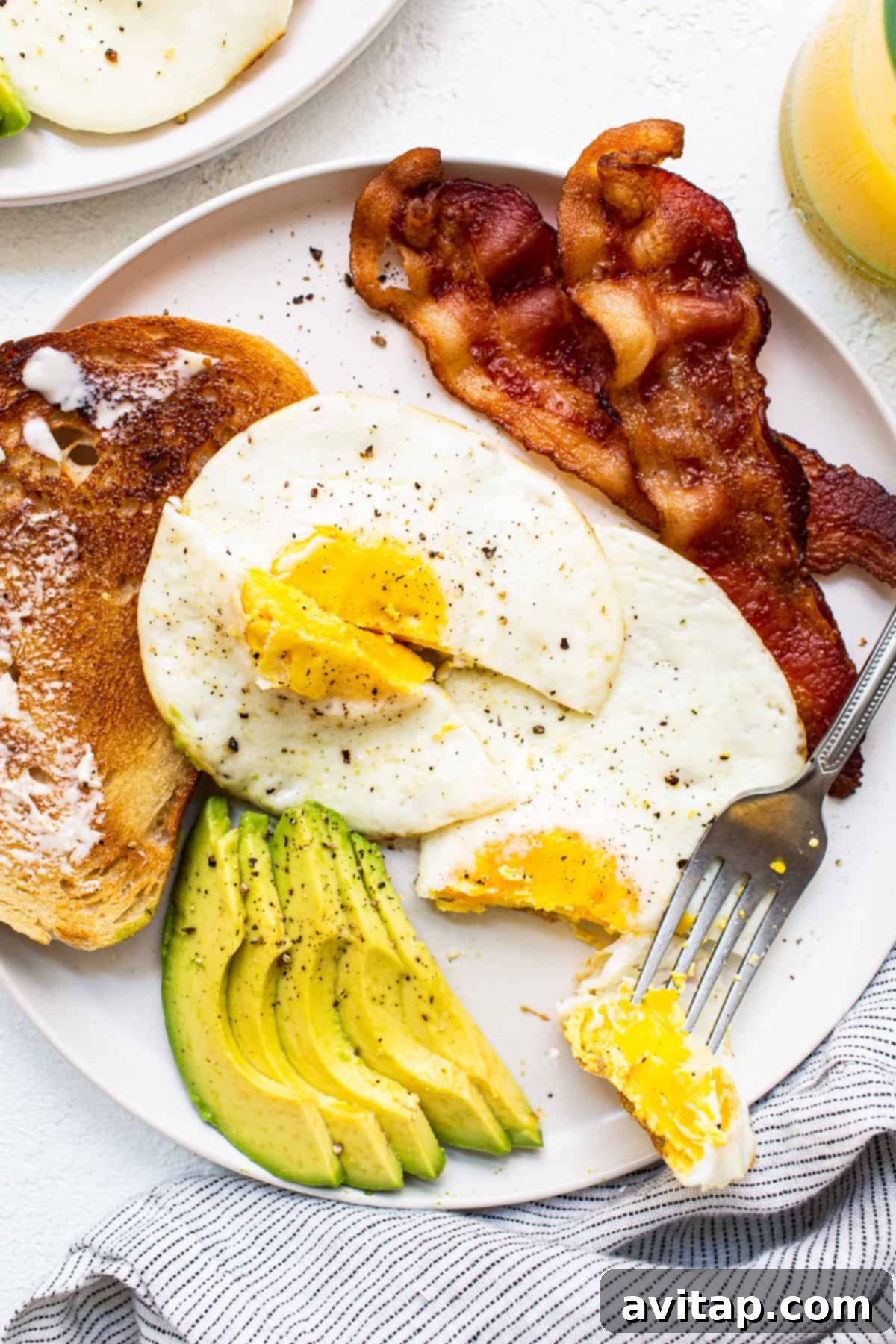
Achieving Perfectly Cooked Over Hard Eggs
Is there anything more comforting than a classic breakfast egg, cooked precisely to your liking? For many, the perfect egg means a firm, completely set yolk—no trace of runniness whatsoever. This preference for a fully cooked yolk is why over hard eggs are a beloved choice for breakfast, brunch, or even a quick protein-packed snack. In this guide, we’ll demystify the process, ensuring that you can consistently prepare over hard eggs with a beautifully set yolk and tender whites, free from crispy, overcooked edges.
Why You’ll Love This Over Hard Egg Recipe!
- **Foolproof Simplicity:** Our detailed, step-by-step instructions make cooking over hard eggs incredibly easy, even for beginners. You’ll master the technique in no time, gaining confidence in your egg-frying abilities.
- **Flawless Texture:** Learn the secret to achieving perfectly cooked yolks that are firm and smooth, without any liquid centers, while keeping the egg whites soft and tender. No more rubbery whites or undercooked yolks!
- **Versatile Pairing Ideas:** Discover a variety of delicious breakfast companions and meal pairings that complement the rich flavor and satisfying texture of over hard eggs, elevating your morning routine.
- **Essential Tips:** We share expert advice on everything from choosing the right pan to seasoning, ensuring your eggs are consistently exceptional.
Essential Ingredients You Need
Crafting the perfect over hard egg requires surprisingly few ingredients. High-quality basics are key to a flavorful result. Gather these simple items from your kitchen:
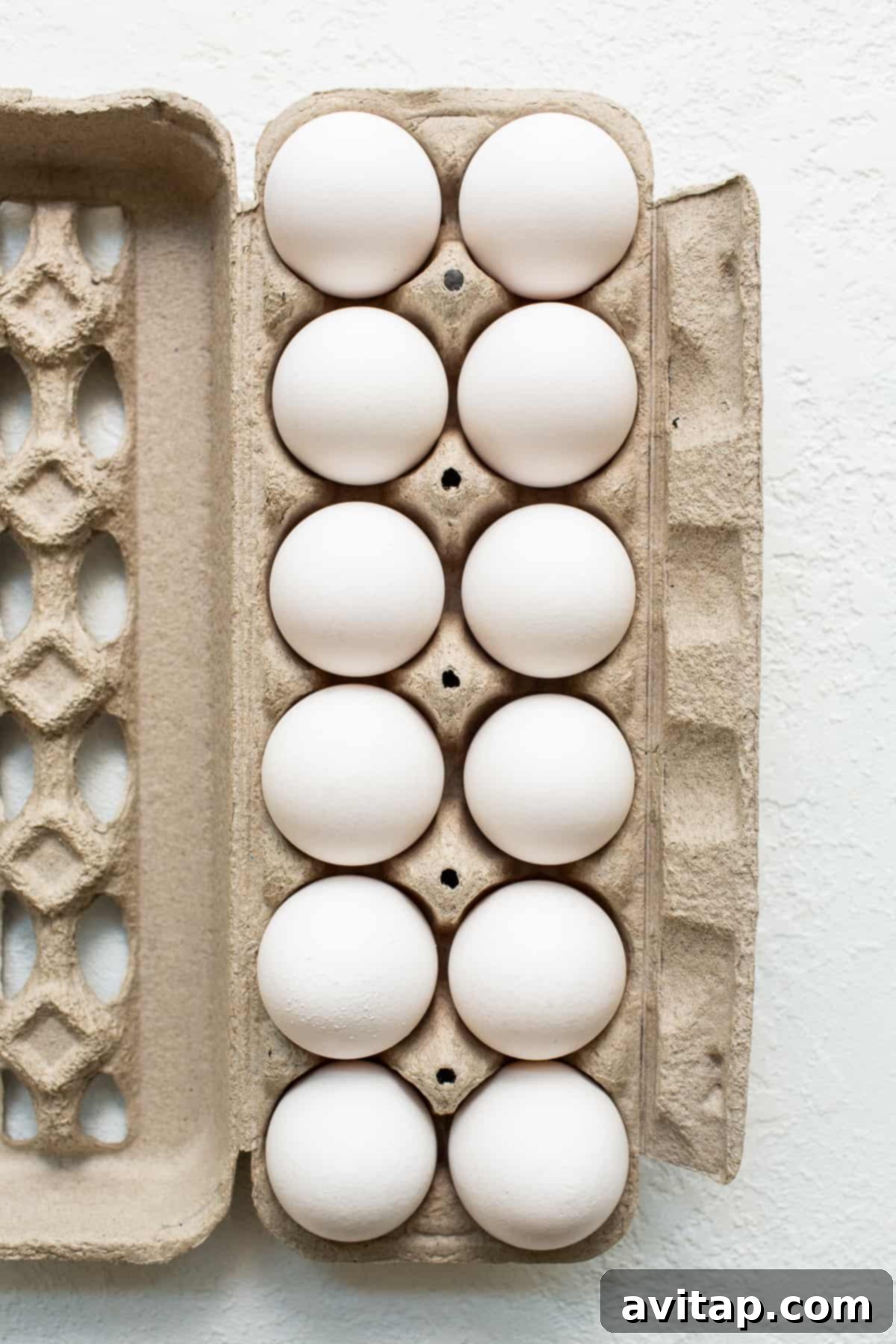
- Large Eggs: While any size egg will work, large eggs are a standard and consistent choice for most recipes. Be mindful that smaller eggs (medium or small) will cook faster, while extra-large or jumbo eggs may require a minute or two longer on the heat. For the best flavor and texture, always opt for fresh eggs. Fresh eggs tend to hold their shape better, resulting in neater fried eggs.
- Unsalted Butter: We highly recommend using unsalted butter for frying over hard eggs. Butter not only adds a rich, nutty flavor that complements the egg beautifully, but it also helps achieve a golden, evenly cooked white with minimal browning on the edges. Using unsalted butter gives you full control over the saltiness of your final dish. If you only have salted butter, simply adjust or omit additional salt when serving.
For an optimal flavor experience, remember to serve your perfectly cooked eggs with a sprinkle of freshly ground **salt and pepper**. These simple seasonings enhance the natural richness of the egg, bringing all the flavors together.
Butter vs. Oil: Which to Use for Frying Eggs?
The choice of fat for frying eggs significantly impacts their taste and appearance. While both butter and various oils can be used, they each offer distinct results:
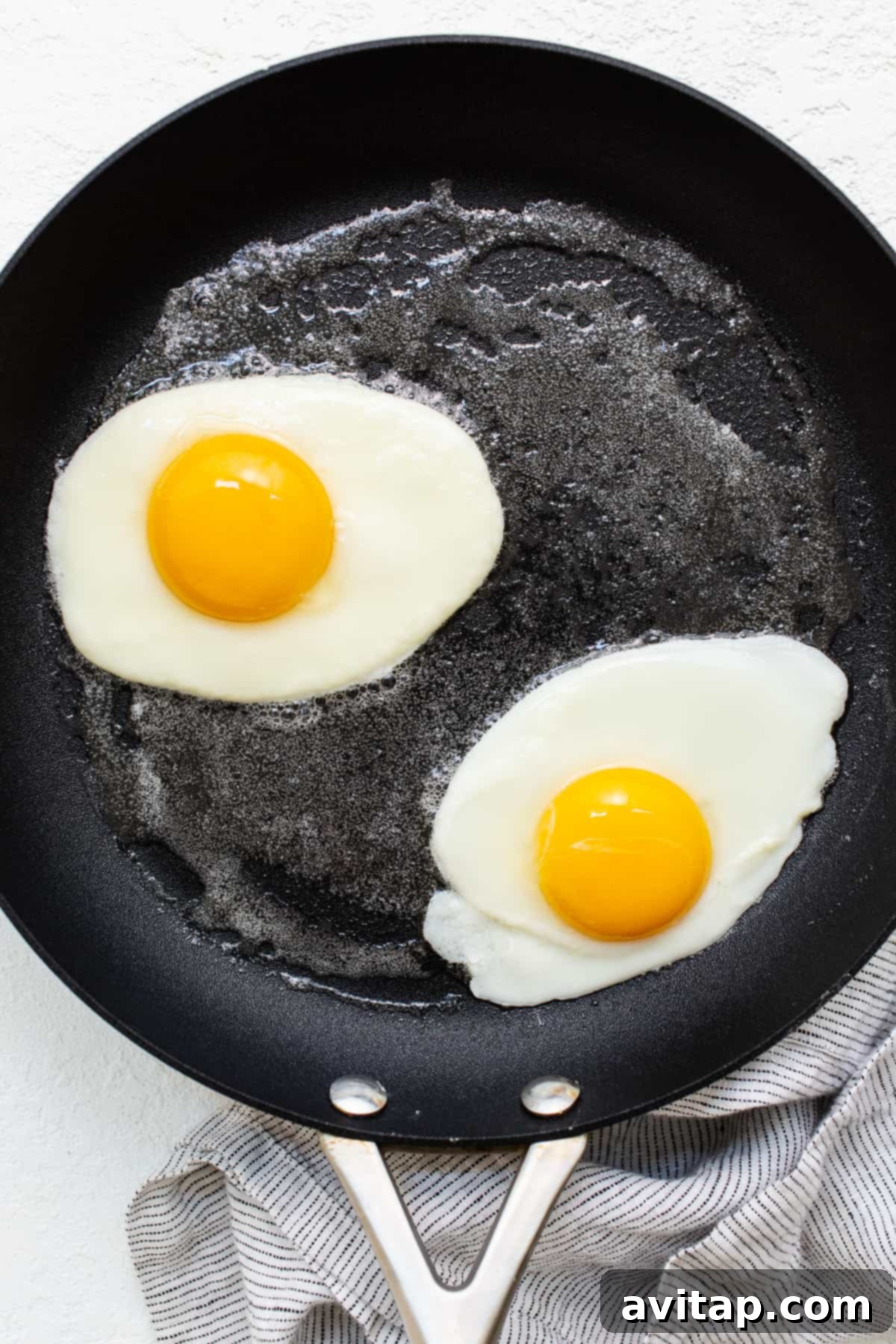
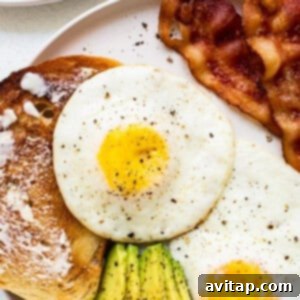
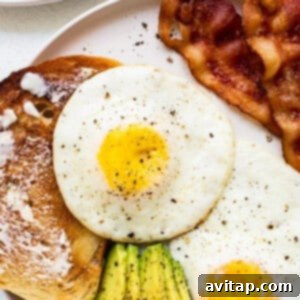
Butter: Opting for butter results in an egg with a delightful, nutty flavor. It promotes even cooking of the egg white, leading to a tender texture and minimal browning around the edges. This is our preferred method, as showcased in the accompanying photos, yielding a classic fried egg aesthetic that is both appealing and delicious.
Oil (Avocado Oil or Olive Oil): If you choose a cooking oil like avocado or olive oil, you’ll often end up with an egg white that develops more bubbles and crispy, slightly browned edges. Some people adore this texture, finding it adds a pleasant crunch to their fried eggs. However, oils typically impart less flavor to the egg compared to butter, and the appearance will differ with more pronounced crispy edges. Coconut oil can also be used, adding a subtle tropical note.
Discover More Egg Recipes
Easy Sheet Pan Scrambled Eggs
Cottage Cheese Egg Salad
Egg and Croissant Breakfast Casserole
Cottage Cheese Baked Eggs
Savory Breakfast Galette
Choosing the Best Pans for Over Hard Eggs
While most pans can get the job done, selecting the right one can significantly improve your over hard egg experience, making the process smoother and the results more consistent. Here are a few tips based on common pan types:
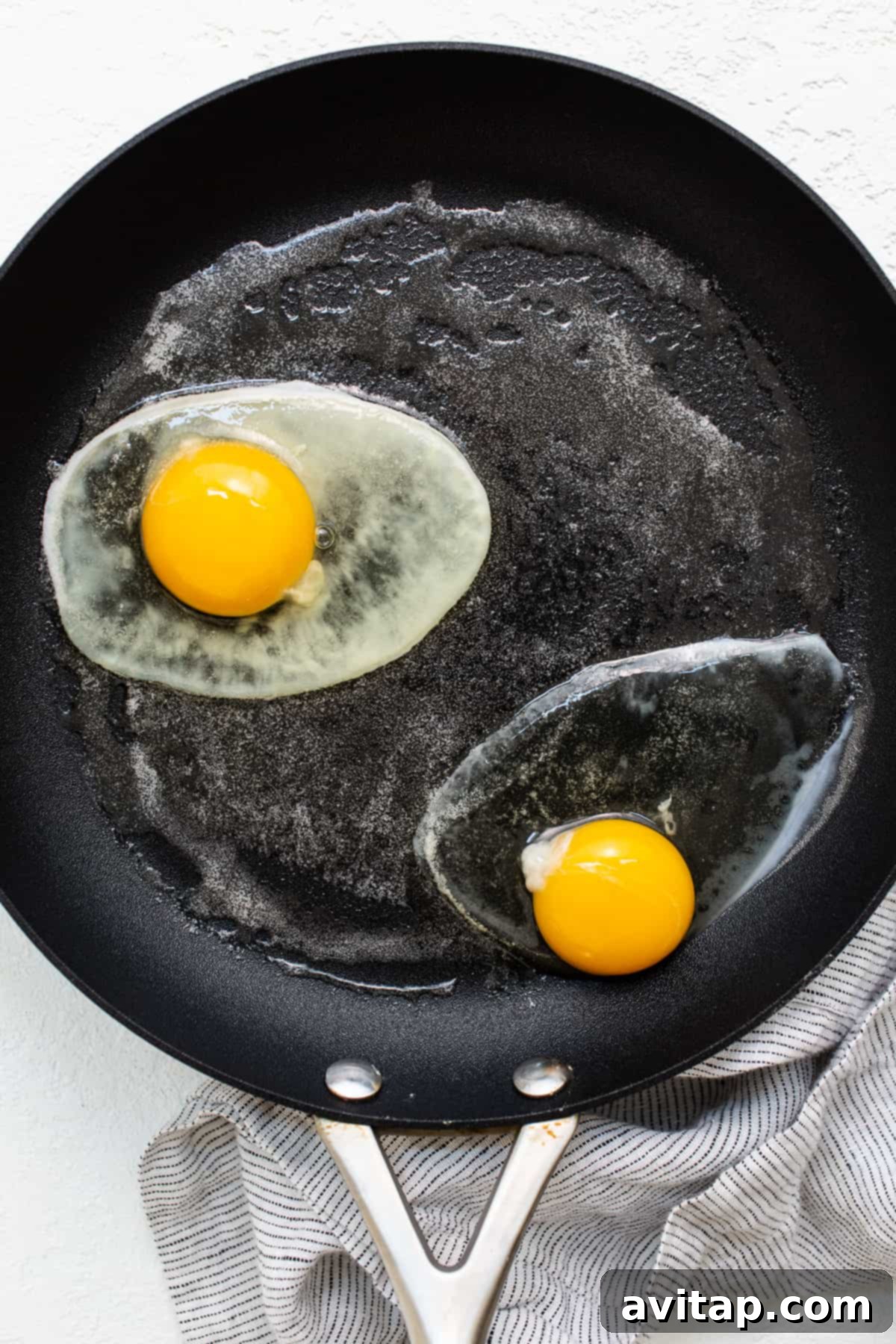
- Non-stick Pan: For truly foolproof over hard eggs, a good quality non-stick pan is your best friend. It minimizes the risk of sticking, allowing for easy flipping and removal, and helps maintain the integrity of the egg white. We highly recommend a non-stick pan for this recipe, especially if you’re aiming for that perfectly clean, unblemished fried egg. A pan that is 8-inch or 10-inch in diameter works best for frying one to two eggs at a time, preventing overcrowding.
- Cast Iron Skillet: Cast iron skillets are excellent heat conductors and retain heat exceptionally well, which can be advantageous for frying. However, they require careful seasoning and sufficient fat to prevent sticking. When using cast iron, ensure it’s properly preheated and generously coated with butter. Keep a close eye on the edges of your egg; cast iron can create delicious crispy edges but also burn quickly if not monitored.
- Stainless Steel Pan: If a stainless steel pan is your only option, it can still work, but requires extra diligence. Stainless steel can heat inconsistently, leading to hot spots where eggs might stick or burn. Use a generous amount of butter and maintain a vigilant watch over your eggs, adjusting the heat as necessary and gently checking the edges with a spatula to prevent sticking.
Beyond the pan, a good flexible spatula is also a valuable tool for successfully flipping your eggs without breaking the yolks.
Delicious Pairings: What to Serve with Over Hard Eggs
Over hard eggs are incredibly versatile and can be the star or a supporting player in a wide array of meals. Here are some fantastic ideas to round out your breakfast, brunch, or even dinner:
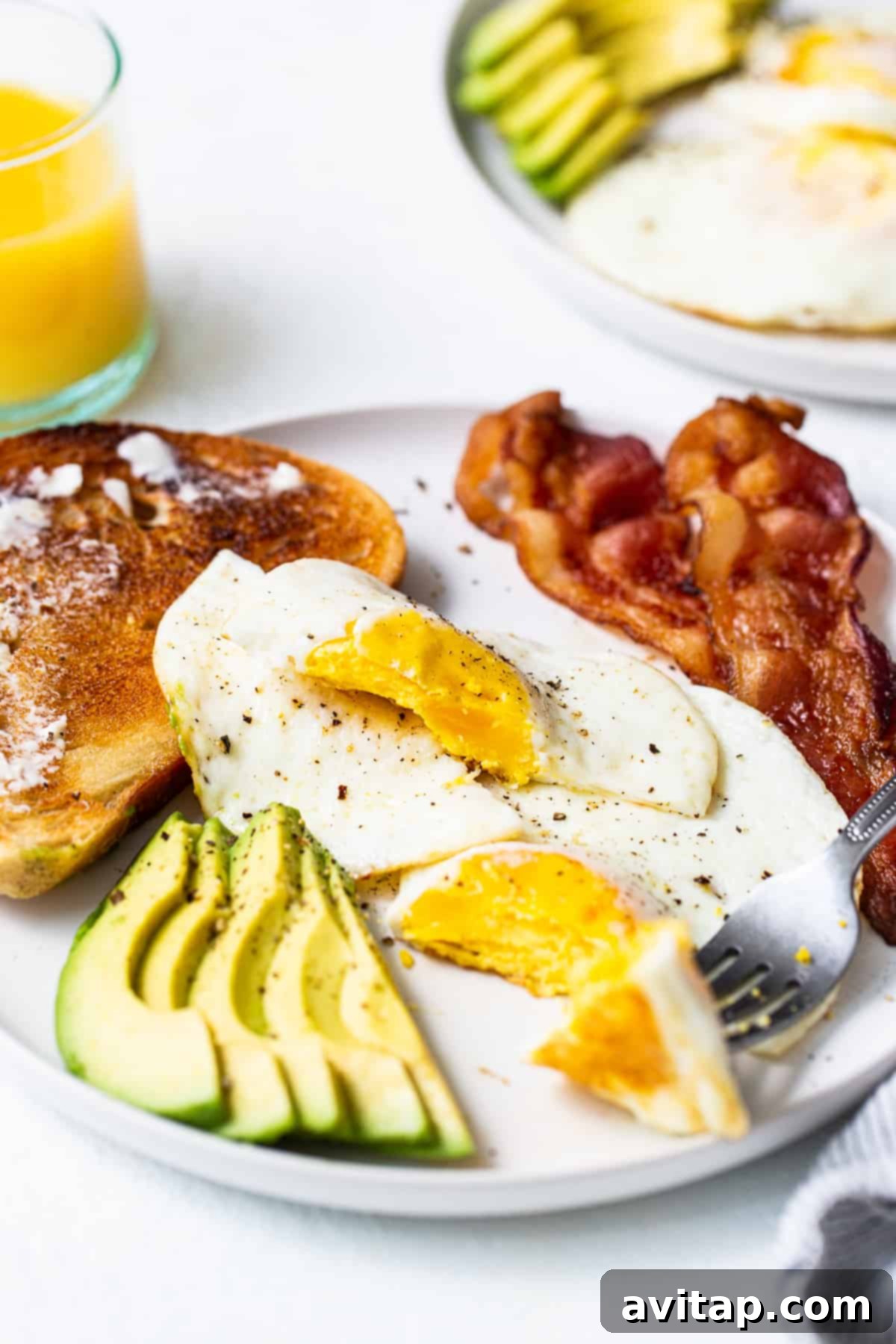
- Classic Carbs: Pair with perfectly toasted bread, fluffy bagels, or English muffins for a satisfying base.
- Crispy Bacon: The savory crunch of bacon is an undeniable classic alongside fried eggs.
- Maple Breakfast Sausage: For a touch of sweetness and robust flavor, homemade breakfast sausage is an excellent choice.
- Sheet Pan French Toast: A hearty and sweet option that complements the protein of the eggs.
- Cinnamon Roll Waffles: Indulge in a sweet treat alongside your savory eggs for a balanced meal.
- Banana Oatmeal Pancakes: A healthier, yet equally delicious, pancake option.
- Greek Yogurt and Steel Cut Oatmeal Parfait: For a lighter, nutrient-packed side that offers creamy texture and freshness.
- Blueberry Orange Granola + Yogurt: A vibrant and crunchy addition, perfect for a fresh component.
- **Fresh Vegetables:** Consider a side of sautéed spinach, roasted asparagus, or a simple green salad for a boost of nutrients.
- **Avocado Toast:** Mash some avocado onto toast and top with your over hard egg for a trendy and nutritious meal.
try it!
Fried Eggs — Every Way!
Want to master all types of fried eggs? Learn how to fry an egg perfectly every time, from over easy eggs with runny yolks to over hard eggs and everything in between, with our comprehensive guide.
Top Tips for Achieving Perfect Over Hard Eggs
For consistently excellent over hard eggs, keep these crucial tips in mind:
- **Use Fresh Eggs:** The fresher your eggs, the better. Fresh eggs have tighter whites that hold their shape better in the pan, leading to a more aesthetically pleasing and easier-to-manage fried egg. Always check the date on your eggs before cooking.
- **Be Patient with Heat:** It’s tempting to crank up the heat to speed up the cooking process, but patience is key for over hard eggs. Cooking on a medium-low heat allows the whites to set gradually and the yolk to firm up without burning the edges or causing excessive bubbling. A slower cook ensures even doneness and a superior texture.
- **Monitor and Check the Edges:** As your egg cooks, use a thin, flexible spatula to gently lift and check the edges of the egg white. This prevents sticking, especially in cast iron or stainless steel pans, and ensures the egg releases cleanly when it’s time to flip. This small action can save your egg from tearing.
- **Don’t Forget to Season:** A sprinkle of salt and freshly ground black pepper is essential. Season your eggs just after they’re cooked, or even lightly before flipping. This simple step elevates the natural flavors of the egg, transforming a plain fried egg into a truly delicious dish.
- **Room Temperature Eggs:** While not strictly necessary, bringing your eggs to room temperature for about 15-30 minutes before frying can help them cook more evenly. Cold eggs hitting a hot pan can sometimes lead to uneven cooking.
- **Avoid Overcrowding the Pan:** Fry no more than two eggs at a time in an 8-10 inch pan. Overcrowding lowers the pan’s temperature and can lead to uneven cooking and steam, preventing proper frying.
Frequently Asked Questions (FAQs) About Over Hard Eggs
An over hard egg refers to an egg that has been fried and flipped, then cooked thoroughly until the yolk is completely firm and solid. There is no liquid or creamy center; the entire yolk is set, similar to a hard-boiled egg yolk.
Yes, over hard eggs are the “well-done” version of fried eggs. The defining characteristic is that the yolk is not runny or soft at all; it is fully cooked through to a firm consistency.
Over hard eggs have fully cooked, opaque white whites and a firm, pale yellow yolk that holds its shape when cut. The yolk’s texture and appearance are consistent throughout, resembling that of a hard-boiled egg yolk.
The main difference lies in the yolk’s consistency. Over easy eggs have a very runny yolk, over medium eggs have a partially set but still liquid yolk, while over hard eggs feature a completely firm, non-runny yolk.
While not strictly necessary, covering the pan with a lid for the last minute or two of cooking can help ensure the top of the egg (especially the yolk) cooks through more thoroughly and quickly, by trapping steam and distributing heat.
Storage and Reheating Over Hard Eggs
Over hard eggs are undeniably best enjoyed immediately after cooking when they are warm and fresh. However, if you find yourself with leftovers, they can be stored safely.
Store any leftover over hard eggs in an airtight container in the refrigerator for up to 3 days. Beyond this, the quality and freshness may diminish.
To reheat: For best results, gently reheat your over hard eggs on a low setting in the microwave. This method helps prevent them from becoming rubbery or overcooked. Alternatively, you can reheat them briefly in a non-stick skillet over low heat, adding a tiny bit of butter or water to prevent drying.
More of our Favorite…
Delicious Egg Recipes You’ll Love
- Perfect Hard Boiled Eggs
- Over Easy Eggs
- How to Make Scrambled Eggs
- Instant Pot Egg Bites
- Sheet Pan Sweet Potato Hash
- Salmon and Eggs Scramble
- ALLEgg Recipes
Over Hard Eggs
Emily Richter
2 mins
6 mins
8 mins
2
Print Recipe
Ingredients
- 4 large eggs
- 2 tablespoons unsalted butter
Instructions
-
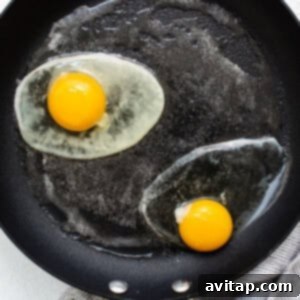
Heat a non-stick frying pan over medium-low heat (an 8-inch or 10-inch pan works best for 1-2 eggs). Add the unsalted butter to the pan. Allow it to melt completely and coat the bottom of the pan evenly.
-
Once the butter has melted and is shimmering, carefully crack the eggs into the pan. Avoid overcrowding; fry no more than 2 eggs at a time to maintain optimal pan temperature and allow even cooking.

-
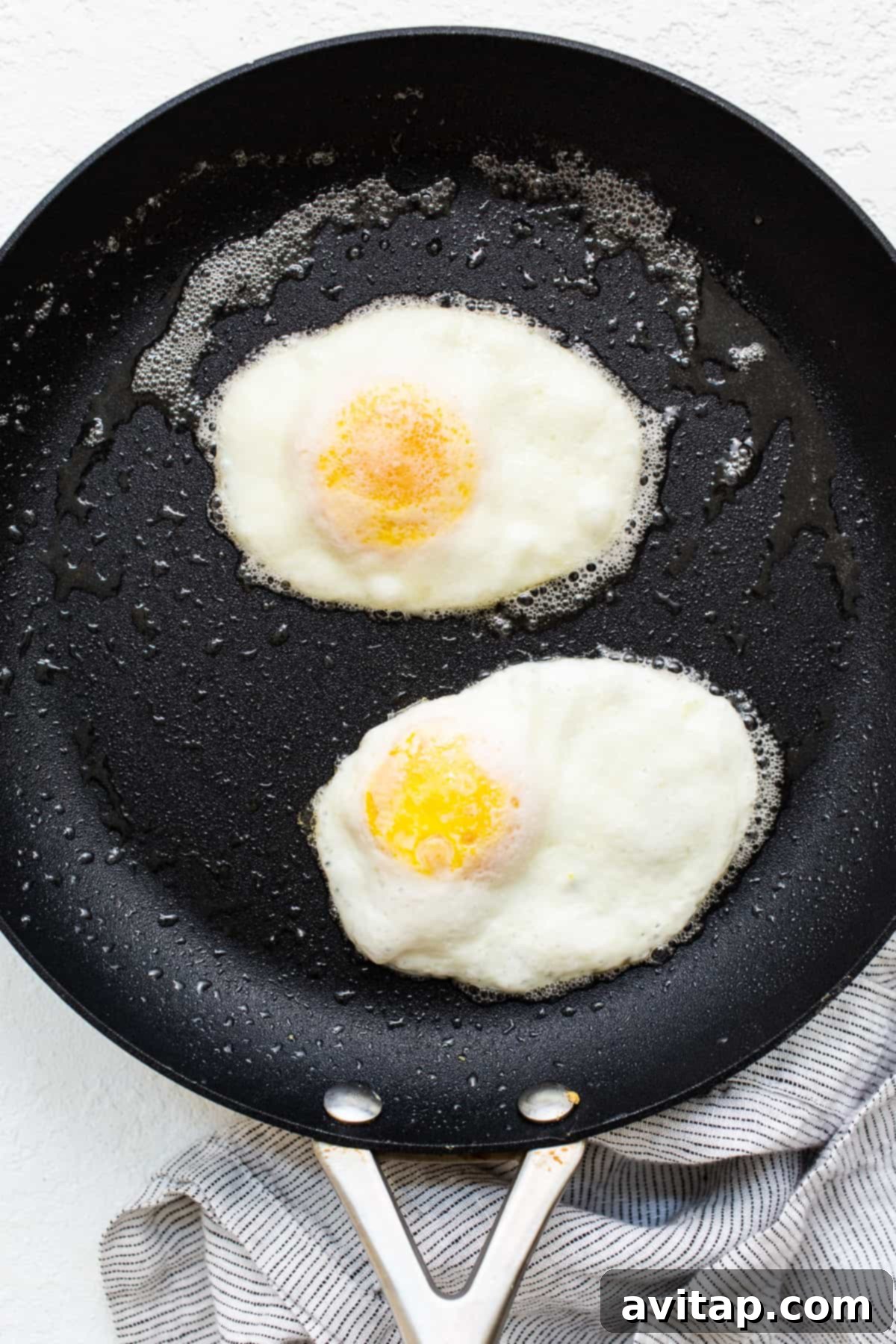
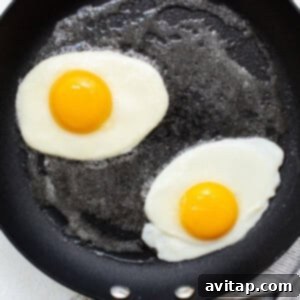
Cook the eggs over medium-low heat for approximately 3 minutes, or until the egg whites are mostly set but still have a slight translucence. The edges should be firm but not browned. Use a spatula to gently check for any sticking.
-
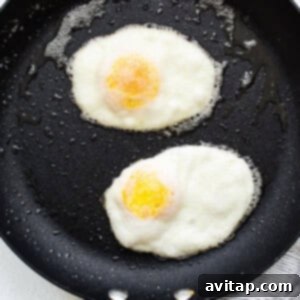
Carefully slide your spatula under each egg and flip it over. Allow the eggs to cook for an additional 3 minutes on the second side. This longer cook time ensures the yolk becomes completely firm and hard, achieving the “over hard” consistency. You can gently press the yolk with the spatula to check for firmness.
-
Once fully cooked, remove the eggs from the pan. If you have more eggs to cook, repeat the process from step 1, adding more butter as needed.
-
Serve your perfectly cooked over hard eggs immediately, seasoned generously with salt and freshly ground black pepper to taste. Enjoy them on their own or with your favorite breakfast sides.
Tips & Notes
- This recipe was tested using large eggs. If you use medium or extra-large eggs, their cook times will vary. Adjust accordingly, monitoring the firmness of the yolk.
- Cooking times can also vary depending on your specific stove top and pan. The main goal is to cook the egg white just enough to allow a clean flip, then continue cooking until the yolk is completely solid, without burning any part of the egg.
- For an extra crispy edge (if you prefer it), you can increase the heat slightly during the last minute of cooking, but watch carefully to prevent burning.
Watch Our Video Guide
Learn visually how to achieve the perfect over hard egg with our detailed video tutorial. Simply click the link below to watch and cook along!
Watch: Over Hard Eggs Recipe Tutorial
Nutrition Information (per serving)
Calories:
226 kcal
,
Carbohydrates:
1 g
,
Protein:
11 g
,
Fat:
20 g
,
Sugar:
0.3 g
Nutrition information is automatically calculated and should only be used as an approximation. Exact values may vary based on ingredients and preparation methods.
Loved this recipe? Share your thoughts below!
We’d love to hear about your experience making these perfect over hard eggs! Don’t forget to tag your posts on social media with the hashtag #fitfoodiefinds. Your culinary creations inspire us!