
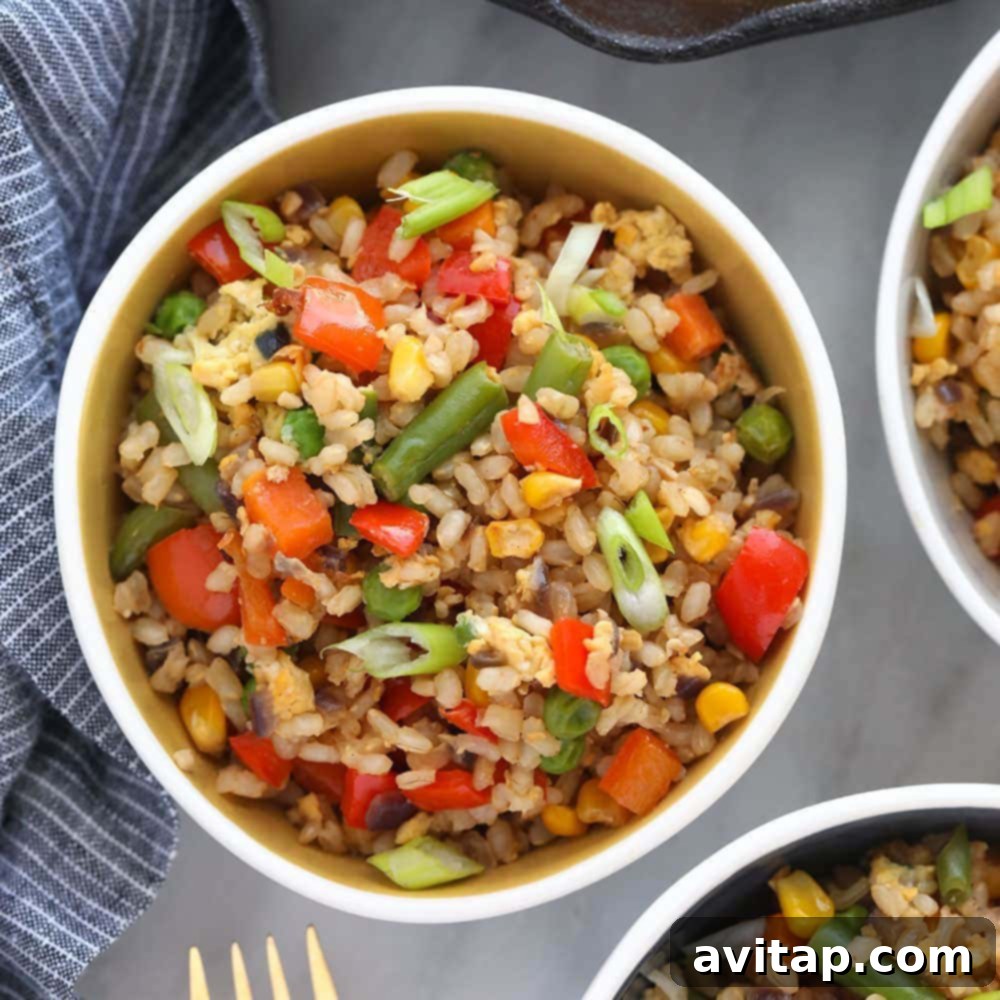
Transform your weeknight dinner routine with this incredibly delicious and remarkably healthy fried rice recipe. Crafted with wholesome short-grain brown rice, a generous medley of fresh or frozen vegetables, and a vital protein boost from eggs, this dish comes together in just about 30 minutes. It’s an Asian-inspired meal that’s both satisfying and packed with nutrients, making it perfect for a quick and easy family dinner or a meal prep staple. Forget takeout; your new favorite healthy homemade fried rice awaits!
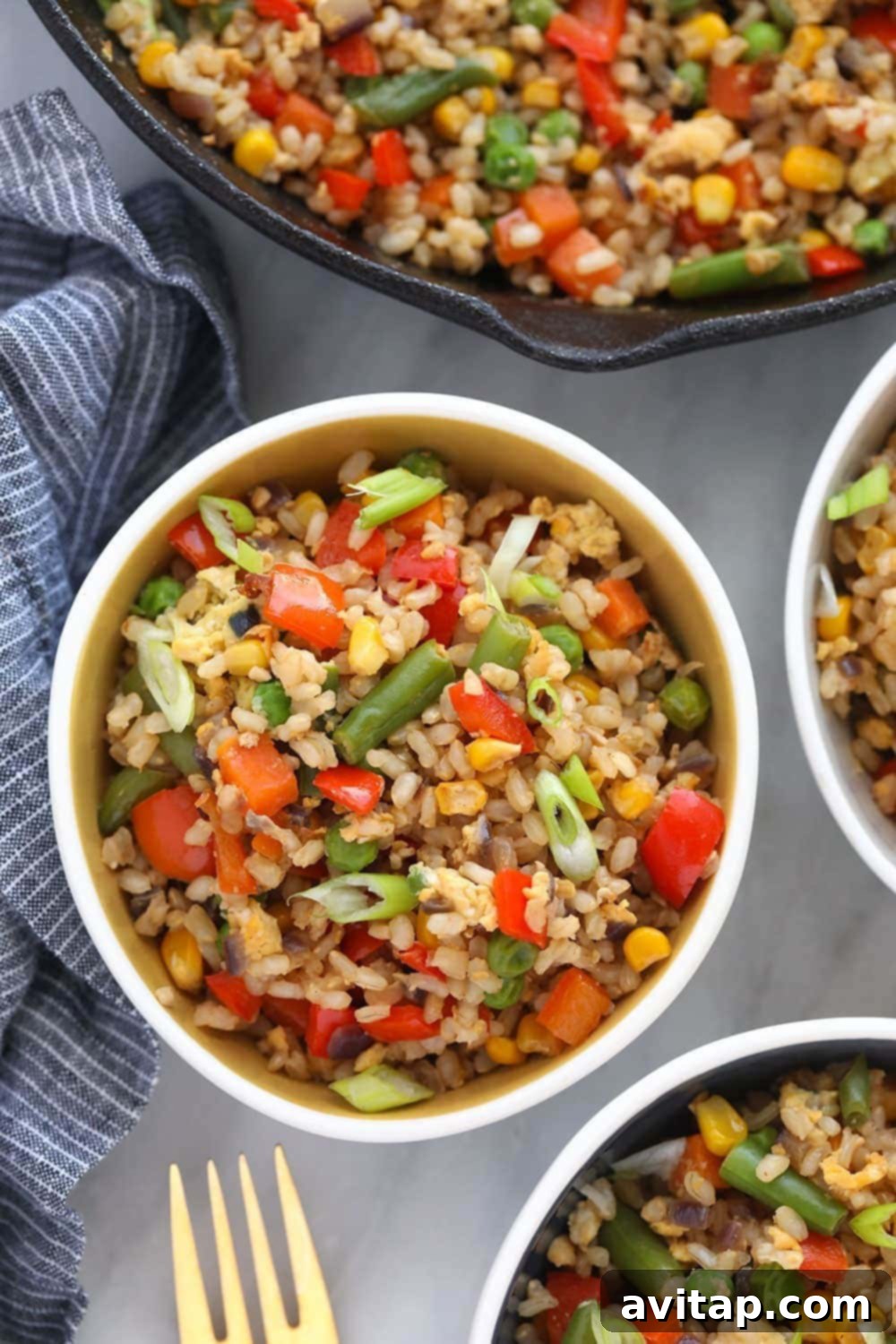
Redefining Fried Rice: A Healthy and Flavorful Approach
For many, fried rice conjures images of indulgent takeout – a delicious but often high-sodium, calorie-dense dish best saved for special occasions. But what if we told you that homemade fried rice can be a cornerstone of a healthy, balanced diet? This recipe is here to change that perception, offering a fresh, nutritious take on a beloved classic. We’ve meticulously designed this egg fried rice to be not just tasty, but genuinely good for you, transforming it from a mere side dish into a complete, wholesome meal.
Our secret lies in a few simple, yet impactful, healthy swaps. By prioritizing whole grains, lean protein, and an abundance of vibrant vegetables, we’ve created a dish that’s naturally lower in sodium, entirely gluten-free (with the right soy sauce choice), and delightfully vegetarian. Let’s explore the key components that make this healthy fried rice a game-changer:
- Short-Grain Brown Rice over White Rice: This is arguably our most significant healthy upgrade. Brown rice is a whole grain, offering significantly more fiber, essential vitamins, and minerals compared to refined white rice. Its chewy texture also adds a delightful dimension to the dish.
- Olive Oil instead of Canola Oil: Swapping out highly processed oils for extra virgin olive oil introduces healthier monounsaturated fats, which are beneficial for heart health and add a subtle, robust flavor.
- Veggies Galore: We pack this fried rice with an impressive array of colorful vegetables. More vegetables mean more vitamins, minerals, antioxidants, and fiber, turning your fried rice into a nutrient powerhouse.
- Eggs for Protein Power: Eggs are a fantastic source of high-quality protein, helping you feel fuller for longer and providing essential amino acids. They make this dish a complete meal without needing additional meat.
- Rice Vinegar for Authentic Flavor: A touch of rice vinegar is crucial for achieving that authentic, slightly tangy “takeout” flavor without relying on excessive sodium. It brightens the dish and balances the savory notes.
Choosing the Perfect Grain for Your Fried Rice
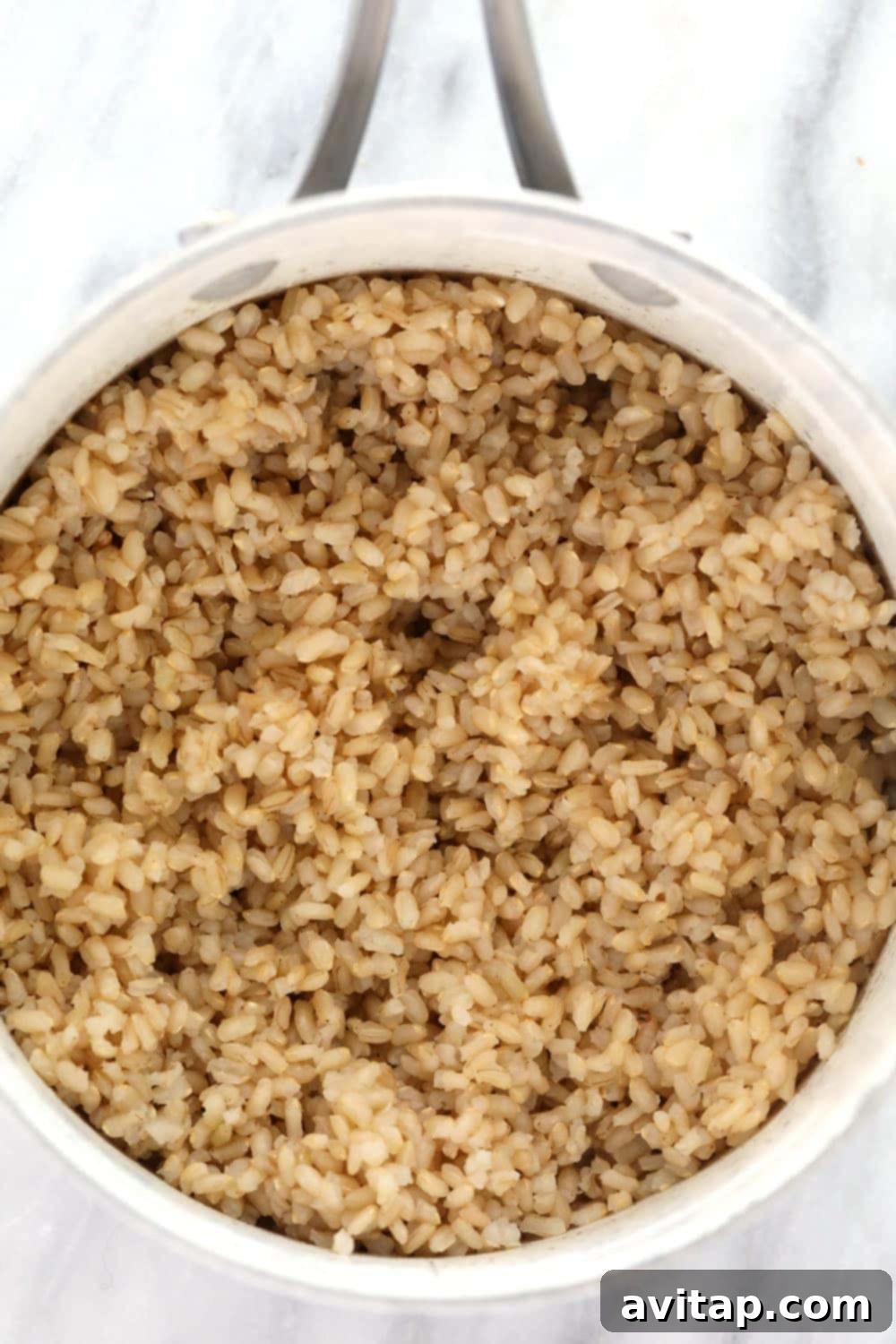
The foundation of any great fried rice is, naturally, the rice itself. For this healthy version, we enthusiastically recommend one of our favorite grains: short-grain brown rice. Once you experience the delightful texture and nutritional benefits of short-grain brown rice, you might find yourself never going back to long-grain varieties. It boasts a wonderfully chewy, slightly sticky texture that holds up beautifully in fried rice, preventing it from becoming mushy. Beyond its culinary appeal, short-grain brown rice is rich in fiber, which is excellent for digestion and provides sustained energy throughout your day.
The only minor drawback is that short-grain brown rice requires a bit more patience to cook perfectly on the stovetop. It’s crucial to understand that patience is truly key here. You’ll want to let it simmer gently on a very low heat for approximately 40 minutes, or until all the liquid has been fully absorbed and the rice grains are tender with a slightly spongy bite. Resist the urge to rush this process by increasing the heat; doing so will inevitably lead to unevenly cooked, crunchy rice, and nobody enjoys crunchy fried rice, right? Slow and steady wins the race for perfectly cooked brown rice.
However, we understand that sometimes time is of the essence, or you might simply have other grains on hand. If short-grain brown rice isn’t an option, or if you’re looking for an alternative, don’t fret! Many other rice varieties and grain substitutes work wonderfully in this recipe. The most important rule of thumb when using any alternative is to cook them completely and separately before incorporating them into your fried rice mixture. This ensures optimal texture and prevents your fried rice from becoming clumpy or unevenly cooked.
Here are some excellent rice and grain substitutes you can consider:
- White Rice: A classic choice, quicker to cook than brown rice, and offers a softer texture.
- Minute Brown Rice: For ultimate convenience, this option significantly cuts down on cooking time while still offering some whole-grain benefits.
- Minute White Rice: The fastest rice option, ideal for super speedy meals.
- Frozen Pre-cooked Rice: A fantastic shortcut! Simply thaw or heat according to package directions.
- Quinoa: A protein-packed, gluten-free pseudocereal that adds a fluffy texture and nutty flavor.
- Farro: A hearty ancient grain with a distinct chewy texture and rich, nutty taste, perfect for adding substance.
Crafting Your Own Healthy Fried Rice: A Step-by-Step Guide
Making delicious, healthy fried rice at home is simpler than you might think! This recipe breaks down the process into easy-to-follow steps, ensuring a flavorful and perfectly textured meal every time. Follow these stages for a culinary success:
Step 1: Master the Rice Foundation
The very first and most crucial step in any fried rice recipe is preparing your rice. If you’re opting for traditional stovetop cooking, especially with short-grain brown rice, begin this process well in advance. Rice is the most time-consuming element, and having it perfectly cooked and slightly cooled before you start stir-frying is paramount to achieving the ideal fried rice texture. Whether you’re using our recommended short-grain brown rice or a quick-cooking minute rice, ensure it’s ready and waiting before you even think about chopping your vegetables. Day-old, chilled rice is often preferred for fried rice as it’s less likely to clump and fries up beautifully.
Step 2: Build a Flavorful Base
Fried rice derives its incredible depth of flavor from a robust aromatic base. This initial step is where the magic truly begins. To maximize the “bang for your buck” in terms of taste, always take the time to sauté your onion, minced garlic, and diced red pepper in high-quality olive oil before adding any other ingredients. Cooking these aromatics slowly until fragrant and slightly softened releases their essential oils and sweetness, infusing your entire dish with a rich, savory foundation. This small, deliberate step makes a world of difference, elevating your homemade fried rice to restaurant-quality standards.
Step 3: Integrate Your Veggies
Once your aromatic base is fragrant and ready, it’s time to introduce the heart of your healthy fried rice: the vegetables! This recipe is incredibly versatile when it comes to veggies, and frozen mixes are a fantastic, convenient option. You can use any frozen vegetable blend you prefer; just make sure the pieces are bite-sized for even cooking and easy eating. We love a classic mix of carrots, green beans, and corn for its vibrant colors and balanced flavors. Sauté the frozen vegetables long enough for them to cook through and become tender-crisp, but be careful not to overcook them into a mushy state. They should retain a slight crunch and their bright, appealing colors.
Step 4: The Egg Element
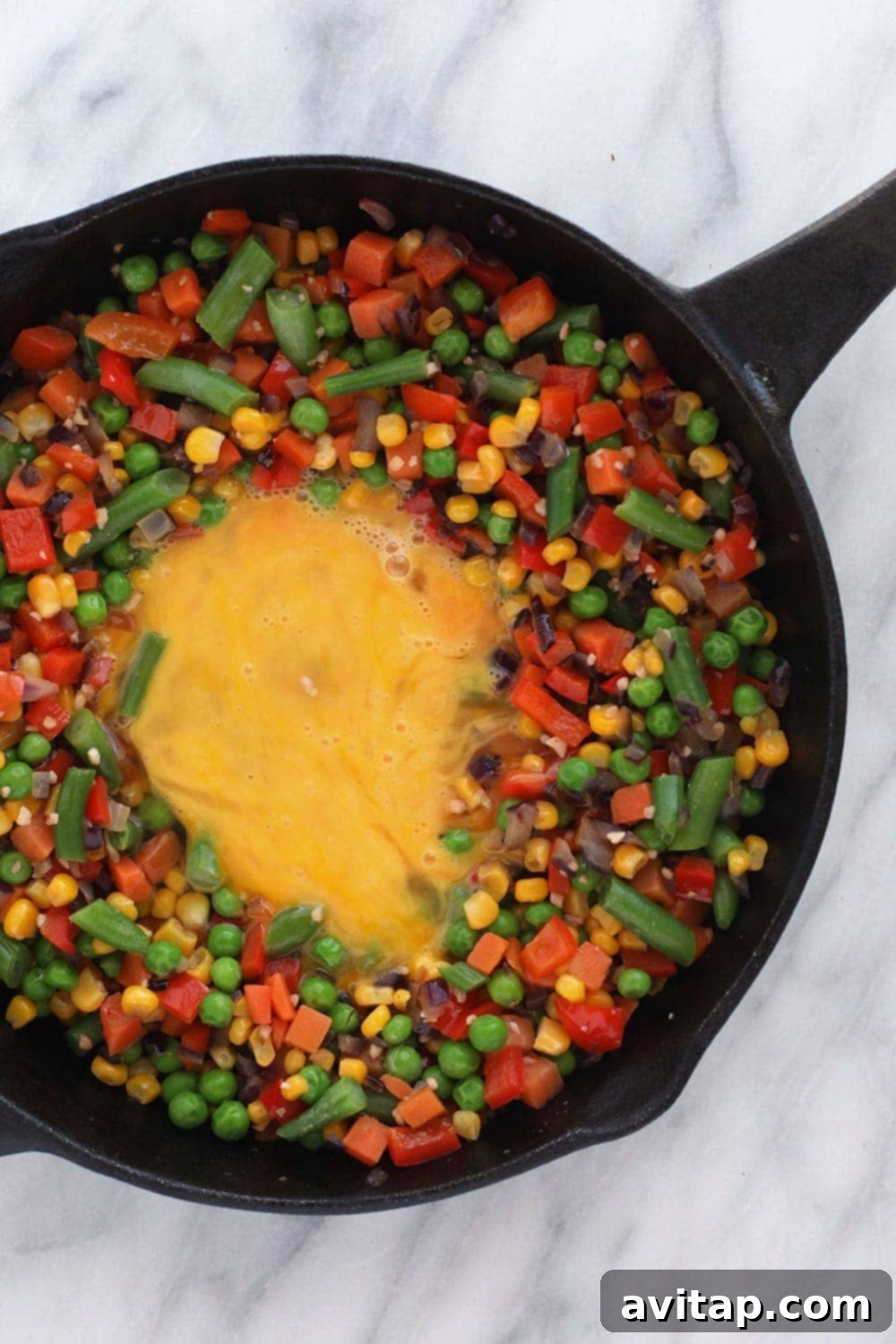
Ah, the great egg debate in the world of fried rice! Should you scramble the eggs separately before folding them into the vegetables, or incorporate them directly into the pan with everything else? The primary difference lies in the outcome: scrambling separately tends to yield larger, distinct chunks of egg, while scrambling within the vegetable mixture results in smaller, more integrated egg pieces. The good news? Both methods work beautifully, so choose what suits your preference! We personally love to create a cleared space or “nest” in the center of the pan once all the vegetables are cooked. We then crack and scramble the eggs right there in the middle, allowing them to cook quickly before gently folding them into the colorful vegetable medley. This method ensures the eggs are cooked perfectly and blend seamlessly into the dish.
Step 5: The Grand Finale: Rice & Sauce
The final, exciting step is to unite all the elements. Add your pre-cooked, cooled brown rice to the pan along with your delicious, pre-mixed sauce. A gentle reminder here: ensure you’re using a sufficiently large pan or wok to accommodate all the ingredients comfortably. This allows everything to cook evenly without overcrowding, which can lead to steaming rather than frying. Toss all the ingredients together thoroughly, ensuring the rice is evenly coated with the savory sauce. Then, let the mixture fry (or sauté) for several minutes. This crucial step is what gives the rice its characteristic slightly crispy, deeply flavorful texture, reminiscent of your favorite takeout. Continue to stir and fry until everything is heated through and perfectly mingled. Serve immediately and enjoy!
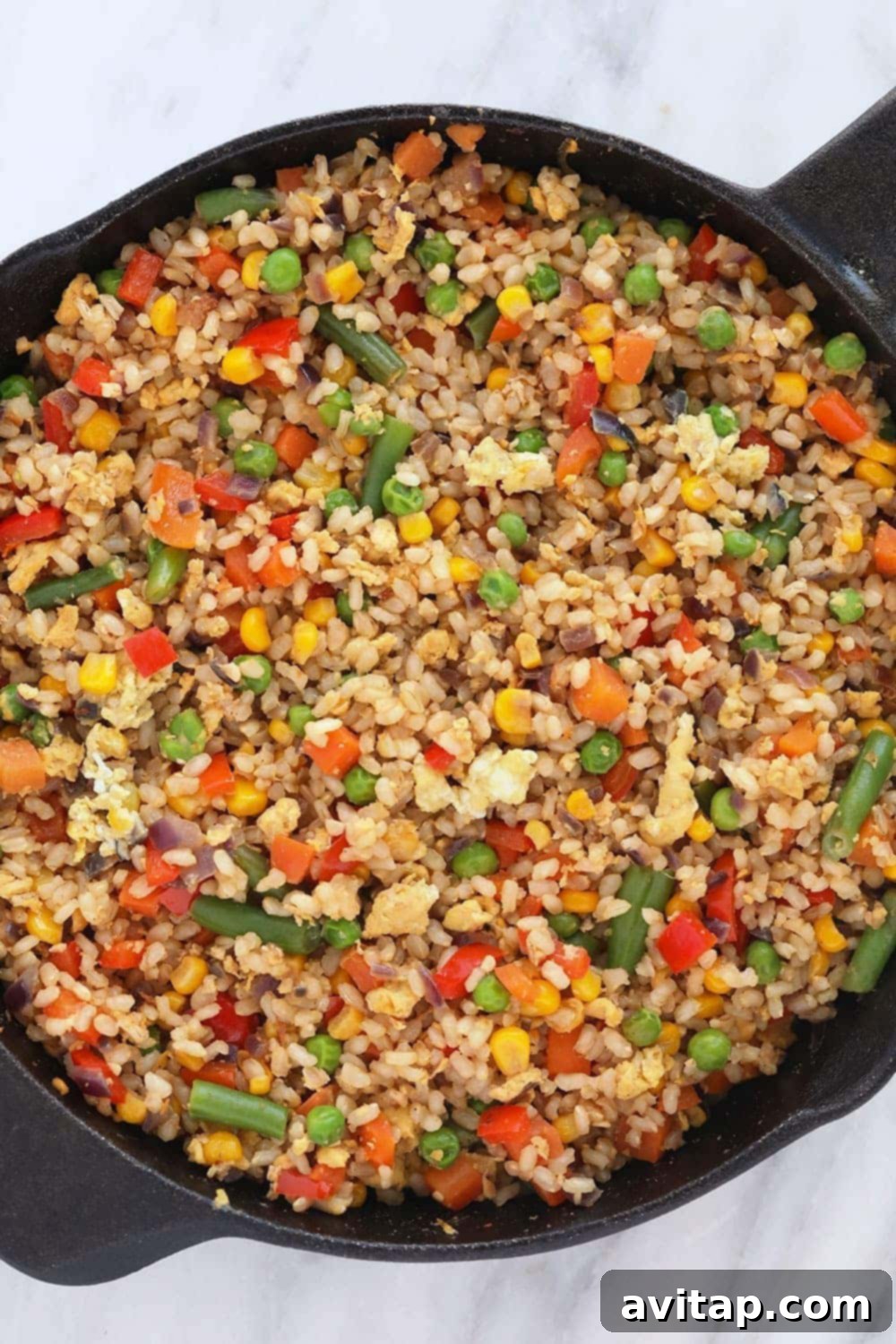
Fried Rice FAQs: Your Culinary Questions Answered
Have more questions about perfecting your healthy fried rice? We’ve got you covered with answers to some common queries!
Will fresh vegetables work in this recipe?
Absolutely! Fresh vegetables are a fantastic addition and will work wonderfully in this recipe, bringing their own unique textures and vibrant flavors. The key is to prepare them correctly: ensure they are washed thoroughly and cut into small, bite-sized pieces so they cook evenly and integrate well with the rice. You might want to cook harder vegetables like carrots or broccoli florets for a few minutes longer than softer ones to ensure they reach a tender-crisp state. Some excellent fresh vegetable options include:
- Broccoli florets: Adds a delightful crunch and robust flavor.
- Cauliflower florets: A milder option that absorbs flavors beautifully.
- Pea Pods (Snow Peas): Offers a sweet, crisp texture.
- Shredded Carrots: Provides sweetness and color.
- Mushrooms: Earthy and savory, they add depth to the dish.
- Bell Peppers: Any color works, adding sweetness and a pop of color.
- Green Onions: Essential for garnish, but also adds a fresh bite when cooked briefly.
Can I add meat to this fried rice?
Yes, you can absolutely enhance this meal with your favorite protein! While our recipe is designed to be a complete vegetarian meal with eggs, adding meat is an excellent way to boost protein further and customize the flavor profile. The trick is to cook the meat separately before adding it to the fried rice mixture to ensure it’s fully cooked and doesn’t release too much moisture into your stir-fry. Sautéed chicken breast (diced), ground chicken or beef, or even succulent shrimp would all be incredibly tasty and nutritious additions. Cook your chosen protein until fully done, then set it aside and add it back into the pan during the final steps with the rice and sauce.
How do I store fried rice?
Storing fried rice correctly is essential for both food safety and maintaining its delicious flavor and texture. Once your fried rice has cooled to room temperature (within two hours of cooking), transfer it to an airtight container. Properly stored in the refrigerator, it will remain fresh and delicious for up to 5 days. This makes it a fantastic option for meal prepping healthy lunches and dinners throughout the week.
Can I freeze fried rice?
Yes, fried rice freezes exceptionally well, making it a perfect candidate for batch cooking! We highly recommend making a double batch and freezing half for those busy weeknights when you need a quick, healthy meal. To freeze fried rice, first ensure it has cooled completely. Then, transfer the cooled fried rice into a freezer-safe, airtight container or heavy-duty freezer bags, pressing out any excess air. Label the container with the date, and it can be stored in the freezer for up to 3 months.
To thaw and reheat, simply remove the frozen fried rice from the freezer and let it thaw in the refrigerator overnight. Once thawed, heat a large skillet or wok over medium-high heat with a tablespoon of olive oil. Add the fried rice and cook, stirring occasionally, until it’s heated through and slightly crisped, usually about 5-7 minutes. You can also microwave it, but the pan-frying method yields a superior texture.
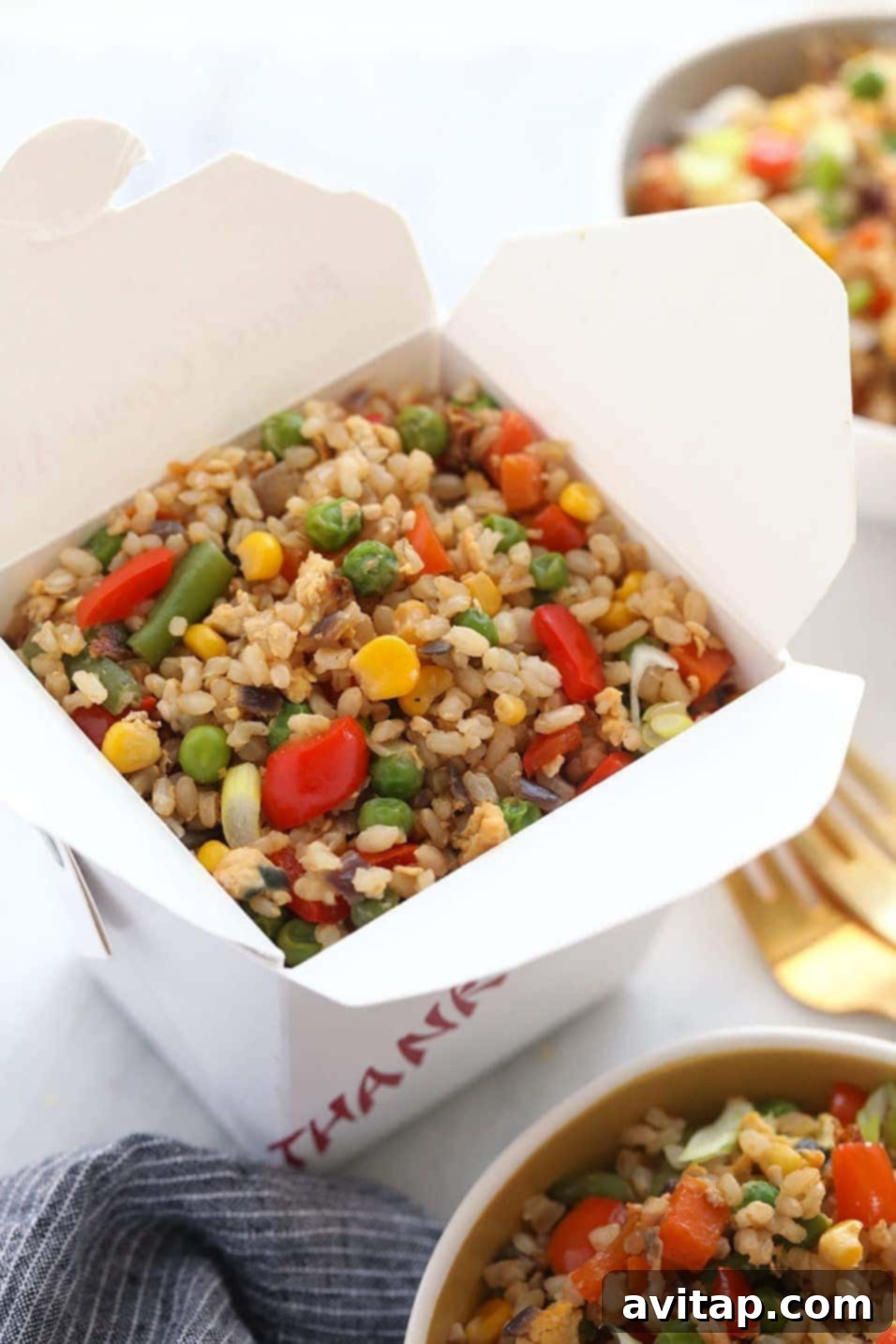
Perfect Pairings: What to Serve with Your Healthy Fried Rice
While this healthy fried rice is a complete and satisfying meal on its own, it also makes an excellent side dish or part of a larger Asian-inspired feast. Here are some fantastic recipes that complement its flavors beautifully, turning your dinner into an unforgettable culinary experience:
- Instant Pot Orange Chicken: A zesty, tender chicken dish that pairs wonderfully with the savory notes of fried rice, offering a balance of sweet and tangy.
- PF Chang’s Style Lettuce Wraps: Light, fresh, and bursting with flavor, these lettuce wraps provide a textural contrast and a refreshing counterpoint to the heartiness of the fried rice.
- Slow Cooker Teriyaki Chicken: Effortless to prepare, this sweet and savory chicken dish is a classic companion to fried rice, creating a comforting and flavorful meal.
Easy Fried Rice Recipe
This vegetable fried rice recipe is made with short grain brown rice, tons of veggies, and a protein-boost of eggs for a delicious Asian-inspired meal!
By: Lee Hersh
Cook: 1 hr
Servings: 4 servings
Ingredients
For the Fried Rice:
- 1 cup uncooked short-grain brown rice
- 1 3/4 cup water
- 2 tablespoons olive oil
- 1 tablespoon minced garlic
- 1 whole red pepper, finely diced
- 1/2 red onion, finely diced
- 2 cups frozen peas and carrots (or 10 oz. other frozen vegetables mix)
- 2 large eggs
For the Sauce:
- 3 tablespoons soy sauce (use tamari for gluten-free)
- 1 tablespoon rice vinegar
Instructions
- In a medium-size pot, combine 1 cup of short-grain brown rice and 1 3/4 cups of water. Bring to a rolling boil. Once boiling, cover the pot, reduce the heat to very low, and let it simmer for about 40 minutes, or until all the water has been completely absorbed and the rice is tender.
- While the rice cooks, heat 2 tablespoons of olive oil in a large skillet or wok over medium-high heat. Add the finely diced red onion to the pan and sauté for 3 minutes until softened. Then, add the minced garlic and diced red pepper, cooking for an additional 2 minutes until fragrant.
- Next, add the frozen vegetables to the pan. Sauté for another 3-4 minutes, stirring frequently, until the vegetables are cooked through but still have a slight crispness.
- Create a clear space in the middle of your pan by pushing the vegetables and aromatics to the sides. Crack the two eggs into this cleared space and scramble them with a fork. Cook the egg for about one minute until mostly set, then gently fold it into the rest of the vegetables.
- Finally, add the cooked brown rice and the prepared sauce (soy sauce and rice vinegar mixture) to the pan. Mix all the ingredients together thoroughly, ensuring the rice is evenly coated. Continue to cook for 4-5 minutes, stirring occasionally, allowing the rice to “fry” and absorb the flavors. Serve hot and enjoy your wholesome homemade fried rice!
Nutrition
Serving: 1/4, Calories: 312 kcal, Carbohydrates: 48 g, Protein: 11 g, Fat: 11 g, Fiber: 6 g, Sugar: 4 g
Nutrition information is automatically calculated, so should only be used as an approximation.
Don’t forget to tag your posts on social media with the hashtag #fitfoodiefinds, we’d love to see what you’re up to!