
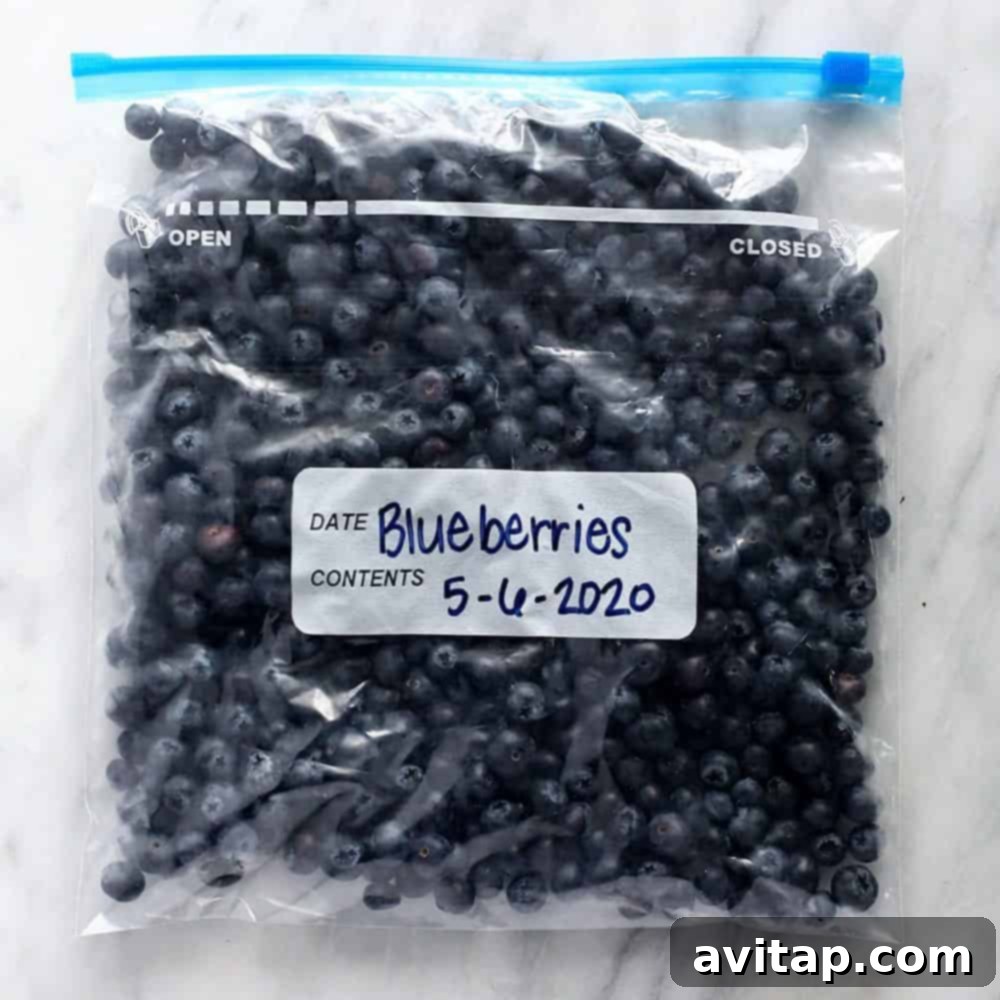
Ever wondered how to freeze blueberries to capture their peak freshness and enjoy them year-round? Whether you’ve scored an amazing deal on fresh blueberries at the grocery store or farmers’ market, or harvested a bounty from your own backyard, preserving them is incredibly simple and rewarding. This comprehensive guide will walk you through the entire process, ensuring your frozen blueberries are perfect for everything from vibrant smoothies to delicious pies and wholesome baked goods.
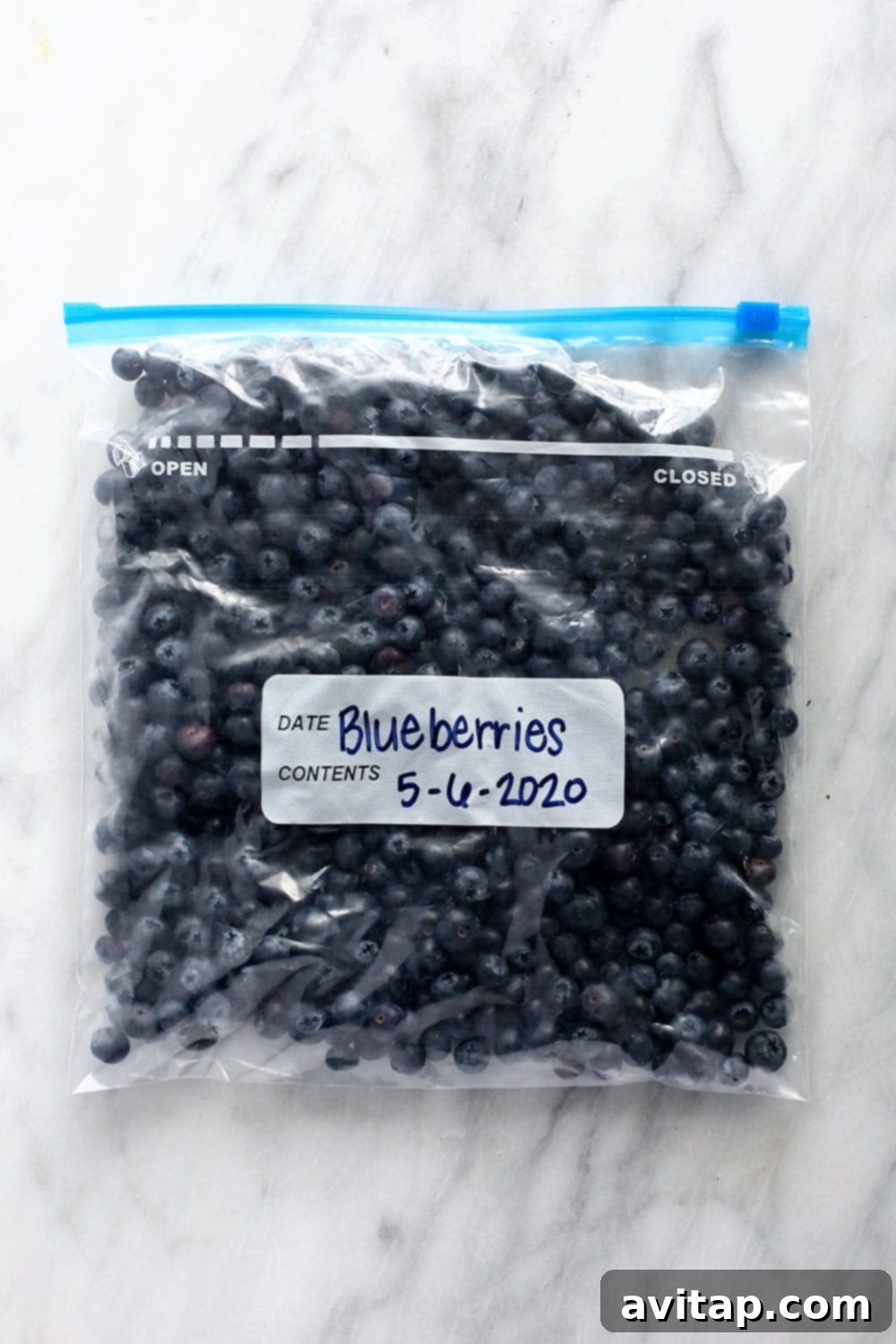
Having a stash of frozen blueberries on hand is a game-changer for spontaneous healthy breakfasts, last-minute dessert creations, or simply adding a burst of natural sweetness to your everyday meals. While pre-frozen berries are available, the quality, flavor, and texture of fresh blueberries frozen at home are undeniably superior. In this post, we’ll delve into the benefits of freezing blueberries, guide you through a foolproof step-by-step method, explain how to thaw them properly, and inspire you with countless ways to incorporate them into your culinary adventures. Get ready to master the art of blueberry preservation!
Why Freezing Blueberries is a Smart Choice
Blueberries are a beloved superfood, packed with antioxidants and bursting with flavor. Freezing them not only extends their shelf life but also offers numerous practical benefits for any home cook. Here’s why preserving your blueberries is an excellent idea:
Save Money: Peak blueberry season, typically during the summer months, brings prices down significantly. You can often find fresh blueberries for a fraction of their off-season cost. Buying in bulk when they’re cheap and freezing them allows you to enjoy these delicious berries year-round without breaking the bank.
Ensure Easy Access to Nutrients: Life gets busy, and sometimes the fridge is looking a little bare. With a freezer stocked with individually frozen blueberries, you always have a healthy ingredient ready. Whether it’s for a quick smoothie, a healthy snack, or an impromptu baking session, access to nutritious fruit is just a freezer door away.
Reduce Food Waste: Fresh produce can spoil quickly. If you buy more blueberries than you can consume before they go bad, freezing them is a fantastic way to prevent waste. This eco-friendly practice ensures that every precious berry is enjoyed.
Lock in Flavor and Nutrients: Freezing preserves the vibrant flavor, color, and nutritional content of blueberries at their peak. Unlike some preservation methods that involve heat or additives, freezing keeps the berries as close to their fresh state as possible, allowing you to enjoy their natural goodness for months.
Essential Kitchen Tools for Freezing Blueberries
Freezing blueberries requires minimal equipment, making it an accessible task for any home kitchen. Here’s a simple list of what you’ll need to get started:
- Baking Sheet: A sturdy baking sheet, ideally with a raised lip to prevent berries from rolling off, is crucial for flash freezing your blueberries in a single layer.
- Paper Towel or Clean Kitchen Towels: Essential for thoroughly drying your washed blueberries, preventing ice crystals and freezer burn.
- Gallon-Size Freezer Bags or Airtight Containers: For long-term storage, these containers protect your blueberries from freezer burn and absorb odors.
- Colander or Strainer: For efficiently washing your blueberries.
- Spatula: To easily remove the frozen berries from the baking sheet.
- Parchment Paper or Silicone Mat (Optional but Recommended): Lining your baking sheet with parchment paper or a silicone mat ensures the blueberries don’t stick and are easier to transfer once frozen.

How to Freeze Blueberries (Step-by-Step Guide)
Freezing blueberries correctly is key to maintaining their quality and preventing them from turning into a giant, icy block. Follow these steps for perfectly preserved berries every time:
STEP 1: PREPARE YOUR BAKING SHEET
The first crucial step is to prepare your freezing surface. You want to avoid simply pouring fresh blueberries directly into a freezer bag, as this will result in them freezing together into one solid clump, making it difficult to use individual berries later. Instead, start with a clean baking sheet. For best results and easiest removal, line the baking sheet with parchment paper or a silicone baking mat. Ensure your baking sheet has at least a 1/2-inch lip around the edges to prevent the berries from rolling off and potentially spilling in your freezer as you move it.
STEP 2: PREPARE AND WASH BLUEBERRIES
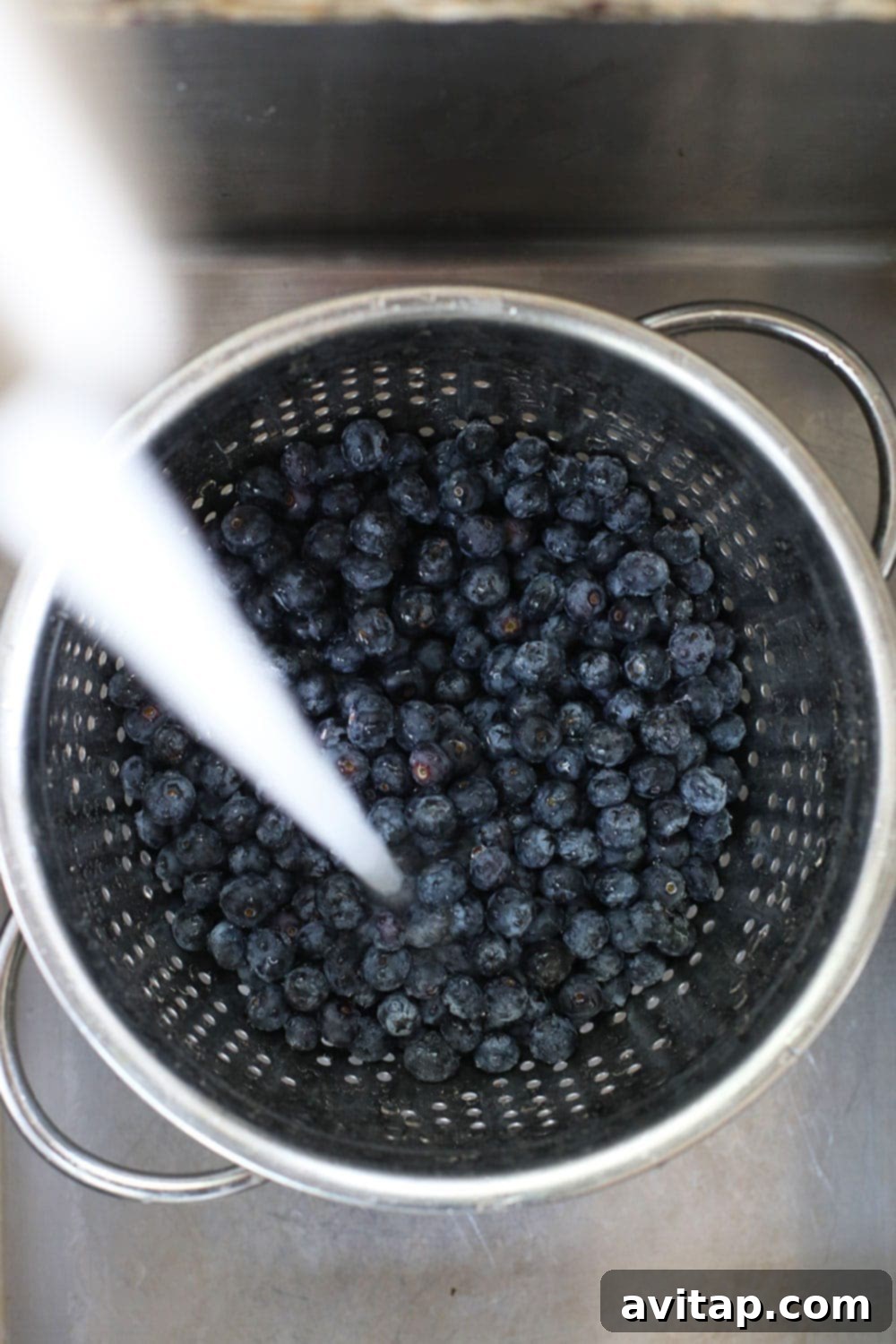
Now it’s time to get your blueberries ready. Gently transfer your fresh blueberries into a colander or strainer. Rinse them thoroughly under cool running water to remove any dirt, debris, or residual pesticides. While washing, carefully inspect the berries. Remove any stems or leaves that might have been missed during packaging, and discard any blueberries that appear overly soft, moldy, or bruised. Only freeze the firm, plump, and healthy berries for the best quality.
STEP 3: THOROUGHLY DRY THE BLUEBERRIES
This is arguably the most critical step in preventing freezer burn and ensuring your blueberries freeze individually. After washing, gently spread the blueberries in a single layer onto several layers of paper towels or clean, absorbent kitchen towels. Allow them to air dry completely, or carefully pat them dry. Any excess water carried into the freezer will turn into ice crystals, which can lead to freezer burn, degrading the texture and flavor of your berries. Patience is key here; ensure they are fully dry to the touch before proceeding.
STEP 4: FLASH FREEZE BLUEBERRIES ON A BAKING SHEET
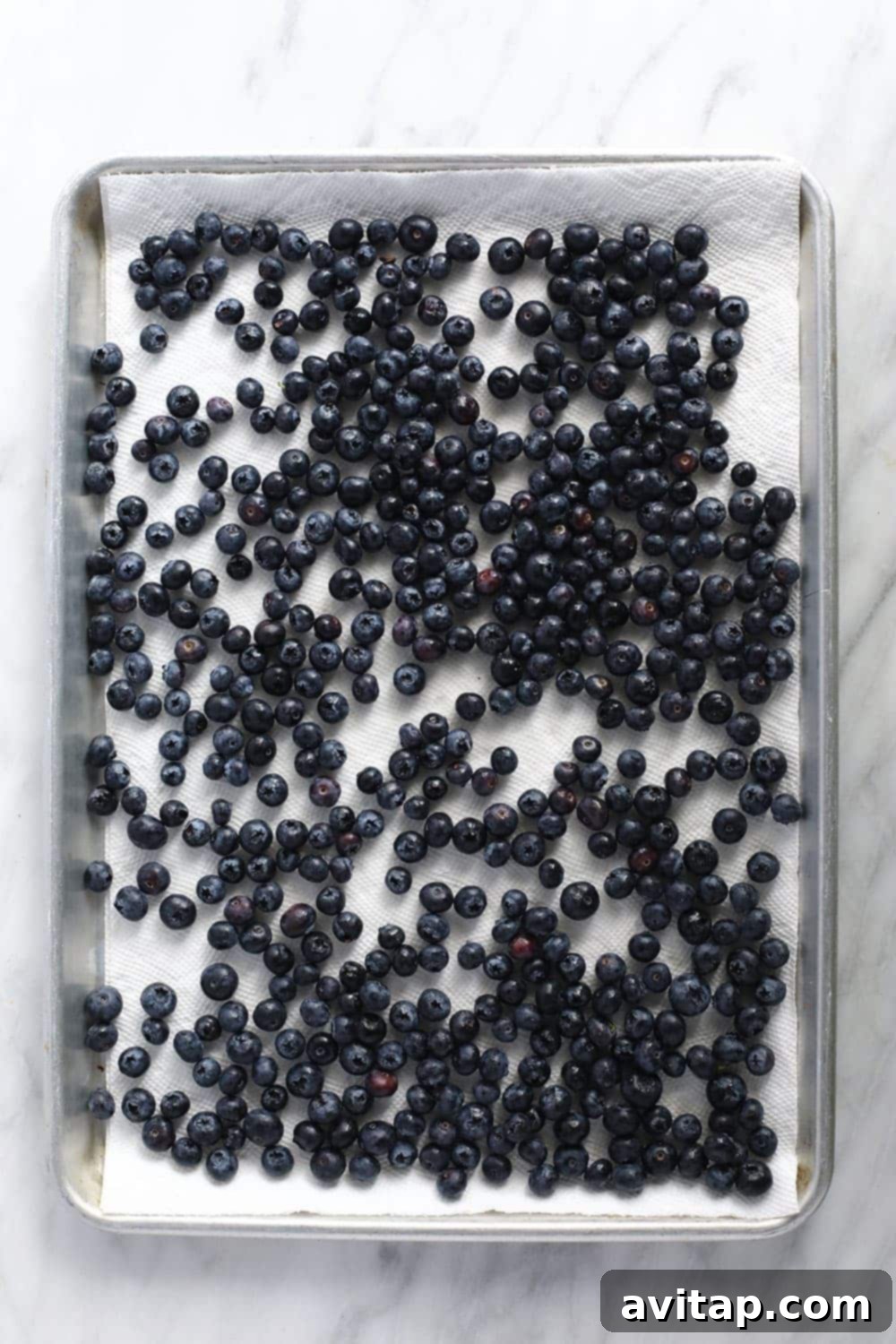
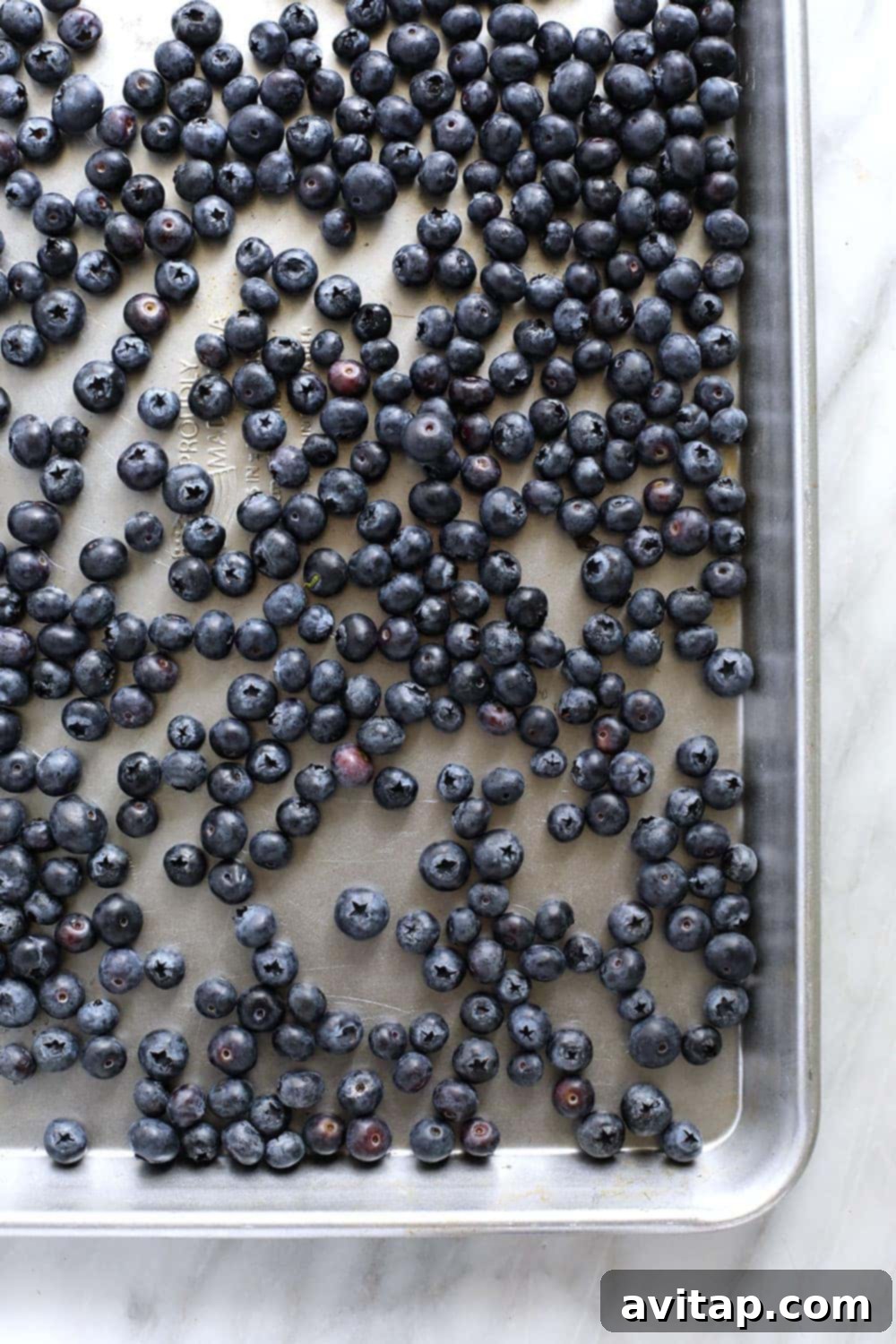
Once your blueberries are completely dry, arrange them in a single layer on the prepared baking sheet (lined with parchment paper if you chose to). It is absolutely essential that the berries do not touch each other. This “flash freezing” step ensures that each individual blueberry freezes separately, preventing them from clumping together in one large block. Place the baking sheet into the freezer and freeze for at least 30 minutes to an hour, or until all the berries are completely solid. Since blueberries are relatively small, they typically freeze much faster than larger fruits like whole strawberries or sliced peaches.
STEP 5: TRANSFER TO FREEZER-SAFE CONTAINERS
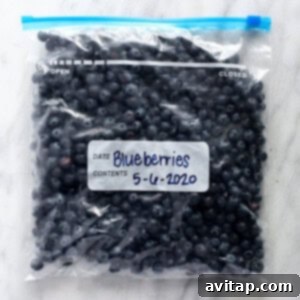
After the blueberries are thoroughly frozen, remove the baking sheet from the freezer. If any berries have stuck to the parchment paper or baking sheet, use a spatula to gently scrape them off. Immediately transfer your perfectly frozen, individual blueberries into freezer-safe containers. High-quality freezer bags (like Ziploc or Stasher bags) or rigid airtight plastic or glass containers are excellent options. When using bags, press out as much air as possible before sealing to minimize oxidation and freezer burn. If using rigid containers, ensure they are filled as much as possible to reduce air pockets. Label the bags or containers with the date, then place them back in the freezer. Properly stored, frozen blueberries can maintain their quality for up to 6-12 months, providing easy access to delicious berries anytime!
How to Thaw Frozen Blueberries
Thawing frozen blueberries is straightforward and depends on how you plan to use them. Here are a few simple methods:
- Countertop Thawing (Quick Thaw): For relatively quick thawing, spread the frozen blueberries in a single layer on a baking sheet lined with paper towels. Let them sit at room temperature for about 30 minutes to an hour, or until softened to your desired consistency. The paper towels will absorb any excess moisture.
- Refrigerator Thawing (Slow Thaw): For a more gradual thaw, transfer the desired amount of frozen blueberries to a bowl and place them in the refrigerator overnight. This method helps maintain their texture and prevents them from becoming too mushy.
- Cold Water Bath (Fastest Thaw): If you need them thawed quickly, place the frozen blueberries in a sealed plastic bag and submerge the bag in a bowl of cold water. Change the water every 15-30 minutes until thawed. Do not use hot water, as it can compromise the berries’ texture.
Pro Tip: No Thawing Needed for Many Recipes! Remember, some recipes benefit from using blueberries directly from the freezer. For instance, smoothies, nice cream, and many baked goods like muffins and pancakes often call for frozen berries. Adding them frozen can prevent them from sinking to the bottom of batters and helps maintain a cooler temperature in blended drinks.
Delicious Ways to Use Frozen Blueberries
Once you have a freezer full of perfectly preserved blueberries, the culinary possibilities are truly endless! Don’t let your creativity be limited; here are some fantastic ideas for incorporating frozen blueberries into your meals and snacks:
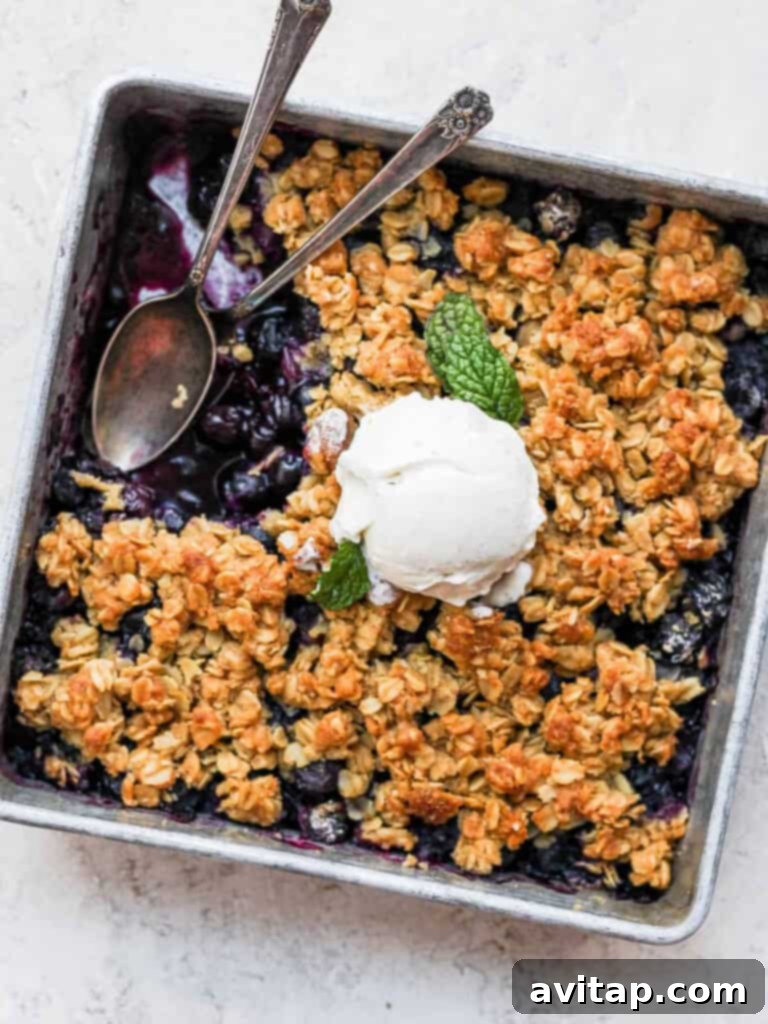
Blueberry Crisp: A classic comfort dessert! Our blueberry crisp is perfectly sweet with an incredible golden-brown, buttery crumb topping. Frozen blueberries hold their shape well and release their juices beautifully when baked, making them ideal for crisps and crumbles.
Smoothies: Smoothies are arguably the most popular use for frozen blueberries. They add a delicious natural sweetness and a vibrant color, while their frozen state helps create a thick, frosty texture without needing extra ice. They’re ready in just 5 minutes! Here are some of our favorites:
- Blueberry Banana Smoothie
- Triple Berry Smoothie
- Blueberry Flax Smoothie
- Blueberry Date Smoothie Bowl
Try it!
Blueberry Banana Smoothie
This blueberry banana smoothie is thick, healthy, and perfect for a quick breakfast or a tasty snack.
Blueberry Muffins: There’s nothing quite like a warm, freshly baked blueberry muffin. Our recipe is naturally sweetened and incredibly yummy. When baking with frozen blueberries, tossing them in a tablespoon of flour before adding them to the batter can help prevent them from sinking to the bottom.
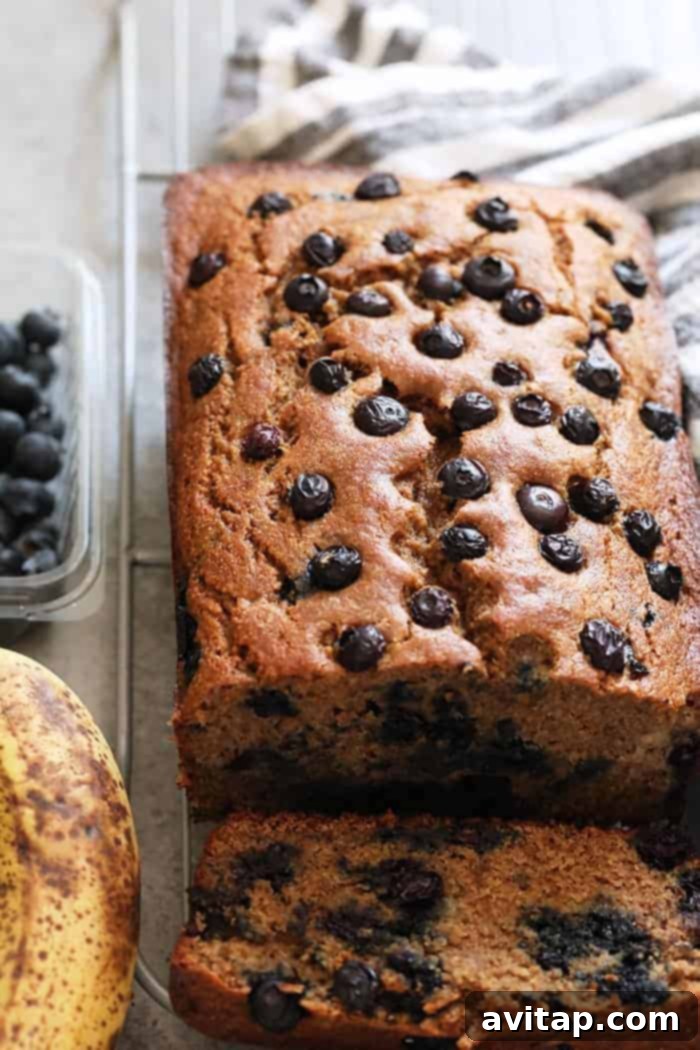
Blueberry Banana Bread: Frozen blueberries are an effortless and delicious addition to any banana bread recipe, infusing it with extra moisture and fruity flavor. Try our blueberry banana bread; you’ll absolutely love the combination!
Blueberry Pancakes or Waffles: Elevate your breakfast by adding frozen blueberries directly to your pancake or waffle batter, or simply sprinkle them on top as they cook. Our blueberry protein pancakes recipe is a fantastic way to start your day.
Blueberry Crumble Bars: For a delightful treat that’s perfect for snacking or dessert, you seriously can’t go wrong with our Blueberry Crumble Bars. Blueberries are the star ingredient, providing a burst of juicy flavor in every bite.
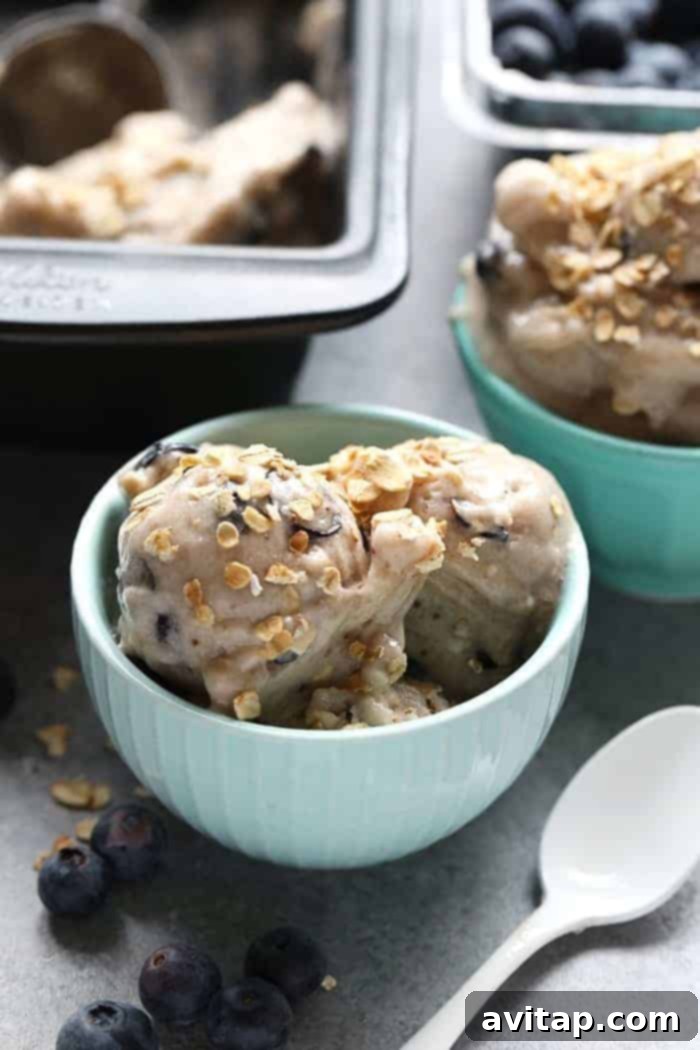
Blueberry Muffin Banana Soft Serve: Blend your frozen blueberries with frozen bananas to create a creamy, naturally sweet vegan frozen treat that tastes just like dessert, but is healthy enough for breakfast.
Blueberry Sauces and Compotes: Frozen blueberries are perfect for simmering into quick sauces or compotes to top pancakes, yogurt, ice cream, or even savory dishes like pork loin. They break down beautifully and release their rich flavor.
Yogurt or Oatmeal Topping: Simply add a handful of frozen blueberries to your hot oatmeal or a bowl of yogurt. They’ll slowly thaw, releasing their delicious juices and cooling your breakfast to the perfect temperature.
More of Our Favorite Preservation Guides
Explore Other Fruit & Veggie Freezer Tutorials
- How to Freeze Bananas
- How to Freeze Avocado
- How to Freeze Mixed Berries
- How to Freeze Strawberries
How to Freeze Blueberries
Prep: 1 hour
Cook: 0 minutes
Total: 1 hour
Print Recipe
Ingredients
- 1 pint (2 cups) fresh blueberries (or more, as desired)
Instructions
-
Prepare a baking sheet with at least a 1/2-inch lip by laying a piece of parchment paper flat onto the surface.
-
Wash blueberries thoroughly with cold water in a colander.
-
Transfer the washed berries onto paper towels or clean kitchen towels and allow them to dry completely.
-
Once dry, carefully inspect berries, removing any stems, leaves, or overly ripe fruit.
-
Transfer the prepared berries onto the lined baking sheet, ensuring they are spread out in a single layer and not touching one another to prevent clumping during freezing.
-
Freeze for approximately 30-60 minutes, or until the blueberries are hard and completely frozen solid.
-
Remove the baking sheet from the freezer. Use a spatula to gently scrape the frozen berries off the sheet if any have adhered.
-
Immediately transfer the flash-frozen blueberries into a freezer-safe gallon-size bag or airtight container. Remove as much air from the bag as possible and seal tightly.
-
Store the berries in the freezer for easy access to smoothies and baking for up to 6-12 months.
Tips & Notes
- Feel free to freeze as many pints of blueberries as you wish. This method scales easily for larger quantities.
- Always ensure blueberries are completely dry before freezing to avoid ice crystal formation and freezer burn.
- For best quality, use frozen blueberries within 6-12 months.
Nutrition
Nutrition information is automatically calculated, so should only be used as an approximation.
Love this? Leave a comment below!
Don’t forget to tag your posts on social media with the hashtag #fitfoodiefinds, we’d love to see what you’re up to!