
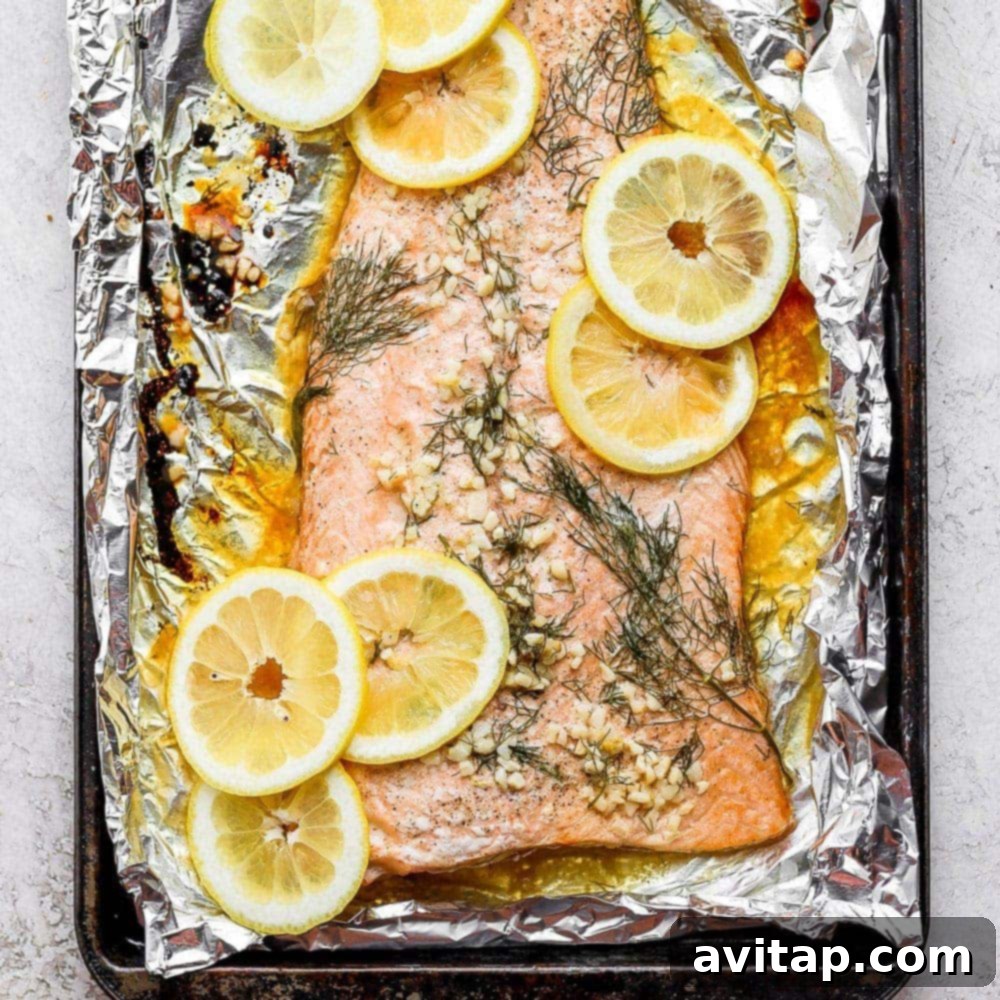
The Ultimate Oven-Baked Salmon in Foil: Flaky, Flavorful & Foolproof
Tired of bland, dry salmon? It’s time to unlock the secret to consistently moist and flavorful fish with our foolproof oven-baked salmon in foil recipe. This method, passed down through generations, is a game-changer for anyone seeking a simple yet incredibly delicious way to prepare salmon. By wrapping the fillet in aluminum foil, you create a perfect steaming environment that locks in moisture and infuses every bite with our vibrant lemon-dill marinade. The result? Tender, flaky salmon that tastes gourmet, yet is surprisingly easy to make.
Whether you’re cooking for a crowd with a large salmon fillet or preparing individual portions, this technique guarantees success. The key is in mastering the marinade and understanding the simple steps to foil-pack baking. Prepare to transform your weeknight dinners and impress your guests with perfectly cooked salmon every single time.
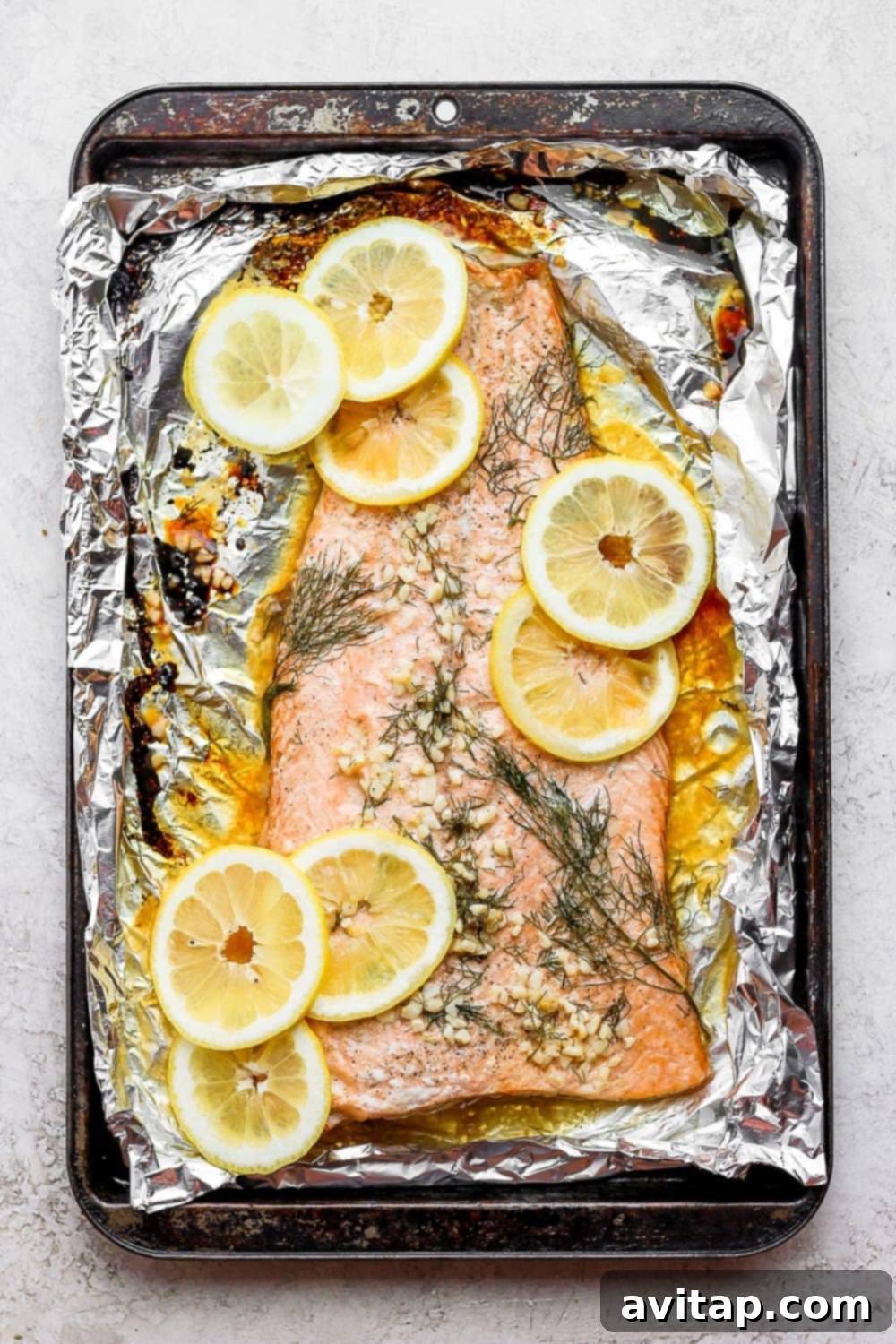
Why This Foil-Baked Salmon Recipe Stands Out
This oven-baked salmon in foil consistently delivers exceptional results, making it a beloved favorite in kitchens everywhere. Its enduring appeal comes from its simplicity and the guaranteed deliciousness it offers:
- Consistently Delicious: Achieve a perfect balance of tenderness and flavor in every bite.
- Effortlessly Easy: Prep takes mere minutes, making it ideal for busy weeknights or stress-free entertaining.
- Tender & Flaky Texture: The foil-pack method ensures the salmon remains incredibly moist, cooking gently in its own juices and marinade.
- Flavor Infusion: Our specially crafted lemon-dill marinade permeates the fish, creating a truly aromatic and satisfying dish.
I’ve rigorously tested this recipe across a spectrum of salmon fillet sizes, from a convenient 2 lbs. to a more substantial 4 lbs., and the outcome is consistently perfect. This truly is a foolproof method that promises success for cooks of all skill levels.
Featured Comment
“One of my husband’s favorite Salmon recipes! We made this for the main entree for our untraditional Thanksgiving dinner, and it was a hit! The tartar sauce recipe takes this salmon to the next level!”
-Kendra N.
Selecting the Best Salmon for Your Dish
The foundation of a great salmon dish begins with choosing the right fish. Salmon comes in various species, each with distinct characteristics in terms of flavor, texture, and fat content. To ensure the moistest and most flavorful outcome for this recipe, I highly recommend selecting salmon with a naturally higher fat content. Varieties such as King (Chinook), Atlantic, and Sockeye Salmon are excellent choices, renowned for their rich, buttery texture and robust flavor.
This recipe is optimized for a 2.5 – 3 lb. uncooked salmon fillet. When selecting your fillet, you can opt for either skin-on or skin-off. My personal preference is skin-on, as the skin adds a crucial layer of fat and flavor that further enhances the moisture and taste of the baked fish. The skin also becomes wonderfully crisp if you finish the dish with a quick broil.
If a large, whole fillet isn’t readily available, “salmon portions” – pre-cut pieces of a larger fillet – work equally well. To ensure consistent cooking, simply arrange these portions closely together on your foil, mimicking the surface area of a larger fillet. If your salmon fillet happens to be smaller than 2.5 lbs., you’ll need to adjust the baking time accordingly. Begin checking for doneness around the 20-minute mark and continue cooking until it reaches perfection.
Always look for signs of freshness: bright, firm flesh, clear, unclouded eyes (if purchasing a whole fish), and a mild, oceanic scent, never overtly “fishy.” These indicators will help you select a quality piece of salmon that will shine in this recipe.
Our All-Time Favorite: Surrender Salmon!
For an unparalleled salmon experience, I cannot recommend Surrender Salmon enough. They are dedicated to catching wild-Alaskan salmon off the pristine waters of Bristol Bay, Alaska. Their salmon is characterized by its vibrant orange color, incredible flakiness, and truly exceptional flavor – it’s genuinely the best I’ve ever tasted.
Surrender Salmon is a fantastic family-run company based right here in Minneapolis, and they’re good friends of ours! By supporting them, you’re not only getting a premium product but also contributing to a local, sustainable business.
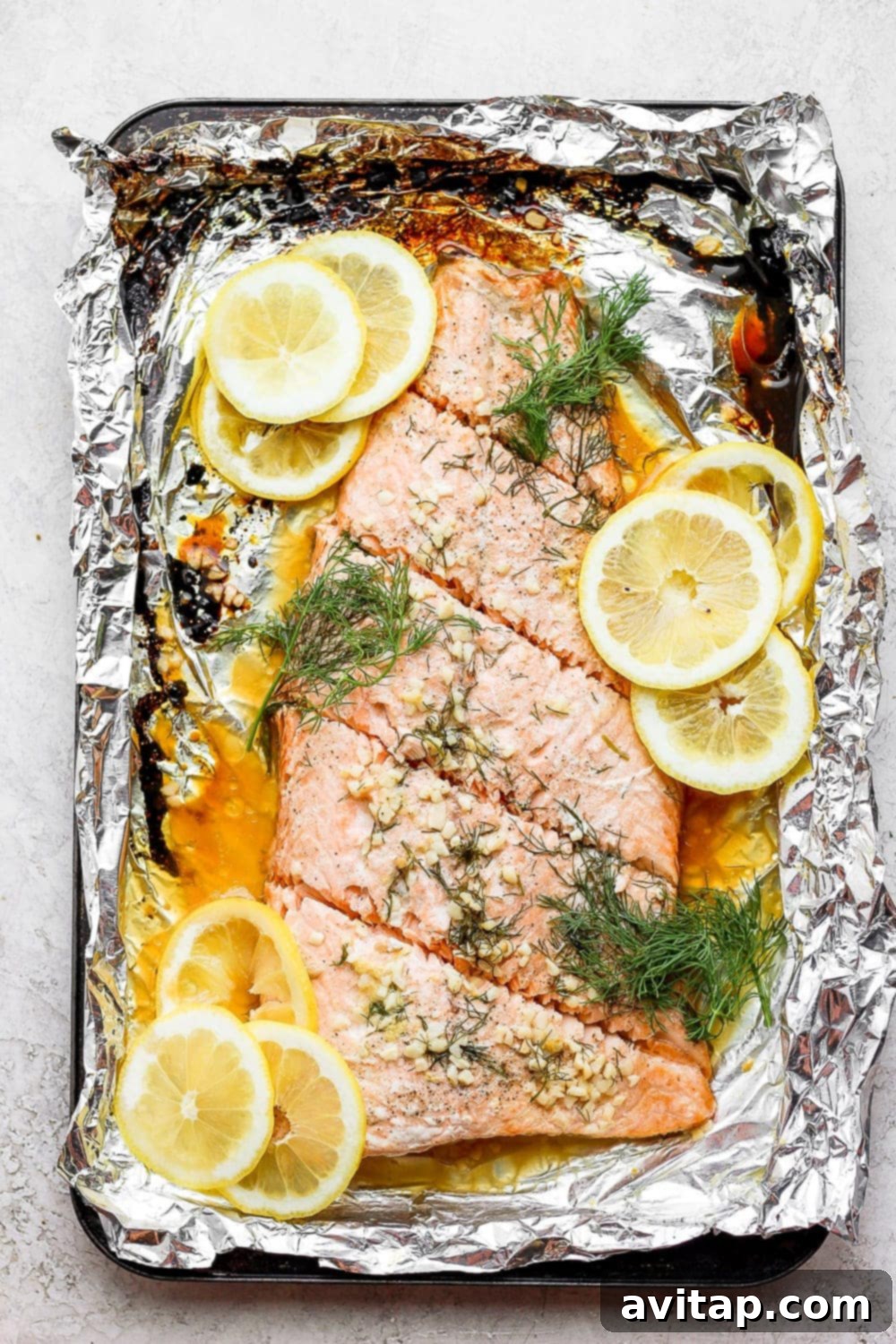
The Easy Guide to Baking Salmon in Foil
Baking salmon in foil is a brilliant method for achieving succulent, flavorful results with minimal effort. Here’s a detailed breakdown of the steps:
1. Marinate for Deep Flavor Infusion
The first and most crucial step for a truly delicious baked salmon is allowing it to soak in a flavorful marinade. Our recipe features a delightful lemon-dill marinade designed to permeate the fish, enhancing its natural flavors. Begin by patting your salmon fillet dry with paper towels to ensure seasonings adhere properly. Then, sprinkle it lightly with salt and pepper. Next, place your salmon in the prepared marinade and allow it to marinate for 15-30 minutes. This short period is sufficient for the flavors to penetrate without compromising the fish’s delicate texture.
A Quick Marinating Tip
It’s important not to over-marinate, especially when using marinades that contain acidic ingredients like lemon juice. Prolonged exposure to acid can begin to “cook” the fish (a process known as denaturation), resulting in a firmer, sometimes tougher texture. Stick to the recommended 15-30 minute window for optimal tenderness and flavor.
2. Craft Your Foil Packet for Perfect Moisture Retention
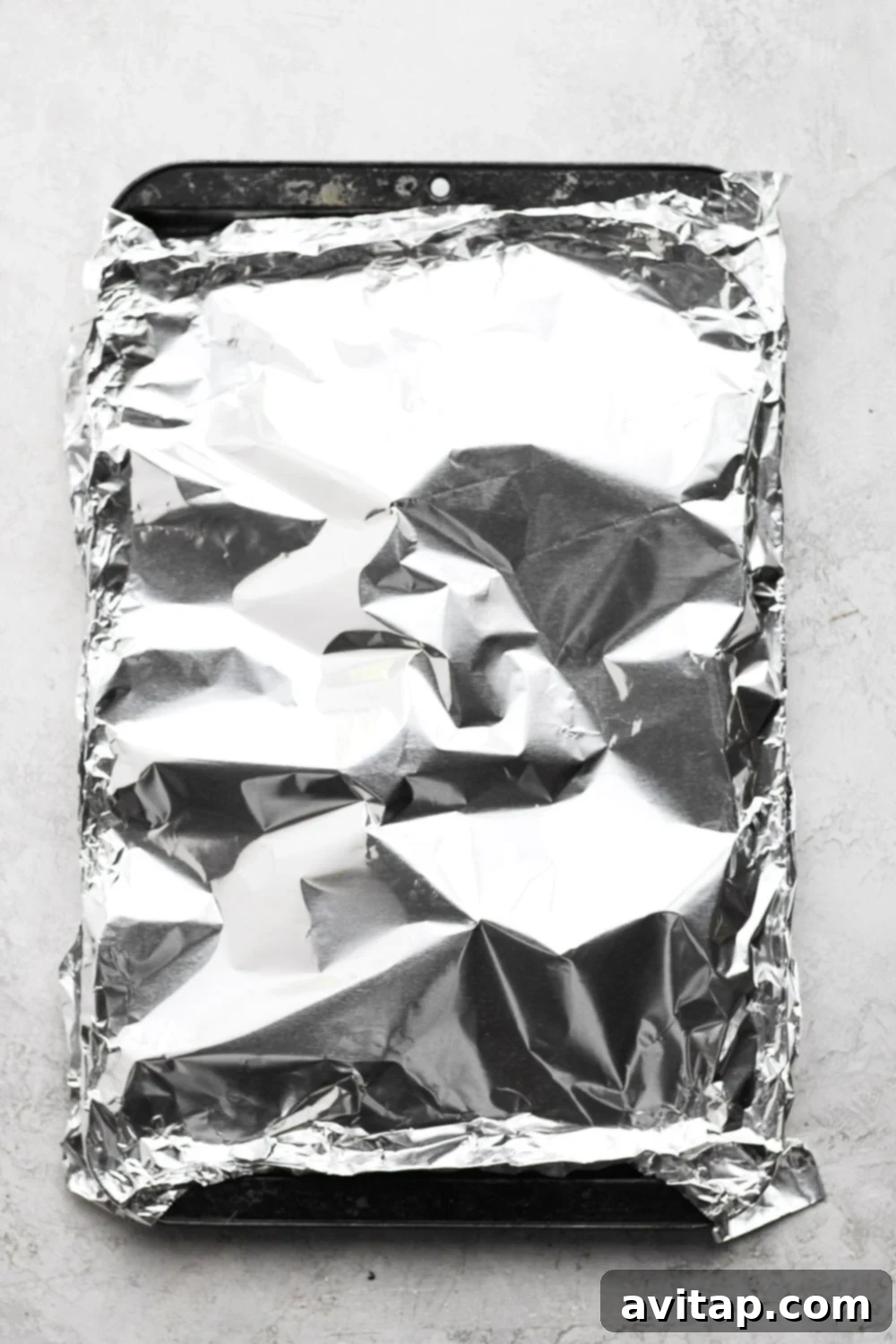
The essence of this baking method lies in creating a tightly sealed foil packet. This ingenious technique transforms your baking sheet into a miniature steam oven, efficiently trapping all the heat and moisture inside. This “vacuum seal” ensures the salmon cooks quickly and evenly, yielding an incredibly moist, tender, and succulent fillet. To create your packet, lay a large piece of heavy-duty aluminum foil on a baking sheet or in a 9×13-inch pan, making sure to fold up the edges to form a protective barrier that prevents any precious liquids from escaping.
3. Bake to Flaky Perfection
Once your salmon is marinated and securely wrapped in its foil packet, it’s time for baking. I recommend baking salmon in foil at 375°F (190°C). For a typical 2.5 lb. salmon fillet, which is often around 2 inches thick, the baking time will usually range from 25-35 minutes. Remember that the cooking time is largely dependent on the thickness of your specific fillet – a thicker piece will naturally require more time in the oven. You’ll know the salmon is fully cooked when its color changes from a translucent bright pink/orange to an opaque, light pink. It should also feel firm to the touch and flake easily with a fork.
4. The Final Flourish: A Quick Broil for Golden Texture
When your salmon is almost done baking, remove it from the oven and carefully open the foil packet, exposing the top of the fillet. Now, add two tablespoons of cold butter evenly across the salmon. Return the uncovered salmon to the oven and switch your oven to broil. Broil for an additional 2-5 minutes, keeping a close eye on it, as broilers vary in intensity. The goal here is to melt the butter, creating a beautiful golden-brown, caramelized crust on top of the salmon, adding an irresistible textural contrast and an extra layer of richness.
Achieving Perfect Salmon Doneness Every Time
Ensuring your salmon is cooked to perfection is crucial for both taste and safety. The U.S. FDA recommends that salmon reach an internal temperature of 145°F (63°C) to be safe for consumption. For absolute accuracy, I highly recommend using a meat thermometer inserted into the thickest part of your salmon fillet. This eliminates guesswork and guarantees a perfectly cooked, safe-to-eat fish.
Beyond safety, I aim for a texture that is fork-tender and beautifully flaky, which typically corresponds with an internal temperature around 145°F. Overcooking can quickly lead to dry, rubbery salmon, so monitoring the temperature is key to preserving its delicate texture.
As a general rule of thumb for conventional cooking, plan for about 4-5 minutes of cooking time per half-inch of salmon thickness. However, with the foil-pack method, which essentially steams the fish, cooking can be slightly faster and more forgiving. For a 2-inch thick fillet like the one in this recipe, expect to bake for approximately 25-35 minutes at 375°F. Always consider the specific thickness of your fillet and your oven’s calibration when estimating cook times. Visual cues also help: cooked salmon will transition from a translucent, deep pink to an opaque, lighter pink, and the flesh will easily separate when gently pressed with a fork.
Unleash Your Creativity: Flavor Variations & Smart Substitutions
Don’t hesitate to personalize your salmon marinade! This recipe is wonderfully adaptable, inviting you to experiment with different flavor profiles to suit your taste or what you have on hand. The goal is always to keep things simple and delicious, just the way I prefer to cook these days.
- Asian-Inspired Twists: For an umami-rich and savory experience, try marinating your salmon in a vibrant stir-fry sauce or a bold firecracker sauce. These add a fantastic glaze and depth of flavor.
- Mediterranean Vibes: A good quality Italian salad dressing, with its blend of herbs, olive oil, and vinegar, can transform your salmon into a zesty, herbaceous delight reminiscent of the Mediterranean coast.
- Citrus Alternatives: If lemons aren’t available, don’t fret! Limes or even oranges can be excellent substitutes, each offering a slightly different, but equally bright and complementary citrus note.
- Herb Swaps: While fresh dill is a star here, feel free to use other fresh herbs like parsley, chives, tarragon, or even a hint of rosemary. If using dried dill instead of fresh, remember the general rule: use one-third the amount of dried herbs compared to fresh. For instance, substitute 2 teaspoons of dried dill for 2 tablespoons of fresh.
- Spice It Up: A pinch of red pepper flakes, a dash of cayenne, or a few thin slices of jalapeño can add a pleasant kick to your marinade.
- Sweet & Savory: A touch of maple syrup or brown sugar can replace honey for a different kind of sweetness that beautifully balances the tart citrus.
Don’t be nervous about making substitutions if you’re missing an ingredient for this recipe. Cooking should always be an enjoyable and flexible process. Experimenting with different flavors can lead to new family favorites!
The Abundant Health Benefits of Salmon
Salmon is not merely a delicious protein; it’s a nutritional powerhouse, making it an excellent and highly recommended component of a well-balanced diet. Its rich nutritional profile contributes significantly to overall health and wellness.
One of salmon’s most celebrated attributes is its exceptionally high protein content. Protein is fundamental for building and repairing tissues, producing enzymes and hormones, and supporting satiety. A single serving provides a substantial amount of high-quality protein, essential for muscle maintenance and growth.
Furthermore, salmon is famously rich in Omega-3 fatty acids, specifically EPA (eicosapentaenoic acid) and DHA (docosahexaenoic acid). These essential fatty acids are vital for heart health, known to reduce inflammation, lower blood pressure, and decrease the risk of heart disease. Omega-3s also play a critical role in brain function, supporting cognitive health and potentially aiding in mood regulation. Salmon is a naturally gluten-free, dairy-free, and low-carb option, fitting seamlessly into various dietary plans and addressing common dietary restrictions. It’s also an excellent source of several other important vitamins and minerals, including Vitamin D (crucial for bone health and immunity), Vitamin B12 (important for nerve function and red blood cell formation), selenium (an antioxidant mineral), and potassium (essential for blood pressure regulation). Incorporating salmon into your diet regularly is a smart and tasty strategy for boosting your nutrient intake and promoting long-term health.
Perfect Pairings: What to Serve with Your Foil-Baked Salmon
This incredibly versatile baked salmon pairs beautifully with a wide array of side dishes, offering endless possibilities for a complete and satisfying meal. Here are some of my top recommendations:
- Oven-Roasted Asparagus with Parmesan: A simple, elegant, and nutrient-rich side that perfectly complements the delicate flavor of salmon.
- Chili Crunch Brussels Sprouts: For those who enjoy a bit of heat and crunch, these sprouts add a fantastic spicy-savory dimension.
- Classic Roasted Brussels Sprouts: A timeless and healthy vegetable side that pairs wonderfully with any fish dish.
- Crockpot Baked Potatoes: An incredibly easy and comforting starch option, freeing up oven space.
- Roasted Red Potatoes: Crispy on the outside, fluffy on the inside, these potatoes are a hearty and flavorful pairing.
- Perfect Quinoa: A light, gluten-free, and protein-rich grain that makes for a balanced and healthy accompaniment.
- Cilantro Lime Rice: Adds a burst of fresh, zesty flavor that brightens the entire meal.
- Hearty Wild Rice: With its nutty flavor and chewy texture, wild rice provides a more substantial and earthy complement.
Don’t forget to prepare the homemade tartar sauce from this recipe – it truly elevates the salmon to the next level!
Reheating Baked Salmon: Keeping it Delicious
One of the best things about this baked salmon recipe is how well leftovers store, making it an ideal candidate for meal prep! Enjoying your perfectly cooked salmon a second time is easy with these reheating tips:
The quickest and most straightforward way to reheat baked salmon is in the microwave. Simply place your salmon on a microwave-safe plate and microwave on high for 60-90 seconds, checking periodically to ensure it’s heated through without overcooking. Be cautious not to overheat, as this can dry out the fish.
For a slightly more tender and evenly heated result, you can also reheat salmon gently on the stovetop. Place a small amount of oil or butter in a non-stick skillet over medium-low heat, add your salmon (skin-side down if applicable), and cover. Heat for a few minutes until warmed through. Alternatively, for larger portions or if you prefer using the oven, preheat your oven to a low temperature, around 275°F (135°C). Place the salmon on a baking sheet, loosely tented with foil, and bake for 10-15 minutes, or until just warmed. The low temperature helps prevent the salmon from drying out.
A critical safety reminder: Always discard the original tin foil used for baking after the first use. Whatever you do, DO NOT put aluminum foil in the microwave!
Frequently Asked Questions About Baking Salmon
What seasonings work well for baked salmon?
The combination of garlic, lemon, and fresh dill, as used in this recipe, is a classic and highly effective pairing for salmon. Other excellent seasoning options include pre-mixed spice blends such as lemon pepper, various all-purpose seasonings, or any dedicated seafood seasoning blend. Consider also experimenting with smoked paprika, onion powder, a touch of brown sugar, or fresh herbs like parsley, chives, and tarragon for different flavor profiles.
Can I use olive oil spray to coat the salmon?
Yes, absolutely! Using olive oil spray is a great option to coat the salmon, especially if you want to apply a lighter, more even layer of oil. It helps the seasonings adhere to the fish and contributes to a lovely crust while providing the healthy benefits of olive oil without excess.
Is it better to bake salmon in the oven or cook it on the stove (especially for beginners)?
For beginners, baking salmon in the oven, particularly using the foil-pack method described here, is generally the superior choice. It’s a more forgiving cooking method that consistently yields moist, evenly cooked fish with minimal effort and supervision. Stove-top cooking, such as pan-searing, requires more precise temperature management and timing, which can be more challenging for those new to cooking fish.
How do I know if my salmon is overcooked?
Overcooked salmon will typically appear very pale and dry, often with white albumin (a protein) curdling and seeping out onto the surface. Its texture will be tough, crumbly, and stringy rather than moist and flaky. The best way to prevent overcooking is to use a meat thermometer and remove the salmon from the heat as soon as it reaches 145°F (63°C) internally.
Storage: Making the Most of Leftover Salmon
Congratulations on having leftover salmon – you’ve got the ultimate meal-prep protein ready for quick and delicious future meals! Proper storage ensures your salmon remains fresh and flavorful.
Allow the cooked salmon to cool completely to room temperature before storing. Then, transfer it to an airtight container and place it in the refrigerator. It will stay fresh and delicious for up to 3 days. Glass meal-prep containers are an excellent choice for this, as they often allow you to reheat the salmon directly in the container (just be sure to remove any foil beforehand!). Always ensure food safety by refrigerating promptly and consuming within the recommended timeframe.
Explore More Delicious Salmon Recipes
If you’ve fallen in love with this foil-baked salmon, you’ll be thrilled to discover these other fantastic salmon recipes from our collection:
- Air Fryer Salmon Bites: Quick, crispy, and perfectly portioned for appetizers or a light, satisfying meal.
- Maple Ginger Baked Salmon: A delightful culinary journey that balances sweet, savory, and a hint of spice.
- Salmon Meatballs: A creative and incredibly flavorful way to enjoy salmon, perfect with pasta or in a fresh salad.
- Air Fryer Salmon: Another incredibly fast and easy method for achieving tender, flaky salmon with a delightful crispy exterior.
Foil-Pack Baked Salmon Recipe Card
Unlock the secret to perfect salmon! This step-by-step guide will teach you how to bake salmon in foil, creating a deliciously moist and flaky dish infused with a vibrant lemon-dill marinade. Get ready for a healthy meal that’s ready in under an hour!
Recipe by: Lee Funke
Prep Time: 30 mins
Cook Time: 25 mins
Total Time: 55 mins
Servings: 8
Ingredients
For the Salmon
- 2 to 3 lbs. salmon fillet, skin on or off (approx. 2-inches thick)
- 1/8 teaspoon salt
- 1/8 teaspoon black pepper
- 1 medium lemon, sliced
- 4 sprigs fresh dill
- 2 tablespoons cold unsalted butter
For the Salmon Marinade
- 1/4 cup olive oil
- 2 tablespoons fresh lemon juice
- 1 teaspoon dijon mustard
- 2 teaspoons honey
- 2 tablespoons fresh chopped dill
- 1/8 teaspoon salt
- 5 cloves garlic, minced or diced
For the Homemade Tartar Sauce
- 1/2 cup plain Greek yogurt
- 1/2 cup chopped dill pickles
- 1 tablespoon olive oil
- 1/8 teaspoon garlic powder
- 1/8 teaspoon onion powder
- 1 tablespoon pickle juice
- 1 teaspoon fresh lemon juice
- 1 tablespoon fresh chopped dill
Instructions
- Prepare Salmon: Gently pat any excess moisture from the salmon fillet with a paper towel. Season the fillet evenly with salt and pepper. Set aside.
- Make Marinade: In a medium bowl, combine the olive oil, lemon juice, dijon mustard, honey, chopped dill, salt, and diced garlic. Whisk thoroughly until all ingredients are well combined.
- Assemble Foil Packet: Lay a large piece of heavy-duty aluminum foil onto a baking sheet or into a 9×13-inch pan. Ensure the edges of the foil are folded up to create a “boat” that will contain all liquids. Pour the prepared marinade evenly onto the bottom of the foil.
- Marinate Salmon: Place the salmon fillet, skin side up, into the marinade. Let it marinate at room temperature for 15-30 minutes. Be careful not to marinate for too long (e.g., overnight), as the acid from the lemon juice can begin to “cook” the fish.

Allowing the salmon to soak up the delicious lemon-dill marinade for optimal flavor. - Preheat Oven: While the salmon is marinating, preheat your oven to 375ºF (190°C).
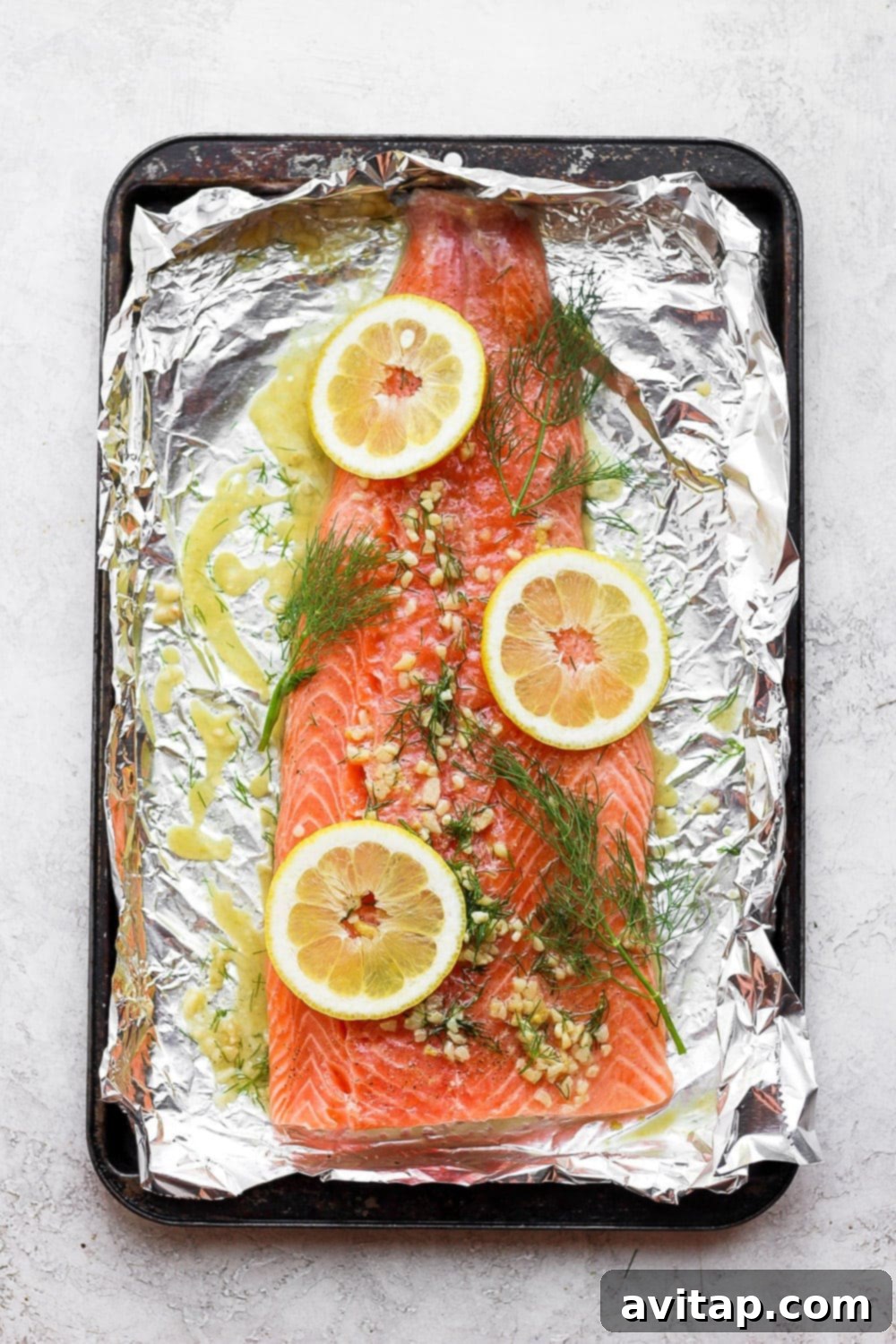
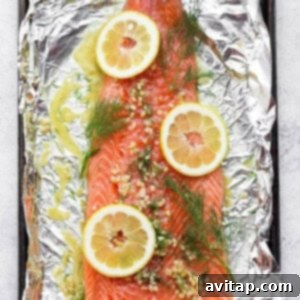
- Add Aromatics: Flip the salmon fillet over so it’s now skin side down. Arrange the lemon slices and fresh dill sprigs evenly on top of the salmon.
Fresh lemon slices and dill sprigs add bright, herbaceous notes to the salmon. - Seal Foil Pack: Carefully wrap the salmon in the tin foil, folding all the edges tightly to create a sealed packet. Ensure no air can escape (you might need to add another piece of foil if your first piece isn’t large enough to create a complete seal).
Tightly sealing the foil packet is essential for trapping moisture and cooking the salmon perfectly. - Bake Salmon: Place the foil-wrapped salmon in the preheated oven and bake for 25-35 minutes. Cooking time will vary based on the thickness of your salmon fillet. For a 2-inch thick fillet, 35 minutes was needed in our tests.
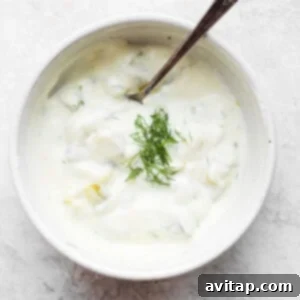
- Prepare Tartar Sauce: While the salmon bakes, prepare the homemade tartar sauce. Combine Greek yogurt, chopped dill pickles, olive oil, garlic powder, onion powder, pickle juice, lemon juice, and chopped dill in a bowl. Mix well and refrigerate until ready to serve.
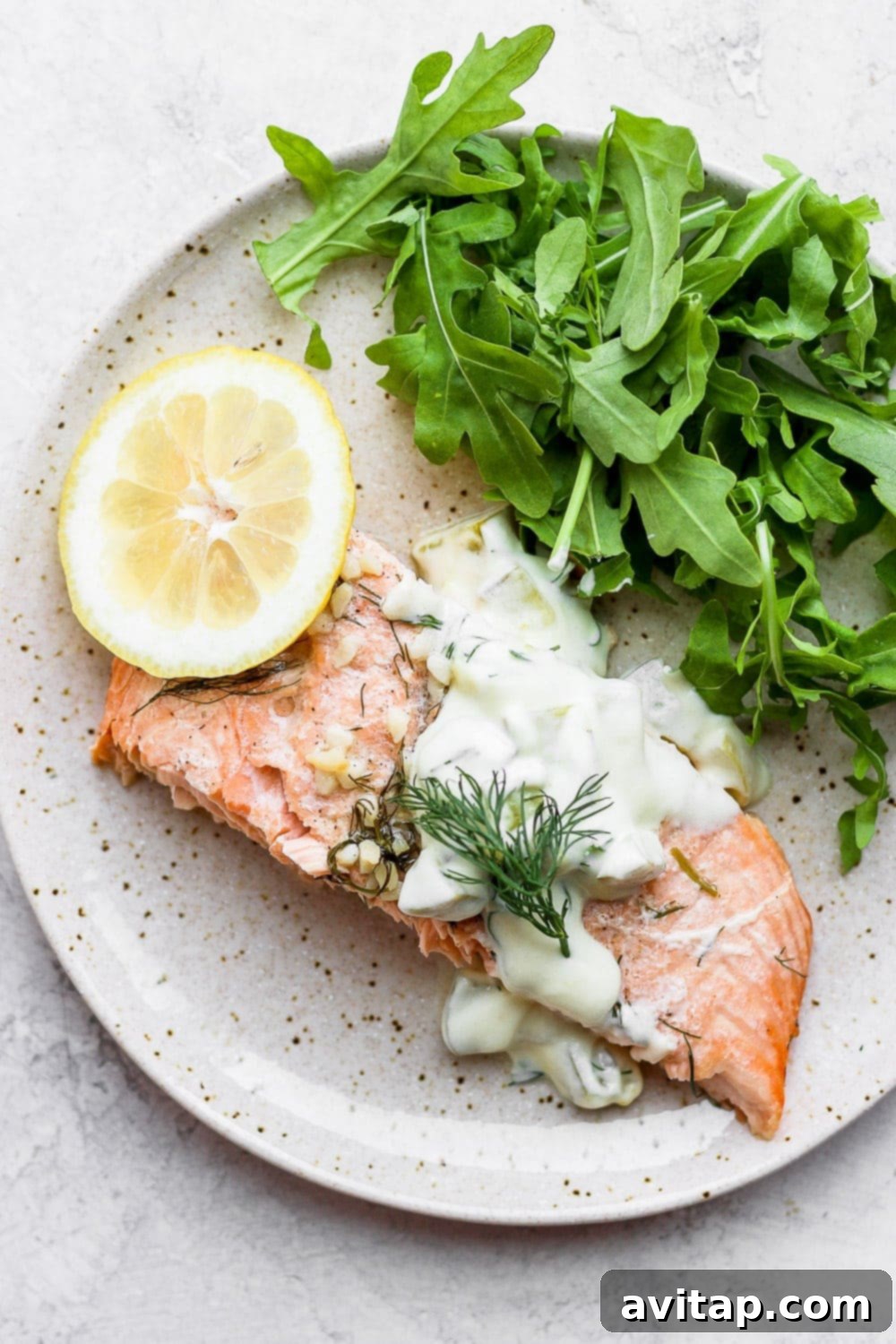
The tangy, creamy homemade tartar sauce is the perfect complement to the rich salmon. - Check Doneness: Once the baking time is complete, carefully open the foil and check the salmon for doneness. It should be opaque and light pink throughout, and easily flake apart with a fork.
- Broil Finish: Remove the salmon from the oven. Discard the dill sprigs and lemon slices. Turn your oven to broil.
- Caramelize Top: Carefully lay the 2 tablespoons of cold butter over the top of the salmon. Place the salmon (uncovered) back into the oven under the broiler for an additional 2-5 minutes (watch closely, as broiler strengths vary). The aim is to melt the butter and achieve a beautiful caramelized, slightly crispy top.
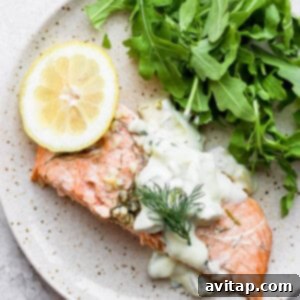
- Rest and Serve: Remove from the oven and let the salmon rest for 5 minutes before serving. Serve immediately with the chilled homemade tartar sauce.
Enjoy your perfectly baked salmon, garnished and served with a dollop of tangy tartar sauce.
Tips & Notes
- Nutrition Information: The provided nutrition information includes only the salmon and the marinade, estimated for a 2 lbs. salmon fillet.
- Storage: Store any leftover cooked salmon in an airtight container in the refrigerator for up to 3 days.
- Grilled Salmon in Foil: To adapt this recipe for grilling, follow the same steps for marinating and wrapping the salmon in foil. Then, grill your salmon in foil over medium-high direct heat (approximately 375ºF – 400ºF) for about 15 minutes. Afterward, move it to indirect heat and continue grilling for another 10-15 minutes, or until the internal temperature reaches 145ºF (63°C).
Watch It
Enhance your cooking experience with our helpful video tutorial:
Nutrition Information
Nutrition information is automatically calculated and should be used as an approximation. Values are estimated per serving (based on 8 servings for a 2lb salmon fillet with marinade only).
- Calories: 269 kcal
- Carbohydrates: 2 g
- Protein: 30 g
- Fat: 15 g
- Fiber: 0 g
- Sugar: 2 g
Loved This Recipe? We Want to Hear From You!
Your feedback helps us continue to create delicious recipes and inspires other home cooks. If you tried and enjoyed this Foil-Pack Baked Salmon, please take a moment to leave a comment and a star rating below!
Don’t forget to share your culinary creations on social media with the hashtag #fitfoodiefinds. We absolutely love seeing what you’re cooking up!
Discover more of our favorites…
More Healthy Baked Salmon Recipes to Explore
If you enjoyed the simplicity and deliciousness of this foil-baked salmon, you’ll love these other healthy and easy salmon recipes from our collection:
- Baked Lemon Pepper Salmon
- Mediterranean Salmon Meal Prep
- Sheet Pan Salmon Stir Fry
- Maple Ginger Baked Salmon
- Air Fryer Salmon
Photography by: The Wooden Skillet