
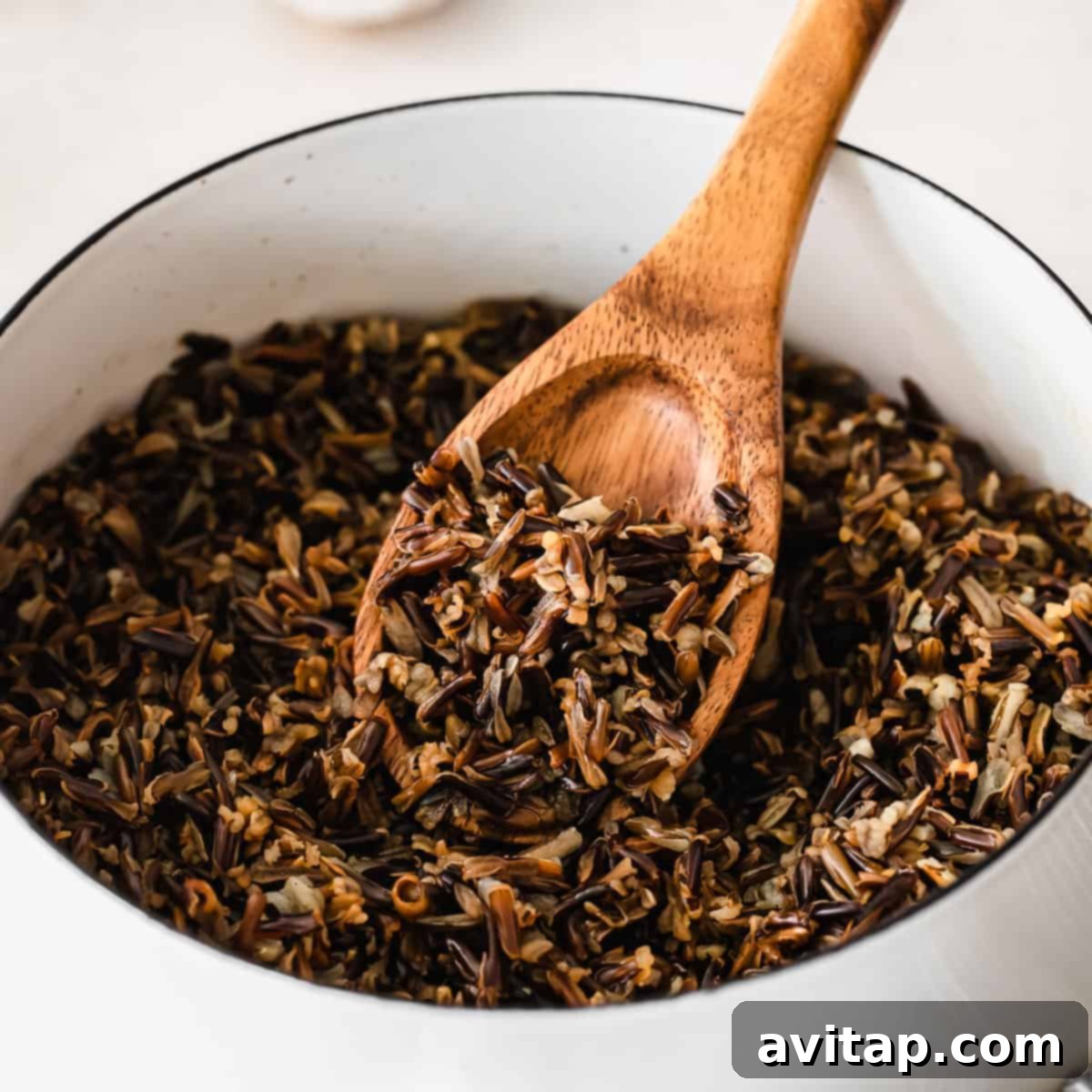
As enthusiasts for healthy, flavorful eating, especially from our Minnesota roots, we’ve become experts at preparing wild rice. This versatile grain, known for its distinct nutty flavor and satisfying bite, is a fantastic addition to countless dishes, from comforting soups and hearty casseroles to vibrant grain bowls. In this comprehensive guide, we’ll share our tried-and-true methods for cooking wild rice, both on your stovetop and in the ever-convenient Instant Pot. Both approaches are straightforward, ensuring you can easily incorporate this nutritious ingredient into your regular meal rotation.
Imagine enhancing your favorite recipes with the unique texture and taste of wild rice. It’s a delightful topping for a creamy butternut squash soup or an excellent addition to one of our many delicious salad recipes. Once you master the simple cooking techniques, you’ll find endless possibilities for this incredible grain.
The Rich Heritage of Wild Rice: A Beloved Midwest Staple
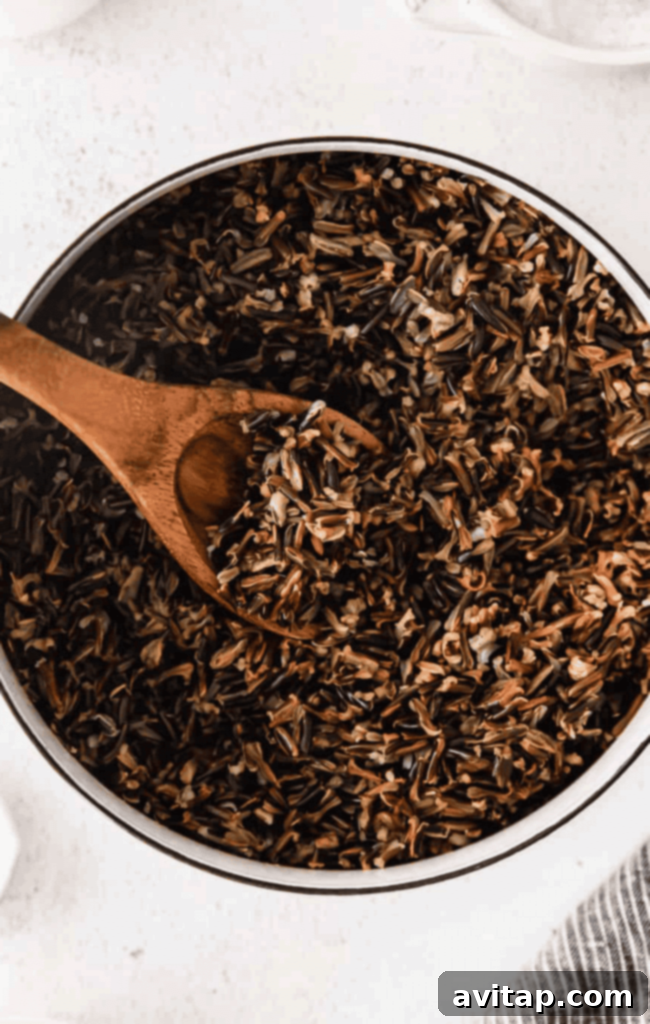
If you’re from the Midwest, particularly Minnesota or Wisconsin, wild rice likely holds a special place in your culinary history. This esteemed grain is a staple in many kitchens, and for good reason. Did you know that the vast majority of wild rice is cultivated and harvested right here in the Great Lakes region of North America, encompassing states like Minnesota and Wisconsin, and extending into Canada? This fact underscores its deep connection to our regional identity (MN DNR). Our passion for this grain runs deep, and we proudly consider it a quintessential “food Minnesota is known for.” It’s more than just an ingredient; it’s a piece of our heritage.
Understanding Wild Rice: More Than Just a Grain
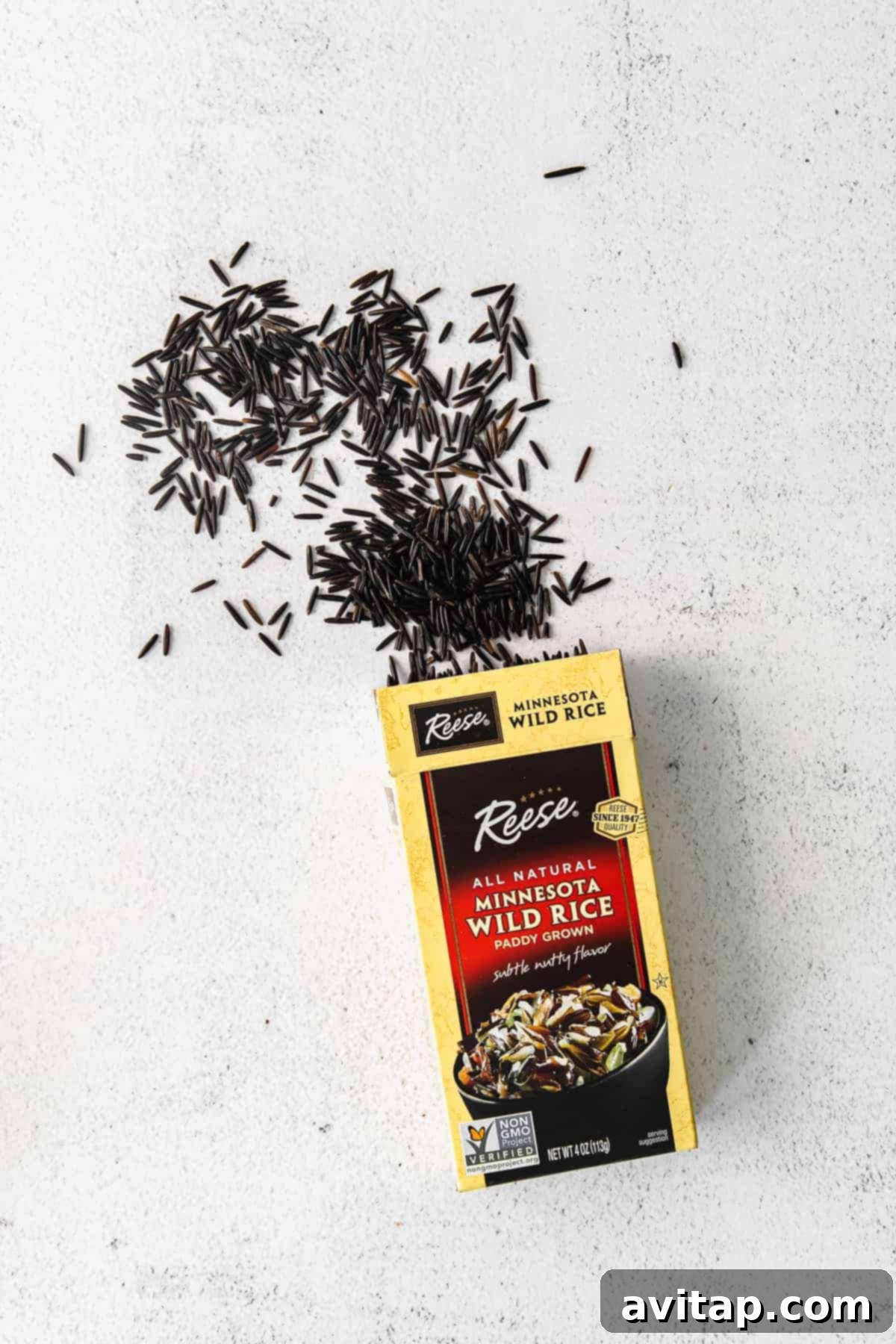
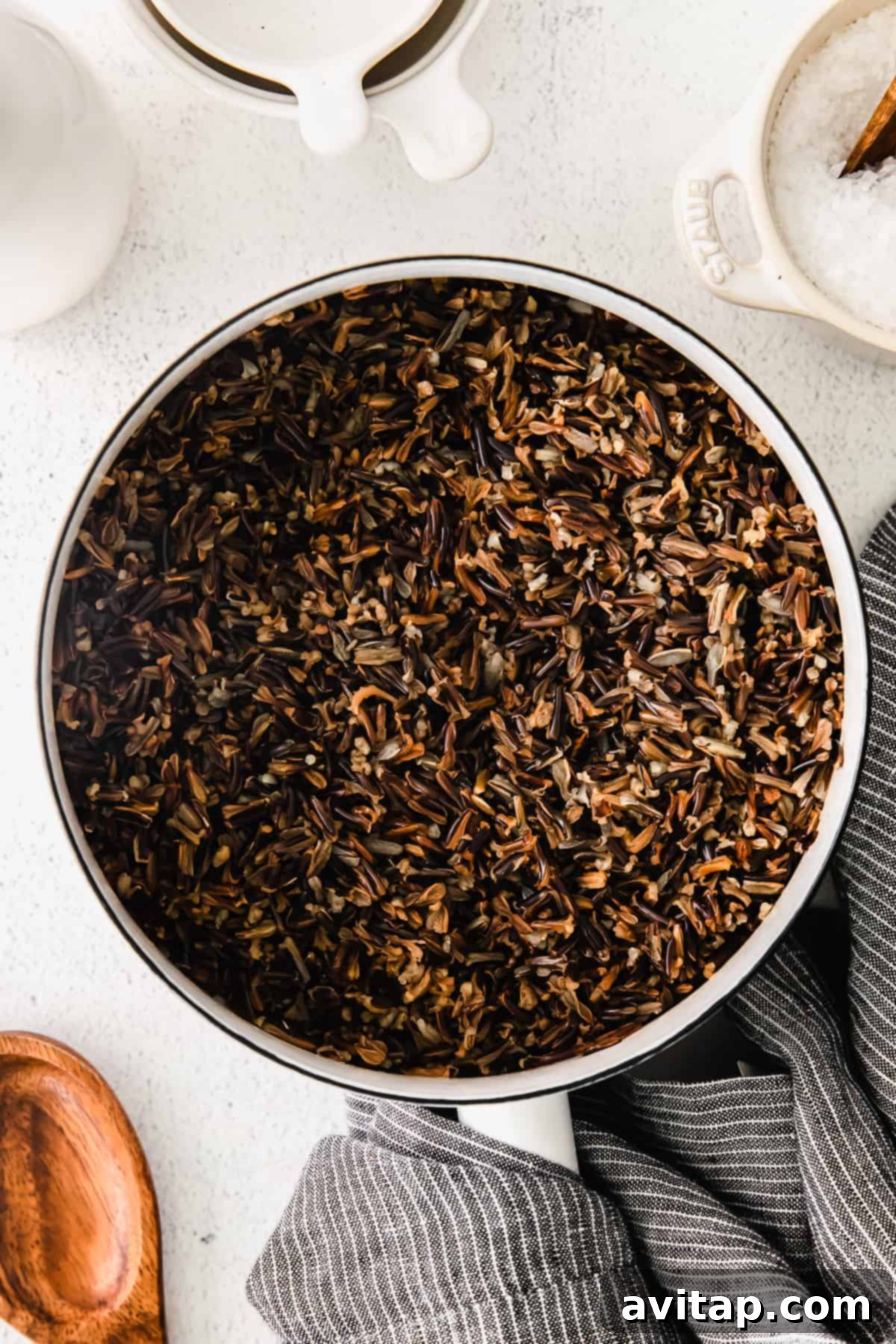
While often referred to as a “rice,” wild rice is botanically a seed of an aquatic grass, not a true rice. This distinction is important, as it contributes to its unique cooking properties, flavor, and nutritional profile. It boasts a chewier texture and a richer, earthier flavor compared to white or brown rice. The grains themselves are long, slender, and dark brown to black in color, often splitting open to reveal a lighter interior when perfectly cooked. This “pop” is a tell-tale sign of doneness, a characteristic we were taught to look for as children!
Despite taking a little longer to cook than other common rice varieties, the exceptional flavor and satisfying texture of wild rice make it entirely worth the wait. Its distinctive “pop” and “curl” upon cooking are highly anticipated, signaling that it’s reached its ideal state – firm yet tender, with that signature bite.
Important Note on Cooking Wild Rice: Unlike other rice types that primarily absorb water, wild rice is often cooked similarly to pasta. You boil the grain in a generous amount of water and then drain any excess liquid once it’s tender. This method ensures optimal texture and prevents it from becoming mushy.
Essential Ingredients and Equipment for Perfect Wild Rice
Preparing delicious wild rice requires only a few basic components. At its core, you simply need **wild rice and water**. However, for an elevated flavor experience, we highly recommend substituting water with a good quality broth. This simple swap infuses the grains with an extra layer of savory depth, making your wild rice even more delicious. Beyond the ingredients, ensure you have the right tools:
- For Stovetop: A sturdy saucepan with a lid and a fine-mesh strainer.
- For Instant Pot: Your Instant Pot (or similar electric pressure cooker).
- Measuring cups and spoons for accurate ratios.
Achieving the Perfect Water-to-Wild Rice Ratio
The ideal liquid-to-rice ratio varies depending on your chosen cooking method. Using the correct ratio is key to achieving that perfect tender-chewy texture without oversaturation or dryness. Here are our recommended ratios for consistently excellent results:
- Stove-top: For every 1 cup of wild rice, use 4 cups of water or broth. This generous amount allows the rice to boil freely, similar to pasta, before being strained.
- Instant Pot: For every 1 cup of wild rice, use 1.5 cups of water or broth. The pressure cooker environment requires significantly less liquid as evaporation is minimized.
Understanding Wild Rice Cooking Times
Wild rice typically requires a longer cooking time compared to white rice, but it’s still manageable for weeknight meals. Expect it to take anywhere from **30 to 45 minutes** to cook thoroughly, depending on the method you choose and the specific variety of wild rice. Pressure cooking dramatically reduces the active cooking time, while stovetop simmering takes a bit longer, requiring more direct attention.
To Soak or Not to Soak? Dispelling Wild Rice Myths
One common question about wild rice preparation is whether it needs to be soaked beforehand. The good news is, **you do not have to soak wild rice before cooking it!** We intentionally design our recipes to minimize steps, making your cooking experience as simple as possible. Skipping the soak doesn’t compromise the final texture or flavor.
That said, some cooks choose to soak wild rice for several hours or overnight to potentially reduce the overall cooking time. If you have the extra time and prefer to experiment, feel free to soak it. The finished tender-chewy texture of the rice will remain consistent whether you soak it or not. Our specific cooking instructions detailed below do not include a soaking step, ensuring a quicker path to delicious wild rice.
Understanding Wild Rice Texture: The Perfect Bite
When cooked correctly, wild rice is definitely supposed to have a pleasant bite to its texture! It should be tender, but still firm and satisfyingly chewy, rather than soft and mushy. A key indicator of properly cooked wild rice is when the grains visibly *split* or *pop* open. You’ll notice the dark outer sheath splitting down the middle, revealing a lighter, often beige or white, interior.
This distinct texture means your wild rice shouldn’t be unpleasantly crunchy or hard on your teeth. Instead, it should offer a gentle resistance, an “al dente” quality that is highly prized and differentiates it from other grains.
Wild Rice vs. Other Grains: What Sets It Apart?
Wild rice stands apart from common rice varieties like white or brown rice in several significant ways. The most fundamental difference is botanical: wild rice is actually the seed of an aquatic grass (Zizania aquatica) and not a true rice (Oryza sativa). This difference manifests in its physical structure; wild rice grains possess a tougher, protective outer sheath surrounding a softer, chewy interior, a feature absent in other rice species.
This unique structure also influences its cooking method. When we explain how to cook wild rice compared to other types of rice, we often say it’s more akin to preparing pasta! Instead of relying solely on water absorption until all liquid is gone, we typically boil wild rice in a more generous volume of liquid and then strain off the excess. This method ensures the grains cook evenly and achieve their characteristic “pop” without becoming waterlogged or sticky.
How to Tell When Your Wild Rice is Perfectly Cooked
Knowing exactly when your wild rice is done is crucial for achieving that ideal texture. The primary indicator is visual: your wild rice is cooked when the grains have cracked open, or “popped,” revealing their softer, lighter-colored interior. This splitting usually occurs lengthwise along the grain.
Beyond the visual cue, the texture is key. The cooked wild rice should be distinctly chewy and tender, offering a pleasant resistance when bitten. It should not be hard or crunchy, nor should it be overly soft and mushy. If it’s still too firm, continue simmering (on the stove) or consider adding a touch more liquid and cooking a few extra minutes (in the Instant Pot). Aim for that perfect al dente bite!
Storing Cooked Wild Rice: Freezing for Future Meals
Yes, you absolutely can freeze cooked wild rice, making it an excellent candidate for meal prep! Freezing is a fantastic way to preserve cooked wild rice for extended periods, allowing you to have a healthy grain readily available for quick meals.
To freeze cooked wild rice, first ensure it has cooled completely to room temperature. Spreading it out on a baking sheet can speed up this process. Once cool, transfer the wild rice into an airtight plastic freezer bag or a reusable silicone stasher bag. Press out as much air as possible before sealing to prevent freezer burn. Label the bag with the date, then store it in the freezer for up to 3 months.
When you’re ready to use the rice, simply transfer it from the freezer to the refrigerator to thaw overnight. You can also warm it gently on the stovetop with a splash of water or broth, or microwave it until heated through. Enjoy your perfectly preserved wild rice in your favorite recipes!
Stovetop Wild Rice: A Traditional and Flavorful Method
Cooking wild rice on the stovetop is arguably the most traditional and common approach, often compared to how you’d boil pasta. Given its hardier nature compared to other grains, wild rice does require a bit more cooking time, but the process is simple and yields fantastic results.
- Rinse the Wild Rice: Begin by placing 1 cup of wild rice in a fine-mesh strainer and rinsing it thoroughly under cold running water for about 30 seconds. This helps remove any dust or debris and excess starch, ensuring distinct grains.
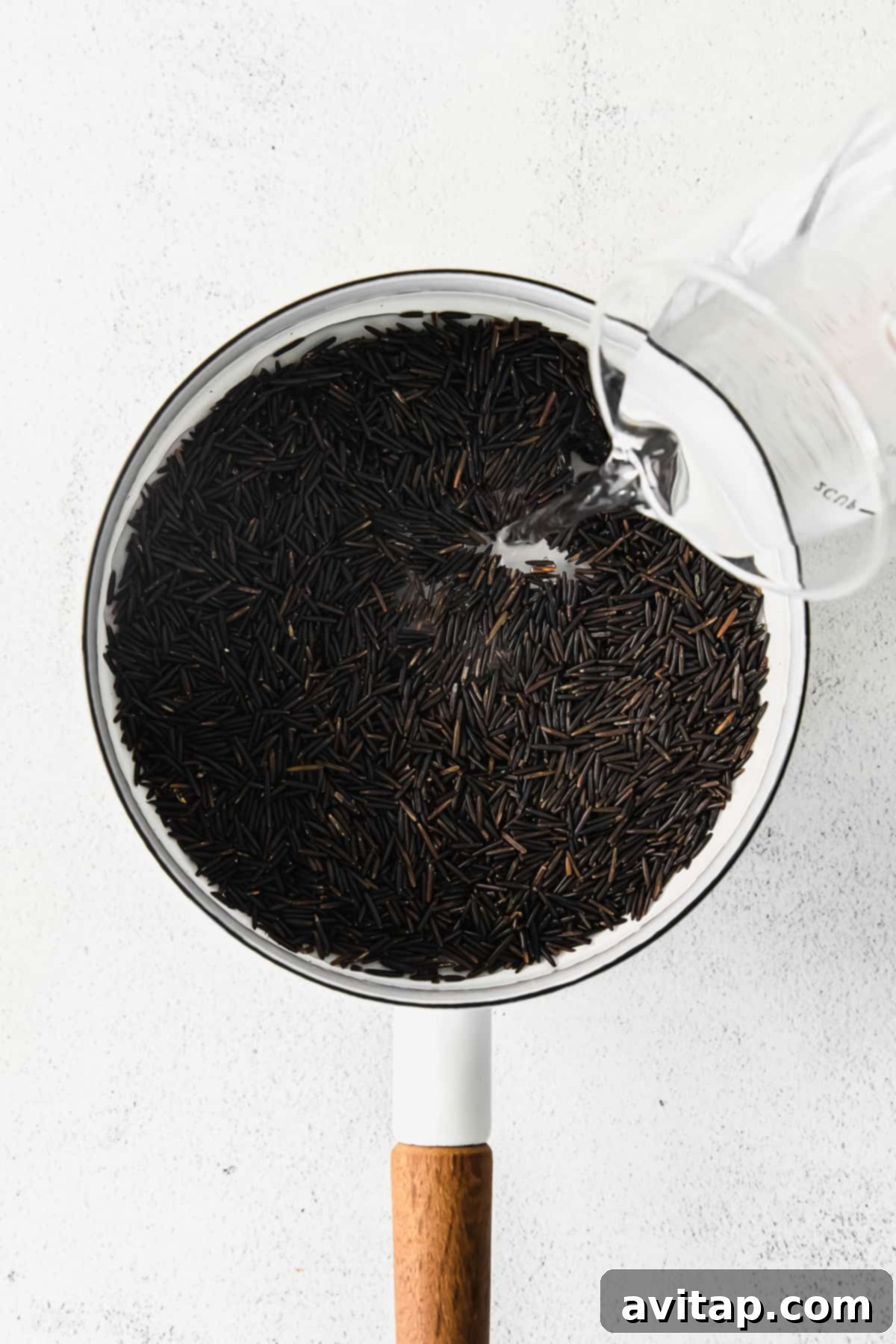
- Combine and Boil: Transfer the rinsed wild rice into a medium to large saucepan. Add 4 cups of water (or broth for enhanced flavor) to the pot. Bring the mixture to a vigorous rolling boil over high heat.
- Simmer to Perfection: Once boiling, reduce the heat to low, ensuring a gentle simmer. Cover the saucepan tightly with a lid to trap the steam. Let the wild rice simmer for approximately 45 minutes, stirring gently once or twice during cooking to prevent sticking and ensure even cooking.
- Check for Doneness: The wild rice is ready when most of the grains have “popped” open and are tender-chewy, not mushy or overly firm.
- Strain and Serve: Carefully remove the pot from the heat. Place your fine-mesh strainer over a sink and drain any excess liquid from the cooked wild rice. Fluff the rice gently with a fork and serve immediately, or allow it to cool for later use.
Pro Tip: Elevate Flavor with Broth!
For a significantly richer and more savory wild rice, ditch the plain water! Boiling your wild rice in chicken, vegetable, or even beef broth will infuse each grain with delicious flavor, adding another layer of depth to whatever dish you are preparing. This simple substitution makes a huge difference!
Instant Pot Wild Rice: Quick, Convenient, and Hands-Off
For those who love efficiency and minimal effort, cooking wild rice in the Instant Pot is an absolute game-changer. It truly embodies a “set-it-and-forget-it” philosophy, allowing you to prepare perfect wild rice with incredible ease. The beauty of the Instant Pot method lies in its simplicity, requiring just a few straightforward steps.
- Rinse and Combine: Rinse 1 cup of wild rice under cold water. Add the rinsed wild rice and 1.5 cups of water (or broth for enhanced flavor) directly to the inner pot of your Instant Pot. There’s no need for additional bowls or trivets.
- Seal and Cook: Secure the lid on your Instant Pot, ensuring the steam release valve is set to the “Sealing” position. Select the “Manual” or “Pressure Cook” setting and set the cooking time for 35 minutes on high pressure.
- Release and Fluff: Once the cooking cycle is complete, carefully perform a Quick Release by turning the steam release valve to the “Venting” position. Allow all the steam to escape completely before opening the lid. Fluff the cooked wild rice with a fork and serve immediately.
Instant Pot Wild Rice: Expert Tips for Success
To ensure your Instant Pot wild rice turns out perfectly every time, keep these helpful tips in mind:
- Direct Cooking: Place the wild rice and liquid directly into the Instant Pot’s inner pot. No need for any extra accessories like steamer baskets unless specified for a different recipe.
- Quick Release is Key: Unlike some other grains that benefit from a natural pressure release, a quick release is ideal for wild rice. 35 minutes on high pressure is sufficient for the rice to cook thoroughly and absorb the appropriate amount of water.
- Handling Excess Liquid: If you find a small amount of liquid still remaining at the bottom of the Instant Pot after releasing the pressure, don’t worry. Simply let the wild rice sit, covered, in the warm pot for an additional 10-15 minutes. It will continue to absorb the remaining liquid, resulting in perfectly fluffy grains.
- Rinsing is Recommended: Even in the Instant Pot, giving your wild rice a quick rinse beforehand helps remove any surface starches and debris, contributing to a better final texture.
Explore More…
Delicious Recipes Featuring Wild Rice
Wild rice is an incredibly versatile ingredient that can elevate the flavor and nutritional value of countless dishes. Here are some of our favorite recipes where this hearty grain truly shines, offering unique textures and robust flavors:
- Hearty Chicken Wild Rice Soup Recipe: A classic comforting dish, perfect for cold weather.
- Savory Wild Rice Meatloaf: Adding wild rice to meatloaf makes it incredibly moist and flavorful.
- Comforting Butternut Squash, Chicken, and Wild Rice Casserole: A wholesome and satisfying meal in one dish.
- Rustic Cornbread Stuffing with Wild Rice: An elevated twist on a holiday favorite.
- Wholesome Vegetarian Harvest Grain Bowl: A vibrant and nutritious option for lunch or dinner.
Creative Ways to Incorporate Wild Rice into Your Meals
The culinary possibilities with wild rice are truly endless! Its nutty flavor and satisfying chewiness make it adaptable to a wide array of dishes. Whether you want it to be the star of your meal or a delightful accompaniment, wild rice adds a layer of sophistication and nutrition. Here are some of our favorite creative applications:
- Classic Chicken Wild Rice Soup: An absolute must-try, brimming with flavor and texture.
- Flavorful Cornbread Dressing with Wild Rice: Elevate your holiday sides with this hearty addition.
- Creamy Pumpkin Wild Rice Soup: A comforting and seasonal delight, perfect for autumn.
- Roasted Butternut Squash and Kale Salad: Easily replace the farro with cooked wild rice for a delicious, gluten-free option!
- Quick Lazy Girl Turkey Chili: Stir in about 1/4 cup of cooked wild rice per serving for added fiber, protein, and texture, making it even more satisfying.
- 30 Minute Spicy Butternut Squash Soup: Wild rice complements the richness of this soup perfectly, offering a textural contrast.
- Versatile Chicken Meal Prep Recipes: Use cooked wild rice as a nutritious grain base for any of your favorite meal prep bowls, adding substance and health benefits.
How to Cook Wild Rice – Step-by-Step Recipe
Master the art of cooking wild rice with these incredibly easy-to-follow instructions for both the stovetop and Instant Pot methods. Achieve perfectly tender, nutty grains every time, ready to elevate any meal!
By: Linley Hanson
Rating: 5 out of 5 stars (based on 3 votes)
Prep Time: 5 minutes | Cook Time: 45 minutes (Stovetop) / 35 minutes (Instant Pot) | Total Time: Approximately 50 minutes | Servings: 4
Ingredients
For Stove-Top Method:
- 1 cup wild rice, rinsed thoroughly
- 4 cups water or low-sodium broth (chicken or vegetable)
For Instant Pot Method:
- 1 cup wild rice, rinsed thoroughly
- 1.5 cups water or low-sodium broth (chicken or vegetable)
Instructions
Stove-Top Method:
- Rinse the wild rice: Place 1 cup of wild rice in a fine-mesh strainer and rinse under cold running water for about 30 seconds. This helps remove any dust or debris and excess starch, which can lead to stickiness.
- Combine and boil: Transfer the rinsed wild rice and 4 cups of water or broth to a medium-sized saucepan. Bring the mixture to a strong, rolling boil over high heat.
- Simmer: Once boiling, reduce the heat to low, cover the saucepan tightly with a lid, and let it simmer for approximately 45 minutes. Stir gently once or twice during cooking to ensure even doneness.
- Check for doneness: The wild rice is done when the grains have “popped” open and are tender-chewy, not mushy or overly firm.
- Strain and serve: Carefully drain any remaining excess liquid from the cooked wild rice using your fine-mesh strainer. Fluff the rice with a fork and serve immediately.
Instant Pot Method:
- Rinse wild rice: Rinse 1 cup of wild rice under cold running water.
- Add to Instant Pot: Place the rinsed wild rice and 1.5 cups of water or broth into the inner pot of your Instant Pot.
- Cook under pressure: Secure the lid on the Instant Pot, ensuring the steam release valve is set to “Sealing.” Select the “Manual” or “Pressure Cook” setting and set the cooking time for 35 minutes on high pressure.
- Quick release and fluff: Once the cooking cycle is complete, perform a Quick Release by carefully turning the steam release valve to “Venting.” Allow all steam to escape before opening the lid. Fluff the cooked wild rice with a fork and enjoy! If a small amount of liquid remains, let it sit in the warm pot for another 5-10 minutes to absorb.
Tips & Notes
- Ideal Texture: Perfectly cooked wild rice grains will split open, revealing a lighter interior. The texture should be chewy and “al dente,” offering a slight resistance, rather than being mushy or hard.
- Flavor Boost: Using chicken, beef, or vegetable broth instead of water will infuse your wild rice with a richer, more complex flavor, making it a more exciting side dish or addition to other recipes.
- Meal Prep Friendly: Cook a larger batch of wild rice and freeze portions for quick additions to salads, soups, or grain bowls throughout the week. Refer to our freezing instructions above.
Watch It: Visual Guide for Cooking Wild Rice
For those who prefer visual learning, numerous online resources offer step-by-step video guides on cooking wild rice. A quick search for “How to Cook Wild Rice video” will provide excellent demonstrations of these techniques.
Nutrition Information (Approximate per serving)
Calories: 143 kcal, Protein: 6 g, Fat: 0 g, Fiber: 3 g, Sugar: 1 g
Please note: Nutrition information is automatically calculated and should be used as an approximation.
Loved this guide? Share Your Culinary Creations!
We hope this comprehensive guide empowers you to cook perfect wild rice every time. Don’t forget to tag your delicious creations on social media with the hashtag #fitfoodiefinds. We absolutely love seeing what you’re cooking and how you’re incorporating this fantastic grain into your meals!