
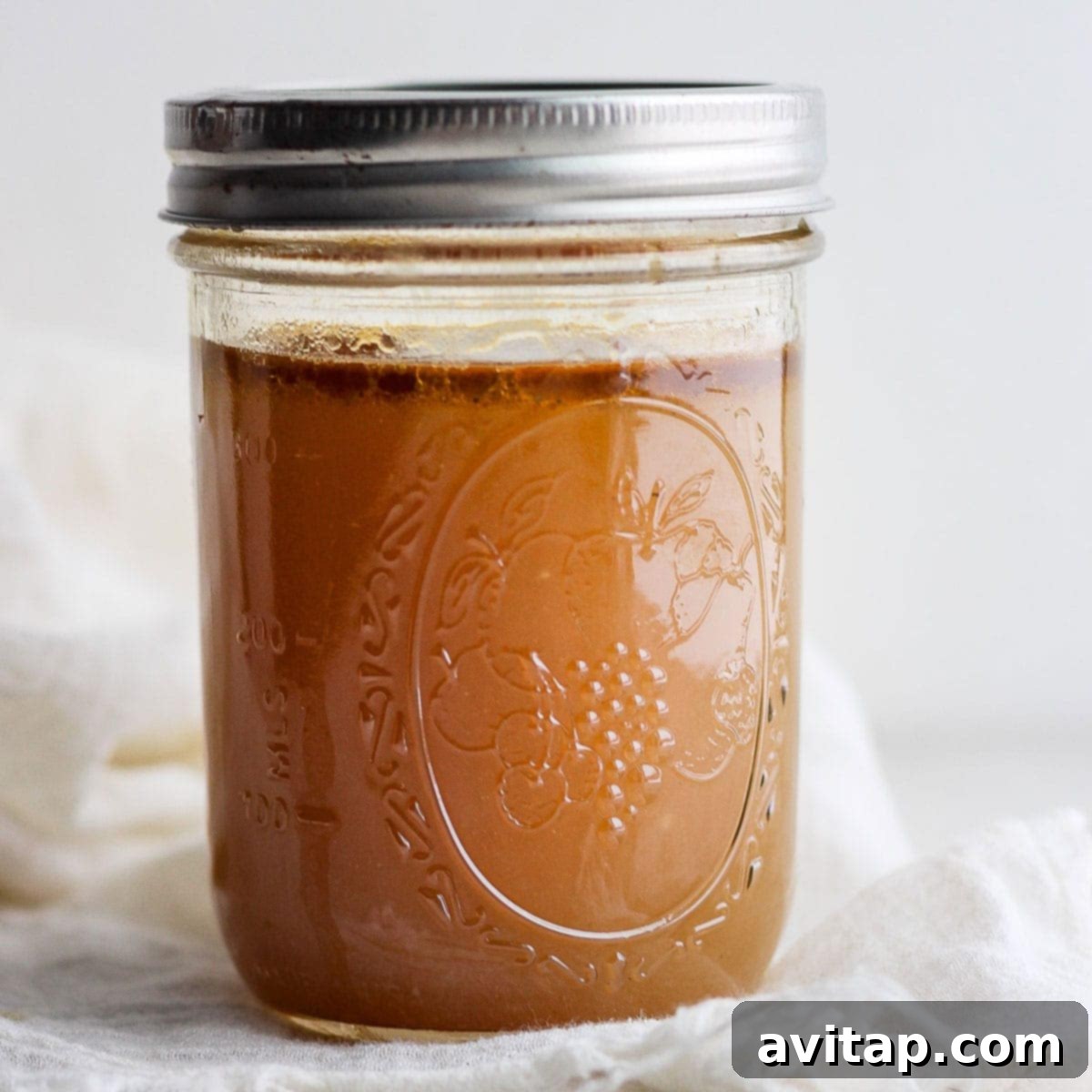
Elevate your culinary creations with the unparalleled richness of homemade chicken broth. This guide unveils the simple yet transformative process of turning everyday kitchen remnants – from a humble chicken carcass to forgotten vegetable scraps – into a golden, aromatic liquid that forms the heart of countless delicious dishes. Forget store-bought alternatives; our homemade version promises a depth of flavor and nutritional value that mass-produced options simply can’t match. It’s not just a broth; it’s a foundation for healthier, more flavorful meals, ready to star in your favorite soups, chilis, gravies, and sauces.
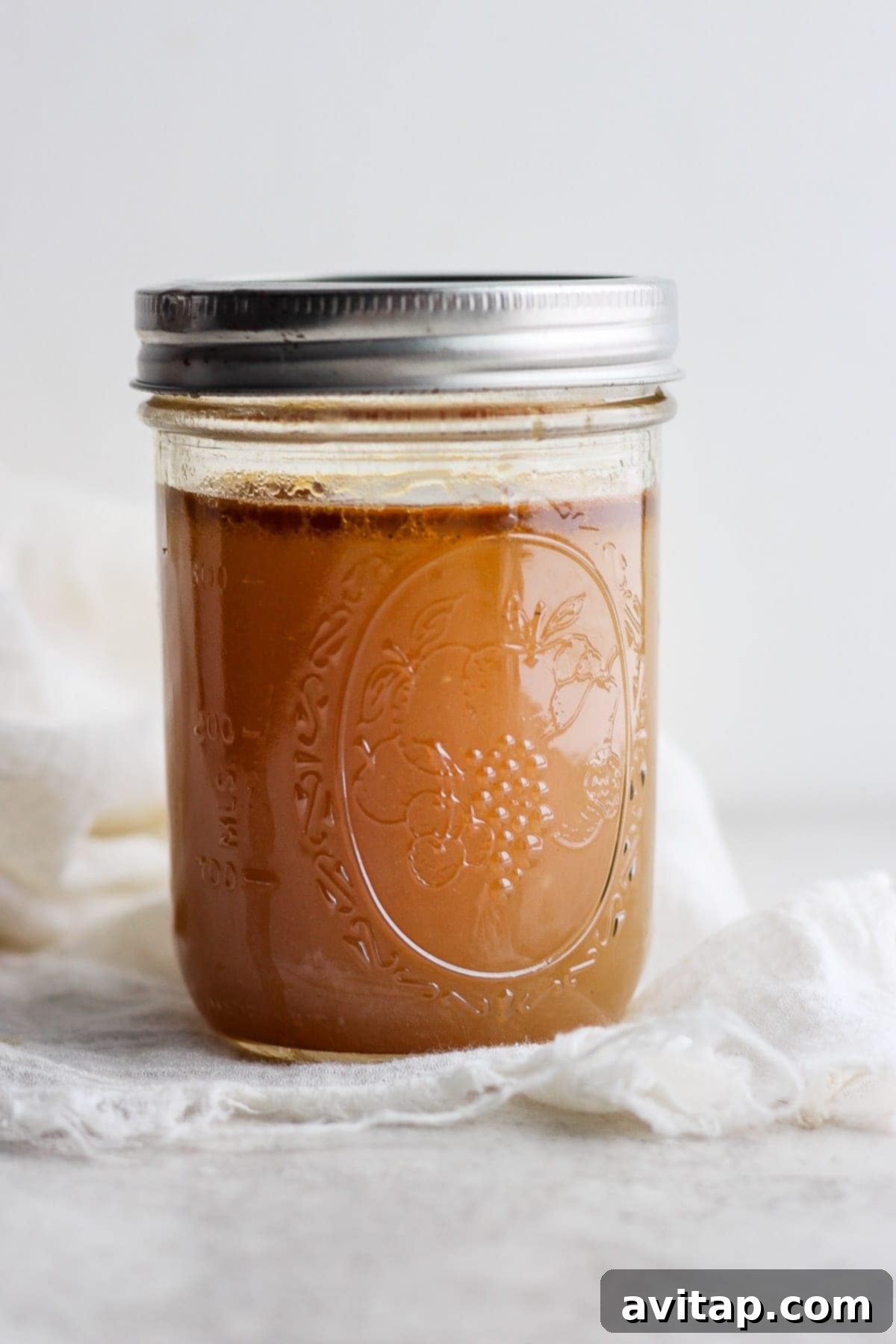
The inspiration for this easy chicken broth recipe often strikes after a busy kitchen day, brimming with potential food scraps. Have you ever noticed the abundance of bones, skin, and vegetable trimmings left over after preparing a sumptuous chicken dinner? Instead of discarding these flavorful remnants, we decided to harness their full potential, creating a wholesome, homemade chicken broth that not only minimizes waste but also maximizes taste. It’s a sustainable practice that pays off in delicious dividends.
While making homemade chicken broth from scratch requires a modest investment of time, the rewards are immeasurable. The process itself is wonderfully straightforward: combine chicken remnants, a medley of vegetables, aromatic herbs, and a touch of salt with water, then let time and gentle heat work their magic. A slow simmer throughout the day extracts every last ounce of flavor and nutrition, resulting in a robust, deeply satisfying broth that far surpasses any store-bought variety. It’s a culinary ritual that transforms simple ingredients into liquid gold, ready to elevate any dish.
What Makes Homemade Chicken Broth Superior?
Beyond its incredible flavor, homemade chicken broth offers a myriad of benefits that make it a cornerstone of healthy cooking. Unlike many commercial broths laden with artificial flavors, excessive sodium, and preservatives, your homemade version is pure, wholesome, and completely customizable. It’s packed with essential nutrients like collagen, amino acids, and minerals, which are known to support gut health, boost immunity, and promote healthy skin and joints. Making it yourself also allows you to control the quality of ingredients, ensuring you’re consuming only the best. It’s a simple step towards a more nourishing and flavorful kitchen.
Essential Ingredients for the Best Chicken Broth
Crafting a truly exceptional chicken broth starts with quality ingredients, even if they are “scraps.” Here’s a detailed look at what you’ll need and why each component is vital for creating a rich and flavorful brew:
Chicken Carcass and Leftovers
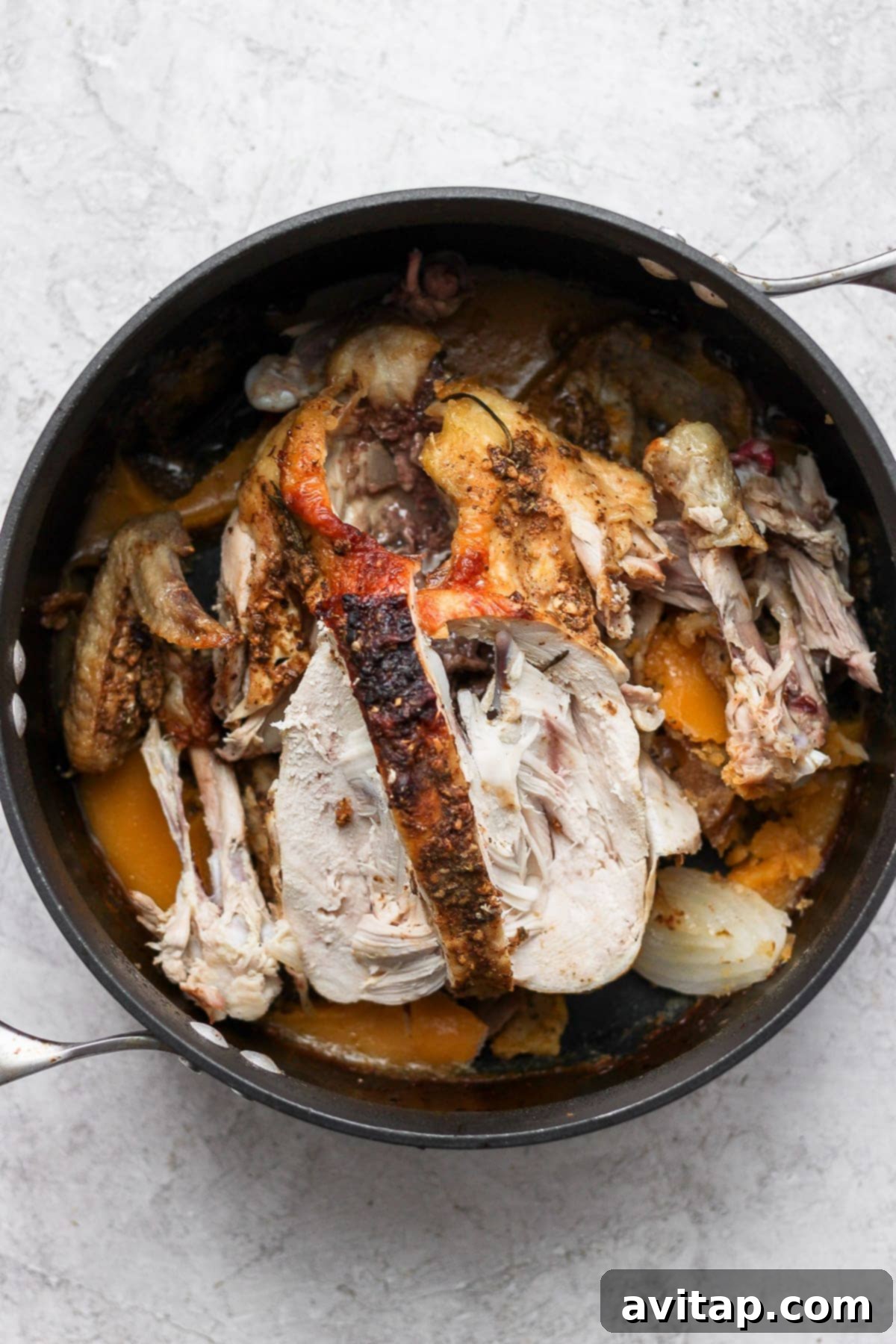
The Foundation of Flavor: The star of this chicken broth recipe is undoubtedly the chicken carcass. We particularly love using the bones and any residual meat from a herb-roasted whole chicken. The pre-existing flavors from dry rubs, butter, and seasonings (like chili powder, salt, paprika, and sugar, as mentioned) will infuse your broth with an incredible complexity right from the start. Don’t underestimate the power of scraping every last bit of herb, fat, and tiny chicken piece into the pot; these small additions contribute significantly to the broth’s richness and depth. If you don’t have a roasted chicken carcass, raw chicken bones (backs, necks, wing tips, or even chicken feet for extra gelatin) work wonderfully too. Roasting raw bones briefly beforehand can also enhance their flavor profile, adding a nutty, deeper note to your broth.
Seasoning the Broth: Salt and Pepper
Salt: The Flavor Enhancer: We cannot stress enough the importance of sufficient salt in this chicken broth recipe. Salt is not merely a seasoning; it’s a flavor amplifier, drawing out and enhancing the natural savory notes from the chicken and vegetables. Skimping on salt can result in a bland, uninspired broth. Our recipe suggests 2 teaspoons, but always taste and adjust. If you’re aiming for a lower-sodium broth, you can certainly salt to taste, or even omit it during cooking and season individual dishes later. However, for a truly satisfying base, don’t shy away from seasoning the broth itself. A good pinch of freshly ground black pepper also adds a subtle warmth and aroma.
Vibrant Vegetables and Valuable Scraps
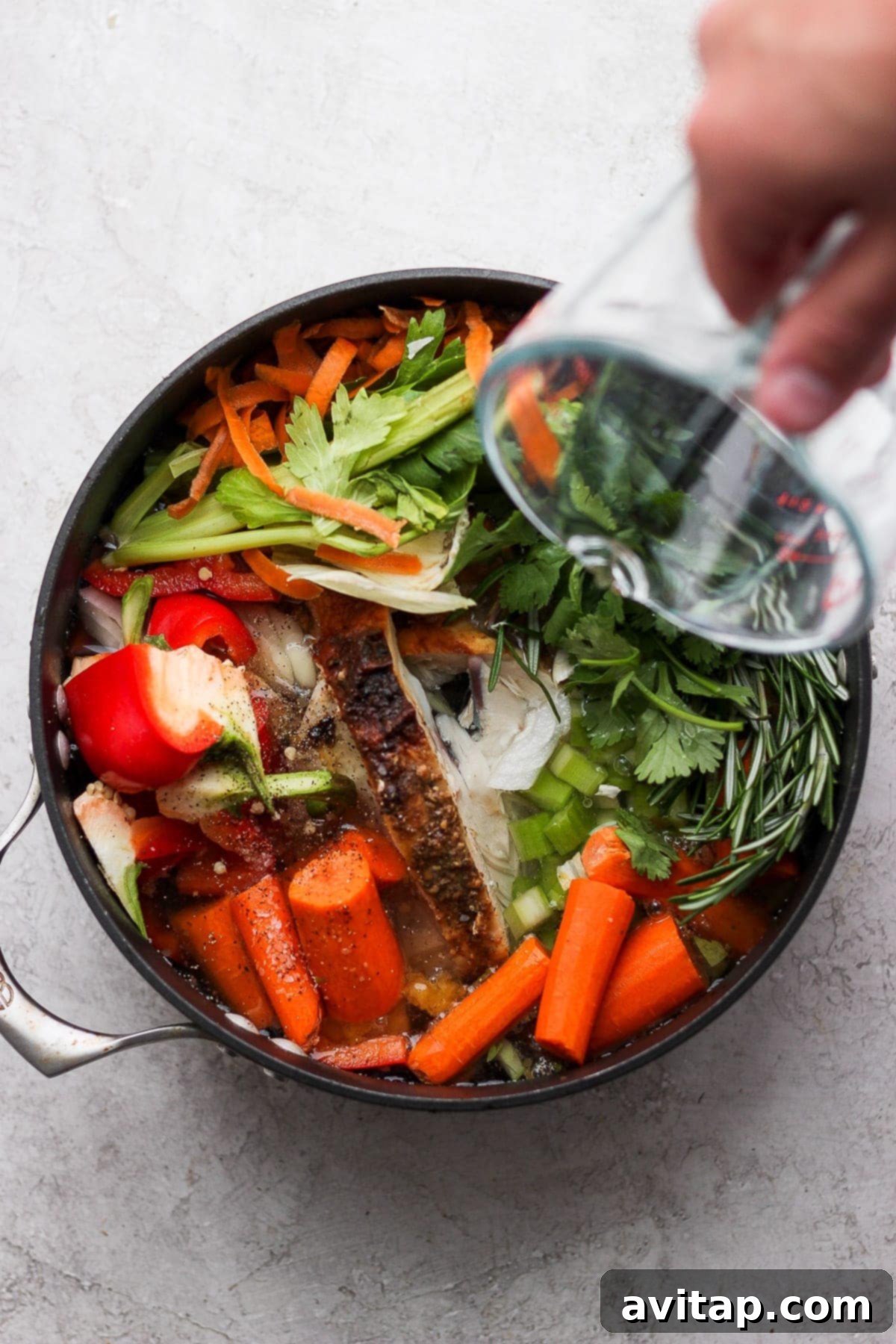
The Aromatic Core: Most traditional chicken broths and stocks begin with a foundational aromatic base known as mirepoix: a classic combination of onion, carrot, and celery. These three vegetables provide a balanced sweetness, earthiness, and savory depth. For an extra touch of natural sweetness and color, we also incorporate red pepper. Beyond the fresh produce, the beauty of homemade broth lies in its ability to transform what would otherwise be discarded into a valuable ingredient.
Maximizing Your Scraps: Developing a “freezer scrap bag” is a game-changer for broth-making. Keep a large resealable bag in your freezer and simply add clean vegetable scraps as you accumulate them. This not only reduces food waste but also ensures you always have a ready supply of flavor boosters. Excellent scraps to save and use in your broth or stock include:
- Garlic paper and outer peels
- Onion peels and root ends
- Bell pepper cores and seeds (especially from sweet varieties)
- Any clean rind or skin from vegetables like zucchini or potatoes (ensure no dirt)
- Carrot shavings and leafy tops (if fresh and clean)
- Mushroom stems (add incredible umami)
- Leek greens (ensure they are thoroughly washed)
- Parsley and cilantro stems
- Corn cobs (for a subtle sweetness)
What to Avoid: While many scraps are great, some can make your broth bitter or unpleasant. Avoid strong cruciferous vegetables like broccoli stems, cabbage, or Brussels sprouts, as they can impart an overpowering flavor. Also, be mindful of overly browned or decaying scraps, as they can compromise the taste.
Aromatic Herbs and Spice Blends
Fresh Herbs for Fragrance: We infuse our chicken broth with the classic trio of fresh parsley, thyme, and rosemary. These herbs contribute a bright, earthy, and piney aroma that is quintessentially comforting. The beauty of broth is its versatility; feel free to experiment with other aromatics to tailor the flavor profile to your preferences.
Expanding the Flavor Horizon: If your chicken carcass already has lingering spice flavors, that’s a bonus! Otherwise, you can easily add extra dimensions of taste with dried spices. Consider incorporating:
- Chili powder for a subtle warmth
- Smoked paprika for a deeper, smoky note
- Dried oregano or basil for an Italian flair
- Dried Italian seasoning for a convenient herb blend
- A few teaspoons of your favorite spice mix for a unique twist
- Bay leaves for a classic, subtle aroma
- Whole black peppercorns for a gentle kick
- A knob of fresh ginger or a few star anise pods for an Asian-inspired broth
Swaps + Variations for Your Broth
The beauty of homemade broth lies in its adaptability. Don’t have exactly what the recipe calls for? No problem! Here are some creative swaps and variations to customize your broth to your liking or what you have on hand:
- Chicken Alternatives: If a whole chicken carcass isn’t available, any chicken meat, bones, or skin will work. This is an excellent way to utilize leftover roast chicken pieces, raw chicken backs, necks, or even a store-bought rotisserie chicken. Simply strip the meat for other dishes and use the bones and skin for your broth. The goal is to extract maximum flavor from whatever chicken parts you have.
- Flavor Profile Changes: Want to venture beyond traditional herb flavors? Introduce global influences! Add a few slices of fresh ginger and a stalk of lemongrass (bruised to release its oils) for an invigorating Asian-inspired broth. For a Mediterranean touch, try dried oregano, marjoram, and a bay leaf. A pinch of turmeric can add warmth and a beautiful golden hue, along with its known health benefits.
- Vegetable Adjustments: Feel free to experiment with your vegetable base. While mirepoix is classic, you can add parsnips for extra sweetness, a small amount of turnip for earthiness, or even a dried mushroom for deep umami flavor.
- Pressure Cooker/Slow Cooker Method: For a faster broth, use an Instant Pot or pressure cooker, typically cooking for 60-90 minutes under high pressure. For a hands-off approach, a slow cooker can simmer broth overnight or all day, yielding an incredibly rich result.
Chicken Stock vs. Broth: Understanding the Difference
This is indeed an age-old culinary question that often leads to confusion. While both are flavorful liquids derived from simmering ingredients in water, there are subtle distinctions:
Chicken Stock:
- Tends to be made primarily with bones, often roasted first to enhance flavor.
- Typically simmers for a longer duration, usually 2 hours or more, sometimes up to 12-24 hours. This extended cooking time helps to extract more gelatin from the bones, resulting in a richer mouthfeel and often a gelatinous consistency when chilled.
- Generally has a milder flavor profile, as it’s less seasoned during cooking. It’s considered a foundational ingredient, meant to be built upon with other flavors in a recipe.
- Contains chicken bones (and sometimes meat) along with vegetables (mirepoix).
Chicken Broth:
- Often includes a higher proportion of chicken meat along with some bones, if any.
- Usually simmers for a shorter period, often 1-4 hours, yielding a lighter body.
- Tends to be more heavily seasoned during cooking, making it ready to consume on its own or as a flavorful base without much further doctoring.
- Contains chicken meat and/or bones, vegetables, and specific seasonings like salt, pepper, and herbs.
- Generally has a more pronounced “chicken” flavor due to the meat and additional seasonings.
In essence, stock is often unseasoned and bone-focused for a rich, gelatinous base, while broth is typically seasoned and meat-focused for a flavorful, ready-to-use liquid. Our recipe leans towards a flavorful broth, perfect for immediate use in a variety of dishes.
Discover More of Our Favorite…
Healthy Soup Recipes
Once you’ve mastered this homemade chicken broth, you’ll be eager to put it to good use! Here are some of our most beloved and wholesome soup recipes that are perfectly enhanced by the rich flavor of your homemade broth:
- Comforting Slow Cooker Chicken Noodle Soup
- Wholesome Hearty Vegetable Soup Recipe
- Nutrient-Packed Chicken Quinoa Soup
- Spicy Instant Pot Buffalo Chicken Chili
- Savory Chicken Quinoa Soup
- One-Pot Golden Curry Chicken Soup
- Classic Minestrone Soup
Each of these recipes benefits immensely from the deep, authentic flavor of homemade broth, transforming simple meals into extraordinary culinary experiences.
Storage Solutions for Your Homemade Broth
Once your flavorful chicken broth is complete, proper storage is key to enjoying its goodness for weeks or even months. Always allow the broth to cool completely before transferring it to containers. To speed up this process, you can divide the broth into smaller, shallow containers or even place the pot in an ice bath. Once cooled:
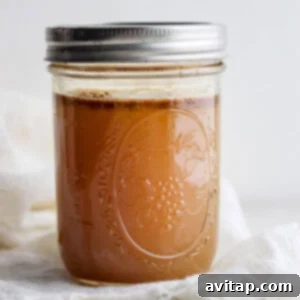
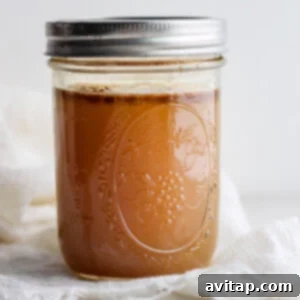
- Refrigerator Storage: Pour the broth into clean mason jars or other airtight containers. Tightly seal them and place them in the refrigerator, where your homemade chicken broth will remain fresh and delicious for 1-2 weeks.
- Freezer Storage: For longer preservation, freezing is your best friend. Broth can be stored in the freezer for up to 3 months, sometimes even longer without significant loss of quality.
- Mason Jars: Leave at least an inch of headspace at the top of the jar to allow for expansion during freezing, preventing the glass from cracking.
- Freezer-Safe Bags: For space-saving storage, pour cooled broth into freezer-safe bags. Lay them flat on a baking sheet to freeze, then stack them upright like files.
- Ice Cube Trays: For individual portions perfect for sauces or quick additions, freeze broth in ice cube trays. Once solid, transfer the broth cubes to a freezer-safe bag.
Having a stash of homemade chicken broth in your fridge or freezer ensures you always have a healthy, flavorful base ready for your next culinary adventure.
Tutorial
How to Freeze Soup & Chili
Delve deeper into the art of meal prep with our comprehensive How to Freeze Soup tutorial. This guide offers invaluable tips and tricks for perfectly freezing not just broth, but a variety of soups and chilis, ensuring you have delicious, homemade meals ready whenever you need them.
How to Use Homemade Chicken Broth
The versatility of homemade chicken broth is truly astounding. Once you have a batch ready, you’ll find endless ways to incorporate its rich, savory goodness into your cooking:
- Soup & Chili Base: This is its most classic application. Use it as the flavorful liquid base for any of our soup or chili recipes. We highly recommend trying it in our One-Pot Golden Curry Chicken Soup for an exotic twist, or in a Classic Minestrone Soup for a comforting, hearty meal. It will add unparalleled depth that canned broth simply cannot.
- Sauces & Gravies: Replace water or lesser-quality broths in your sauces and gravies to infuse them with a profound umami flavor. It’s excellent for deglazing pans after searing meat.
- Cooking Grains: Use chicken broth instead of water when cooking rice, quinoa, couscous, or pasta to impart extra flavor and nutrition. This simple swap can transform a plain side dish into something truly special.
- Braising Meats & Vegetables: Chicken broth is the perfect liquid for braising tough cuts of meat, making them incredibly tender and flavorful. It also works beautifully for simmering vegetables, adding richness without heaviness.
- Stir-Fries: A splash of broth can add moisture and flavor to stir-fries, helping to create a light sauce.
- Drinking Broth: On a cold day or when feeling under the weather, a warm mug of homemade chicken broth is incredibly soothing and nourishing.
How to Make Chicken Broth
Prep: 20 mins
Cook: 4 hrs
Total: 4 hrs 20 mins
Print Recipe
Ingredients
- Leftover bones, meat, skin, and juices from a raw or cooked full chicken
- 1 head of garlic, with the paper and peels, roughly chopped
- 1 large yellow onion, chopped
- 3 medium celery stalks, chopped
- 3 medium carrots, chopped
- 1 large red pepper, with the stem and seeds, chopped
- 1-2 cups veggie scraps (e.g., onion peels, carrot shavings, garlic paper, bell pepper cores)
- 2 teaspoons salt, or more, to taste
- 1 teaspoon ground pepper
- 6 cups water (or enough to cover ingredients)
- 1 bunch of fresh parsley
- 5-7 sprigs of thyme or rosemary
Instructions
-
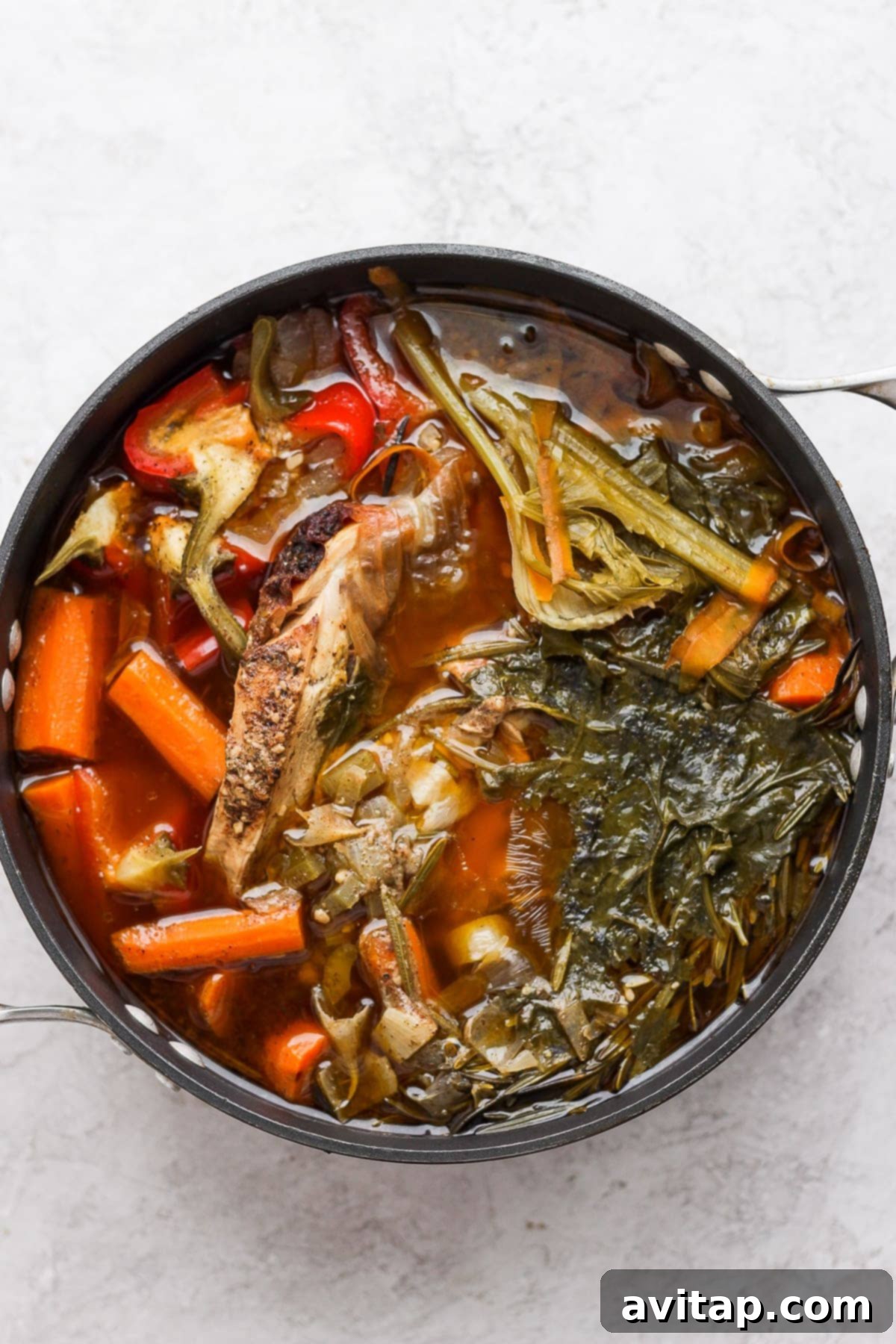
Begin by placing the leftover chicken, skin, juices, and chicken carcass into a large Dutch oven or stockpot.

-
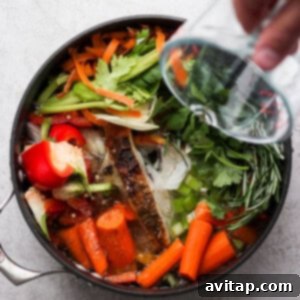
Add the rest of the ingredients – garlic, onion, celery, carrots, red pepper, veggie scraps, salt, pepper, parsley, thyme, and rosemary – into the Dutch oven. Pour in enough water to fully cover all the ingredients.
-
Place the Dutch oven over high heat and bring the mixture to a rolling boil.
-
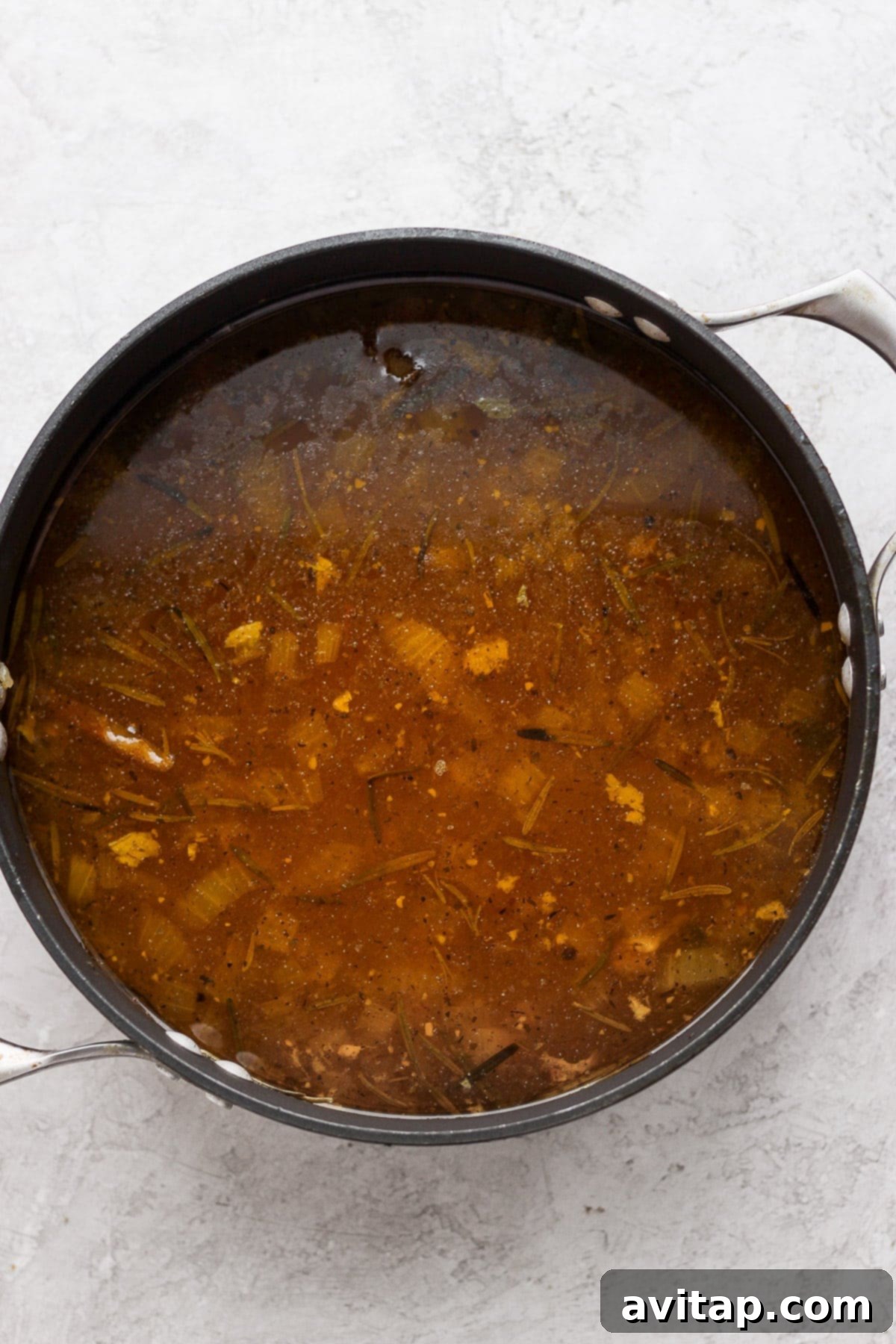
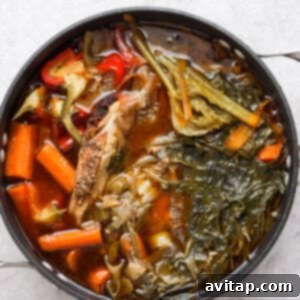
Once boiling, reduce the heat to low, cover the pot, and let the chicken broth simmer gently for 4-6 hours. Remember, the longer the simmer, the more intensely flavorful and nutritious your broth will become.
-
Every 1 ½ hours or so, check the broth and use a ladle or spoon to carefully skim off any foam or excess fat that gathers on the surface. This helps create a clearer, cleaner broth.
-
When the simmering is complete, remove the Dutch oven from the heat. Carefully remove and discard the large chunks of cooked vegetables, herbs, and the chicken carcass. There won’t be much left of them as all their goodness will have infused into the broth.
-
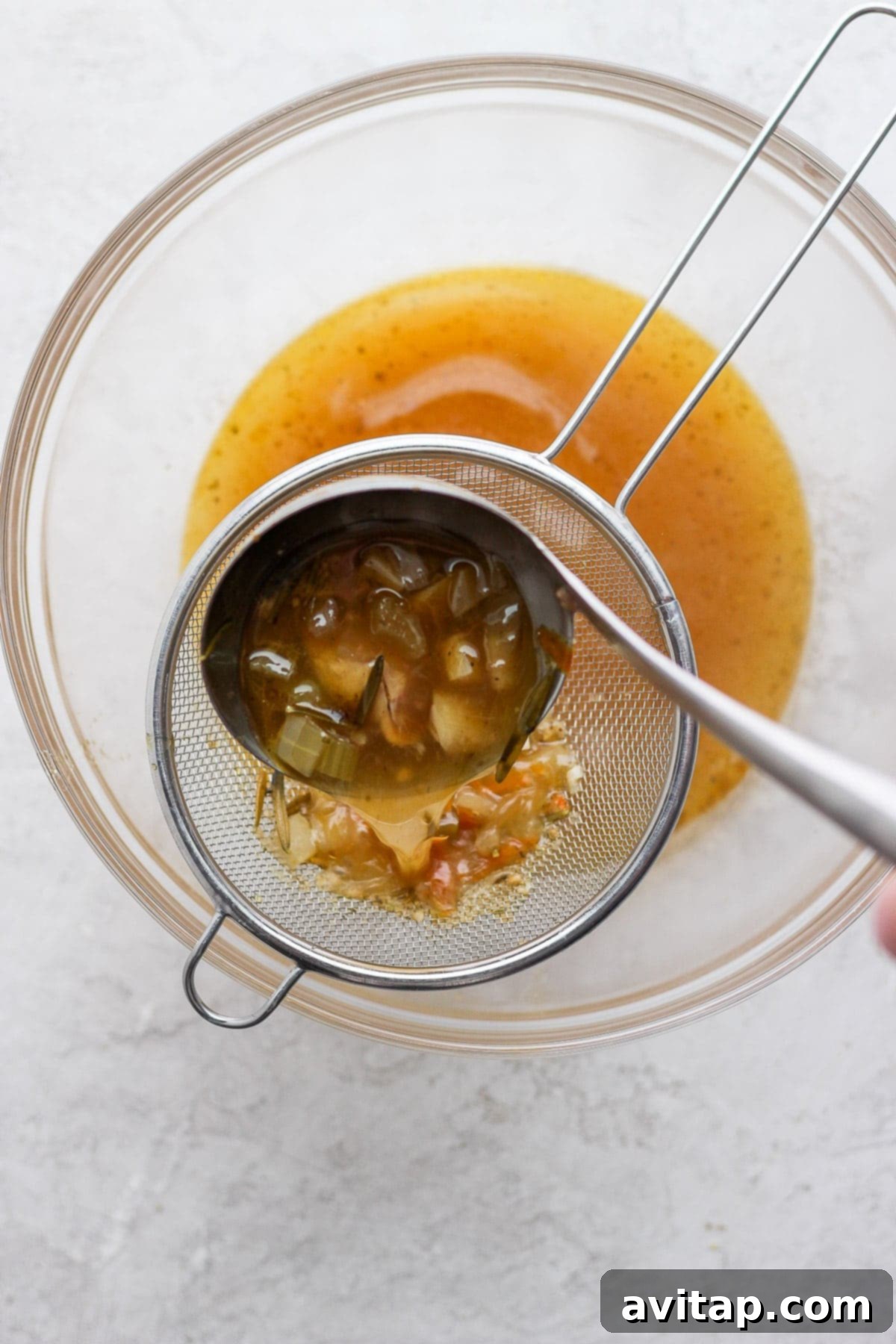
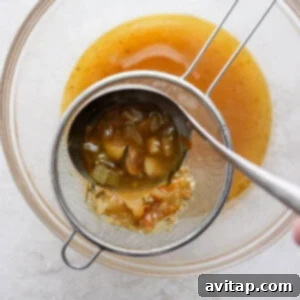
Finally, pour the remaining liquid through a fine-mesh sieve or colander lined with cheesecloth into a large clean jar or bowl. Discard any smaller solids caught in the sieve, ensuring a smooth, clear broth.
-
Your homemade chicken broth is now ready to use! If not using immediately, allow the broth to cool completely before pouring it into mason jars or any other airtight containers for storage.
-
Store the broth in the refrigerator for up to 7 days, or transfer it to the freezer for convenient use for up to 3 months.

Nutrition
Calories: 221 kcal
,
Carbohydrates: 6 g
,
Protein: 25 g
,
Fat: 13 g
,
Fiber: 2 g
,
Sugar: 2 g
Nutrition information is automatically calculated, so should only be used as an approximation.
Love this? Leave a comment below!
Don’t forget to tag your posts on social media with the hashtag #fitfoodiefinds, we’d love to see what you’re up to!