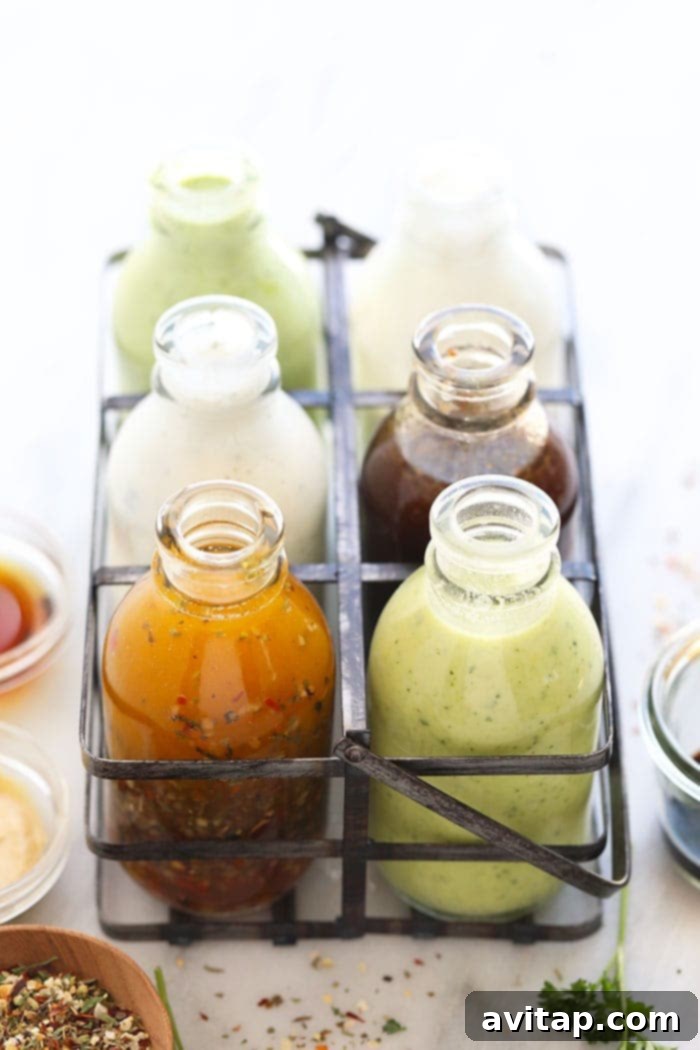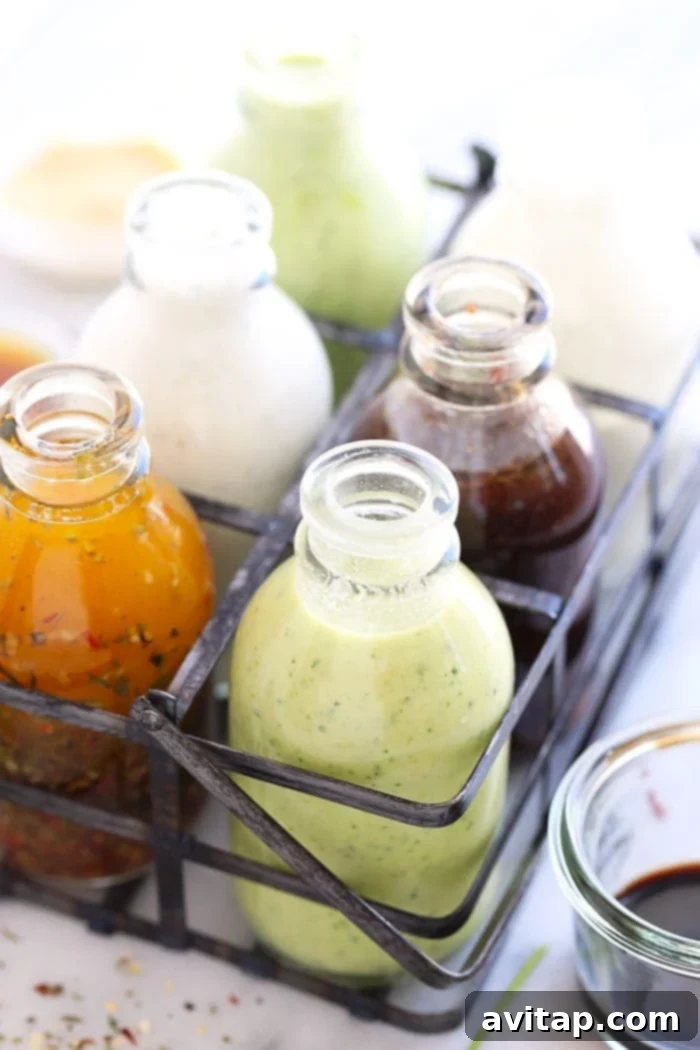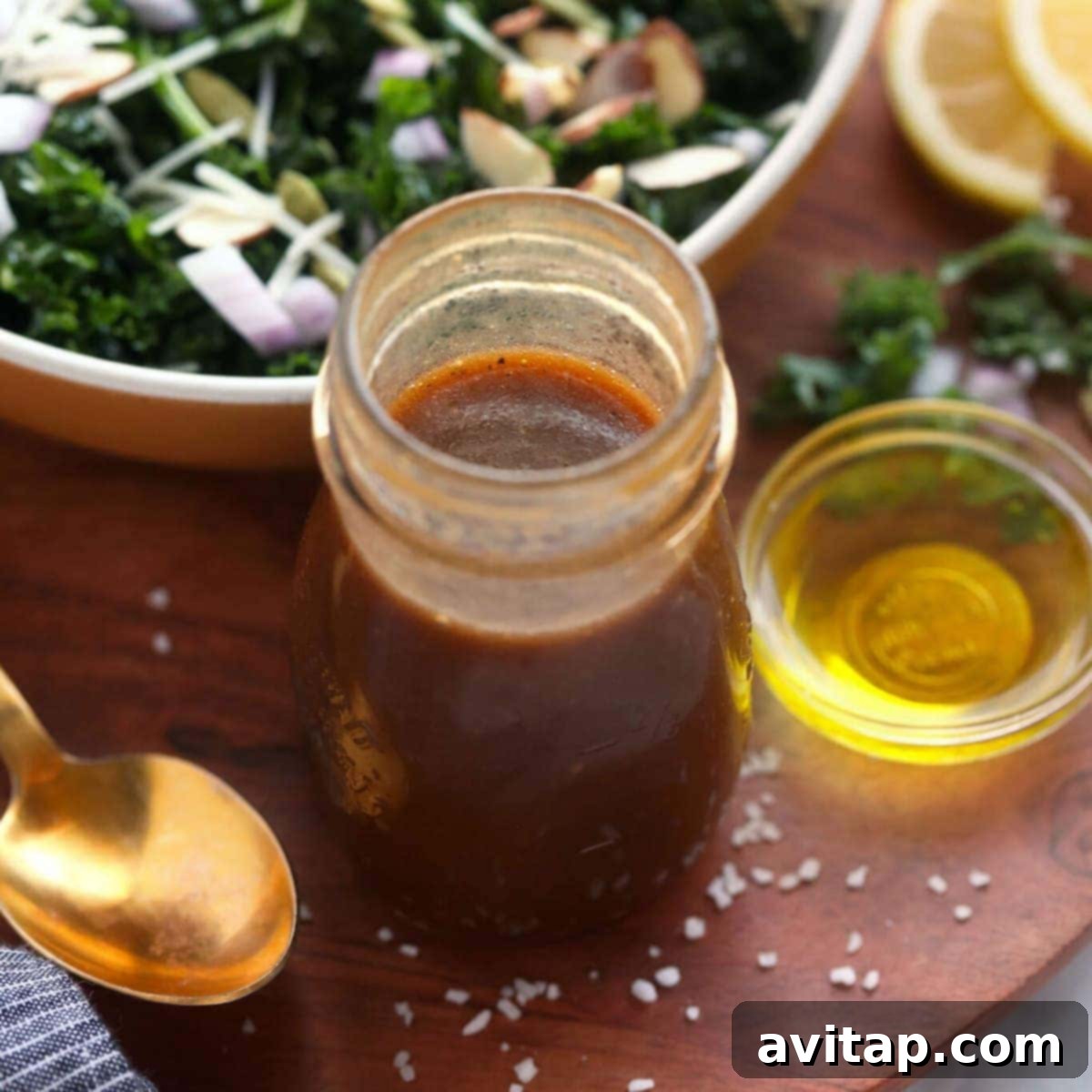
Elevate your everyday meals with the vibrant flavors of homemade salad dressing. Forget bland store-bought options; crafting your own dressings is not only surprisingly simple but also incredibly rewarding. Our go-to favorite is a simple vinaigrette, whisked together in under five minutes using just a few pantry staples: rich olive oil, tangy balsamic vinegar, and bright lemon juice. This isn’t just for green salads; a versatile homemade dressing can transform grain salads like quinoa, add zest to roasted vegetables, or even double as a flavorful marinade for meats and plant-based proteins.
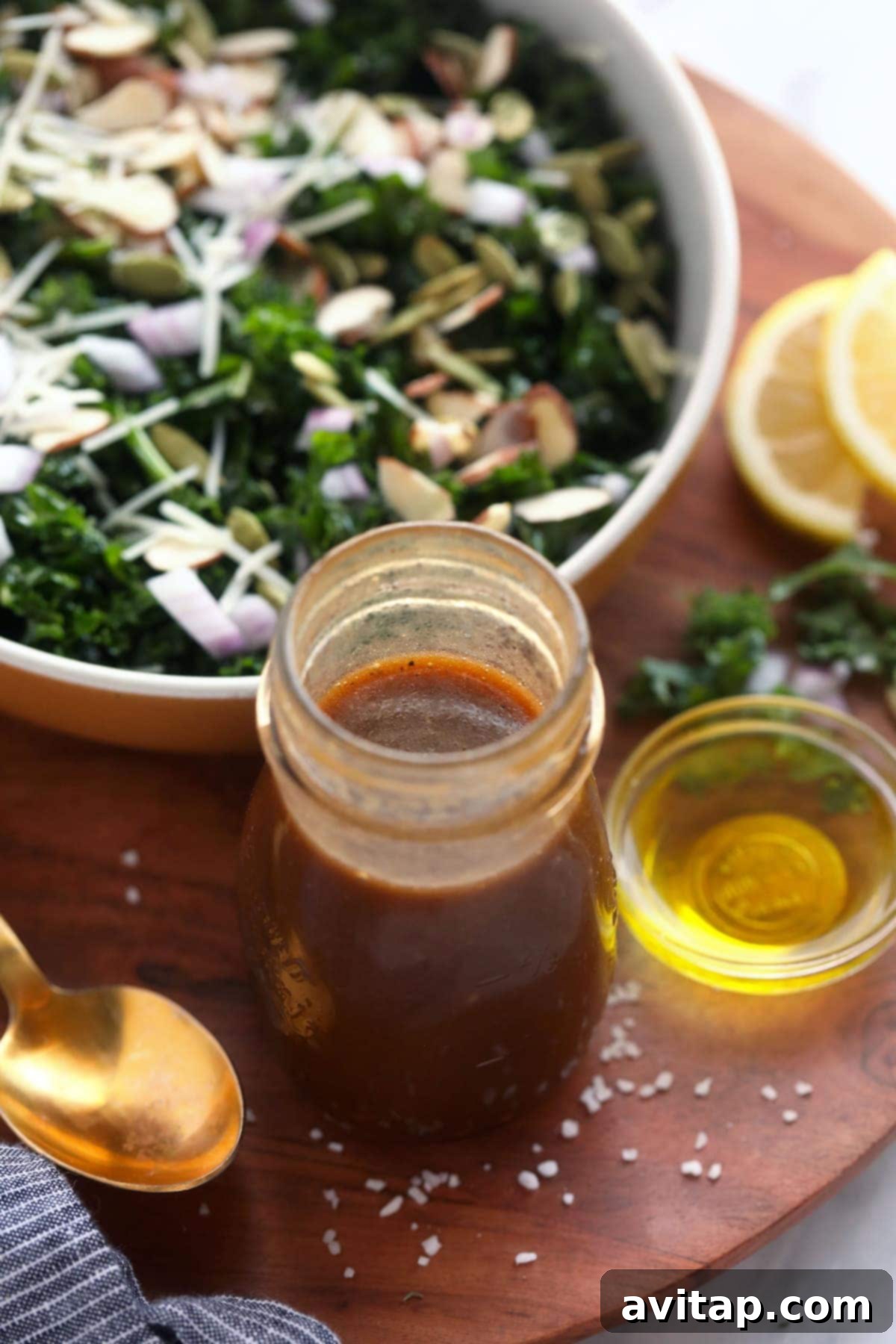
Whether you’re a fan of light, oil-based vinaigrettes or crave the rich texture of creamy, Greek yogurt-based dressings, this article is your complete guide to mastering the art of homemade salad dressings. We’ll explore the benefits, various types, essential ingredients, and practical tips to help you create dressings that perfectly complement every dish.
Why Choose Homemade Salad Dressings?
While store-bought salad dressings offer convenience and can certainly be delicious, there’s a strong case to be made for homemade alternatives. We are firm believers in the superior quality and benefits of dressings made right in your own kitchen. Here’s why:
Cost-Effectiveness: You likely already have most of the necessary ingredients in your pantry – oils, vinegars, herbs, and spices. Opting for homemade means you’re not paying for fancy packaging or marketing, making it a much more economical choice in the long run. It’s an investment in ingredients that can be used across many different recipes.
Unbeatable Flavor: Homemade salad dressing recipes are crafted with fresh, high-quality ingredients, resulting in flavors that are far more intense, complex, and vibrant than anything you’ll find on a supermarket shelf. You control the balance of sweet, savory, tangy, and spicy notes to suit your palate perfectly.
Healthier Choices & Ingredient Control: Store-bought dressings often contain excessive amounts of sugar, sodium, unhealthy fats, and artificial preservatives. When you make your own, you have complete control over every ingredient. This allows you to avoid unwanted additives, reduce sugar and salt content, and cater to specific dietary needs or allergies, ensuring a healthier option for you and your family.
Customization & Creativity: The beauty of homemade dressings lies in their versatility. You can easily adjust ingredients to match your mood, the season, or the specific salad you’re preparing. Feeling adventurous? Experiment with new herbs, spices, or types of vinegar to create unique flavor combinations that truly reflect your culinary creativity.
Exploring the Main Types of Salad Dressings
At their core, salad dressings can be broadly categorized into two main types: oil-based and creamy. Understanding these fundamental structures is key to experimenting and developing your own signature dressings.
- Oil-Based Dressings (Vinaigrettes): These are typically lighter and brighter, characterized by a harmonious blend of oil and an acidic component. Vinaigrettes are made with an oil base, such as extra virgin olive oil, grapeseed oil, or canola oil, combined with vinegar or citrus juice. Classic examples include Italian dressing, Greek dressing, and our favorite simple balsamic vinaigrette. The key to a good vinaigrette is proper emulsification, where the oil and acid are thoroughly combined to create a smooth, unified texture.
- Creamy Dressings: Richer and often more decadent, creamy dressings provide a luscious texture that coats salad greens beautifully. They typically feature a base of dairy (like Greek yogurt or sour cream), mayonnaise, or plant-based alternatives (such as tahini or blended cashews). Popular creamy dressings include Ranch, Blue Cheese, Caesar, and some varieties of Avocado dressing. These dressings often incorporate a variety of herbs and spices to build depth of flavor.
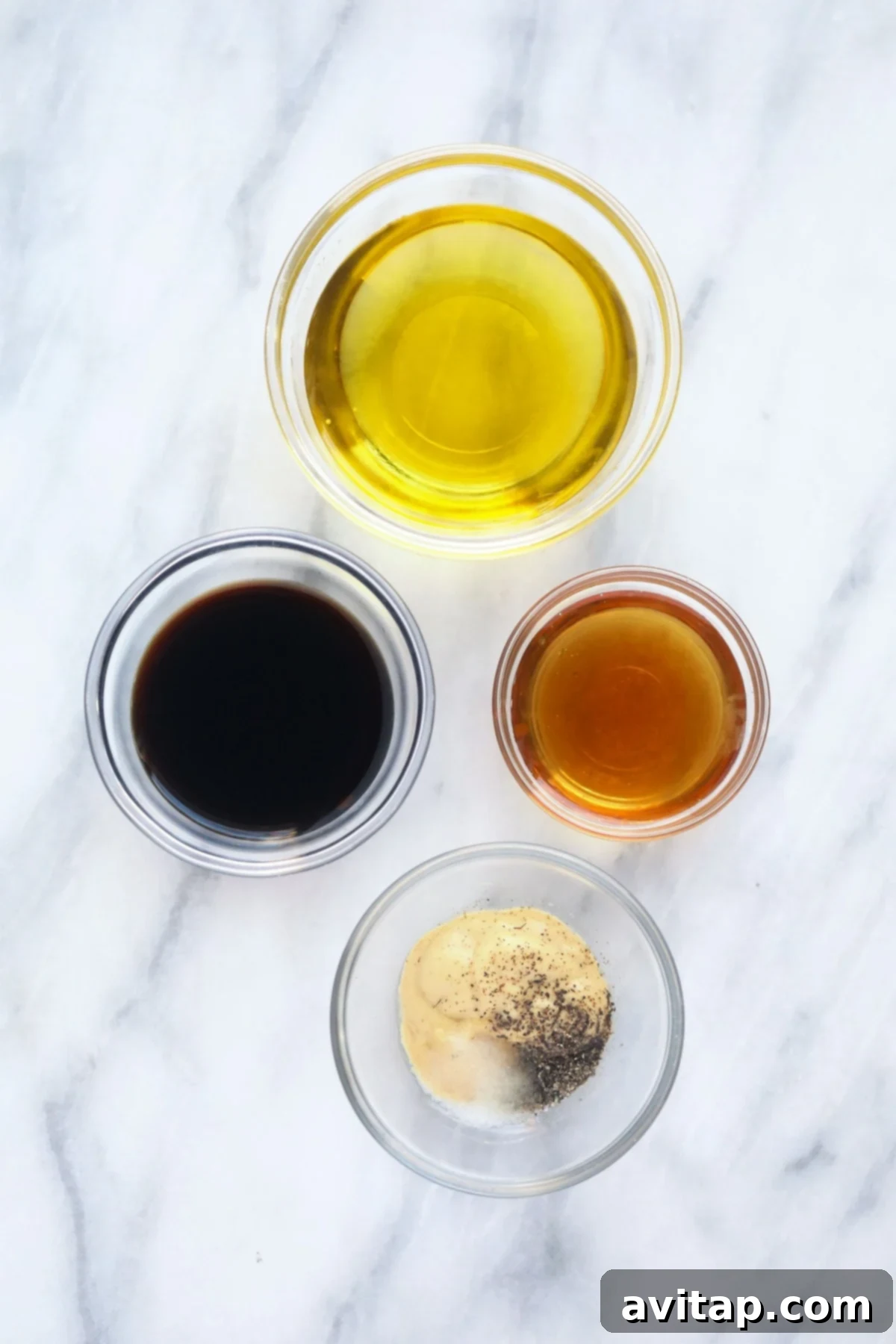
Essential Ingredients for Homemade Salad Dressings
One of the best aspects of making your own salad dressings is that you often have the core ingredients readily available. With just a few staples, you can create an endless array of delicious flavors. Here is a quick list of common ingredients that form the backbone of most salad dressings:
- Oils: The foundation for richness and flavor. (e.g., olive oil, grapeseed oil, avocado oil, sesame oil)
- Vinegars & Citrus: Provide essential acidity and tang. (e.g., balsamic vinegar, apple cider vinegar, lemon juice, lime juice)
- Fresh Herbs: Add bright, aromatic notes. (e.g., basil, cilantro, parsley, dill)
- Spices: Deepen and diversify the flavor profile. (e.g., garlic powder, onion powder, Italian seasoning, red pepper flakes)
- Yogurt & Other Creamy Bases: Create a thick, smooth texture. (e.g., Greek yogurt, mayonnaise, sour cream, tahini)
- Sweeteners: Balance acidity and add subtle sweetness. (e.g., maple syrup, honey, agave nectar)
- Salt and Pepper: Absolutely essential for seasoning and enhancing all other flavors.
- Mustard: Acts as an emulsifier and adds a pungent kick. (e.g., Dijon, whole grain mustard)
Building Your Own Salad Dressing: A Step-by-Step Guide
The beauty of making salad dressings at home is the endless possibilities for combinations! Do you desire an oil-based dressing or a creamy one? Sweet or savory? Spicy or mild? Follow this easy guide to craft your perfect homemade dressing:
1. Find Your Base
The base ingredient defines the primary texture and body of your dressing. As discussed, dressings typically start with either an oil or a creamy component. Choose an ingredient from one of these categories to lay the groundwork for your creation.
Oil Bases
- Olive Oil: A versatile choice, especially extra virgin olive oil, offering fruity and peppery notes. Ideal for most vinaigrettes.
- Grape Seed Oil: Light and neutral in flavor, perfect when you want other ingredients to shine.
- Avocado Oil: Smooth and buttery, with a mild flavor profile that works well with many ingredients.
- Sesame Oil: Strong, nutty flavor, best used sparingly in Asian-inspired dressings.
- Canola Oil: Another neutral option, often used in commercial dressings.
Creamy Bases
- Greek Yogurt: Adds a healthy, tangy creaminess; great for lighter creamy dressings.
- Hummus: Offers a savory, thick base, excellent for Mediterranean-inspired salads.
- Mayonnaise: Classic choice for rich, indulgent creamy dressings.
- Sour Cream: Provides a tangy, smooth texture, similar to yogurt but with a distinct flavor.
- Cashews (soaked & blended): A fantastic plant-based option for achieving rich creaminess.
- Tahini: Sesame paste that lends an earthy, nutty flavor and a smooth, thick consistency, often used in Middle Eastern-inspired dressings.
Tip: Oil Swaps
Most oils are interchangeable, allowing you flexibility if you need to avoid a certain ingredient or simply want to try something new. Keep in mind that different oils have distinct flavor profiles, so the overall taste of your salad dressing may change slightly. When in doubt, extra virgin olive oil is always a reliable and delicious choice!
2. Introduce Acidity: Vinegar and/or Citrus
You’ve likely noticed that most great salad dressings possess a delightful tang. This acidity is crucial for balancing the richness of the oil or creamy base and for brightening all the other flavors. It typically comes from either vinegar, citrus, or a combination of both.
The market offers a surprising variety of vinegars, each with its own unique character. As you mix your dressing, remember to taste-test them before adding to ensure they match your desired flavor profile!
- Lemon Juice: Offers a bright, zesty, and refreshing tang.
- Lime Juice: Provides a sharp, aromatic acidity, often used in Mexican or Asian-inspired dressings.
- Balsamic Vinegar: Sweet and complex, with a rich, dark hue.
- Apple Cider Vinegar: Fruity and slightly sharp, popular in healthier dressings.
- Rice Vinegar: Mild and slightly sweet, ideal for Asian-style dressings.
- White Wine Vinegar: Crisp and subtly fruity, a great all-purpose choice.
- Red Wine Vinegar: Robust and tart, excellent for Mediterranean and Italian dressings.
- Champagne Vinegar: Delicate and mild, adds a sophisticated touch.
- Sherry Vinegar: Nutty and complex, with a subtle sweetness.
3. Add Fresh Herbs & Fruits for Dimension
Incorporating fresh ingredients is a fantastic way to give your salad dressing a vibrant dimension and unparalleled freshness. While fresh herbs and fruits might slightly shorten the dressing’s shelf life, the resulting complex and bright flavors are absolutely worth it. For example, our avocado dressing is flavored with fresh avocado and cilantro, making it truly exceptional! Feel free to blend any fresh herbs, soft fruits, or delicate vegetables directly into your dressings.
- Avocado: Adds creaminess and a mild, rich flavor.
- Berries (Strawberries, Blueberries, Raspberries): Provide natural sweetness and a fruity tang, especially delicious in summer salads.
- Basil: Sweet, peppery, and aromatic; wonderful for Italian-inspired dressings.
- Cilantro: Bright, citrusy, and herbaceous; pairs well with lime and avocado.
- Parsley: Fresh, clean flavor, a versatile addition to many dressings.
- Dill: Distinctive, slightly anisy flavor, excellent for creamy dressings or seafood salads.
- Roasted Pear or Apple: Adds a subtle sweetness and depth, especially in autumn-themed dressings.
- Ginger: Freshly grated, provides a zesty, spicy kick, perfect for Asian dressings.
- Shallots or Red Onion: Finely minced, offer a pungent, savory base note.
4. Other Flavor Enhancers: Spices, Sweeteners, and Seasonings
Beyond fresh ingredients, don’t underestimate the power of dried herbs and spices to add significant depth and character to any salad dressing. We always keep a well-stocked spice rack with staples like Italian seasoning and garlic powder to ensure our favorite flavors are always within reach.
Adding a touch of sweetness is also incredibly important; it helps to perfectly balance the acidity from the vinegar and citrus. While we generally prefer natural sweeteners, you can choose your favorite!
- Dry Spices: Italian seasoning, garlic powder, onion powder, dried basil, oregano, smoked paprika, chili flakes, cumin.
- Sweeteners: Maple syrup, honey, agave nectar, a small pinch of sugar.
- Umami Boosters: Dijon mustard (also an emulsifier), Worcestershire sauce (for savory depth), soy sauce or tamari (for Asian dressings), nutritional yeast (for cheesy flavor).
- Salt and Pepper: Always add to taste, as they are crucial for enhancing all other flavors.
Simple Preparation Methods
Once you’ve gathered all your chosen ingredients, the next step is to combine them effectively. The method you use often depends on the type of dressing you’re making:
For Oil-Based Vinaigrettes: When preparing lighter, oil and vinegar-based salad dressing recipes (like our Homemade Italian Dressing), a simple mason jar or a small bowl with a whisk is perfect. Place all ingredients into a mason jar, seal it tightly, and shake vigorously until all ingredients are well combined and emulsified. Alternatively, in a bowl, slowly drizzle in the oil while whisking constantly to create a stable emulsion.
For Thicker, Creamy Dressings: For those luscious, creamy dressings where fresh herbs, fruits, or heartier vegetables need to be blended for a smooth texture (such as our Avocado Cilantro Lime Dressing), a blender or food processor is your best friend. This ensures a silky-smooth consistency and fully incorporates all the flavors.
Remember, the consistency of your salad dressing is a matter of personal preference. If you prefer a thicker dressing, add less liquid (oil, vinegar, or water). If you generally like a thinner consistency, simply add a little more oil, water, or extra acidity until it reaches your desired pourable texture.
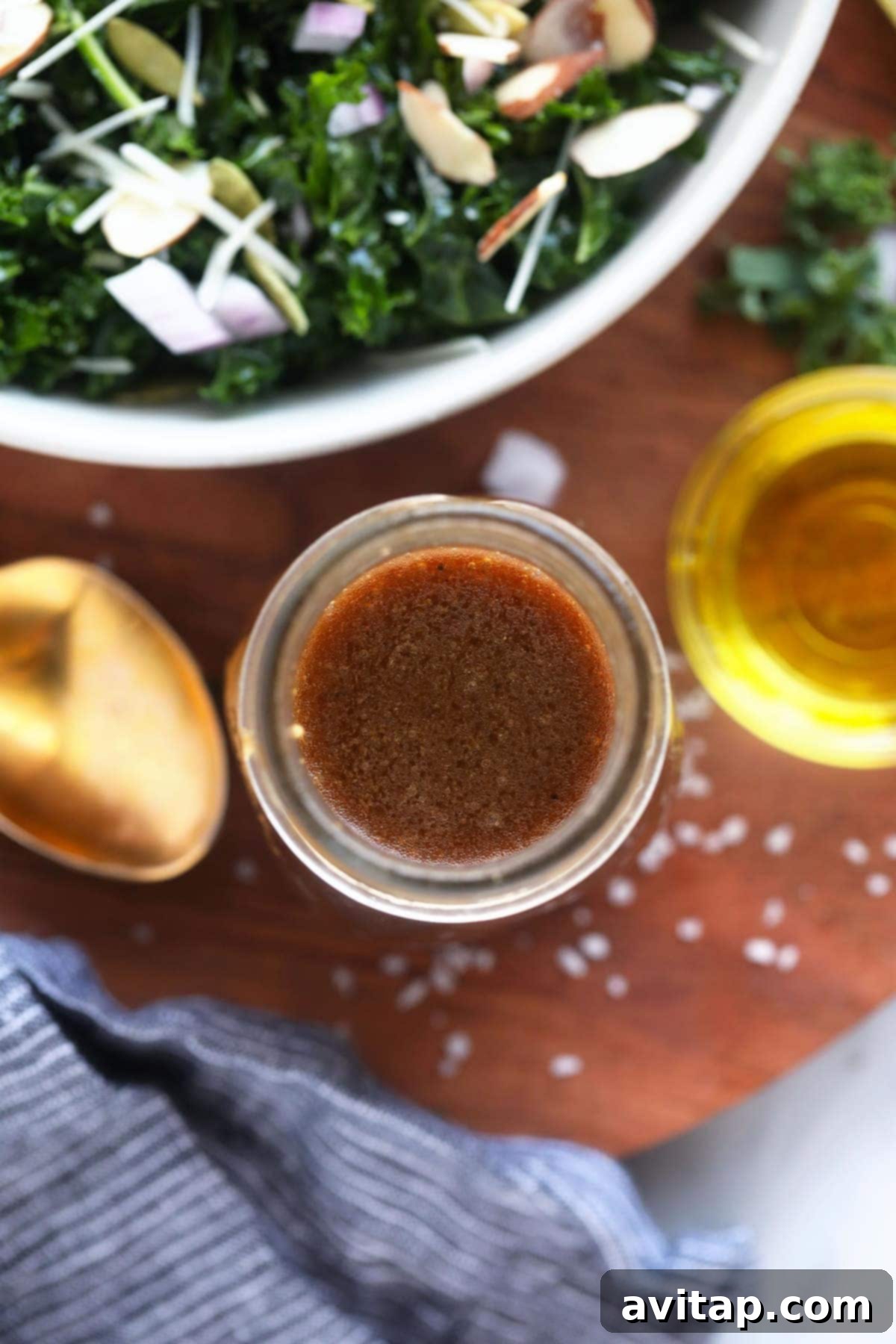
Homemade Salad Dressing Q & A
Here are answers to some frequently asked questions about making and enjoying homemade salad dressings:
How many main types of salad dressings are there?
There are two primary categories of salad dressings: oil-based (like vinaigrettes) and creamy. Each offers a unique texture and flavor profile, providing a wide range of culinary possibilities.
What can I use if I don’t have salad dressing on hand?
No dressing? No problem! A quick and delicious alternative is to simply drizzle your greens with a good quality olive oil, a squeeze of fresh lemon juice, and a generous sprinkle of salt and pepper. This simple combination is our absolute go-to for a fresh and bright flavor. Alternatively, a dollop or spoonful of any of the following condiments can also work wonderfully:
- Hummus
- Cottage cheese (thinned slightly with a splash of milk or water)
- Tahini
- Greek yogurt
- Almond or Peanut butter (thinned with a little water, soy sauce, and lime for an Asian-inspired twist)
- Pesto
- Salsa
How long does homemade dressing typically last in the refrigerator?
The shelf life of homemade salad dressing depends largely on its ingredients, how it’s stored, and the container used. Dressings with a higher acidity content (like those with plenty of vinegar or lemon juice) tend to last longer. Generally, we recommend storing our homemade salad dressing recipes in an airtight container in the refrigerator for about 3-5 days. Always check for any signs of spoilage, like off-odors or mold, before consuming.
Every Delicious Dressing Needs a Perfect Salad Pairing
A phenomenal salad dressing deserves an equally inspiring salad! To get your culinary creativity flowing, we’ve rounded up some of our favorite salad recipes that pair beautifully with a variety of homemade dressings:
Quinoa Salad Recipes
Perfect for meal prep, these protein-packed salads are versatile and satisfying.
Easy Kale Salad Recipes
Nutrient-dense and incredibly flavorful, kale salads are a healthy staple.
Avocado Tuna Salad
A fresh and protein-rich salad, perfect for a quick, healthy lunch.
Grilled Chicken Salad
A hearty and flavorful salad featuring tender grilled chicken and crisp veggies.
Greek Salad Recipe
A classic, refreshing salad bursting with Mediterranean flavors.
Storing Your Homemade Dressings
Proper storage is essential to keep your homemade salad dressings fresh and safe to enjoy. Most homemade salad dressing recipes can be safely stored in the refrigerator for 3-5 days. Always ensure they are kept in an airtight container to prevent oxidation and absorption of other fridge odors.
Recommended Salad Dressing Container Ideas
The best containers for storing salad dressing are those that are airtight, easy to clean, and conveniently fit into your refrigerator. Here are some excellent options:
- Glass Mason Jars: Classic, versatile, and excellent for shaking vinaigrettes.
- Dedicated Salad Shakers and Dressing Containers: Designed with spouts and tight seals for mess-free pouring and storage.
- Small Bottles with Flip-Top Lids: Ideal for individual servings or packing in lunchboxes.
- Dressing Whiz or Emulsifying Bottles: Features built-in mechanisms for easy mixing and emulsifying.
- High-Powered Blenders (like Vitamix): While not a storage container, it’s perfect for making large batches of creamy dressings and then transferring to airtight bottles.
And now, we present our absolute favorite salad dressing recipe – a simple Balsamic Vinaigrette dressing made with just seven basic ingredients!
This versatile dressing is a true kitchen hero. We seriously put it on everything: from crisp kale salads and hearty quinoa salads to using it as a fantastic marinade for chicken, fish, or even roasted vegetables. Its balanced flavors make it a perfect complement to almost any dish.
Simple Balsamic Vinaigrette Salad Dressing
This simple vinaigrette is one of our most beloved homemade salad dressing recipes. It’s made with quality olive oil, rich balsamic vinegar, fresh lemon, a touch of maple syrup, and a hint of Dijon, making it incredibly versatile and delicious on literally everything!
By: Lee Funke
Prep Time: 10 mins
Cook Time: 0 mins
Total Time: 10 mins
Servings: 4
Print Recipe
Ingredients
- 1/4 cup olive oil
- 2 tablespoons balsamic vinegar
- 1 tablespoon maple syrup
- 1/2 teaspoon dijon mustard
- 1 teaspoon minced garlic
- 1-2 teaspoons fresh lemon juice
- pinch salt
- pinch pepper
Instructions
- Place all ingredients into a small bowl or Mason jar and mix thoroughly to combine.
- Taste the dressing and adjust seasoning by adding more salt and/or pepper, to your preference.
- Store the prepared salad dressing in an airtight container in the refrigerator for up to 3-5 days.
Nutrition
Calories: 138 kcal, Carbohydrates: 5 g, Protein: 0 g, Fat: 14 g, Fiber: 0 g, Sugar: 4 g
Nutrition information is automatically calculated, so should only be used as an approximation.
Our Top 3 Healthy Salad Dressings
Looking for more inspiration? Here are three healthy and incredibly delicious salad dressings that will become fast favorites in your kitchen:
1. Greek Salad Dressing
This Greek salad dressing recipe is famously tangy, subtly sweet, and bursting with Mediterranean flavors. It’s not just perfect for traditional Greek salads but also makes an incredible marinade for chicken, fish, or vegetables, infusing them with a delicious zesty kick.
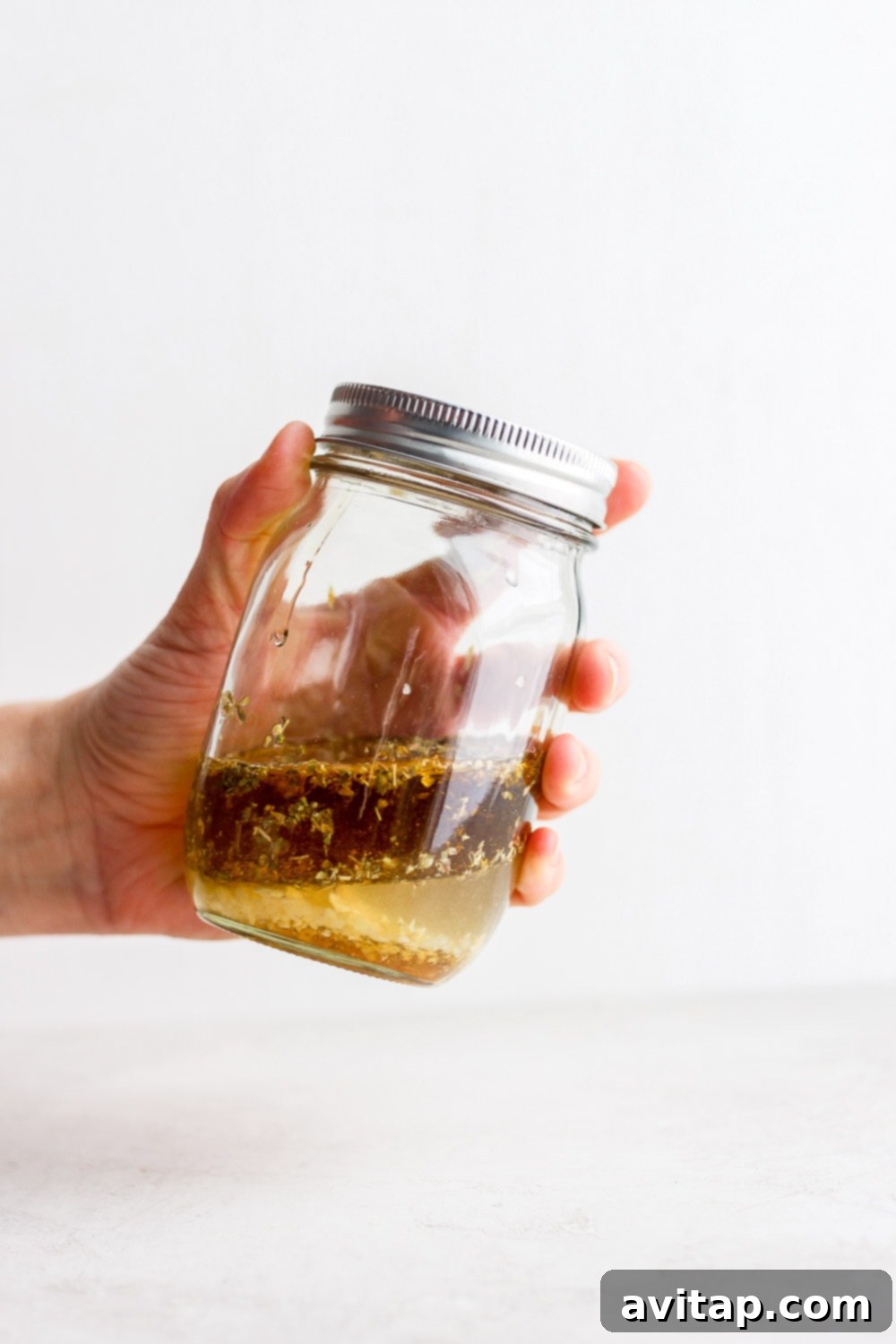
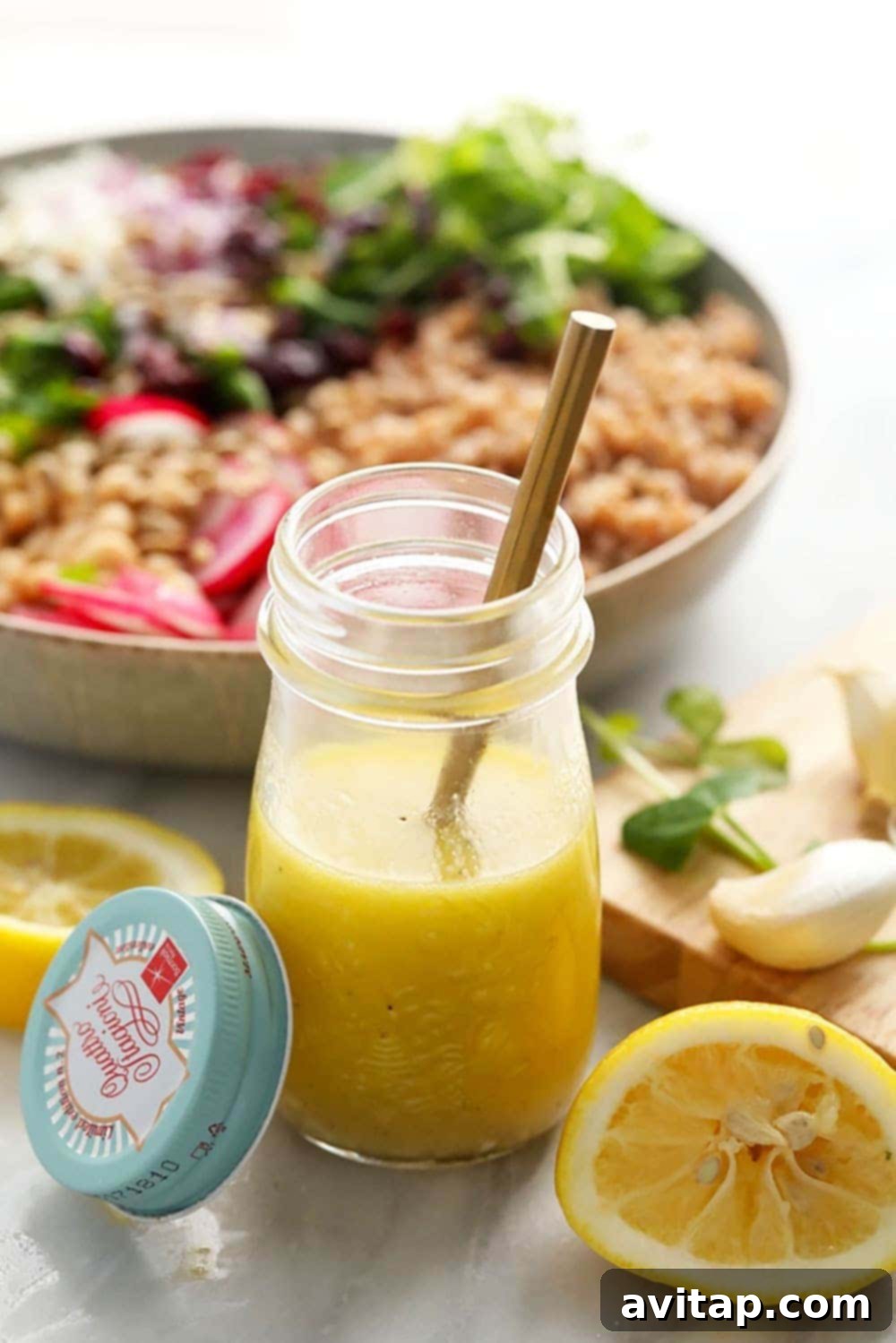
2. Lemon Vinaigrette Dressing
Prepare to brighten any salad with this sensational Lemon Vinaigrette Dressing! Crafted from invigorating fresh lemon juice, rich olive oil, crisp white wine vinegar, pungent Dijon mustard, finely minced garlic, and a hint of maple syrup for sweetness, this dressing is incredibly easy to make (ready in just 10 minutes!) and is guaranteed to impress with its fresh, clean flavors.
3. Asian Salad Dressing
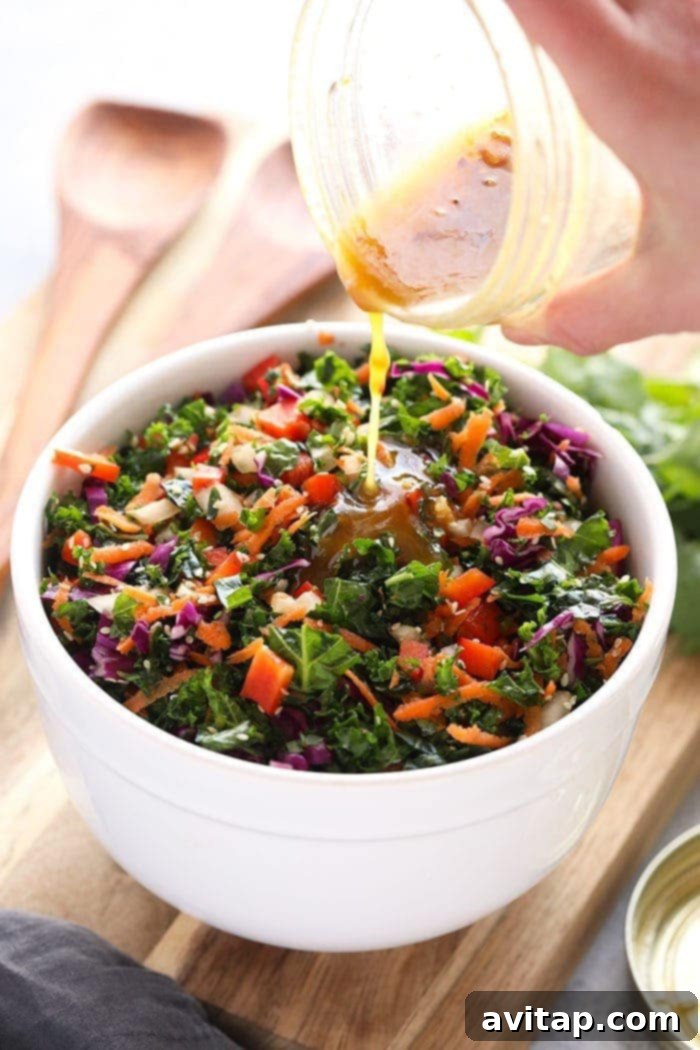
Our delectable Asian Salad Dressing is a perfect blend of savory and tangy, made with fresh garlic, invigorating apple cider vinegar, a touch of maple syrup for balance, and savory soy sauce (or tamari for gluten-free). It’s the ideal healthy dressing to drizzle over your favorite kale salad or use as an aromatic marinade for chicken, tofu, or stir-fried vegetables.
Even More Delicious Homemade Salad Dressing Recipes
The possibilities for homemade dressings are truly endless. Here’s an expanded list of more fantastic recipes to inspire your culinary adventures:
- All-Purpose Green Goddess Dressing: A fresh, herby, and creamy dressing that doubles as a delightful dip.
- Classic Homemade Italian Dressing: A pantry staple, perfect for pasta salads or green salads.
- Zesty Avocado Cilantro Lime Dressing: Creamy, vibrant, and packed with fresh flavors.
- Healthy Greek Yogurt Blue Cheese Dressing: A lighter take on a classic, without sacrificing flavor.
- Homemade Healthy Ranch Dressing: Everyone’s favorite, made healthier and fresher at home.
- The Best Balsamic Vinaigrette: A perfectly balanced, versatile dressing for any occasion.
- Easy Honey Mustard Dressing: Sweet and tangy, ideal for chicken salads or dipping.
- Bright Homemade Poppyseed Dressing: A unique and delightful dressing, especially good with fruit-based salads.
- Explore ALL Our Salad Dressing Recipes for endless inspiration!