
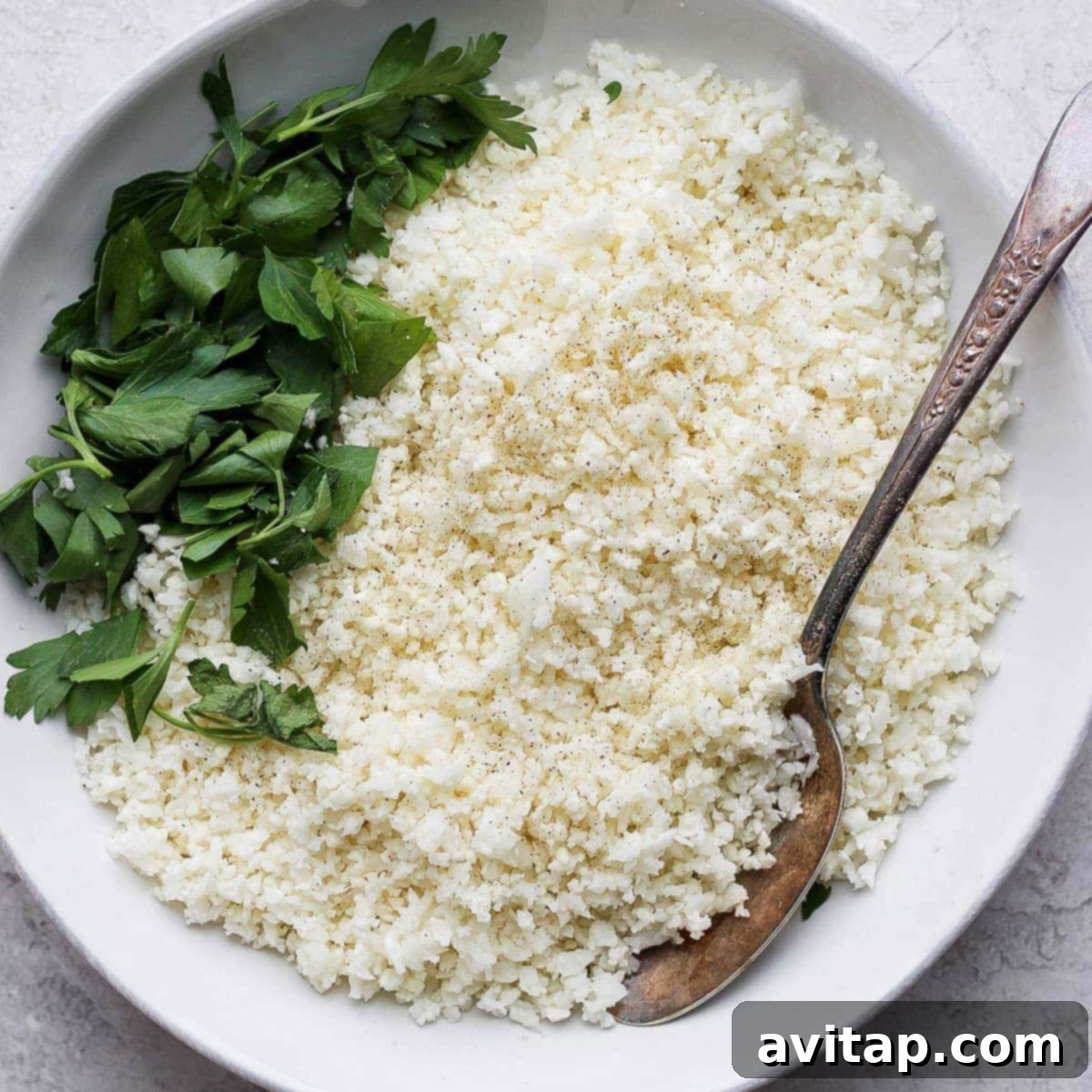
Embark on a culinary adventure by making fresh, homemade cauliflower rice right in your kitchen. This incredibly versatile ingredient, derived solely from a head of cauliflower, is a game-changer for anyone seeking a nutritious, low-carb, and gluten-free alternative to traditional grains. Forget pre-packaged options; mastering this simple technique will open up a world of healthy meal possibilities and enhance your cooking repertoire.
Cauliflower rice isn’t just a trend; it’s a staple for a reason. Naturally free from gluten and completely vegan, it stands out as an excellent low-carb substitute for any grain, from white rice to couscous. Its neutral flavor profile makes it a chameleon in countless dishes, absorbing the vibrant tastes of your chosen seasonings and sauces.
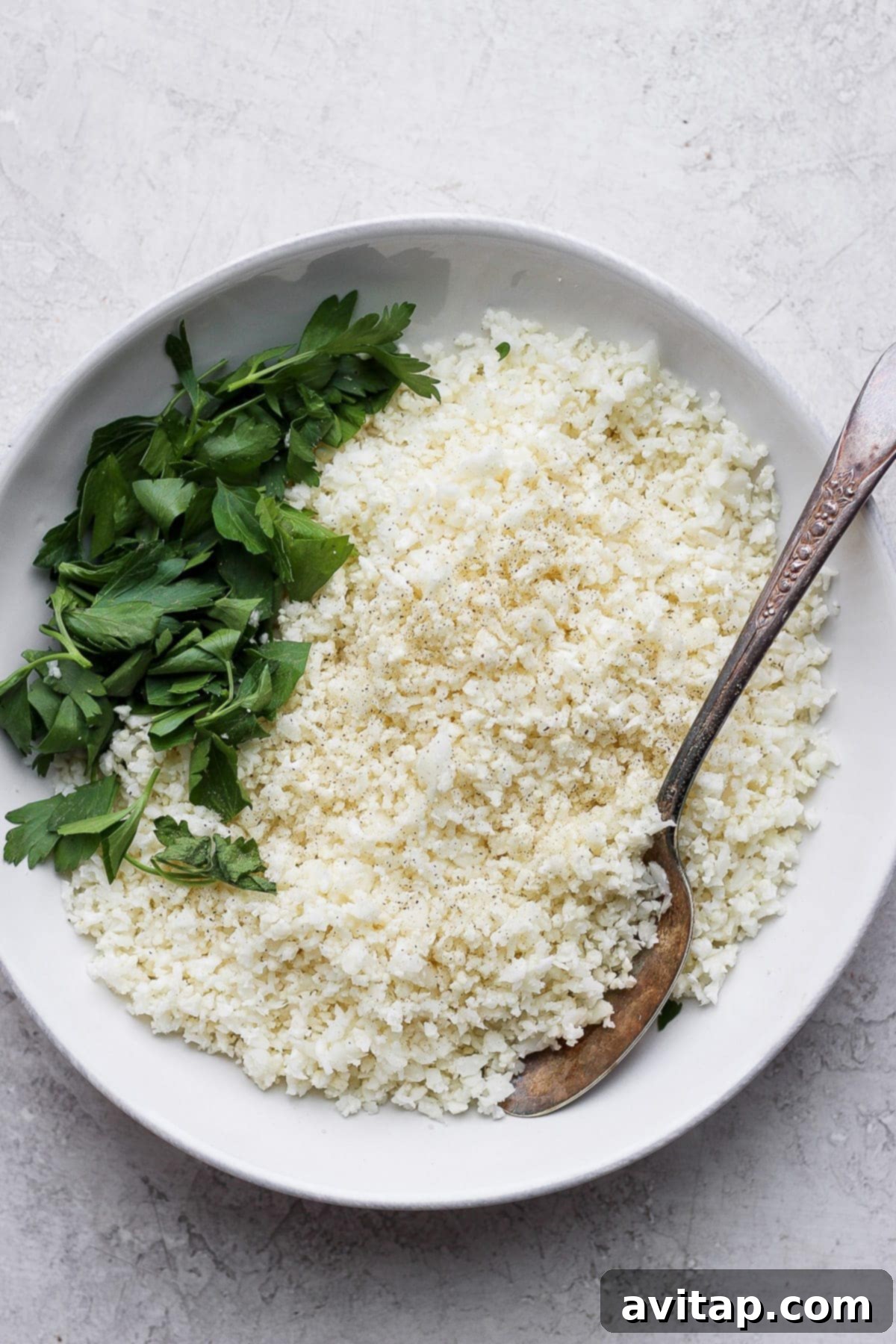
What Exactly is Cauliflower Rice?
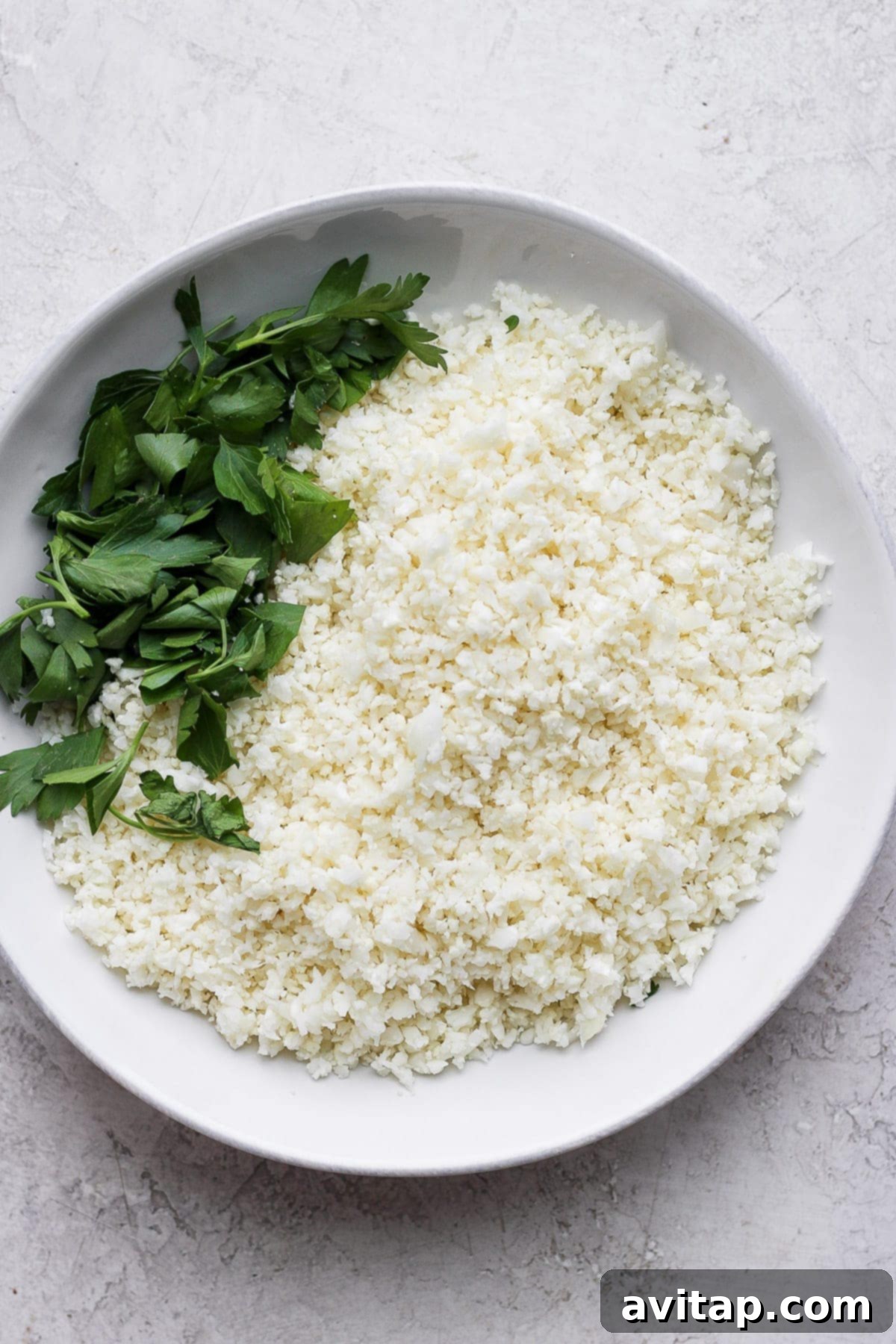
Cauliflower rice, sometimes referred to as cauliflower couscous due to its similar granular texture, is simply raw cauliflower that has been finely processed into small, rice-shaped pieces. It’s not cooked rice; rather, it mimics the appearance and mouthfeel of cooked grains, offering a light, crisp, and slightly nutty base for a wide array of dishes. This ingenious transformation allows you to enjoy the beloved texture of rice without the added carbohydrates or gluten, making it a popular choice in various dietary lifestyles.
While some store-bought versions are available, creating your own at home guarantees freshness and allows you to control the texture. It’s a testament to the versatility of cauliflower, a cruciferous vegetable celebrated for its nutrient density and adaptability in the kitchen.
Why Choose Cauliflower Rice? Unpacking the Health Benefits
Beyond being a fantastic grain alternative, cauliflower rice boasts an impressive nutritional profile, making it a smart choice for anyone looking to boost their health. Here are compelling reasons to incorporate it into your diet:
- A Stellar Low-Carb Alternative: For those managing blood sugar, following a ketogenic, or low-carb diet, cauliflower rice is an invaluable staple. It provides the bulk and satisfaction of rice with significantly fewer carbohydrates, helping you stay within your dietary goals without sacrificing flavor or volume in your meals.
- Naturally Gluten-Free: For individuals with celiac disease or gluten sensitivity, cauliflower rice offers a safe and delicious option. It eliminates the need for specialized gluten-free grains, simplifying meal preparation and ensuring compliance with dietary restrictions.
- Diet-Friendly Versatility: Naturally vegan, vegetarian, paleo, and keto-approved, cauliflower rice fits seamlessly into nearly any specialized diet. This makes it an inclusive ingredient that can be enjoyed by a wide range of eaters, accommodating various health goals and preferences.
- High in Fiber: Cauliflower is rich in dietary fiber, which is essential for digestive health. Fiber promotes regularity, helps maintain a healthy gut microbiome, and contributes to feelings of fullness, aiding in weight management.
- Low in Fat & Calories: With minimal fat and calories, cauliflower rice is an excellent choice for weight loss or maintenance. It allows you to enjoy generous portions of your favorite dishes without the caloric density often associated with traditional rice.
- Packed with Nutrients: Beyond fiber, cauliflower is a good source of Vitamin C, Vitamin K, B vitamins (including folate), and various antioxidants. These nutrients support immune function, bone health, energy metabolism, and protect against cellular damage.
Step-by-Step Guide: How to Make Perfect Cauliflower Rice at Home
Making cauliflower rice is remarkably simple and requires minimal equipment. Follow these steps to achieve perfectly textured rice every time:
Step 1: Selecting and Preparing Your Cauliflower
The foundation of great cauliflower rice begins with a good head of cauliflower. You can use any size, but remember that a larger cauliflower will yield more rice. Choose a firm, dense head with creamy white florets and fresh, green leaves. Avoid any cauliflower with dark spots or yellowing florets, which indicate it’s past its prime.
Begin by washing the cauliflower thoroughly. Then, carefully cut off all the green leaves. While the core or trunk of the cauliflower is often discarded, it’s perfectly edible and can also be processed into cauliflower rice, minimizing waste. Chop the cauliflower into medium-sized florets. These pieces should be small enough to fit comfortably into your food processor but not so small that they turn to mush too quickly.
Step 2: The Art of Processing: Achieving the Ideal “Rice” Texture
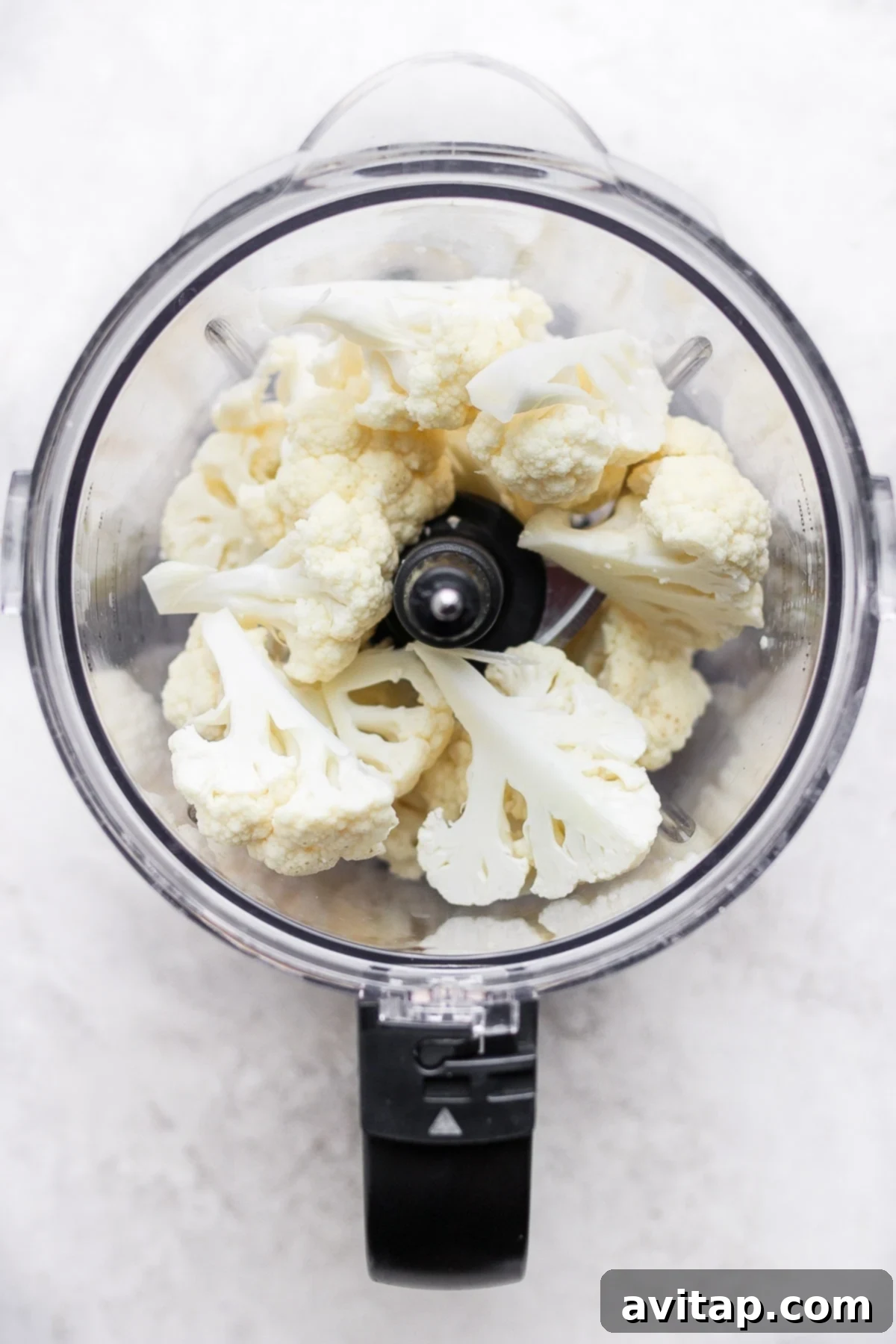
Once your cauliflower is prepped, it’s time to transform it into rice. Place the chopped cauliflower florets into your food processor. It’s important not to overfill the processor; work in batches if necessary, filling the bowl no more than two-thirds full. Overfilling can lead to uneven processing, with some pieces turning to paste while others remain too large.
Secure the lid and pulse the cauliflower on high speed. Use short, quick pulses rather than continuous blending. This technique gives you greater control over the texture. Watch carefully as the cauliflower breaks down. It will go from florets to small, grain-like pieces. Stop pulsing as soon as you achieve the desired rice-like consistency. The key is to create small, uniform granules that resemble rice, but **be sure not to over-process the cauliflower into a paste or purée!** This is a common mistake that can lead to a soggy end product.
If you don’t have a food processor, a box grater (using the medium-sized holes) can also be used, though it requires a bit more effort.
Step 3: The Crucial Step: Removing Excess Moisture
This step is paramount for achieving the perfect texture and preventing your cauliflower rice from becoming mushy when cooked. Cauliflower contains a lot of water, and removing this excess moisture ensures a drier, fluffier, and more enjoyable “rice” that holds its shape beautifully in recipes.
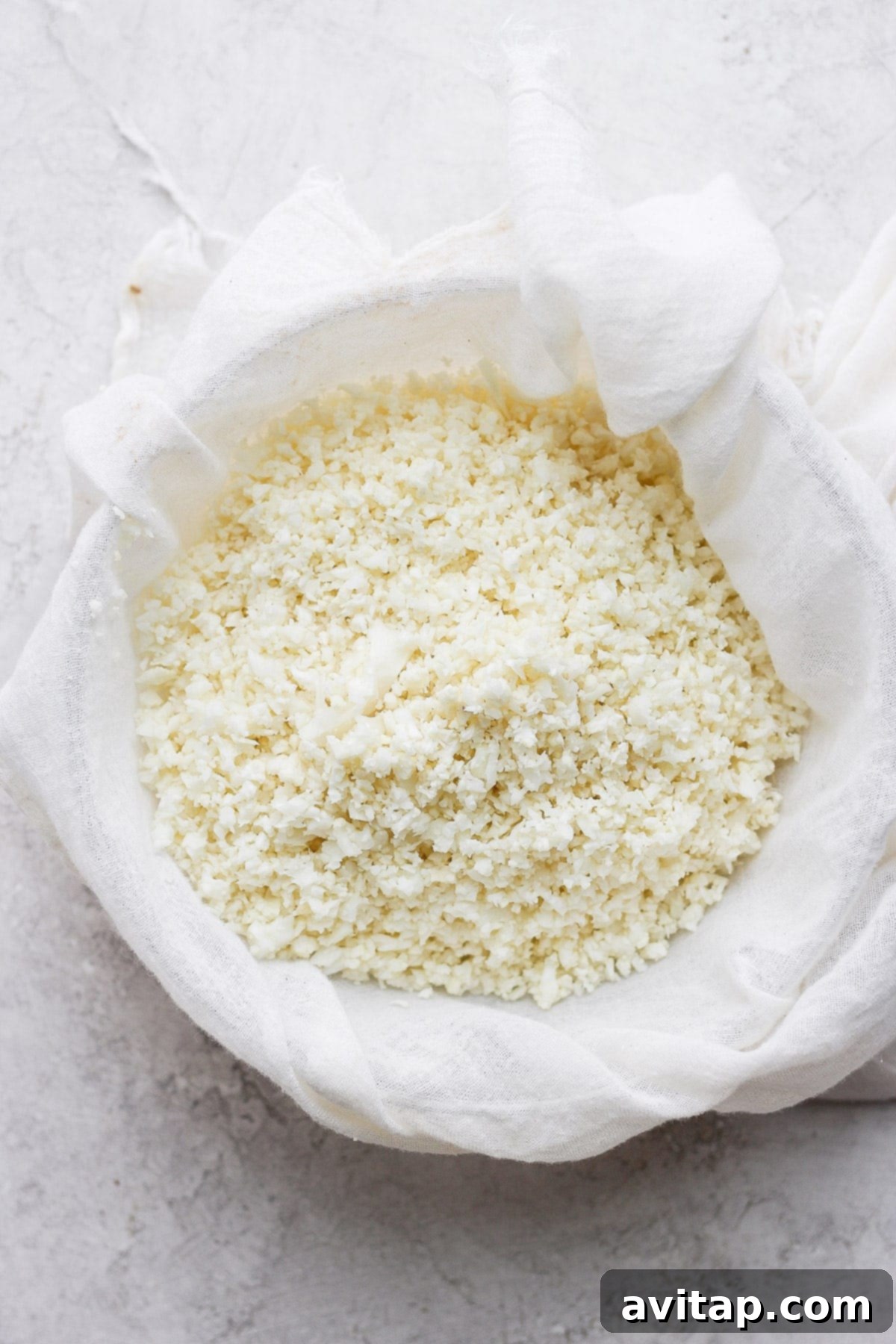
To draw out the moisture, line a large bowl with a clean, thin tea towel or a few layers of cheesecloth. Transfer all the processed cauliflower rice into the center of the cloth. Sprinkle a generous pinch of salt evenly over the cauliflower rice. The salt acts as a dehydrating agent, helping to pull moisture from the vegetable through a process called osmosis.
Gently mix the salt into the cauliflower rice with your hands, then let it sit for at least 15 minutes. This resting period allows the salt to work its magic. After 15 minutes, gather the edges of the tea towel or cheesecloth, twisting the top tightly to form a bundle. Now, firmly squeeze the bundle over the bowl, allowing the extracted liquid to drip out. You’ll be surprised by how much water is released! Continue squeezing until no more moisture can be extracted.
Congratulations, your cauliflower rice is now perfectly prepared and ready to use in any recipe!
Unleash Its Potential: Versatile Ways to Enjoy Cauliflower Rice
The beauty of cauliflower rice lies in its incredible versatility. You can use it raw for a crisp addition to salads or gently heat it for a delicious, grain-free side dish. Its neutral flavor makes it a perfect canvas for countless cuisines. Here are just a few ideas to inspire you:
- As a Simple Side Dish: Sauté with a little olive oil, garlic, and your favorite herbs (like parsley or cilantro) until tender-crisp. Serve alongside grilled chicken, fish, or any main course.
- In Grain Bowls: Use it as the base for vibrant Buddha bowls, poke bowls, or burrito bowls. It pairs wonderfully with roasted vegetables, lean proteins, and creamy dressings.
- “Fried Rice” Alternative: Transform it into a healthier version of fried rice by stir-frying with soy sauce (or tamari), eggs, peas, carrots, and your choice of protein.
- Stuffed Vegetables: Mix with herbs, spices, and other vegetables to create a flavorful stuffing for bell peppers, zucchini, or even mushrooms.
- Thicken Soups and Stews: While not a direct rice substitute in all liquid-heavy dishes, finely processed cauliflower rice can be added to soups or stews for extra body and nutrients without significantly altering the flavor.
- Pilafs and Risottos (Modified): You can adapt pilaf-style recipes by cooking the cauliflower rice with broth and seasonings until tender, creating a flavorful, grain-free alternative. For a “risotto,” a creamy sauce can be added after cooking the rice.
- Salad Booster: Add raw cauliflower rice to any salad for extra crunch and nutrients. It works particularly well in tabbouleh-inspired dishes.
For more specific recipe inspiration, simply replace traditional rice with your homemade cauliflower rice in these delicious dishes:
- Fiesta Salmon Rice Bowl
- Meal Prep Cilantro Lime Chicken
- Make Ahead Freezer Burritos
Important: When NOT to Use Cauliflower Rice
While cauliflower rice is a fantastic replacement for rice, couscous, and other grains in many dishes, it’s crucial to understand its limitations. You cannot successfully substitute cauliflower rice for grains in recipes where the rice is meant to cook and absorb significant amounts of water, such as traditional casseroles, one-pot dishes that simmer the grain, or creamy risottos that rely on starch release. In these instances, cauliflower rice will typically become soggy and mushy rather than achieving the desired texture of cooked grain.
Storing Your Homemade Cauliflower Rice: Freshness & Longevity
Cooked Cauliflower Rice Storage
Once you’ve cooked your cauliflower rice, it’s best consumed within 2-3 days when stored in an airtight container in the refrigerator. Ensure it cools completely before refrigerating to prevent condensation and maintain its texture. Reheat gently in a pan or microwave.
Raw Cauliflower Rice Storage
Raw, prepared cauliflower rice (after processing and moisture removal) can be stored in the refrigerator for up to 7 days. For optimal freshness, we highly recommend storing it in an airtight container immediately after the processing step, but *before* salting and squeezing out the moisture. This method helps the cauliflower rice last longer by preserving its natural moisture content until you’re ready to use it, at which point you would then perform the salting and squeezing step.
If you prefer to salt and squeeze it right away, ensure it’s stored in a very well-sealed container, as its shelf life might be slightly reduced once moisture has been drawn out.
No Time? Store-Bought Cauliflower Rice Options
Life gets busy, and sometimes there’s just no time for extensive meal prep. Thankfully, many grocery stores now offer convenient pre-made cauliflower rice, available in both raw and frozen forms. These options are a fantastic way to enjoy the benefits of cauliflower rice without the prep work. Just be sure to check the ingredient list for any added preservatives if you’re aiming for a completely natural product.
General Storage Best Practices
Whether raw or cooked, always store your cauliflower rice in a clean, airtight container. This prevents it from absorbing odors from other foods in your refrigerator and helps maintain its freshness. Before placing any cooked cauliflower rice into the fridge, always allow it to cool down to room temperature first to avoid creating excess condensation, which can lead to sogginess and faster spoilage.
Freezing Cauliflower Rice for Future Meals
Yes, cauliflower rice freezes exceptionally well, making it perfect for meal prepping! Freezing allows you to have this healthy alternative on hand whenever you need it. Here’s how to properly freeze your homemade cauliflower rice:
- After you have processed the cauliflower into rice, but *before* you salt and squeeze out the moisture, spread it evenly on a baking sheet lined with parchment paper. This flash-freezing step prevents the rice from clumping together.
- Place the baking sheet in the freezer for about 1-2 hours, or until the cauliflower rice is individually frozen.
- Once flash-frozen, transfer the cauliflower rice into a freezer-safe zip-top bag or an airtight container. Squeeze out as much air as possible from the bag to prevent freezer burn.
- Label the bag or container with the date. Cauliflower rice can be frozen for up to 3 months.
- When ready to use, simply take out the desired amount and cook directly from frozen. There’s no need to thaw it first, which helps maintain its texture.
More of our Favorite…
Recipes to Serve Cauliflower Rice With
Cauliflower rice pairs wonderfully with a variety of flavorful main dishes. Here are some of our top picks that shine even brighter with a healthy cauliflower rice side:
- Chicken and Broccoli Stir Fry: A classic combo made lighter and more nutritious.
- Easy Crockpot Sesame Chicken: Let your slow cooker do the work for a delicious, healthy meal.
- Vegetarian Tostada Recipe: A vibrant and fresh option for a plant-based meal.
- Also consider serving it with curries, hearty stews, or alongside grilled steak and seafood for a complete, balanced meal.
Recipe: Easy Homemade Cauliflower Rice
Do yourself a favor and make cauliflower rice at home. There is only one ingredient you need: cauliflower! Prepare a few batches of this versatile grain alternative, and you’ll unlock countless delicious and healthy meal possibilities.
By: Linley Hanson
Prep Time: 10 mins
Cook Time: 0 mins
Total Time: 10 mins
Servings: 3
Ingredients
- 1 large head cauliflower, cut into florets
Instructions
- First, line a medium-sized bowl with a clean tea towel or several layers of cheesecloth. Set this aside.
- Chop the cauliflower into small florets. Place them in a high-powered food processor, being careful not to overfill. You may need to process the cauliflower in two or more batches to ensure even texture.
- Pulse the cauliflower in the food processor on high speed until it transforms into small, rice-sized pieces. Ensure you stop as soon as it resembles rice, to avoid creating a paste. Pour the cauliflower rice into the bowl lined with the towel. Repeat this step until all cauliflower has been processed.
- Add a pinch of salt to the cauliflower rice in the towel-lined bowl and stir gently. Allow the cauliflower rice to sit for at least 15 minutes. This step helps to draw out excess moisture.
- Finally, gather the edges of the tea towel, twist the top firmly, and squeeze out all the excess water from the cauliflower rice into the bowl below. Your cauliflower rice is now ready to be used or stored!
Watch the Video Guide
For a visual walkthrough of these steps, watch our detailed video guide on how to make cauliflower rice:
Watch How to Make Cauliflower Rice
Nutrition Information (Approximate per Serving)
- Serving: 1/3 of the recipe
- Calories: 49 kcal
- Carbohydrates: 10 g
- Protein: 4 g
- Fat: 0 g
- Fiber: 4 g
- Sugar: 4 g
Nutrition information is automatically calculated and should only be used as an approximation. Values may vary based on specific ingredients and preparation methods.
Love This Recipe? Leave a Comment Below!
Your feedback brightens our day! We’d love to hear how your homemade cauliflower rice turned out and what delicious dishes you created with it. Don’t forget to tag your posts on social media with the hashtag #fitfoodiefinds – we’d love to see what you’re up to!
Photography by: The Wooden Skillet