
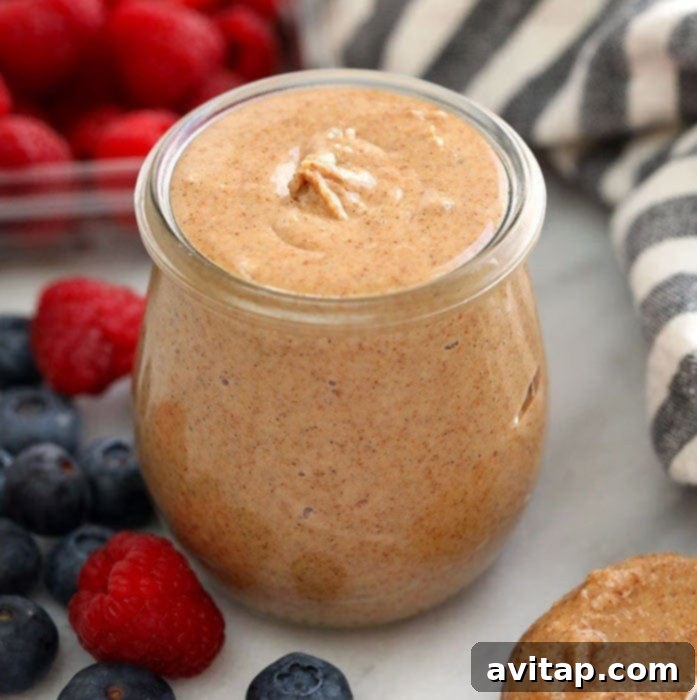
Unlock the secret to making rich, creamy, and incredibly delicious **homemade almond butter** right in your own kitchen. This super simple recipe transforms basic almonds into a gourmet spread with just a few natural ingredients: almonds, aromatic vanilla bean paste, a touch of maple syrup, a pinch of sea salt, and optionally, a hint of coconut oil for extra smoothness. Forget store-bought varieties loaded with unnecessary additives and refined sugars; prepare to savor the pure, wholesome goodness of your very own batch.
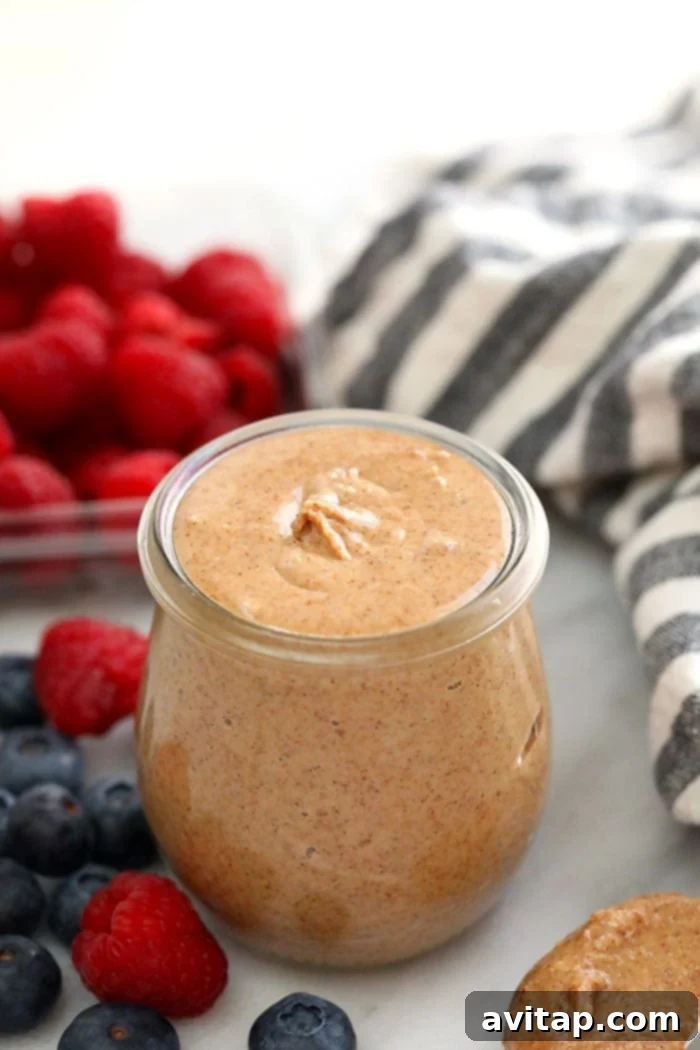
What is Almond Butter? Exploring This Wholesome Nut Spread
Almond butter is a popular nut butter derived entirely from whole almonds. The process involves placing almonds into a high-speed food processor or blender and continuously processing them until their natural oils are released, resulting in a creamy, smooth, and spreadable consistency. Its flavor is inherently mild, with a subtle sweetness that makes it incredibly versatile, suitable for both sweet and savory culinary applications. Often considered a healthier alternative to other spreads, almond butter has seen a surge in popularity due to its nutritional profile and as a common choice for those with peanut allergies.
Beyond its simple enjoyment on a spoon, almond butter is a staple in many healthy diets. It’s frequently spread on slices of fruit like bananas or apples for a quick and satisfying snack, incorporated into vibrant smoothies for added creaminess and protein, layered into chia seed puddings, or simply slathered on toast for a nutritious breakfast. Its adaptability means it can also be used in baking, sauces, and dressings, adding a rich, nutty depth of flavor. The rise in peanut allergies over recent years has particularly fueled almond butter’s ascent, offering a delicious and safe peanut-free option for many households.
Unpacking the Nutritional Power of Almond Butter
Almond butter is not just delicious; it’s a nutritional powerhouse, packed with beneficial fats, protein, and essential micronutrients. It’s renowned for being high in monounsaturated fats, which are considered heart-healthy and can help lower bad cholesterol levels. This makes it an excellent high-protein, low-carb food choice that keeps you feeling full and energized. Let’s look at the approximate nutritional breakdown per 1-tablespoon serving:
- Calories: Approximately 98 kcal
- Total Fat: Around 9g (predominantly unsaturated)
- Carbohydrates: Roughly 3g
- Sugars: About 1g (naturally occurring)
- Protein: Approximately 3g
Beyond these macros, almonds are a fantastic source of Vitamin E, magnesium, calcium, and iron. Vitamin E acts as a powerful antioxidant, protecting your cells from damage, while magnesium is vital for muscle and nerve function, blood sugar control, and blood pressure regulation. Incorporating almond butter into your diet can contribute significantly to your daily nutrient intake, supporting overall health and well-being.
Almond Butter vs. Peanut Butter: A Nutritional Showdown
While both almond butter and peanut butter are beloved nut spreads created by pulverizing their respective nuts, they possess distinct characteristics and nutritional nuances. The fundamental difference, of course, lies in their primary ingredient: almond butter is made from almonds, and peanut butter from peanuts. Both are excellent sources of healthy fats, protein, and fiber, making them valuable additions to a balanced diet.
Flavor Profile: Almond butter typically offers a milder, slightly sweeter, and more subtly nutty flavor compared to peanut butter, which tends to have a more pronounced, robust, and earthy taste. This difference in flavor can influence their best uses in recipes; almond butter often blends seamlessly without overpowering other ingredients, while peanut butter makes its presence known.
Nutritional Differences: Although their overall nutritional profiles are quite similar, slight distinctions exist. Almond butter often contains slightly more vitamins and minerals per serving, such as Vitamin E, magnesium, iron, and calcium. Peanut butter, on the other hand, might have a touch more protein and folate. Both are rich in healthy monounsaturated fats.
Is almond butter peanut-free? This is a crucial question for individuals with peanut allergies. Almond butter is indeed peanut-free *if* it is manufactured in a facility that does not process peanuts, thereby preventing cross-contamination. It is absolutely vital to thoroughly read product labels before purchasing almond butter, especially if you or someone you’re feeding has a severe peanut allergy. Look for labels that explicitly state “peanut-free facility” or “manufactured in a facility free of tree nuts and peanuts” for complete assurance. When making it at home, you have complete control over the ingredients and environment, guaranteeing it’s truly peanut-free.
Explore More Homemade Spreads
Master Homemade Peanut Butter
Have you ever considered the surprising ease of making your own healthy homemade peanut butter? This **simple and nutritious peanut butter recipe** allows you to skip all the unwanted fillers and hydrogenated oils commonly found in many store-bought brands, offering a pure and wholesome alternative.
The Ultimate Guide: How to Make Creamy Homemade Almond Butter
Creating your own almond butter is a rewarding process that guarantees freshness, control over ingredients, and superior flavor. Follow these simple steps to achieve perfect, velvety smooth almond butter every time.
Step 1: Roasting Your Almonds for Enhanced Flavor
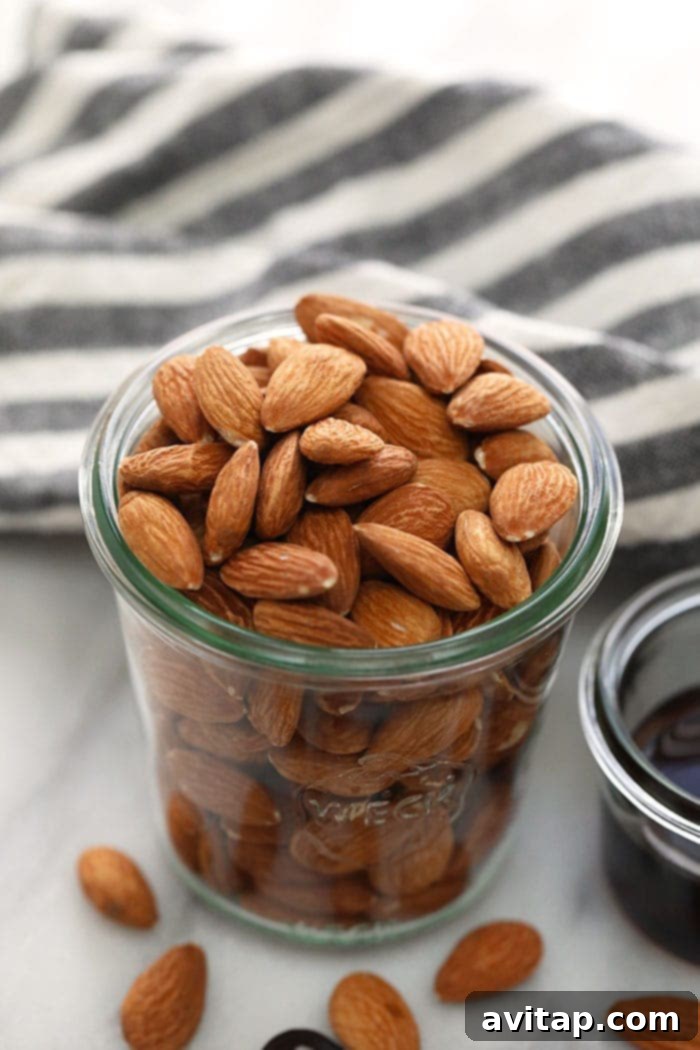
Roasting is an absolutely crucial step for this recipe, as it significantly enhances the natural nutty flavor of the almonds and, more importantly, helps to release their oils, which is key to achieving a smooth, creamy butter. While you can use pre-roasted almonds, roasting them yourself fresh provides the best results. The heat gently toasts the almonds, intensifying their flavor and making them easier to process into butter.
Begin by preheating your oven to 350°F (175°C). Line a baking sheet with parchment paper or tin foil to prevent sticking and make cleanup a breeze. Spread your raw almonds evenly in a single layer on the prepared baking sheet. Drizzle them with maple syrup and sprinkle lightly with sea salt. Use your hands to gently toss the almonds, ensuring each nut is thoroughly and evenly coated with the syrup and salt. This not only adds a touch of sweetness and balances the flavors but also helps in the roasting process.
Roast the almonds for approximately 8-10 minutes. Keep a close eye on them, as they can burn quickly once they start to brown. You’ll know they’re ready when they’re fragrant and lightly golden. Once roasted, remove the baking sheet from the oven and let the almonds cool for 5-10 minutes. They should be completely cool before moving to the next step; this prevents overheating your food processor and helps achieve the right texture.
Step 2: The Art of Processing for Perfect Consistency
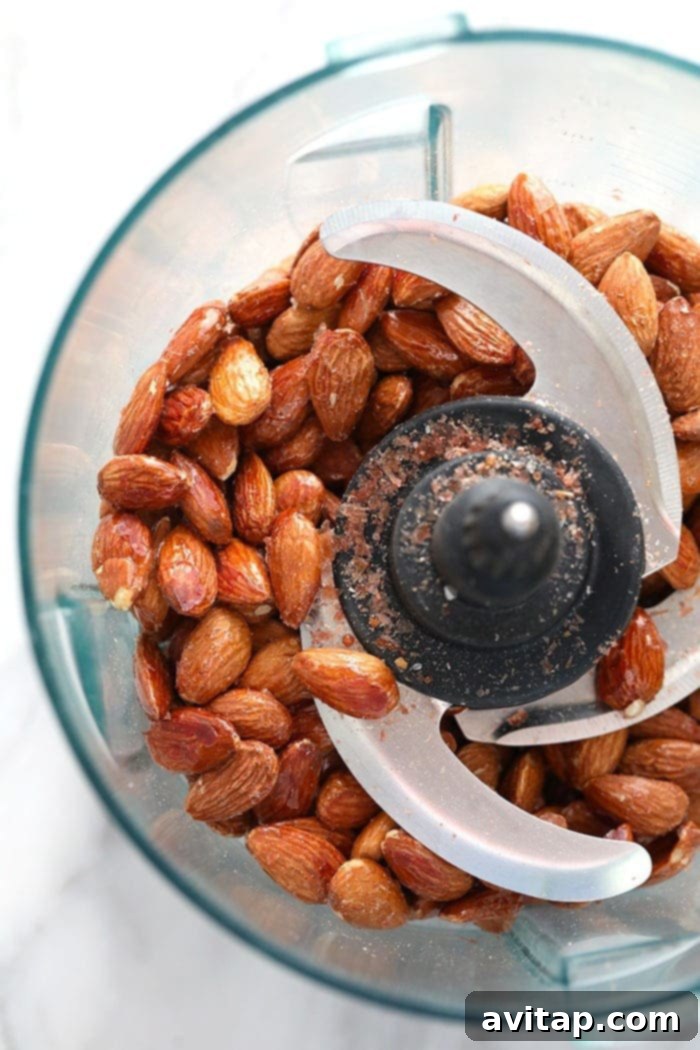
Once your roasted almonds have cooled completely, it’s time for the magical transformation. Carefully transfer all the almonds into a sturdy, high-speed food processor. A powerful food processor, like a Vitamix, is highly recommended for best results, as it can handle the dense almonds and achieve a super smooth consistency without burning out.
Process the almonds on high speed for about 5 minutes. During this time, you’ll observe several stages:
- **Chopped Meal (1-2 minutes):** The almonds will first break down into a coarse meal, resembling flour.
- **Sticky Ball/Clump (2-3 minutes):** The meal will then start to clump together, forming a sticky ball or paste.
- **Thick Paste (3-4 minutes):** The ball will begin to break down into a very thick, somewhat grainy paste.
- **Creamy Butter (4-5+ minutes):** Finally, the oils will fully release, and the paste will transform into a smooth, flowing, and drippy nut butter.
It’s crucial to stop your food processor every minute or so and scrape down the sides with a spatula to ensure all the almonds are evenly processed. If, after 5 minutes, your almond butter has not reached a drippy consistency, don’t worry! This can happen if your almonds were drier or your food processor isn’t quite as powerful. At this point, add in a teaspoon of coconut oil at a time (partially melted if solid) and continue processing. The added fat helps to achieve that desired silky smooth texture. We found that about 3 teaspoons worked perfectly for our batch. Continue processing until it’s beautifully smooth and drippy.
Step 3: Infusing Delicious Flavors
Once your almond butter has reached that perfect, luscious consistency, it’s time to elevate its flavor profile. For this recipe, we’re adding the rich, aromatic paste from half a vanilla bean. Scrape the seeds from the vanilla bean pod directly into the food processor. Give it one final quick whirl to thoroughly incorporate the vanilla throughout the butter. The vanilla bean paste adds an incredible depth and warmth that sets this almond butter apart.
Beyond vanilla, the possibilities for flavoring your homemade almond butter are endless! Get creative and experiment with these delightful additions:
- **Ground Cinnamon:** A classic, comforting spice that pairs beautifully with almonds.
- **Homemade Chai Spices:** For an exotic and warming kick, try adding a teaspoon of your favorite chai spice blend.
- **Honey or Agave:** If you prefer a sweeter profile, add a tablespoon of honey or agave syrup along with the maple syrup during the roasting or processing stage.
- **Cocoa Powder:** Transform it into a decadent chocolate almond butter for a healthier sweet treat.
- **Espresso Powder:** A touch of espresso powder can deepen the flavor and add a subtle coffee note.
- **Pumpkin Pie Spice:** Perfect for autumn, this blend adds warmth and seasonal charm.
- **Orange Zest:** For a bright, citrusy twist.
Step 4: Savor and Store Your Homemade Creation
Congratulations, you’ve just made your very own batch of creamy, flavorful almond butter! Now comes the best part: enjoying it. Spoon it directly from the food processor for a taste test, or transfer it into an airtight container or jar. It’s best stored in the refrigerator or a cool, dark pantry to maintain its freshness and extend its shelf life.
With your fresh homemade almond butter now on hand, you’re ready to explore countless culinary possibilities. Be sure to check out some of our other fantastic recipes on Fit Foodie Finds that beautifully incorporate almond butter. You’re welcome!
Frequently Asked Questions About Almond Butter
Both almond butter and peanut butter are excellent, healthy nut butter options, each offering unique benefits and boasting similar nutrition profiles. Almond butter often contains slightly more vitamins (like Vitamin E) and minerals (magnesium, iron, calcium), while peanut butter might have a bit more protein and folate. The “healthier” choice often comes down to individual dietary needs, preferences, and potential allergies. Both are great sources of healthy fats, protein, and fiber.
Almond butter is incredibly versatile and can be used in almost any way you would use peanut butter. It pairs wonderfully with fresh fruit (like apples, bananas, or berries), spread on whole-grain toast or rice cakes, swirled into oatmeal or yogurt, blended into smoothies for extra creaminess, or used as a base for sauces, dressings, and baked goods. It’s also delicious simply enjoyed by the spoonful!
For store-bought almond butter, refrigeration is generally not strictly necessary before opening, but it can extend its shelf life and prevent oil separation. Once opened, especially for natural almond butter without stabilizers, refrigeration is often recommended to maintain freshness and slow down rancidity. For homemade almond butter, which contains no preservatives, **refrigeration is highly recommended** to keep it fresh for up to 3 months.
Often, making your own almond butter might not be significantly cheaper than buying mass-produced varieties, especially if you purchase almonds at regular retail prices. However, if you can find raw almonds on sale or buy them in bulk, the cost savings can be substantial. The main advantages of homemade almond butter are superior freshness, the ability to control ingredients (no added sugars or oils), and customized flavor profiles, making it a valuable choice beyond just price.
If your almond butter is struggling to achieve a creamy consistency, there are a few common reasons. Firstly, it might simply need more processing time. Nuts go through several stages (crumbly, sticky ball, thick paste) before releasing their oils and becoming smooth. Be patient and keep processing. Secondly, your food processor might not be powerful enough, or the almonds might be a bit dry. Adding a teaspoon of a neutral oil, like coconut oil (partially melted) or a high-quality, flavorless oil (e.g., avocado oil) one at a time, can help facilitate the oil release and achieve that coveted drippy texture. Ensure your food processor is running on high speed.
When additional oil is needed to help achieve a super smooth or drippy consistency in homemade nut butter, coconut oil is a very popular choice due to its neutral flavor and good texture. Partially melted coconut oil blends in seamlessly. Other commonly used oils include palm oil (though sourcing sustainable palm oil is a consideration), or a neutral, healthy oil like avocado oil or light olive oil. These oils help lubricate the nuts and aid in the processing, especially if the nuts are a bit dry or the food processor needs a boost.
Creative Ways to Enjoy Your Homemade Almond Butter
Having a fresh batch of homemade almond butter opens up a world of delicious possibilities. Here are some fantastic ways to incorporate your creamy creation into your daily meals and snacks:
Smoothies: Elevate your morning smoothie by adding a generous dollop of almond butter. It adds healthy fats, protein, and a creamy texture. Try it on one of our smoothie bowls or effortlessly swap it for peanut butter in our peanut butter banana smoothie for a delightful twist.
Almond Butter Cups: Move over peanut butter cups! Indulge in the rich, sophisticated flavor of homemade almond butter cups. These treats are simple to make and incredibly satisfying.
Almond Butter Cookies: Take your cookie game to the next level by substituting almond butter for peanut butter. Our chocolate chunk almond butter cookies are a soft, chewy, and irresistibly delicious alternative.
Toast Topping: Sometimes, the simplest pleasures are the best. Spread a thick layer of almond butter on your favorite toast, then top with sliced bananas, berries, a sprinkle of chia seeds, or a drizzle of honey for a quick, nutritious, and satisfying snack or breakfast.
Banana Bread Muffins: Infuse your baked goods with nutty goodness. Our almond butter banana bread muffins offer a moist, flavorful twist on a classic comfort food, perfect for breakfast or a healthy treat.
Energy Bites: Combine almond butter with oats, honey, and other mix-ins to create no-bake energy bites for a convenient and healthy snack on the go.
Dressings & Sauces: Whisk almond butter into savory dressings for salads or use it to thicken Asian-inspired sauces for noodles or stir-fries, adding a creamy, nutty depth.
Proper Storage for Homemade Almond Butter
Homemade almond butter, free from the preservatives found in most store-bought brands, has a slightly shorter but still generous shelf life. To ensure maximum freshness and flavor, proper storage is key.
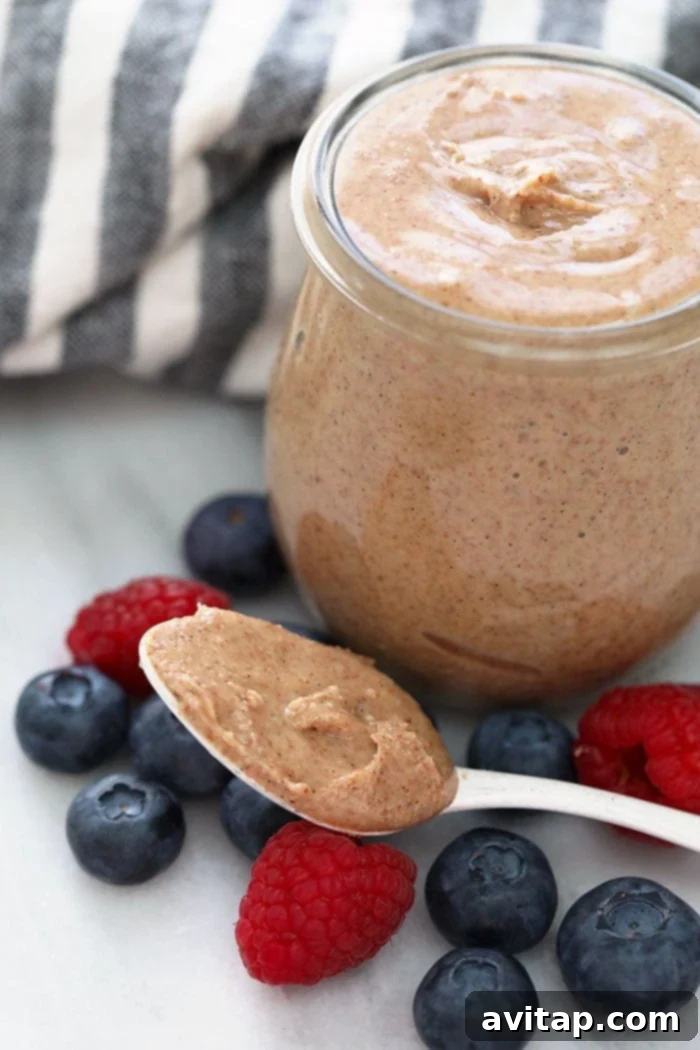
Once your almond butter is made, transfer it immediately into a clean, airtight container or mason jar. It will store beautifully in a cool, dark pantry or cupboard for up to 1 month. For extended freshness, especially in warmer climates or if you’ve made a large batch, **refrigeration is highly recommended**. When stored in the refrigerator, homemade almond butter can last for up to 3 months.
Over time, you might notice some natural oil separation in your homemade almond butter. This is perfectly normal and indicates a lack of emulsifiers. Simply stir the butter vigorously with a spoon or knife to reincorporate the oils before each use. If your almond butter appears to be dry, discolored, or develops an off-smell, it’s a sign that it may have gone rancid and should be discarded. Always use clean utensils when scooping out almond butter to prevent contamination and further extend its shelf life.
Discover More Delights…
More Recipes Featuring Almond Butter
- Almond Butter Waffles
- Almond Butter Chocolate Chip Cookie Bars
- Pumpkin Almond Butter Freezer Fudge
- Almond Butter Brown Rice Crispy Treats
- Thin Mint Almond Butter Cups
How to Make Homemade Vanilla Bean Almond Butter
Prep:
5
Cook:
10
Total:
15
Print Recipe
Ingredients
- 2 cups raw almonds
- 2 tablespoons maple syrup
- paste from 1/2 vanilla bean
- sea salt, to taste
- optional: 1-4 teaspoons coconut oil, partially melted
Instructions
-
First, preheat your oven to 350ºF (175°C). Then, line a baking sheet with tin foil or parchment paper. Place the raw almonds on the baking sheet and drizzle them with maple syrup, followed by a sprinkle of sea salt. Toss the almonds gently to ensure they are evenly coated and spread out in a single layer on the baking sheet.
-
Roast the coated almonds in the preheated oven at 350ºF (175°C) for 8-10 minutes, or until fragrant and lightly golden. Remove them from the oven and let them cool completely on the baking sheet for at least 10 minutes.
-
Once the almonds have completely cooled, transfer them into a high-speed food processor. (A powerful processor like a Vitamix is recommended for best results.) Process on high for about 5 minutes, stopping as needed to scrape down the sides of the bowl. The almonds will go from chopped meal to a sticky ball, then to a thick paste, and finally to a drippy nut butter. If, after 5 minutes, your almond butter has not reached a smooth, drippy consistency, add in a teaspoon of coconut oil (partially melted if solid) at a time. Continue processing until it achieves the desired smooth, flowing texture. We typically use about 3 teaspoons.
-
Once the almond butter is at your desired consistency, scrape the paste from 1/2 a vanilla bean into the food processor. Give it one last short whirl to ensure the vanilla is thoroughly mixed in.
-
Transfer the freshly made almond butter into a mason jar or any other airtight container for storage.
Tips & Notes
Watch the Video Tutorial
For a visual guide on making this delicious almond butter, check out our tutorial video!
Nutrition
Carbohydrates: 10 g,
Protein: 8 g,
Fat: 15 g,
Fiber: 3 g,
Sugar: 4 g
Nutrition information is automatically calculated, so should only be used as an approximation. Actual values may vary based on exact ingredients and preparation methods.
Love this recipe? Share your thoughts below!
Don’t forget to tag your posts on social media with the hashtag #fitfoodiefinds – we’d absolutely love to see your delicious creations!