
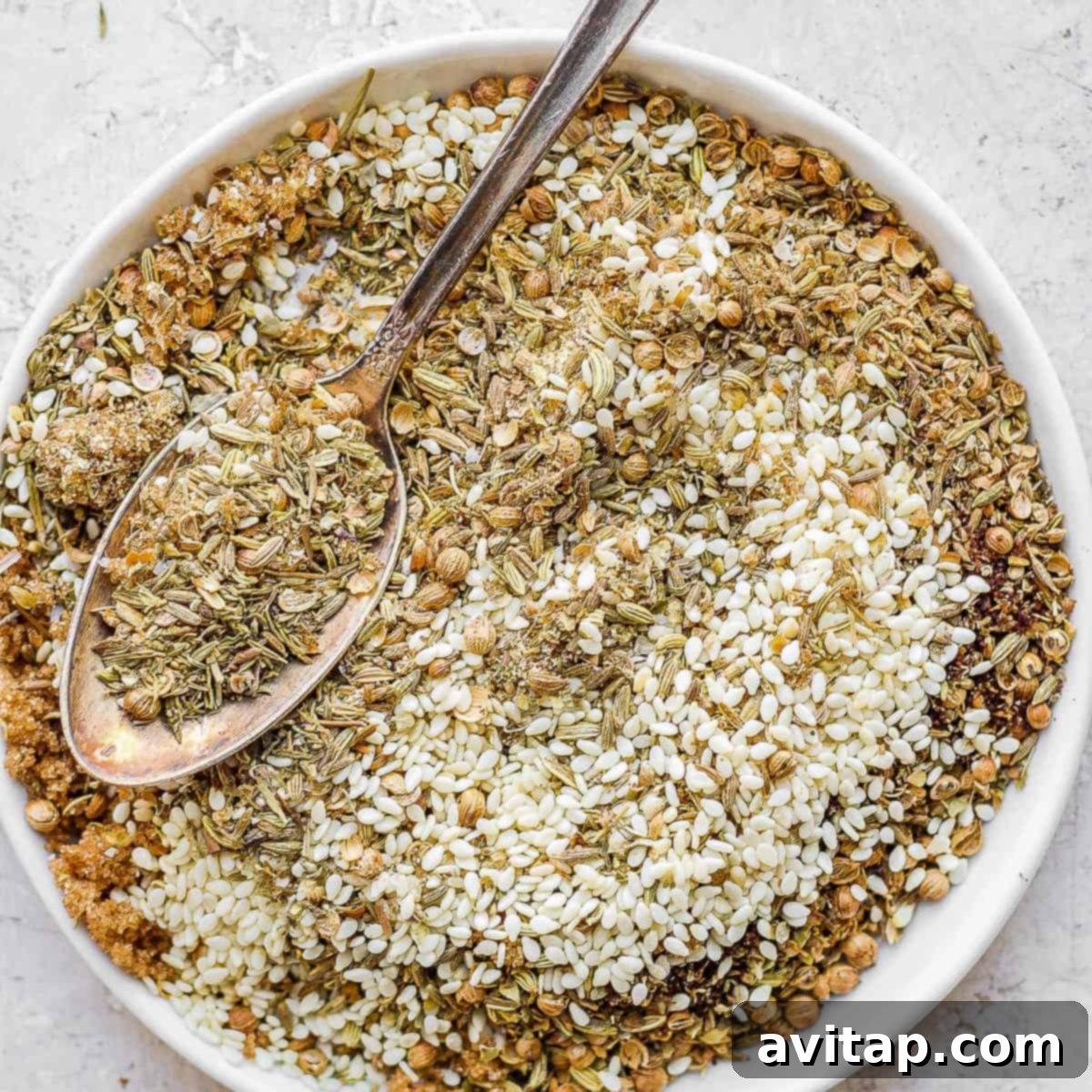
Homemade Za’atar Seasoning: Your Guide to the Iconic Middle Eastern Spice Blend
Embark on a culinary journey with our exquisite homemade Za’atar seasoning recipe! This vibrant Middle Eastern spice blend is a true masterpiece, perfectly balancing savory, subtly sweet, and rich umami notes. Forget store-bought mixes laden with fillers; crafting your own Za’atar ensures peak freshness, superior flavor, and complete control over every ingredient. Whether you’re enhancing roasted vegetables, creating a flavorful dry rub for meats, or elevating your morning scrambled eggs, this versatile seasoning promises to transform your dishes with its distinctive aromatic profile.
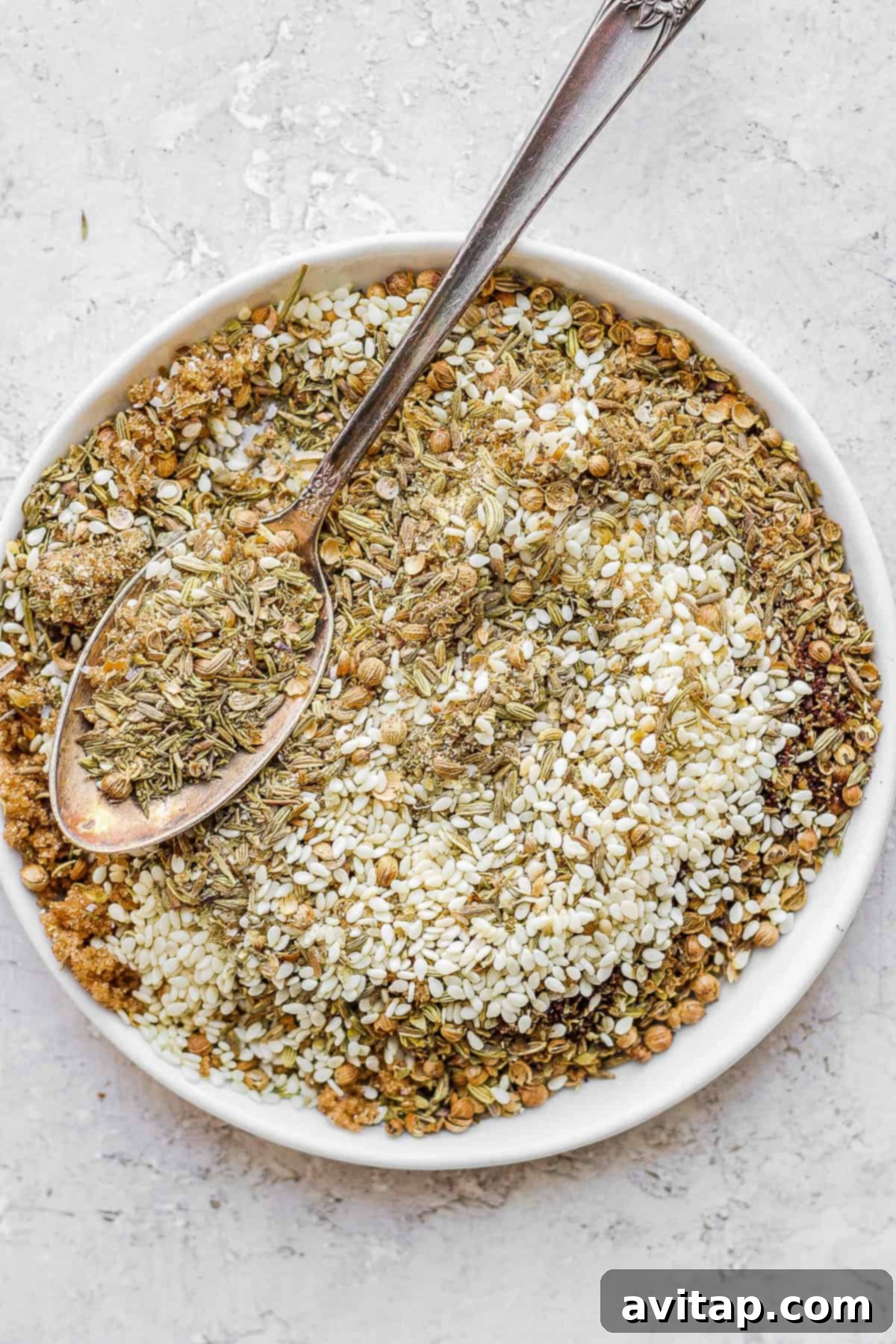
What Exactly is Za’atar Seasoning? Unveiling the Middle Eastern Treasure
Za’atar isn’t just a spice blend; it’s a culinary institution in the Middle East, deeply rooted in the region’s rich gastronomic history. The word “Za’atar” itself can refer to both the herb (often wild thyme or hyssop) and the resulting spice mixture. While recipes vary significantly from one country or even family to another, the core components typically include dried thyme, oregano, marjoram, sumac, and toasted sesame seeds, often with a touch of salt. This blend delivers a unique flavor profile that is simultaneously earthy, tangy, herbaceous, and nutty. Its versatility knows no bounds, making it a beloved staple in countless Middle Eastern kitchens.
Historically, Za’atar was a symbol of sustenance and health. Its ingredients were readily available and thought to have medicinal properties. Today, it remains a testament to the region’s ability to create complex and deeply satisfying flavors from simple, natural ingredients. The bright, lemony tang of sumac beautifully complements the earthy, peppery notes of thyme and oregano, while the sesame seeds add a delightful crunch and nutty depth. This intricate balance is what makes Za’atar so captivating and addictive.
Why You’ll Love Making Your Own Homemade Spice Blends
There’s immense satisfaction and numerous benefits to preparing your own spice blends at home. This Za’atar recipe is a perfect starting point, showcasing why homemade is almost always better:
- Unrivaled Freshness & Potency: Store-bought spices often sit on shelves for extended periods, losing their aromatic oils and flavor intensity. By grinding and blending your own, you capture the peak freshness and potency of each ingredient, resulting in a significantly more flavorful seasoning.
- Complete Salt Control: Many commercial spice blends contain excessive amounts of sodium or even hidden fillers and anti-caking agents. When you make Za’atar at home, you dictate the exact amount of salt, allowing you to tailor it to your dietary needs and taste preferences. This is a game-changer for healthier cooking.
- Tailored Flavor Profiles: Ever wished a seasoning was a little tangier, sweeter, or had more herbal notes? Homemade blends empower you to customize. Adjust the ratios of sumac for more tang, brown sugar for sweetness, or even add a pinch of chili flakes for a subtle kick. You truly can make it your own signature blend.
- Cost-Effective: While the initial purchase of individual whole spices might seem like an investment, in the long run, buying spices in bulk and blending them yourself is often more economical than repeatedly purchasing pre-mixed, small-batch commercial seasonings.
- No Hidden Additives: Say goodbye to artificial colors, flavors, or preservatives. Your homemade Za’atar will be pure, natural, and free from any unwanted extras.
- A Fun & Rewarding Process: There’s a unique joy in the process of creating something from scratch. The aroma of freshly ground spices filling your kitchen is an experience in itself, connecting you more deeply with your food.
Essential Ingredients for Authentic Za’atar Seasoning
For precise measurements and detailed instructions, please refer to the recipe card below.
Crafting this incredible Za’atar requires a thoughtful selection of high-quality ingredients, each contributing to its distinctive profile. Here’s a closer look at what you’ll need:
- Fennel Seeds: These aromatic seeds provide a subtle sweetness and a hint of licorice-like flavor, adding complexity to the blend. Grinding them fresh is key to releasing their full aroma.
- Cumin Seeds: Essential for their warm, earthy, and slightly pungent notes, cumin seeds are a cornerstone of many Middle Eastern spice blends.
- Coriander Seeds: Offering a bright, citrusy, and slightly sweet flavor, coriander seeds complement the earthiness of cumin and thyme beautifully.
- Dried Thyme: Often considered the heart of Za’atar, dried thyme brings robust, savory, and slightly minty notes. Opt for good quality dried thyme for the best results.
- Oregano: Adding a peppery, slightly bitter, and aromatic layer, oregano enhances the herbaceous depth of the blend.
- Marjoram: A close cousin to oregano, marjoram contributes a milder, sweeter, and more delicate herbaceous flavor, rounding out the herbal notes.
- Ground Sumac: This vibrant, tart spice is what gives Za’atar its characteristic tangy, lemony zing and beautiful reddish hue. It’s indispensable for an authentic flavor.
- Kosher Salt: Provides essential seasoning and helps to balance all the other flavors. Adjust to your preference.
- Granulated Garlic: Adds a foundational savory depth without the moisture of fresh garlic.
- Brown Sugar: A touch of brown sugar introduces a subtle sweetness that perfectly balances the tangy sumac and earthy herbs, enhancing the overall umami.
- White Sesame Seeds: These add a wonderful nutty flavor and a crucial textural component to Za’atar. They should remain whole, providing a delightful crunch.
How to Make Homemade Za’atar Seasoning: A Simple Process
For a comprehensive list of ingredients and step-by-step instructions, please scroll down to the recipe card.
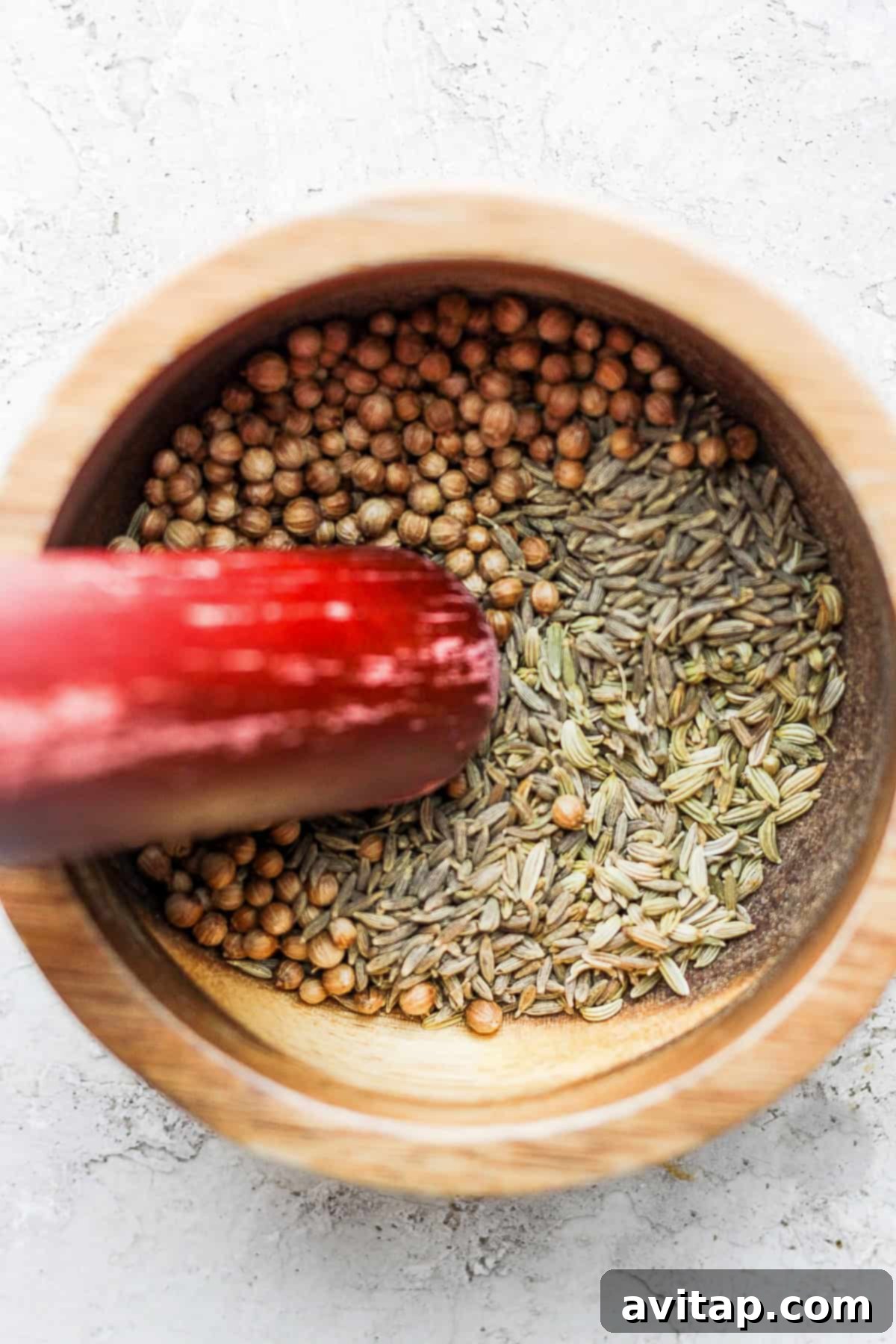
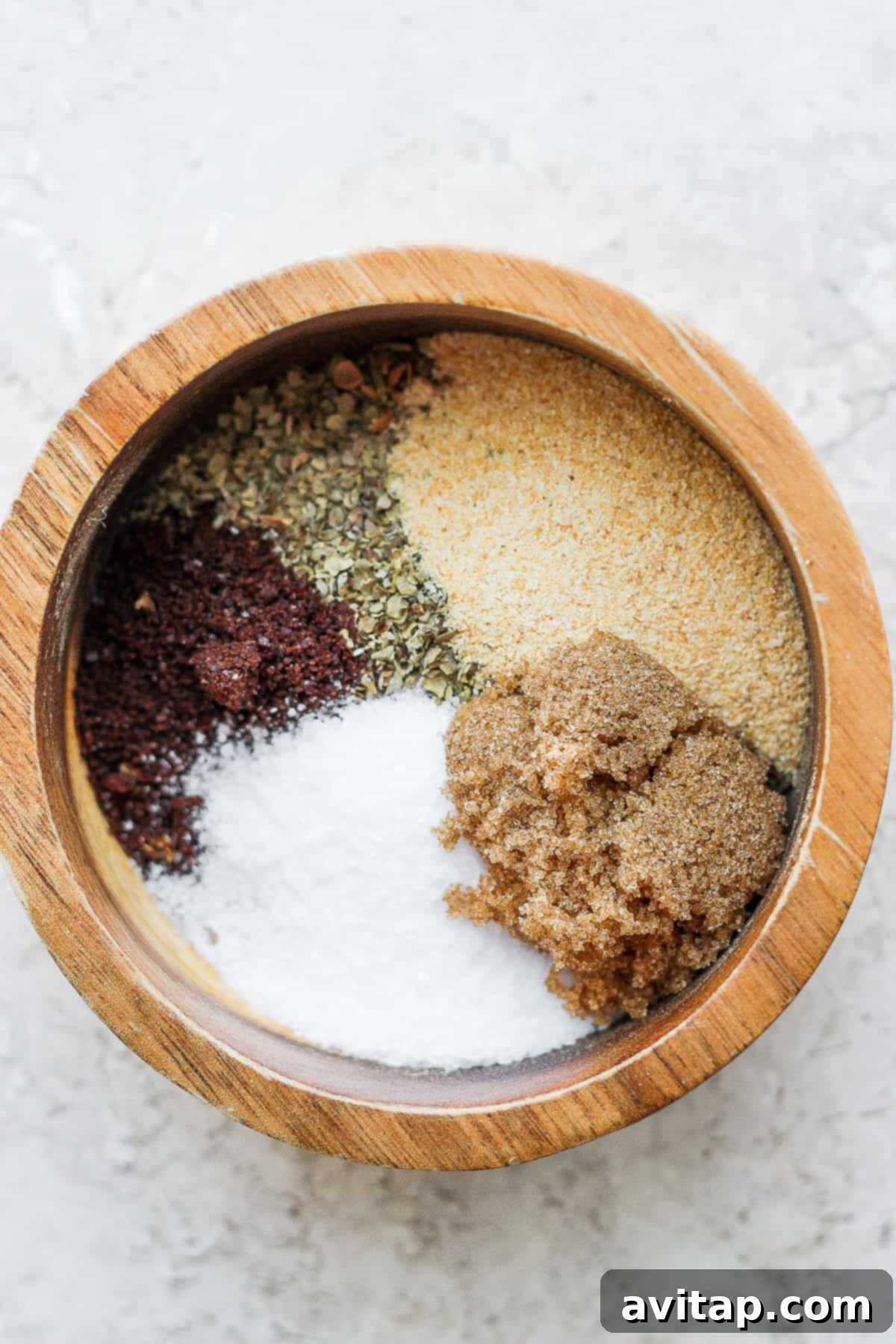
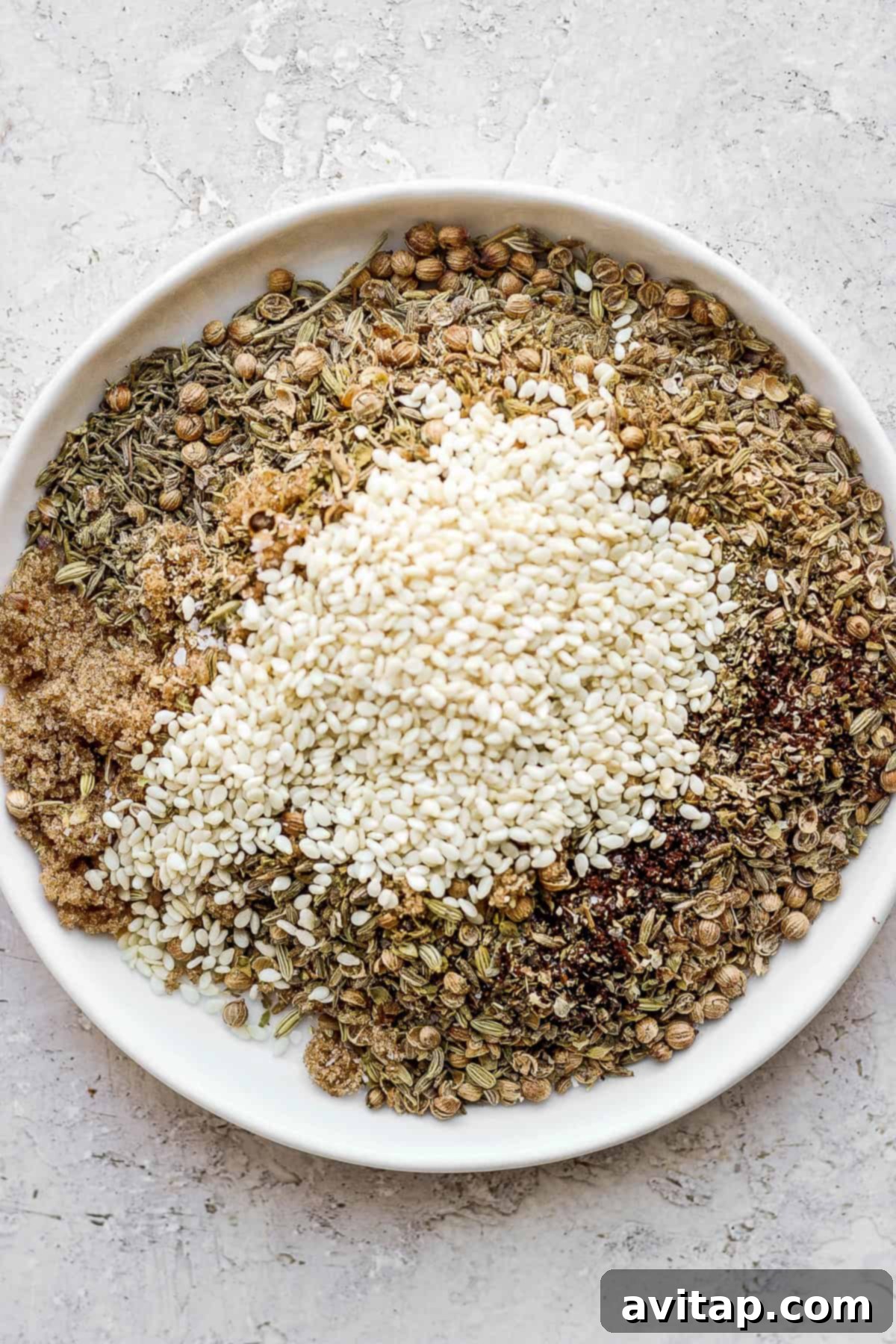
- Prepare Whole Seeds: Begin by placing your fennel seeds, cumin seeds, and coriander seeds into a mortar and pestle. Grinding these whole spices fresh is crucial for unlocking their most potent aromas and flavors. Work them patiently until they become fragrant and are no longer entirely whole, achieving a coarsely ground texture.
- Combine Dried Herbs and Flavorings: Next, add the dried thyme, oregano, marjoram, ground sumac, kosher salt, granulated garlic, and brown sugar to the mortar and pestle. Gently combine all these ingredients with the previously ground seeds. The goal here is to integrate the flavors without over-grinding the dried herbs, maintaining some texture.
- Incorporate Sesame Seeds: Finally, add the white sesame seeds to the mixture. Gently toss them with the other spices until evenly distributed. It’s important NOT to use the pestle to grind the sesame seeds; they are meant to remain whole, contributing a distinct nutty crunch and visual appeal to the finished blend.
- Store Your Fresh Za’atar: Once thoroughly mixed, transfer your freshly made Za’atar seasoning into an airtight jar or container. Store it in a cool, dark place away from direct sunlight and heat to maintain its freshness and potency for up to six months.
Pro Tips for Crafting Your Ultimate Za’atar Seasoning
Elevate your Za’atar game with these helpful tips and customization ideas:
- Mortar and Pestle Alternatives: While a mortar and pestle is ideal for grinding whole spices and releasing their essential oils, don’t fret if you don’t own one. A clean coffee grinder can work wonders for crushing the seeds. Just be sure to thoroughly clean it first to remove any coffee residue that could impart unwanted flavors. A small spice grinder is also an excellent alternative.
- Achieving a More Savory Profile: If you prefer a Za’atar that leans more towards savory and less sweet, consider increasing the quantities of certain ingredients. Try adding an extra 1 teaspoon of ground sumac for a heightened tanginess and 1/2 teaspoon of granulated garlic for deeper umami notes. You can also slightly reduce the brown sugar.
- For a Sweeter Touch: Conversely, if your palate craves a sweeter Za’atar to complement certain dishes, feel free to adjust the brown sugar. Increase it from 2 teaspoons to a full tablespoon, or even a bit more, until it reaches your desired sweetness level.
- Toasting for Depth: For an even richer and nuttier flavor, lightly toast the fennel, cumin, coriander, and sesame seeds in a dry skillet over medium-low heat for 2-3 minutes before grinding. Be careful not to burn them, as this can make the blend bitter. Let them cool completely before proceeding with the recipe.
- Quality Ingredients Matter: The flavor of your Za’atar is directly dependent on the quality and freshness of your individual spices. Source high-quality, fragrant whole spices whenever possible for the most impactful blend.
Kitchen Essentials
Glass Spice Jars
Keep your homemade spices fresh and your pantry organized with this stylish set of empty glass spice jars!
Endless Culinary Uses for Your Homemade Za’atar Seasoning
Za’atar is incredibly versatile, lending its distinctive flavor to an astonishing array of dishes. Once you have a batch of this homemade goodness, you’ll find yourself reaching for it constantly:
- Meats and Seafood: Use it as a vibrant dry rub for chicken, lamb, beef, or fish before roasting, grilling, or pan-frying. It creates a beautiful crust and infuses deep flavor. Try it with salmon or shrimp for a delightful Mediterranean twist.
- Roasted Vegetables: A sprinkle of Za’atar is all it takes to transform simple roasted vegetables like potatoes, carrots, cauliflower, or Brussels sprouts into something extraordinary. Toss with olive oil and Za’atar before roasting.
- Eggs: Elevate your breakfast! Sprinkle Za’atar over soft scrambled eggs, sunny-side-up eggs, or even an omelet for an instant flavor boost.
- Salad Dressings: Whisk Za’atar into your favorite vinaigrette for a tangy, herbaceous dressing that pairs wonderfully with Mediterranean-inspired salads.
- Dips and Spreads: Mix it into hummus, labneh (strained yogurt), or creamy feta dips. Serve with warm pita bread or fresh vegetables. You can also simply mix it with olive oil for a classic Za’atar dipping sauce.
- Bread and Pastries: The most classic use! Drizzle flatbreads or pita with olive oil, sprinkle generously with Za’atar, and bake until crisp. It’s also fantastic folded into savory pastries or focaccia dough.
- Grains and Legumes: Stir Za’atar into cooked quinoa, couscous, rice, or lentil salads for an added layer of flavor and aroma.
- Marinades: Combine Za’atar with olive oil, lemon juice, and a little garlic for a quick and flavorful marinade for poultry, fish, or vegetables.
Try This Recipe!
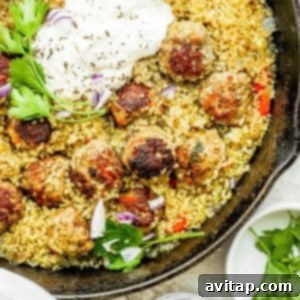
One Pot Za’atar Meatballs and Couscous
Put your freshly made Za’atar seasoning to fantastic use with our incredible one-pot Za’atar meatballs and couscous skillet. A quick, flavorful, and satisfying meal!
Storing Your Homemade Za’atar for Maximum Freshness
Proper storage is essential to preserve the vibrant flavors and aromas of your freshly made Za’atar seasoning. To ensure it remains potent and delicious, transfer the blend to an airtight container immediately after preparation. Glass jars with tight-fitting lids are ideal. Store the container in a cool, dark pantry or cupboard, away from direct sunlight, heat sources, and humidity. Avoid storing it near the stove, as heat can degrade the spices quickly.
When stored correctly, your homemade Za’atar seasoning will retain its peak flavor and aroma for up to 6 months. While it may still be safe to consume beyond this period, its intensity will gradually diminish. For the best culinary experience, aim to use your batch within this timeframe. Consider making smaller batches more frequently if you don’t use it often, ensuring you always have the freshest possible blend on hand.
Explore More Homemade Seasoning Recipes
Making your own spice blends is a fantastic way to save money, control sodium intake, and avoid unwanted additives. We love keeping our pantry stocked with a variety of homemade spice blends for every occasion. Once you master this Za’atar, explore other popular blends:
More of our Favorite Blends:
Our Top Spice Blend Recipes
- Flavorful Turkey Seasoning
- Easy Pot Roast Seasoning
- Everything Bagel Seasoning
- Steak Taco Seasoning
- Smoked Chicken Dry Rub
Za’atar Seasoning Recipe
This homemade Za’atar seasoning is a delightful blend that brings authentic Middle Eastern flavors to your kitchen. It’s incredibly versatile and perfect for enhancing roasted vegetables, meats, eggs, and more. With just a few simple steps, you’ll have a fresh, flavorful batch ready to transform your meals.
By: Emily Richter
Quick Stats:
- Prep Time: 5 mins
- Cook Time: 0 mins
- Total Time: 5 mins
- Servings: 24 (approximately 1/4 cup total)
Ingredients
- 1 tablespoon fennel seeds
- 1 tablespoon cumin seeds
- 1 teaspoon coriander seeds
- 1 tablespoon dried thyme
- ½ tablespoon oregano
- 2 teaspoons marjoram
- 1 tablespoon ground sumac
- 2 teaspoons kosher salt
- 1 teaspoon granulated garlic
- 2 teaspoons brown sugar
- 1 tablespoon white sesame seeds
Instructions
- Grind Whole Seeds: Place the fennel seeds, cumin seeds, and coriander seeds into a mortar and pestle. Grind them until they are fragrant and coarsely crushed, no longer entirely whole.
- Combine Dried Herbs and Spices: Add the dried thyme, oregano, marjoram, ground sumac, kosher salt, granulated garlic, and brown sugar to the mortar and pestle. Gently mix all ingredients until well combined.
- Add Sesame Seeds: Incorporate the white sesame seeds into the spice mixture. Toss gently to combine. Ensure the sesame seeds remain whole; do not grind them with the pestle.
- Store Properly: Transfer your freshly made Za’atar seasoning to an airtight jar or container. Store it in a cool, dark, and dry place to maintain its potency.
Tips & Notes
- No Mortar & Pestle? No Problem! If you don’t have a mortar and pestle, a clean coffee grinder (ensure no coffee residue) or a dedicated spice grinder can be used to crush the whole seeds.
- Customize Your Flavor: For a more savory blend, add an extra 1 teaspoon of sumac and 1/2 teaspoon of granulated garlic. For a sweeter profile, increase the brown sugar from 2 teaspoons to a tablespoon.
- Toasted Seeds for Depth: For an enhanced nutty flavor, lightly toast the whole seeds (fennel, cumin, coriander, and sesame) in a dry skillet over low heat for a few minutes until fragrant, then let them cool before grinding.
Nutrition Information (Approximate Per Serving)
- Calories: 36 kcal
- Carbohydrates: 4 g
- Protein: 1 g
- Fat: 2 g
- Fiber: 1 g
- Sugar: 1 g
Nutrition information is automatically calculated and should be used as an approximation.
Love this recipe? Share your thoughts!
We’d love to hear how you use your homemade Za’atar! Don’t forget to tag your culinary creations on social media with the hashtag #fitfoodiefinds.