
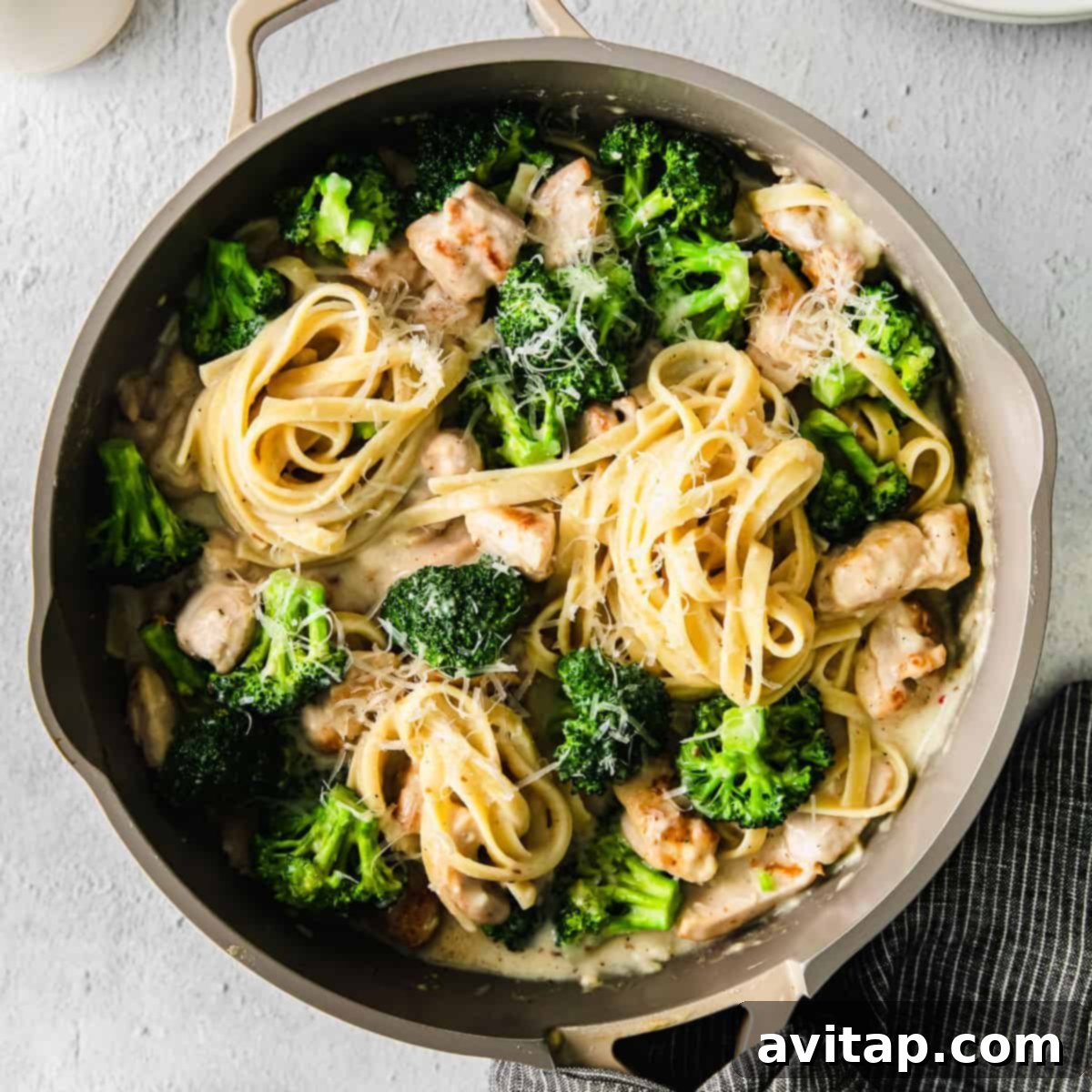
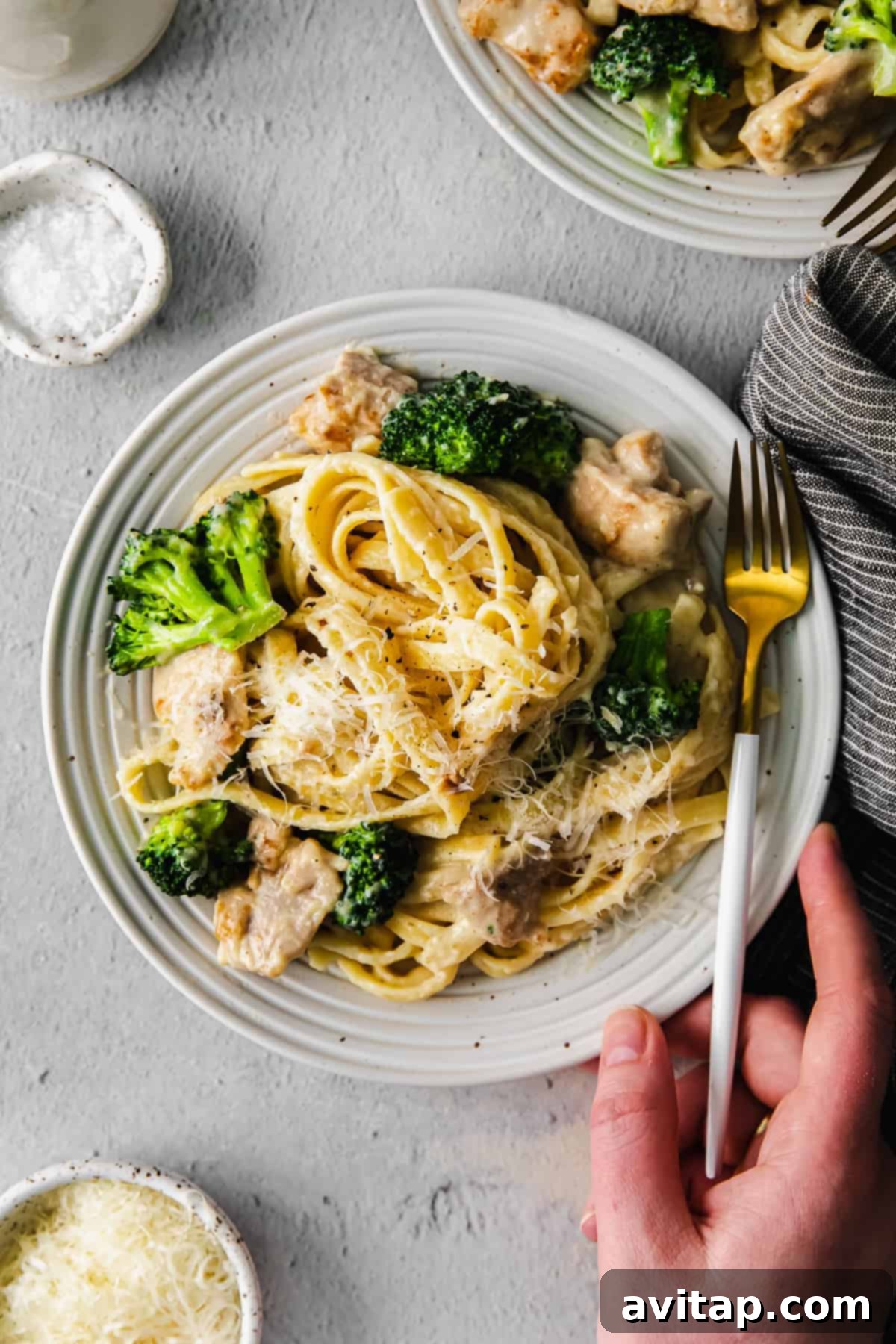
Discover the ultimate weeknight dinner solution with this incredibly simple and satisfying **chicken broccoli alfredo recipe**. It masterfully combines tender, pan-seared chicken, fresh broccoli florets, and a rich, cheesy homemade alfredo sauce crafted from a classic roux. This dish isn’t just easy to make; it’s a perfectly balanced meal that promises comfort and flavor in every bite, making it a staple for busy families and culinary enthusiasts alike.
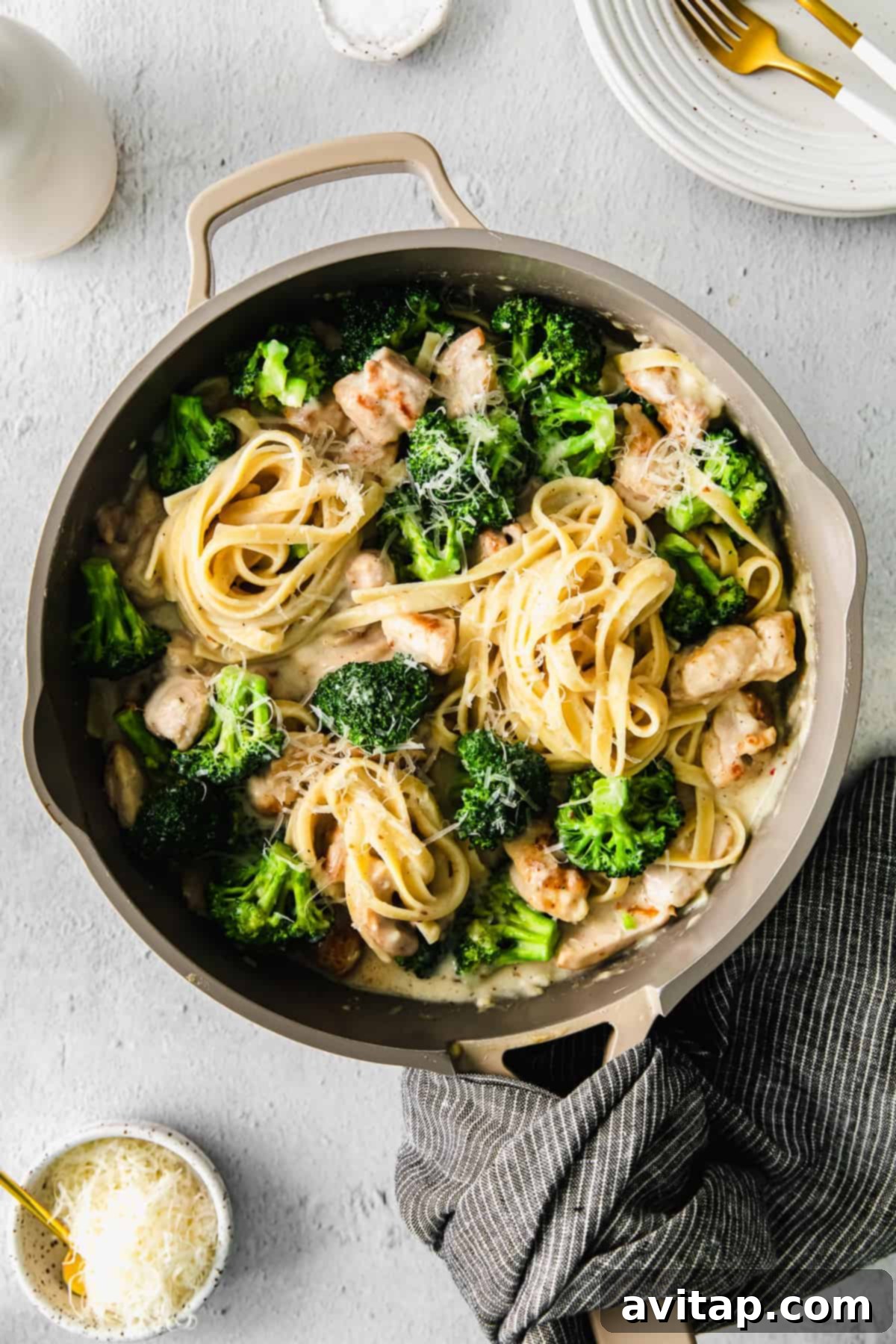
Chicken Broccoli Alfredo – Your Go-To 30-Minute Meal
Get ready to elevate your dinner game with a meal you’ll absolutely adore. This chicken broccoli alfredo isn’t just a recipe; it’s a promise of a creamy, nutrient-packed, and flavor-rich dinner that comes together in under 30 minutes. It’s the ideal choice for those hectic evenings when you crave something wholesome and delicious without spending hours in the kitchen. With a generous serving of protein from succulent chicken and essential vitamins from fresh broccoli, it’s a meal that truly satisfies.
Flexibility is key! While we recommend boneless, skinless chicken thighs for their juicy texture, chicken breasts work beautifully too. Feel free to experiment with other vegetables like bell peppers, mushrooms, or even spinach to make this dish uniquely yours.
Why This Chicken Broccoli Alfredo Is a Family Favorite
There are countless reasons why this creamy chicken and broccoli pasta dish deserves a permanent spot in your recipe rotation. It’s more than just a quick meal; it’s a versatile and satisfying experience.
- Healthy Comfort Food at Its Best: This recipe perfectly marries the indulgent creaminess of alfredo with the nutritional benefits of lean protein and fresh vegetables. It’s soul-warming without feeling heavy, offering a guilt-free way to enjoy a classic comfort dish. The homemade sauce ensures you control the ingredients, making it a healthier alternative to store-bought options.
- Kid-Friendly Perfection: Even the pickiest eaters will find something to love about this dish. The mild, cheesy sauce coats the pasta beautifully, and the bite-sized chicken and tender broccoli are easy for little ones to enjoy. It’s a fantastic way to introduce vegetables into their diet in a deliciously disguised manner.
- A Smart Way to Use Up Broccoli: If you often find yourself with leftover broccoli, this recipe is your answer. It transforms simple florets into a star ingredient, absorbing the rich flavors of the alfredo sauce and adding a wonderful texture and nutritional boost to the pasta.
- Lightning Fast – Ready in Under 30 Minutes: Time is precious, and this recipe respects that. With just a few simple steps, you can have a gourmet-tasting meal on the table in less than half an hour. The simultaneous preparation of chicken, pasta, and broccoli streamlines the cooking process, making it incredibly efficient for busy weeknights.
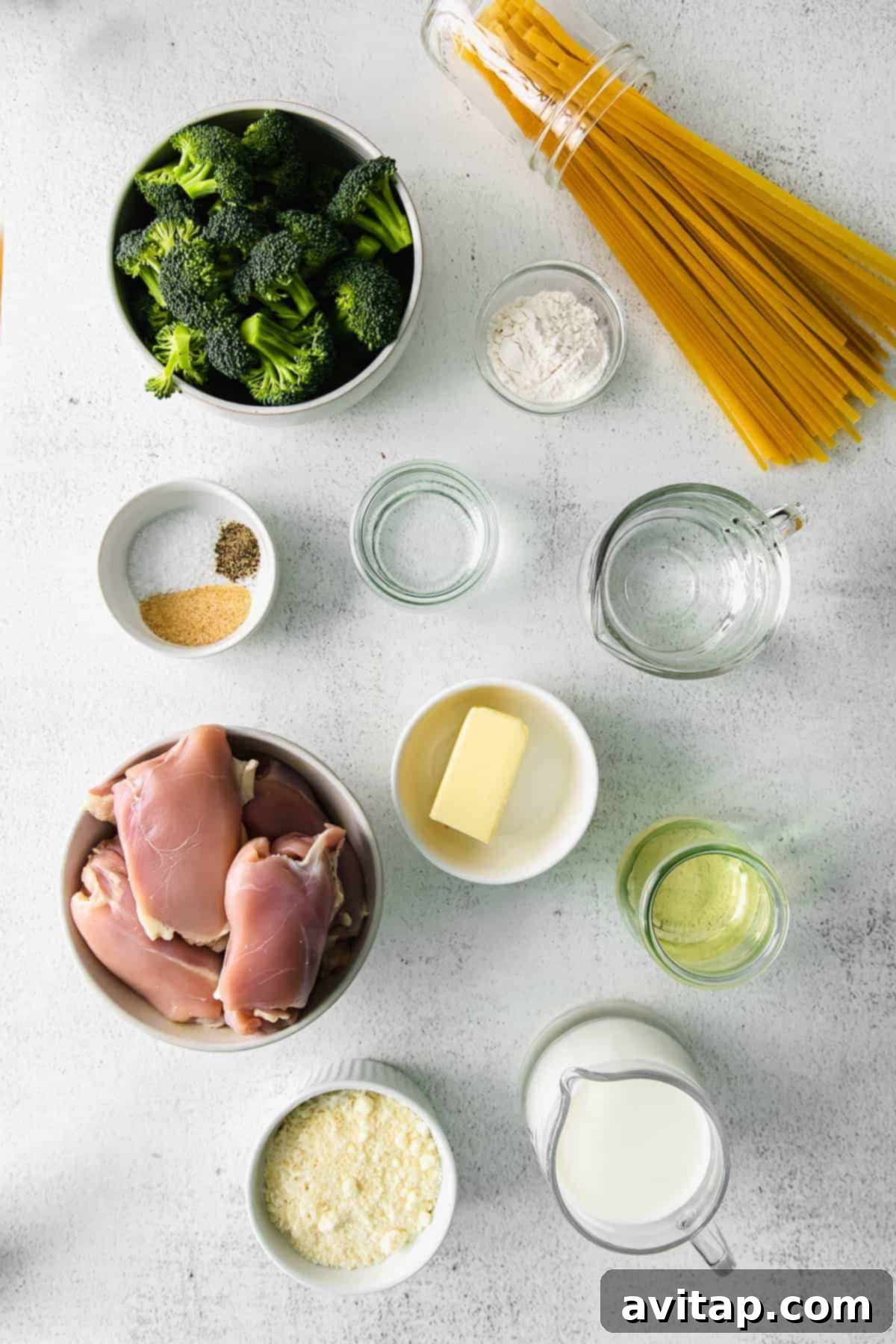
Essential Ingredients for Your Creamy Alfredo
Crafting this easy weeknight dinner requires a straightforward list of ingredients, most of which you likely already have in your pantry or can easily find at your local grocery store. Each component plays a crucial role in building the dish’s incredible flavor and texture:
- **Boneless Skinless Chicken Thighs:** Our top recommendation for juicy, flavorful chicken. Thighs stay moist during cooking and absorb flavors wonderfully. You can substitute with chicken breasts if preferred, though they may require slightly less cooking time and can be prone to drying out if overcooked.
- **Broccoli Florets:** The quintessential partner to chicken in this alfredo. Cut them into uniform, bite-sized pieces for even cooking and easy eating. Fresh broccoli is ideal, but frozen can be used in a pinch (thaw first).
- **All-Purpose Flour:** This is the base for our roux, acting as the thickening agent for the creamy alfredo sauce. It creates a smooth, luscious texture.
- **Salted Butter:** Essential for both sautéing the chicken and forming the roux. Butter adds richness and a silky mouthfeel to the sauce. If using unsalted butter, remember to adjust the salt content in the recipe.
- **2% Milk:** The primary liquid for our alfredo sauce, contributing to its creamy consistency. Whole milk will yield an even richer sauce, while skim milk will result in a lighter version. Non-dairy milk alternatives like unsweetened almond or oat milk can also be used for a dairy-free option, though the flavor and texture may vary slightly.
- **Dry White Wine:** A secret weapon for deglazing the pan and adding a subtle tang and brightness that cuts through the richness of the alfredo. Chardonnay or Pinot Grigio are excellent choices. If you prefer to cook without alcohol, chicken broth or vegetable broth can be used as a substitute, though the flavor profile will be slightly different.
- **Starchy Pasta Water:** Do NOT forget to reserve this! The starches released from the pasta act as a natural emulsifier, helping to thicken the sauce and bind it beautifully to the noodles, ensuring a perfectly coated pasta dish.
- **Spices:** A simple blend of **garlic powder**, **salt**, and **black pepper** is all you need to season the chicken and enhance the alfredo sauce. Freshly minced garlic can be used in the sauce for a more intense garlic flavor.
- **Grated Parmesan Cheese:** The heart of any alfredo sauce. Opt for freshly grated Parmesan from a block for the best flavor and melt. Pre-grated parmesan can contain anti-caking agents that affect melt consistency, but it will work in a pinch.

Pro Tip!
The Right Pan Makes All the Difference
For sautéing, steaming, frying, and simmering, a high-quality nonstick pan like the Always Pan can make your cooking experience so much smoother. Its versatility helps you tackle multiple steps of this recipe with ease.
Mastering the Flavor: Preparing Your Chicken Thighs
The secret to incredibly flavorful and moist chicken in your alfredo lies in proper preparation. By seasoning your chicken thighs and allowing them a moment to absorb those flavors before cooking, you’ll achieve a depth of taste that elevates the entire dish.
- Cut into Bite-Sized Perfection: Begin by trimming any excess fat from your boneless, skinless chicken thighs. Then, cut them into uniform 1-inch pieces. This ensures even cooking and makes them easier to incorporate into your pasta.
- The “Stick” Trick: Drizzle about 1 tablespoon of water over the chicken thigh pieces. This simple step helps the spices and grated parmesan cheese adhere better to the chicken, creating a delicious crust when seared.
- Season Generously: In a small bowl, combine garlic powder, salt, black pepper, and a couple of tablespoons of finely grated parmesan cheese. Sprinkle this mixture evenly over the chicken pieces.
- Toss and Rest: Toss the chicken vigorously until every piece is thoroughly coated. Set the chicken aside for at least 10-15 minutes (or even longer, if time permits) to allow the flavors to penetrate the meat. This short marinating time makes a noticeable difference in the final taste and tenderness.
More Ways to Love Chicken Thighs…
Explore More Delicious Chicken Thigh Recipes
Chicken thighs are incredibly versatile and packed with flavor. If you’re looking for new ways to cook them, explore these fantastic tutorials covering various cooking methods:
- Stovetop Chicken Thighs
- Dutch Oven Chicken Thighs
- Cast Iron Chicken Thighs
- Air Fryer Chicken Thighs
- Grilled Chicken Thighs
- Baked Chicken Thighs
- Instant Pot Chicken Thighs
- Sous Vide Chicken Thighs
- Smoked Chicken Thighs
The Perfect Pasta: Boiling Your Noodles
Cooking your pasta correctly is fundamental to any great pasta dish, and it’s particularly important here because we’ll be utilizing that invaluable starchy pasta water. This often-overlooked ingredient is a game-changer for homemade alfredo sauce, helping it emulsify and cling beautifully to every noodle.
- **Salt the Water Generously:** Bring a large pot of water to a rolling boil. Remember, seasoning your pasta water is crucial – it’s your first opportunity to flavor the noodles. Add a generous amount of salt, making the water taste “like the sea.”
- **Cook to Al Dente:** Add your fettuccine noodles (or pasta of choice) to the boiling water. Cook according to package directions until they are al dente, meaning they are firm to the bite but not hard. Overcooked pasta will become mushy in the sauce.
- **Reserve That Liquid Gold:** This is critical! Before you drain the pasta, carefully scoop out at least 1 to 2 cups of the cloudy, starchy pasta water and set it aside. It’s better to have more than you need.
- **Drain and Rinse (Optional):** Strain the remaining pasta water from the noodles. While some chefs prefer not to rinse pasta for sauced dishes, a quick rinse with cold water here can help prevent the fettuccine from sticking together while you finish preparing the other components. Set the drained pasta aside.
While we used classic fettuccine pasta for its wide, flat surface that holds the creamy alfredo sauce beautifully, you have plenty of options! Feel free to use penne pasta, rigatoni pasta, linguini pasta, or even rotini. Choose a shape that you enjoy and that will effectively capture the rich sauce.
Achieving Tender-Crisp Broccoli: Steaming to Perfection
Steaming broccoli for your chicken broccoli alfredo is the easiest way to ensure it’s tender yet still vibrant and slightly crisp, retaining its nutritional value. The process is quick and simple, perfectly fitting into our 30-minute meal goal. For a comprehensive guide on steaming broccoli, you can check out this detailed post. Here’s a quick rundown of our preferred method for this recipe:
- **Set Up Your Steaming Environment:** Place your bite-sized broccoli florets in a large, deep skillet or a Dutch oven. Add the remaining 2 tablespoons of water to the skillet, then sprinkle the broccoli with a pinch of salt to enhance its natural flavors. Cover the skillet tightly with a lid to trap the steam.
- **Quick Steam:** Heat the skillet over medium-high heat. Allow the broccoli to steam for just 2 to 4 minutes. You’ll know it’s ready when the florets have transformed into a bright, vibrant green color and are tender-crisp. Avoid overcooking, as this can lead to mushy, dull-colored broccoli.
- **Remove and Reserve:** Once steamed, immediately remove the skillet from the heat. Transfer the hot broccoli to a large bowl and set it aside. It will join the chicken and pasta later to be tossed with the luscious alfredo sauce.
Searing for Flavor: Browning the Chicken
Now that your pasta and broccoli are prepped and waiting, it’s time to brown the seasoned chicken. This step is crucial for developing deep, savory flavors and a beautiful golden-brown crust on your chicken pieces, adding texture and richness to the final dish.
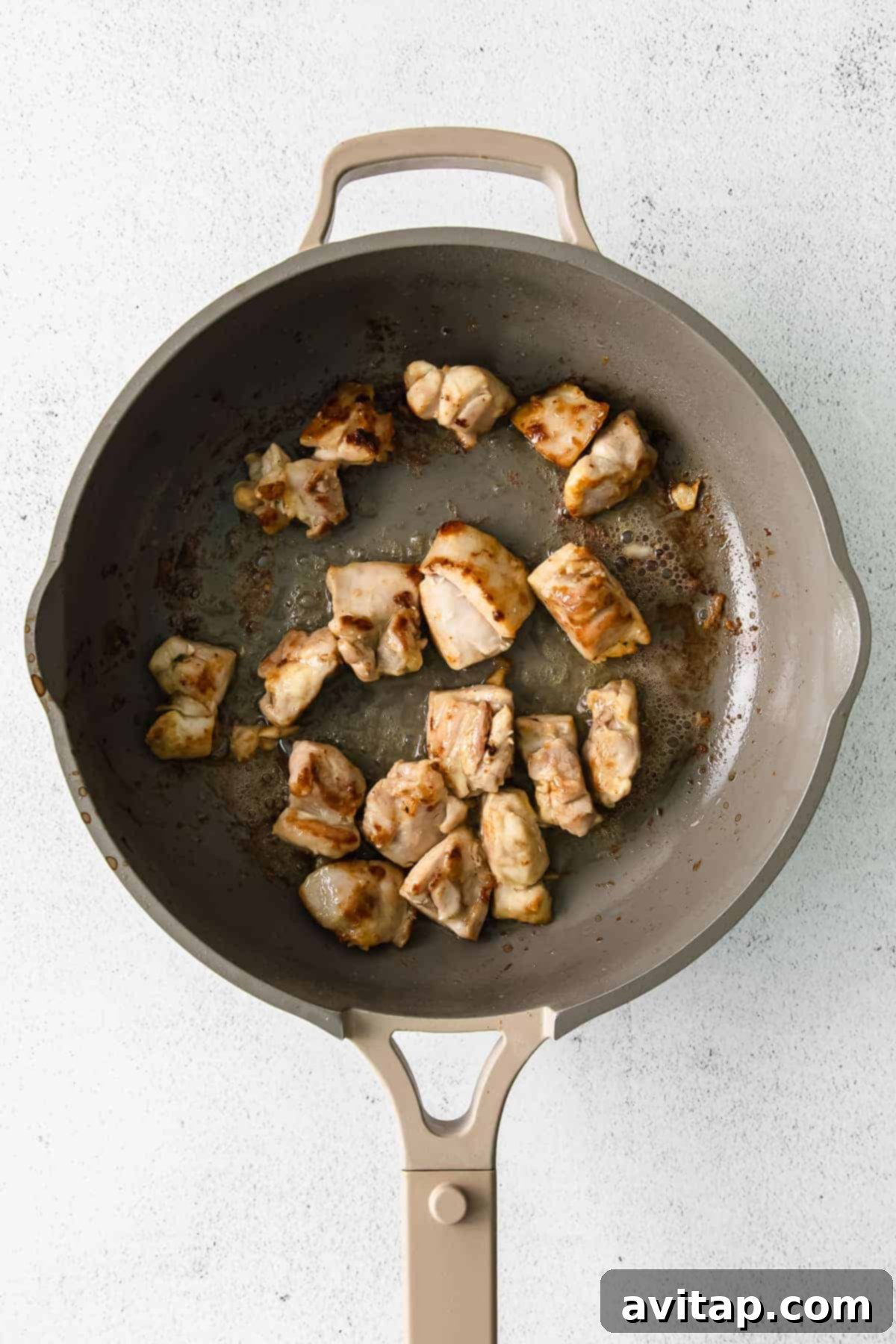
Heat 2 tablespoons of butter in the same non-stick skillet you used for the broccoli over medium-high heat. Once the butter is melted and slightly foaming, add your seasoned chicken thigh pieces in a single layer, ensuring not to overcrowd the pan. Brown the chicken for 3-4 minutes on each side until it’s golden brown and cooked through.
Once browned, remove the chicken from the pan and add it to the same bowl as your steamed broccoli. **Do not wash your pan!** Those caramelized bits stuck to the bottom are full of flavor and will be used to create the foundation of your exquisite alfredo sauce.
Ensuring Food Safety: Checking Chicken Internal Temperature
For optimal food safety and peace of mind, it’s always important to ensure your poultry reaches the correct internal temperature. According to the USDA, the safe cooking temperature for all poultry, including chicken thighs, is 165ºF (74ºC). Use a meat thermometer inserted into the thickest part of the chicken to verify.
Don’t Forget to Rest: After cooking, let the chicken rest for at least 5 minutes before cutting into it. This allows the juices to redistribute throughout the meat, keeping it incredibly moist and tender. During this resting period, the internal temperature can also continue to rise by about 5ºF.
Crafting Perfection: How to Make the Best Homemade Alfredo Sauce
Creating a luscious, velvety alfredo sauce from scratch is simpler than you might think, and it’s the crowning glory of this chicken broccoli alfredo recipe. Forget jarred sauces; this homemade version is rich, flavorful, and incredibly satisfying. Here’s a super simple tutorial on how to achieve that perfect creamy consistency:
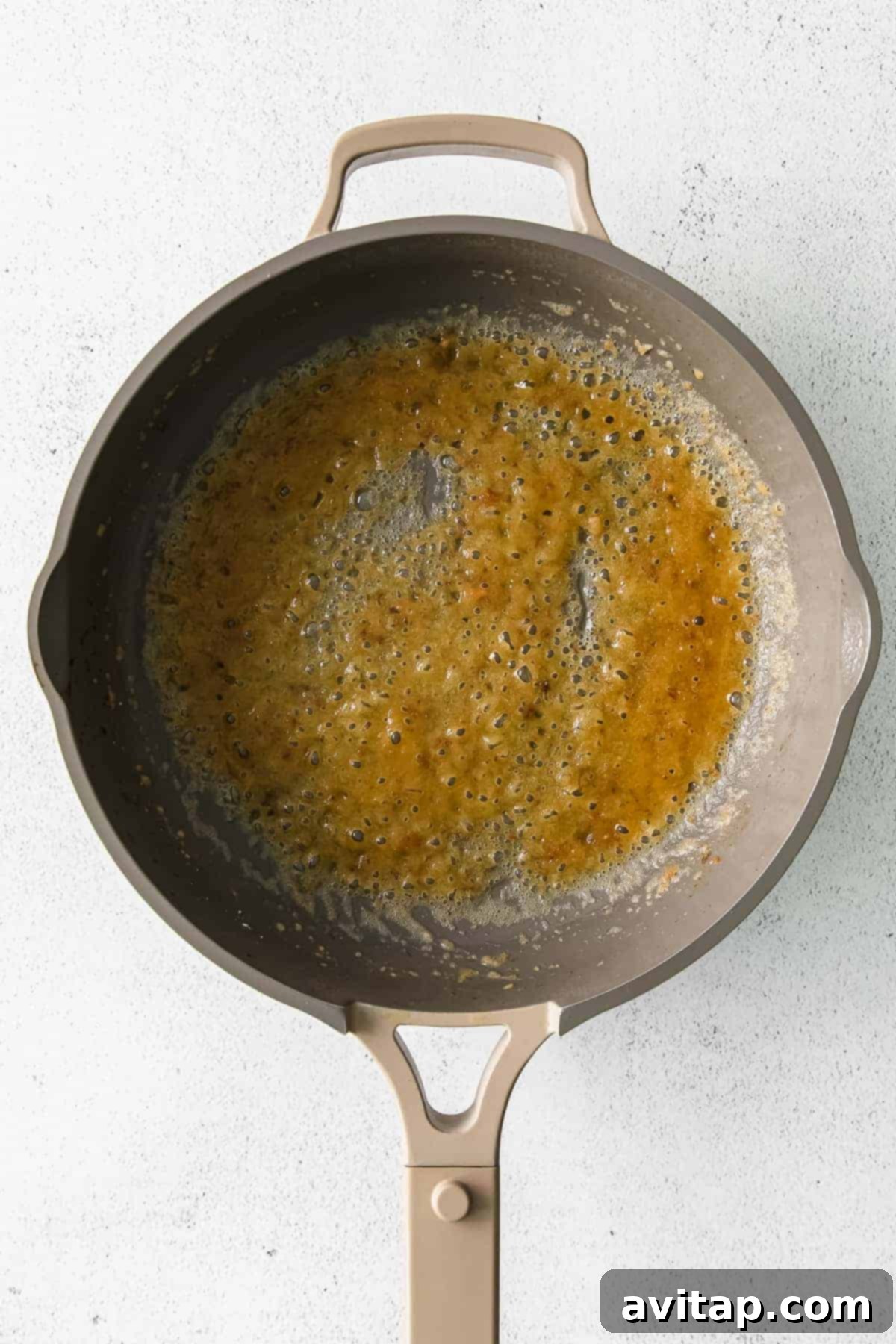
- **Deglaze for Depth:** Return the skillet, with all its flavorful brown bits from cooking the chicken, to medium heat. Add the dry white wine to the pan. Use a wooden spoon or spatula to vigorously scrape up all those browned, caramelized pieces stuck to the bottom of the pan. This process, known as deglazing, infuses the sauce with incredible depth of flavor.
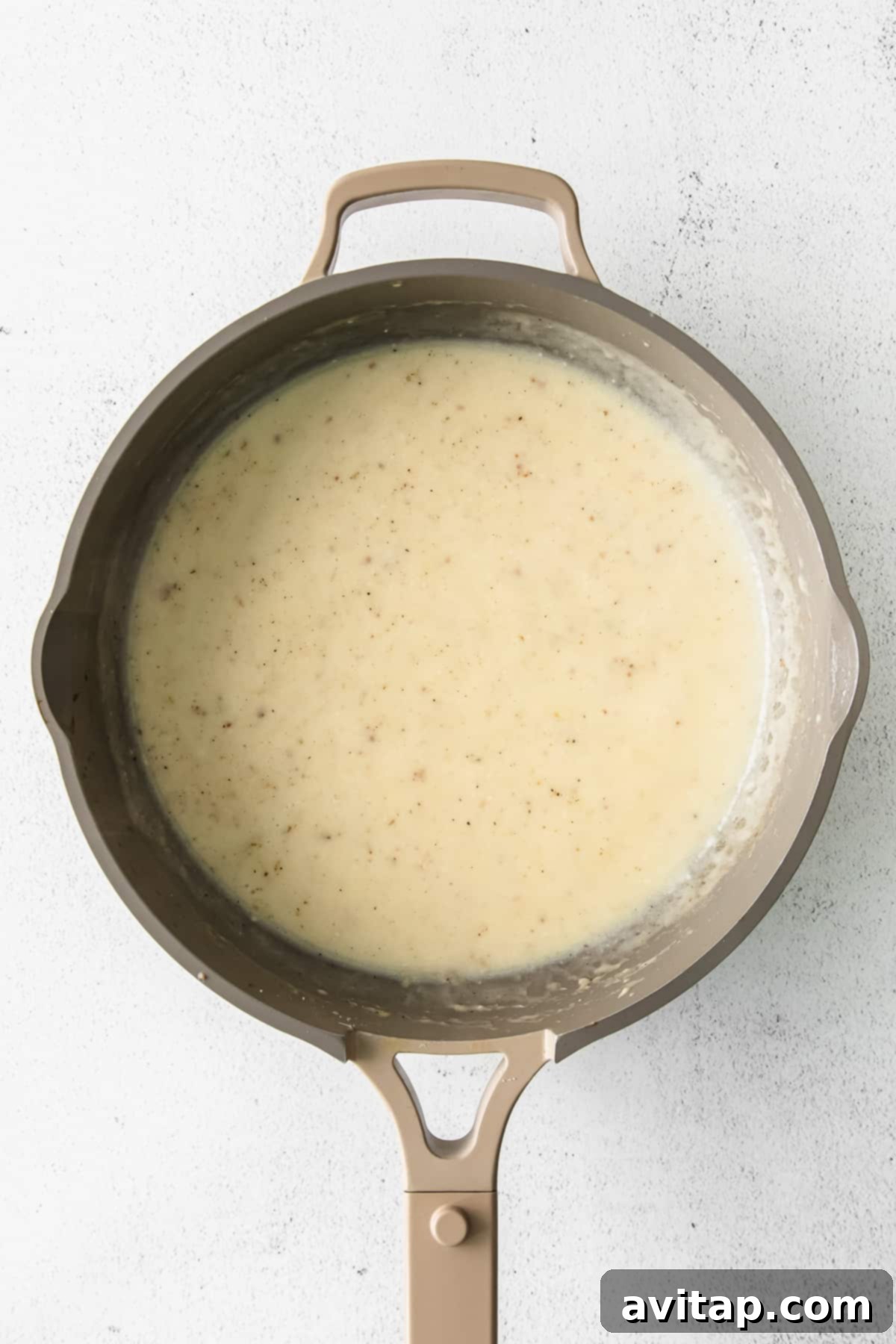
- **Build the Roux:** Once the pan is deglazed, add the remaining 2 tablespoons of butter to the skillet and let it melt completely. Then, gradually sprinkle in the 2 tablespoons of all-purpose flour. Whisk continuously for 1-2 minutes until a smooth, pale golden paste forms. This is your roux, the foundation for a thick and creamy sauce.
- **Create the Creamy Base:** Slowly pour in the 1 cup of 2% milk, whisking constantly to prevent lumps. Continue whisking over medium heat. As the sauce warms, it will begin to thicken. Add the 1 cup of reserved starchy pasta water and the garlic powder, salt, and pepper. Keep whisking until the sauce reaches your desired creamy consistency. If it’s too thick, add a little more pasta water or milk.
- **Melt in the Parmesan Magic:** Reduce the heat to low. Add the remaining 1 cup of finely grated parmesan cheese. Whisk gently until the cheese has completely melted into the alfredo sauce, making it smooth, rich, and irresistible. Taste and adjust seasonings if necessary.
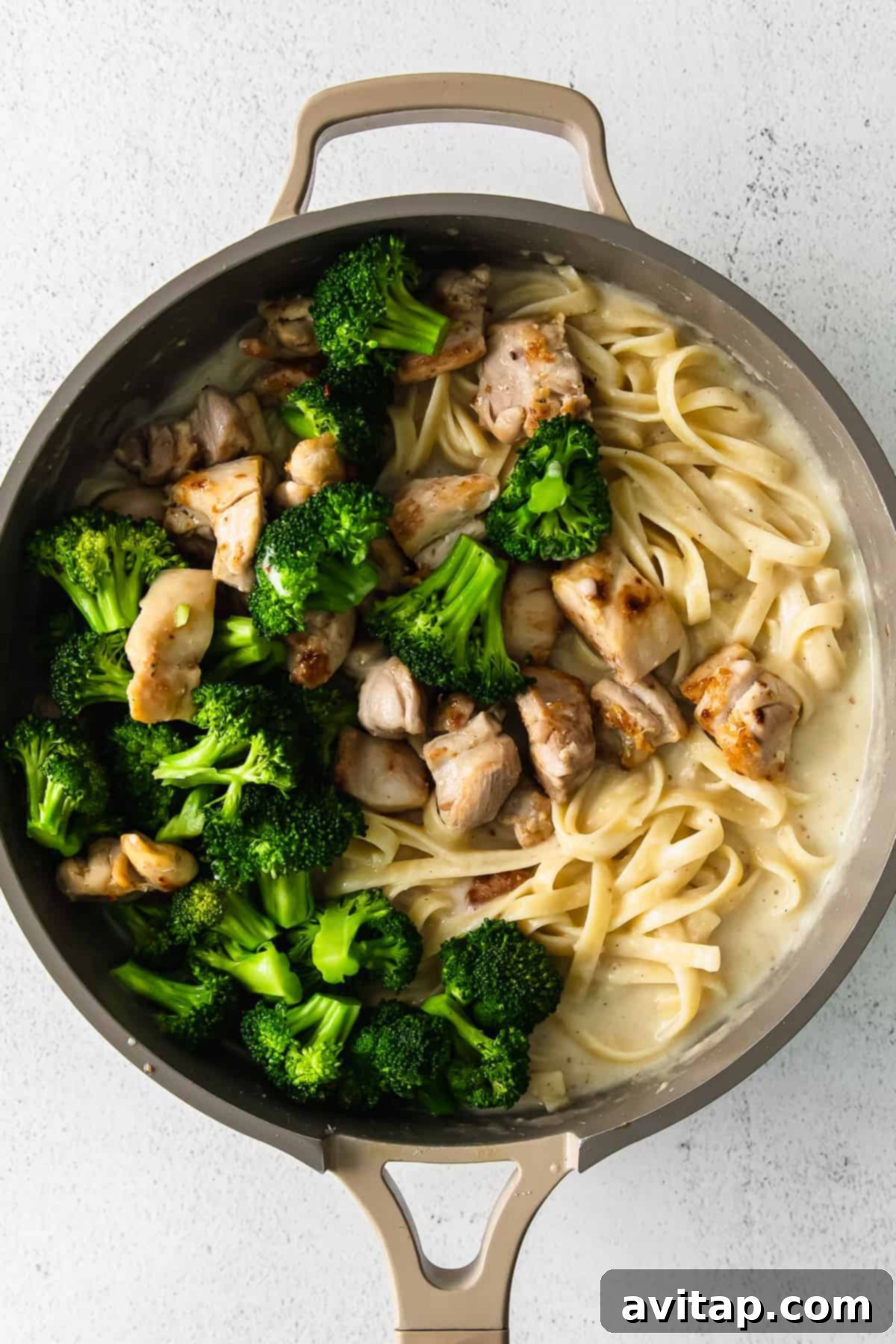
- **Combine and Toss:** Now for the best part! Add the cooked fettuccine noodles directly into the pan with the alfredo sauce. Use tongs to toss everything together, ensuring every strand of pasta is generously coated in the rich, creamy sauce. Finally, gently fold in the browned chicken pieces and steamed broccoli florets.
Chicken Broccoli Alfredo: Your Top Questions Answered
Here are answers to some of the most common questions about making and enjoying this delicious chicken broccoli alfredo:
When stored properly in an airtight container in the refrigerator, your chicken broccoli alfredo will remain fresh and delicious for 3 to 5 days. For best quality, enjoy it within 3 days.
To reheat, place the chicken broccoli alfredo in a skillet over low to medium heat. Add a few tablespoons of milk or chicken broth to help loosen the sauce and restore its creaminess. Toss everything gently and heat until warmed through and the sauce is smooth. Avoid high heat, which can cause the sauce to separate.
Since chicken broccoli alfredo is a rich and satisfying dish, we recommend pairing it with something light and fresh to balance the meal. A crisp butter lettuce salad or a simple arugula salad with a light vinaigrette would be perfect. Crusty garlic bread or warm breadsticks are also excellent for soaking up any extra sauce.
This recipe is highly customizable! For extra vegetables, consider steaming cauliflower along with the broccoli, or sautéing sliced bell peppers, mushrooms, or zucchini before adding them to the sauce. You can also sprinkle in fresh herbs like parsley or basil, or a pinch of red pepper flakes for a subtle kick.
We generally do not recommend freezing chicken broccoli alfredo. The creamy sauce, especially one made with a roux and dairy, can sometimes separate and become grainy upon thawing and reheating, affecting the texture and overall quality of the dish.
Perfect Pairings: Complementary Side Salads for Broccoli Alfredo
Roasted Gnocchi Kale Salad with Garlic Parmesan Dressing
Crispy Buffalo Halloumi Salad
Simple Mediterranean Corn Salad
Creamy Cottage Cheese Pasta Salad
Fresh Summer Salad with Honey Roasted Pistachios
Discover More of Our Favorite…
Irresistible Chicken Pasta Recipes
If you love the combination of chicken and pasta, you’re in for a treat! Explore more of our delectable chicken pasta dishes that are perfect for any occasion:
- Lemon Chicken Skillet
- Chicken Pesto Pasta
- Caprese Chicken Pasta
- Easy Chicken Alfredo
- Roasted Balsamic Chicken Pasta
- Chicken Piccata Recipe
Creamy Chicken Broccoli Alfredo
Ingredients
- 1.5 lbs. boneless, skinless chicken thighs
- 3 tablespoons water, separated
- 1 teaspoon salt, separated
- ½ teaspoon ground black pepper
- 1 cup + 2 tablespoons finely grated parmesan cheese
- 8 oz. uncooked fettuccine noodles
- 4 cups broccoli florets, chopped into bite-sized pieces
- 1 teaspoon garlic powder
- ¼ cup unsalted butter, separated
- ¼ cup dry white wine, such as chardonnay
- 2 tablespoons all-purpose flour
- 1 cup 2% milk
- 1 cup starchy pasta water
Instructions
-
Prepare the chicken thighs: Begin by cutting the chicken thighs into uniform 1-inch chunks and transfer them into a medium-sized bowl. Drizzle 1 tablespoon of water over the chicken; this will help the seasonings and parmesan cheese adhere better.
-
In a small separate bowl, combine ½ teaspoon salt, ½ teaspoon ground pepper, and 2 tablespoons of finely grated parmesan cheese. Mix these seasonings until well combined.
-
Ensure the chicken pieces are lightly coated in water, then sprinkle the seasoning mixture over them. Toss thoroughly until all chicken pieces are evenly coated. Set the chicken aside to allow the flavors to meld.
-
Cook the noodles: Bring a large pot of heavily salted water to a rolling boil. Add the fettuccine noodles and cook according to package directions until they are al dente.
-
Before straining, scoop out 1 cup of starchy pasta water from the pot and set aside for the sauce. Drain the noodles, rinse them quickly with cold water (to prevent sticking), and set aside.
-
Next, prepare the broccoli. Place the bite-sized broccoli florets in a large, deep skillet or Dutch oven. Add the remaining 2 tablespoons of water to the skillet and sprinkle the broccoli with a pinch of salt. Cover the skillet tightly with a lid.
-
Heat the skillet over medium-high heat to steam the broccoli. Allow the broccoli to steam for 2-4 minutes, or until it has turned a vibrant green color and is tender-crisp.
-
Remove the skillet from the heat and transfer the steamed broccoli to a large bowl. Set aside with the seasoned chicken.
-
Brown the chicken: Return the same skillet to medium-high heat. Add 2 tablespoons of butter to the skillet and allow it to melt and spread across the bottom.
-
Once the butter is melted, add the seasoned chicken thigh pieces to the skillet in a single layer. Brown them for 3-4 minutes on each side until golden and cooked through.
-
Transfer the browned chicken pieces to the same bowl as the broccoli. Keep the skillet on the heat, as you will use it for the sauce without washing.
-
Deglaze the pan with ¼ cup dry white wine, using a spatula to scrape all the flavorful brown bits from the bottom of the skillet. This adds tremendous depth to your sauce.
-
Prepare the alfredo sauce: Add the remaining 2 tablespoons of butter to the skillet and reduce the heat to medium.
-
Once the butter is melted, sprinkle the 2 tablespoons of all-purpose flour into the skillet. Whisk constantly for 1-2 minutes until a smooth paste (roux) forms.
-
Slowly pour in the 1 cup of 2% milk, whisking continuously to ensure a smooth, lump-free sauce as it thickens.
-
Next, gradually add the 1 cup of reserved starchy pasta water to the skillet, whisking constantly until the sauce achieves a creamy, desirable consistency.
-
Stir in the remaining 1 cup of finely grated parmesan cheese and the 1 teaspoon of garlic powder. Whisk continuously until the cheese is completely melted and incorporated into the sauce.
-
Add the remaining ½ teaspoon of salt to the sauce and whisk until fully combined. Taste and adjust seasonings if needed.
-
Now, add the cooked fettuccine noodles to the creamy cheese sauce in the skillet. Toss the pasta with the sauce until every noodle is beautifully coated.
-
Finally, gently fold in the browned chicken and steamed broccoli to the skillet, mixing them into the pasta and sauce.
-
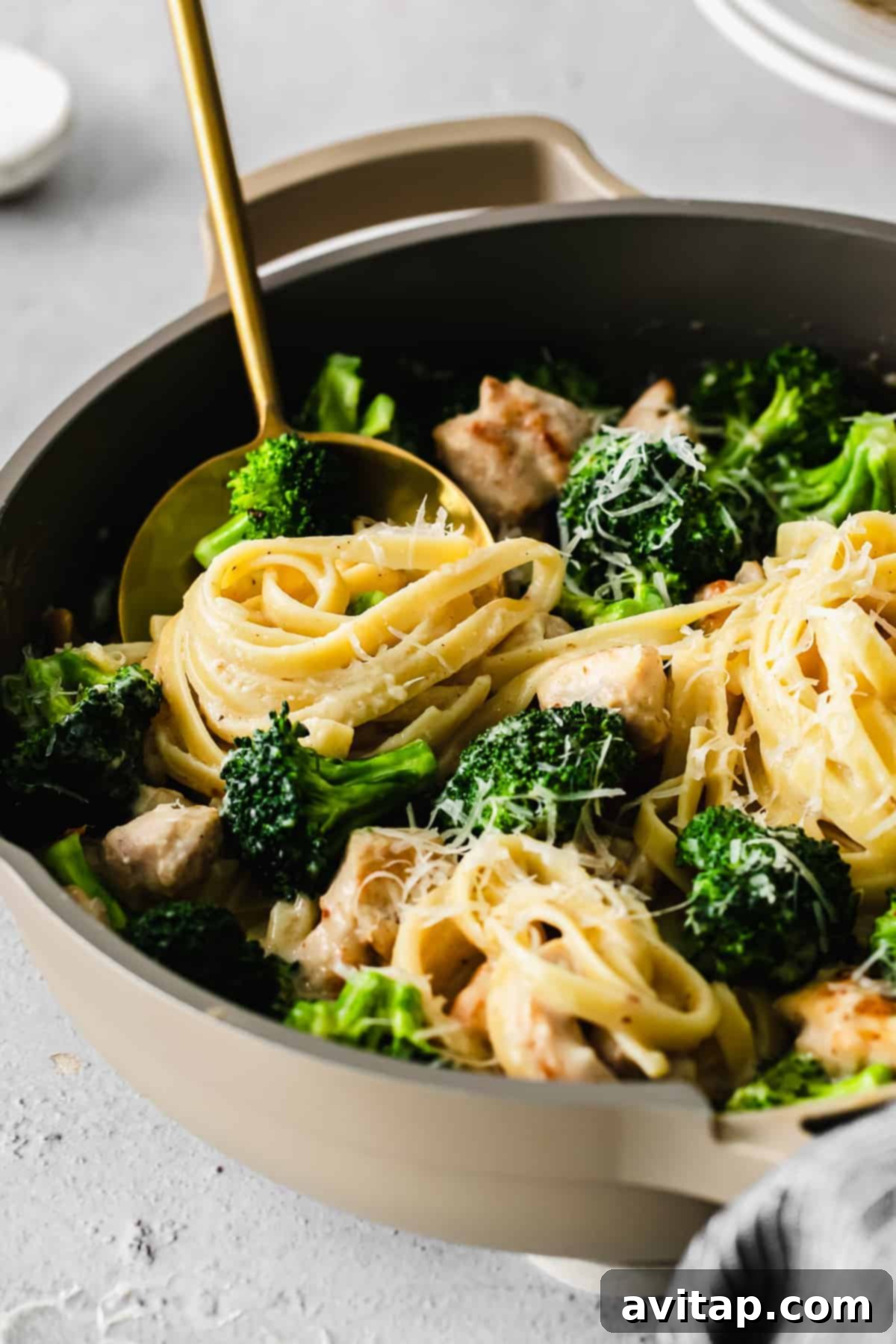
Serve immediately, topped with additional freshly grated parmesan cheese and freshly cracked black pepper for an extra touch of flavor.
Tips & Notes for Success
- For the most succulent results, we highly recommend using boneless, skinless chicken thighs for this recipe due to their natural moisture and rich flavor. However, boneless, skinless chicken breasts can be used as a leaner alternative; just be mindful not to overcook them to prevent dryness.
- If you prefer a thinner, more liquid alfredo sauce, feel free to add an extra splash of milk or some more of the reserved starchy pasta water to the sauce before combining it with the pasta. Adjust until you reach your desired consistency.
- Always taste your sauce and adjust seasonings as you go. You can always add more salt, pepper, or garlic powder at the end of the dish to perfectly suit your palate.
Nutrition Information (per serving)
Nutrition information is automatically calculated and is an approximation. It may vary based on specific ingredients and preparation methods.
Love this recipe? Share your thoughts below!
Don’t forget to tag your delicious creations on social media with the hashtag #fitfoodiefinds – we’d love to see what you’re cooking!