
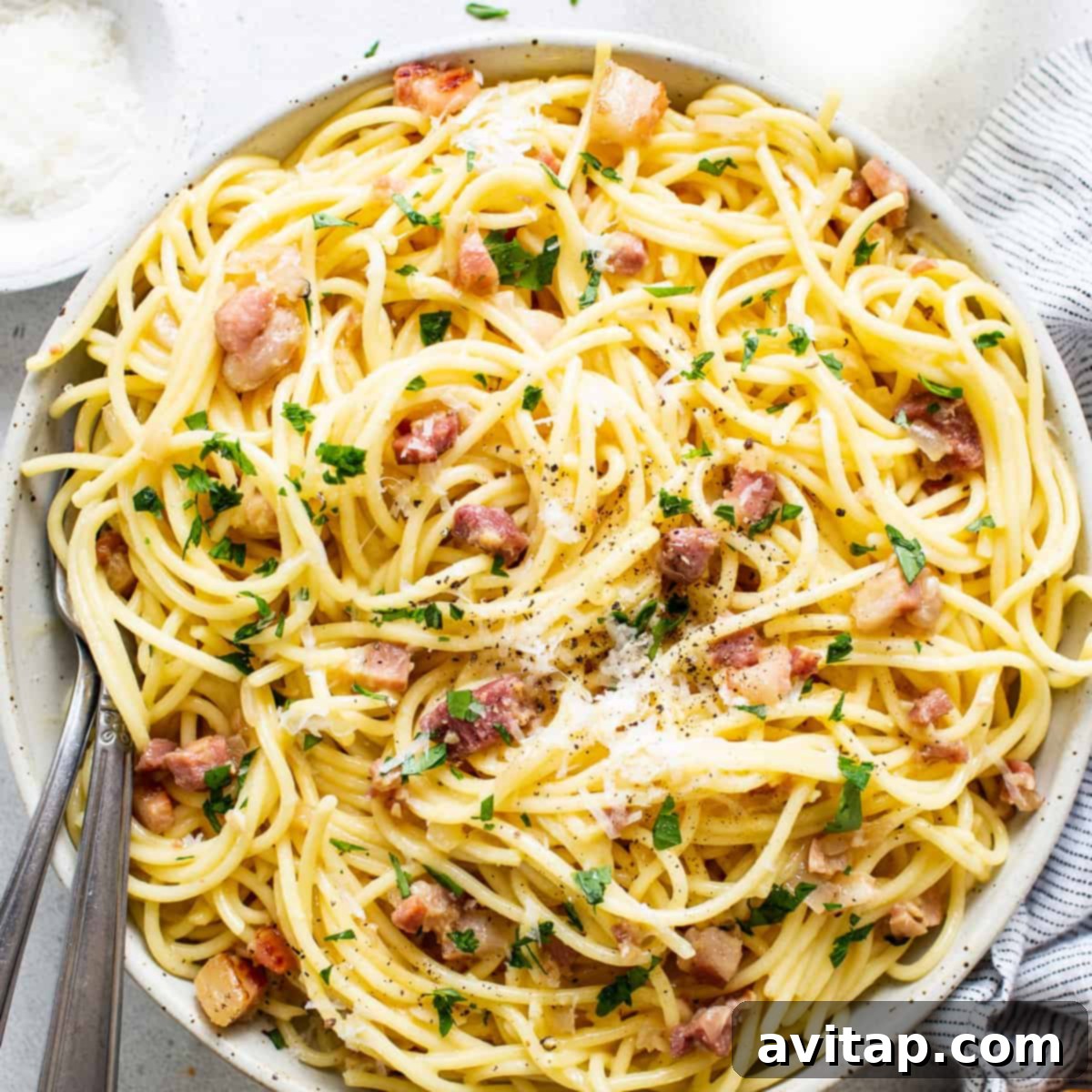
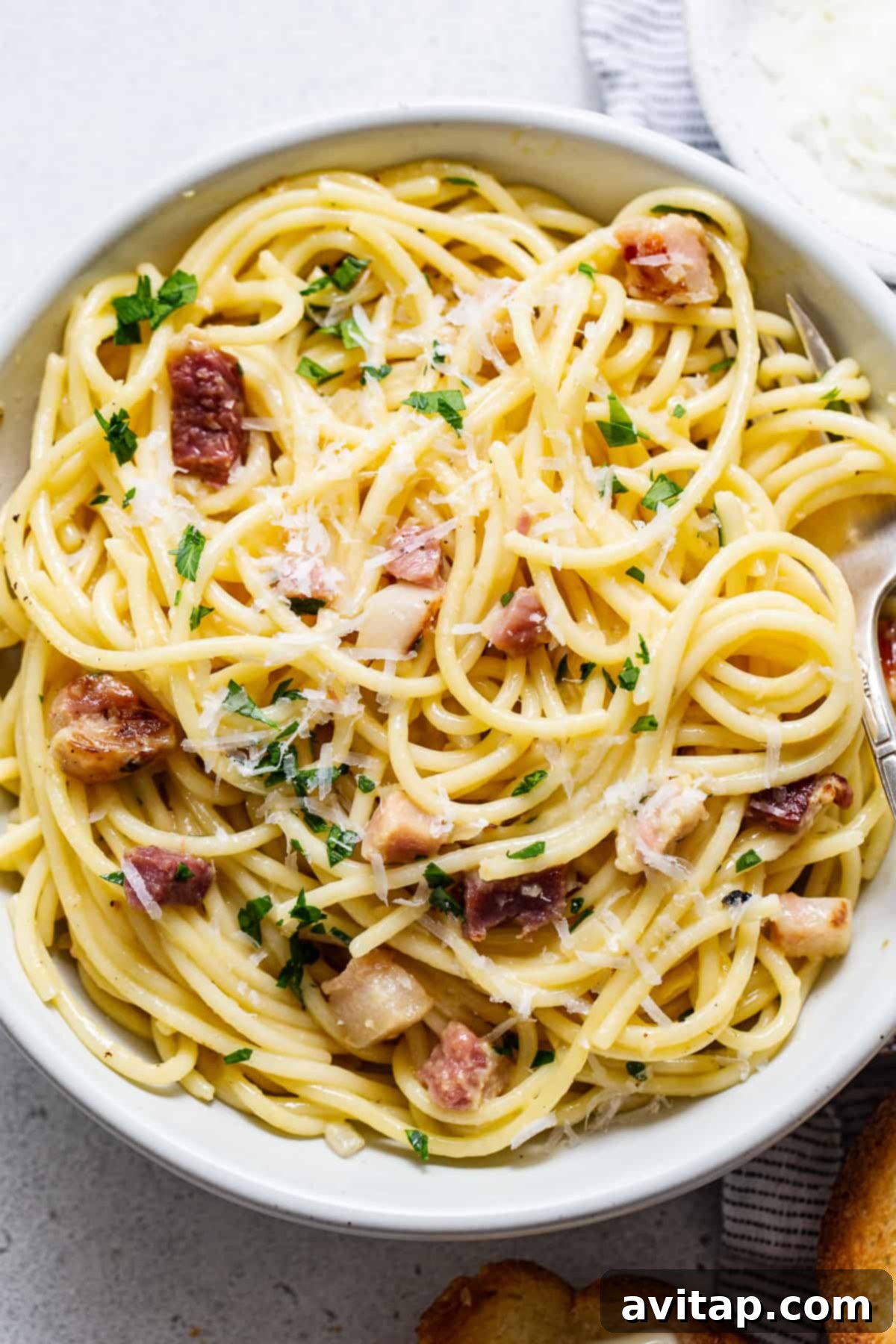
Prepare to embark on a culinary journey to Italy with this Classic Pasta Carbonara Recipe. Renowned for its unparalleled simplicity and rich flavor, this iconic dish is a testament to how a few high-quality ingredients can create something truly extraordinary. Forget complicated techniques or endless dishes; our recipe streamlines the process, bringing you an authentic Carbonara experience that’s both quick to prepare and a pure delight to the tastebuds. This is more than just a meal; it’s a celebration of Italian tradition, made accessible for even the busiest weeknights.
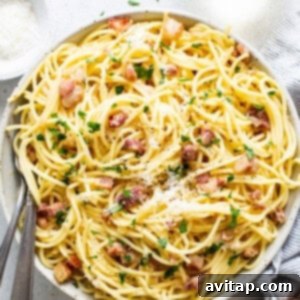
Imagine perfectly al dente spaghetti coated in a luscious, velvety sauce, crafted from a harmonious blend of farm-fresh eggs, nutty Pecorino Romano cheese, and the savory crispness of rendered pancetta. Each forkful delivers an explosion of umami, subtly elevated by a hint of garlic and a splash of dry white wine. We’ve perfected this recipe, drawing inspiration from memorable family travels through the sun-drenched vineyards of Umbria, Italy, where we savored the most exquisite Carbonara. Now, we’re thrilled to share our recreation, making it incredibly easy for you to bring that same authentic taste right into your home kitchen.
When we say this pasta carbonara is easy to make, we genuinely mean it. It’s a culinary magic trick where simple steps lead to sophisticated flavors. You’ll master the art of cooking the pasta to perfection, creating a rich and aromatic base with pancetta and aromatics, and then bringing it all together with a silky, creamy egg and cheese sauce that beautifully coats every strand of spaghetti. The best part? It’s largely a one-pot wonder, simplifying cleanup and making it an ideal choice for a stress-free yet utterly satisfying dinner.
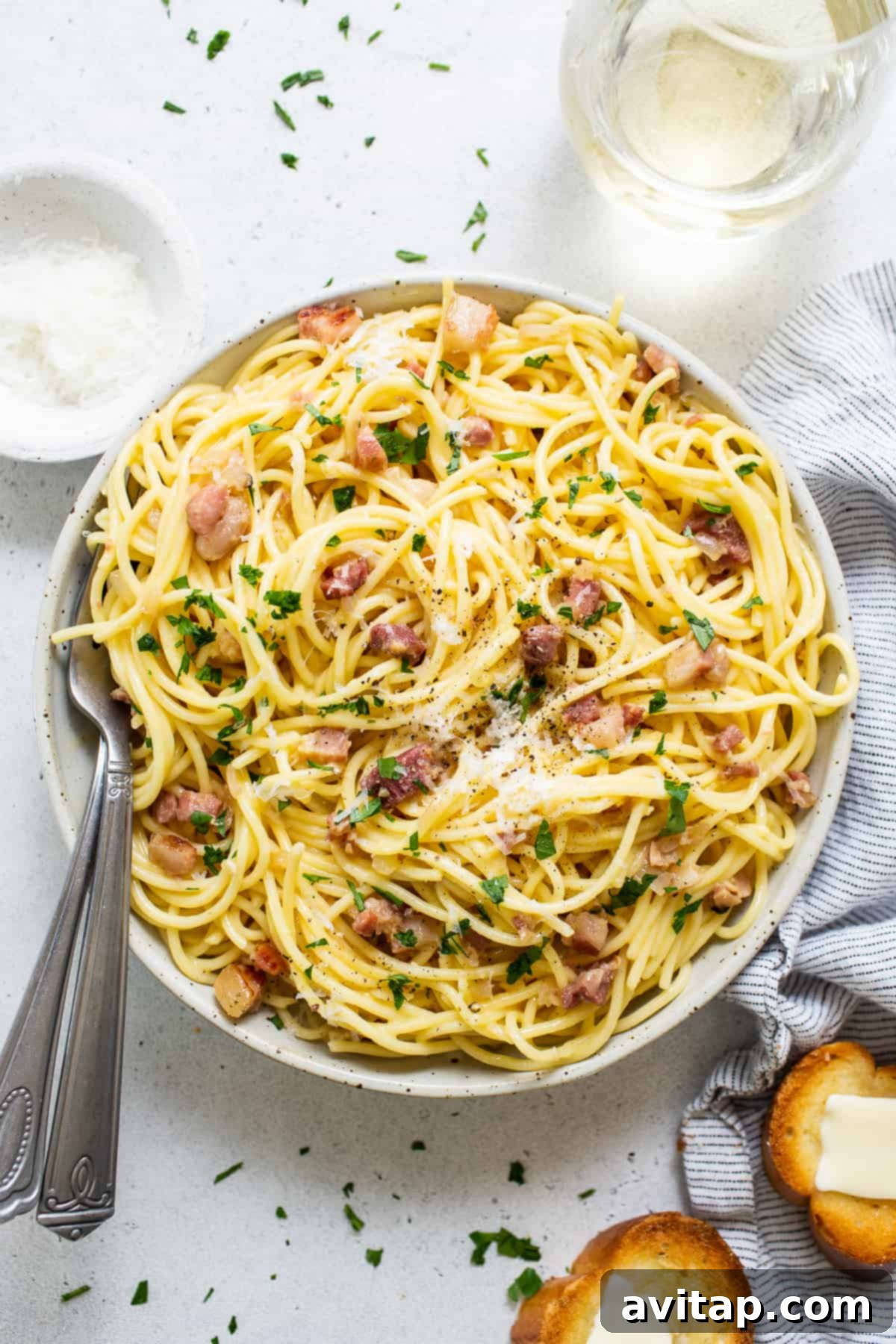
What Makes an Authentic Pasta Carbonara Truly Special?
True Pasta Carbonara is an art form built on restraint and quality. Unlike many Westernized versions, authentic Carbonara never includes cream. Its signature creaminess comes from a masterful emulsion of egg yolks (and sometimes whole eggs), finely grated hard cheese, and the starchy water from the cooked pasta, all bound together by the rendered fat of crispy cured pork. The heat of the freshly cooked pasta gently cooks the egg mixture, transforming it into a luxurious sauce rather than scrambled eggs. This delicate balance of temperature and ingredients is what gives Carbonara its unique texture and depth of flavor, making it a beloved classic worldwide.
Key Ingredients for Your Perfect Pasta Carbonara
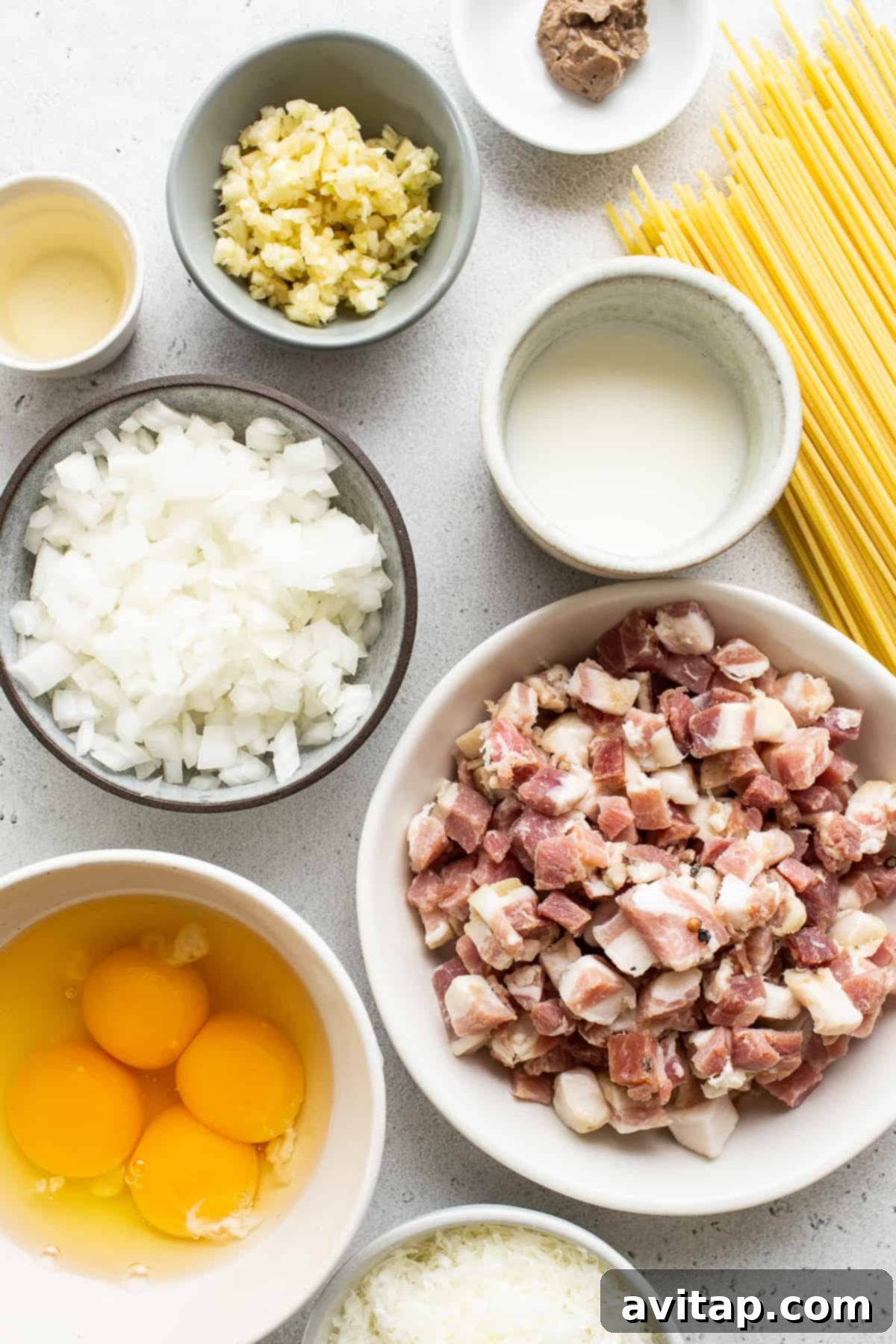
Crafting the perfect Carbonara begins with selecting the right ingredients. Each component plays a vital role in building the rich, savory profile and achieving that signature creamy texture. Here’s a closer look at what goes into our classic recipe:
- Spaghetti: We embrace tradition by using spaghetti, the quintessential choice for Carbonara. Its long, thin strands are ideal for clinging to the creamy sauce. The true secret, however, is cooking it “al dente” – firm to the bite – ensuring it retains texture and doesn’t become mushy when tossed with the sauce. The starch released during cooking is also crucial for helping the sauce emulsify.
- Pancetta: This Italian cured pork belly is an indispensable cornerstone of authentic Carbonara. Its thick, salty slices render beautifully, providing not only irresistible crispy bits but also a rich, flavorful fat that forms the essential base of our sauce. While bacon can be a substitute, pancetta offers a milder, more refined flavor profile that truly shines in this dish.
- Dry White Wine: A small splash of dry white wine, such as a crisp Sauvignon Blanc or Pinot Grigio, is used to deglaze the pan after cooking the pancetta and aromatics. This crucial step lifts all the flavorful browned bits (fond) from the bottom of the Dutch oven, adding an extra layer of complexity and a subtle acidity that brightens the dish and beautifully complements the richness of the cheese and pork.
- Anchovy Paste: Don’t be deterred by this ingredient! Anchovy paste is a culinary secret weapon for adding an incredible depth of umami flavor without making the dish taste “fishy.” It melts seamlessly into the sauce, enhancing the overall savory profile and making the Carbonara taste richer and more complex. It’s an optional but highly recommended addition that elevates the dish significantly.
- Eggs: The very heart of the creamy sauce! Our recipe strategically uses a combination of whole large eggs and extra large egg yolks to achieve maximum richness and a luxuriously silky smooth texture. The absolute key is to temper them correctly with warm pasta water, preventing them from scrambling and instead creating that perfect, luscious emulsion that defines Carbonara.
- Pecorino Romano Cheese: This hard, salty cheese made from sheep’s milk is absolutely indispensable for authentic Carbonara. Its sharp, tangy, and distinctly nutty flavor provides the signature punch and savoriness that perfectly balances the other rich ingredients. Finely grated Pecorino Romano melts beautifully into the sauce, contributing significantly to its creamy consistency and robust taste.
- Whole Milk: A small amount of whole milk is incorporated into the egg and cheese mixture. This helps to create a smoother, more fluid emulsion, making it easier to whisk and ensuring a more consistent and even coating for the pasta. It contributes to the overall creaminess without overpowering the traditional flavors of the Carbonara.
- Kosher Salt & Freshly Cracked Pepper: These are absolutely essential for proper seasoning. The salt enhances all the flavors, particularly in the pasta water. Freshly cracked black pepper, added generously at the end, provides a delightful aromatic kick and a touch of warmth, creating a beautiful contrast to the rich and savory sauce.
- Fresh Parsley: A final garnish of fresh, finely chopped parsley adds a vibrant burst of color and a subtle herbaceous note. This light, refreshing element brightens the dish and offers a pleasing counterpoint to the rich, savory flavors.
Variations and Substitutions for Your Carbonara
While our recipe aims for a classic Carbonara experience, this versatile dish can be easily adapted to suit various tastes and dietary needs. Feel free to mix and match or substitute ingredients based on what you have on hand or your personal preferences:
- Pasta Alternatives: If spaghetti isn’t available, or you simply prefer a different texture, any long pasta type will work beautifully. Fettuccine, linguine, bucatini (a hollow spaghetti-like pasta), or even rigatoni for a thicker, tubular option can hold the rich sauce wonderfully. Always ensure to cook them al dente for the best results and proper sauce adhesion.
- Cheese Choices: Pecorino Romano offers a distinct sharp and salty flavor that is traditional. However, if you prefer a milder taste or have trouble finding it, Parmesan cheese (Parmigiano-Reggiano) is an excellent substitute. It will still provide a delicious, nutty, and savory base for your sauce. A blend of both Pecorino and Parmesan can also create a nuanced and complex flavor profile that many enjoy.
- Pork Options: Thick-cut bacon is a fantastic substitute for pancetta if it’s more readily available. Chop it into small pieces and cook it until wonderfully crispy to render its fat and add a delightful smoky depth to the dish. Guanciale, an Italian cured pork cheek, is another traditional and highly flavorful option, offering an even richer, melt-in-your-mouth texture.
- Adding Vegetables: To make your Carbonara more hearty and nutritious, consider incorporating some vegetables. Sweet peas add a touch of sweetness and vibrant color, while sautéed mushrooms or tender asparagus spears provide earthy notes and welcome extra texture. Add them to the Dutch oven after the pancetta, allowing them to soften slightly before adding the pasta.
- A Touch of Spice: For those who enjoy a little heat, a pinch of red pepper flakes added with the garlic can provide a delightful and subtle kick that beautifully complements the richness of the dish.
Mastering the Art of Carbonara: Top Tips for Success
Creating a truly magnificent Pasta Carbonara lies in a few key techniques. Follow these essential tips to ensure a creamy, perfectly emulsified sauce every single time, skillfully avoiding the dreaded scrambled eggs and achieving restaurant-quality results right in your home kitchen:
- Perfect Pasta Water Management: The starchy pasta water is truly liquid gold in Carbonara. It’s absolutely essential for creating the creamy, emulsified sauce. To help the pasta water cool off quickly, place a portion of it in the fridge for a few minutes before mixing it with the egg sauce. This crucial step prevents the eggs from scrambling when they are combined with the warm (not boiling hot) pasta water and then added to the hot pasta.
- Don’t Overcook the Pancetta (or Bacon): Cook your pancetta until it’s just perfectly crispy and beautifully golden brown, never burnt. Overcooked or charred pancetta can impart an unappetizing bitter taste to the dish and detract significantly from its savory goodness. You want those beautifully rendered, intensely flavorful bits and the rich fat to create the dish’s fundamental foundation.
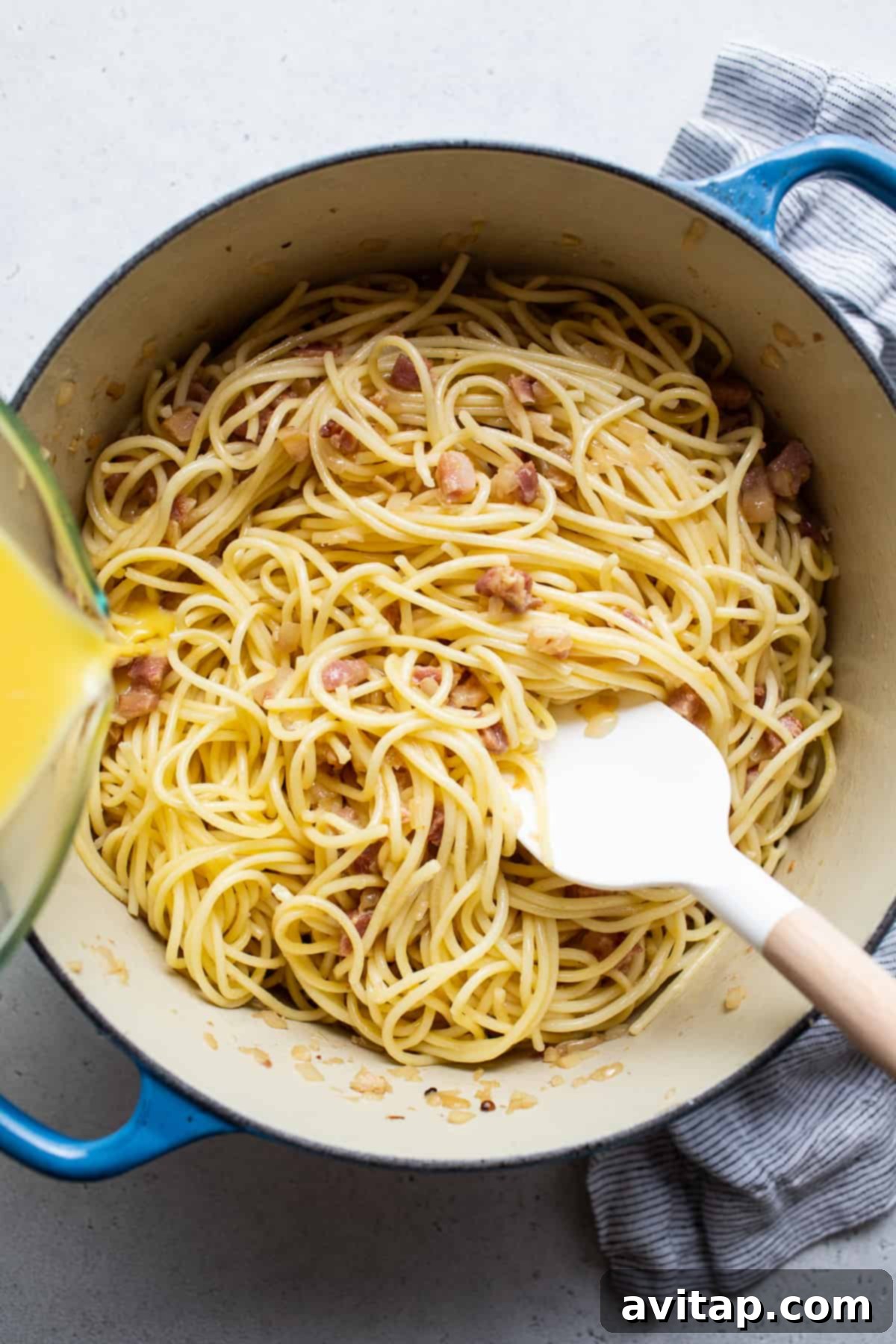
- Whisk and Mix Quickly and Thoroughly: The very moment you combine the egg and cheese mixture with the hot pasta, speed and continuous, vigorous stirring are your absolute allies. Work quickly and mix intensely to ensure that every single strand of spaghetti is coated evenly with the creamy sauce. This rapid movement, combined with the residual heat of the pasta, expertly emulsifies the sauce, preventing the eggs from solidifying into clumps. The ultimate goal is a velvety, glossy coating, not scrambled eggs.
- The Dutch Oven Advantage: Using a single Dutch oven or a large, heavy-bottomed pot for cooking the pancetta and then adding the pasta means you efficiently retain all those incredibly flavorful brown bits (fond) from the rendered pork. These bits then infuse the entire dish with unparalleled depth of flavor. This method also significantly simplifies cleanup, making this a true one-pot wonder.
- Heat Control is Key: Always remove the Dutch oven from the direct heat source entirely before adding the egg mixture. The residual heat from the pasta and the pot itself is perfectly sufficient to gently cook the eggs into a silky sauce. If the pot is too hot, the eggs will scramble instantly and irrevocably. Allow it to cool for a few minutes (specifically 2-3) after removing it from the stovetop.
- Strategic Seasoning: Don’t forget to generously salt your pasta water – it’s your primary chance to season the pasta itself! Then, always taste the finished dish before adding any more salt, as both the pancetta and Pecorino Romano are inherently quite salty. Freshly cracked black pepper, added liberally at the very end, is non-negotiable for that authentic Carbonara kick and aromatic finish.
Storage and Reheating Tips for Carbonara
While Carbonara is undeniably best enjoyed immediately after preparation, you can store leftovers for a delicious meal the next day. However, reheating requires a bit of care to maintain the sauce’s characteristic creaminess:
Place any leftover carbonara in an airtight container and store it in the fridge for up to 4 days. Note that the sauce will thicken considerably as it cools due to the nature of the egg and cheese emulsion.
Reheating Carbonara: Reheating Carbonara can be tricky to prevent the eggs from scrambling. The best method is to gently warm it in a non-stick pan over very low heat. Add a splash of water (or even a little milk or chicken broth) and a small amount of extra grated Pecorino Romano. Stir constantly and patiently until the pasta is warmed through and the sauce loosens and becomes creamy again. Avoid high heat at all costs, as this is the primary cause of scrambled eggs. Gradually warming and adding liquid helps re-emulsify the sauce.
To freeze, place the cooled carbonara in a freezer-safe, airtight container and store in the freezer for up to 3 months. When ready to eat, thaw the container in the refrigerator overnight. Reheat gently using the low-heat pan method described above, adding extra liquid (water, milk, or broth) as needed to achieve the desired creamy consistency.
Recommended Gear
The Perfect Dutch Oven
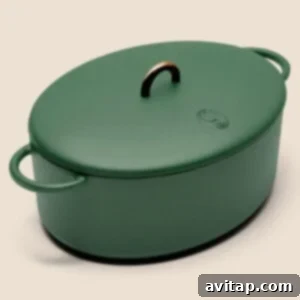
For crafting perfect one-pot meals, simmering hearty soups, and, of course, achieving our incredible Carbonara, “The Dutchess” from Great Jones is our absolute top pick. Its exceptional heat distribution and spacious design make it ideal for sautéing, simmering, and tossing, ensuring every dish you create is a resounding success.
What to Serve with Your Delicious Pasta Carbonara
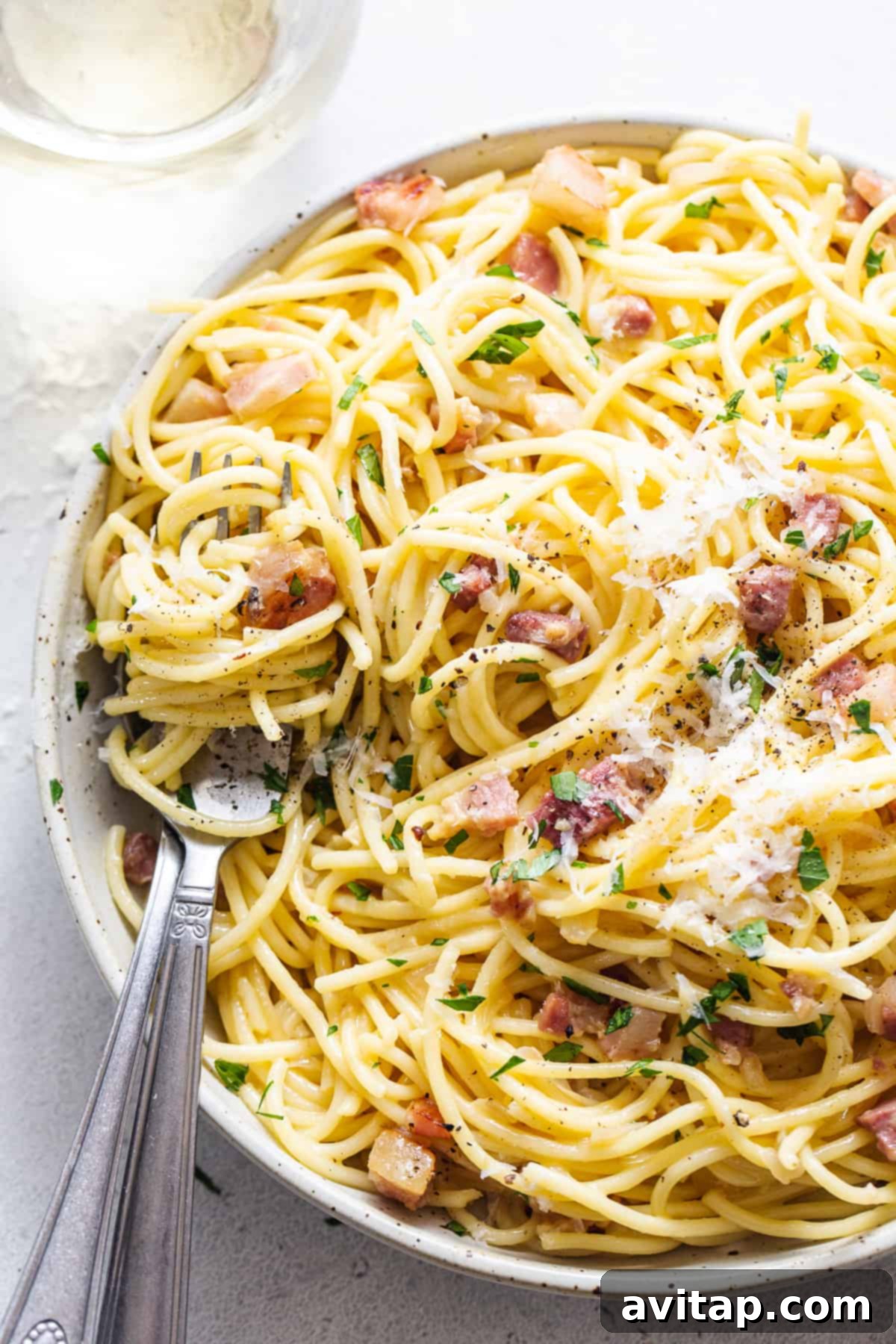
Pasta Carbonara is a wonderfully rich and satisfying meal all on its own, but pairing it with complementary dishes can truly elevate your dining experience even further. Here are some fantastic ideas to complete your epic Italian feast:
- Grilled Bruschetta Chicken: For a delightful protein-packed meal, serve this delicious Grilled Bruschetta Chicken either elegantly over your Carbonara or artfully arranged on the side. The fresh, vibrant flavors of the bruschetta offer a wonderful and bright contrast to the creamy pasta.
- Crisp Caesar Salad: A refreshing and zesty Chicken Caesar Salad adds a much-needed crunch and brightness to beautifully balance the inherent richness of the pasta. The tangy dressing and crisp romaine provide a perfect palate cleanser between bites.
- Simple Green Salad: A straightforward green salad with a light vinaigrette dressing is always a superb choice. It offers essential freshness and a pleasant acidity, effectively cutting through the richness of the Carbonara without competing for attention or overwhelming the palate.
- Crusty Bread: Absolutely do not forget a warm, crusty loaf of artisan bread to soak up every last drop of that incredible, creamy sauce! Classic garlic bread or a simple, rustic artisan loaf is ideal for this purpose.
- Roasted or Grilled Vegetables: To skillfully incorporate more vegetables and introduce diverse flavors and textures, consider serving your Carbonara with delightful sides like Bacon Wrapped Asparagus or perfectly Grilled Zucchini. These additions bring texture and vibrant nutrients, making the meal even more balanced, visually appealing, and thoroughly enjoyable. Roasted broccoli or tender green beans tossed with a little lemon and olive oil would also be excellent choices.
Simple & Authentic Pasta Carbonara
This simple pasta carbonara is incredibly easy to make, comforting, and packed with flavor, making it a delicious and nourishing meal perfect for those busy weeknights. The classic combination of creamy cheese, crispy pancetta, and perfectly cooked pasta is a culinary triumph for a reason — it’s simply irresistible!
By: Emily Richter
Ingredients
- 16 oz. spaghetti
- 8 oz. pancetta, diced
- ½ large white onion, minced
- ½ teaspoon kosher salt
- 5 cloves garlic, peeled and minced
- ¼ cup dry white wine, we used Sauvignon Blanc
- 1 teaspoon anchovy paste
- 2 large eggs
- 2 large egg yolks
- ⅓ cup whole milk
- ½ cup finely grated pecorino romano, + more for topping
- ¼ cup starchy pasta water
- freshly cracked pepper
- 1 tablespoon fresh, chopped parsley, for garnish
Instructions
- Bring a large pot of generously salted water to a rolling boil. Add the spaghetti to the boiling water and cook according to package directions until perfectly al dente. Before draining, reserve 1 cup of the starchy pasta water from the pot. Drain the pasta and set it aside, trying to keep the pasta warm.
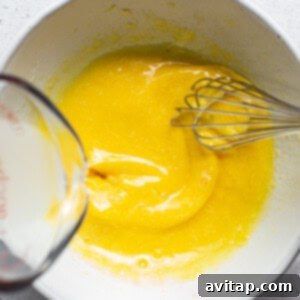
- In a large bowl, whisk together the whole eggs, egg yolks, whole milk, and finely grated Pecorino Romano cheese until thoroughly combined and smooth. Slowly drizzle ¼ cup of the *warm* (not hot or boiling) reserved pasta water into the egg mixture, whisking constantly. This tempering step is crucial to prevent the eggs from scrambling. Set this creamy egg mixture aside.

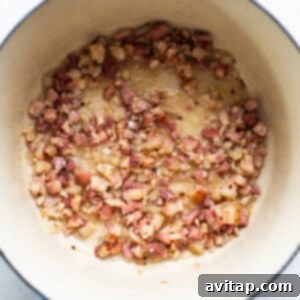
- Heat a large Dutch oven or a deep, heavy-bottomed pan over medium-high heat. Add the diced pancetta to the Dutch oven and cook for 4-5 minutes, stirring occasionally, until it’s partially cooked and has rendered some fat but is not yet fully crispy.
- Add the minced white onion to the Dutch oven with the pancetta and season with ½ teaspoon of kosher salt. Sauté for 1-2 minutes until the onion begins to soften. Then, add the minced garlic and cook for an additional 1 minute until fragrant, being careful not to burn the garlic.
- Deglaze the Dutch oven with the dry white wine. Pour the wine into the hot pan and use a wooden spoon to scrape all the flavorful browned bits (fond) from the bottom of the pan. Continue to cook for about 1-2 minutes until the wine has reduced slightly. Next, whisk the anchovy paste into the wine mixture until it is completely dissolved.
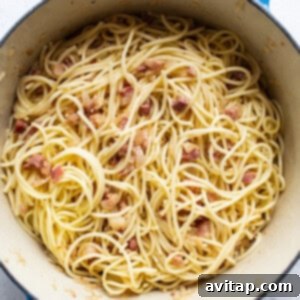
- Add the cooked spaghetti directly into the Dutch oven with the pancetta, onion, garlic, and wine mixture. Toss thoroughly to combine all the ingredients, ensuring the pasta is well coated and heated through.
- Crucially, remove the Dutch oven from the heat entirely. Let it cool for 2-3 minutes. This step is vital to prevent the eggs from scrambling when added. The residual heat will be enough to gently cook the sauce.
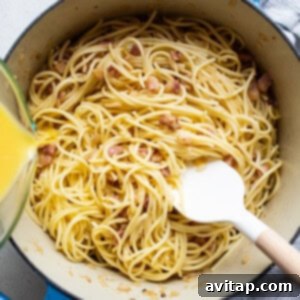
- Once the pot has had a moment to cool down, slowly pour the prepared egg and cheese mixture over the pasta. Immediately and constantly stir the pasta vigorously using tongs or a large spoon. This rapid stirring, combined with the pasta’s residual heat, will create a luscious, creamy, emulsified sauce that evenly coats every strand of spaghetti. Do not stop stirring until the sauce is thick and glossy.
- When the egg mixture transforms into a creamy and warm sauce that clings beautifully to the pasta, your Carbonara is ready. Serve immediately, garnished with a generous amount of freshly cracked black pepper, extra finely grated Pecorino Romano cheese, and a sprinkle of fresh, chopped parsley. Enjoy!
Tips & Notes for Carbonara Perfection
- Feel free to use any long pasta type such as fettuccine, linguine, or bucatini if spaghetti is not preferred or available.
- For an even creamier sauce, ensure your reserved pasta water is warm but not scalding hot when tempering the eggs. Chilling it in the fridge for a few minutes can help regulate the temperature.
- Parmesan cheese (Parmigiano-Reggiano) is a great alternative to Pecorino Romano if you prefer a milder, less tangy flavor, or if Pecorino is difficult to find.
- For an extra indulgent sauce, consider adding another egg yolk to the egg mixture for additional richness.
- Always serve Carbonara immediately; it truly loses its optimal creamy texture the longer it sits.
Nutrition Information
Carbohydrates: 60 g,
Protein: 22 g,
Fat: 23 g,
Fiber: 3 g,
Sugar: 3 g
Nutrition information is automatically calculated and should only be used as an approximation.
Love this recipe? Share your thoughts below!
Don’t forget to tag your culinary creations on social media with the hashtag #fitfoodiefinds – we’d absolutely love to see what you’re cooking up!
Photography Credit: All beautiful photos featured in this post are by Ashley McGlaughlin from The Edible Perspective.