
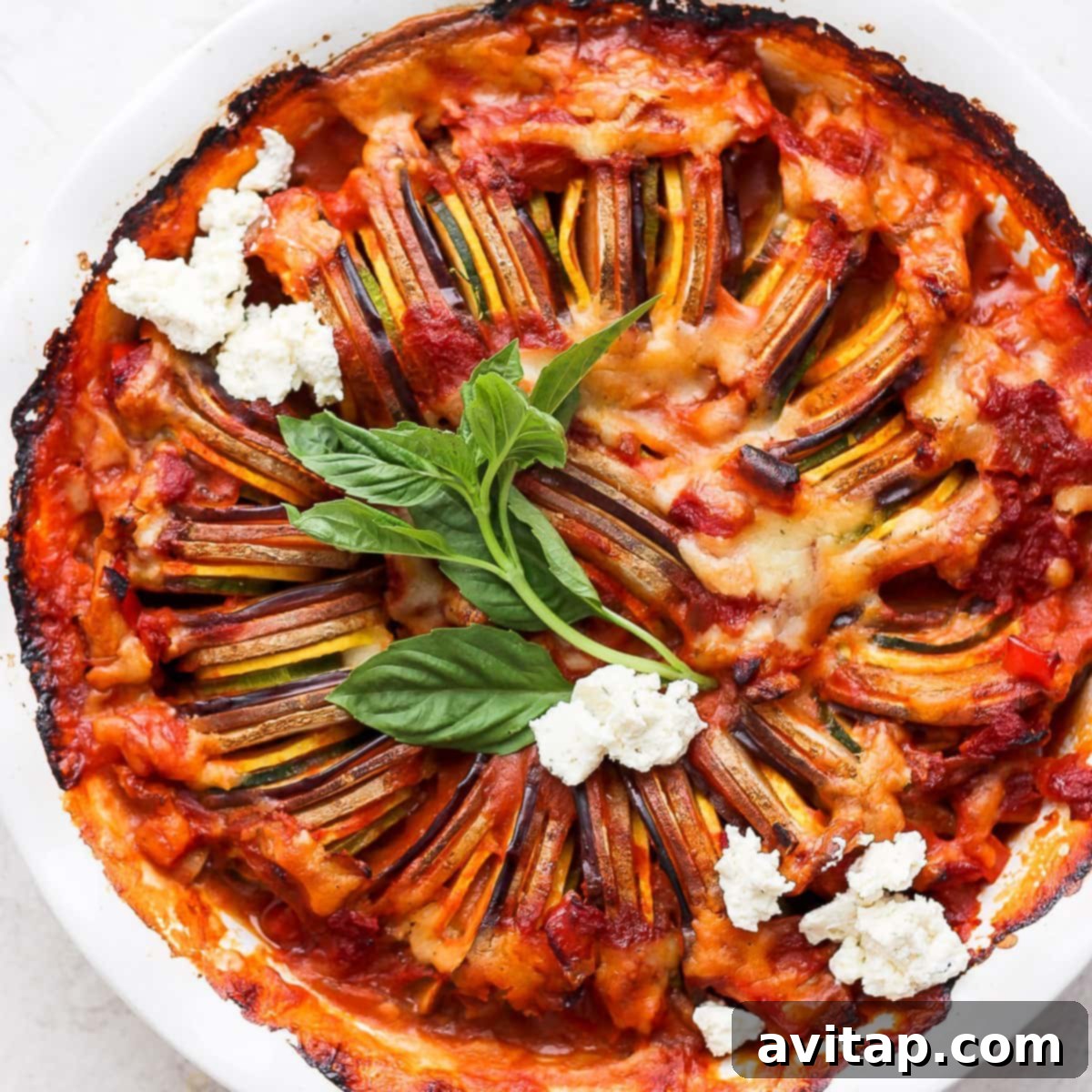
Embark on a culinary journey with our ultimate easy ratatouille recipe, a dish that’s as delightful to prepare as it is to savor. Forget any preconceived notions about this classic French staple being difficult; our rendition simplifies the process, making it accessible for home cooks of all skill levels. We combine fresh, vibrant vegetables like tender zucchini, flavorful eggplant, and hearty potatoes, all beautifully arranged and baked to perfection with two luscious, complementary sauces. The result is a visually stunning and incredibly flavorful vegetarian meal that promises to impress your family and guests alike. Get ready to transform simple garden produce into an extraordinary culinary masterpiece!
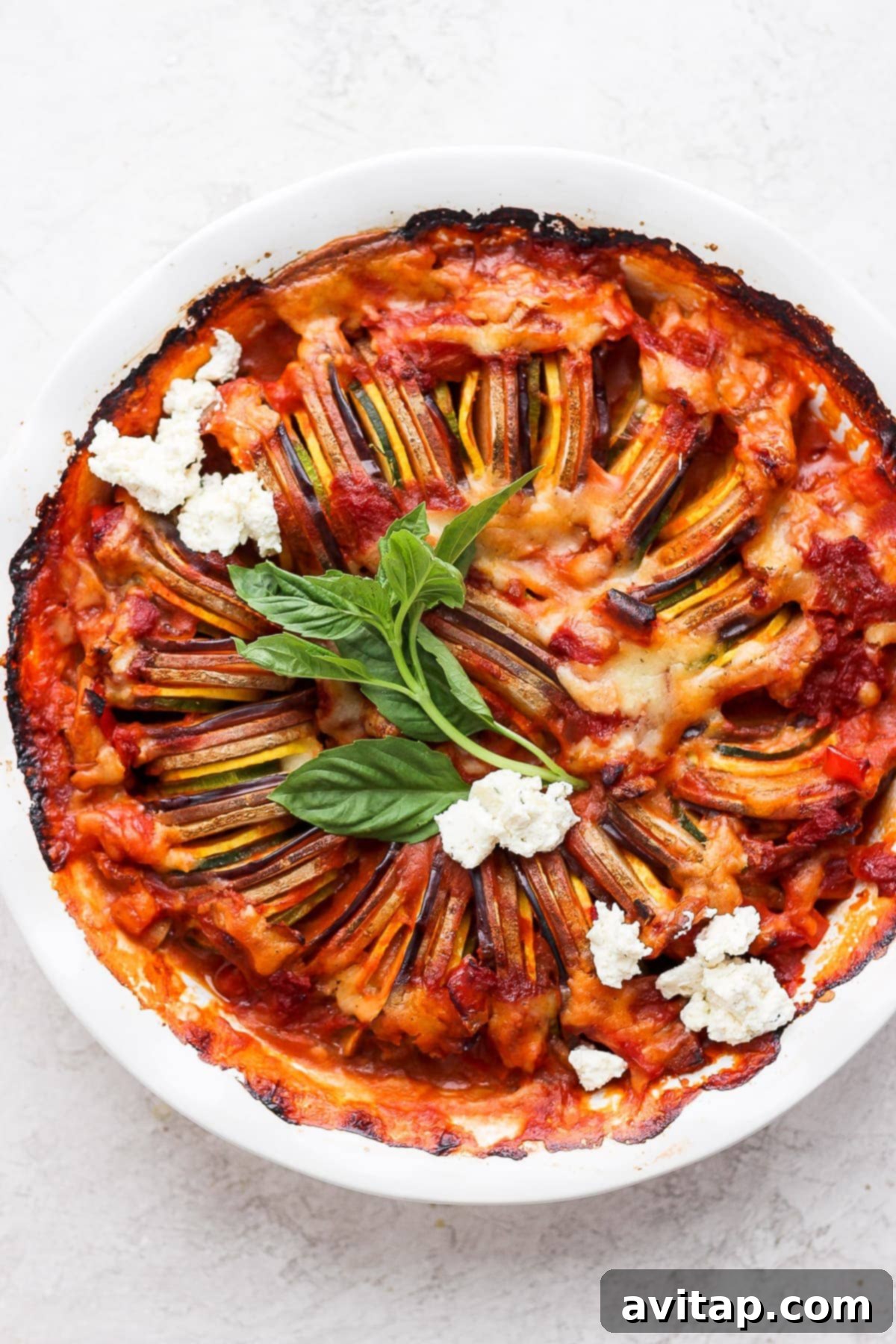
What is Ratatouille? A Culinary Classic Explained
The name “Ratatouille” often brings to mind both a charming animated movie and a beloved French dish. While the film introduced many to its delightful concept, the culinary origins of ratatouille are deeply rooted in the sun-drenched region of Provence, France. Traditionally, ratatouille is a humble yet incredibly flavorful vegetable stew made from seasonal produce. Its name is derived from the Occitan word “ratatolha” and the French verb “touiller,” meaning to stir up or toss.
At its core, a classic ratatouille typically features a rich medley of stewed vegetables, most commonly eggplant, zucchini (courgettes), bell peppers, onions, and ripe tomatoes, all simmered together with garlic and fragrant herbs. Regional variations exist, with some maintaining a rustic, stew-like consistency where the vegetables melt together into a hearty, comforting dish. Other preparations, particularly the elegant “confit byaldi” made famous by chefs like Michel Guérard and beautifully depicted in the film, involve thinly slicing the vegetables and meticulously layering them in a casserole or baking dish, creating a stunning visual spiral before being baked. Our recipe proudly embraces this layered, baked approach, offering both an impressive presentation and an exquisite texture that sets it apart from a traditional stew.
This easy ratatouille recipe is a delightful fusion, blending the authentic essence of a traditional Provençal ratatouille with unique variations from our kitchen, resulting in a dish that is both familiar and excitingly new.
The Star Ingredients: Our Unique Vegetable Blend
While traditional ratatouille often focuses predominantly on eggplant and various types of squash, we wanted to enhance our version with a bit more texture and nutritional richness. That’s why our recipe incorporates not just the classic elements but also wholesome sweet potatoes and Idaho potatoes, adding a comforting depth and heartiness that makes this ratatouille truly special. This thoughtful combination ensures every bite offers a delightful contrast, from the tender squash to the soft, earthy potatoes.
Here’s a detailed look at the fresh vegetables that form the vibrant, flavorful base of our ratatouille:
- Yellow Squash: Contributes a delicate, mild sweetness and a tender texture that softens beautifully during baking.
- Zucchini: A classic choice, providing a subtle flavor and maintaining its structure well, which is crucial for the layered presentation.
- Eggplant: An essential ratatouille ingredient, eggplant acts like a sponge, absorbing the rich flavors of the sauces and offering a satisfying, meaty texture.
- Sweet Potato: A fantastic addition for its natural sweetness, vibrant orange color, and a creamy, nutrient-rich profile after baking. It adds an unexpected layer of flavor.
- Idaho Potato: Offers a classic, starchy texture that makes the dish more filling and comforting, balancing the lighter squash varieties.
- Onion: Forms the aromatic foundation for our incredibly flavorful sauces, providing depth and savory notes.
- Red Bell Pepper: Infused into our red sauce, it adds a sweet undertone and contributes to the sauce’s rich color.
- Garlic: Indispensable for its pungent aroma and robust flavor, enhancing both the red and béchamel sauces.
Vegetable Tips and Smart Substitutions
Flexibility is a chef’s best friend in the kitchen! If you find yourself short on any specific vegetable listed in our recipe, don’t hesitate to adapt. You can easily double up on another favorite vegetable, substitute with something similar (for example, use different colored bell peppers, other types of squash like pattypan, or even portobello mushrooms), or simply omit an ingredient if it’s not available. The inherent beauty of ratatouille lies in its adaptability to whatever fresh, seasonal produce you have on hand. Just ensure you aim for a good variety of textures and complementary flavors for the most delightful result.
Crafting Your Masterpiece: How to Make This Easy Ratatouille
Creating this stunning layered ratatouille is a rewarding experience, broken down into a few manageable steps. While the final presentation might look intricate, the process is surprisingly straightforward, focusing on careful preparation and thoughtful layering. Before we dive into each specific step, let’s consider the essential kitchen tools and equipment that will make your ratatouille journey seamless and enjoyable.
Essential Kitchen Tools:
- Mandoline Slicer or Sharp Chef’s Knife: Absolutely crucial for achieving the uniformly thin vegetable slices that define this dish’s beauty and ensure even cooking.
- Large Pot or Dutch Oven: Ideal for simmering the robust red sauce, allowing its flavors to deepen.
- Medium Saucepan: Perfect for whisking together the smooth and creamy béchamel sauce.
- Whisk: An essential tool for creating a lump-free and silky béchamel sauce.
- 10-12 inch Round Casserole Dish or Pie Tin: Highly recommended for achieving the signature, elegant spiral arrangement of vegetables. An 8×8-inch square baking dish also works wonderfully, where vegetables can be arranged in neat rows.
- Cutting Board: A sturdy surface for safe and efficient vegetable preparation.
- Measuring Cups and Spoons: For accurate ingredient quantities, ensuring the perfect balance of flavors.
- Spatulas and Wooden Spoons: For stirring and transferring ingredients.
Step ONE: Precision Slicing the Vegetables
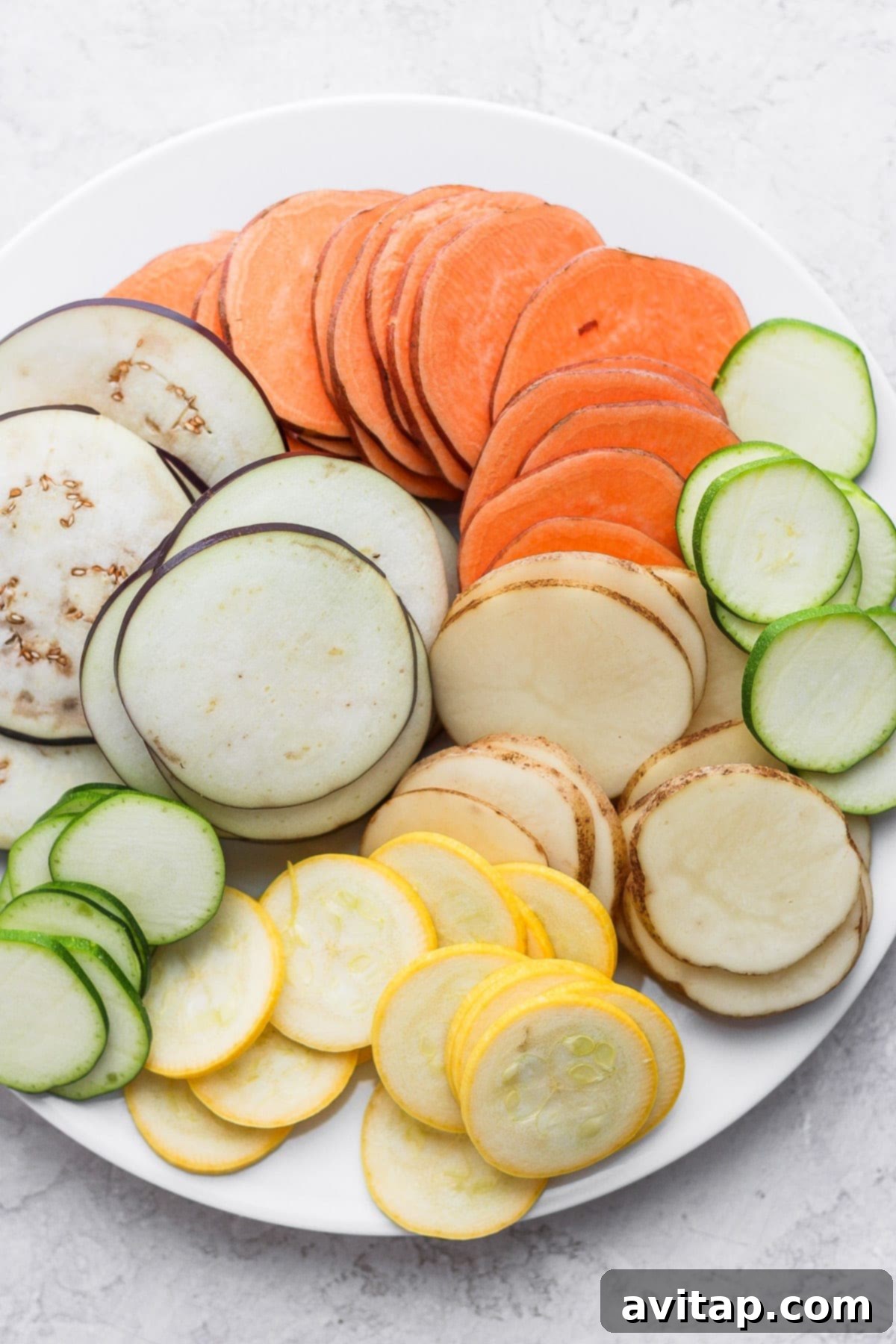
The visual appeal of a layered ratatouille, like the one featured in the famous movie, heavily relies on uniformly thin vegetable slices. However, consistency in thickness isn’t just for aesthetics; it plays a critical role in ensuring that all your vegetables cook evenly. This guarantees that every bite offers a perfectly tender texture, without some pieces being undercooked or overcooked. Aim for slices that are approximately ⅛ inch (about 3mm) thick for ideal results.
There are two primary methods to achieve this level of precision:
- Mandoline Slicer: For unparalleled consistency and speed, a mandoline slicer is an invaluable kitchen utensil. From professional-grade models found in gourmet kitchens to simpler, more compact handheld versions, a mandoline can significantly streamline your prep time and deliver perfectly uniform slices every single time. It’s especially useful for vegetables like eggplant and potatoes that can be tricky to slice thinly by hand.
Mandoline Safety Tip: It is crucial to remember that mandolines are incredibly sharp. Always prioritize safety! Read the manufacturer’s instructions carefully, and without exception, use the safety guard provided to protect your fingers. Slice slowly and deliberately to prevent accidents. Your safety in the kitchen is paramount!
- Sharp Chef’s Knife: If a mandoline isn’t part of your kitchen arsenal, or if you prefer a more hands-on approach, don’t worry! A very sharp chef’s knife and a steady hand will certainly do the trick. Take your time, focus on maintaining even pressure, and aim for consistent thickness across all your vegetables. While it may require a little more patience and practice, the results can be just as beautiful.
Once all your eggplant, zucchini, yellow squash, sweet potato, and Idaho potato are uniformly sliced, gently gather and set them aside. They are now perfectly prepared and ready for the artistic layering process that will transform them into a culinary masterpiece.
Do You Peel Eggplant for Ratatouille? The Great Debate
The decision to peel eggplant for ratatouille largely depends on the specific style of the dish you’re preparing and personal preference. If you are making a rustic, chunky stew where the eggplant pieces are larger, peeling can sometimes prevent a slightly tough or potentially bitter skin from affecting the overall texture. However, for a layered ratatouille like our recipe, where the eggplant is thinly sliced into elegant rounds:
You generally do NOT need to peel the eggplant. In fact, for this particular presentation, the skin is quite beneficial. It is thin enough to soften beautifully and become perfectly tender during the baking process, seamlessly integrating into the dish. Furthermore, the skin adds crucial structural integrity, helping the thinly sliced eggplant rounds maintain their shape within the layered arrangement. It also contributes a subtle earthy flavor and a lovely deep purple color to the visual mosaic of vegetables. Simply wash the eggplant thoroughly before slicing to remove any dirt or residue.
Step TWO: The Magic of Two Sauces – A Symphony of Flavor
What truly elevates our ratatouille recipe and sets it apart is the luxurious combination of two distinct, yet perfectly complementary, sauces. These aren’t just optional additions; they are fundamental to creating the rich, nuanced flavor profile and irresistible creaminess that defines this exceptional dish. Prepare to fall in love with these essential elements that transform simple vegetables into something extraordinary!
The Robust Red Sauce: The Heart of the Dish
Our red sauce serves as the savory foundation of the ratatouille, bursting with classic Mediterranean flavors and a hint of culinary sophistication. We highly recommend preparing this sauce first, as it greatly benefits from a gentle, unhurried simmer. This allows the individual flavors to deepen, meld, and harmonize beautifully, resulting in a rich, complex taste that will permeate every layer of the dish.
This vibrant sauce is a delicious combination of aromatic sautéed onions, sweet bell peppers, fragrant minced garlic, rich diced and crushed tomatoes, and a splash of dry red wine. The red wine is used to deglaze the pot, lifting any flavorful browned bits from the bottom and adding a layer of complexity and depth. A touch of maple syrup is incorporated to perfectly balance the natural acidity of the tomatoes, while a hint of cayenne pepper adds a subtle warmth and gentle kick without overpowering the other delicate flavors. Slow simmering ensures a smooth, concentrated sauce that will infuse every vegetable slice with incredible, irresistible taste.
The Creamy Béchamel Sauce: The Secret to Richness
Don’t let the elegant French name “béchamel” intimidate you! This classic French mother sauce is surprisingly simple to make and is the secret to adding an unparalleled layer of creamy richness and a velvety texture to our ratatouille. At its heart, it’s essentially a basic roux – a mixture of melted butter and all-purpose flour cooked together – to which milk is slowly added and continuously whisked until it transforms into a thick, smooth, and luxurious sauce.
The béchamel sauce introduces a delightful richness and a comforting creaminess that beautifully contrasts with the freshness of the vegetables and the bright, tangy notes of the red sauce. It acts as a delightful binder, holding the layers of vegetables together, and imparts a luxurious mouthfeel that truly transforms a simple vegetable bake into something decadent and incredibly satisfying. A simple seasoning of salt and freshly ground pepper is all it needs to perfectly enhance its subtle, dairy-rich notes.
Step THREE: The Art of Layering and Baking to Perfection
With your vibrant vegetables meticulously sliced and your flavorful sauces perfectly prepared, the final steps involve assembling your beautiful ratatouille and baking it until it’s golden, bubbly, and exquisitely tender. This is where your culinary artistry truly comes to life, culminating in a dish that’s as impressive to look at as it is to eat!
Preparing Your Baking Dish
For that iconic, eye-catching spiral pattern often associated with layered ratatouille, a round casserole dish or pie tin, ideally 10-12 inches in diameter, is absolutely perfect. The circular shape naturally lends itself to creating a beautiful, concentric vegetable arrangement. However, if a round dish isn’t available, don’t despair! An 8×8-inch square baking pan works wonderfully; simply arrange your thinly sliced vegetable rounds neatly and tightly in overlapping rows. Before you add any ingredients, ensure your chosen dish is lightly greased to prevent any sticking during baking.
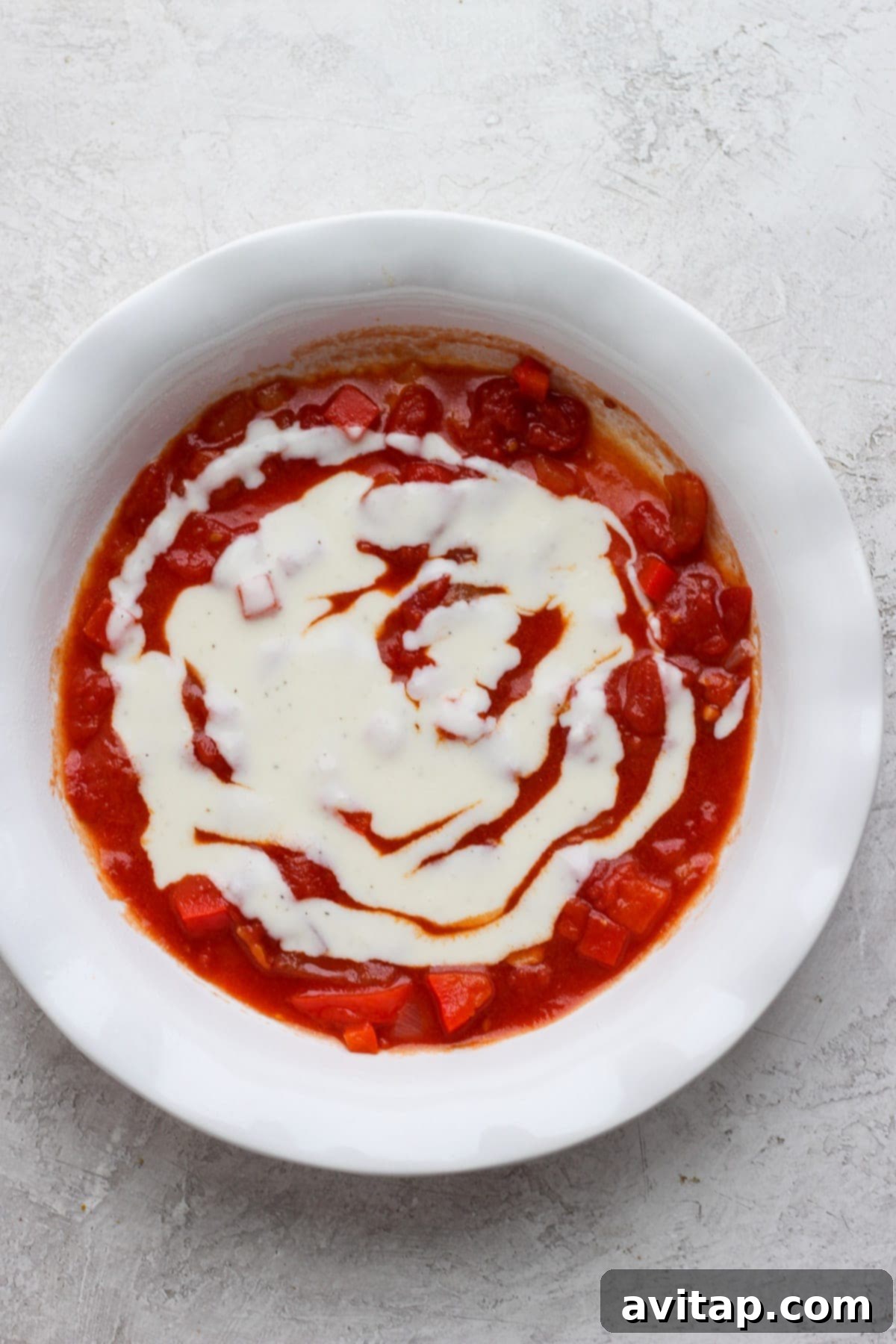
To create a deeply flavorful base and prevent the delicate vegetables from adhering to the bottom of the pan, begin by spreading approximately ½ cup of your rich, savory red tomato sauce evenly across the bottom surface of the dish. Follow this with about ¼ cup of the creamy béchamel sauce, carefully spreading it over the red sauce. This initial dual-sauce layer will infuse the bottom-most vegetables with incredible flavor and essential moisture from the start.
Layering the Vegetables: The Spiral Technique
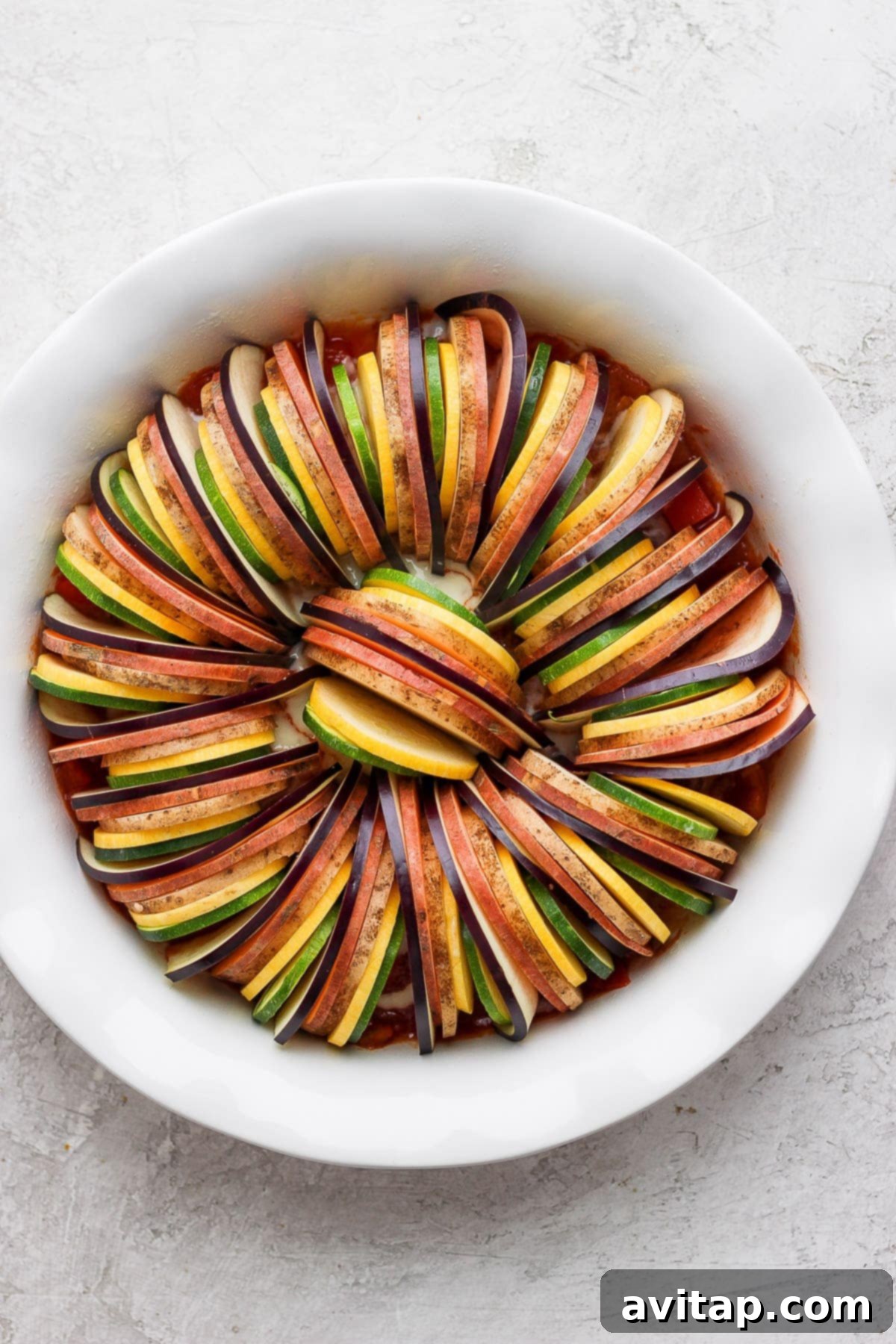
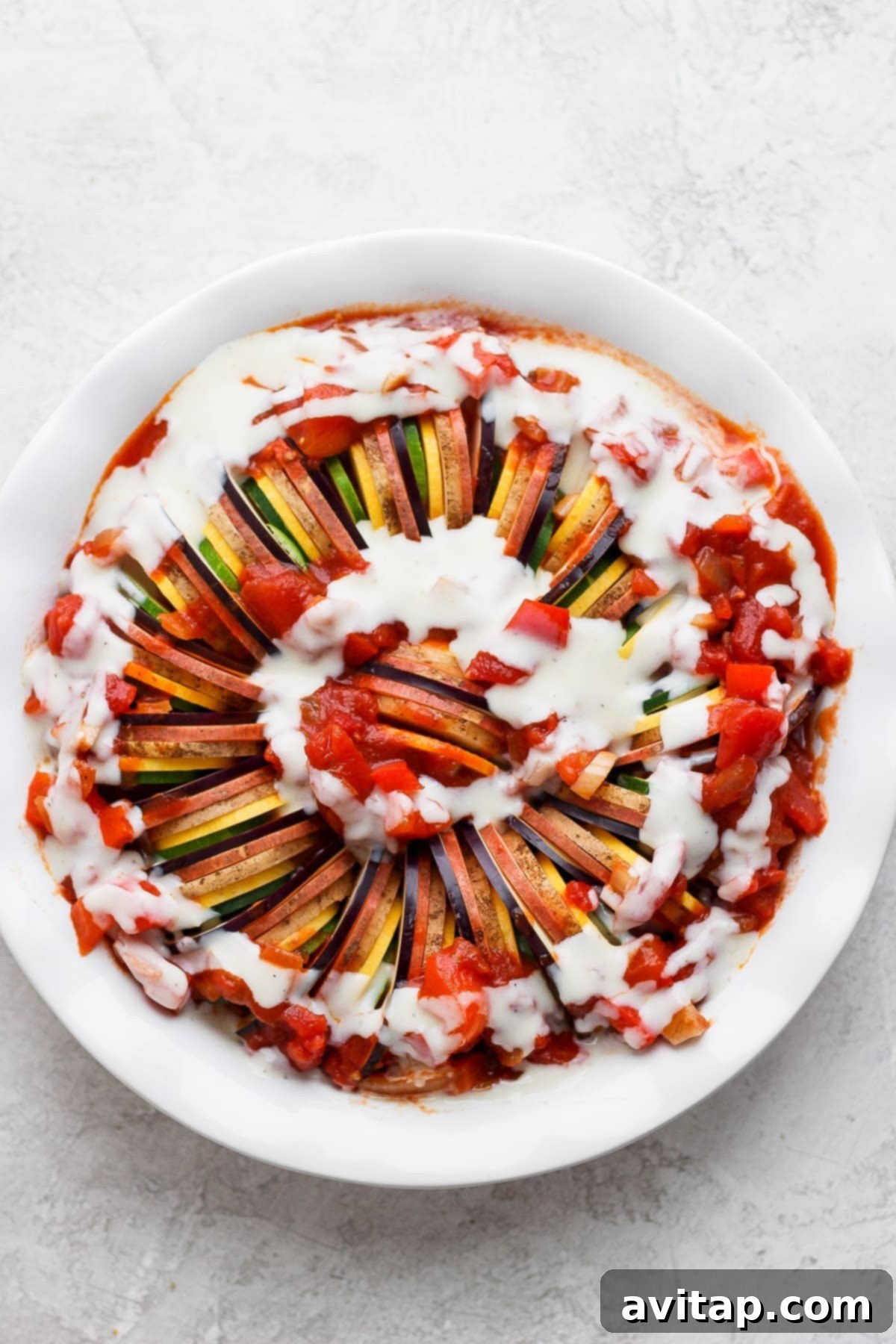
Now comes the most visually appealing part: arranging your thinly sliced vegetables! Take each vegetable round (eggplant, zucchini, yellow squash, sweet potato, Idaho potato) and begin to layer them in an alternating pattern, standing them neatly on their sides. If you’re using a round dish, start from the outer edge and work your way inwards, creating a tight, visually stunning spiral. Ensure a slight overlap between each slice to create a full, abundant look. If you’re using a square dish, arrange them in neat, overlapping rows from one end to the other.
The key to both visual appeal and even cooking is to keep the layering tight and consistent. This not only creates a beautiful mosaic but also helps the vegetables cook uniformly and maintain their tender yet distinct structure. Continue this process methodically until all your prepared vegetables are nestled snugly and attractively in the dish.
The Final Touch: Sauce and Bake
Once your vegetables are perfectly layered, pour the remaining red sauce and béchamel sauce generously and evenly over the top. Ensure all the vegetables are well-coated, as these sauces will simmer and cook down into a delectable, flavorful broth during baking, infusing every layer. For the best results and to ensure the vegetables become wonderfully tender without drying out, cover your dish loosely with aluminum foil for the first part of the baking process. This helps to steam the vegetables gently. Towards the end of the baking time, remove the foil to allow for some beautiful caramelization and browning on the exposed vegetable tops.
Bake your ratatouille in the preheated oven until the vegetables are impeccably tender, the sauces are bubbling invitingly, and the top is lightly golden and fragrant. The incredible aroma filling your kitchen will be utterly irresistible, signaling that your masterpiece is almost ready!
Elevate Your Ratatouille: Finishing Touches
While our easy ratatouille is undeniably delicious straight from the oven, a few simple yet impactful additions can elevate it to an extraordinary level, adding layers of flavor and visual appeal. We absolutely adore topping our baked ratatouille with a scattering of soft, flavorful cheese. Crumbled goat cheese is a fantastic choice, offering a delightful tang and a creamy texture that perfectly complements the savory, tender vegetables. Alternatively, you can opt for Boursin cheese, known for its luscious, melt-in-your-mouth texture and irresistible herby, garlicky notes, which add an extra dimension of gourmet flavor.
For a burst of fresh flavor and a vibrant pop of color that brightens the entire dish, a generous sprinkle of freshly chopped basil just before serving is highly recommended. The aromatic herbs contribute another layer of traditional Mediterranean essence, bringing a garden-fresh quality. Consider a final drizzle of high-quality extra virgin olive oil as well; its fruity notes and delicate richness provide a wonderful finishing touch, enhancing the overall sensory experience of this magnificent dish.
Serving Suggestions and Perfect Pairings
Our easy ratatouille is an incredibly versatile dish and can be served in a multitude of ways, making it a fantastic addition to any meal. It shines brightly as a stand-alone vegetarian main course, offering a complete, wholesome, and deeply satisfying meal on its own. Its rich flavors and hearty vegetables ensure no one will leave the table hungry.
Alternatively, ratatouille can excel as a vibrant and elegant side dish, pairing beautifully with a variety of proteins. Imagine it alongside perfectly grilled fish, succulent roasted chicken, or a comforting lentil loaf for an added vegetarian protein boost. For a truly Mediterranean experience, serve it warm with plenty of crusty artisan bread, perfect for soaking up all the delicious, infused sauces. It’s also delightful when enjoyed at room temperature, making it an excellent option for picnics, potlucks, or as part of a larger antipasto or mezze spread.
For an even more decadent and filling experience, consider serving your ratatouille alongside a spoonful of creamy polenta, fluffy couscous, or a bed of quinoa. A simple, crisp green salad dressed with a light vinaigrette would also offer a refreshing contrast to the richness and warmth of the baked vegetables, completing a perfectly balanced meal.
Storage and Reheating Tips for Your Ratatouille
One of the many wonderful qualities of ratatouille is that it often tastes even better the next day, as the multitude of flavors continue to meld and deepen overnight. This makes it an excellent dish for meal prepping or for enjoying delicious leftovers.
To store any leftover ratatouille, first allow the dish to cool completely to room temperature. Once cooled, transfer it to an airtight container. It will keep beautifully in the refrigerator for up to 3-4 days. For longer storage, ratatouille freezes exceptionally well. You can freeze it in individual portions or in a larger container for up to 3 months. When you’re ready to enjoy it again, simply thaw it overnight in the refrigerator before reheating.
To reheat, you can gently warm individual portions in the microwave until heated through. For a larger quantity or if you prefer an oven-fresh texture, cover the dish loosely with foil and reheat in a preheated oven (around 350°F or 175°C) until thoroughly warmed. If the sauce appears a little thick or dry after reheating, you can add a splash of vegetable broth or water to restore its luscious consistency.
Healthy Vegetarian Recipes You’ll Love
If you enjoyed this vibrant and wholesome ratatouille, we invite you to explore more of our favorite healthy vegetarian dishes that are sure to inspire your next meal:
- Crispy Vegetarian Tostadas: A fun, flavorful, and customizable meal perfect for a quick weeknight dinner.
- Creamy Cauliflower Mac and Cheese: A healthier twist on a comforting classic, rich in flavor and wonderfully cheesy.
- Refreshing Mediterranean Quinoa Salad: A light, nutritious, and vibrant salad packed with fresh ingredients and zesty flavors.
Homemade Ratatouille
Prepare this spectacular ratatouille for your next dinner! It’s an enjoyable dish to create and far simpler than you might imagine. Featuring a colorful assortment of zucchini, potatoes, eggplant, and two exquisite sauces, this ratatouille is as beautiful to behold as it is delicious to eat. Perfect for a healthy, impressive vegetarian meal.
Linley Hanson
30 mins
1 hr
1 hr 30 mins
6
Print Recipe
Ingredients
Vegetables
- 1 large eggplant, thinly sliced
- 1 large zucchini, thinly sliced
- 1 large yellow squash, thinly sliced
- 1 large Idaho potato, thinly sliced
- 1 large sweet potato, thinly sliced
Red Sauce
- 2 tablespoons olive oil
- 1/2 white onion, diced
- 5 cloves garlic, minced
- 1/4 cup red wine
- 1 large red bell pepper, diced
- 1/4 teaspoon sea salt
- 24- oz can diced tomatoes
- 15- oz can tomato sauce
- 1/2 tablespoon maple syrup
- 1/8 teaspoon cayenne pepper
Béchamel Sauce
- 3 tablespoons salted butter
- 1/4 cup all-purpose flour
- 1/2 cup 2% milk
- 1/4 teaspoon salt
- 1/4 teaspoon ground pepper
Toppings
- 1/4 cup Boursin or goat cheese, crumbled
- 1/4 cup chopped fresh basil
Instructions
- Prepare the vegetables: Using a mandoline or a very sharp knife, carefully slice the eggplant, zucchini, yellow squash, Idaho potato, and sweet potato into uniform ⅛-inch thick rounds. Ensure all slices are roughly the same size for even cooking. Set them aside.
- Prepare the red sauce: Heat a large pot or Dutch oven over medium-high heat. Add olive oil. Once shimmering, add the diced white onion and sauté for 2-3 minutes until translucent. Add the minced garlic and sauté for another 2 minutes until fragrant.
- Deglaze the pot: Pour in the red wine, scraping up any browned bits from the bottom of the pan with a wooden spoon. Then, add the diced red pepper, sea salt, diced tomatoes, tomato sauce, maple syrup, and cayenne pepper to the pot. Stir well to combine.
- Simmer the red sauce: Bring the tomato sauce to a gentle boil. Once boiling, reduce the heat to low, cover the pot, and let it simmer for at least 15 minutes to allow the flavors to meld and deepen. Remove from heat and set aside.
- Prepare the béchamel sauce: In a separate medium saucepan, melt the salted butter over medium-high heat. Once melted, add the all-purpose flour and whisk continuously for 1-2 minutes to create a smooth roux (a paste).
- Thicken the béchamel: Reduce the heat to low-medium. Slowly pour in the 2% milk, whisking constantly to prevent lumps, until the mixture thickens into a creamy, smooth sauce. Remove from heat, season with salt and ground pepper, and mix well. Set aside.
- Preheat oven: Preheat your oven to 375ºF (190ºC).
- Assemble the ratatouille: Lightly grease a 10-12 inch round casserole dish or pie tin (or an 8×8-inch square baking dish). Spread ½ cup of the red tomato sauce evenly across the bottom of the dish. Follow with ¼ cup of the béchamel sauce, spreading it over the red sauce.
- Layer the vegetables: Begin arranging the sliced vegetables on top of the sauce mixture. Stand them on their sides, alternating between the different vegetables (eggplant, zucchini, yellow squash, Idaho potato, sweet potato) in a tight spiral pattern from the outer edge inwards. If using a square dish, arrange them in neat, overlapping rows.
- Add remaining sauces: Once all vegetables are layered, pour the remaining red sauce and béchamel sauce generously and evenly over the top of the vegetables, ensuring they are well-coated.
- Bake the ratatouille: Place the assembled ratatouille in the preheated oven. Bake for 60-75 minutes, or until the vegetables are tender and the sauces are bubbly and slightly caramelized on top. For the first 45 minutes, you may wish to cover the dish loosely with foil to help steam the vegetables and ensure tenderness. Remove the foil for the last 15-30 minutes to allow for beautiful browning and caramelization.
- Garnish and serve: Remove the ratatouille from the oven. Immediately top with crumbled Boursin or goat cheese and a generous sprinkle of fresh chopped basil. Serve warm and enjoy your beautiful homemade ratatouille!
Nutrition Information
Calories: 282 kcal
Carbohydrates: 35 g
Protein: 7 g
Fat: 13 g
Fiber: 8 g
Sugar: 10 g
Nutrition information is an approximation, automatically calculated for convenience, and should not be considered a substitute for professional nutritional advice. Individual results may vary.
Love this recipe? Share your thoughts below!
We’d absolutely love to see your beautiful culinary creations! Don’t forget to tag your posts on social media with the hashtag #fitfoodiefinds.