
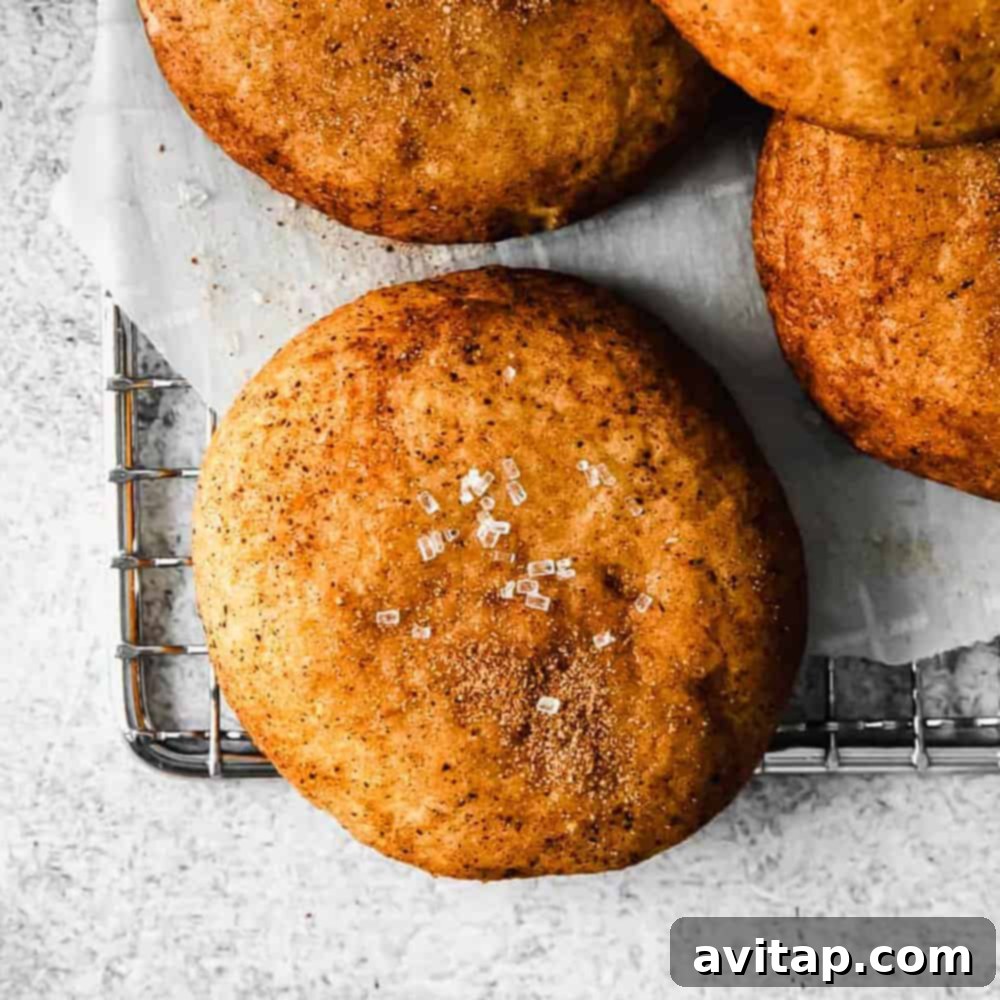
Welcome to the ultimate guide for baking the most delightful snickerdoodle cookies! This easy-to-follow recipe promises a batch of cookies that are incredibly soft, perfectly chewy, and brimming with a comforting cinnamon-sugar flavor. Crafted with readily available ingredients, these classic treats are a beloved holiday cookie and a nostalgic favorite for many. Get ready to create a batch that will disappear as quickly as you bake them.
Expanding your holiday cookie collection? Beyond these perfect snickerdoodles, consider adding more festive delights to your cookie tin. Explore our other beloved recipes like these delicious Maple Sugar Cookies or these delightful Ginger Whoopie Pies for a truly impressive assortment.

The Ultimate Guide to Soft, Chewy & Easy Snickerdoodle Cookies
Crafting the Perfect Snickerdoodle: A Taste of Nostalgia
For many, the mention of snickerdoodle cookies instantly conjures images of childhood kitchens, holiday gatherings, and the comforting aroma of cinnamon. These iconic cookies are more than just a dessert; they are a nostalgic journey back to simpler times. Our recipe aims to deliver that quintessential snickerdoodle experience: a cookie that’s wonderfully chewy, exquisitely soft, and boasts the signature sweet and tangy flavor profile that makes snickerdoodles so uniquely beloved. It’s the perfect balance of warm spices and a subtle tartness that truly sets them apart from other cinnamon-sugar confections.
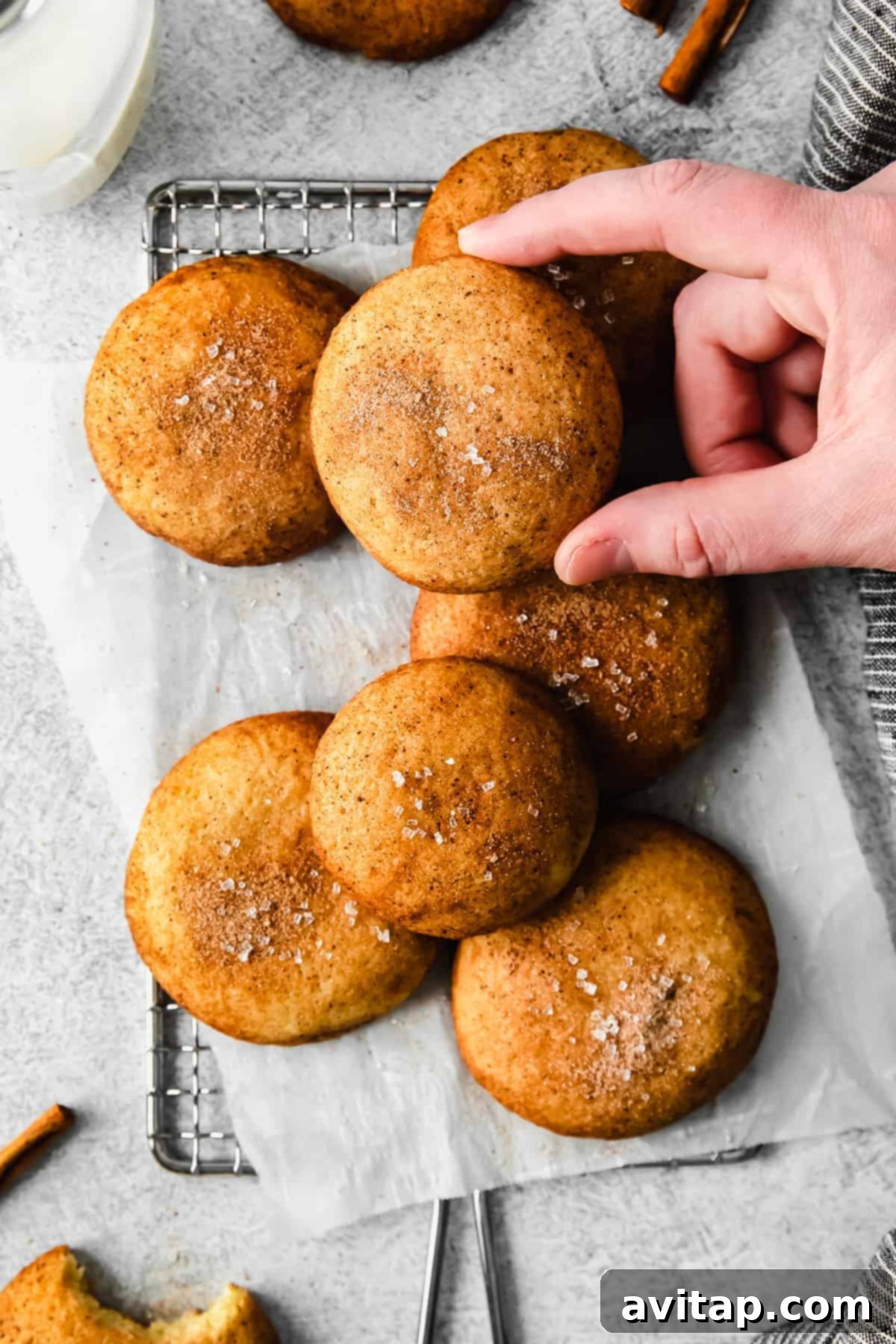
What defines a truly exceptional snickerdoodle? It’s a delicate interplay of textures and flavors. You’re looking for a cookie with a slightly crisp exterior, a remarkably soft and cake-like interior, and that characteristic crinkly top dusted generously with cinnamon sugar. The secret to their distinct tangy note lies in one special ingredient: cream of tartar. This isn’t just a leavening agent; it’s the ingredient that gives snickerdoodles their signature pucker and contributes to their tender crumb. Achieving this perfect balance requires attention to detail, but with our straightforward instructions, you’ll master it in no time.
Essential Tips for Snickerdoodle Success
Baking delicious snickerdoodles is a rewarding experience, and a few key practices can elevate your cookies from good to absolutely outstanding. Pay close attention to these fundamental steps to ensure a perfect batch every time:
- Precision in Measuring: The foundation of any great baking endeavor is accurate measurement. Before you even begin mixing, take the time to measure out every ingredient. This “mise en place” approach ensures you have everything on hand and eliminates frantic searching mid-recipe. We highly recommend using a kitchen scale for dry ingredients like flour to achieve the most precise results, which significantly impacts the cookie’s final texture.
- Mastering the Creaming Process: Creaming butter and sugar together is more than just combining them; it’s about incorporating air and dissolving the sugar crystals. This step is vital for a light, fluffy, and tender cookie. Beat your room-temperature unsalted butter and sugars (both light brown and granulated) until the mixture is visibly lighter in color and incredibly airy and fluffy. This can take 3-5 minutes with an electric mixer. This process creates tiny air pockets that contribute to the cookies’ rise and delicate texture.
- The Power of Chilling the Dough: Do not underestimate the importance of refrigerating your cookie dough! This step is non-negotiable for achieving the ideal snickerdoodle texture. Chilling the dough for at least two hours, or even better, overnight, allows the butter to firm up, preventing the cookies from spreading too rapidly in the oven. It also gives the flour time to fully hydrate, resulting in a more flavorful, chewier, and cake-like cookie with those desirable crinkled tops, rather than flat, crispy ones.
- Tools of the Trade: While a stand mixer isn’t strictly necessary, it makes the creaming process significantly easier and more effective. We’ve tried both stand mixers and hand mixers, and the consistent power of a stand mixer truly shines when incorporating air into the butter and sugar. If you’re using a hand mixer, be prepared for a bit of a workout, but the delicious results will be worth the effort!
The Distinctive Flavor and Texture of Snickerdoodles
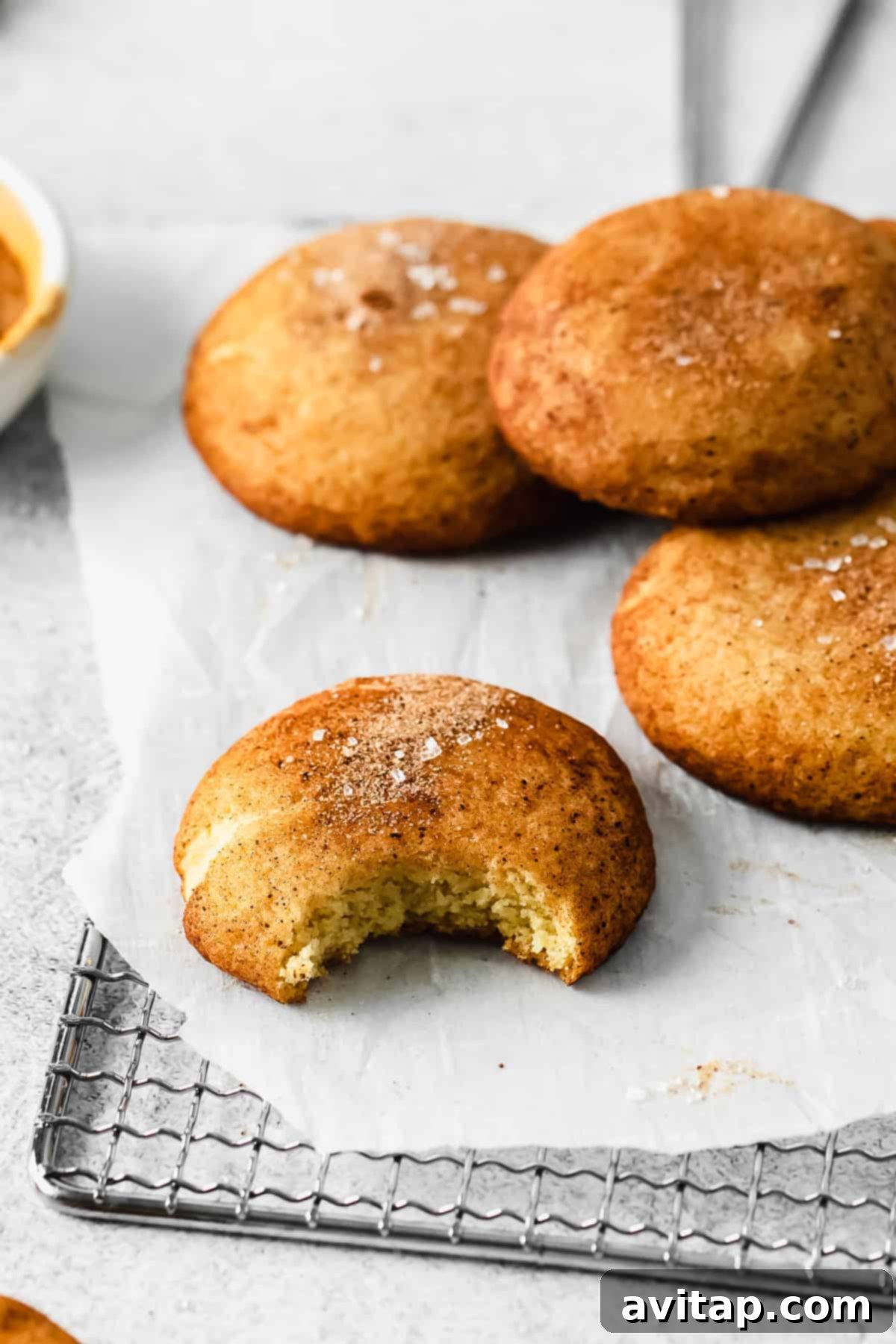
A true snickerdoodle offers a sensory experience unlike any other cookie. At its heart, it’s a celebration of classic cinnamon and sugar, but with a unique twist that elevates it beyond a simple sugar cookie. Imagine a cookie that is wonderfully cake-like in its tender crumb, yet simultaneously satisfyingly chewy. The most defining characteristic, however, is the subtle, yet distinct, tartness that cuts through the sweetness. This tangy note is the hallmark of a well-made snickerdoodle, derived from the special ingredient: cream of tartar.
Each bite delivers a comforting warmth from the cinnamon, balanced by the sweetness of the sugar coating. This exterior provides a slight textural contrast, offering a delicate crunch before yielding to the soft, moist interior. The chewiness is paramount, ensuring a satisfying bite that doesn’t crumble too easily. This harmonious blend of sweet, tangy, spicy, soft, and chewy is what makes snickerdoodles an unforgettable treat, especially when enjoyed fresh from the oven.
Key Ingredients for Irresistible Snickerdoodles
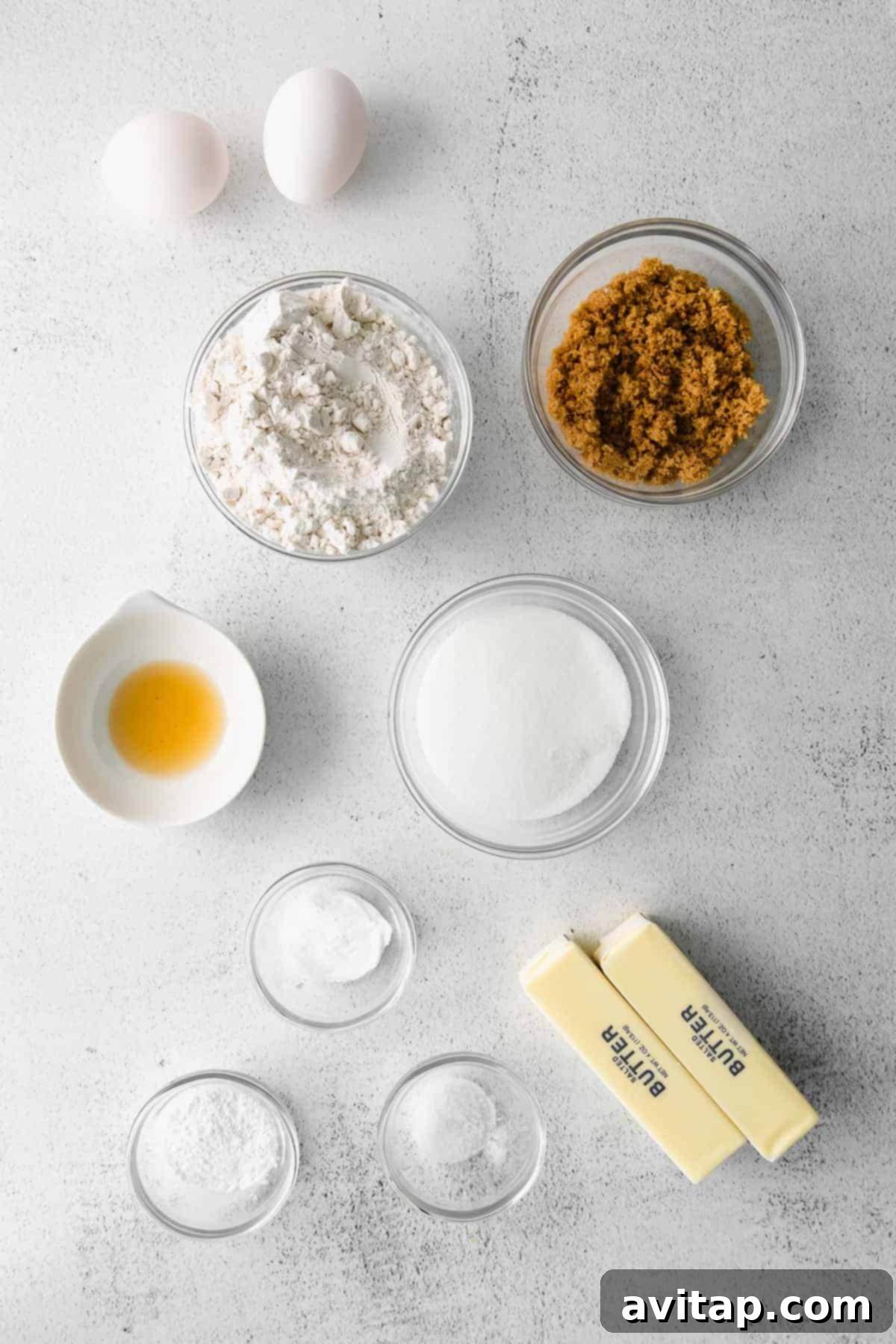
Crafting the perfect snickerdoodle relies on a thoughtful combination of common baking staples, each playing a crucial role in achieving that signature taste and texture. Here’s a detailed look at the ingredients you’ll need and why they’re essential:
- All-Purpose Flour: For these snickerdoodles, we opt solely for all-purpose flour. This choice helps to maintain a wonderfully light, fluffy, and chewy texture. Using a blend of flours can sometimes alter the delicate balance, but all-purpose flour provides the ideal structure without making the cookies dense.
- Cream of Tartar: This is the secret ingredient that gives snickerdoodles their characteristic tangy flavor and contributes significantly to their unique chewy texture and signature crinkled tops. Chemically, it’s an acidic salt that reacts with baking soda to produce carbon dioxide, acting as a powerful leavening agent. It’s truly what distinguishes a snickerdoodle from a standard sugar cookie.
- Baking Soda: Working in conjunction with cream of tartar, baking soda is another vital leavening agent. It helps the cookies rise, ensuring they are light and airy rather than flat and dense. The chemical reaction between baking soda and cream of tartar is fundamental to the snickerdoodle’s structure.
- Salt: A small but mighty ingredient, salt plays a critical role in enhancing all the other flavors. It balances the sweetness of the sugars and cinnamon, preventing the cookies from tasting overly cloying and bringing out the depth of the other ingredients.
- Unsalted Butter (Room Temperature): Using unsalted butter is crucial because it gives you complete control over the total salt content in your cookies. Ensure your butter is at true room temperature – soft enough to make an indentation with your finger, but not melted – for optimal creaming with the sugars, which is essential for texture.
- Light Brown Sugar (Packed): While granulated sugar provides sweetness, light brown sugar contributes to a more complex flavor profile and, crucially, adds to the cookies’ chewiness. Its molasses content also imparts a subtle richness and helps keep the cookies moist. We prefer light brown sugar for a slightly lighter color and more delicate flavor than dark brown sugar.
- Granulated Sugar: This classic white sugar provides crispness around the edges and a pure sweetness. It also forms the base of the delightful cinnamon-sugar coating that defines snickerdoodles, giving them their iconic exterior.
- Vanilla Extract: High-quality vanilla extract adds a layer of warmth and aromatic depth that complements the cinnamon beautifully. It rounds out the flavors and elevates the overall taste of the cookie. Don’t skimp on good vanilla!
- Large Eggs (Room Temperature): Eggs bind the ingredients together, add moisture, and contribute to the cookie’s structure and richness. Using large eggs at room temperature ensures they incorporate smoothly into the batter, preventing curdling and resulting in a more uniform dough. For these cookies, genuine eggs are recommended over flax eggs or other substitutes to achieve the desired texture.
- Ground Cinnamon: The star spice of the show! Ground cinnamon is essential for both the cookie dough itself and the external coating. It provides the signature warm, spicy aroma and flavor that is synonymous with snickerdoodles. Ensure your cinnamon is fresh for the best impact.
The Essential Role of Cream of Tartar in Snickerdoodles
Often found in the spice aisle of any grocery store, cream of tartar is a fascinating ingredient that holds the key to the snickerdoodle’s distinct character. Scientifically known as potassium bitartrate, it’s a natural byproduct of the winemaking process, specifically found adhering to the inside of wine barrels during fermentation. It’s a culinary marvel that many bakers might overlook, but it’s indispensable for these cookies.
This fine, white powder is acidic and reacts with baking soda to produce carbon dioxide gas, which helps the cookies rise and achieve a light, airy texture. However, its most important contribution to snickerdoodles is the unique tangy flavor it imparts. This subtle tartness perfectly balances the sweetness of the cinnamon-sugar coating, creating a more complex and nuanced taste experience. While technically you could make snickerdoodles without cream of tartar, the resulting cookies would lack that signature pucker and distinctive chewiness that makes a snickerdoodle truly authentic and memorable.
Baking Homemade Snickerdoodles: A Step-by-Step Guide
Creating these delightful snickerdoodles is a straightforward process when you follow these key steps. For precise measurements and detailed timings, refer to the full recipe card below. This overview provides the essential actions you’ll take to bring these cookies to life:
- Prepare Ingredients: Gather and accurately measure all your ingredients. This ensures a smooth baking process and consistency in your results. A kitchen scale is highly recommended for dry ingredients.
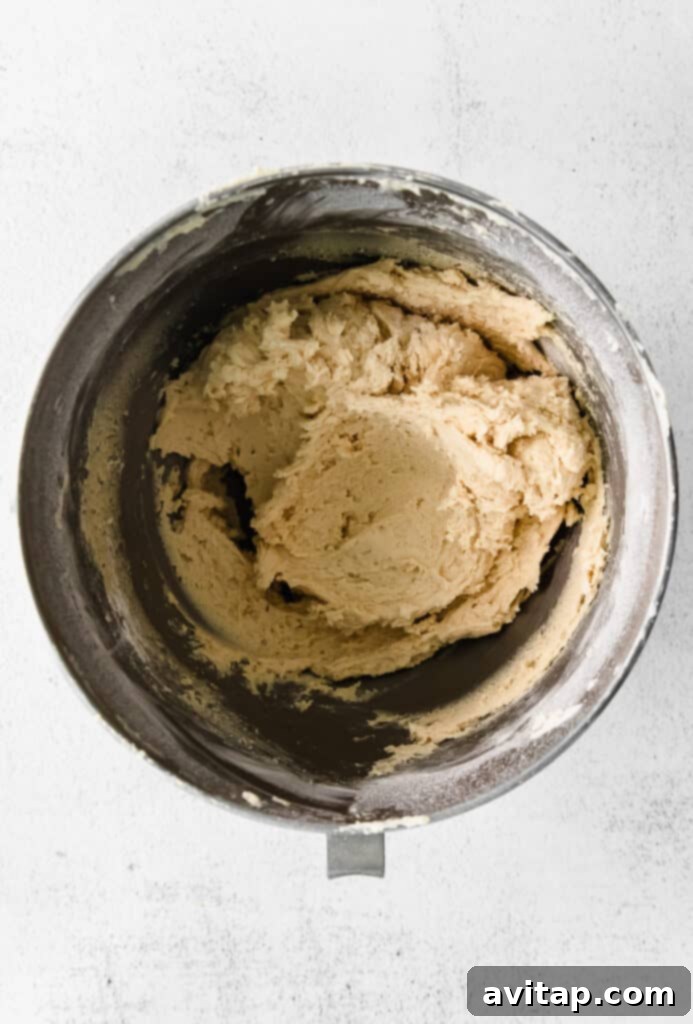
- Cream Butter and Sugars: In a stand mixer, beat the room-temperature butter and sugars until the mixture is light, fluffy, and significantly paler in color. This step is crucial for incorporating air and achieving the desired texture. Incorporate eggs and vanilla until well combined.
- Combine Dry and Wet Ingredients: Whisk together your dry ingredients (flour, cream of tartar, baking soda, salt) in a separate bowl. Gradually add these dry components to your wet mixture, mixing until just combined. Avoid overmixing to prevent tough cookies.
- Chill the Dough: Transfer the cookie dough to an airtight container and refrigerate it for a minimum of 2 hours, or ideally, overnight. This chilling period is essential for firming the dough and developing flavor, which prevents excessive spreading during baking and ensures a chewy final product.
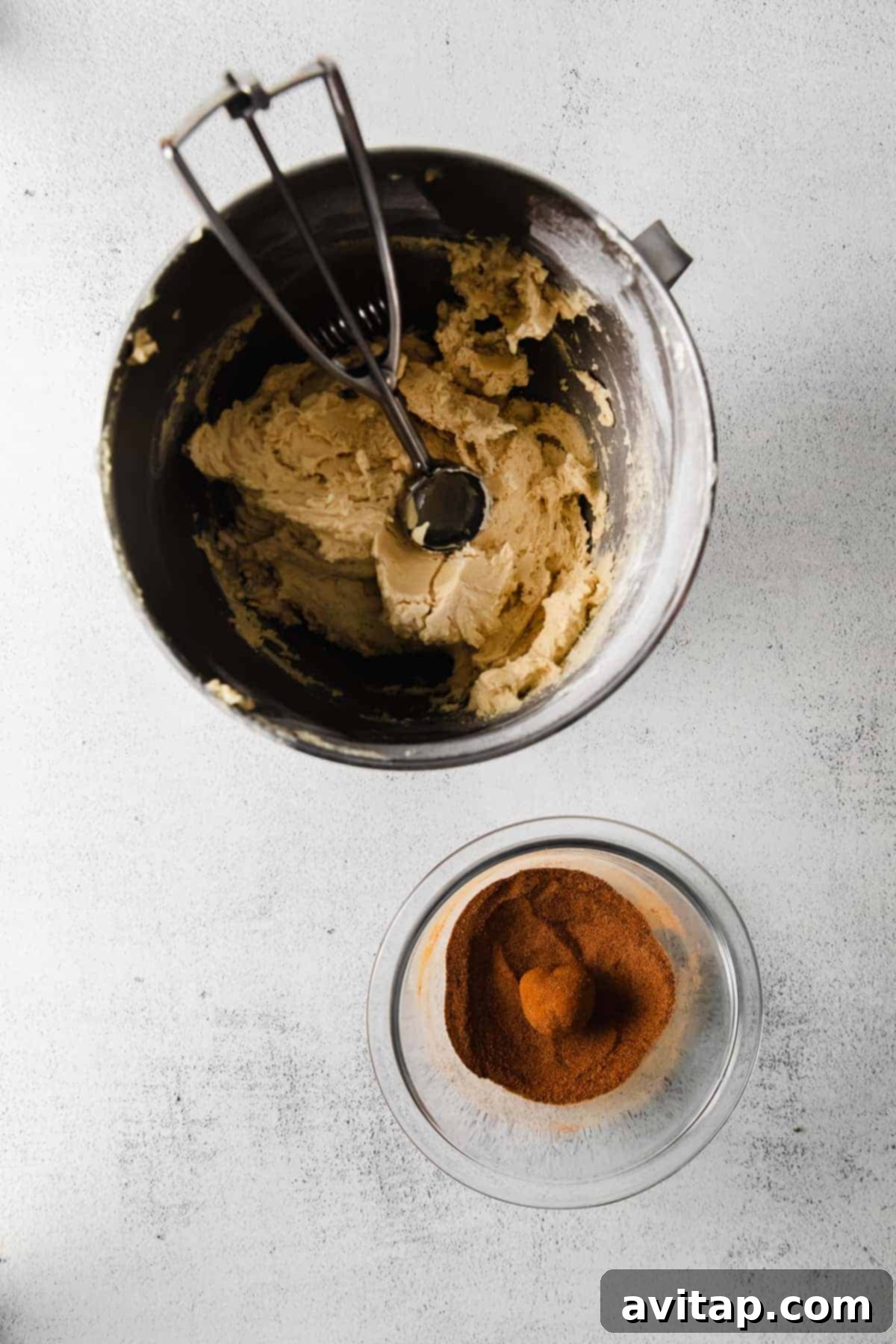
- Roll and Coat: Once chilled, scoop portions of dough using a tablespoon-sized cookie scoop. Roll each portion into a smooth ball between your palms, then generously coat it in the prepared cinnamon-sugar mixture.
- Bake to Perfection: Arrange the coated dough balls on a parchment-lined baking sheet, leaving ample space between each. Bake in a preheated oven for 10-12 minutes, or until the edges are set and the tops show characteristic cracks.
- Cool and Enjoy: Allow the baked cookies to rest on the baking sheet for a couple of minutes before transferring them to a wire rack to cool completely. This helps them set and firm up properly.
Achieving Extra Cinnamon-Sugar Perfection
For those who adore an intensely sugary and cinnamon-packed snickerdoodle, there are a couple of fantastic techniques to amplify that iconic coating. Don’t hold back if you want that extra sparkle and spice:
- Double Roll for Maximum Coverage: The simplest method is to give your cookie dough balls a second roll in the cinnamon-sugar mixture. After the initial coating, gently roll them again to ensure a thick, even layer of spice and sweetness. This creates a more pronounced flavor and a beautiful, glistening finish.
- Post-Bake Dusting for Freshness: For an even more intense and fresh cinnamon-sugar hit, try this trick: once your snickerdoodles are fresh out of the oven and have rested on the baking sheet for just a minute or two (while still warm and pliable), gently lift each cookie and press both its top and bottom into the cinnamon-sugar mixture. The residual warmth from the cookie helps the sugar adhere perfectly, creating an undeniable burst of flavor with every bite.
Troubleshooting Flat Snickerdoodles: Common Reasons and Solutions
Encountering flat cookies can be disheartening after all your baking efforts. If your snickerdoodles are spreading too much and losing their characteristic chewiness and height, here are the most common culprits and how to prevent them:
- Insufficient Chilling Time: This is arguably the most frequent reason for flat snickerdoodles. It’s incredibly tempting to rush the refrigeration step, but skipping or shortening the chilling time means your butter in the dough is too soft. When the dough hits the warm oven, the butter melts too quickly, causing the cookies to spread rapidly before they have a chance to set. Always adhere to the recommended chilling time of at least 2 hours, or for best results, overnight. A firmer, colder dough will spread less, resulting in thick, chewy cookies.
- Expired Leavening Agents: Baking soda and cream of tartar are crucial for the cookies’ rise and texture. If these ingredients are old or inactive, they won’t produce the necessary gases to make your cookies puff up. Baking soda typically lasts about 6-12 months once opened, and cream of tartar can last a year or more. To test baking soda, mix a quarter teaspoon with a few drops of vinegar; it should bubble vigorously. For cream of tartar, mix a quarter teaspoon with half a teaspoon of hot water and a pinch of baking soda; it should also fizz.
- Overly Soft Butter or Incorrect Ratio: While room-temperature butter is essential for creaming, butter that is too soft (approaching melted) can lead to a greasy, flat cookie. Additionally, an imbalance in your dry to wet ingredient ratio can cause issues. Ensure your butter is just soft enough to indent with a finger, not shiny or oily.
- Oven Temperature Issues: An oven that isn’t hot enough can cause cookies to spread excessively before they begin to bake and set. Conversely, an oven that’s too hot can cook the outside too fast, leaving the inside undercooked and prone to collapse. Use an oven thermometer to verify your oven’s accuracy.
- Old or Improperly Measured Flour: While less common, very old flour can sometimes have a reduced gluten structure that affects cookie texture. More often, incorrect flour measurement (too little) can lead to a dough that is too wet and spreads. Always scoop flour gently into your measuring cup and level it off, or better yet, weigh it with a kitchen scale.
Creative Variations and Mix-Ins for Your Snickerdoodles
While the classic snickerdoodle is perfect on its own, these cookies also serve as an excellent canvas for creative additions and flavor variations. Don’t hesitate to personalize your batch with these delightful mix-ins:
- Cinnamon Chips: For an extra boost of warm spice, folding in cinnamon chips is a fantastic choice. They melt into pockets of concentrated cinnamon flavor, intensifying the cookie’s signature profile.
- Chocolate Chips: A perennial favorite, chocolate chips (milk, semi-sweet, or even white chocolate) add a delicious sweetness and creamy texture that pairs surprisingly well with the tangy cinnamon-sugar.
- Raisins: For a chewy, fruity counterpoint to the spice, plump raisins can be a wonderful addition, bringing a touch of classic oatmeal-raisin cookie comfort to your snickerdoodles.
- Toffee Bits: Crushed toffee bits introduce a delightful buttery, caramel note and an added crunch, making your snickerdoodles even more indulgent.
- Nutty Additions: Finely chopped pecans or walnuts can provide a pleasant texture and earthy flavor, adding another layer of complexity to the cookie.
- Citrus Zest: For a bright, fresh twist, consider adding a teaspoon of finely grated orange or lemon zest to your dough. The citrus notes will beautifully complement the cinnamon and cream of tartar.

Join Our Culinary Community!
Become a part of the Fit Foodie Cooking Club and elevate your baking game! Get exclusive access to the recipe of the month, special tips, and exciting announcements delivered straight to your inbox. It’s the perfect way to stay inspired and discover new culinary adventures.
Learn more about the Fit Foodie Cooking Club or Subscribe Now to join our growing community of food enthusiasts!
Proper Storage for Maximum Freshness
To keep your snickerdoodles tasting their best, proper storage is key. After baking, allow the cookies to cool completely on a wire rack. Storing them while still warm will create condensation, leading to soggy cookies. Once fully cooled, transfer them to an airtight container. They can be stored at room temperature for up to 3-5 days, maintaining their soft and chewy texture. For extended freshness, especially in warmer climates, you can place the airtight container in the refrigerator, where they will stay fresh for up to 7-10 days. Bring them to room temperature before serving for the best experience.
Freezing Snickerdoodles for Future Enjoyment
Snickerdoodles are excellent candidates for freezing, either baked or as dough, allowing you to enjoy these delightful treats whenever a craving strikes. This is perfect for holiday prep or simply ensuring a fresh-baked cookie is always within reach.
Freezing Baked Snickerdoodles:
Once your snickerdoodles are baked and have cooled completely to room temperature, arrange them in a single layer on a baking sheet and flash freeze them for about an hour. This prevents them from sticking together. Once firm, transfer the cookies to a heavy-duty freezer bag or an airtight freezer-safe container, separating layers with parchment paper if stacking. Label with the date. They will maintain their quality in the freezer for up to 3 months. When ready to enjoy, simply thaw them at room temperature for an hour or two, or warm them briefly in a microwave or oven for that fresh-baked feel.
Freezing Snickerdoodle Cookie Dough:
Freezing the dough is a fantastic way to prepare ahead. After you’ve chilled the dough as instructed in the recipe, you have a couple of options:
- As Individual Balls: Scoop the dough into individual balls, roll them in the cinnamon-sugar mixture, and then place them on a parchment-lined baking sheet. Flash freeze them until solid (about 1-2 hours). Once frozen, transfer the dough balls to a freezer-safe bag or container, removing as much air as possible.
- As a Log: Alternatively, form the entire dough into one or two logs, wrap them tightly in plastic wrap, and then in aluminum foil. This log can be sliced into individual cookies when ready to bake.
Frozen dough will keep for up to 3 months. When you’re ready to bake, you can bake the frozen dough balls directly from the freezer, adding an extra 2-4 minutes to the baking time. For sliced logs, let the log thaw slightly at room temperature for 15-20 minutes before slicing and rolling in cinnamon sugar, then bake as usual.
Looking for more delightful treats? Discover some of our other cherished cookie creations:
Discover More Irresistible Cookie Recipes
If you’ve fallen in love with these snickerdoodles, you’re in for a treat! Our collection of cookie recipes offers a diverse range of flavors and textures perfect for any occasion, from cozy evenings to festive celebrations. Expand your baking repertoire with these fan favorites:
- Maple Sugar Cookies: Sweet, buttery, and infused with the rich flavor of maple.
- Chewy Ginger Cookies: A delightful blend of warm spices and a wonderfully soft, chewy texture.
- Gingerbread Cookies: Classic holiday spice cookies, perfect for decorating.
- Ricotta Cookies: Incredibly soft and tender, with a delicate, cake-like crumb.
- Hot Cocoa Cookies: Rich chocolate cookies topped with a fluffy vanilla bean frosting – like a cup of hot cocoa in cookie form.
- Cream Cheese Sugar Cookies: Unbelievably soft and rich, with a subtle tang from cream cheese.
- Lemon Crinkle Cookies: Bright, zesty, and beautiful with their powdered sugar coating.
- Oatmeal Raisin Cookies: A timeless classic, chewy and packed with oats and sweet raisins.
Each recipe is designed to be approachable for home bakers, ensuring delicious results you’ll be proud to share. Explore, bake, and enjoy the wonderful world of homemade cookies!
Easy Snickerdoodle Recipe: Your Guide to Sweet Perfection
This snickerdoodle recipe is destined to become a new family favorite. Its delightful cinnamon-sugar goodness combined with a soft, chewy texture is sure to impress everyone who takes a bite.
By: Lee Funke
Prep Time: 6 hours (includes chilling)
Cook Time: 10-12 minutes
Total Time: Approximately 6 hours 12 minutes
Yields: 12 servings (approx. 2 dozen cookies)
Print Recipe
Ingredients
- 2.5 cups all-purpose flour (280g)
- 2 teaspoons cream of tartar
- 1 teaspoon baking soda
- ½ teaspoon salt
- 2 sticks (1 cup) unsalted butter, room temperature
- ½ cup light brown sugar, packed (75g)
- ½ cup granulated sugar (100g)
- 1 teaspoon vanilla extract
- 2 large eggs, room temperature
- 1 tablespoon ground cinnamon (for coating)
- 2 tablespoons granulated sugar (for coating)
Detailed Instructions
- Prepare Dry Ingredients: In a medium bowl, whisk together the all-purpose flour, cream of tartar, baking soda, and salt until thoroughly combined. Set this mixture aside.
- Cream Butter and Sugars: In the bowl of a stand mixer fitted with the paddle attachment (or using a hand mixer), combine the room-temperature unsalted butter, light brown sugar, and ½ cup of granulated sugar. Beat on medium speed for 3-5 minutes, scraping down the sides of the bowl occasionally, until the mixture is light in color, visibly fluffy, and well-creamed. This process incorporates essential air into the dough.
- Add Eggs and Vanilla: In a separate small bowl, gently whisk the 2 large eggs with the vanilla extract until the yolks and whites are fully combined. Gradually add this egg mixture to the creamed butter and sugar, beating on medium-low speed until everything is fully incorporated and the mixture is light and fluffy.
- Combine Wet and Dry: With the mixer on low speed, gradually add the whisked dry ingredients to the wet ingredients. Mix until just combined and no streaks of dry flour remain. Be careful not to overmix, as this can lead to tough cookies.
- Chill the Dough: Transfer the cookie dough to an airtight container. Refrigerate the dough for a minimum of 2 hours, or for optimal results and flavor development, chill overnight (up to 24 hours). This firming of the butter and hydration of the flour is crucial for chewy cookies that don’t spread excessively.
- Preheat Oven and Prep Pan: When ready to bake, remove the cookie dough from the refrigerator and let it sit at room temperature for about 10-15 minutes to soften slightly, making it easier to scoop. Preheat your oven to 350°F (175°C). Line a baking sheet with parchment paper.
- Prepare Cinnamon-Sugar Coating: In a small, shallow bowl, combine the 1 tablespoon of ground cinnamon and 2 tablespoons of granulated sugar for the coating. Mix well.
- Scoop and Coat Dough: Using a tablespoon-sized cookie scoop, scoop out heaping portions of cookie dough. Roll each portion between your palms to form a smooth ball. Generously roll each dough ball in the cinnamon-sugar mixture until it is completely covered.
- Arrange and Bake: Place the coated dough balls onto the prepared baking sheet, ensuring adequate space (about 2 inches) between each, as the cookies will spread slightly. Bake for 10-12 minutes. The snickerdoodles are done when their edges are lightly set, and their tops show characteristic cracks but are still soft in the center. Avoid overbaking.
- Cool: Remove the baking sheet from the oven and let the cookies rest on the sheet for 2-3 minutes. This allows them to set further. Then, carefully transfer the warm cookies to a wire rack to cool completely.
Baking Notes and Pro Tips
- Ingredient Preparation: Always measure out all ingredients before you start mixing to ensure a smooth process.
- Accurate Flour Measurement: For the most precise results, weigh your flour using a kitchen scale (280g) rather than relying solely on cup measurements. If using cups, spoon flour into the measuring cup and level it off.
- Creaming Butter & Sugars: Don’t rush this step. Beat the butter and sugars until they are visibly light and fluffy, usually 3-5 minutes. This aeration is key to a light texture.
- Chill Time is Crucial: The refrigeration period (at least 2 hours, preferably overnight) is vital. It firms the dough, prevents spreading, and hydrates the flour, resulting in wonderfully moist and chewy cookies.
- Quick Chill Option: If you’re short on time, you can place the dough in the freezer for 30-45 minutes. However, the longer refrigerator chill yields the best texture and flavor.
Watch the Recipe Video
See how to make these perfect snickerdoodles step-by-step!
Watch “Easy Snickerdoodles” Video (Opens in new window)
Nutrition Information
Nutrition information is an approximation and may vary based on ingredients and preparation.
- Calories: 97 kcal
- Carbohydrates: 19 g
- Protein: 2 g
- Fat: 2 g
- Fiber: 1 g
- Sugar: 5 g
Share Your Snickerdoodle Creations!
We absolutely love seeing your baking triumphs! If you tried this recipe and loved it, please consider leaving a comment and rating below. Your feedback helps us and other bakers in our community. Don’t forget to share your beautifully baked snickerdoodles on social media! Tag your posts with the hashtag #fitfoodiefinds – we can’t wait to see your delicious creations!