
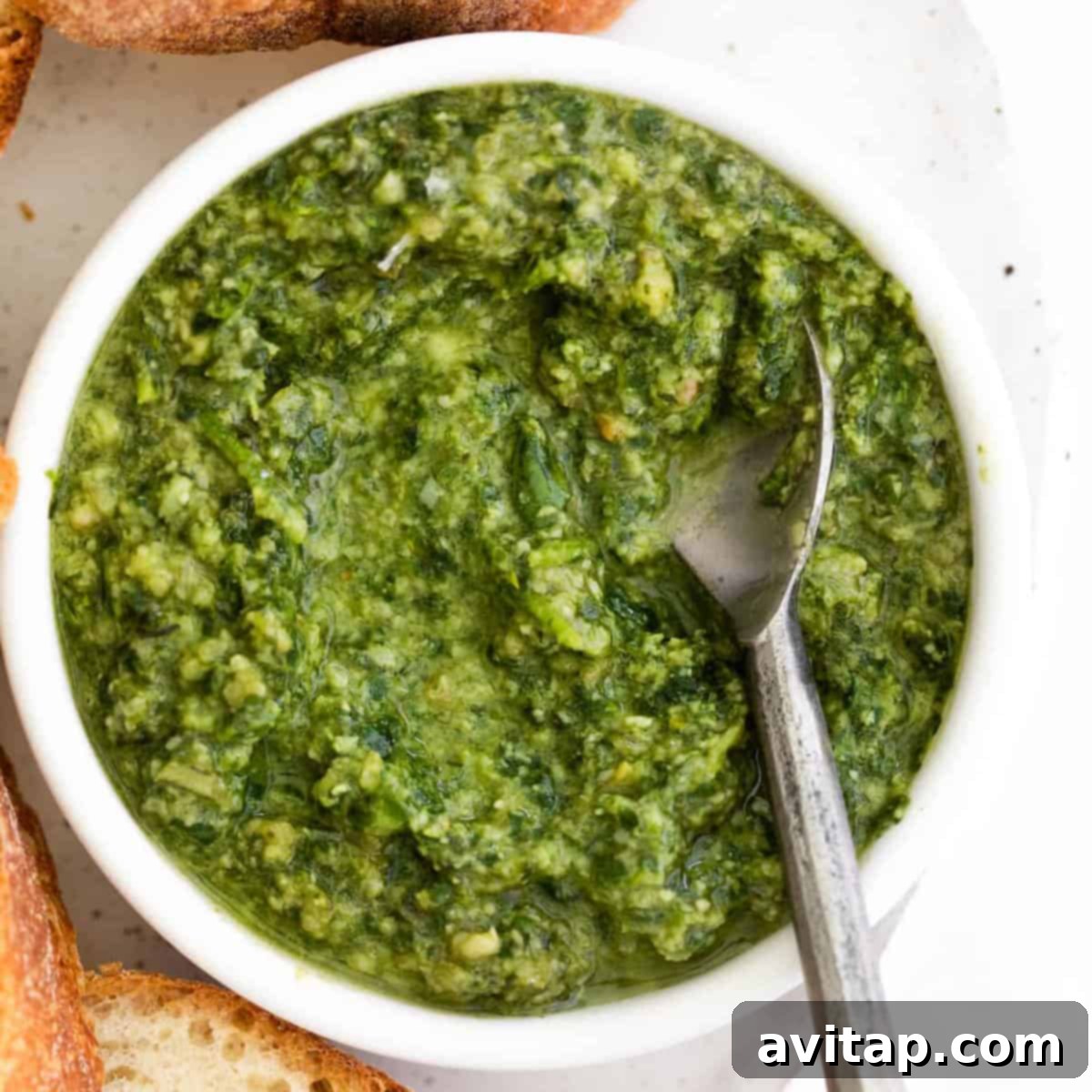
Welcome to the ultimate guide for crafting the freshest, most flavorful homemade basil pesto! This vibrant green sauce is a culinary revelation, transforming simple meals into extraordinary experiences. Forget bland store-bought jars; our easy-to-follow recipe brings the authentic taste of Italy right into your kitchen in just 5 minutes. Made with a handful of wholesome ingredients like aromatic fresh basil, savory Parmesan cheese, pungent garlic, bright lemon juice, delicate pine nuts, and rich olive oil, this pesto is bursting with garden-fresh flavor.
Perfect for using up that overflowing bounty of basil from your garden or adding a touch of gourmet elegance to your weeknight dinners, this homemade pesto is incredibly versatile. It’s an exceptional dip for crusty bread, a transformative sauce for pasta, a zesty marinade for proteins, or even a flavorful spread for sandwiches. Our secret to success lies in achieving that ideal, slightly gritty puree without over-processing, which can make pesto slimy. Get ready to elevate your cooking with this simple yet sophisticated staple that tastes incredibly fancy without being expensive to make!
The Essential Ingredients for Perfect Basil Pesto Sauce
Creating an exceptional basil pesto starts with carefully selecting each ingredient. Every component plays a vital role in building the layered flavors and achieving the signature texture of this beloved Italian sauce. Here’s a detailed look at what you’ll need to make your homemade pesto truly shine:
Fresh Basil Leaves: The undisputed star of the show. For the most aromatic and vibrant pesto, always opt for fresh basil. Its distinct sweet, peppery, and slightly anise-like flavor is irreplaceable. If you’re fortunate enough to grow your own, harvest the leaves just before blending for peak freshness. Otherwise, choose bright green, unblemished bunches from your local market. Ensure you pack the leaves tightly when measuring to get the right amount of that essential basil essence.
Extra Virgin Olive Oil: More than just a liquid, high-quality extra virgin olive oil is the backbone of pesto. It binds all the ingredients together, creating a luxurious, silky texture, and acts as a flavor carrier. A good EVOO will impart its own fruity, slightly bitter, or peppery notes, beautifully complementing the basil and enriching the overall taste. Using a high-quality oil is crucial here, as its flavor greatly impacts the final result of your pesto sauce.
Parmesan Cheese: This hard, salty, and savory cheese adds a depth of umami and a delightful tang that balances the freshness of the basil. Authentic Parmigiano-Reggiano, freshly grated, provides the best flavor and texture. Its granular quality also contributes to the signature ‘gritty’ feel of traditional pesto. Avoid pre-grated varieties, which often contain anti-caking agents that can hinder the pesto’s smooth emulsion and mute its flavor.
Pine Nuts: These small, delicate nuts are a traditional addition to pesto, offering a subtle, buttery flavor and helping to thicken the sauce. We often use them raw to preserve their gentle taste, but for an intensified nutty aroma, you can lightly toast them in a dry pan for a few minutes until fragrant. Just be careful not to burn them, as they can quickly turn bitter. If you’re looking for alternatives, other nuts can also be used (see “Ingredient Swaps” below).
Garlic Cloves: Garlic provides an essential pungent kick that awakens the entire flavor profile of the pesto. Our recipe calls for one medium clove, which offers a balanced garlic presence. However, if you are a true garlic aficionado who loves a bolder, more assertive flavor, feel free to double the amount. Remember that raw garlic is quite potent, so adjusting to your personal taste is key for the perfect pesto.
Fresh Lemon Juice: This ingredient is a must-have! Fresh lemon juice adds a vital touch of acidity that brightens the pesto’s flavor, preventing it from tasting heavy or flat. It cuts through the richness of the oil and cheese, creating a well-rounded and zesty profile. Additionally, the acidity of the lemon juice helps maintain the basil’s vibrant green color, preventing oxidation and browning. Always use freshly squeezed lemon juice for the best results.
Kosher Salt: Salt is more than just a seasoning; it’s a flavor enhancer that harmonizes all the individual components of the pesto. It brings out the best in the basil, garlic, and cheese, transforming a collection of ingredients into one incredible, cohesive sauce. Start with a small amount and taste as you go, as Parmesan cheese itself contributes a significant amount of salinity. Adjusting to your preference ensures your pesto is perfectly seasoned.
Creative Ingredient Swaps & Flavor Variations for Pesto
While the classic basil pesto is a timeless favorite, one of its greatest strengths is its adaptability. Don’t hesitate to get creative with substitutions and variations to tailor the recipe to your taste preferences, dietary needs, or simply what you have readily available in your pantry. These simple swaps can open up a whole new world of pesto possibilities:
- Basil Alternatives: If fresh basil isn’t available, or you’re keen to experiment, other leafy greens can create fantastic pestos. Spinach offers a milder, slightly sweeter flavor, resulting in a lighter pesto. Kale, on the other hand, yields a more robust and earthy sauce. You can also try a mix of basil with a smaller quantity of spinach or kale for a unique flavor profile. For a dedicated recipe, be sure to try our delicious kale pesto recipe.
- Pine Nut Substitutions: Pine nuts, while traditional, can be quite expensive. Thankfully, many other nuts make excellent and more budget-friendly alternatives. Cashews provide a creamy, buttery texture; pecans offer a slightly sweeter, richer note; and almonds contribute a delicate, earthy crunch. Walnuts are another popular choice, though they can sometimes impart a slightly bitter taste, so blanching them briefly or using them in smaller quantities can help.
- Parmesan Cheese Alternatives: For those who enjoy dairy, other hard cheeses can wonderfully replace Parmesan. Romano cheese offers a sharper, saltier kick, while Asiago provides a nuttier, slightly sweeter flavor. For a dairy-free or vegan option, nutritional yeast is an incredible substitute, mimicking the cheesy, umami flavor without any dairy. It’s also packed with B vitamins! You can also try our dedicated vegan Parmesan recipe for a truly plant-based experience.
- Olive Oil Swaps: While extra virgin olive oil is preferred for its robust flavor, you can certainly experiment with other oils. Grapeseed oil, with its neutral taste, allows the other ingredients to truly shine, resulting in a lighter-tasting pesto. Avocado oil is another excellent neutral option that also brings healthy fats to the table. For a unique touch, a small amount of walnut oil can be blended in alongside a neutral oil, especially if you’re using walnuts as your nut base.
- Add a Spicy Kick: For those who love a bit of heat, incorporating a small pinch of red pepper flakes into your pesto adds a delightful warmth that complements the fresh flavors of basil and garlic beautifully.
- Roasted Red Pepper Pesto: Blend in a few roasted red peppers (jarred or homemade) for a sweet, smoky, and vibrant variation often called “pesto rosso” (red pesto). This makes an amazing spread or sauce for grilled meats.
Make it Vegan!
Vegan Pesto
Following a plant-based diet but still craving the rich, herbaceous flavor of traditional pesto? Our dedicated vegan pesto recipe is your answer! It’s crafted to deliver all the authentic taste and satisfying texture without any dairy, making it a fantastic and flavorful alternative for everyone to enjoy.
Homemade Pesto FAQ: Your Questions Answered
Embarking on your pesto-making journey often comes with a few common questions. We’ve compiled answers to the most frequently asked questions to ensure your homemade pesto turns out perfectly every time:
While it is not strictly necessary, toasting your pine nuts is a step many culinary enthusiasts take to enhance their flavor. Lightly toasting pine nuts in a dry skillet over medium-low heat for just 3-5 minutes (watching them closely to prevent burning!) brings out a deeper, richer, and more intense nutty aroma. This simple process can add an extra layer of complexity and depth to your pesto, making it even more fragrant. If you’re short on time or prefer a milder nut flavor, raw pine nuts work perfectly well and are perfectly traditional.
Unfortunately, for authentic homemade pesto, we strongly advise against using dried basil. The distinctive magic of pesto relies heavily on the vibrant, fresh, and aromatic qualities of fresh basil leaves. Dried basil has a significantly different flavor profile and texture; it lacks the essential oils and moisture required to create that bright, herbaceous taste and creamy consistency. Substituting dried basil would result in a muted, less appealing pesto that simply doesn’t capture the true essence of this classic sauce. Stick to fresh basil for the best possible outcome.
Yes, absolutely! While a food processor is often the preferred tool for pesto due to its wider bowl, which allows ingredients to circulate more easily, a high-speed blender can also yield excellent results. When using a blender, you might find it helpful to stop and scrape down the sides more frequently to ensure all ingredients are evenly incorporated. You may also need to add a touch more olive oil to help the blades catch and process the ingredients smoothly. Blend in short pulses to maintain control over the texture and prevent over-processing, which can warm the pesto and slightly alter its vibrant flavor.
Yes, homemade pesto can indeed be a very healthy and nutritious sauce option! It’s packed with fresh, whole ingredients. Basil is rich in antioxidants, vitamins K, A, and C, offering various health benefits. Extra virgin olive oil provides heart-healthy monounsaturated fats. Parmesan cheese contributes calcium and protein, while pine nuts offer healthy fats, protein, and essential minerals. While pesto is calorie-dense due to its oil and nut content, when consumed in moderation as part of a balanced diet, it’s a fantastic way to add both flavor and significant nutritional value to your meals.
The vibrant green color of fresh pesto is part of its charm, but basil can oxidize and turn brown when exposed to air. To maintain that beautiful hue, ensure you include fresh lemon juice in your recipe, as its acidity acts as a natural antioxidant. When storing your pesto, press a layer of plastic wrap directly onto the surface of the sauce to create an airtight seal, or pour a thin layer of extra virgin olive oil over the top before sealing the container. Both methods create a barrier against oxygen, effectively preserving its fresh green color.
Gently wash your fresh basil leaves under cool running water to remove any dirt or debris, being careful not to bruise the delicate leaves. The most crucial step is to thoroughly dry the basil afterwards. Excess water can dilute your pesto and negatively affect its desired consistency. A salad spinner is an excellent tool for this, or you can gently pat the leaves completely dry with clean paper towels. Ensuring the basil is perfectly dry before processing is key to achieving a rich, undiluted pesto.
More of our Favorite…
Delicious Dishes with Basil Pesto Recipes
Once you’ve mastered this easy homemade basil pesto recipe, you’ll find that its versatility knows no bounds. Pesto can truly elevate a wide range of dishes, adding a burst of fresh, herbaceous flavor to almost any meal. Here are some of our favorite ways to incorporate this incredible sauce into your culinary creations, offering both classic pairings and innovative ideas:
- Pesto Chicken Salad: A refreshing and flavorful twist on traditional chicken salad, perfect for sandwiches, wraps, or as a light meal over greens.
- Sweet Potato Pizza Bites: A creative and delicious appetizer or snack. A dollop of pesto can add an unexpected depth of flavor to these kid-friendly bites.
- Naan Breakfast Pizzas: Use pesto as a savory base for a quick and easy breakfast pizza, topped with eggs, cheese, and your favorite breakfast meats or veggies.
- Pesto Roasted Vegetables: Toss seasonal vegetables like zucchini, bell peppers, asparagus, or cherry tomatoes with pesto before roasting for an explosion of savory, aromatic flavor.
- Pesto Stuffed Chicken Breast: Create a gourmet meal by stuffing chicken breasts with a mixture of pesto, fresh mozzarella, and sun-dried tomatoes before baking.
- Pesto Scrambled Eggs: Elevate your breakfast by stirring a teaspoon of pesto into your scrambled eggs or drizzling it over a frittata for an herbaceous kick.
Pesto Storage Tips for Maintaining Freshness
Proper storage is essential to keep your homemade pesto tasting its best and retaining its vibrant green color. Unlike store-bought versions that often contain preservatives, fresh pesto is made with natural ingredients and requires a little care. Once prepared, transfer your basil pesto into an airtight container. To prevent oxidation, which can cause the basil to brown, press a layer of plastic wrap directly onto the surface of the pesto, ensuring no air pockets remain. Alternatively, pour a thin layer of extra virgin olive oil over the top before sealing the lid, creating an effective barrier. Stored this way, your fresh pesto will remain delicious in the refrigerator for up to 3-5 days. Always use a clean spoon to scoop out pesto to avoid introducing bacteria.
How to Freeze Pesto for Long-Term Enjoyment
Freezing pesto is an incredibly simple and efficient way to preserve its fresh flavor and have this versatile sauce on hand for months to come. It’s perfect for utilizing an abundant basil harvest or simply ensuring you always have a taste of summer ready for any meal. Here’s a clear, step-by-step guide to successfully freezing your homemade pesto:
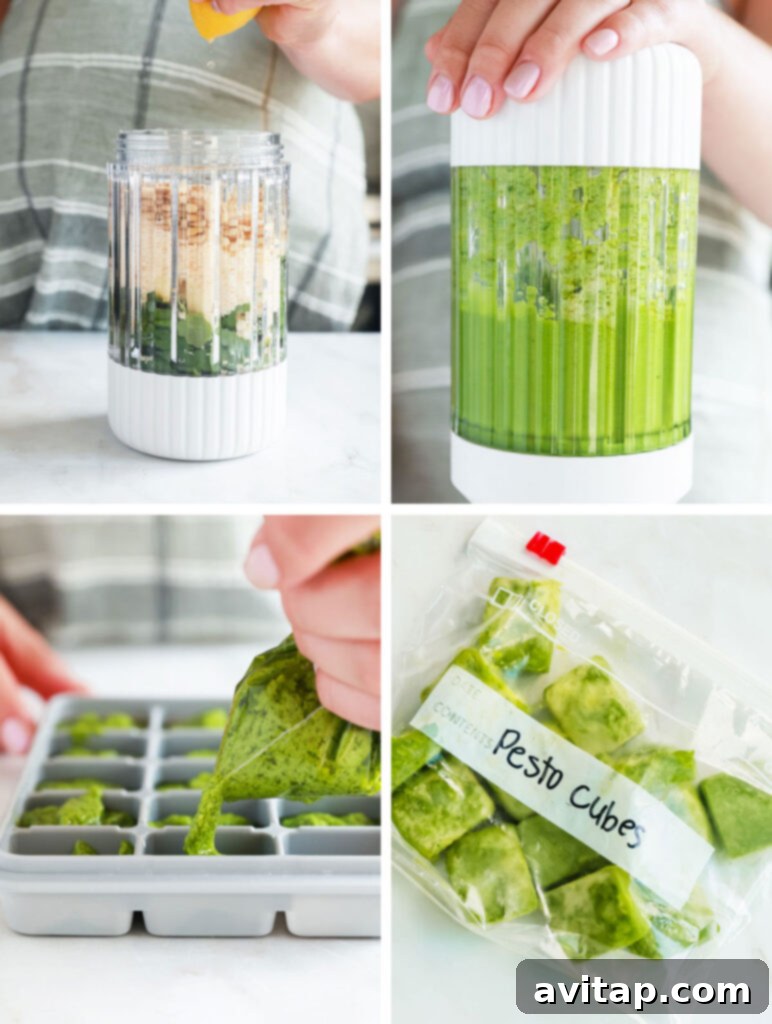
- Prepare for Freezing: After making your fresh pesto and allowing it to cool if it’s been recently blended, prepare your freezing vessels. Standard ice cube trays are ideal for portioning pesto, as they allow you to thaw precisely the amount you need for individual servings or recipes, minimizing waste.
- Portion into Trays: Carefully spoon the pesto into each compartment of your ice cube tray. Fill each cube approximately three-quarters of the way full. Each cube will typically hold about 1 to 2 tablespoons of pesto, making future meal prep very convenient. For an added layer of protection against freezer burn and to help maintain that vibrant green color, you can pour a tiny drizzle of olive oil over the top of each pesto cube before placing it in the freezer.
- Initial Freeze: Place the filled ice cube tray flat in your freezer. Allow the pesto to freeze completely, which usually takes at least 2 hours, or ideally, overnight. This step ensures that the pesto cubes are solid and won’t stick together when transferred for longer storage.
- Transfer to Storage: Once the pesto cubes are fully frozen, pop them out of the ice cube tray. Transfer the solid cubes into a freezer-safe, airtight container or a heavy-duty gallon-size freezer bag. Make sure to press out as much air as possible from the bag before sealing to prevent freezer burn. Label the container or bag with the date of freezing for easy tracking.
- Store for Months: Your perfectly portioned, frozen pesto will maintain its excellent quality and fresh flavor for up to 3 months in the freezer. This method allows you to enjoy the delicious taste of fresh basil pesto long after basil season has ended.
To Thaw Frozen Pesto: Thawing your frozen pesto is straightforward. For quick use, simply transfer the desired number of frozen pesto cubes into a nonstick skillet and gently defrost them over medium-low heat on the stovetop, stirring occasionally until warmed through. Alternatively, you can let the frozen pesto cubes thaw gradually by leaving them out on the counter for about 1 hour, or transfer them to the refrigerator overnight. Once thawed, give it a good stir to recombine any separated oil before using.
Pro Tip for Freezing!
Silicone Ice Cube Tray
For effortless portioning and incredibly easy removal, a high-quality reusable silicone ice cube tray is an absolute game-changer when it comes to freezing your homemade pesto. It makes popping out those perfectly sized pesto cubes a breeze, ensuring you have convenient portions ready whenever you need them!
Versatile Ways: How to Serve Pesto Sauce
One of the most appealing aspects of our homemade basil pesto recipe is its incredible versatility. Far from being limited to just pasta, pesto can be incorporated into countless dishes, instantly adding a burst of fresh, herbaceous flavor that elevates almost anything. There’s truly no one-size-fits-all approach to enjoying this green gold! Let’s explore some of the most delicious and innovative ways to serve your freshly made pesto:
Marinade: Pesto makes an exceptional marinade, infusing meats, poultry, seafood, or even firm tofu with a vibrant, aromatic flavor. Its olive oil base helps tenderize, while the garlic, basil, and cheese penetrate deeply, creating incredibly flavorful results. Try it with chicken, shrimp, or pork before grilling, baking, or pan-searing. For a quick and delicious idea, check out our Pesto Chicken Skewers recipe.
Salad Dressing: Elevate your everyday salads by using pesto as a rich and flavorful base for a dressing. For a thicker, more intense dressing, simply drizzle it directly over your greens, tomatoes, fresh mozzarella, or grain bowls. If you prefer a lighter, vinaigrette-style dressing, whisk pesto with additional extra virgin olive oil, a splash of white wine vinegar or balsamic vinegar, and a pinch of salt and pepper. It transforms a simple salad into a gourmet experience with minimal effort.
Sauce: Beyond its famous pasta pairing, pesto is a phenomenal finishing sauce for a wide variety of dishes. Spoon it generously over grilled chicken breasts, baked fish fillets like cod or salmon, or roasted vegetables such as asparagus, bell peppers, or zucchini. It adds an instant gourmet touch and incredible depth of flavor. Consider using it in our Pesto Chicken Meal Prep or drizzled over Mediterranean Salmon for hearty and healthy options.
Dip: Keep it wonderfully simple and use your homemade pesto as a delightful dip for a casual appetizer spread or snack. It’s perfect alongside slices of crusty artisan bread, an assortment of fresh-cut vegetables like carrots, cucumbers, cherry tomatoes, and bell peppers, or with your favorite crackers or pita chips. It’s an instant crowd-pleaser that showcases the pesto’s fresh flavors beautifully.
Pasta: The quintessential and arguably most beloved use for pesto! Toss warm, al dente pasta (such as spaghetti, fusilli, orecchiette, or penne) directly with your freshly made pesto. The heat from the pasta gently warms the sauce, releasing its full aroma and coating each strand perfectly. For a classic dish, explore our Pesto Pasta recipe. To make it a more substantial and satisfying meal, add grilled chicken, sun-dried tomatoes, or roasted vegetables, as seen in our delicious Chicken Pesto Pasta recipe.
Spread: Pesto makes a fantastic, flavorful spread that can replace mayonnaise or other condiments, adding a sophisticated touch to your sandwiches, wraps, and even burgers. Spread it generously on toasted bread, pita bread, ciabatta, or bagels. It pairs wonderfully with deli meats, fresh mozzarella, ripe tomatoes, and fresh greens. For a delicious example, try our Roasted Red Pepper and Pesto Turkey Sandwich.
Pizza Base: For a delicious and refreshing alternative to traditional tomato sauce, spread a thin layer of pesto as the base for your homemade pizzas or flatbreads. It provides a rich, savory, and aromatic foundation that pairs exceptionally well with various toppings like grilled chicken, feta cheese, cherry tomatoes, and caramelized onions.
Eggs and Breakfast: A dollop or drizzle of pesto can unexpectedly brighten up your breakfast or brunch. Swirl it into scrambled eggs, spoon it over a fried egg nestled on toast, or mix it into an omelet or quiche for an herbaceous, savory twist that will wake up your taste buds.
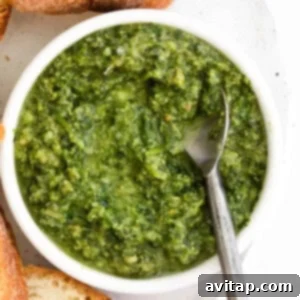
Easy Basil Pesto
Want to save this recipe?
Print or Pin for later!
Ingredients
- 1 cup packed fresh basil leaves (~20-22 fresh basil leaves)
- 1/4 cup grated Parmesan cheese
- 1 tablespoon fresh lemon juice
- 1 medium clove garlic
- 2 tablespoons pine nuts (raw or lightly toasted)
- 3 tablespoons extra virgin olive oil
- Pinch of kosher salt (to taste)
Instructions
-
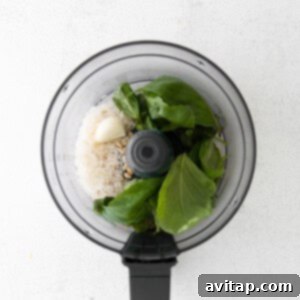
Place all ingredients, except for the olive oil, into a high-speed food processor. Add the packed fresh basil leaves, grated Parmesan cheese, fresh lemon juice, garlic clove, and pine nuts to the bowl of your food processor. Ensure the basil is dry for best results.

-
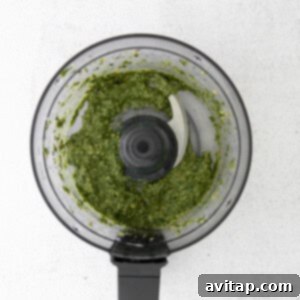
With the food processor running, slowly drizzle in the extra virgin olive oil through the feed tube. Process on high for about 1 to 2 minutes, stopping occasionally to scrape down the sides of the bowl with a spatula. This ensures all ingredients are evenly incorporated. Aim for a slightly gritty puree; avoid over-processing, which can generate heat, dull the basil’s color and flavor, and lead to a slimy consistency.
-
Check the consistency and taste. If your pesto is too thick for your intended use (e.g., a smoother sauce for pasta), add a small amount (about a teaspoon at a time) of additional olive oil and pulse briefly until it reaches your preferred consistency. Taste and adjust seasoning with extra salt or lemon juice if needed. Serve immediately or store as directed in our storage section.
Tips & Notes for Success
- This recipe yields approximately 1/3 cup of pesto. A typical serving size is about 2 tablespoons.
- For the most vibrant flavor and best texture, ensure your basil leaves are thoroughly dry before adding them to the food processor.
- Avoid Over-Processing: This is our golden rule! Pesto should have a delightful, slightly coarse, gritty texture, not a completely smooth, runny puree. Over-blending can generate heat, which dulls the basil’s vibrant green color and fresh flavor, and can also lead to an undesirable slimy or stringy consistency. Use short pulses instead of continuous blending.
- Taste and Adjust: Always taste your pesto before serving. It’s common to find it needs a tiny bit more salt, a squeeze of lemon, or even an extra shaving of Parmesan to reach your personal perfection.
- Toasting Pine Nuts (Optional): While our recipe uses raw pine nuts, you can lightly toast them in a dry skillet over low heat for a few minutes until fragrant to deepen their flavor. Let them cool completely before adding them to the food processor.
- Storage: Store fresh pesto in an airtight container in the refrigerator for up to 5 days. To prevent browning, cover the surface directly with plastic wrap or pour a thin layer of olive oil over the top before sealing.
- To Freeze: For longer storage, transfer 1-2 tablespoons of pesto into a silicone ice cube tray. Freeze for at least 8 hours, or until fully solid. Once frozen, transfer the pesto cubes into a gallon-size freezer bag or airtight container. Store in the freezer for up to 3 months. Thaw as needed for your favorite dishes.
Nutrition Information (per serving)
Calories: 145 kcal, Carbohydrates: 2 g, Protein: 3 g, Fat: 15 g, Fiber: 0 g, Sugar: 0 g
Please note: Nutrition information provided is an estimate based on average ingredient values and serving sizes, automatically calculated. It should only be used as an approximation and can vary based on specific ingredients and preparation methods.
Love this recipe? Share your thoughts below!
We’d absolutely love to hear how your homemade pesto turned out and how you enjoyed it! Don’t forget to tag your beautiful culinary creations on social media with the hashtag #fitfoodiefinds. Your kitchen adventures inspire us!