
Maximize Your Strength: A Total Body Superset Workout & Journey Through Injury Recovery
Embarking on a fitness journey often brings an array of experiences, from exhilarating breakthroughs to unexpected challenges. Today, I’m thrilled to share an invigorating total body superset strength training workout that promises to challenge your muscles and elevate your heart rate. But beyond the sweat and reps, I also want to open up about my recent personal journey through injury and recovery, emphasizing the profound importance of holistic well-being.
My fitness routine has recently seen a delightful mix of activities. Linley, Emily, and I have been exploring various workout studios across Minneapolis, a change my body has truly embraced. This diversification – incorporating more yoga for flexibility and mindfulness, running-based workouts for cardiovascular health, and barre for controlled strength – has proven incredibly beneficial for my mind, body, and soul. While I’ve been enjoying these new ventures, rest assured, my passion for strength training remains strong, and I continue to push my limits with challenging lifting sessions.
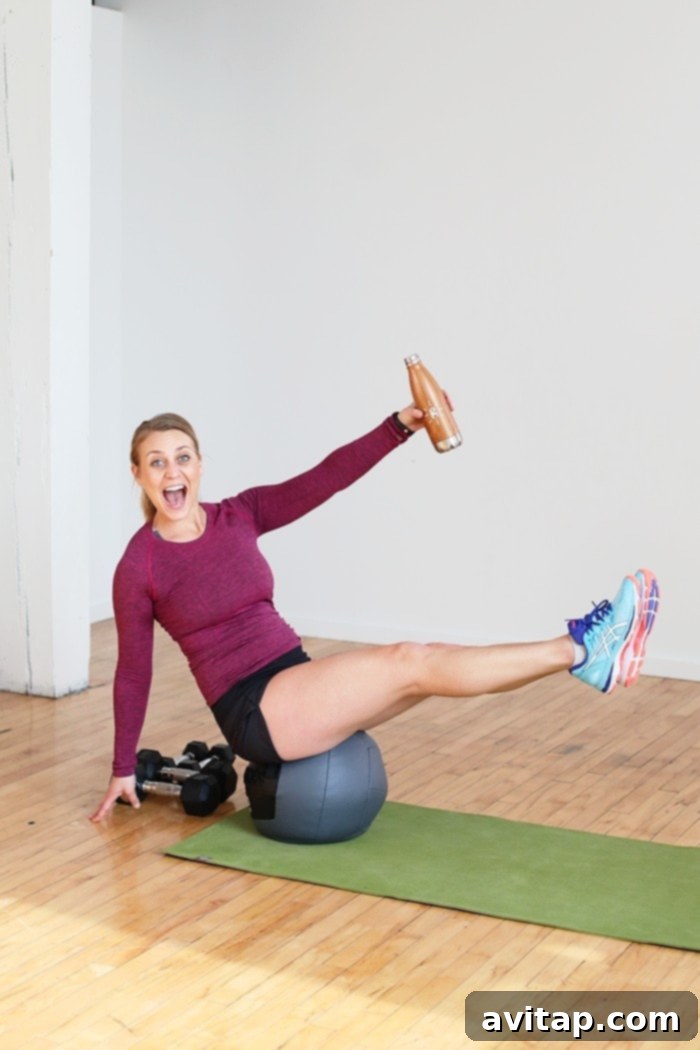
Understanding Injury and the Body’s Resilience: My Rib & Neck Journey
Strength training holds a very special place in my heart; it’s a discipline I deeply love and respect. However, the past year has presented a significant hurdle, forcing me to re-evaluate and tone down my intensity due to a persistent injury. My ribs, specifically the first and second, have a stubborn tendency to dislodge, throwing my entire neck and upper back out of alignment. This experience has profoundly highlighted the critical importance of proper bodily alignment, a factor I once took for granted.
When ribs are out of alignment, the body’s natural response is to compensate, often leading to muscle tightening and overuse of surrounding areas. I’ve experienced mornings where my left shoulder felt an inch from my ear due to intense muscle tension, and others where neck movement was severely restricted, making it impossible to look left. The frustrating part has been understanding the root cause. It was an “aha!” moment when I connected these recurring issues to a rear-end collision Linley and I experienced about a year and a half ago. The whiplash I sustained then, which I regrettably never had properly assessed, now appears to be the underlying cause of my chronic rib and neck issues, including a previously sprained neck. Even simple actions, like sleeping in an awkward position, have been enough to trigger the latest rib displacement, demonstrating just how delicate and interconnected our skeletal and muscular systems are.
This ongoing injury has extended its impact far beyond just my workout routine, affecting my daily well-being and, most notably, my sleep quality. Some days, the pressure in my upper back and neck is constant and debilitating, while other days I feel surprisingly fine. The most disheartening aspect has been the disruption to my sleep, a challenge I already face with insomnia. The past few weeks have been particularly brutal, with hourly awakenings to readjust my body position. As a side sleeper, this position currently exacerbates my injury, making restful sleep a rare commodity. But enough about the challenges; I’m eager to share the proactive steps I’m taking to restore health and optimal function to my neck, back, and spine.
A Holistic Approach to Neck, Back, and Spine Recovery
Regaining full health and mobility has become a top priority, and I’ve adopted a multi-faceted approach, combining professional care with natural remedies. This journey emphasizes consistency, patience, and listening intently to my body’s needs. Each element plays a crucial role in my healing process, contributing to a more aligned, pain-free existence.
- Chiropractic Care: A Foundation for Alignment
Visiting Dr. Andy at Well Adjusted MN has been nothing short of transformative. For a period, my visits were sporadic, fluctuating with the severity of my rib issues. However, committing to a consistent schedule of three appointments per week has yielded remarkable improvements. Initially, Dr. Andy focused on therapeutic techniques to loosen the severely tightened muscles surrounding my injured areas. This involved deep tissue massage, targeted cupping therapy, and various stretching protocols. Once these foundational muscular issues were addressed, we progressed to actual adjustments of my neck and back, which is where the real healing magic happens. The precision and expertise in these adjustments have been instrumental in restoring proper alignment and significantly reducing my discomfort. For those in Minneapolis, mentioning “Fit Foodie Finds” during your first appointment with Dr. Andy secures a generous 50% discount. You can easily book your session HERE. - Acupuncture: Balancing Energy and Alleviating Pain
My acupuncturist, Jen Noetzli (who also happens to be my pottery teacher!), is absolutely incredible. Our sessions involve not only spot acupuncture to target specific pain points but also broader treatments for overall well-being and anxiety reduction. Acupuncture, an ancient healing practice rooted in traditional Chinese medicine, works by stimulating specific points on the body to correct imbalances in energy flow, known as Qi. This stimulation can reduce inflammation, relieve pain, and promote relaxation throughout the nervous system. I prioritize these sessions every other week because the difference in my comfort levels and mental clarity is truly palpable. - Deep Tissue Massage: Releasing Stubborn Tension
While deep tissue massage might not always be the most relaxing experience due to its intensity, it is exceptionally effective for releasing chronic muscle tension. I’ve had incredible sessions with Kayln Demaria at Lightspace Bodywork Therapies. Kayln’s extensive experience, particularly with female athletes, makes her uniquely skilled in addressing the specific muscular imbalances and tightness I’ve been experiencing in my upper back and around my ribs. This therapy is crucial for breaking down adhesions and restoring elasticity to overused and contracted muscles, preparing them for better alignment. - Empowering Natural Remedies & Self-Care Strategies
- Arnica: Nature’s Anti-Inflammatory
Arnica is a potent natural remedy that can be used both topically as a cream or gel and orally in homeopathic forms. Highly recommended by Jen, my acupuncturist, Arnica is widely recognized for its anti-inflammatory and pain-relieving properties, making it excellent for reducing joint and muscle pain, bruising, and swelling. It’s become a staple in my daily routine for managing residual discomfort. - Foam Rolling: Enhancing Mobility and Releasing Fascia
Dr. Andy stresses the non-negotiable importance of foam rolling. I’ve incorporated daily foam rolling for my neck and back, and the improvements in my range of motion have been undeniable. Foam rolling is a self-myofascial release technique that applies pressure to tight muscles and fascia (the connective tissue surrounding muscles), helping to break up knots, improve blood flow, and increase flexibility. It’s an accessible and effective way to maintain muscle health between professional treatments. - Postural Awareness and Ergonomics: Daily Prevention
Beyond targeted treatments, constant awareness of my posture, especially during prolonged sitting or standing, is vital. Investing in an ergonomic setup for my workspace and regularly checking my alignment helps prevent recurrence. Small adjustments throughout the day can make a significant difference in alleviating strain on the neck and back. - Mindful Stretching & Gentle Movement: Maintaining Flexibility
Incorporating gentle stretches, particularly for the neck, shoulders, and upper back, into my daily routine aids in maintaining the flexibility gained from treatments. Movements like cat-cow, gentle neck rotations, and child’s pose can help keep the spine mobile and muscles relaxed without putting undue stress on the healing areas.
- Arnica: Nature’s Anti-Inflammatory
A profound realization during this journey has been a deeper appreciation for a healthy body. We truly don’t understand the full value of our well-being until it’s compromised. This experience has reinforced my commitment to holistic health and proactive self-care.
Before diving into the workout specifics, it’s important to note that I filmed this routine when I was completely healthy and free from injury. Currently, I am carefully avoiding most upper body movements that place significant tension on my traps and shoulders as I continue my recovery. Always listen to your body and modify exercises as needed, especially if you are managing an injury or discomfort.
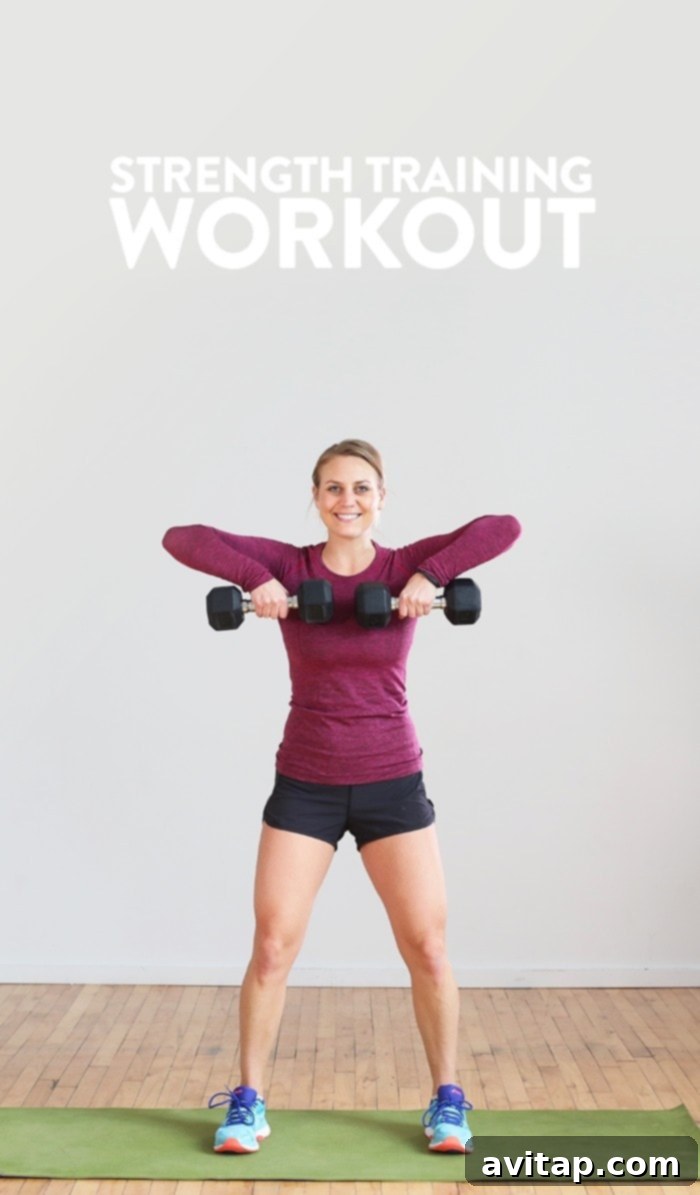
Watch the full workout explanation here: Total Body Superset Strength Training Workout Video
This Total Body Superset Strength Training Workout is meticulously designed to exhaust your muscles effectively while simultaneously incorporating bursts of cardio to elevate your heart rate and boost your metabolism. It’s an incredibly efficient way to train your entire body. All you need for this comprehensive, full-body strength workout are a medium to heavy set of dumbbells and a medicine ball, making it perfect for both home gyms and traditional fitness centers.
Total Body Superset Strength Training Workout Details
Workout Structure: This workout comprises 5 challenging supersets. Each superset is followed by an intense 1-minute sprint of your choice (e.g., jump rope, high knees, running in place). You will complete each superset for 4 rounds with a descending rep scheme: 15 reps, then 12 reps, then 9 reps, and finally 6 reps. It is crucial to perform move 1 and move 2 of each superset back-to-back without any rest in between. The goal is to feel breathless after completing both moves; if you’re not, consider increasing your weight or intensity. After completing both moves of a superset, rest for 60 seconds before moving on to the next round of reps for that same superset. Once all 4 rounds of a superset are completed, immediately transition into your 1-minute sprint before moving on to the next superset.
Superset 1: Shoulders and Upper Back Focus
- Arnold Press: Targets all three heads of the deltoid, promoting comprehensive shoulder development. Focus on a controlled rotation from palms-in to palms-out as you press.
- Y-Raises: Excellent for strengthening the often-neglected lower traps and rhomboids, improving posture and shoulder stability. Keep your core tight and motion deliberate.
1-minute sprint (e.g., high knees, jumping jacks)
Superset 2: Legs and Glutes Power
- Weighted Squat Jumps: A powerful plyometric exercise that builds explosive leg strength and cardio endurance. Hold a dumbbell close to your chest for added resistance.
- Weighted Glute Bridges: Isolates the glutes and hamstrings, crucial for lower body strength and hip stability. Place a dumbbell across your hips for increased challenge.
1-minute sprint (e.g., fast cycling, stair climbs)
Superset 3: Core and Posterior Chain Strength
- Weighted Oblique Sit-Ups: Targets the side abdominal muscles, enhancing core strength and rotational power. Hold a medicine ball or small dumbbell.
- Supermans: Strengthens the lower back, glutes, and hamstrings, vital for postural support and counteracting prolonged sitting. Focus on controlled movement.
1-minute sprint (e.g., battle ropes, burpees)
Superset 4: Back and Shoulder Definition
- Double Dumbbell Row: Engages the entire back musculature, improving pulling strength and posture. Keep your back flat and core engaged.
- Upright Rows: Works the shoulders and upper traps. Be mindful of shoulder health; modify if you feel discomfort, potentially by using a wider grip or lighter weight.
1-minute sprint (e.g., rower, mountain climbers)
Superset 5: Lower Body Endurance and Power
- Weighted Alternating Lunges: Builds unilateral leg strength and balance. Hold dumbbells at your sides and ensure your knee doesn’t go past your toes.
- Weighted Medicine Ball Squats: Combines a traditional squat with the added resistance and core engagement of a medicine ball. Focus on depth and explosive power.
1-minute sprint (e.g., box jumps, jump rope)
Disclaimer: Please remember that I am not a certified personal trainer or medical professional. The information provided in this article is for general informational purposes only and does not constitute medical advice. Always consult your physician or a qualified healthcare professional before beginning any new exercise program, especially if you have pre-existing conditions or are recovering from an injury. It is crucial to listen to your body, prioritize proper form, and modify exercises as needed to ensure your safety and well-being. Your health and safety are paramount.