
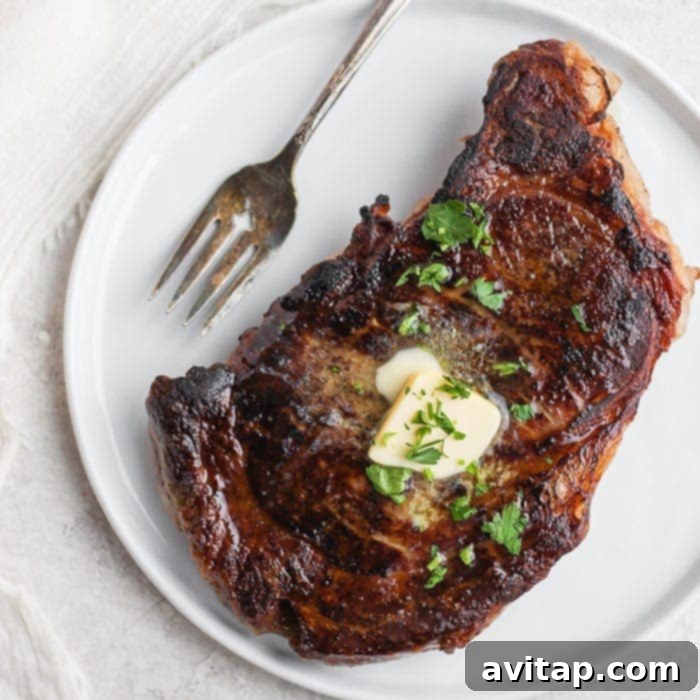
For years, ever since I first discovered the magic of sous vide cooking, it has become the exclusive method for preparing steak in my home. My husband, in particular, is passionate about achieving a flawless medium-rare, and no other technique offers such unparalleled precision. Sous vide steak truly stands out as the superior way to cook this classic dish because it allows you to set your water bath to an exact temperature, ensuring that every part of the steak – not just the center – is cooked to absolute perfection. This results in an incredibly consistent, juicy, and tender steak, every single time.
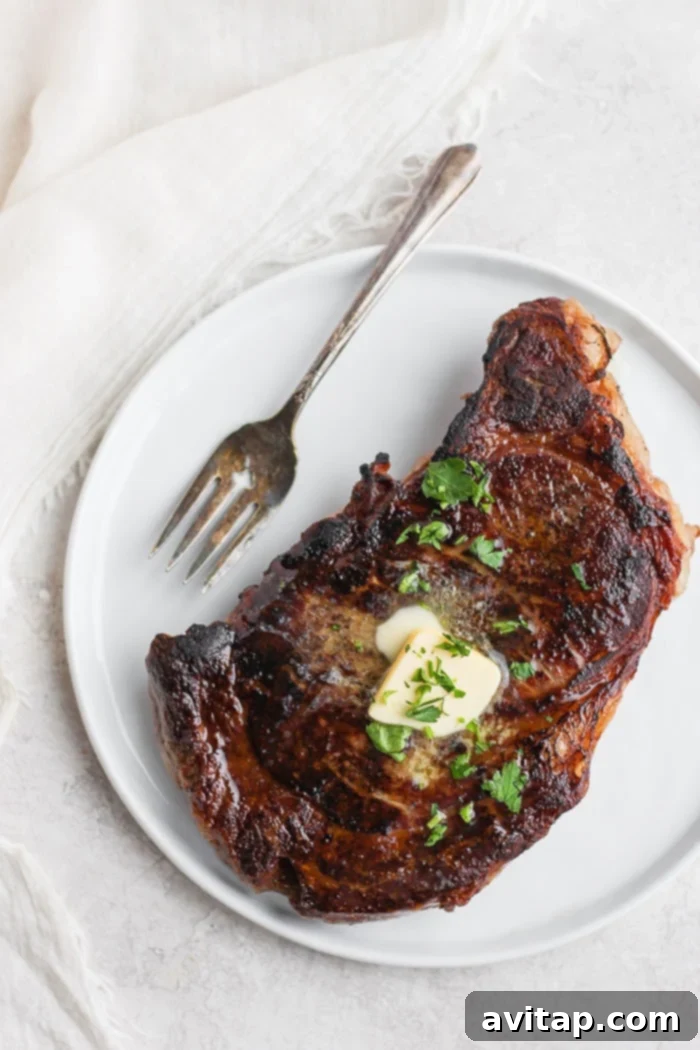
Why Choose Sous Vide for Your Steak?
When I say that cooking steak with a sous vide machine is the absolute best method, I’m speaking from years of experience and countless perfectly cooked meals. This technique is our go-to for every steak, even before it hits the grill for a final sear, precisely because it offers unparalleled control over doneness. By setting your water bath to an exact temperature, you ensure that the entire steak reaches and maintains that temperature. Imagine your water bath at 130ºF – this means your whole steak will be precisely 130ºF, from edge to edge, eliminating the common problem of overcooked edges and a raw center often found with traditional methods.
Restaurant-Quality Steak at Home
Have you ever dined at a high-end restaurant where your steak arrived incredibly fast and was cooked flawlessly throughout? Chances are, it was prepared using the sous vide method. Professional chefs have long relied on sous vide for its ability to deliver consistent results, perfectly cooked from one end to the other. This technique, once a secret of gourmet kitchens, is now accessible to home cooks, allowing you to replicate that premium dining experience in your own kitchen.
Sous vide isn’t just about precision; it’s also about locking in moisture and flavor. Because the steak cooks in a sealed bag within a temperature-controlled water bath, it retains all its natural juices and the added flavors from herbs and butter, resulting in a more tender and intensely flavorful steak than traditional grilling or pan-frying alone. It’s truly a game-changer for steak lovers.
Selecting the Best Steak Cuts for Sous Vide
One of the beauties of sous vide cooking is its versatility, allowing you to achieve outstanding results with various cuts of steak. This method is particularly forgiving and enhancing, making even tougher cuts remarkably tender and ensuring lean cuts remain incredibly juicy. I’ve personally experimented with several options, including a 1/2 lb. New York strip, a 3/4 lb. ribeye, and a 1 lb. t-bone, and each yielded delicious, perfectly cooked results.
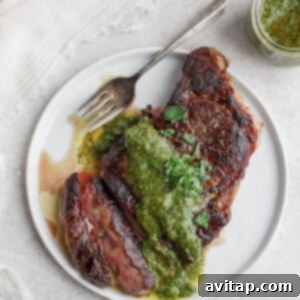
While all cuts perform admirably, the New York strip steak emerged as a personal favorite due to its exceptional juiciness and tenderness, which is why it was chosen for our photographs. Its balance of marbling and leanness makes it an ideal candidate for sous vide precision.
Other Excellent Steak Cuts for Sous Vide:
- Ribeye: Known for its rich marbling and robust flavor, the ribeye benefits immensely from sous vide, becoming incredibly tender while retaining its juiciness.
- Skirt Steak: Often a tougher cut, sous vide tenderizes skirt steak beautifully, making it perfect for fajitas or stir-fries, and ready for a quick, high-heat sear.
- T-Bone / Porterhouse: These cuts offer a unique combination of tenderloin and strip. Sous vide ensures both parts are cooked evenly without overcooking the more delicate tenderloin.
- Sirloin: A leaner and more affordable option, sirloin becomes surprisingly tender and flavorful when cooked sous vide.
- Filet Mignon: For the ultimate in tenderness, sous vide filet mignon guarantees a melt-in-your-mouth experience without drying out this premium cut.
- Flank Steak: Similar to skirt steak, flank benefits from the tenderizing effects of sous vide, preparing it perfectly for slicing against the grain.
Explore More of Our Favorite…
Sous Vide Recipes
- Sous Vide Chicken Breast
- Sous Vide Egg Bites
- Sous Vide Steak
- 24-Hour Sous Vide Ribs
- Sous Vide Chicken Thighs
- Sous Vide Salmon
- Sous Vide Pork Tenderloin
- Sous Vide Turkey
- ALL Sous Vide Recipes
Essential Ingredients for Your Sous Vide Steak
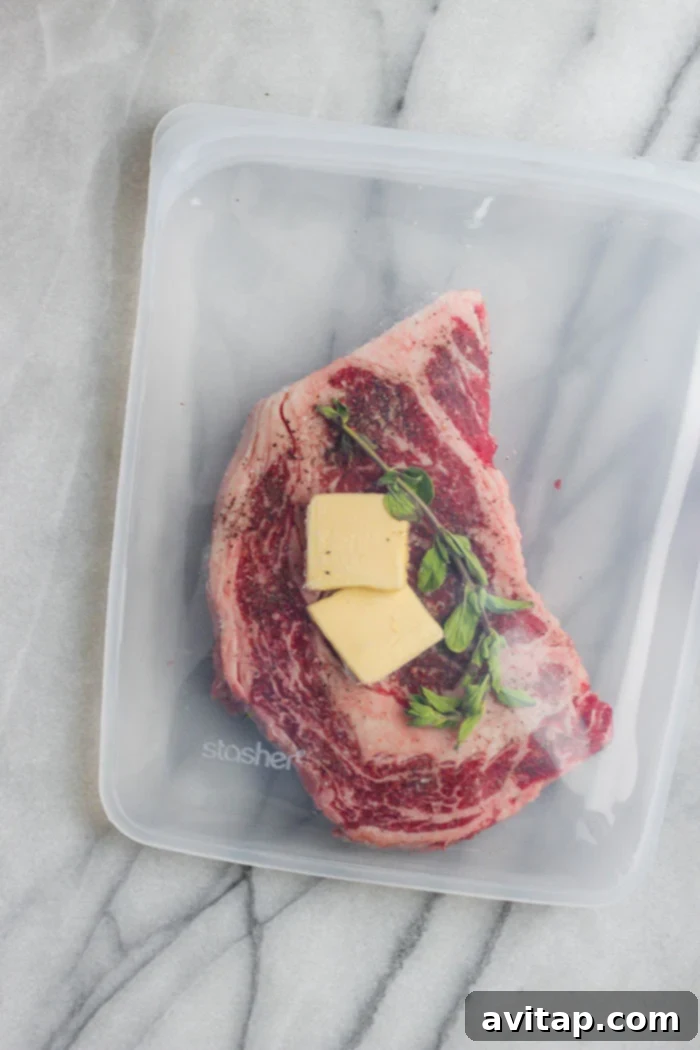
Achieving a truly exceptional sous vide steak requires just a handful of quality ingredients. Each component plays a vital role in enhancing the flavor and texture of your meat. Here’s a detailed look at everything you’ll need before placing your steak into the water bath:
- New York Strip Steak: While we’ve chosen New York strip for this recipe due to its fantastic balance and tender results, feel free to substitute with any other cut of steak that appeals to you. The most important factor is to ensure your steak is at least 1 inch thick, which allows for better heat retention and a more even cook throughout.
- Coarse Sea Salt + Black Pepper: Seasoning is crucial and should be done before the steak enters the sous vide. Using coarse sea salt and freshly cracked black pepper is highly recommended over finely ground options. The larger crystals of coarse salt create a more even seasoning and help develop a beautiful crust during the post-sous vide sear.
- Fresh Herbs: Aromatic herbs infuse the steak with incredible flavor during the low-and-slow cooking process. For this recipe, we used a fragrant combination of rosemary, thyme, and oregano. You can opt for one, two, or all three, depending on your preference. Simply add a few sprigs directly into the sous vide bag with your steak, allowing their essential oils to slowly permeate the meat.
- Butter: Do not skip the butter! Adding a tablespoon or two of butter directly into the sous vide bag before sealing is a game-changer. As the butter melts in the warm water bath, it bathes the steak, enhancing its richness and contributing a delightful, savory depth of flavor that becomes an integral part of the steak.
- Olive Oil: This is reserved for the crucial final step: searing your steak after it comes out of the sous vide. Olive oil helps achieve that coveted golden-brown crust and crispy exterior. If you prefer, you can substitute olive oil with more butter, clarified butter, or a high-smoke-point oil like avocado oil, especially if you’re looking for an even richer finish.
Choosing the Right Container for Sous Vide Steak
When it comes to setting up your sous vide water bath, flexibility is key. You don’t necessarily need specialized equipment beyond your immersion circulator. I’ve experimented with various options, and while a large stockpot is my personal go-to for its convenience, the primary requirement for any container is that it must be deep enough to fully submerge your steak in water, reaching the minimum water line of your sous vide device.
- Large Pot: A standard large stockpot is a fantastic option for most sous vide cooking. It’s readily available in most kitchens, sturdy, and usually deep enough for various cuts of meat. Ensure it’s big enough to allow water to circulate freely around your vacuum-sealed steak.
- 12 Qt. Plastic Bin: Dedicated sous vide containers, often clear plastic bins, are excellent choices. They typically come with lids that reduce evaporation and maintain temperature more consistently. Their rectangular shape is also often more efficient for fitting multiple bags.
- Small Cooler: For longer cooks, larger cuts, or to maximize insulation and energy efficiency, a small insulated cooler works wonderfully. It helps maintain a stable temperature with less effort from your sous vide circulator and minimizes heat loss.
- Kitchen Sink: For an impromptu setup, a clean kitchen sink can be used, provided it’s thoroughly cleaned and you can secure your sous vide device. However, monitoring water levels might be more frequent due to potential evaporation, and insulation will be minimal.
Regardless of your choice, ensure the container is stable and placed on a heat-resistant surface, especially for longer cooking times.
Finding Your Perfect Sous Vide Steak Temperature
The beauty of sous vide lies in its precise temperature control, allowing you to achieve your desired steak doneness with unmatched accuracy. The “best” sous vide temperature ultimately depends on your personal preference. Keep in mind that you’ll sear or grill the steak for a crispy outside after the sous vide process, which will slightly increase its internal temperature. Therefore, it’s generally recommended to set your sous vide about 5 degrees Fahrenheit lower than your target final internal temperature.
- Rare: 120ºF – 128ºF (49ºC – 53ºC) – Very red, cool center.
- Medium-Rare: 129ºF – 134ºF (54ºC – 57ºC) – Warm red center, our recommended sweet spot.
- Medium: 135ºF – 144ºF (57ºC – 62ºC) – Pink, warm center.
- Medium-Well: 145ºF – 154ºF (63ºC – 68ºC) – Slightly pink center.
- Well Done: 155ºF+ (68ºC+) – Little to no pink, firm.
My Recommendation for a Perfect Medium-Rare: For an ideal medium-rare steak that’s tender and juicy, I highly recommend setting your sous vide water bath to 130ºF (54ºC). After searing each side for approximately 1 minute, the internal temperature will rise to about 135ºF – 140ºF (57ºC – 60ºC), hitting that perfect medium-rare sweet spot with a beautiful, caramelized crust.

Pro Tip:
Ensure Accuracy with a Quality Meat Thermometer
While sous vide offers unparalleled precision, a reliable meat thermometer remains an indispensable tool for confirming doneness, especially during the crucial searing phase. We swear by using a meat thermometer when cooking any cut of meat. The Thermapen is our go-to for its speed and accuracy, guaranteeing perfect results every time.
How to Sous Vide Steak: A Step-by-Step Guide
Mastering sous vide steak is simpler than you might think. Follow these clear steps to achieve a consistently perfect, restaurant-quality steak right in your own kitchen:
- Prepare Your Water Bath: Begin by filling a large container (such as a stockpot or a dedicated sous vide bin) with water. Attach your sous vide immersion circulator securely to the side of the container. Set the sous vide device to your desired cooking temperature (e.g., 130ºF for medium-rare) and allow the water to come to temperature. This may take 10-20 minutes, depending on your circulator and water volume.
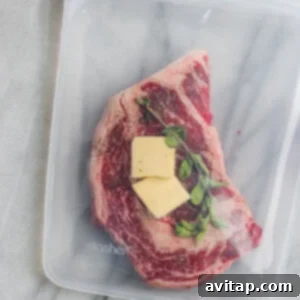
- Season and Bag the Steak: While the water bath heats, generously season your steak on all sides with coarse sea salt and freshly ground black pepper. Let the steak sit for 10-15 minutes to allow the seasoning to adhere. Then, carefully place the seasoned steak into a vacuum-sealable bag (such as a Stasher bag, Ziploc freezer bag using the water displacement method, or a Food Saver bag). Add 1-2 tablespoons of butter and a few sprigs of fresh herbs (rosemary, thyme, or oregano work wonderfully) directly into the bag with the steak.
- Remove Air and Seal: It’s crucial to remove as much air as possible from the bag before sealing. If using a vacuum sealer, simply follow its instructions. For Ziploc bags, slowly submerge the bag in the water bath, allowing the water pressure to push the air out before sealing the zipper just above the water line. This ensures good heat transfer.
- Sous Vide Cooking: Once the water bath reaches the target temperature, carefully place the sealed bag(s) containing your steak into the water. Ensure the steak is fully submerged. Let it cook for at least 2 hours. While 2 hours is sufficient for the steak to reach its internal temperature, you can leave it in the water bath for up to 4 hours for maximum tenderness, without fear of overcooking due to precise temperature control.
- Rest and Prepare for Searing: After the cooking time, carefully remove the steak from the water bath. Remove the steak from the bag, discarding any liquid and cooked herbs. Pat the steak thoroughly dry with paper towels – this is a critical step for achieving a proper sear. Set the steak aside on a plate.
- High-Heat Searing: Heat a large cast-iron skillet (or other heavy-bottomed pan) over high heat until it’s smoking slightly. Add two tablespoons of olive oil (or butter/other high-smoke-point oil) to the pan. Once the oil is shimmering and fragrant, carefully place the steak into the hot pan. Sear the steak for approximately 1 minute on each side, just long enough to create a beautiful, caramelized crust. Avoid moving the steak too much during searing.
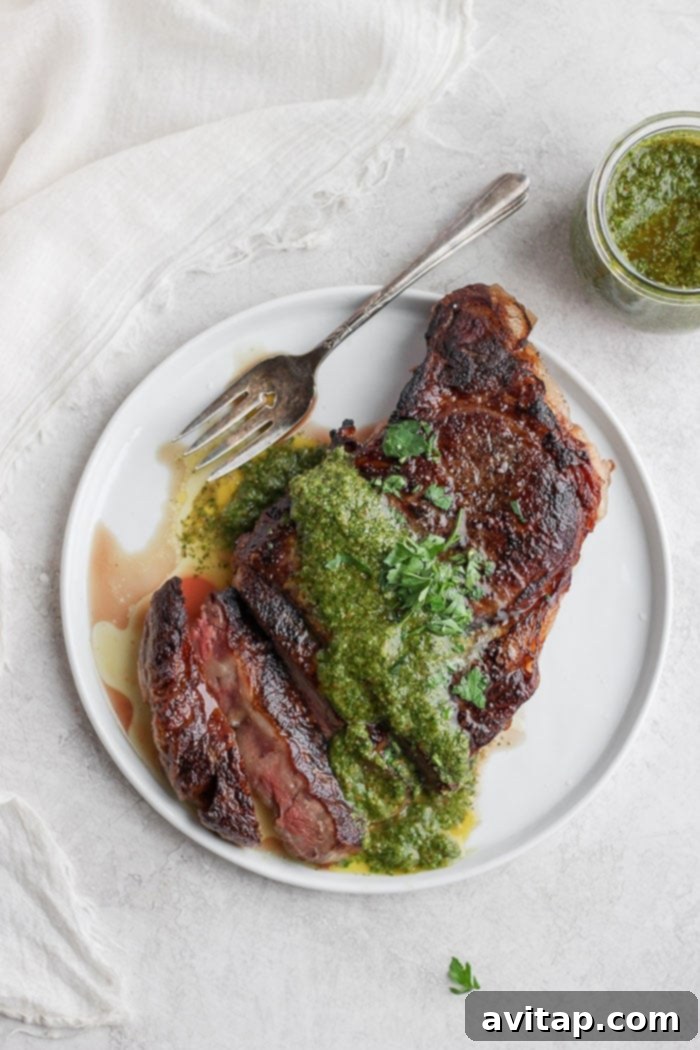
- Rest and Serve: Immediately remove the seared steak from the pan and let it rest on a cutting board for at least 5-10 minutes. This allows the juices to redistribute, ensuring a more tender and flavorful bite. Slice against the grain and serve your perfectly cooked sous vide steak with your favorite accompaniments, such as a fresh chimichurri sauce, roasted vegetables, or a crisp salad. Enjoy!
Deep Dive into Precision Cooking!
Your Comprehensive Guide to Sous Vide Cooking
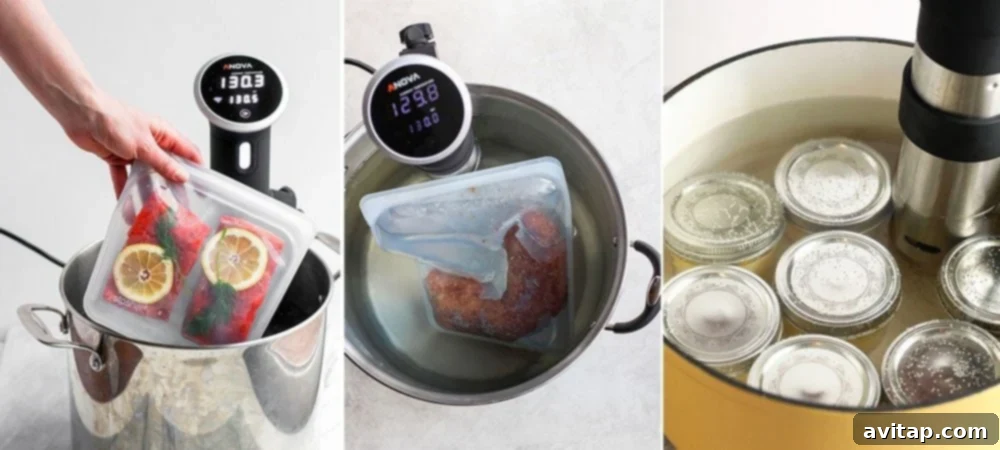
Eager to learn even more about the world of sous vide cooking? Explore our extensive Guide to Sous Vide, where we share everything you need to know about this revolutionary precision cooking technique, from equipment basics to advanced tips and tricks!
Optimal Sous Vide Steak Cooking Times
When cooking steak using the sous vide method, time plays a slightly different role than with traditional cooking. The primary function of the sous vide is to bring the steak to a precise internal temperature and hold it there. For most standard steak cuts (1 to 1.5 inches thick), a minimum of 2 hours in the water bath is recommended. This duration ensures that the steak has ample time to reach the exact target temperature from edge to edge, resulting in maximum tenderness and even doneness.
You have the flexibility to extend the cooking time for up to 4 hours. While the steak won’t technically “overcook” in terms of temperature (because the water bath is held at your desired final temperature), prolonged cooking within this window can further tenderize the meat. For thinner cuts, you might get away with 1 hour, but 2 hours is a safe bet for consistent results and texture development in most steaks.
Can You Overcook Steak with Sous Vide?
This is a common question, and the answer is nuanced. In terms of temperature, no, you cannot “overcook” a steak in the traditional sense when using sous vide. Once your steak reaches the temperature of the water bath, it will not get hotter. So, if your bath is set to 130ºF for medium-rare, your steak will remain medium-rare, even if left in for an extended period.
However, while the temperature won’t change, the texture can. If you leave your steak in the sous vide bath for longer than about 4 hours, particularly for leaner cuts, the connective tissues and muscle fibers will begin to break down excessively. Instead of the fabulous, firm-yet-tender chew you crave from a perfectly cooked steak, it may become overly soft, mushy, or even shred-like in texture. For optimal results, sticking to the 2-4 hour window for most steaks is ideal to maintain that desired steak-like texture.
The Essential Sizzle: Searing Your Sous Vide Steak
While sous vide cooking delivers unmatched internal doneness, it doesn’t create the appetizing crust and rich flavor associated with a perfectly seared steak. The Maillard reaction – the chemical process responsible for that delicious browning and complex flavor – only occurs at higher temperatures than a typical sous vide bath. Therefore, searing your steak after its water bath is an absolutely critical step to achieve a truly exceptional meal. This quick, high-heat process locks in juices, adds textural contrast, and develops a depth of flavor that complements the tender interior. You can enjoy your steak straight from the water bath, but for that restaurant-quality finish, searing is highly recommended.
Stovetop Searing: Achieving a Perfect Crust in a Cast Iron Skillet
My preferred method for searing sous vide steak is undoubtedly a heavy cast iron skillet. Cast iron excels at retaining and distributing heat evenly, providing the intense, consistent temperature needed for a superior crust. It gets incredibly hot, incredibly fast, leaving that perfect amount of char and caramelization on the steak.
To sear on the stovetop: Heat your cast iron skillet over high heat until it’s smoking lightly. Add 1-2 tablespoons of high-smoke-point olive oil, clarified butter, or avocado oil to the pan. Once the oil shimmers and is fragrant (just before it smokes heavily), carefully place the pat-dry steak into the hot pan. Sear for exactly one minute on each side, creating a rich, brown crust. Avoid overcrowding the pan; if cooking multiple steaks, sear them one or two at a time to maintain high pan temperature. Immediately remove from heat and let the steak rest for at least 5 minutes before slicing and serving.
Pro Tip: Basting for Enhanced Flavor
To elevate the flavor and richness of your seared steak even further, consider basting it with aromatic butter during the final moments of searing.
To baste your steak: After placing the steak in the hot skillet, add a little extra butter (1-2 tablespoons) and a couple of sprigs of fresh herbs (like thyme and rosemary) to the pan. As the butter melts, tilt the pan slightly and use a spoon to continuously spoon the hot, herb-infused butter over the top of the steak throughout the entire 2 minutes of searing. This technique adds an incredible depth of flavor and a beautiful sheen to your steak.
Grilling Your Sous Vide Steak for a Smoky Finish
For those who love the smoky flavor and char marks of a grilled steak, the grill is an excellent option for the post-sous vide sear. Grilling adds another layer of complexity that complements the tender interior achieved through sous vide.
To grill your sous vide steak: Preheat your grill to a very high temperature, ideally around 450ºF (232ºC) or even higher for a quick sear. Once hot, place your thoroughly pat-dry steak directly over the hottest part of the grill. Sear for one minute on each side, or until you achieve your desired grill marks and crust. Be mindful not to leave it on too long, as the goal is just to develop the exterior. Remove from the grill and let the steak rest for 5 minutes before slicing and enjoying.
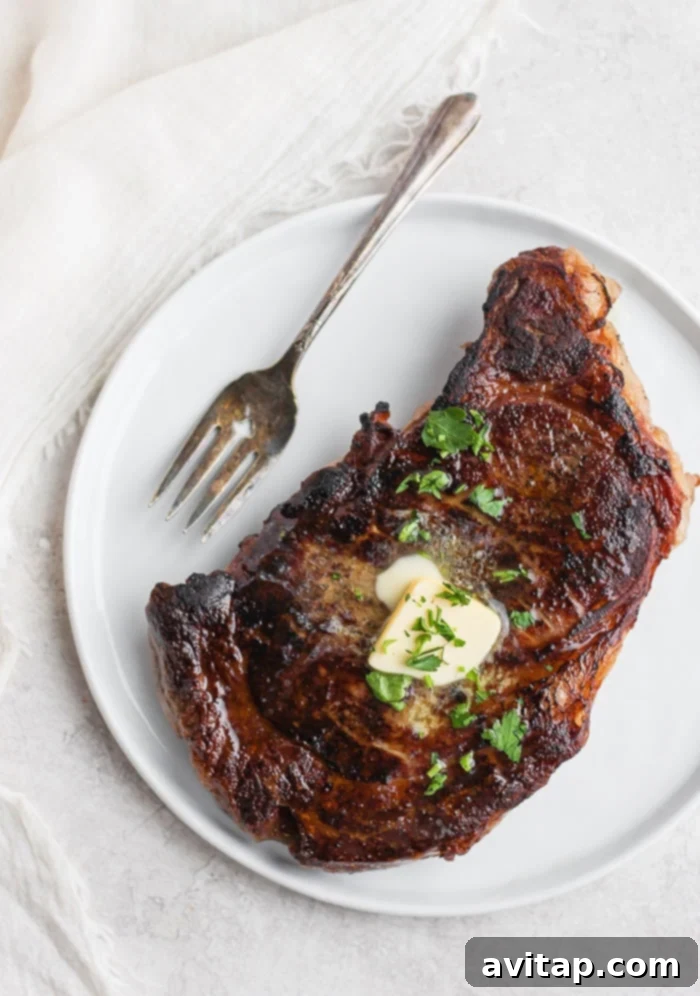
Perfect Pairings: What to Serve with Sous Vide Steak
A perfectly cooked sous vide steak deserves equally delicious accompaniments. Whether you’re aiming for a light side, a hearty complement, or a burst of fresh flavor, these suggestions will elevate your meal:
Grilled Carrots: These sweet and savory grilled carrots are perfectly caramelized and bursting with amazing flavor. They make an excellent, wholesome side dish, especially when cooked alongside your main course on the grill.
Butter Lettuce Salad: For a refreshing counterpoint, this delicate butter lettuce salad features a delightful mix of crisp vegetables, sweet fruit, crunchy nuts, and creamy cheese, all drizzled with a simple, bright lemon vinaigrette. It’s the perfect light and delicious side.
The Best Arugula Salad: A simple yet flavorful arugula salad recipe, combining peppery arugula with dried fruit, fresh vegetables, and a light dressing. This vibrant salad is an ideal side dish that complements the richness of steak without overpowering it.
Oven Roasted Asparagus: Crispy, tender, and seasoned to perfection, oven-roasted asparagus is arguably the best way to enjoy this healthy green vegetable. It’s a simple, elegant, and nutritious side that pairs wonderfully with steak.
Steak Salad: Transform your delicious sous vide steak into a complete, healthy meal by incorporating it into our vibrant steak salad recipe. It’s a fantastic way to enjoy your perfectly cooked meat in a fresh and satisfying way.
Creamy Mashed Potatoes: A classic pairing, rich and fluffy mashed potatoes provide a comforting and satisfying base that soaks up all the delicious steak juices.
Garlic Parmesan Roasted Potatoes: Crispy on the outside and tender on the inside, these flavorful roasted potatoes offer a savory, textural contrast to your tender steak.
Creamed Spinach: A decadent and traditional steakhouse side, creamed spinach adds a touch of richness and classic elegance to your meal.
Fresh Crusty Bread: Perfect for soaking up any remaining juices or serving alongside for a complete culinary experience.
Compound Butter: A pat of herb and garlic compound butter melting over your hot, rested steak adds an extra layer of gourmet flavor.
Discover More of Our Favorite…
Steak Recipes
- Grilled Flank Steak Recipe
- Steak Marinade
- Grilled Steak
- Cast Iron Steak
★★★★★
Best Sous Vide Steak Recipe
Prep: 30 mins
Cook: 2 hrs
Total: 2 hrs 30 mins
Pin
Ingredients
- 1 lb. New York strip steaks* (2 ½-lb. steaks)
- ½ teaspoon coarse sea salt
- ½ teaspoon coarse black pepper
- 2 herb sprigs (rosemary, thyme, or oregano)
- 2 tablespoons of butter
- 2 tablespoons of olive oil
Instructions
- First, prepare your sous vide water bath by filling a large pot with water. Ensure the pot is large enough for your steak to be fully submerged and the water level reaches the minimum line on your sous vide device. Place your sous vide immersion circulator into the water bath. For a perfect medium-rare steak, set the water bath to 130ºF (54ºC). Refer to the temperature recommendations section above for other doneness preferences.
- Next, generously season both sides of the steak with coarse sea salt and black pepper. Allow the steak to sit for 10-15 minutes. Then, place each individual steak into its own medium-sized vacuum-sealable bag (Stasher bag, Ziploc freezer bag, or Food Saver bag).
- Add 1 tablespoon of butter on top of each steak along with an herb sprig (rosemary, thyme, or oregano) inside each bag.
- Remove as much air as possible from all the bags and tightly seal them. If using a Stasher bag or Ziploc, use the water displacement method to ensure a good seal by slowly submerging the bag in water to push out air before zipping it closed.

- Carefully place the sealed steaks into the preheated 130ºF (54ºC) water bath. Cook for a minimum of 2 hours. You can safely leave the steaks in the water bath for up to 4 hours; this extra time can further tenderize the steak without overcooking its core temperature, though beyond 4 hours, the texture may become too soft.
- After the cooking time is complete, carefully remove the steak bags from the water bath. Transfer the steaks onto a plate and remove them from their bags. Discard the liquid and cooked herbs from the bags. Pat the steaks extremely dry with paper towels to ensure a perfect sear.
- Now it’s time for the crucial searing step to develop that amazing crust and texture. Heat a cast iron skillet over medium-high to high heat. Once the pan is hot and shimmering, add 2 tablespoons of olive oil or your preferred high-smoke-point oil.
- When the olive oil is fragrant and just before it begins to smoke heavily, carefully place the dried steak into the pan. Sear for approximately 1 minute per side to create a beautiful, golden-brown crust. Immediately remove the steak from the heat after searing.
- Let the steak rest for 5-10 minutes on a cutting board before slicing. Serve with a vibrant chimichurri sauce or your favorite delicious vegetable side dish.
Tips & Notes
- You can cook multiple steaks at once in the sous vide bath, provided they are in separate bags and there’s enough room for water circulation.
- Sous Vide Steak Temperature Guide: Rare – 120ºF-128ºF, Medium Rare – 129ºF-134ºF, Medium – 135ºF-144ºF, Medium-Well – 145ºF-154ºF, Well Done – 155ºF+.
- While 2 hours is perfect for tenderness, you have the option to leave the steak in the sous vide for up to 4 hours for an even more tender steak. Both durations, within this window, will result in a perfectly cooked medium-rare (or your chosen doneness).
- Grilling Searing Directions: To sear steak on the grill, preheat your grill to 450ºF (232ºC) or higher. Sear the pat-dry steak for 1 minute on each side over direct heat.
- For a comprehensive guide on meat temperatures and safety, check out this temperature chart by Spruce Eats.
- This recipe was tested successfully with various cuts, including a ½ lb. New York strip, a .7 lb ribeye, and a 1 lb T-bone, all yielding perfect results.
- This recipe was slightly updated on July 26, 2021.
Watch It
Watch our video to see how to make the best sous vide steak:
Play Sous Vide Steak Video
Want perfectly cooked steak every time? Follow our Sous Vide Steak recipe to make an amazing tender, juicy steak!
Nutrition
Calories: 739 kcal,
Carbohydrates: 1 g,
Protein: 58 g,
Fat: 55 g,
Fiber: 0 g,
Sugar: 0 g
Nutrition information is automatically calculated and should only be used as an approximation.
🍽️
Love this recipe? Leave a comment below!
Don’t forget to tag your posts on social media with the hashtag #fitfoodiefinds, we’d love to see what you’re cooking!