
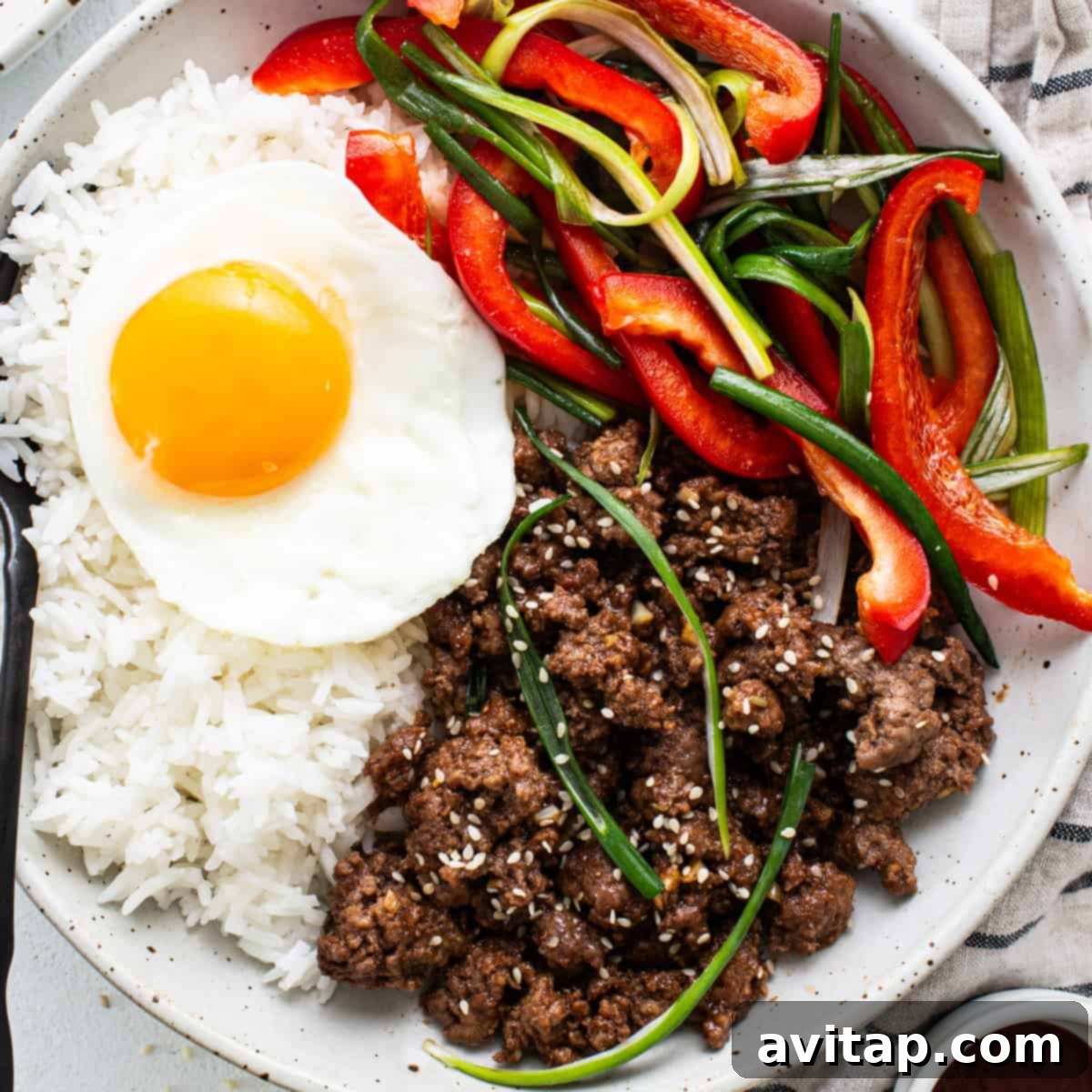
Get ready to transform your dinner routine with this incredibly simple yet extraordinarily flavorful **Korean Ground Beef** recipe! We’ve been absolutely hooked on this dish ever since it was created, making it countless times for its irresistible taste and sheer convenience. If you’re constantly seeking exciting new ways to utilize ground beef beyond the usual tacos or spaghetti, you’ve found your next obsession. This Korean-inspired creation is truly a game-changer, especially when paired with a generous serving of fresh vegetables and fluffy white rice.
This delightful recipe marries lean ground beef with an explosion of Asian-inspired flavors. Each bite delivers a perfect balance of savory notes from soy sauce, a distinct spicy kick from gochujang, a touch of sweetness from brown sugar, and the aromatic warmth of fresh ginger. It simmers in a rich, glossy sauce that coats every strand of beef, creating a deeply satisfying meal that’s both quick to prepare and incredibly delicious. Served alongside a vibrant red pepper salad, it’s a complete meal that’s sure to impress even the pickiest eaters.
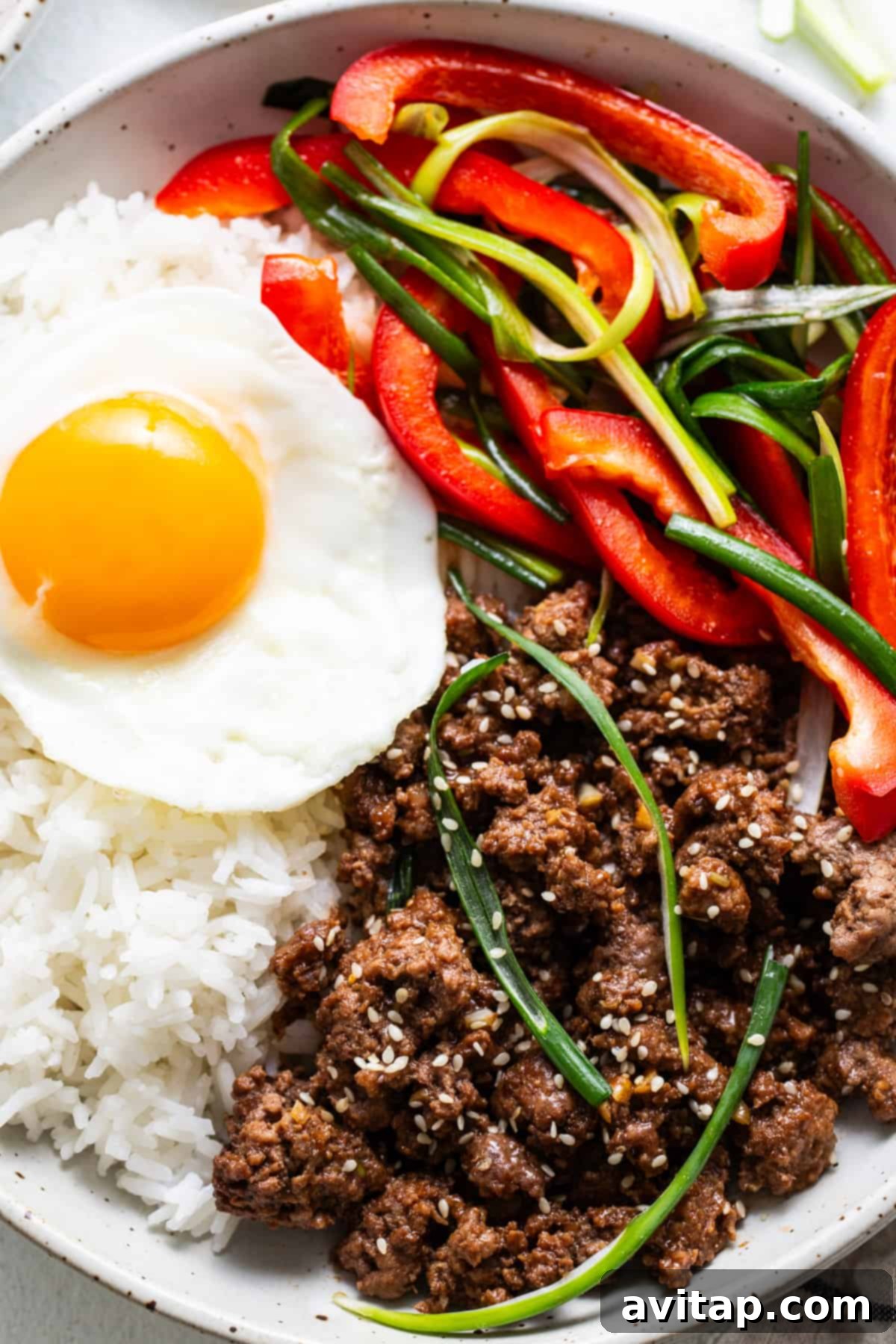
Why You’ll Love This Easy Korean Ground Beef Recipe
Breaking free from the same old ground beef recipes can be a challenge. We all love our staple tacos, spaghetti, or meatloaf, but sometimes you crave something new, vibrant, and equally effortless. This Korean Ground Beef dish is exactly that! It’s quickly become a beloved part of our regular weeknight dinner rotation because it offers an incredible burst of flavors in every bite, all while requiring minimal effort and time in the kitchen.
In just about 35 minutes, you can have a wholesome, homemade meal on the table. The process is straightforward, starting with a quick preparation of the fresh red pepper salad, followed by whisking together the flavorful sauce. Then, you’ll simply cook your ground beef, add the prepared sauce to simmer, and finally thicken it to perfection with a touch of cornstarch. Finish with your favorite toppings, and dinner is served!
This recipe isn’t just fast; it’s also incredibly versatile and packed with nutritional value, especially when served with a colorful array of vegetables. It’s a fantastic way to introduce new flavors to your family without spending hours on complex cooking techniques. Whether you’re a seasoned home cook or just starting your culinary journey, this Korean Ground Beef will quickly become a cherished favorite.
Essential Ingredients for Your Korean Ground Beef
Creating this delicious Korean Ground Beef dish is straightforward, relying on a combination of common pantry staples and key Asian ingredients that deliver a punch of authentic flavor. Here’s a detailed look at what you’ll need:
- Rice Vinegar: This essential ingredient contributes a delightful tangy acidity to both the refreshing red pepper salad and the savory beef sauce. Its mild, slightly sweet profile perfectly balances the other strong flavors in the dish, adding a bright finish.
- Brown Sugar: A touch of sweet brown sugar is crucial for this recipe. It beautifully balances the heat from the gochujang and the savoriness of the soy sauce, creating a harmonious flavor profile that is characteristic of many Korean-inspired dishes.
- Sesame Oil: With its distinct nutty and aromatic fragrance, sesame oil adds incredible depth and a layer of umami to the entire dish. A little goes a long way in infusing that unmistakable Asian flair.
- Gochujang: The heart and soul of this Korean-inspired recipe! Gochujang is a savory, sweet, and spicy fermented chili paste that is a staple in Korean cooking. It provides a unique depth of flavor and a fiery kick that elevates the beef from ordinary to extraordinary.
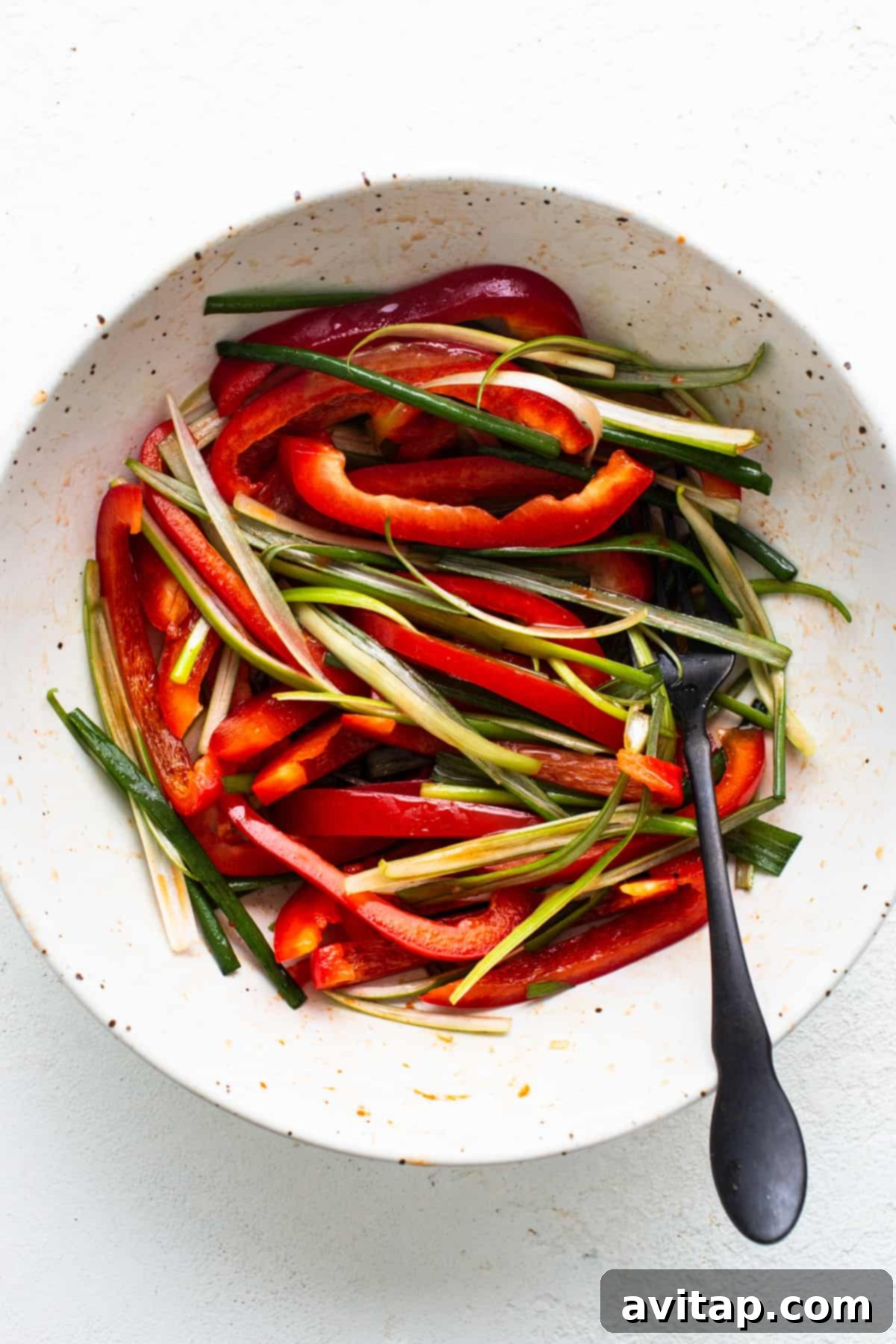
- Fresh Vegetables: We utilize fresh, vibrant vegetables in multiple ways. Crisp red bell peppers and bright green onions are tossed into a quick, tangy salad that provides a refreshing contrast to the rich beef. Minced garlic and grated ginger are fundamental to the beef sauce, infusing it with pungent, aromatic undertones that are essential for authentic taste.
- Soy Sauce: A foundational ingredient, soy sauce lends its signature savory umami flavor to both the red pepper salad dressing and the main beef sauce. For a healthier option, consider using low-sodium soy sauce.
- Ground Beef: You’ll need one pound of ground beef, and we highly recommend choosing a lean variety. Using lean ground beef not only makes the dish lighter but also keeps it packed with protein, making it a more wholesome and satisfying meal.
- Cornstarch: This simple ingredient is the secret to achieving that beautifully glossy and thick sauce. It helps bind all the flavors together, creating a luscious texture that clings perfectly to the beef.
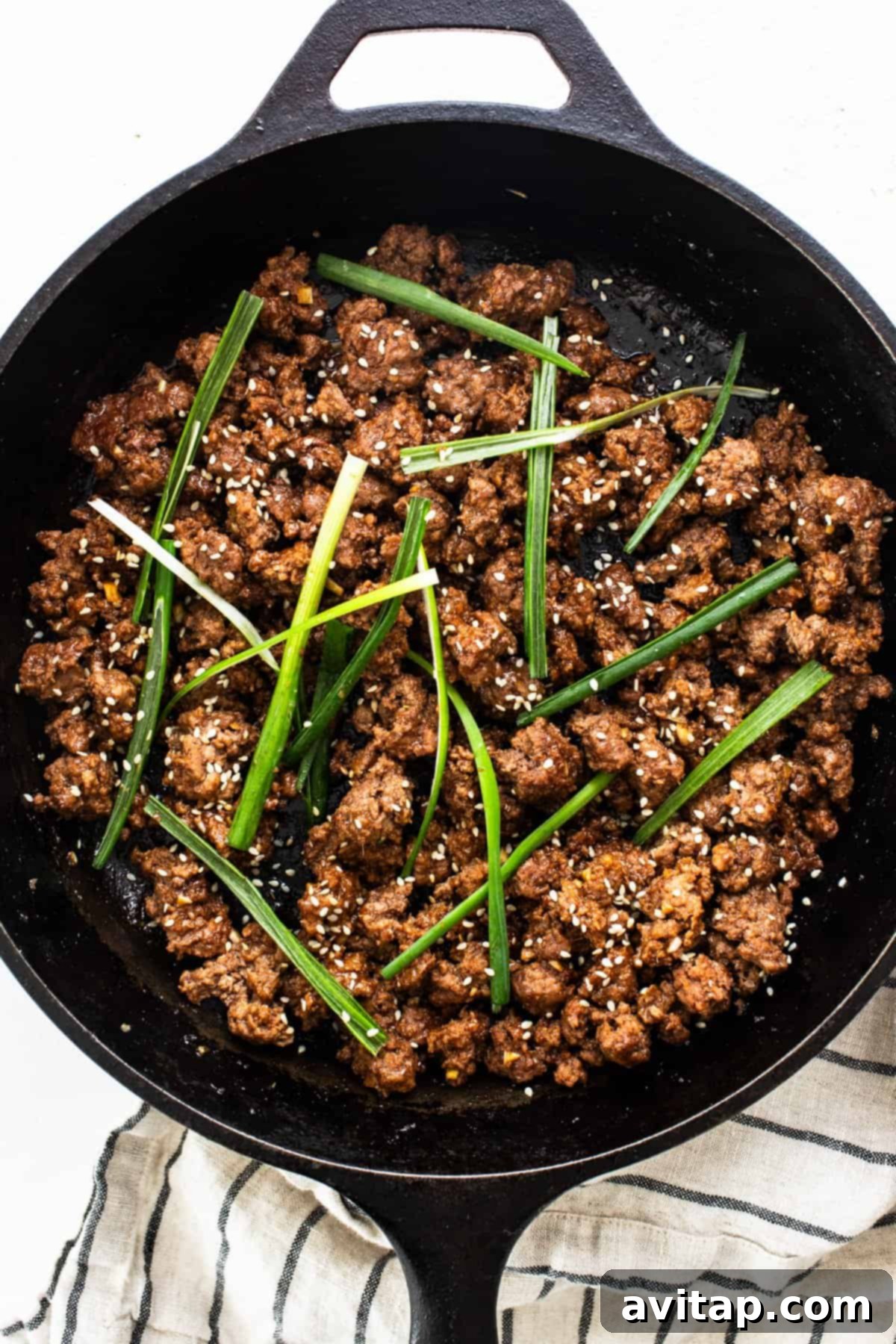
Step-by-Step Guide to Making Korean Ground Beef
Preparing this mouth-watering Korean Ground Beef is surprisingly simple. Follow these easy steps to bring incredible flavor to your dinner table in no time:
- Prepare the Salad: In a medium bowl, combine 2 tablespoons of rice vinegar, 1 teaspoon of brown sugar, 1 teaspoon of sesame oil, 1 teaspoon of gochujang, and ⅛ teaspoon of salt. Whisk vigorously until the brown sugar is fully dissolved. Add the sliced red bell pepper and green onions to the bowl and toss thoroughly to ensure they are well coated in the dressing. Transfer this vibrant salad to the refrigerator to chill while you prepare the beef.
- Whisk the Beef Sauce: In a separate mixing bowl, combine ¼ cup of soy sauce, 2 tablespoons of rice vinegar, 1 tablespoon of sesame oil, 3 minced cloves of garlic, 2 teaspoons of light brown sugar, ⅛ teaspoon of fish sauce, 1 teaspoon of gochujang, and 1 tablespoon of freshly grated ginger. Whisk all these ingredients together until well combined and set the sauce aside.
- Cook the Ground Beef: Heat a large skillet (cast iron works wonderfully for even heat distribution) over medium-high heat. Add the pound of ground beef to the hot skillet. Break up the beef with a spoon and cook, stirring occasionally, until it is almost fully browned and there is very little pink remaining. This usually takes about 4-6 minutes, depending on your stove and skillet.
- Simmer with Sauce: Once the beef is nearly cooked through, pour the prepared soy sauce mixture evenly over the beef in the skillet. Reduce the heat to low and allow the beef to simmer gently in the sauce for 3-4 minutes. This allows the beef to absorb all the wonderful flavors from the sauce.
- Thicken the Sauce: When the beef has simmered and is fully cooked, push the beef to one side of the skillet, leaving the sauce exposed on the other side. Sprinkle 1 teaspoon of cornstarch directly into the sauce. Using a whisk or a fork, vigorously whisk the cornstarch into the sauce until it is completely dissolved and no lumps remain.
- Combine and Thicken: Stir the sauce and beef back together thoroughly. Continue to gently simmer the mixture over medium heat, stirring occasionally, until the sauce visibly thickens and achieves a beautiful, glossy consistency. This should only take a few more minutes.
- Garnish and Serve: Remove the skillet from the heat. Generously top the Korean ground beef with 2 teaspoons of sesame seeds and 1 chopped green onion. Serve immediately alongside the chilled red pepper salad and your favorite white rice for a truly satisfying and complete meal.
Ensuring Your Ground Beef is Perfectly Cooked
Knowing when your ground beef is fully cooked is key for both safety and taste. You can tell ground beef is done when there is little to no pink remaining throughout the meat. For precise cooking, use a meat thermometer: the internal temperature should reach at least 160ºF (71ºC). Proper browning not only ensures safety but also develops richer flavors and a more appealing texture, making your Korean Ground Beef even more delicious.
The Importance of Cornstarch in This Recipe
While some might be tempted to skip it, we strongly advise against omitting the cornstarch in this recipe. Cornstarch plays a vital role: it acts as a thickening agent, giving the sauce a rich, velvety texture that beautifully coats the ground beef. Beyond thickening, it also contributes to a desirable glossy finish, enhancing the overall presentation and mouthfeel of the dish. It’s a small step that makes a big difference in the final outcome.
Customize Your Korean Ground Beef: Delicious Variations
One of the best aspects of this Korean Ground Beef recipe is its flexibility. Feel free to adjust the ingredients to suit your taste preferences or what you have on hand. Here are some fantastic ways to switch things up:
- For the Spice Novice: If you or your family are sensitive to heat, don’t worry! You can easily adjust the spiciness. Simply add half the amount of gochujang sauce initially, taste, and then add more if desired. You can always add a pinch of red pepper flakes at the end for individual servings if some prefer more heat.
- Gochujang Alternatives: If gochujang isn’t readily available or you’re looking for a different flavor profile, sriracha can be used as a substitute. Be aware that sriracha has a different taste – it’s typically sharper and more garlic-forward – so it will alter the overall flavor of the dish, but it still provides a good kick.
- Sweetener Swap: While brown sugar provides a classic depth of sweetness, you can certainly replace it with an equal amount of honey if you prefer. Honey will lend a slightly different, more floral sweetness, which can be a delightful variation.
- Fish Sauce Considerations: Fish sauce adds an incredible layer of savory umami that is essential in many Asian cuisines. A little goes a long way in deepening the flavor of the sauce. However, if you’re not a fan of fish sauce or have dietary restrictions, feel free to omit it. The dish will still be delicious, just with a slightly less complex umami profile.
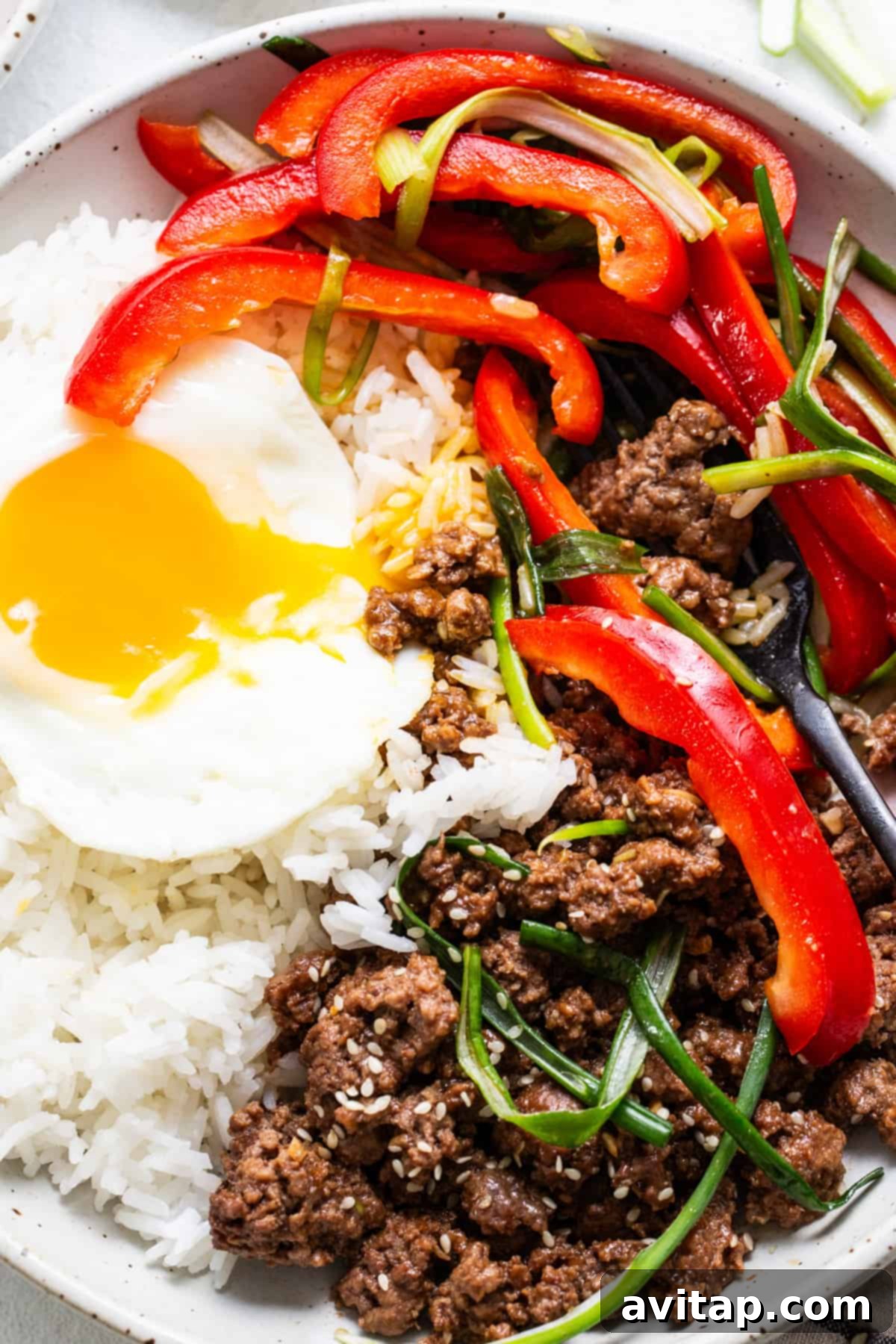
- Add a Fried Egg: For an extra boost of protein and richness, consider serving your Korean ground beef over a bed of white rice and topping it with a perfectly fried egg. The runny yolk will mix with the savory beef and rice, creating an incredibly satisfying texture and flavor combination, similar to a simplified bibimbap.
- Vegetable Boost: Enhance the nutritional value and texture by stirring in some quick-cooking vegetables during the last few minutes of simmering, such as shredded carrots, thinly sliced zucchini, or baby spinach.
- Gluten-Free Option: To make this recipe gluten-free, ensure you use a certified gluten-free soy sauce (like tamari) and check that your gochujang is also gluten-free, as some brands may contain wheat.
Meal Prep and Make-Ahead Tips
This Korean Ground Beef recipe is wonderfully conducive to meal prepping, making it an excellent choice for busy individuals or families. To save time during the week, you can prepare the red pepper salad and whisk together the beef sauce ahead of time. Store the salad in an airtight container in the refrigerator and the sauce in a sealed jar or container. When you’re ready to eat, simply cook the ground beef, combine it with the prepared sauce, thicken, and serve. This foresight drastically cuts down on active cooking time on weeknights, ensuring a fresh, hot meal is always within reach.
Delicious Serving Suggestions for Your Korean Ground Beef
The versatility of this Korean Ground Beef means there are many ways to enjoy it. While it’s fantastic on its own, here are some popular and creative serving ideas to complete your meal:
- Classic White Rice: The most common and satisfying way to enjoy this dish is over a bed of your favorite steamed white rice. The rice perfectly absorbs the rich, savory sauce, creating a balanced and hearty meal. Brown rice or quinoa are also excellent, healthier alternatives.
- Korean Lettuce Wraps: For a lighter, low-carb option, use the Korean ground beef as a delicious filling for fresh lettuce wraps. Crisp lettuce leaves (like butter lettuce or romaine) provide a refreshing crunch, making it a fun and interactive meal, especially for gatherings.
- Tacos with a Twist: Give your taco night a unique Asian fusion twist! Serve the Korean ground beef in soft tortillas or crunchy taco shells, topped with the red pepper salad, a drizzle of sriracha mayo, and extra green onions for an exciting culinary adventure.
- Noodle Bowls: Combine the ground beef with cooked ramen noodles, udon, or vermicelli for a hearty noodle bowl. Add extra broth, vegetables, and maybe a soft-boiled egg for a complete, comforting dish.
- Bibimbap-Inspired Bowls: Create a simplified bibimbap by arranging the beef over rice, adding an assortment of sautéed vegetables (like spinach, mushrooms, and carrots), and a fried egg on top.
- On its Own: For a high-protein, low-carb option, simply enjoy the Korean ground beef on its own, perhaps with a side of steamed broccoli or roasted asparagus.
Korean-Inspired vs. Authentic Korean Cuisine
It’s important to clarify that this recipe, while incredibly flavorful and inspired by the vibrant tastes of Korea, is not a traditional Korean beef recipe. We’ve crafted this dish to be an easier, quicker, and more accessible version for home cooks using readily available ingredients, while still capturing the essence of Korean flavors.
Traditional Korean beef bulgogi, for example, typically involves thinly sliced marinated beef that is often grilled or stir-fried. For this recipe, we opted for ground beef, which is a more budget-friendly and quicker-cooking alternative that still delivers a similar sweet and savory profile reminiscent of authentic bulgogi, but in a simpler format. Our goal is to bring the delicious taste of Korean cuisine into your home with minimal fuss.
For those interested in exploring seriously good, authentic Korean recipes and learning traditional techniques, we highly recommend visiting renowned resources like Korean Bapsang or Maangchi. These sites offer a wealth of traditional recipes, detailed instructions, and cultural insights into Korean cooking.
Storing and Reheating Leftover Korean Ground Beef
One of the many benefits of this Korean Ground Beef recipe is how well it stores, making it perfect for meal prepping or enjoying delicious leftovers. Any leftover Korean ground beef should be transferred to an airtight container and stored in the refrigerator. It will keep fresh for up to 4 days. To reheat, simply warm the beef in a skillet over medium heat or in the microwave until heated through. If the sauce has thickened too much, you can add a tablespoon or two of water or broth while reheating to loosen it up. This dish reheats beautifully, making it an ideal candidate for packed lunches or quick weeknight dinners.
More of our Favorite Korean-Inspired Dishes
Explore More Korean-Inspired Flavors
If you loved this easy Korean Ground Beef, you’ll definitely want to try these other fantastic Korean-inspired recipes that bring similar vibrant flavors to your kitchen:
- Korean Style Chicken Lettuce Wraps
- Instant Pot Korean Beef Bowl Recipe
- Air Fryer Chicken Wings (try them with a gochujang glaze!)
- Beef Bulgolgi Bowls
Korean Ground Beef Recipe
Emily Richter
20 mins
15 mins
4 people
Ingredients
Salad
- 2 tablespoons rice vinegar
- 1 teaspoon brown sugar
- 1 teaspoon sesame oil
- 1 teaspoon gochujang
- ⅛ teaspoon salt
- 1 large red pepper, sliced
- 5 green onions, sliced
Beef
- ¼ cup soy sauce
- 2 tablespoons rice vinegar
- 1 tablespoon sesame oil
- 3 cloves garlic, minced
- 2 teaspoons light brown sugar
- ⅛ teaspoon fish sauce
- 1 teaspoon gochujang
- 1 tablespoon fresh grated ginger
- 1 lb. ground beef
- 1 teaspoon corn starch
- 2 teaspoons sesame seeds
- 1 green onion, chopped
Instructions
-
First, make the salad. Add the rice vinegar, brown sugar, sesame oil, gochujang, and salt to a medium bowl and whisk until the sugar is dissolved. Add the red pepper and green onions and toss to coat. Transfer to the refrigerator.

-
Next, whisk together the soy sauce, rice vinegar, sesame oil, garlic, brown sugar, fish sauce, gochujang, and ginger in a separate bowl. Set aside.
-
Heat a large skillet over medium/high heat. Add the ground beef and cook until almost fully cooked — around 4-6 minutes.
-
Pour the soy sauce mixture over the beef and reduce the heat. Simmer for 3-4 minutes.
-
When the beef is cooked, move the beef to one side of the skillet and the sauce to the other. Sprinkle the cornstarch into the sauce and whisk vigorously until the cornstarch dissolves. Stir the sauce and beef back together and gently simmer over medium heat until the sauce thickens.
-
Remove from the heat and top with sesame seeds and green onions.
-
Serve the beef alongside the red pepper salad and white rice.
Tips & Notes
- If you are sensitive to spice, add half the amount of gochujang sauce and adjust to taste.
- If you don’t have gochujang sauce, you can substitute sriracha, but be aware it will change the overall flavor profile of the dish.
- You have the option to replace the brown sugar with honey for a different type of sweetness.
- The fish sauce adds a delicious umami depth to the sauce. While a little goes a long way, feel free to omit it if you prefer not to use it.
- Nutrition information provided is for the Korean Ground Beef and salad only; it does not include rice or other side dishes.
Nutrition (per serving, without rice)
Carbohydrates: 8 g,
Protein: 22 g,
Fat: 28 g,
Fiber: 1 g,
Sugar: 4 g
Nutrition information is automatically calculated and should be used as an approximation.
Photography: Photos featured in this post are courtesy of Ashley McGlaughlin from The Edible Perspective.