
Life throws unexpected curveballs, and sometimes those curveballs come in the form of a painful neck and back injury that sidelines your usual fitness routine. When intense workouts are off the table, the question becomes: how do you stay active and continue building strength without exacerbating the injury? My personal experience with a recent neck sprain taught me the profound importance of rest, gradual reintroduction of movement, and the power of low-impact exercises.
Navigating Injury: My Journey Back to Fitness
Just two weeks ago, a seemingly innocuous stretch led to a significant setback. In a routine attempt to crack my neck and back, I unfortunately overextended, resulting in a sprained neck muscle and two misaligned vertebrae. The immediate aftermath was severe: excruciating pain, a complete seizing up of muscles in my neck, shoulders, and upper back, making even holding my head upright a monumental task. This wasn’t just a physical challenge; it was mentally draining, forcing me to put my regular strength training on hold and rethink my approach to fitness.
The road to recovery involved multiple trips to the chiropractor to realign my spine and an acupuncturist to release the stubborn muscle tension. Crucially, it also demanded significant rest – a difficult pill to swallow for someone as passionate about fitness as I am. After four days of complete rest and a renewed focus on gentle rehabilitation, I’m finally on the mend and cautiously easing back into my fitness routine. This journey has underscored the vital lesson of listening to your body and respecting its limits.
The Power of Low-Impact Workouts: Gentle Yet Effective
My recent injury highlighted the incredible value of low-impact workouts. While I typically gravitate towards intense, high-energy strength training, this period of recovery has shown me that effective muscle fatigue and strength building don’t always require jumping, heavy lifting, or high-speed movements. Low-impact exercises minimize stress on your joints and spine, making them an ideal choice for a diverse range of individuals:
- Injury Recovery: They allow you to maintain and rebuild strength without aggravating existing injuries or causing new ones.
- Pregnant Individuals: Providing a safe and effective way to stay active throughout pregnancy, supporting core strength and overall well-being.
- Joint Health: Excellent for anyone looking to protect their knees, hips, and ankles, offering a sustainable path to fitness.
- Beginners and Seniors: A fantastic entry point into fitness, building foundational strength and coordination.
- Active Recovery: Perfect for days when your body needs a break from high-intensity training but still benefits from movement.
This approach allows for a deeper mind-muscle connection, ensuring that every movement is deliberate and controlled, maximizing muscle engagement rather than relying on momentum.
Why Controlled Movements Deliver Superior Results
As a self-proclaimed “strength junkie,” I’ve always prioritized intense, challenging workouts. However, my injury forced me to embrace a slower, more controlled style of movement, reminiscent of barre workouts. And I was genuinely surprised by the results! This deliberate approach left my lower body aching for two days post-workout, proving that sometimes, less explosive means more effective. When you remove momentum and focus on slow, sustained contractions, your muscles are under tension for a longer period. This increased time under tension leads to greater muscle fatigue and growth, often yielding superior results compared to fast, uncontrolled movements.
Embracing controlled movements also significantly reduces the risk of injury. By maintaining good posture and focusing on proper form throughout each exercise, you protect your joints and spine, ensuring that the target muscles are doing the work. This method also enhances body awareness, helping you understand how your muscles function and how to activate them more effectively, a skill invaluable for all forms of exercise.
Featured Workout: 32-Minute Low Impact Strength Session
Searching for a safe and incredibly effective way to build strength without putting excessive stress on your joints or aggravating an injury? This 32-minute low-impact strength workout is meticulously designed to challenge your muscles, leaving you feeling fatigued and shaky in the best way possible. It’s perfectly suited for pregnant mothers, individuals recovering from injuries, or anyone simply seeking a powerful, controlled burn without the bounce.
Warm-Up (5 Minutes)
Before diving into any workout, a proper warm-up is crucial to prepare your body and prevent injury. Perform each of these gentle movements for about 60 seconds.
- Gentle Neck Rolls: Slowly roll your head from side to side, then ear to shoulder, being mindful of any tension.
- Shoulder Shrugs and Rolls: Shrug your shoulders up towards your ears, then roll them back and down in a circular motion to open up the chest.
- Cat-Cow Stretch: On hands and knees, arch your back as you inhale (cow), then round your spine as you exhale (cat).
- Leg Swings: Stand tall and gently swing one leg forward and backward, then side to side, to loosen the hips.
- Torso Twists: Standing or seated, gently twist your torso side to side, keeping your hips relatively stable.
Low Impact Strength Circuit Instructions:
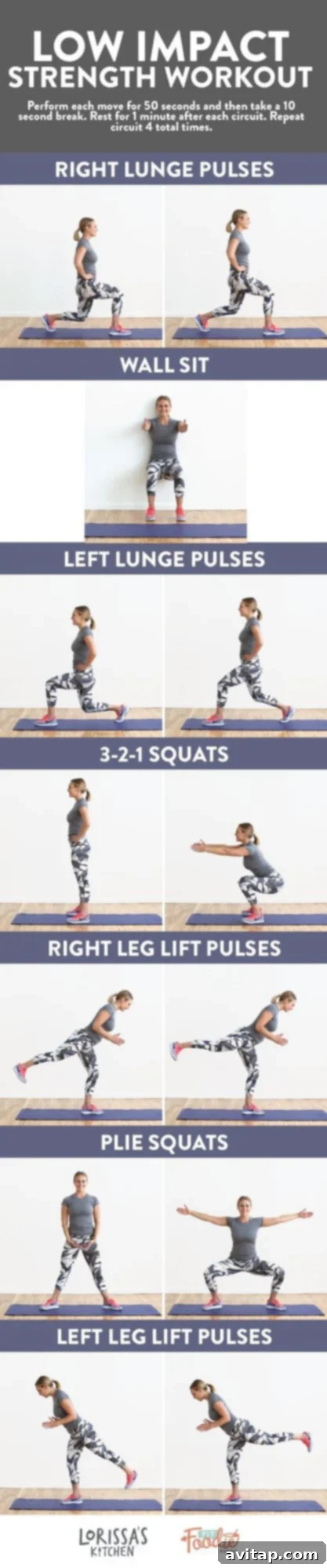
This circuit consists of 7 strength-building exercises, followed by a brief rest period. Perform each move for 50 seconds, then take a 10-second rest before moving to the next exercise. Once you’ve completed all 8 items, you’ve finished one round. Repeat the entire circuit four times through. Focus intently on slow, deliberate movements and impeccable form over speed.
- Right Lunge Pulses: Start in a lunge with your right foot forward, knee directly over ankle. Lower your left knee close to the ground, then pulse up and down a few inches. This targets the glutes and quadriceps, building endurance and stability.
- Wall Sit: Lean against a wall with your back flat, then slide down until your knees are at a 90-degree angle, as if sitting in an invisible chair. Hold this static position to powerfully engage your quads and glutes without joint movement.
- Left Lunge Pulses: Repeat the lunge pulses, this time with your left foot forward. Ensure your core is engaged for balance and to protect your spine.
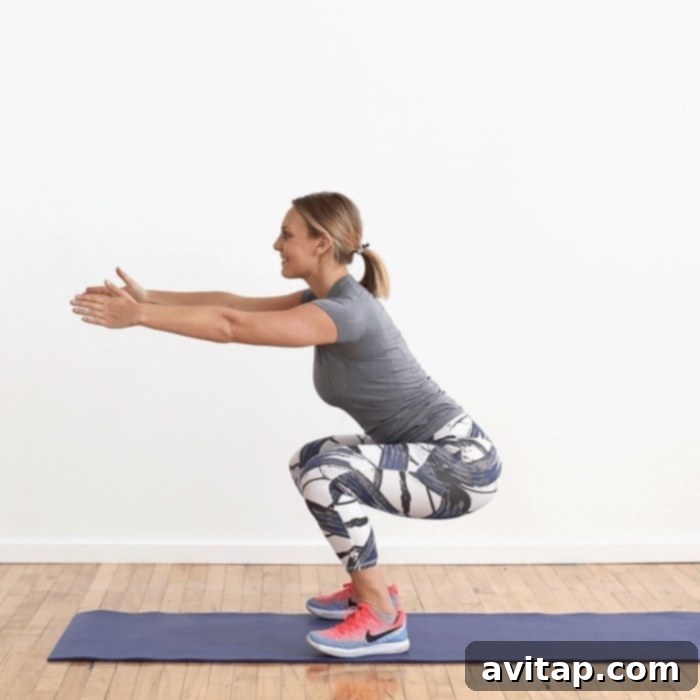
- 3-2-1 Squats: Slowly lower into a squat for a count of 3, hold at the bottom for 2 counts, then explode back up for 1 count. This controlled movement maximizes time under tension for your glutes, quads, and hamstrings.
- Right Leg Lift Pulses: Lying on your side, stack your hips and keep your right leg straight. Lift your right leg a few inches towards the ceiling and pulse it gently. Focus on your outer glute (abductor) for hip strength and stability.
- Plie Squats: Stand with feet wider than shoulder-width apart, toes pointed out. Lower into a squat, keeping your chest open and knees tracking over your toes. This variation targets the inner thighs and glutes, offering a different muscle activation from standard squats.
- Left Leg Lift Pulses: Repeat the leg lift pulses on your left side, maintaining stacked hips and engaging your core.
- REST: Take a full 60-second rest here. Use this time to hydrate and prepare mentally for the next round. Proper rest is essential for muscle recovery and performance.
Cool-Down (5 Minutes)
A cool-down is just as important as the warm-up, helping to gradually lower your heart rate and improve flexibility. Hold each stretch for 20-30 seconds.
- Hamstring Stretch: Sit with one leg extended, reach for your toes, feeling the stretch along the back of your thigh.
- Quad Stretch: Standing or lying on your side, grab your ankle and gently pull your heel towards your glute.
- Figure-Four Stretch: Lie on your back, cross one ankle over the opposite knee, and gently pull the bottom leg towards your chest to stretch the glutes.
- Triceps Stretch: Reach one arm overhead, bend the elbow, and gently pull it with your other hand.
- Child’s Pose: Kneel on your mat, sit your hips back towards your heels, and extend your arms forward, allowing your forehead to rest on the ground.
Fueling Recovery: The Essential Role of Protein and Lorissa’s Kitchen
Immediately after a challenging workout, especially one focused on muscle fatigue, proper recovery is paramount. This means replenishing fluids and, crucially, providing your muscles with the building blocks they need to repair and grow: protein. Protein plays an indispensable role in muscle synthesis, helping to mend the micro-tears that occur during exercise and making your muscles stronger over time. That’s why post-workout, I immediately reach for plenty of water and my favorite high-protein snack: Lorissa’s Kitchen.
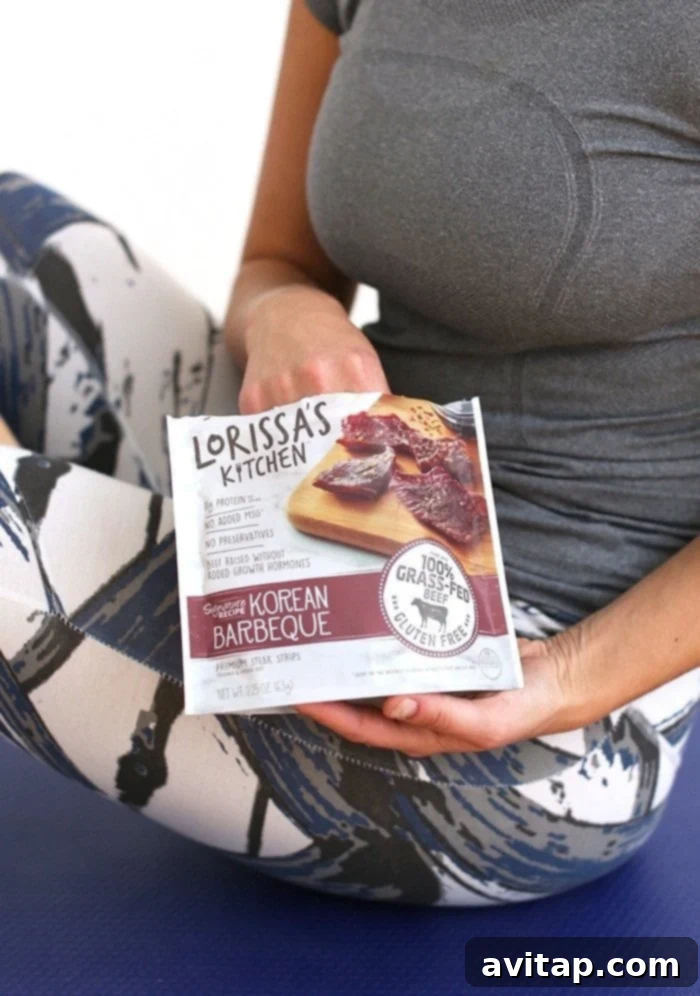
Lorissa’s Kitchen has become an absolute staple in my diet, not just for its convenience but for its exceptional quality and delicious flavor profile. My go-to flavors are undoubtedly the Korean BBQ and Szechuan Peppercorn beef variations. The perfect balance of sweet and savory in both truly hits the spot, making them a satisfying and enjoyable treat. I literally take Lorissa’s Kitchen everywhere – it was a primary fuel source during our hiking adventures in Moab, and I invariably have a bag tucked into my laptop tote. This ensures I’m always prepared to fend off those inevitable “hangry” moments with a wholesome, protein-packed option.
Why Lorissa’s Kitchen is My Go-To Healthy Snack:
There are numerous reasons why I consistently choose Lorissa’s Kitchen over other jerky brands:
- Minnesota-Based Brand: As a strong advocate for supporting local businesses, I love that Lorissa’s Kitchen is based right here in Minnesota. This connection often means a commitment to community and quality that resonates deeply with me.
- Clean Label Promise: The ingredients speak for themselves. Lorissa’s Kitchen proudly contains No Preservatives, ensuring you’re consuming only real, wholesome food. There are No Nitrates, a common additive I actively avoid. It’s made with meat from animals raised without No Growth Hormones, providing peace of mind about the source of the protein. Furthermore, it is naturally Gluten-Free and contains No MSG, making it suitable for a wide range of dietary preferences and health goals.
- Exceptional Protein Content: With up to 11 grams of protein per serving, Lorissa’s Kitchen is a powerhouse for muscle recovery and satiety. This significant protein boost helps keep me full, energized, and supports my fitness goals efficiently.
- Unbeatable Flavor & Convenience: Beyond its impressive nutritional profile, the taste is outstanding. The variety of flavors, especially my favorites, makes healthy snacking enjoyable. Its convenient, ready-to-eat format makes it the perfect grab-and-go snack for busy days, travel, or quick post-workout fuel.
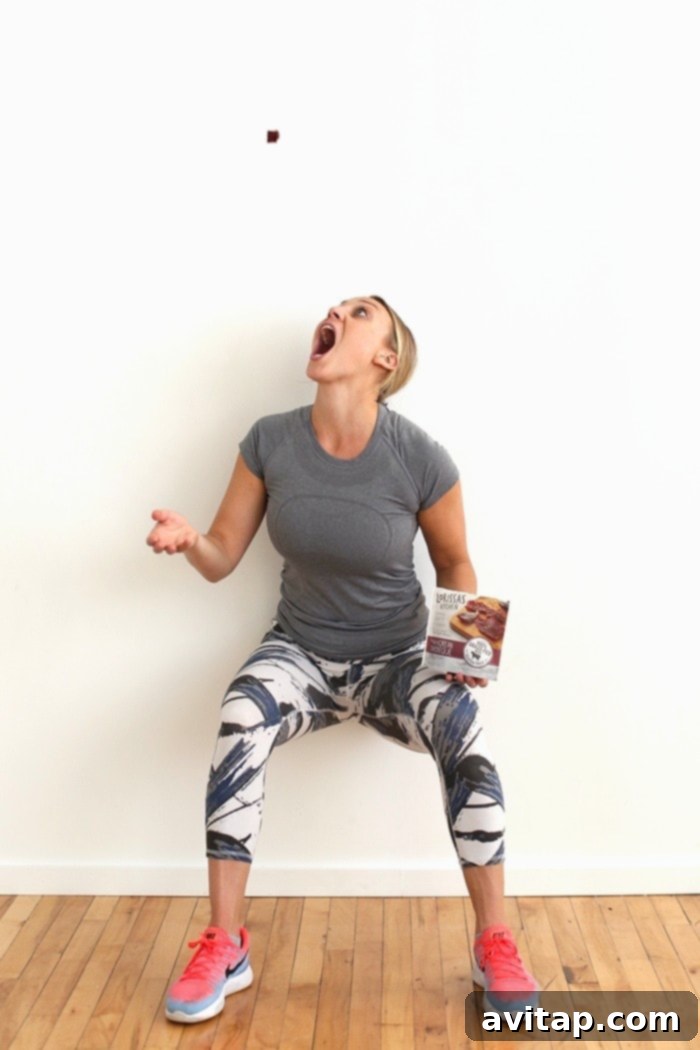
Where to Find Your Lorissa’s Kitchen Favorites
For me, knowing what goes into my food is incredibly important. Clean labels translate to a happy and healthy me! If you’re wondering where you can get your hands on some delicious Lorissa’s Kitchen snacks, I typically pick mine up at Target and local grocery stores like Lunds and Byerlys. For ultimate convenience, you can also easily find their full range available for purchase on Amazon and at Walgreens. I highly recommend grabbing more than one bag – you’ll want one for yourself and perhaps another to share with a friend, though I wouldn’t blame you for keeping both!
This post is sponsored by Lorissa’s Kitchen. I was compensated for my time and honest opinions expressed within this article. Thank you for continuing to support Fit Foodie Finds and my genuine passion for nutritious, high-protein snacks that fuel an active and healthy lifestyle.