
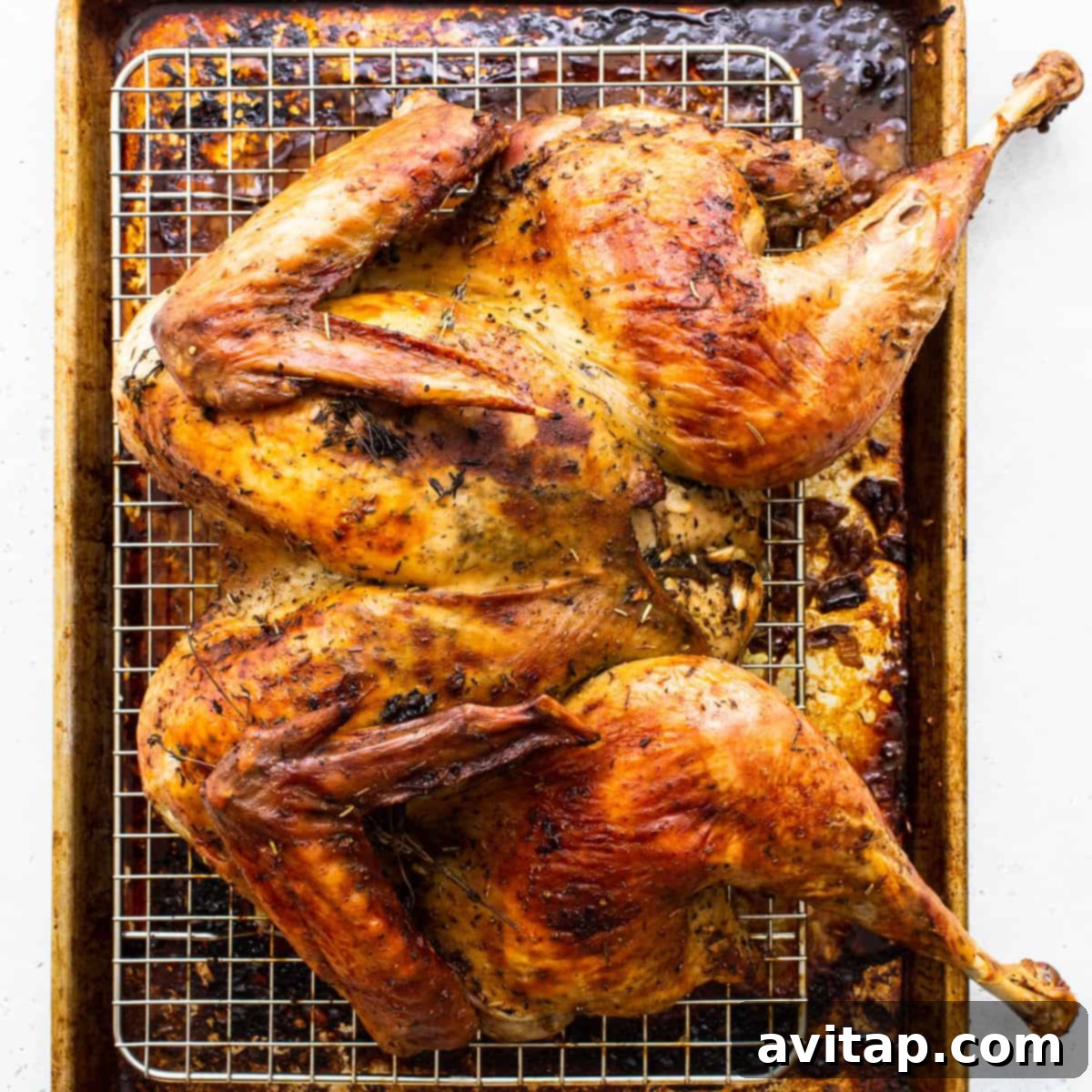
Mastering Dry Brine Turkey: Your Ultimate Guide to a Perfectly Juicy Thanksgiving Feast
Prepare to transform your holiday turkey experience! This comprehensive guide reveals the simple yet revolutionary technique of dry brining turkey, a method guaranteed to deliver the most incredibly moist, juicy, and flavorful bird your family has ever tasted. Forget complicated wet brines; dry brining utilizes the power of salt and time to tenderize meat and lock in natural juices, resulting in a show-stopping centerpiece for your Thanksgiving table.
Why Dry Brine Your Thanksgiving Turkey? The Science of Succulence
If you’re accustomed to traditional wet brining your Thanksgiving turkey, prepare for a revelation. Dry brining offers a simpler, cleaner, and arguably superior method for achieving that coveted tender, juicy texture and richly seasoned flavor. A dry brine fundamentally involves coating meat with salt and allowing it to rest over a period. This process might seem counterintuitive initially: applying salt typically draws moisture out of food. However, with time, something magical happens, ensuring your turkey remains incredibly moist during cooking.
Here’s how the science of dry brining works to create such remarkable results:
- Initial Moisture Extraction: When salt is first applied to the turkey’s surface, its osmotic properties draw moisture (and some dissolved proteins) from the meat. This is a crucial first step.
- Salt Dissolution & Reabsorption: The extracted moisture then dissolves the applied salt, creating a highly concentrated natural brine directly on the turkey’s skin. Over time, this concentrated, flavorful liquid is gradually reabsorbed back into the turkey’s muscle fibers.
- Deep Penetration & Tenderization: As the salt-infused liquid penetrates deeper into the meat, the salt begins to break down some of the muscle proteins. This process of protein denaturation allows the muscle fibers to retain significantly more moisture during cooking, preventing them from tightening up and drying out. The turkey essentially self-brines, becoming seasoned from within.
- Crispier Skin: An added bonus of dry brining is its effect on the skin. Unlike wet brining, which can leave the skin damp and difficult to crisp, the dry resting period helps to dry out the turkey’s skin surface. This ensures an incredibly golden, shatteringly crispy exterior once roasted.
The outcome is a turkey that is seasoned deeply and evenly, exceptionally moist throughout, and boasts beautifully crispy skin, all achieved without the mess and bulk of submerging a large bird in liquid brine. It’s truly a game-changer for holiday cooking.
Dry Brining vs. Wet Brining: A Head-to-Head Comparison
Both dry brining and wet brining are popular methods to ensure a juicy and flavorful turkey, but they employ different techniques and offer distinct advantages. Understanding these differences can help you decide which approach best suits your kitchen and culinary goals for Thanksgiving.
Wet Brining: The Traditional, Immersive Method
Wet brining involves completely submerging the turkey in a large container filled with a solution of salted water, often enhanced with herbs, spices, and aromatics like garlic and citrus. The turkey absorbs this flavorful liquid, which helps to plump up the muscle fibers and retain moisture during cooking. However, wet brining presents a few considerations:
- Space and Equipment: You’ll need a very large food-safe container, cooler, or specialized brining bag to fully submerge the turkey, which can occupy significant refrigerator space or require careful temperature management for food safety.
- Mess Factor: Handling a large bird in a liquid brine can be quite messy, and proper disposal of the brine solution is necessary.
- Skin Crispiness: While the meat becomes juicier, the absorbed liquid can sometimes make it more challenging to achieve that desired super-crispy skin during roasting. The excess moisture needs to evaporate before browning can fully occur.
- Flavor Profile: Some culinary enthusiasts argue that while wet brining adds moisture, it can slightly dilute the inherent, rich flavor of the turkey itself due to the absorption of plain water along with the salt.
Dry Brining: The Modern, Simplified Approach
As detailed above, dry brining involves rubbing the turkey with a salt-based seasoning mixture and allowing it to rest in the refrigerator. We personally find dry brining to be a more practical and superior method for several compelling reasons:
- Simplicity & Convenience: Dry brining eliminates the need for large, messy liquid containers. You simply rub the seasoning onto the bird, place it in the fridge, and let time do the work. This frees up precious refrigerator space, especially important during holiday preparations.
- Enhanced Natural Flavor: The salt in a dry brine penetrates the meat, not by adding water, but by drawing out and reabsorbing the turkey’s natural juices. This intensifies the turkey’s inherent savory flavors, rather than diluting them.
- Unbeatable Crispy Skin: A major advantage of dry brining is the profoundly crispy skin it produces. The air circulation during the uncovered resting period dries out the skin’s surface, leading to a perfectly golden-brown and delightfully crackly exterior.
- Optimal Moisture Retention: Through the osmotic process, the meat’s proteins are altered to retain moisture more effectively, ensuring a consistently juicy and tender turkey from the inside out.
Ultimately, the choice is yours, but for those seeking an easier, less messy path to a more flavorful and incredibly crispy-skinned turkey, dry brining is our enthusiastic recommendation. It’s a method that consistently delivers stellar results with minimal fuss.
Essential Ingredients for Your Perfect Dry Brine Turkey
Crafting a wonderfully moist and flavorful dry-brined turkey requires surprisingly few ingredients. Our recipe focuses on the fundamental elements that are proven to deliver outstanding results, letting the natural flavors of the turkey shine while enhancing its succulence.
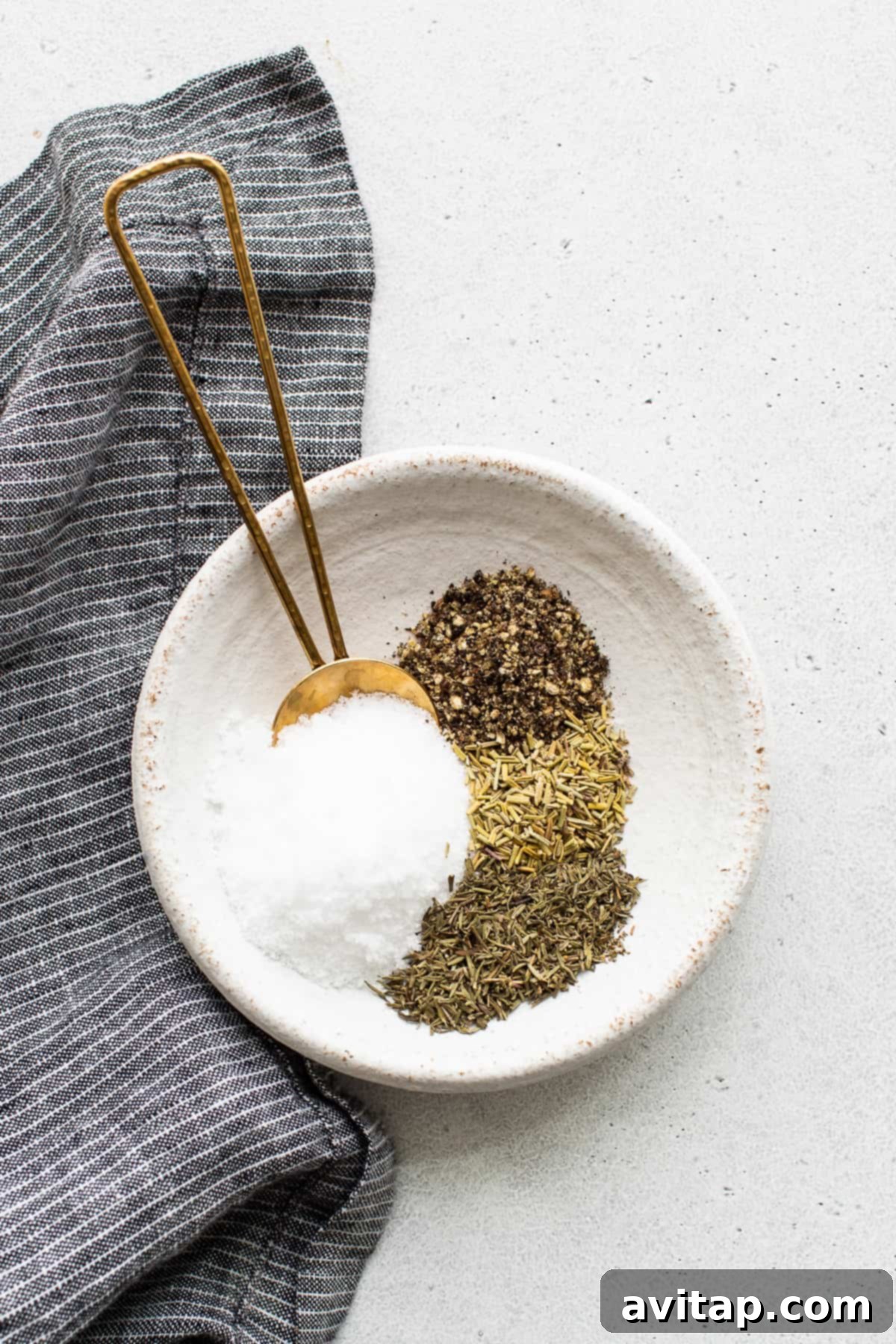
What You’ll Need:
- Kosher Salt: This is the cornerstone of your dry brine, and its selection is crucial. We specifically recommend kosher salt due to its larger, flakier crystal size. Unlike fine table salt, kosher salt adheres better to the turkey’s surface, dissolves more slowly and evenly, and allows for more precise application, reducing the risk of over-salting. It also typically doesn’t contain iodine or anti-caking agents that can sometimes impart an undesirable metallic or chemical off-flavor.
- Black Pepper: Freshly ground black pepper adds a subtle, warm heat and aromatic depth that beautifully complements the turkey and the other herbs.
- Dried Thyme: A classic poultry herb, dried thyme infuses the turkey with an earthy, slightly minty, and distinctly savory flavor, evoking traditional holiday tastes.
- Dried Rosemary: Known for its robust, pine-like aroma and flavor, dried rosemary pairs exceptionally well with turkey, providing that quintessential holiday taste profile. You can find high-quality dried rosemary here.
- Your Turkey: This recipe is specifically designed for a whole, approximately 12-14 lb. untreated turkey. It is absolutely essential that your turkey is completely thawed before you begin the brining process. A partially frozen turkey will not brine evenly.
- Storage Solution: You’ll need an airtight container, a large brining bag, or simply a robust plastic grocery bag, spacious enough to comfortably accommodate your turkey in the refrigerator. For best results in achieving crispy skin, consider brining it uncovered on a wire rack set over a baking sheet.
With these few, carefully selected ingredients, you’re well on your way to preparing an unforgettable turkey that will be the star of your holiday spread.
A Quick Rundown on How to Dry Brine Your Turkey
The brilliance of dry brining lies in its straightforward nature. With just two primary steps, you can achieve a perfectly seasoned and tender bird:
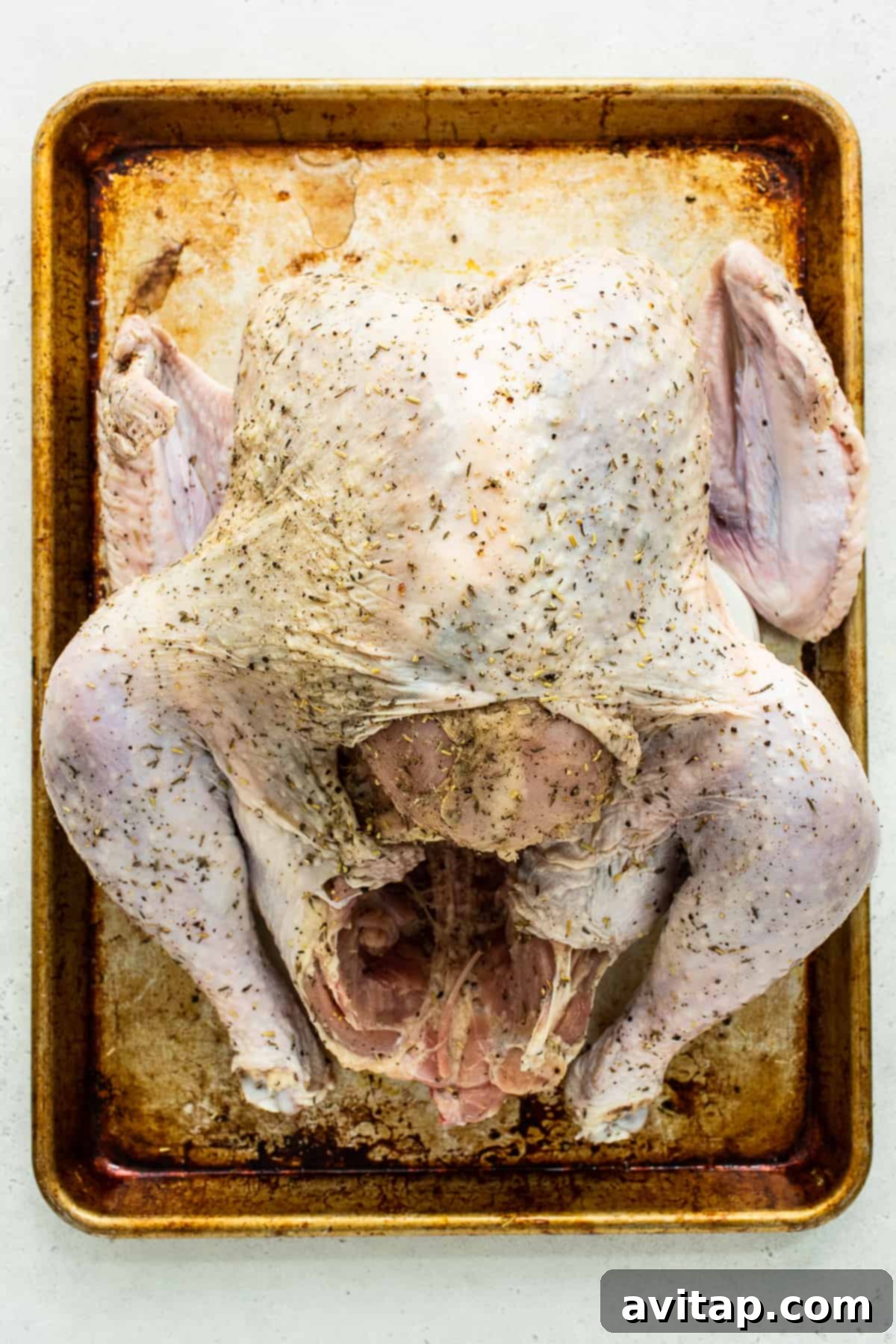
- Season Generously: Begin by combining your kosher salt, black pepper, dried rosemary, and dried thyme in a small bowl. Once thoroughly mixed, generously rub this aromatic blend all over your raw Thanksgiving turkey. Pay special attention to covering every part of the bird, ensuring you also get some of the mixture under the skin, especially over the breast meat.
- Rest and Transform: After seasoning, place the turkey in the refrigerator. This crucial resting period allows the salt to work its magic, drawing out moisture and then reabsorbing it, tenderizing the meat and infusing it with flavor.
How Long Should I Let My Dry Brine Turkey Rest?
The resting period is where the transformative power of the dry brine truly takes hold. While patience is key, the duration of the rest can be adjusted based on your schedule and desired intensity of flavor and moisture.
We recommend letting your dry brined turkey rest for a minimum of 12 hours. This duration is usually enough for the salt to begin its work and for some initial flavor penetration. However, for truly optimal results—a deeper flavor, more tender meat, and that coveted crispy skin—we strongly suggest extending this resting time in the refrigerator for 24 to 72 hours (1 to 3 days). The longer the turkey rests, the more time the salt has to fully penetrate the muscle fibers, resulting in a profoundly flavorful and exceptionally moist outcome.
- 12 Hours: Good for a quick brine, will improve moisture and some flavor.
- 24 Hours (Overnight): Ideal for most home cooks, providing excellent results without excessive planning.
- 48-72 Hours: Recommended for the most profound tenderization and deepest flavor penetration, especially beneficial for larger birds.
Always ensure the turkey is stored safely in the coldest part of your refrigerator during this period, either in a large plastic bag, an airtight container, or uncovered on a wire rack set over a baking sheet to promote air circulation and skin drying.
You’ve Dry Brined, Now What? Cooking Your Masterpiece
Once your turkey has completed its dry brining ritual, it’s perfectly primed and ready for cooking! The hardest part is truly over; now you simply need to cook it using your preferred method. The dry brine enhances any turkey recipe, ensuring a tender, juicy, and flavorful result every single time. Here are some of our favorite Thanksgiving turkey recipes and cooking methods that work exceptionally well with a dry-brined bird:
- Classic Roasted Turkey: For a traditional and timeless approach, our classic roasted Thanksgiving turkey recipe is an excellent choice. Simply skip the wet brining step it typically calls for and proceed directly with roasting your dry-brined turkey. You’ll be amazed by the depth of flavor, unparalleled moisture, and beautifully golden-brown, crispy skin.
- Ultimate Smoked Turkey: If you’re a fan of succulent, smoky flavors, our reader-favorite smoked turkey recipe is a must-try. Just like with roasting, substitute the wet brine with this dry brine method for a uniquely tender, juicy, and aromatic smoked bird that will impress everyone at your table.
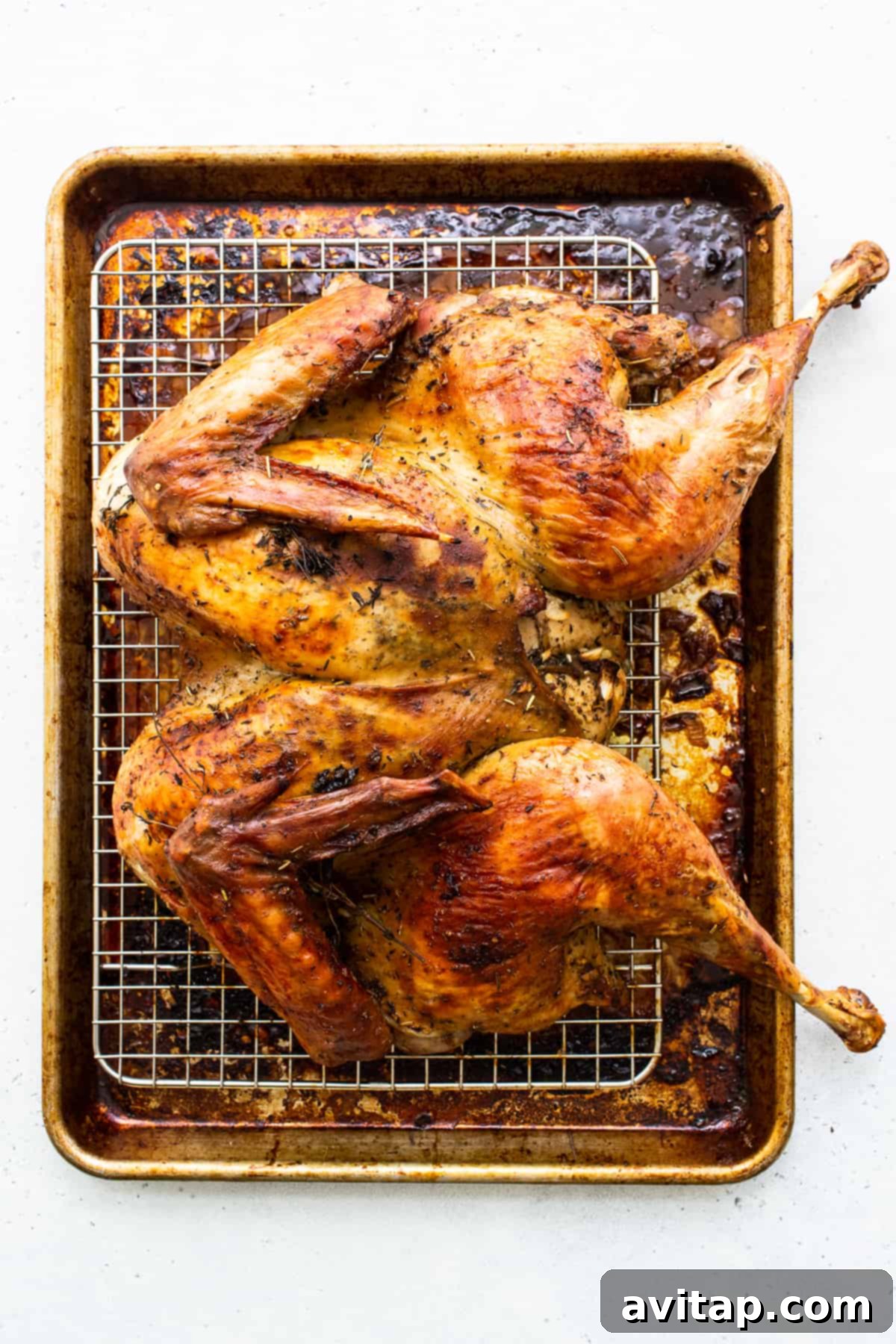
- Effortless Spatchcock Turkey: Spatchcocking, a technique that involves removing the backbone and flattening the bird, is one of our top cooking methods. It leads to incredibly fast and even cooking, ensuring all parts of the turkey are perfectly done. Our spatchcock turkey recipe actually leverages this exact dry brine technique for a truly superior outcome—expect uniform cooking, wonderfully crispy skin, and exceptionally juicy meat.
- Flavorful Smoked Turkey Legs: While turkey legs are naturally juicy due to their dark meat, a dry brine can elevate their flavor profile significantly, making them even more succulent and delicious. This is particularly true when they are smoked, as the brine helps the smoky flavor adhere beautifully.
No matter which cooking method you choose, remember to pat your turkey completely dry before it goes into the oven or smoker. This crucial step ensures that the skin achieves maximum crispiness, a hallmark of a perfectly dry-brined turkey.
Personalize Your Brine: Flavorful Variations
While the fundamental component of any effective dry brine is salt, you have ample opportunity to infuse your turkey with additional aromas and flavors that cater specifically to your palate. This allows for endless customization and can truly make your holiday turkey unique.
Beyond our recommended blend of black pepper, dried thyme, and dried rosemary, consider incorporating these spice and herb ideas to customize your dry brine mixture:
- Citrus Zest: Finely grated zest from lemons, oranges, or mandarins adds a bright, fresh, and aromatic note that beautifully complements poultry. Avoid the white pith, which can be bitter.
- Garlic Powder & Onion Powder: For a deeper, more foundational savory depth, these powdered aromatics are excellent additions and distribute evenly in the rub.
- Paprika (Smoked or Sweet): Paprika not only adds a beautiful reddish hue to the turkey skin but also contributes a mild, earthy, or smoky flavor, depending on the type you choose.
- Italian Seasoning Blend: A convenient pre-mixed blend typically containing oregano, basil, thyme, and rosemary, offering a harmonious Mediterranean twist to your turkey.
- Dried Oregano: Earthy and slightly peppery, dried oregano is a robust herb that works wonderfully with poultry and provides a classic flavor.
- Dried Sage: The quintessential Thanksgiving herb, known for its warm, slightly peppery, and piney aroma. Pair it with rosemary and thyme for a truly traditional holiday flavor profile.
- Chili Powder or Cayenne Pepper: For those who enjoy a subtle hint of warmth or a bolder kick, a touch of chili powder or cayenne pepper can add an exciting dimension.
- Fennel Seeds (crushed): Crushed fennel seeds add a mild, sweet licorice-like flavor that works surprisingly well with poultry, offering an intriguing depth.
When experimenting, always remember that the salt content is paramount for the brining process itself. Ensure your chosen additions are finely ground or minced to distribute evenly and adhere well to the turkey. Feel free to mix and match these ideas to find your perfect signature dry brine blend. The goal is to enhance, not overpower, the natural deliciousness of the turkey.
Latest Thanksgiving Recipes from Our Kitchen
Discover More Holiday Inspiration
Easy Oven-Roasted Turkey Tenderloin
Festive Canned Champagne Cocktail
Grandma Betty’s Swedish Coffee Cake
Delicious Caramelized Onion Dip
Nana Mabel’s Classic Spritz Cookies
Explore More of Our Favorites…
Essential Turkey Recipes & Guides
- Smoked Turkey Brine (Wet & Dry Options): A guide to both methods for smoking.
- How to Smoke a Turkey Breast: Focuses on smaller cuts for juicy results.
- Perfect Baked Turkey Tenderloin: A simpler, faster turkey option for any day.
- Mastering Sous Vide Turkey: For precision cooking and unparalleled tenderness.
How to Serve Your Delicious Dry Brine Turkey
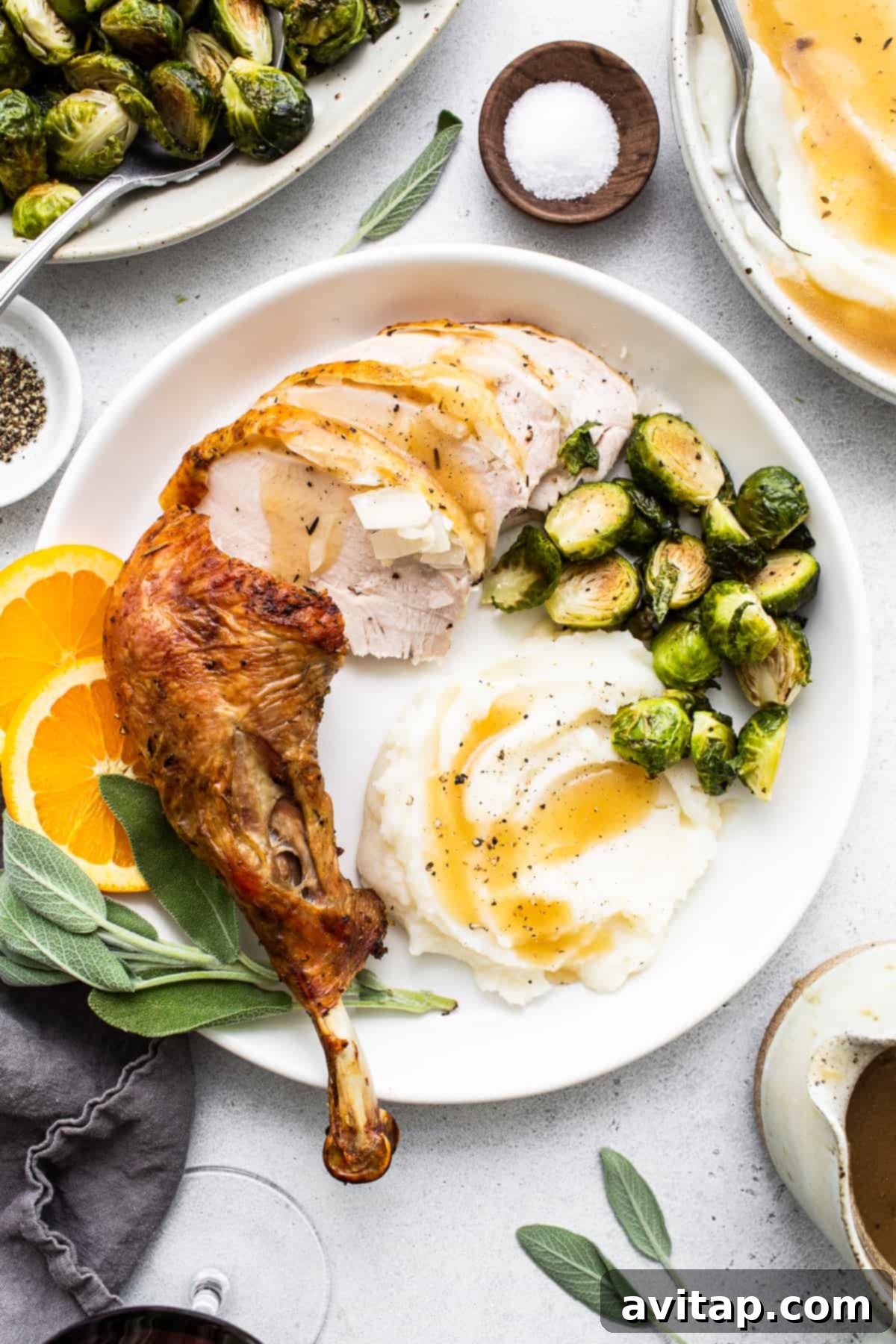
As showcased in the accompanying photos, our dry-brined turkey, particularly when spatchcocked and roasted, consistently delivers phenomenal results—wonderfully crispy on the outside and incredibly moist on the inside. The deep, even seasoning from the brine means every bite is bursting with flavor. To complete your holiday feast, pair your magnificent turkey with these essential Thanksgiving side dishes that complement its rich taste and texture:
- Perfectly Roasted Brussels Sprouts: Their savory and slightly bitter notes provide a wonderful counterpoint to the rich turkey.
- Creamy Mashed Sweet Potatoes: A sweet and comforting classic that balances the meal, adding a touch of richness.
- Zesty Lemon Ginger Cranberry Sauce: A bright, tangy, and slightly spicy condiment that cuts beautifully through the richness of the turkey, offering a refreshing contrast.
- Rich Vegetarian Mushroom Gravy: A savory and earthy topping to tie all the flavors together, providing an umami depth to every bite.
- Classic Sage and Sausage Stuffing: The perfect absorbent companion for soaking up all those delicious turkey juices and offering a medley of textures and flavors.
- Green Bean Casserole with Crispy Onions: A timeless favorite that adds both creamy comfort and satisfying crunch to your plate.
Once your turkey is out of the oven, it’s crucial to allow it to rest for at least 20-30 minutes before carving. This critical step ensures the juices, which concentrate in the center during cooking, redistribute throughout the meat, preventing them from escaping when you slice and guaranteeing maximum moisture in every piece. Carve against the grain for the most tender slices, arrange them beautifully on a platter, and present your culinary masterpiece with pride! Your guests will undoubtedly be asking for the secret to your incredibly juicy turkey.
Simple Dry Brine Turkey Recipe
How to Dry Brine a Turkey
Looking to ensure your Thanksgiving turkey is exceptionally tender and juicy? Follow this easy dry brine recipe, where you’ll season and rest your turkey before cooking for unparalleled results.
By: Lee Funke
Prep Time: 12 hrs 20 mins
Total Time: 12 hrs 20 mins
Servings: 8
Print Recipe
Ingredients
- 12-14 lb. untreated turkey, completely thawed
- 2 tablespoons kosher salt
- ½ tablespoon black pepper
- 1 teaspoon dried thyme
- 1 teaspoon dried rosemary
Instructions
- Remove the turkey from its packaging and remove any giblets or neck from the inside of the turkey. Pat the turkey thoroughly dry with paper towels.
- In a small bowl, combine the kosher salt, black pepper, dried thyme, and dried rosemary. Mix until all ingredients are evenly distributed.
- Carefully separate the skin from the turkey meat, especially over the breasts, to create pockets. Rub about two-thirds of the salt mixture directly onto the meat under the skin. Ensure good coverage on the breasts, thighs, and drumsticks.
- Rub the remaining one-third of the salt mixture evenly over the entire exterior surface of the turkey, including the wings and legs.
- Place the seasoned turkey in a large plastic bag or an airtight container. Alternatively, place it uncovered on a wire rack set over a baking sheet and refrigerate for at least 12 hours, or ideally for 24-72 hours. An uncovered brine helps to dry out the skin for maximum crispiness.
- After the brining period, remove the turkey from the refrigerator. If any liquid has accumulated in the bag or container, discard it. Do NOT rinse the turkey, as this will wash away the seasoning and reintroduce moisture to the skin, which hinders crispiness. Simply pat the turkey completely dry again with paper towels.
- Your turkey is now perfectly prepared for cooking. Proceed with your favorite method for Thanksgiving turkey. We recommend trying our classic roasted turkey, spatchcock turkey, or smoked turkey recipes, adjusting for the dry brine by skipping any wet brining steps.
Tips & Notes
- This brine recipe is formulated for a 12-14 lb. turkey. Adjust salt quantities proportionally for larger or smaller birds (approximately 1 tablespoon of kosher salt per 4-5 lbs of turkey).
- The minimum brining time is 12 hours, but a longer rest of 24-72 hours yields the most profound results in terms of flavor and moisture.
- You can start the brining process while your turkey is partially thawed, but it must be fully thawed before cooking.
- Kosher Salt is Key: Its larger crystals are easier to distribute evenly and dissolve gradually, allowing for consistent penetration without over-salting the surface.
- Do Not Rinse: After brining, resist the urge to rinse the turkey. Rinsing removes the beneficial salt solution and adds moisture back to the skin, which hinders crispiness. Just pat dry.
Video Tutorial
For a visual step-by-step guide to dry brining your turkey, you can find a comprehensive video tutorial on our channel. (Link to video could be placed here if available, e.g., Watch our Dry Brine Turkey Video Tutorial)
Nutrition Information (Approximate)
Calories: 1 kcal, Carbohydrates: 0.3 g, Protein: 0.1 g, Fat: 0.02 g, Fiber: 0.1 g, Sugar: 0.01 g
Nutrition information is automatically calculated and should only be used as an approximation, as actual values may vary based on ingredients and preparation methods.
We’d Love to Hear From You!
If you loved this recipe, don’t forget to leave a comment below and share your experience. Tag your culinary creations on social media with the hashtag #fitfoodiefinds – we can’t wait to see your perfectly brined turkeys!
Photography: Photos featured in this post were expertly captured by Ashley McGlaughlin from The Edible Perspective.