
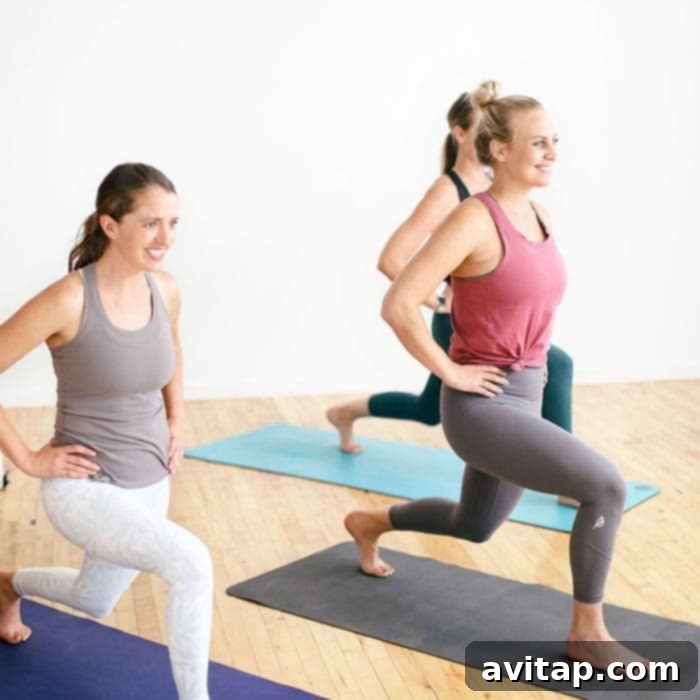
Ultimate Plyo HIIT Cardio Workout: Boost Your Metabolism & Burn Fat Fast
Are you searching for an incredibly effective cardio workout that you can perform anywhere, at any time, with zero equipment? Look no further! This comprehensive Plyo HIIT Cardio Workout is designed to dramatically elevate your heart rate, optimize fat burning, and boost your overall fitness. By combining the explosive power of plyometrics with the intensity of Tabata-style High-Intensity Interval Training (HIIT), this session promises a dynamic challenge that delivers maximum results in minimal time. Get ready to experience a surge of energy and an unparalleled calorie burn that will leave you feeling strong and accomplished!
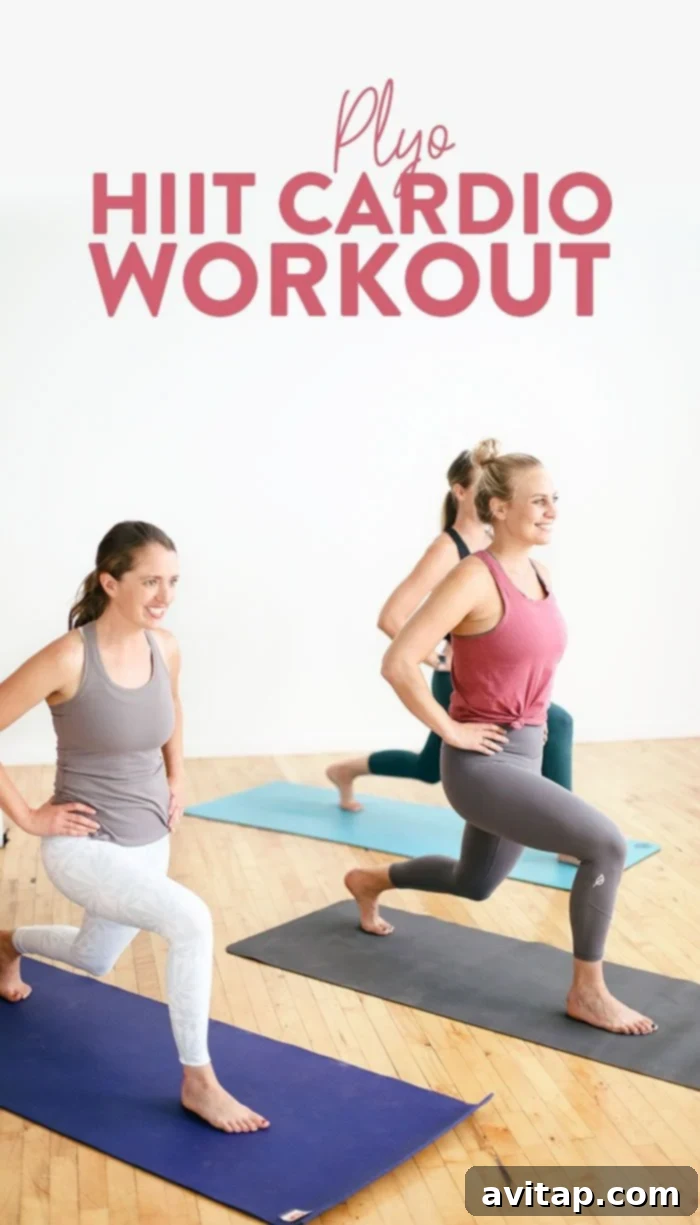
Watch the Plyo HIIT Cardio Workout Video Tutorial
Welcome back to our fitness journey! We’ve been eagerly preparing a series of powerful workouts, and we’re kicking things off with one of the most effective and time-efficient training methods available: High-Intensity Interval Training, or HIIT. This style of exercise is a game-changer for individuals with demanding schedules who still want to achieve significant calorie expenditure and fitness gains. The fundamental principle of HIIT involves alternating short, intense bursts of anaerobic exercise with brief periods of active recovery, effectively spiking and lowering your heart rate in rapid succession.
HIIT is lauded for its ability to deliver an incredible workout in a fraction of the time compared to traditional steady-state cardio. This is particularly appealing for those who feel constrained by time but are committed to their health and wellness goals. By pushing your body to its limits during the high-intensity intervals, you create a powerful metabolic ripple effect that continues to burn calories and fat long after your workout is complete – a phenomenon known as the “afterburn effect” or EPOC (Excess Post-exercise Oxygen Consumption).
Your HIIT Workout Questions Answered
What exactly is a HIIT workout?
HIIT, or High-Intensity Interval Training, is a popular and highly effective exercise strategy. It involves alternating between short periods of maximum-effort exercise and even shorter periods of rest or low-intensity recovery. The goal is to push your heart rate into your anaerobic zone during the work intervals, and then allow it to recover partially before the next intense burst. This dynamic approach challenges your cardiovascular system and muscular endurance in unique ways.
How many days a week should you incorporate HIIT into your routine?
For optimal results and to prevent overtraining, we generally recommend integrating HIIT workouts into your exercise regimen 2 to 3 days per week. It’s crucial to allow adequate recovery time between sessions, ideally with at least one rest day or an active recovery day in between. Listen to your body and adjust frequency based on your fitness level and how you feel, ensuring you also include strength training and steady-state cardio for a well-rounded program.
Are HIIT workouts truly effective for weight loss?
Absolutely! HIIT workouts are incredibly effective for weight loss. The rapid fluctuation in heart rate from high-intensity bursts to recovery periods significantly elevates your metabolism and maximizes fat oxidation. Beyond the calories burned during the session, HIIT is renowned for its “afterburn effect” (EPOC), where your body continues to burn calories at an accelerated rate for hours post-workout as it recovers. This sustained metabolic boost makes HIIT a powerful tool for shedding unwanted pounds and improving body composition.
How can I perform a HIIT workout on a treadmill or other cardio machines?
Performing HIIT on a treadmill or other cardio machines is straightforward and highly effective. For a treadmill, you might alternate between sprinting at maximum effort for 30-60 seconds and then walking or jogging at a moderate pace for 60-120 seconds. Similar principles apply to stationary bikes, ellipticals, or rowing machines – simply cycle between high-resistance/high-speed efforts and lower-intensity recovery periods. For a more detailed guide on machine-based interval training, check out this excellent Cardio Strength Interval HIIT Workout from Fit Foodie Finds.
Who can benefit from Plyo HIIT?
Plyo HIIT is beneficial for a wide range of individuals looking to improve their fitness. Athletes can use it to enhance power and speed, while general fitness enthusiasts can boost their cardiovascular health, burn fat, and build lean muscle. However, due to its high-impact nature, individuals with joint issues or beginners should consult a doctor and start with modified exercises before diving into full plyometrics.
What are the specific benefits of combining Plyometrics with HIIT?
Combining plyometrics with HIIT creates a synergistic effect, amplifying the benefits of both. Plyometrics (jump training) enhance explosive power, agility, and speed, making your muscles stronger and more reactive. When integrated into HIIT, these explosive movements drastically increase your heart rate and caloric expenditure, leading to superior fat loss, improved athletic performance, and enhanced cardiovascular endurance. It’s a dual-action approach to getting fit faster.
Unleashing the Power of Tabata Training
Today’s specific workout structure harnesses the principles of Tabata training, a highly popular and scientifically-backed form of HIIT. In this workout, you’ll be working with a double work-to-rest ratio: 20 seconds of intense effort followed by 10 seconds of active recovery or rest. This precise 2:1 ratio is what defines a true Tabata protocol, originally developed by Japanese scientist Dr. Izumi Tabata and his research team.
One of the primary reasons Tabata training is so beloved and effective is its unique ability to challenge you mentally and physically within a short timeframe. The 20-second work intervals are incredibly “doable”—just enough time to push your limits, give absolutely everything you have, and then quickly transition into a brief 10-second recovery. This rapid cycling keeps your heart rate elevated and your body continually adapting, maximizing caloric expenditure and metabolic impact.
A single Tabata circuit, consisting of 8 rounds (20 seconds work, 10 seconds rest), totals exactly 4 minutes. This brevity is a huge advantage, as 4 minutes feels highly attainable and helps to break down a longer workout into manageable, motivating segments. This structure ensures you can maintain high intensity throughout, leading to greater fitness gains, increased endurance, and superior fat burning compared to longer, less intense exercise sessions. The consistent “shock” to your system also significantly contributes to the EPOC effect, meaning you’ll continue to burn calories for hours after you’ve finished sweating.
Bodyweight Advantage: Train Anywhere, Anytime
A fantastic feature of this Plyo HIIT cardio workout is its accessibility. It requires absolutely no special equipment, making it a perfect choice for anyone, regardless of their gym access or home setup. While you’re welcome to incorporate light weights or resistance bands if it feels right for you, the workout is incredibly effective using just your body weight. Personally, I love the freedom and convenience of a bodyweight-only routine. It means I can easily take my fitness regimen with me when I travel, ensuring consistency and preventing any excuses for missing a workout. Bodyweight exercises are also excellent for building foundational strength, improving balance, and enhancing functional movement, all while minimizing the risk of injury when performed with proper form.
Your Ultimate Plyo HIIT Cardio Workout Breakdown
This dynamic workout is structured around four distinct Tabata circuits, each targeting different muscle groups and pushing your cardiovascular limits. Each Tabata circuit is 4 minutes long and comprises two exercises performed as a superset. The goal is to maximize your effort during the 20-second work intervals, followed by a brief 10-second rest. Once you complete 4 rounds of both exercises in a Tabata, you’ll take a 1-minute minute break before moving on to the next circuit. After successfully completing all four Tabata circuits, challenge yourself by repeating the entire workout one more time for an unparalleled full-body blast!
Preparation: Always begin with a 5-10 minute dynamic warm-up, including light cardio (jogging, jumping jacks) and dynamic stretches (arm circles, leg swings) to prepare your muscles and cardiovascular system for the intensity ahead.
Equipment needed: Bodyweight is all you need for this powerful session!
Tabata 1: Lower Body Power & Agility
This circuit focuses on explosive lower body movements that will quickly elevate your heart rate and build powerful legs.
- Jump Lunges: Start in a lunge position with one foot forward. Explosively jump up, switching your legs in mid-air so you land with the opposite leg forward in a lunge. This plyometric exercise targets your quadriceps, hamstrings, and glutes while significantly increasing your heart rate and improving balance.
- Jump and Touch: Stand with feet shoulder-width apart. Squat down slightly, then explosively jump upwards, reaching your hands overhead as if trying to touch the sky. Land softly with bent knees. This move boosts cardiovascular fitness, builds lower body power, and engages your core.
Tabata 2: Full Body & Core Shredder
Prepare for a full-body challenge that combines cardiovascular intensity with core strength.
- Burpees: From a standing position, squat down, place your hands on the floor, kick your feet back into a plank, perform a push-up (optional), jump your feet back to your hands, and finally jump explosively into the air. Burpees are the ultimate full-body exercise, hitting almost every muscle group and providing a massive cardio boost.
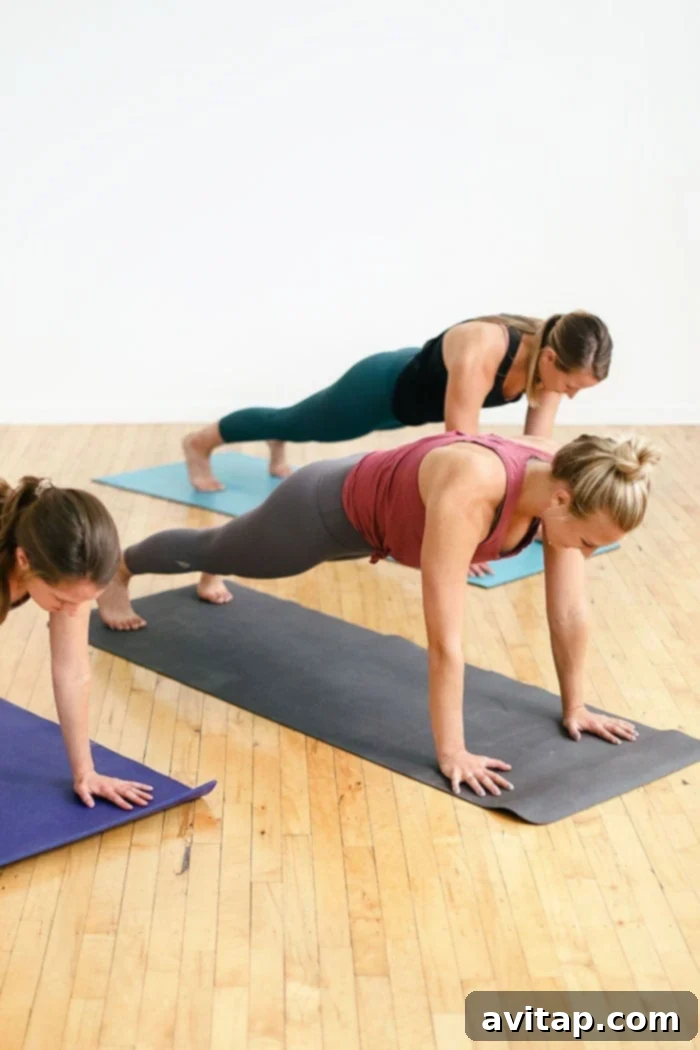
- Tall Plank: Start in a push-up position, with your hands directly under your shoulders and your body forming a straight line from head to heels. Engage your core, glutes, and quads to maintain a rigid posture. The tall plank is an isometric exercise that strengthens your entire core, shoulders, and arms, serving as an active recovery and stabilization exercise within the circuit.
Tabata 3: Lateral Movement & Leg Endurance
This circuit emphasizes agility, lateral movement, and continued lower body conditioning.
- Lateral Shuffle: Start in a low, athletic stance. Take quick, small steps to shuffle laterally for the duration of the interval, maintaining a low center of gravity. Keep your chest up and core engaged. This exercise enhances agility, works your inner and outer thighs, and improves cardiovascular endurance with dynamic side-to-side motion.
- Backward Lunges: From a standing position, step one leg directly backward, lowering your hips until both knees are bent at approximately a 90-degree angle. Push off your back foot to return to the starting position. Alternate legs. Backward lunges are excellent for targeting the glutes and hamstrings, improving balance, and building leg strength with less impact than jump lunges.
Tabata 4: Explosive Lower Body & Core Finish
Conclude your workout with powerful lower body jumps and a focused core strength exercise.
- Jump Squats: Start in a squat position with feet shoulder-width apart. Explosively push through your heels to jump as high as you can, swinging your arms for momentum. Land softly back into a squat. Jump squats are fantastic for developing explosive power in your legs and glutes, while simultaneously providing a significant cardiovascular challenge.
- Full Sit-Ups: Lie on your back with knees bent and feet flat on the floor. Place your hands behind your head or crossed over your chest. Engage your core to lift your upper body off the floor, bringing your chest towards your knees. Slowly lower back down with control. Full sit-ups effectively target your rectus abdominis, strengthening your core and improving abdominal definition.
Cool-down: After completing your workout, spend 5-10 minutes performing static stretches, holding each stretch for 20-30 seconds. Focus on the major muscle groups worked: quads, hamstrings, glutes, calves, and core. This aids in muscle recovery, flexibility, and helps prevent soreness.
Disclaimer: Please remember that I am not a certified personal trainer. Always consult with your physician or a qualified healthcare professional before beginning any new fitness regime, especially if you have pre-existing health conditions. It is crucial to listen to your body throughout the workout; modify or stop any exercise if you experience pain or discomfort. Your safety and well-being are paramount.