
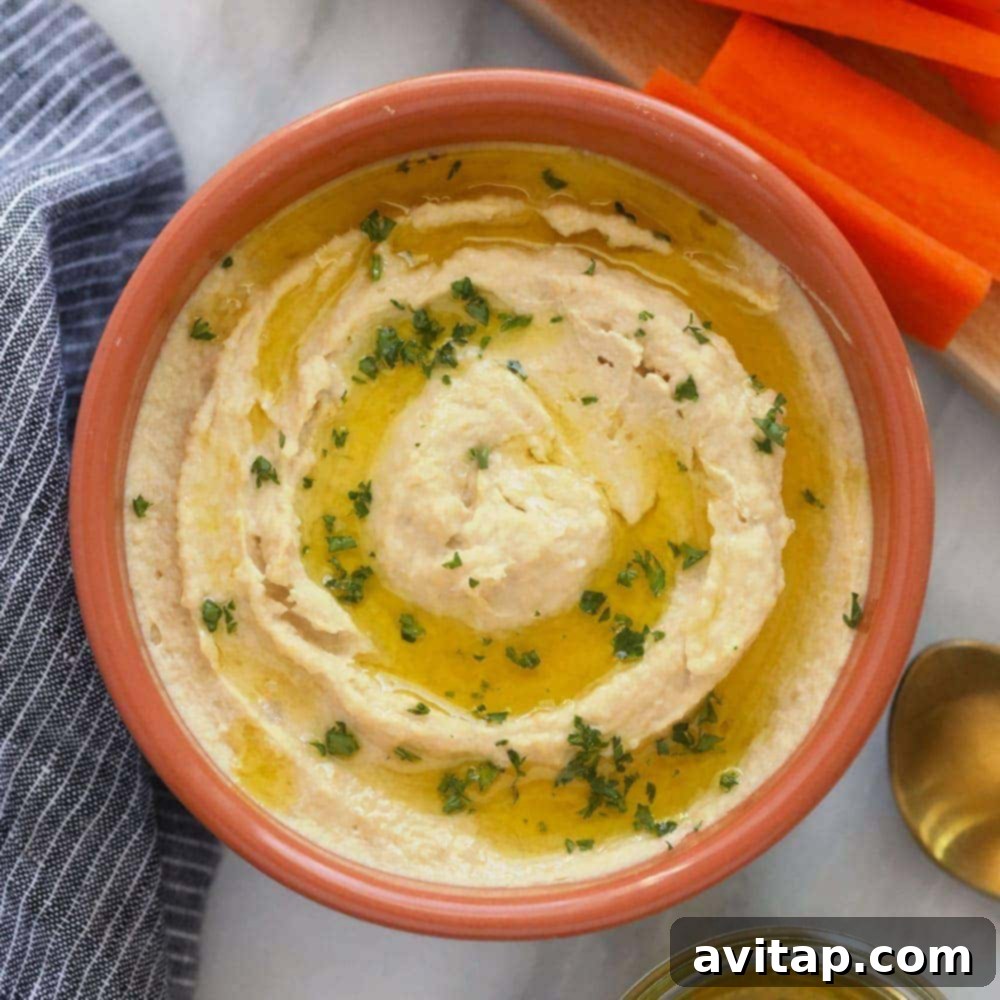
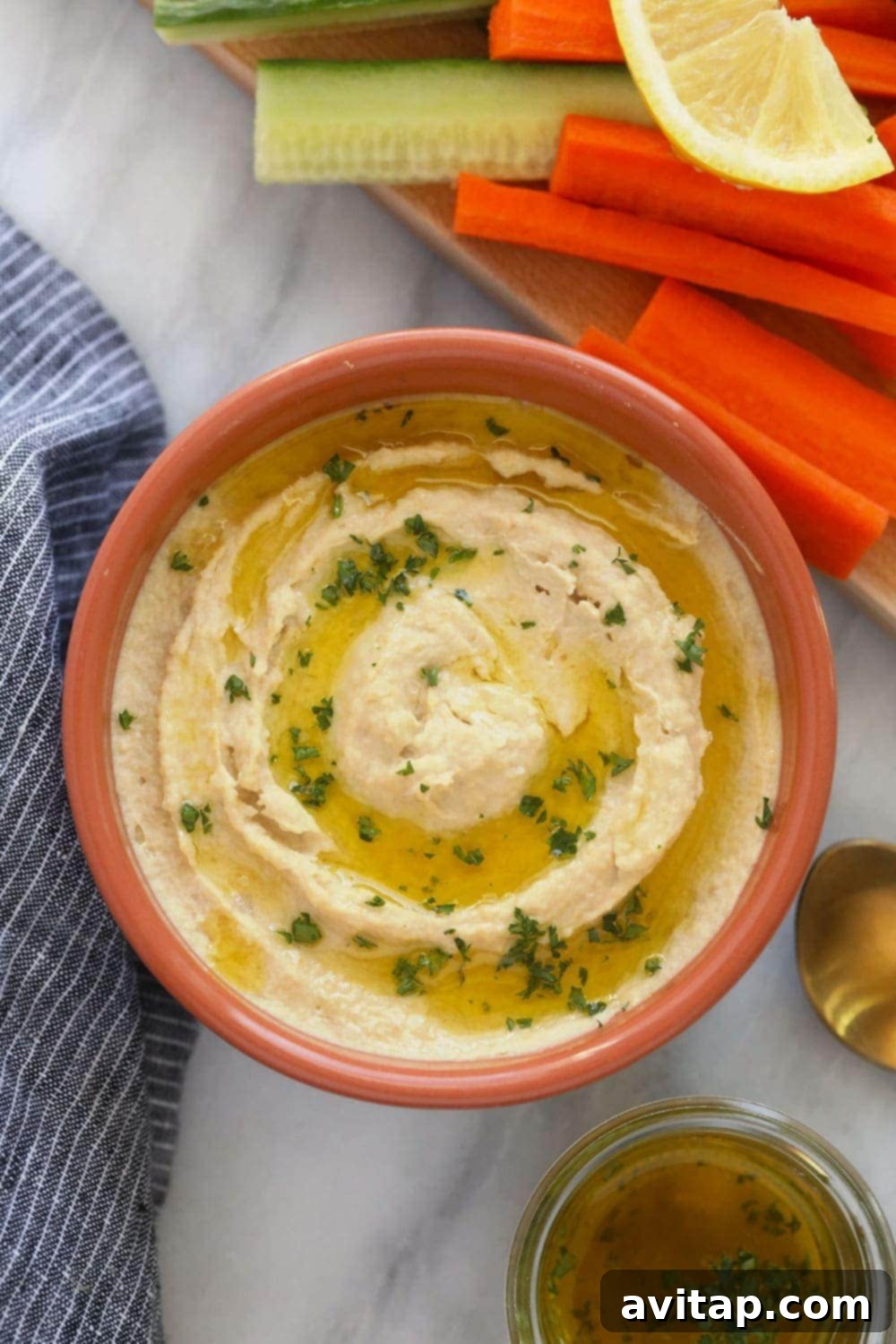
Ready to elevate your snack game and impress your taste buds? Learn How to Make Hummus from scratch, and prepare for all your dip dreams to come true. This classic hummus recipe features an irresistible lemon garlic twist that is simply divine! With our simple method, you’ll effortlessly create the smoothest, creamiest, and most delicious hummus you’ve ever had, right in your own kitchen.
Why Homemade Hummus is a Game Changer
If you love hummus as much as we do, you’ll be amazed at how incredibly easy and satisfying it is to make from scratch. Not only does homemade hummus taste infinitely better than most store-bought versions, but it’s also significantly cheaper! You gain complete control over the ingredients, ensuring peak freshness and the ability to customize flavors to your exact preference. Say goodbye to preservatives and hello to wholesome, vibrant taste.
Once you master this basic lemon garlic hummus, a world of flavor exploration awaits! We feature many other delightful hummus recipes, including Roasted Red Pepper Hummus, Sweet Potato Hummus, and Mexican Black Bean Hummus, each offering a unique culinary adventure.
The Secret to the Smoothest Hummus: Our Foolproof Method
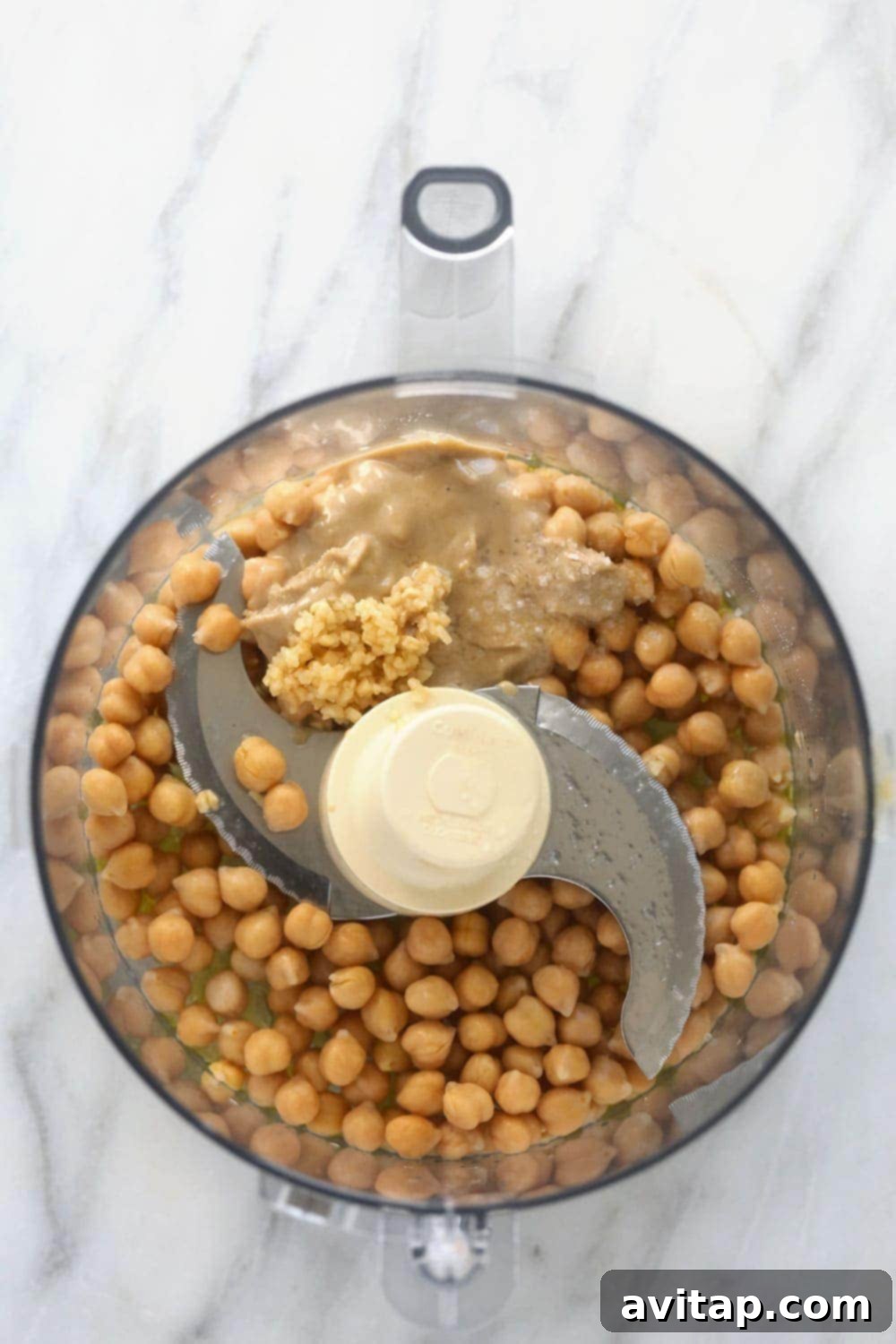
This exquisite lemon garlic hummus comes together in just 3 simple steps and takes a mere 5 minutes of active preparation! The process couldn’t be easier: simply combine all the ingredients into a high-speed food processor. Seriously, *all* the ingredients go in at once. Then, process until silky smooth, serve it with your favorite dippers, and enjoy to your heart’s content. Get ready for a revelation in texture and taste!
Essential Ingredients for Your Perfect Homemade Hummus
Crafting the perfect hummus begins with understanding the role of each ingredient. Here’s a closer look at what you’ll need to create this creamy masterpiece:
- Garbanzo Beans (Chickpeas): These are the heart of any hummus. We recommend using canned garbanzo beans for convenience. Always remember to drain and rinse them thoroughly to remove excess sodium and any canning liquid that could affect the flavor. For an ultra-smooth consistency, some enthusiasts even recommend peeling the chickpeas, though this is entirely optional and time-consuming.
- Extra Virgin Olive Oil: High-quality olive oil is paramount for a rich, luscious texture and a depth of flavor. It emulsifies with the other ingredients, contributing to that signature creamy mouthfeel. Don’t skimp on good olive oil – it makes a noticeable difference.
- Unsalted Tahini: A staple in authentic hummus, tahini is a paste made from toasted ground sesame seeds. It provides a unique nutty, earthy flavor and plays a critical role in achieving the characteristic creamy texture. You can typically find unsalted tahini in the international aisle of most grocery stores or specialty food shops. If your tahini has separated, simply stir it well before using.
- Sea Salt: Just a pinch of good quality sea salt is crucial to balance and bring out all the vibrant flavors of the other ingredients. Adjust to your personal preference.
- Fresh Garlic: We use raw minced garlic to give our hummus a bright, pungent bite that perfectly complements the lemon. If you prefer a milder, sweeter garlic flavor, you can easily use roasted garlic instead. To roast garlic, simply cut the top off a head of garlic, drizzle with olive oil, wrap in foil, and bake at 400°F (200°C) for 30-40 minutes until soft and caramelized.
- Fresh Lemon Juice: Freshly squeezed lemon juice is non-negotiable! It adds a wonderful zesty, tangy, and fresh element that brightens the entire dip. Bottled lemon juice simply won’t offer the same vibrant flavor.
- Water: Start with 3 tablespoons of cold water, preferably ice water. This helps create an incredibly airy and smooth texture as it emulsifies with the tahini and olive oil. You may need to add more water later if your hummus is too thick, as we’ll discuss.
- High-Speed Food Processor: This is your most important tool for achieving that desired smooth and creamy texture. A powerful food processor will break down the chickpeas thoroughly, leaving no gritty bits behind.
Can I Make Hummus Without Tahini?
Absolutely! While tahini is a traditional ingredient and adds a distinct flavor and creaminess, you can certainly make delicious hummus without it. For a similar creamy texture, try substituting tahini with a few tablespoons of plain Greek yogurt. This will give your hummus a slightly tangy, lighter profile. Another excellent option is to use almond butter or cashew butter; these alternatives will impart a wonderful nutty flavor and maintain a rich consistency. Start with half the amount and adjust to your taste.
Can I Make Hummus Without a Food Processor?
If you don’t own a food processor, don’t worry – you can still achieve creamy hummus using a high-speed blender! The key is to be patient and potentially add a little extra liquid. You will likely need to stop and scrape down the sides of the blender a few times to ensure all ingredients are evenly incorporated and blended to a consistent, smooth texture. While it might take a few extra minutes, the results can still be fantastic. Alternatively, for a truly rustic hummus, you could even mash the chickpeas by hand with a potato masher, though this will yield a chunkier texture.
Elevate Your Hummus with Delicious Topping Ideas
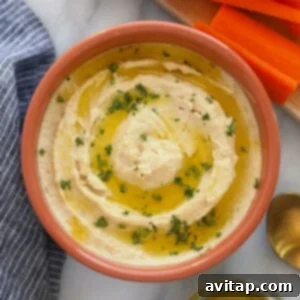
While our lemon garlic hummus is fantastic on its own, a simple topping can transform it into an even more impressive dish. A quick, optional topping can be whipped up by stirring together a generous drizzle of good quality extra virgin olive oil and some freshly chopped basil. This mixture, drizzled over your hummus, instantly adds an elegant touch and a vibrant punch of herby flavor.
For more creative and tasty topping ideas, consider these options:
- Roasted Garlic Cloves: Soft, sweet roasted garlic cloves offer a mellow counterpoint to the fresh garlic in the hummus.
- Chopped Olives: Kalamata or Castelvetrano olives, finely chopped, add a briny, savory note.
- Crumbled Feta Cheese: For a delightful salty and tangy creaminess.
- Sliced Cherry Tomatoes: Adds a burst of fresh, juicy sweetness and a pop of color.
- Toasted Pine Nuts: A classic hummus topping, providing a delightful crunch and buttery flavor. Lightly toast them in a dry pan until fragrant.
- Sprinkled Paprika: A dash of sweet or smoked paprika not only adds a beautiful color but also a subtle, earthy flavor.
- Chili Flakes or Hot Sauce: For those who love a bit of heat.
- Fresh Parsley or Cilantro: Chopped fresh herbs enhance freshness and visual appeal.
- Caramelized Onions: A sweet and savory addition that pairs wonderfully with the creamy texture.
How to Achieve the Ultimate Smooth, Silky Hummus Texture
The quest for perfectly smooth hummus is a common one, and there are several tricks to banish any grittiness. To make your hummus less gritty and achieve that coveted creamy texture, here are our top tips:
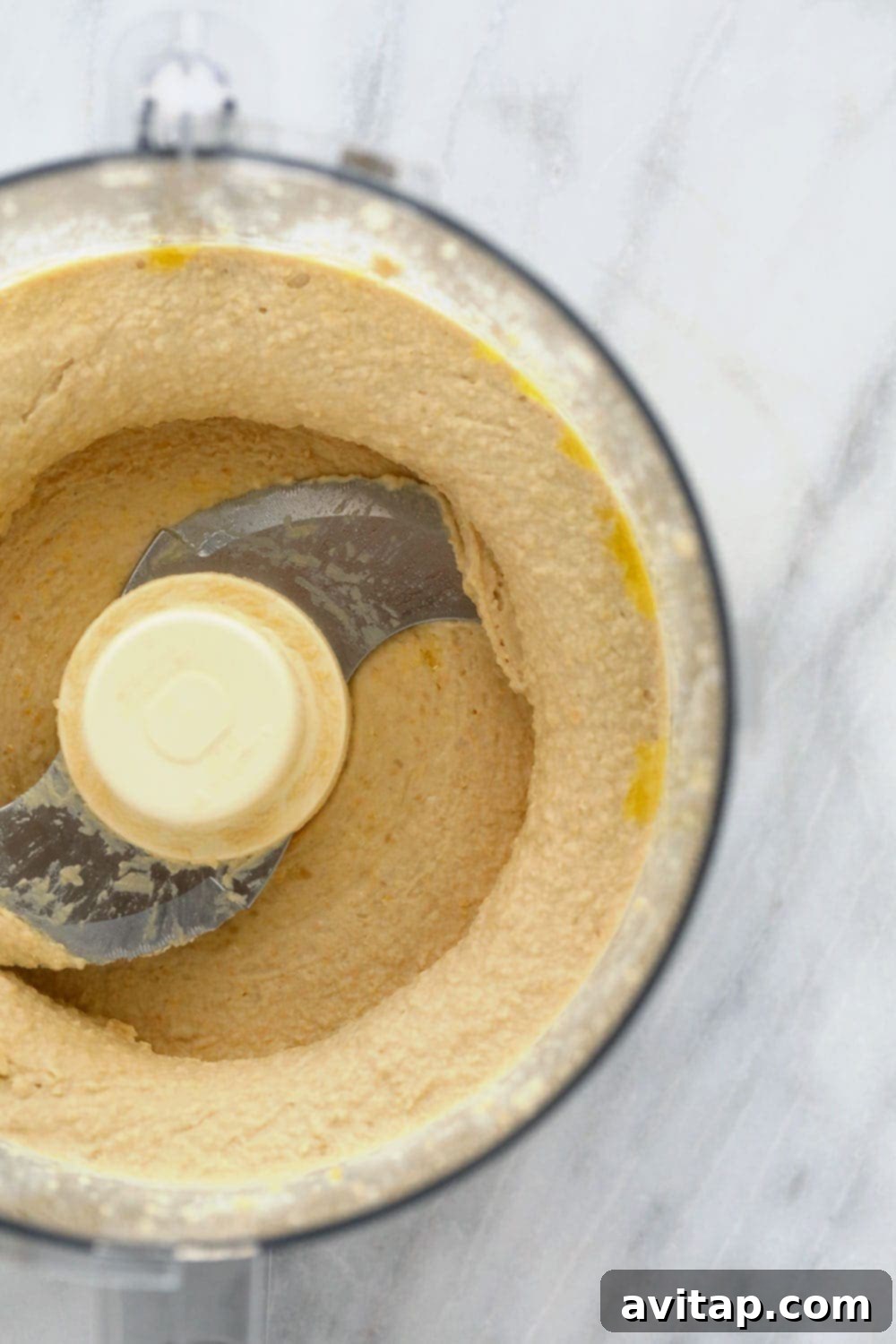
- Use a High-Speed Food Processor or Blender: This is arguably the most critical factor. A powerful appliance will thoroughly break down the chickpea skins and flesh into a fine paste. Blend for longer than you think is necessary – often 1-2 minutes continuously on high, stopping to scrape down the sides.
- Add Cold Water Gradually: Start with the recommended 3 tablespoons of water, preferably ice water. The cold temperature helps create a lighter, fluffier emulsion. If your hummus is still too thick or gritty after initial blending, add 1 or 2 more tablespoons of water, one at a time, blending well after each addition. Continue this process until you reach your desired consistency – it should be smooth, spreadable, and easily dippable.
- Peel Your Chickpeas (Optional, but Highly Effective): If you truly want to go the extra mile for the silkiest hummus imaginable, taking off the skins of your chickpeas before blending is the ultimate secret. While it can be a bit time-consuming, the difference in texture is remarkable. Simply pinch each chickpea between your fingers, and the skin should slide right off. This step removes the fibrous outer layer that can contribute to a slightly gritty texture.
- Over-Process the Tahini and Lemon Juice: Some chefs recommend blending the tahini and lemon juice (and a bit of ice water) together *first* for a minute or two until it becomes light and airy before adding the chickpeas. This creates a highly emulsified base that contributes to a smoother final product.
Storing Your Homemade Hummus for Freshness
Proper storage is key to enjoying your delicious homemade hummus for days. Store your hummus in an airtight container in the refrigerator. We recommend placing a thin layer of olive oil over the surface of the hummus before sealing the container; this helps to prevent a crust from forming and keeps it fresh. When stored correctly, your hummus will keep well for up to 5 days. We do not recommend freezing hummus, as the texture can become grainy upon thawing.
Creative Ways to Enjoy Your Simple Hummus Recipe
Once you’ve whipped up this creamy lemon garlic hummus, the possibilities for enjoying it are endless! It’s incredibly versatile and can enhance a variety of meals and snacks:
Dip: The most classic way to enjoy hummus! Serve it as a delightful dip with warm pita bread or pita chips, crunchy crackers, an assortment of fresh-cut vegetables like carrot sticks, cucumber slices, bell pepper strips, or celery, and even alongside cheese cubes.
Sauce: Hummus makes a perfect and surprisingly healthy base for a creamy pasta sauce. Simply thin it out with a little pasta water or vegetable broth and fold it into your cooked pasta for a wholesome alternative to heavier cream-based sauces. It also works wonderfully as a sauce for grilled meats or roasted vegetables.
Dollop: Add a generous dollop of this flavorful lemon garlic hummus on top of your favorite Buddha Bowl, Grain Bowl, or even a simple plate of roasted sweet potatoes. The rich, tangy flavor will instantly jazz up any bowl situation you’re eating, adding a creamy texture and a nutritional boost.
Spread: Ditch the mayonnaise and mustard, and embrace hummus as a vibrant, healthy condiment for your next sandwich or wrap! We absolutely love using it as a sandwich or wrap spread. It provides amazing flavor, a wonderful creamy texture, and an extra layer of protein and fiber to any “sammie.” Try it with turkey, grilled veggies, or falafel.
Salad Dressing: Looking for innovative ways to jazz up your everyday salad dressing? Whisk a little bit of hummus into your next homemade vinaigrette to thicken it up and infuse it with a rich, savory flavor. Alternatively, simply thin out the hummus with a touch of olive oil and a splash of vinegar, and BAM — you’ve created a quick, delicious, and healthy salad dressing. You can also try our dedicated Herby Hummus Dressing recipe for even more flavor.
Discover More of Our Favorite Hummus Creations
More Hummus Recipes to Explore
- Creamy Avocado Hummus
- Wholesome Sweet Potato Hummus
- Smoky Roasted Red Pepper Hummus
- Zesty Mexican Black Bean Hummus
Lemon Garlic Hummus
Learn how to make an easy and delicious hummus recipe at home. This creamy and flavorful hummus uses simple ingredients and is perfect for dipping, spreading, or using as a sauce or dressing.
Prep Time: 5 mins
Ingredients
- 1 (15-oz.) can garbanzo beans, drained and rinsed
- 1/4 cup extra virgin olive oil
- 1/4 cup unsalted tahini
- 1/4 teaspoon sea salt
- 1/2 tablespoon minced fresh garlic
- 2 tablespoons fresh lemon juice
- 3 tablespoons cold water*
Optional Herby Topping
- 1/4 cup extra virgin olive oil (EVOO)
- 1/4 cup fresh basil, chopped
Instructions
- Place all ingredients for your hummus (garbanzo beans, olive oil, tahini, sea salt, minced garlic, lemon juice, and cold water) into a high-speed food processor.
- Process on high for 1-2 minutes, or until the mixture becomes completely smooth and creamy. Stop occasionally to scrape down the sides of the bowl.
- Optionally, add 1 or 2 more tablespoons of water, one at a time, depending on the desired texture of your hummus. Continue blending until it is perfectly smooth and easily dippable.
- Serve immediately, perhaps with the optional herby topping, or store in the refrigerator for later enjoyment.
Tips & Notes
- Water: The amount of water needed can vary based on the moisture content of your chickpeas and the consistency of your tahini. Always add it gradually until you achieve your preferred smoothness.
- Optional Herby Topping: To make, simply combine the EVOO and chopped fresh basil in a small bowl, then drizzle over the finished hummus before serving.
- For an even creamier hummus, consider peeling the chickpeas after rinsing. This removes the thin outer skin, resulting in an exceptionally smooth texture.
Nutrition
Nutrition information is automatically calculated, so should only be used as an approximation.
🍽️
Love this recipe? Leave a comment below!
Don’t forget to share your delicious creations on social media with the hashtag #fitfoodiefinds – we’d love to see what you’re up to!