
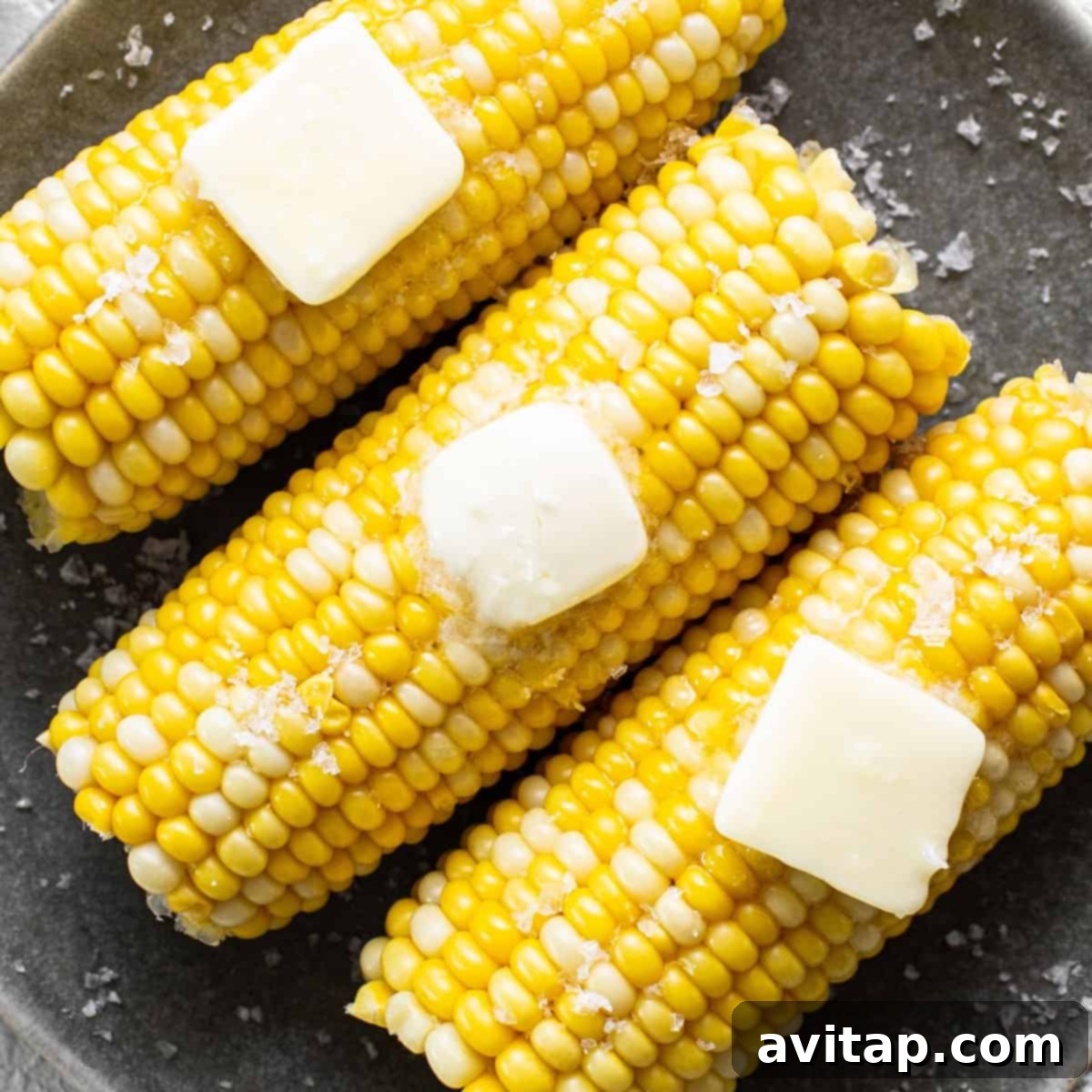
Boiling corn on the cob is, without a doubt, the quintessential method for achieving perfectly cooked, sweet, and tender kernels every single time. Forget complicated techniques; our foolproof method ensures delightful results that evoke the best of summer. The secret lies in a simple approach: adding your fresh corn and water to the pot simultaneously, bringing it to a rapid boil, and immediately turning off the heat as soon as bubbles appear. This quick-cooking process locks in flavor and maintains that irresistible crisp-tender texture.
For those of us who cherish the simple pleasures of homegrown produce, especially during peak season, knowing how to prepare corn on the cob to perfection is a culinary rite of passage. In the heart of the Midwest, where corn fields stretch as far as the eye can see, we understand the magic of a fresh ear of corn. Boiling corn on the cob is not just a method; it’s a tradition, passed down through generations. It’s the way our grandmothers did it, and it’s the most reliable, fool-proof way to celebrate this golden vegetable.
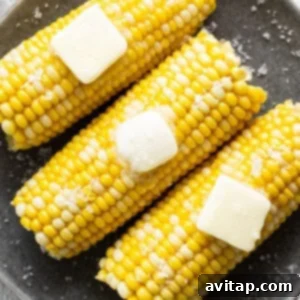
The absolute best way to enjoy sweet corn on the cob is with a generous slather of butter and a sprinkle of salt. It’s a classic for a reason – pure, unadulterated deliciousness!
Why Boiling Corn is the Best Method for Sweet Corn
While there are numerous ways to cook corn on the cob – from grilling and air frying to steaming – boiling often stands out as the superior method for several key reasons, especially if you’re aiming for that classic, juicy, and tender bite. Boiling quickly cooks the corn without drying it out, which can sometimes happen with other high-heat methods. It also helps to plump up the kernels, enhancing their natural sweetness and creating a consistently soft texture throughout the cob. Our specific boiling technique, which we’ll detail below, takes this a step further by minimizing overcooking, ensuring your corn remains vibrant, tender, and bursting with flavor. It’s a simple process that yields consistently delicious results, making it perfect for family dinners, summer barbecues, or any time you crave fresh corn.
What You Need for Perfect Boiled Corn on the Cob
- Fresh Corn on the Cob: The fresher your corn, the better the final taste and texture will be. Look for unshucked corn with bright green husks and moist silks. We always recommend buying unshucked ears for optimal freshness. Gently pull back a small section of the husk to check the kernels – they should be plump, milky, and tightly packed. Avoid corn with dry, yellowing husks or brown, brittle silks.
- Large Stock Pot with Lid: You’ll need a pot spacious enough to fully submerge all your corn cobs. This ensures even cooking and prevents some ears from being undercooked. A lid is crucial for bringing the water to a boil quickly and trapping steam to aid in cooking.
- Water: Fill your stock pot with cold water, just enough to completely cover the corn. Avoid overfilling, as this can make the pot heavy and take longer to boil.
Our Secret to Perfectly Juicy and Tender Corn on the Cob
We’ve experimented with countless methods for cooking corn on the cob, from air fryer corn on the cob to grilling, but for that reliably juicy, tender, and naturally sweet flavor, boiling reigns supreme. And our secret isn’t just about boiling; it’s about a specific technique that ensures every kernel is cooked to perfection without becoming mushy or losing its vibrant flavor.
The key to perfectly juicy corn is adding your corn and cold water to the pot at the SAME time. This allows the corn to gently warm up with the water, which helps to preserve its natural sugars and tenderness. Then, turn the heat to high. As soon as the water reaches a rolling boil – meaning you see large, vigorous bubbles – your corn is done! Immediately remove it from the heat and the hot water. This prevents overcooking, which is often the culprit behind tough or flavorless boiled corn.
The science behind this is simple: corn, especially fresh sweet corn, cooks very quickly. If you add it to already boiling water, the outside can overcook before the inside is fully heated, resulting in uneven texture. Starting it in cold water and removing it immediately at the boil ensures even, gentle cooking that retains maximum flavor and texture.
How Long to Boil Corn on the Cob for Ideal Sweetness and Texture?
One of the most common questions is, “How long should I boil corn on the cob?” With our secret method, the actual boiling time is remarkably short. Once the water starts to boil, your corn is essentially cooked. The entire process, from placing the corn in cold water to reaching a boil, typically takes around 5-10 minutes. The exact timing can vary slightly depending on factors such as:
- Amount of water: More water means a longer time to reach boiling point.
- Quantity of corn: A larger batch of corn will cool the water more, requiring a longer heating time.
- Stovetop power: High-powered burners will bring water to a boil faster.
- Freshness of corn: Super fresh, tender corn needs less cooking time than older, starchier ears.
The best indicator of doneness isn’t strictly the clock, but rather the visual cue of the water reaching a rolling boil. You’ll also notice the corn kernels turn a deeper, more vibrant yellow color, becoming plump and glistening. Trust your eyes – once it boils, it’s ready!
Creative Serving Suggestions for Boiled Corn on the Cob
While we adore the classic combination of butter and salt with our boiled corn on the cob, this versatile vegetable can be transformed into an array of delicious dishes. Don’t limit yourself to the traditional; explore these exciting ideas to elevate your corn experience:
- Fresh Corn Salsa: Brighten up any meal with our vibrant Fresh Corn Salsa! Inspired by summer’s abundance, this salsa is a delightful mix of farm-fresh corn kernels, ripe tomatoes, crisp red onion, spicy jalapeño, and a zesty hit of fresh lime and cilantro. It’s perfect as a dip, a topping for grilled chicken or fish, or as a flavorful side dish.
- The Mexican Street Corn Salad: Take your taste buds on a trip with this incredible salad, a deconstructed version of classic Mexican street corn (Elote). This recipe features tender corn (often grilled or boiled then pan-charred for extra flavor), crumbled cotija cheese, a creamy dressing infused with lime and chili, fresh cilantro, and a hint of spice. It’s an explosion of savory, tangy, and slightly spicy flavors.
- Street Corn Chicken Salad: Elevate your everyday chicken salad by incorporating the irresistible flavors of Mexican street corn. This innovative recipe combines shredded chicken with sweet corn kernels, a creamy chili-lime dressing, cotija cheese, and fresh herbs. It’s a satisfying and flavorful meal, perfect for sandwiches, lettuce wraps, or simply enjoyed with a spoon.
- Thai Chili Summer Corn Salad: For a refreshing and exotic twist, try our Thai Chili Summer Corn Salad. This vibrant dish is a delightful fusion of sweet corn, crunchy carrots, bell peppers, crisp cabbage, and a spicy, tangy Thai chili vinaigrette. It’s a fantastic side dish for Asian-inspired meals or a light lunch.
- Homemade Corn Fritters: Turn your boiled corn into a crispy, savory treat with these homemade corn fritters. Made with whole corn kernels, white whole wheat flour, pickled jalapeños for a kick, and fresh green onions, these fritters are golden-fried to perfection. They make an excellent appetizer, breakfast side, or light meal.
- Simple Toppings: Beyond butter and salt, consider sprinkling with smoked paprika, chili powder, a squeeze of lime, grated Parmesan cheese, fresh chopped herbs like chives or parsley, or even a drizzle of hot sauce for a spicy kick.
Storage Tips for Boiled Corn on the Cob
Proper storage is essential to keep your leftover boiled corn on the cob fresh and delicious. Here’s how to do it right:
- Cool Completely: Before storing, allow the cooked corn to cool down entirely to room temperature. This prevents condensation from forming inside the container, which can lead to sogginess and faster spoilage.
- Airtight Container: Once cooled, transfer the corn cobs into an airtight container or a gallon-size plastic bag. If using a bag, press out as much air as possible before sealing. This minimizes exposure to air, which helps maintain freshness.
- Refrigerate: Store the sealed container or bag of corn in the refrigerator. Properly stored boiled corn will remain fresh for up to 5 days.
- To Reheat: You have a couple of easy options for reheating. For a quick reheat, microwave individual cobs for about 60 seconds, or until heated through. Alternatively, you can reheat corn on the stovetop over medium heat with a splash of water, turning occasionally, until warm.
Can You Freeze Boiled Corn on the Cob?
Freezing corn on the cob is a fantastic way to extend the enjoyment of amazing-tasting corn beyond its seasonal availability. This allows you to savor the sweetness of summer corn even in the colder months. While you can freeze whole cobs, we often find it more practical to freeze just the kernels.
We prefer to freeze just the kernels because it takes up significantly less freezer space, making storage more efficient. Here’s a simple guide to freezing corn kernels:
- Cool and Slice: After your corn has been boiled and cooled completely, place the cob upright on a cutting board. Using a sharp knife, carefully slice down the cob, removing just the kernels. Be gentle to avoid cutting into the cob itself, which can release starchy flavors.
- Prepare for Freezing: Transfer the separated kernels into a freezer-safe gallon-size bag. Lay the bag flat and press out as much air as possible before sealing. Removing air helps prevent freezer burn and maintains the quality of the corn.
- Freeze: Seal the bag tightly and lay it flat in your freezer. Corn kernels can be frozen for up to 3 months. When you’re ready to use them, simply thaw and add to your favorite recipes, or cook directly from frozen for soups and stews.
More of our Favorite Corn Recipes
Other Delicious Corn on the Cob Recipes
Beyond boiling, there are many fantastic ways to enjoy corn on the cob. Explore these other popular cooking methods:
- Grilled Corn on the Cob: For a smoky, charred flavor that complements the corn’s sweetness.
- Air Fryer Corn on the Cob: A quick and easy method for crispy-tender corn with minimal oil.
- Grilled Corn in Foil: A mess-free way to grill corn, resulting in perfectly steamed and tender kernels.
How to Boil Corn on the Cob
While boiling corn on the cob is a simple cooking method, our unique technique truly brings out the best in corn, enhancing its natural sweetness and preserving its juicy, tender texture. It’s a foolproof way to enjoy perfectly cooked corn every time.
Lee Funke
15 mins
10 mins
25 mins
6
Ingredients
- 6 ears fresh corn on the cob
Instructions
-
First, carefully peel and shuck your corn, removing all husks and silk.

-
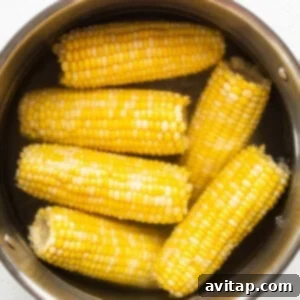
Then, transfer the shucked corn into a large stock pot. Fill the pot with cold water, ensuring the corn is completely covered. Place the lid securely on top of the pot.
-
Turn the heat to high. Allow the water to come to a rolling boil. The corn will gently cook as the water gradually heats up.
-
Once the water reaches a vigorous boil (and the corn kernels have turned a deep, vibrant yellow color), immediately turn off the heat. Do not let it continue to boil aggressively.
-
Promptly remove the cooked corn cobs from the hot water using tongs to prevent overcooking. Place them on a platter or cutting board to cool slightly.
-
Serve your perfectly boiled corn on the cob immediately with your preferred toppings, such as butter and salt. Enjoy!
Nutrition
Carbohydrates: 17 g,
Protein: 3 g,
Fat: 1 g,
Fiber: 2 g,
Sugar: 6 g
Nutrition information is automatically calculated and should only be used as an approximation.
Loved this perfect corn on the cob recipe? Leave a comment below!
Don’t forget to tag your posts on social media with the hashtag #fitfoodiefinds – we’d love to see your delicious creations!