
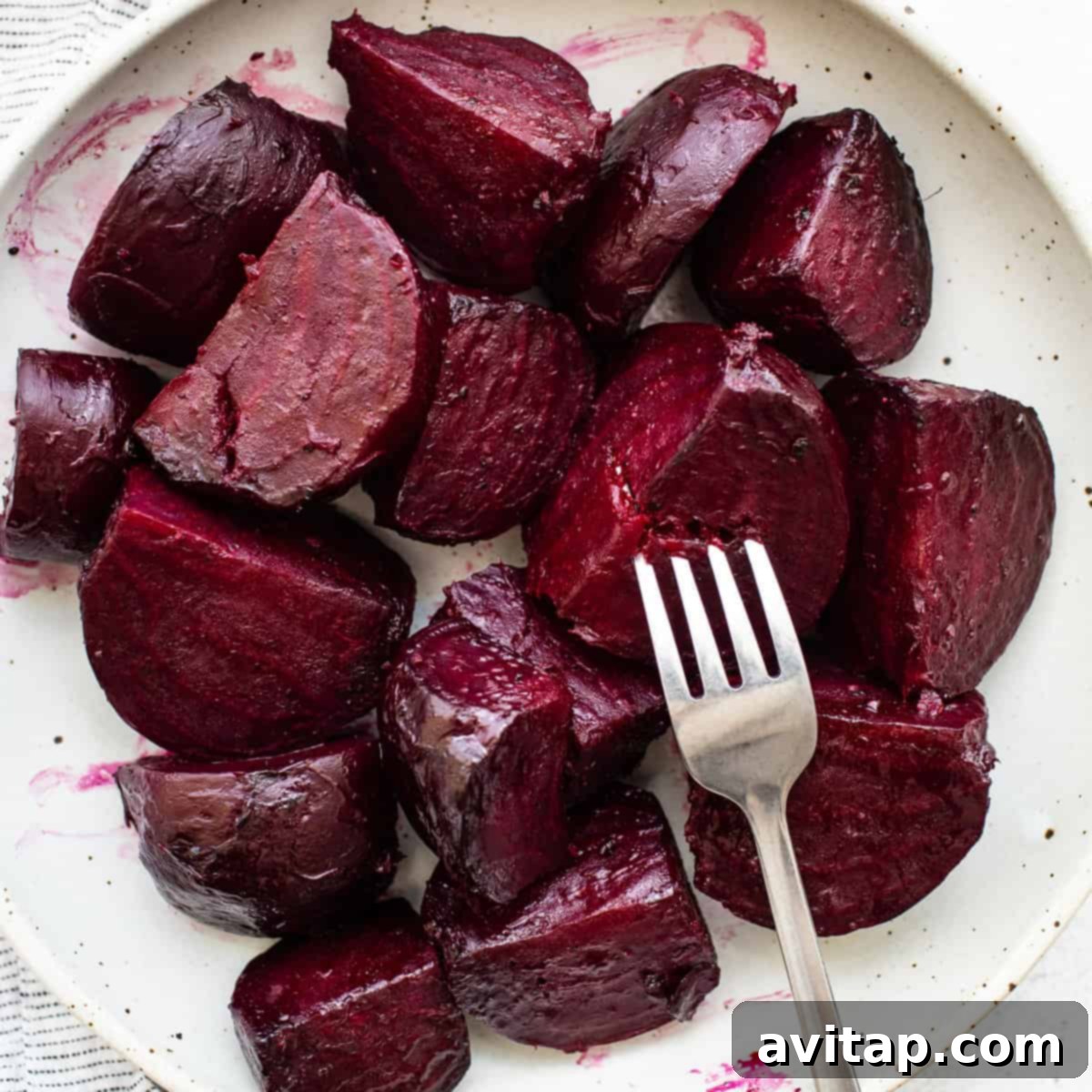
Are you wondering how to cook beets in a way that’s both simple and incredibly delicious? This vibrant root vegetable, often perceived as intimidating, is surprisingly easy to prepare. Our foolproof roasted beets recipe is the perfect guide to transforming raw beets into a tender, flavorful, and healthy side dish that’s as nutritious as it is tasty. Get ready to impress your taste buds and boost your health!
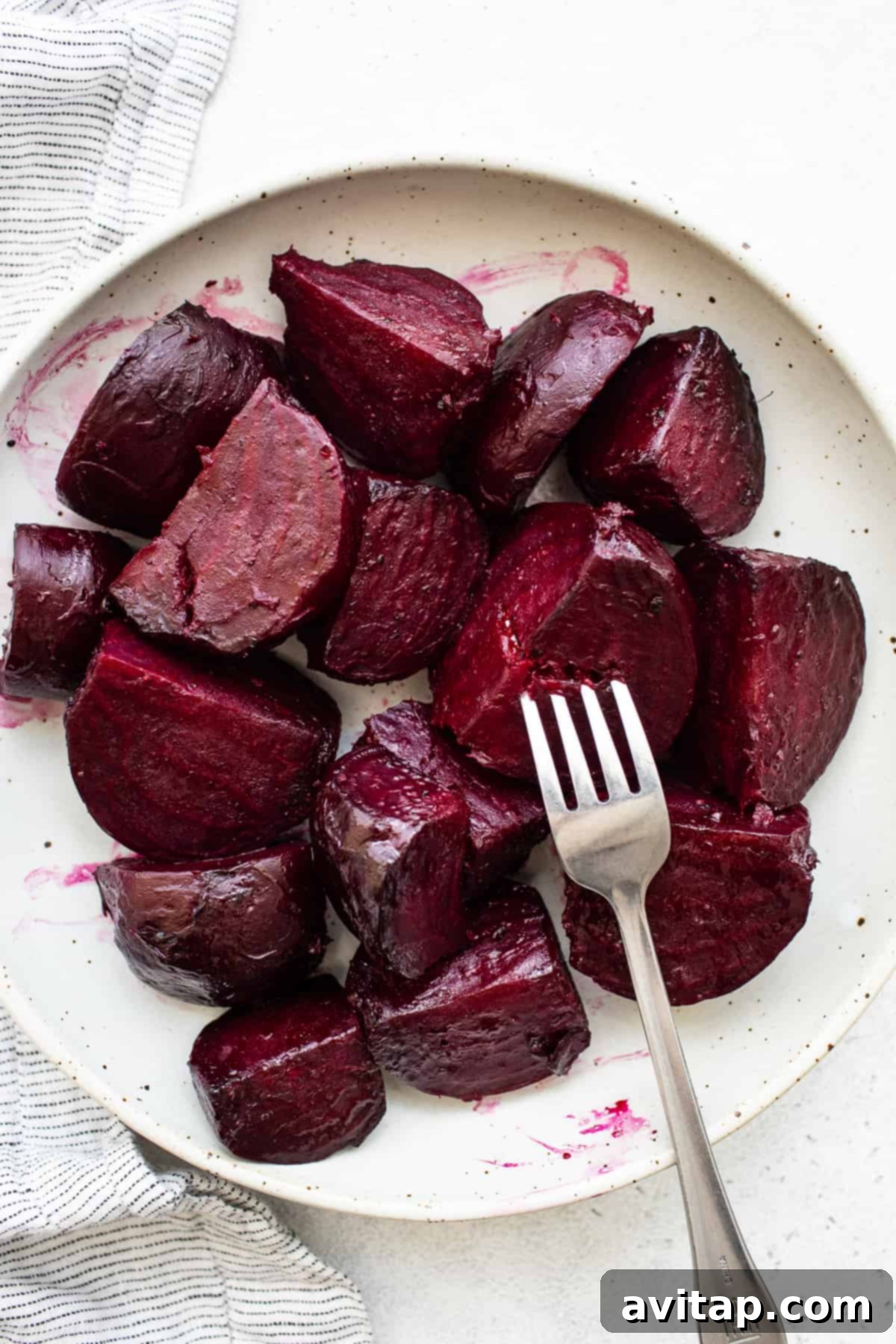
Mastering the Delicious Roasted Beets Recipe
You’ve made an excellent choice! Swapping those canned beets for fresh, vibrant ones is a step towards healthier and more flavorful meals. But if you’re unsure where to begin, don’t worry—we’re here to guide you through every step of preparing truly delicious fresh beets. This roasted beet recipe is so straightforward, you’ll wonder why you ever opted for canned in the first place.
Here’s the best part: cooking fresh beets is surprisingly simple! And a little secret for this easy recipe? You don’t even need to peel them upfront. A bit of initial prep, a quick season, a cozy wrap in tin foil, and into the oven they go. That’s it! This method ensures tender, sweet beets with minimal effort.
All You Need to Know About Perfectly Roasted Beets
Roasting is arguably the superior method for cooking beets, bringing out their natural sweetness and creating an irresistibly tender texture. Let’s explore why this technique is a game-changer for this root vegetable.
Why is roasting the best way to cook beets?
While there are various ways to prepare beets, roasting them in the oven is our absolute favorite. This method transforms red beets into a wonderfully silky and tender delight. Wrapping them in tin foil is key, as it traps moisture, intensifying their earthy flavor and natural sweetness, making them exceptionally tasty! Plus, it’s a wonderfully hands-off and efficient way to cook them.
What is the flavor profile of beets?
Beets possess a distinct earthy taste, often likened to the rich undertones of spinach or chard, complemented by a remarkable natural sweetness. This unique combination makes them versatile for both savory and sweet dishes. Roasting further enhances this sweetness, caramelizing their natural sugars for a richer, deeper flavor.
Do you need to peel beets before or after roasting?
The good news is, no! There’s absolutely no need to peel your beets before baking. The skin is perfectly edible and softens significantly during the roasting process, often peeling off with minimal effort once cooked. Many prefer to peel them after roasting for a smoother texture, especially for salads or purees, but it’s entirely up to your preference and the dish you’re preparing. For this recipe, we find it easiest to peel them while they’re still warm, just after cooling slightly.
Beets Nutrition: A Powerhouse of Health Benefits
Beyond their vibrant color and unique flavor, beets are nutritional superstars, packed with essential vitamins, minerals, and potent plant compounds that offer a wide array of health benefits. Incorporating them into your diet is a delicious way to boost your overall well-being.
These humble root vegetables are rich in fiber, potassium, folate (Vitamin B9), magnesium, and Vitamin C. Here are some of the remarkable health advantages beets offer:
- Naturally Low in Calories: Beets offer significant nutritional value without adding excessive calories, making them an excellent choice for weight management.
- Abundant in Vitamins and Minerals: They provide a wealth of micronutrients vital for various bodily functions.
- Supports Healthy Blood Pressure: Beets are rich in nitrates, which the body converts into nitric oxide. This compound helps to relax and dilate blood vessels, leading to improved blood flow and reduced blood pressure.
- Enhances Athletic Performance: Due to their nitrate content, beets can improve oxygen use efficiency during exercise, potentially boosting stamina and performance.
- Fights Inflammation: The vivid color of beets comes from betalains, powerful antioxidants and anti-inflammatory agents that can help combat chronic inflammation.
- Promotes Digestive Health: High fiber content aids in maintaining a healthy digestive system, preventing constipation, and supporting a balanced gut microbiome.
- Boosts Brain Health: Improved blood flow, thanks to nitrates, also benefits brain function, potentially enhancing cognitive performance.
What You Need to Easily Roast Beets
You don’t need a lengthy ingredient list to create remarkably flavorful roasted beets. This simple recipe focuses on enhancing the natural taste of the beet with just a few pantry staples:
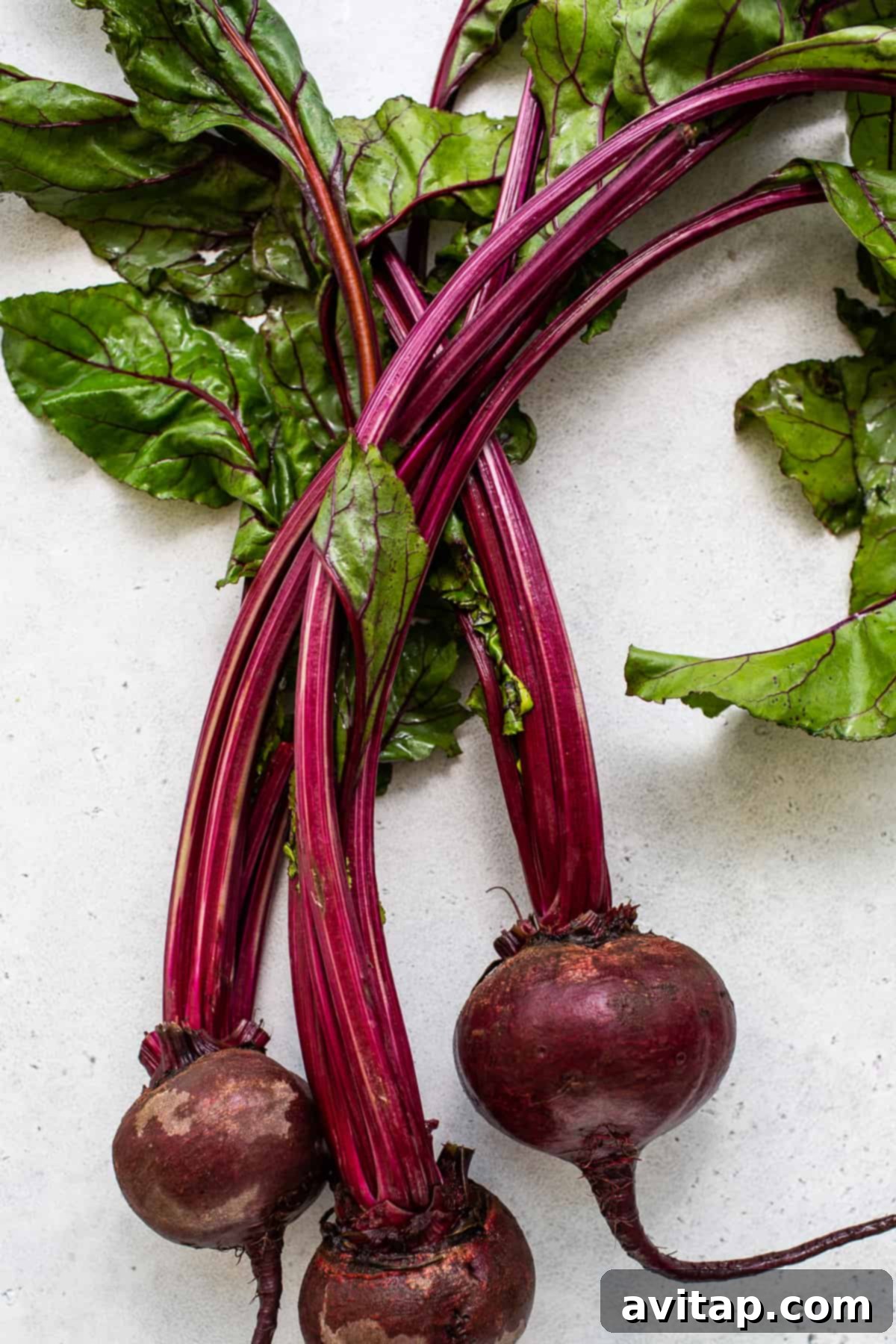
- Fresh Beets: The star of our dish! You can use medium or large beets. The most important tip is to select beets that are similar in size. This ensures they cook evenly and are all perfectly tender at the same time. Consider using red beets for their classic color, or golden beets for a slightly milder flavor and less staining.
- Olive Oil: A good quality olive oil is essential. It helps the seasonings adhere to the beets, promotes even cooking, and adds a rich, fruity flavor that complements the earthy notes of the beets beautifully. You can also use avocado oil for a neutral flavor.
- Salt & Pepper: We keep it wonderfully simple with a generous sprinkle of sea salt and freshly ground black pepper. These basic seasonings are often all you need to highlight the beet’s natural deliciousness. However, feel free to get creative with additional seasonings as you wish!
Shopping for Beets: Selecting the Freshest and Best
Choosing high-quality beets is the first step to a successful roasted beet dish. When you’re at the grocery store or farmer’s market, keep these tips in mind to pick the freshest and most flavorful root vegetables:
- Firmness is Key: Always pick beets that are firm and hard to the touch. Avoid any that feel soft, squishy, or show signs of bruising or wrinkling, as these indicate they are past their prime.
- Examine the Skin: The skin should be smooth, without any major blemishes, cuts, or mold. A vibrant color is also a good sign of freshness.
- Look for Greens (if available): If you find beets with their leafy greens still attached, that’s often the freshest option. The greens should look crisp and vibrant, not wilted or yellowing. Choosing beets with greens is also a great value, as these nutrient-rich tops can be used in many other dishes! Treat them like Swiss chard or spinach – they’re fantastic in stir-fries, omelets, sautés, or added to pasta dishes. Simply detach them from the beet root and store separately in the refrigerator.
How to Roast Beets: A Super Simple Tutorial
Ready to unlock the magic of perfectly roasted beets? Follow this easy, step-by-step tutorial to achieve tender, flavorful beets every time. You’ll be amazed at how little effort it takes!
Step 1: Preheat Your Oven
Preheat your oven to 400ºF (200ºC). While the oven heats, prepare your tin foil. Cut an 8 x 8-inch piece of heavy-duty tin foil per beet. Exact measurements aren’t crucial; the goal is simply to have enough foil to completely seal around each beet.
Step 2: Prepare the Beets
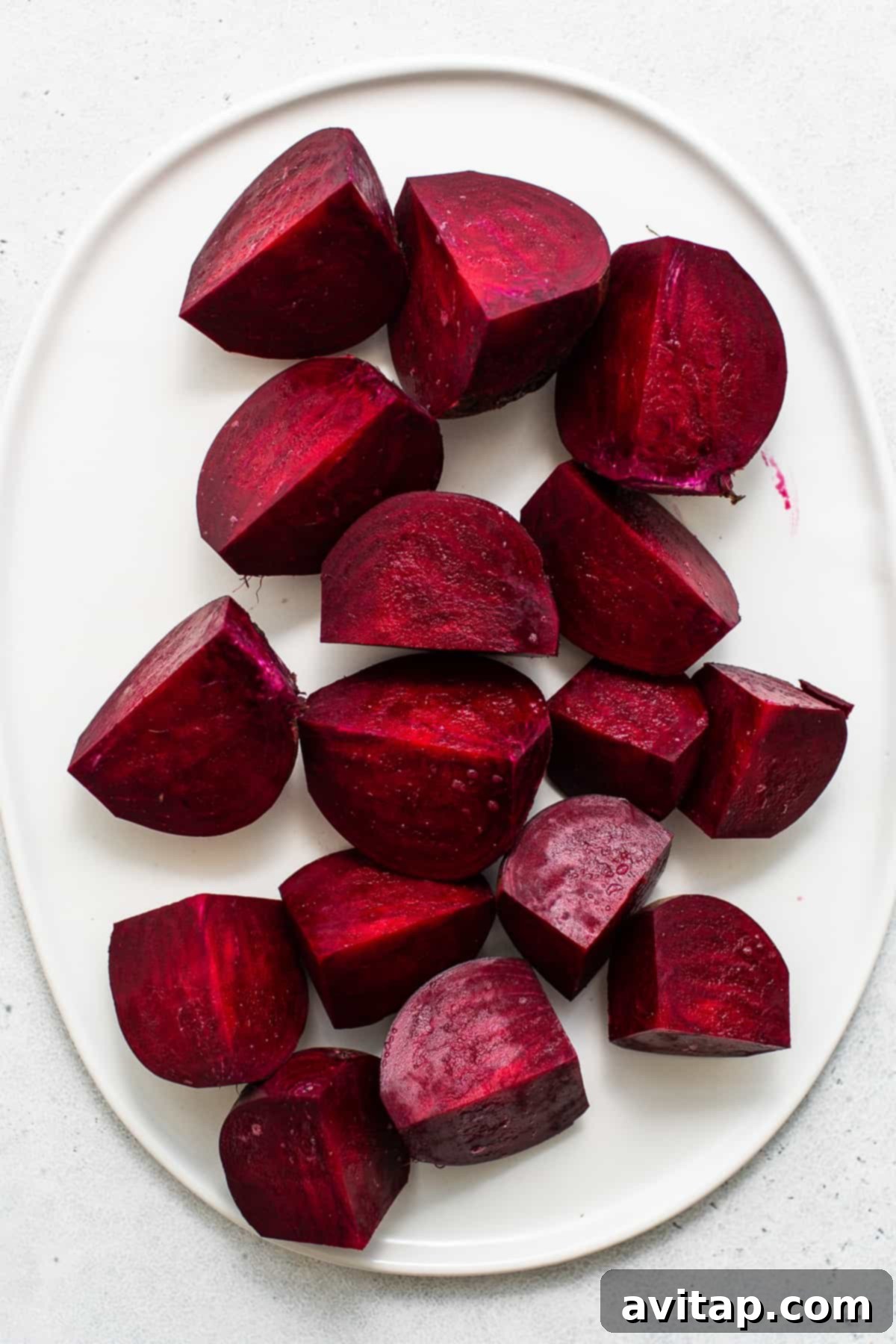
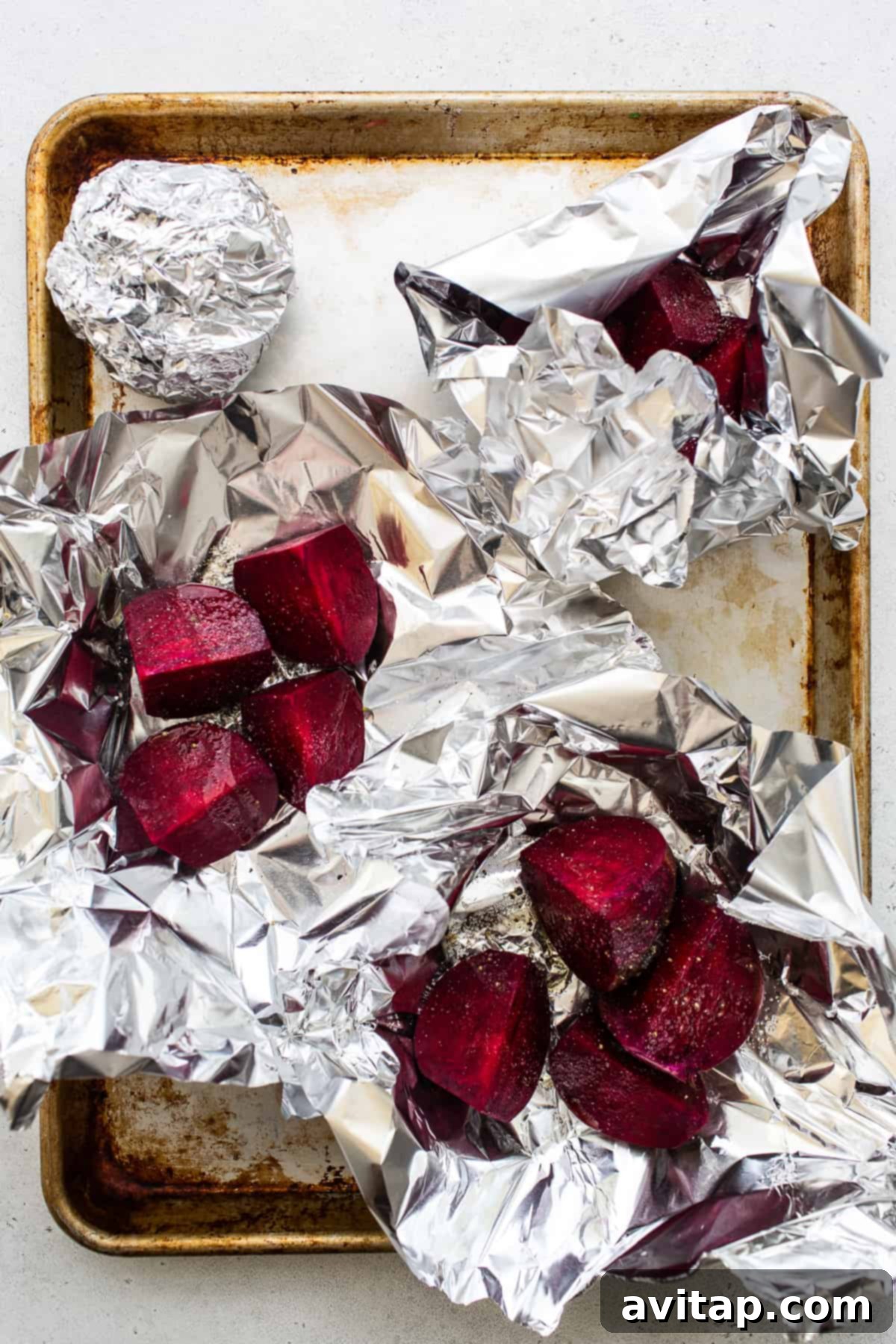
Next, thoroughly rinse each beet under cool running water to remove any dirt. Using a sharp knife, carefully trim off the root end and the stem end (if still attached) of the beet. Then, cut each beet into quarters. This size allows for quicker and more even cooking. Place the beet pieces in the center of your prepared tin foil sheet. Drizzle generously with olive oil and season them with a sprinkle of salt and freshly ground black pepper.
Step 3: Wrap and Seal
Carefully gather the edges of the tin foil and wrap it tightly around the beet pieces, forming a sealed packet. Ensure there are no large gaps for steam to escape. Place the foil-wrapped beet packets on a baking sheet.
Pro Tip: Placing the foil packets on a baking sheet is highly recommended. This acts as a safeguard in case any beet juice leaks from the foil during roasting, keeping your oven clean and making cleanup a breeze.
Step 4: Roast Until Tender & Peel
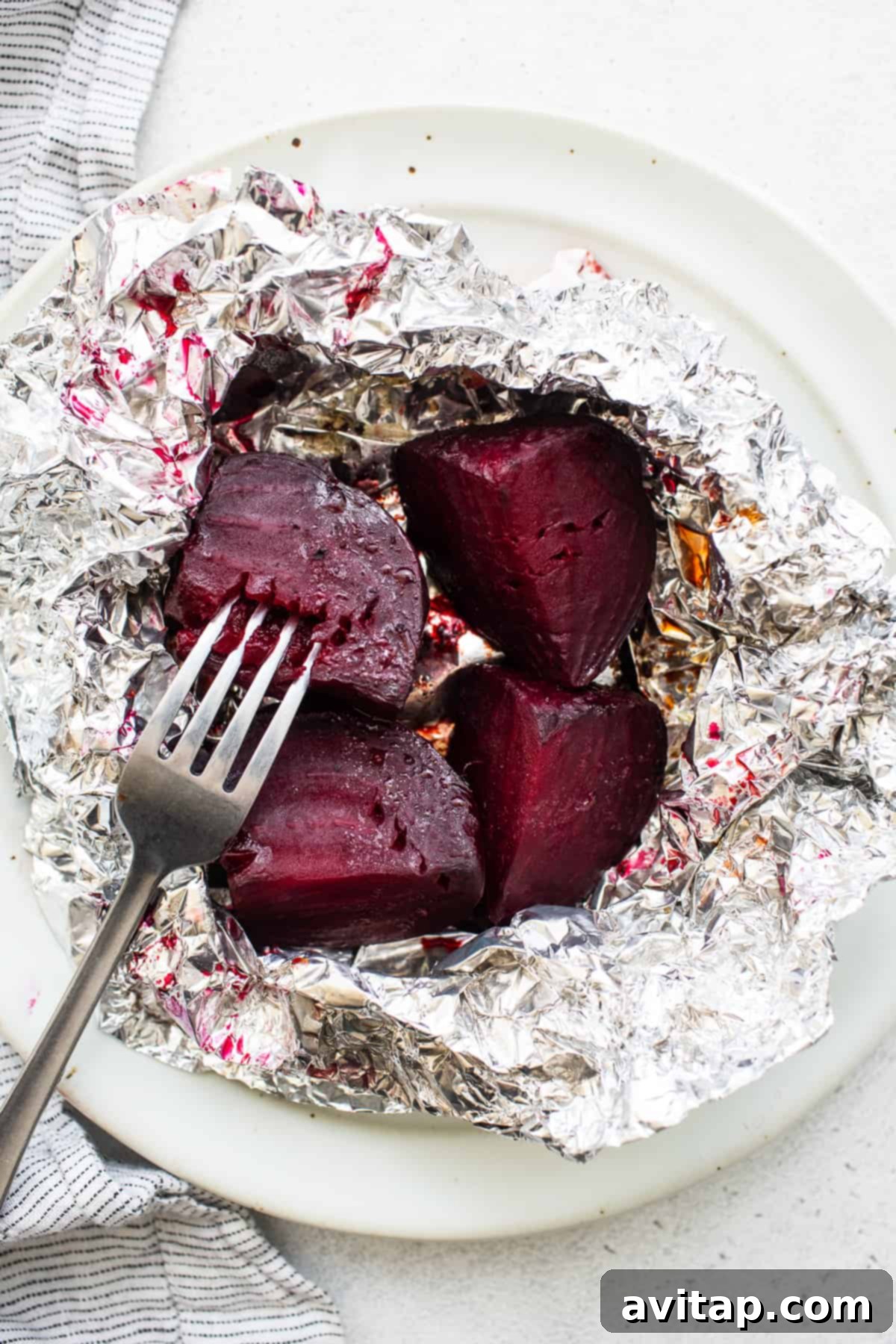
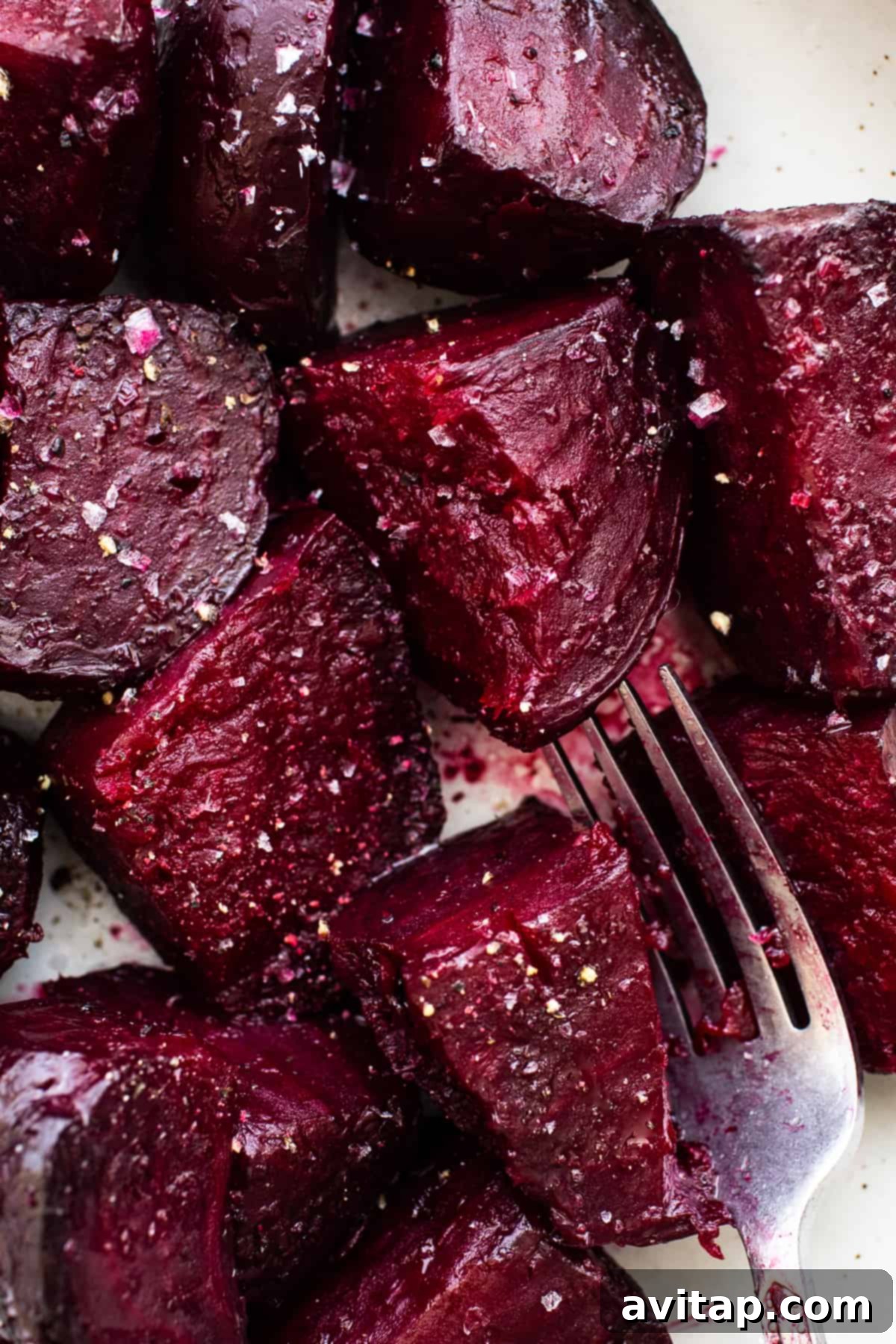
Roast the beets for 30-40 minutes. The exact cooking time will depend on the size and density of your beets. They are done when they are easily pierced with a fork – fork-tender. Once cooked, carefully remove the baking sheet from the oven. Let the foil packets cool for about 5 minutes before carefully opening them. The steam will be hot! While the beets are still warm, gently rub off the skins. The beet skins should slip off fairly easily after this roasting method. If desired, you can use a paper towel for a better grip and to protect your hands from staining.
Once peeled and cooled slightly, your perfectly roasted beets are ready to serve and enjoy!
Creative Seasoning Ideas for Your Roasted Beets
While salt and pepper are a classic choice, don’t hesitate to experiment with different spices and herbs to elevate the flavor of your roasted beets. The mild sweetness and earthy profile of beets make them a versatile canvas for a variety of seasonings:
Warm and Earthy Spices
These spices complement the natural earthiness of beets and can add a delightful warmth:
- Allspice: Adds a sweet and savory note, reminiscent of cloves, cinnamon, and nutmeg.
- Cumin: Imparts a deep, earthy, and slightly smoky flavor that pairs wonderfully with beets.
- Cinnamon: A touch of cinnamon can enhance the natural sweetness of beets, especially in dishes that lean towards a more unexpected, sweet-savory profile.
- Smoked Paprika: Offers a smoky depth and a beautiful reddish hue, deepening the beet’s savory character.
- Caraway Seeds: Known for their distinctive rye-like flavor, caraway seeds can add a unique European touch.
- Curry Powder: For an exotic twist, curry powder brings complex aromatic notes that work surprisingly well.
Fresh and Aromatic Herbs
Adding fresh or dried herbs can brighten up your roasted beets and introduce fragrant layers of flavor:
- Thyme: Classic savory herb that adds a delicate, earthy, and slightly floral aroma.
- Tarragon: Offers a distinctive licorice-like flavor that can be quite sophisticated with beets.
- Dill: Especially good with a hint of lemon, dill brings a fresh, slightly tangy, and herbaceous flavor.
- Parsley: A fresh and clean flavor that brightens the overall dish.
- Mint: For a surprisingly refreshing twist, fresh mint can cut through the earthiness and add a vibrant lift.
- Basil: Sweet and peppery notes of basil can be a lovely addition, particularly when paired with a balsamic glaze.
- Coriander: Adds a bright, citrusy, and slightly sweet flavor.

Try This Next!
Roasted Beet Pasta
Don’t let your roasted beets be a one-time wonder! Use them to create our amazzzing roasted beet pasta recipe. This vibrant and flavorful dish is guaranteed to become a new favorite in your kitchen.
Versatile Serving Suggestions for Roasted Beets
The subtle sweetness and earthy notes of roasted beets make them an incredibly versatile ingredient, pairing beautifully with a wide array of meats, vegetables, grains, and starches. Here are some of our favorite recipes that complement the delicious flavor of roasted beets:
Perfect Pairings with Meats and Fish
- Lemon Chicken Skillet: The bright, zesty flavors of lemon chicken provide a lovely contrast to the earthiness of beets.
- Air Fryer Salmon: The rich, fatty notes of salmon are beautifully balanced by the sweet acidity of roasted beets, creating a nutritious and satisfying meal.
- Air Fryer Pork Chops: Roasted beets make an excellent accompaniment to savory pork chops, offering a delightful texture and flavor balance.
Complementary Vegetable Dishes
- Arugula Salad: The peppery bite of arugula and a tangy vinaigrette create a refreshing contrast with sweet roasted beets.
- Oven Roasted Asparagus: A simple and elegant green vegetable that provides a fresh, slightly bitter counterpoint.
- Grilled Mexican Street Corn: The smoky, tangy flavors of street corn can add an exciting dimension when served alongside roasted beets.
- Balsamic Sea Salt Roasted Brussels Sprouts: The sweet and savory notes of roasted Brussels sprouts, enhanced by balsamic vinegar, pair wonderfully with beets.
Hearty Grains & Starches
- Roasted Beet Pasta: Elevate your pasta dishes by incorporating roasted beets into a creamy sauce or chunky medley.
- Fluffy Quinoa: A protein-rich grain that absorbs the flavors of the beets and any dressing, creating a wholesome meal.
- Hearty Wild Rice: The nutty flavor and chewy texture of wild rice offer a fantastic base for incorporating tender beets.
- Cheesy Scalloped Potatoes: The richness of scalloped potatoes provides a comforting backdrop for the unique taste of beets.
Top Tips for Perfectly Roasted Beets Every Time
Follow these expert tips to ensure your roasted beets turn out perfectly tender and flavorful, simplifying your cooking process and maximizing your results:
- Scale Up with Ease: This roasted beet recipe is incredibly flexible. It can be easily doubled, tripled, or even quadrupled to feed a crowd or for meal prepping. Cooking a larger batch of beets is a smart way to save time; simply store the extra in the refrigerator for quick additions to future meals.
- Don’t Skip the Tin Foil: The tin foil is a crucial element of this recipe. It creates a steamy environment around the beets, which helps them cook faster and ensures they remain wonderfully moist and tender, rather than drying out. This method also locks in their vibrant flavor.
- Season to Your Liking: While a simple combination of salt and pepper is wonderfully effective in highlighting the natural flavor of beets, feel free to get creative! Depending on the cuisine or main dish you’re pairing your roasted beets with, experiment with any of our recommended spices and herbs to tailor the flavor profile perfectly.
- Even Sizing Matters: For consistent cooking results, always try to cut your beets into pieces of roughly the same size. This prevents some pieces from being undercooked while others become too soft.
- Cool Before Peeling (Slightly): While the skins are easiest to remove when the beets are still warm, allow them to cool for a few minutes after roasting. This prevents burning your hands and makes the peeling process more comfortable.
Storage Tips for Cooked and Raw Beets
Knowing how to properly store your beets, both raw and cooked, ensures you can enjoy their delicious flavor and nutritional benefits for longer.
Storing Cooked Beets
Once your roasted beets have cooled completely to room temperature, transfer them into an airtight container. Alternatively, you can wrap them tightly with plastic wrap or tin foil. Store them in the refrigerator, where they will stay fresh and delicious for up to 3-5 days. This makes them perfect for meal prepping!
To Freeze Your Roasted Beets: For longer storage, freeze your cooked beets. Place them in a freezer-safe, airtight container or heavy-duty freezer bag. They can be stored in the freezer for up to 8 months, allowing you to enjoy beets year-round.
Is it better to freeze beets raw or cooked?
We strongly recommend cooking your beets before storing them in the freezer. Freezing raw beets can cause them to lose their vibrant color, alter their texture, and become grainy or mushy upon thawing. Cooking them first helps preserve their quality, flavor, and texture, ensuring a better experience when you decide to use them later.
More of our Favorite…
Delicious Root Vegetable Recipes
If you love the versatility and flavor of root vegetables, you’ll definitely want to explore these other fantastic recipes from our kitchen:
- Roasted Beet Pasta: A unique and vibrant pasta dish that uses roasted beets in a delicious sauce.
- Instant Pot Sweet Potato Carrot Ginger Soup: A comforting and healthy soup, perfect for chilly days.
- Baked Potatoes in Foil: The easiest way to get perfectly tender baked potatoes every time.
- Easy Caramelized Onions: Sweet, savory, and incredibly versatile – a kitchen staple.
- Grilled Carrots: A simple yet flavorful way to enjoy carrots, with a lovely char.
- Healthy Beet Brownies: A surprising and delicious way to incorporate more beets into your diet.
How to Cook Beets in the Oven
Learn the absolute easiest way to cook fresh beets! This simple roasted beets recipe delivers deliciously tender beets from your oven every single time, making them a perfect addition to any meal.
By: Emily Richter
Prep Time: 5 mins
Cook Time: 30-40 mins
Total Time: 35-45 mins
Servings: 1 beet (easily adjustable)
Ingredients
- 1 medium/large beet
- 2 teaspoons olive oil
- ½ teaspoon salt
- ½ teaspoon ground black pepper
Instructions
- Preheat your oven to 400ºF (200ºC). Cut an 8-inch x 8-inch piece of tin foil. This size is approximate; the foil just needs to be large enough to completely seal around the beet.
- Rinse the beet thoroughly under water. Using a sharp knife, carefully cut off the root end and the top stem end of the beet. Then, cut the beet into four equal quarters. Place these beet pieces in the center of the tin foil. Drizzle the beet with olive oil and generously season it with salt and pepper.
- Wrap the tin foil tightly around the beet pieces, creating a secure packet. Place this beet packet on a baking sheet. (We recommend using a baking sheet as a precaution in case any liquid leaks from the foil during cooking.)
- Roast the beet in the preheated oven for 30-40 minutes. The cooking time may vary slightly depending on the size of your beet. The beets are perfectly cooked when they are fork-tender. Remove the baking sheet from the oven and let the beet cool in its foil packet for about 5 minutes. Carefully unwrap the packet and gently peel off the skin; it should come off quite easily while the beet is still warm.
Tips & Notes
- This recipe is easily scalable. Feel free to double, triple, or quadruple the ingredients to cook more beets in bulk. They store wonderfully in the refrigerator for later use.
- The tin foil is essential for this cooking method. It helps the beets stay moist and significantly speeds up the cooking process.
- Don’t be afraid to experiment with seasonings beyond salt and pepper. Check our “Seasoning Ideas” section for inspiration to customize your roasted beets.
Watch Our Easy Beet Roasting Guide
Learn visually how to perfectly roast beets with our step-by-step video tutorial!
Nutrition Information (Approximate Per Serving)
Calories: 108 kcal
Carbohydrates: 8 g
Protein: 1 g
Fat: 8 g
Fiber: 3 g
Sugar: 6 g
Please note: Nutrition information is an automatic calculation and should be used as an approximation. Actual values may vary.
Love this recipe? Share your thoughts below!
We’d love to see your creations! Don’t forget to tag your posts on social media with the hashtag #fitfoodiefinds.
Photography Credit: All beautiful photos featured in this post were expertly captured by Ashley McGlaughlin from The Edible Perspective.