
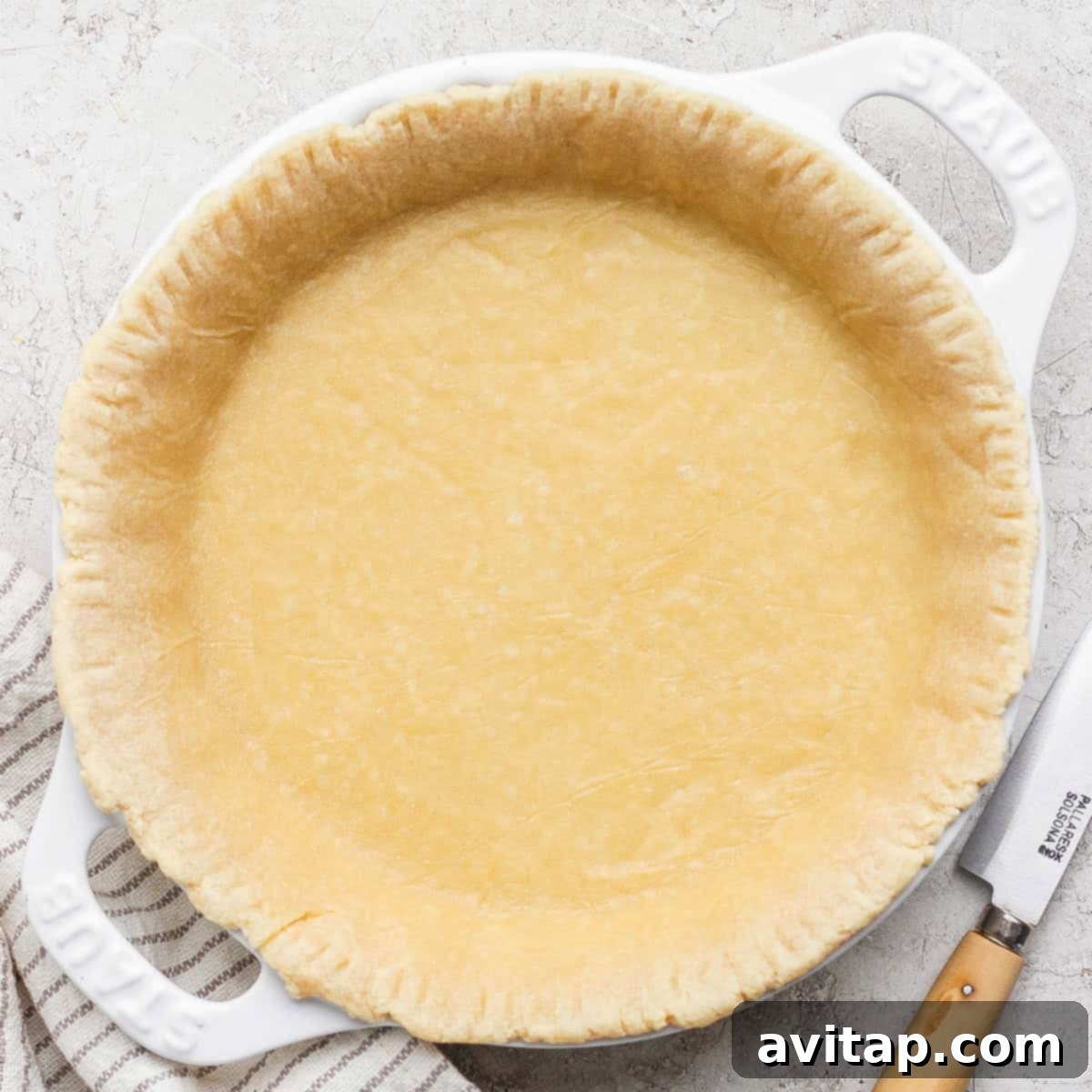
Easy 20-Minute High-Protein Pie Crust: Elevate Your Favorite Pies
Discover the secret to a healthier, yet equally delicious, homemade pie with our revolutionary 20-minute High-Protein Pie Crust! This innovative recipe effortlessly blends cottage cheese into the dough, delivering a significant protein boost with every single slice. Say goodbye to the notion that pie is only for special occasions; this crust makes it possible to enjoy your favorite treats with added nutrition and zero compromise on flavor or texture.
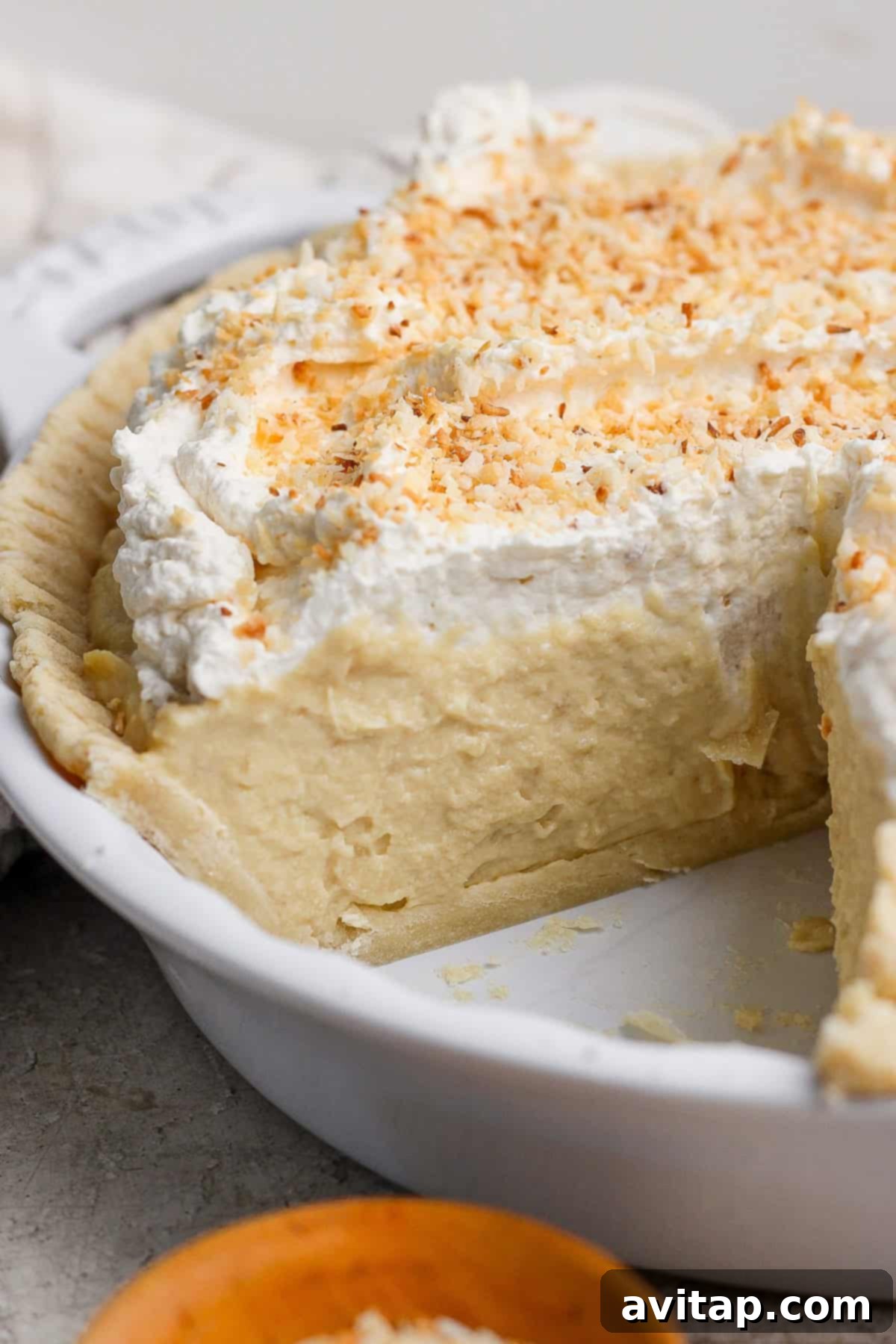
We are absolutely thrilled to pair this unique protein-enhanced pie crust with our exquisite homemade Protein Coconut Cream Pie filling. The combination is a match made in culinary heaven, creating a dessert so irresistible that everyone at your table will be asking for seconds, delightfully unaware of the healthy secret in the flaky base. It’s a true game-changer for anyone looking to enjoy desserts more mindfully.
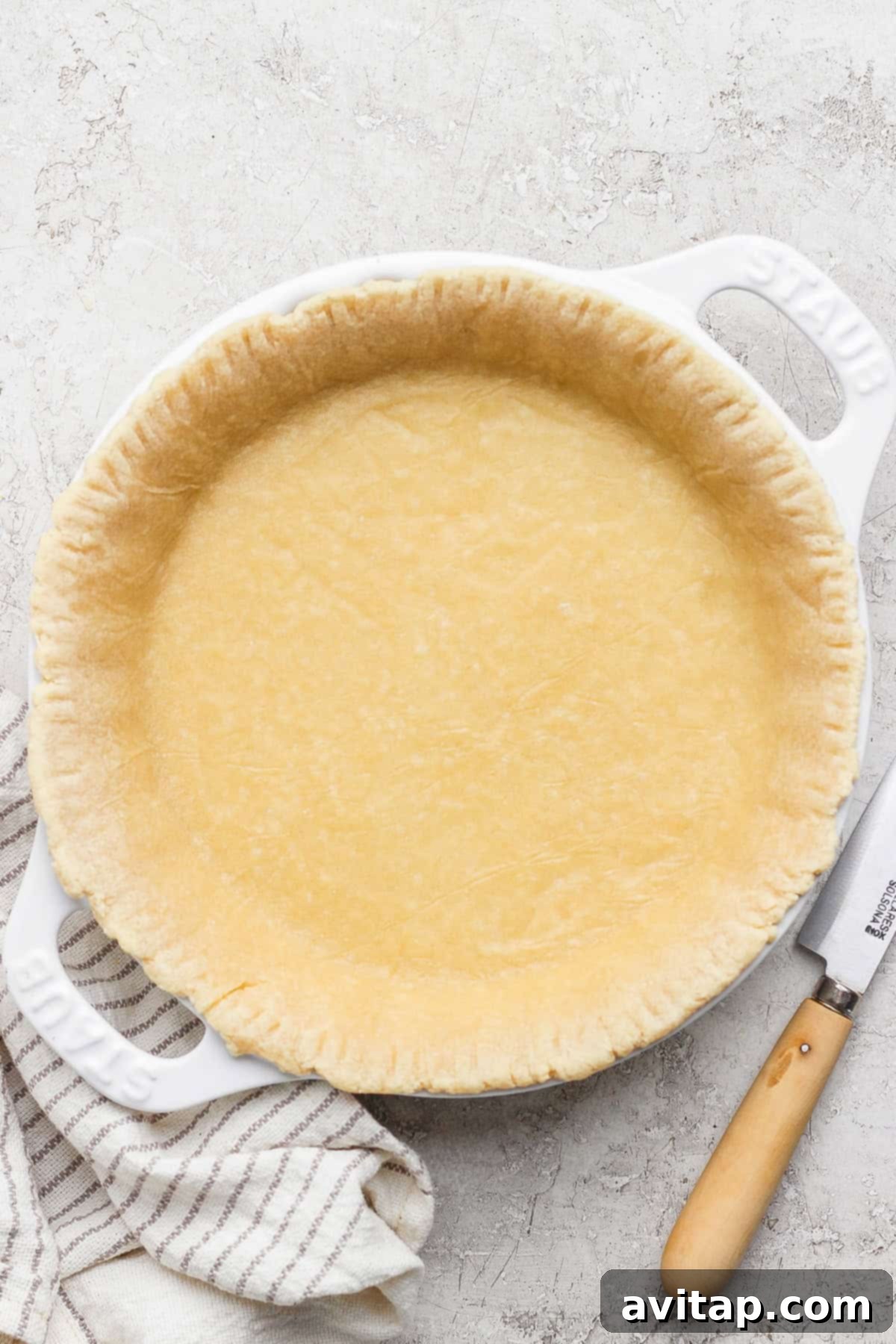
Why Opt for a High-Protein Pie Crust?
Are you a devoted pie enthusiast or a steadfast cake connoisseur? For many, the undeniable allure of pie lies in that perfect harmony: a golden, flaky, buttery crust embracing a rich, creamy, or vibrant fruity filling. It’s a culinary experience that truly sings! Traditionally, however, pies have often been relegated to holiday tables due to their perceived complexity and high-calorie count, making them feel like an occasional indulgence rather than a regular delight.
Our high-protein pie crust is here to transform that perception. This recipe is not only incredibly easy to prepare, slashing your prep time significantly, but it also dramatically elevates the nutritional value of your pie. Each serving of this crust alone packs approximately 4 grams of protein. This substantial protein addition contributes to a feeling of satiety, helping you feel fuller and more satisfied with a smaller slice. It also supports muscle maintenance and overall well-being, transforming a beloved comfort food into a smarter, more balanced indulgence that you can enjoy more frequently without the typical guilt.
The Revolutionary Ingredient: Cottage Cheese for a Healthier Pie
The culinary brilliance behind this enhanced pie crust lies in one surprising yet remarkably effective ingredient: cottage cheese. Blended seamlessly into the dough, cottage cheese is the key to providing essential moisture, a tender crumb, and a significant protein boost without imparting any unwanted cheesy flavor or texture. Far from making your pie taste savory, it simply acts as a silent hero, enhancing the crust’s nutritional profile and contributing to a wonderfully tender, flaky result. This innovative inclusion makes homemade pies more accessible for those pursuing a healthier lifestyle, proving that nourishing ingredients can be deliciously integrated into classic recipes.
Essential Ingredients for Your High-Protein Pie Crust
Crafting this quick and nutritious pie crust requires just a handful of simple ingredients, many of which you likely already have on hand. Each component plays a crucial role in achieving that sought-after flaky texture and perfectly balanced flavor profile that defines a truly exceptional pie crust.
- 4% Cottage Cheese: This is the cornerstone of our protein-packed crust! We specifically recommend using 4% full-fat cottage cheese because its higher fat content contributes to a richer flavor and a more tender, moist, and undeniably delicious crust. It’s the unassuming protein powerhouse that sets this recipe apart, delivering nutrition without altering the classic pie crust experience.
- All-Purpose Flour: The fundamental building block of any successful pie crust. All-purpose flour provides the necessary structure and forms the bulk of your dough, ensuring a classic and reliable texture. For those looking for a slight nutritional edge, a portion of whole wheat pastry flour could be experimented with, though it might introduce a subtle textural variation.
- Light Brown Sugar: A subtle whisper of sweetness is paramount, and light brown sugar delivers this beautifully. Its delicate molasses notes add a nuanced depth of flavor that complements both sweet and savory fillings without ever overpowering the other ingredients. It also assists in achieving that desirable golden-brown color during baking.
- Unsalted Butter (Cold & Diced): The absolute secret to a truly flaky pie crust lies in utilizing very cold, unsalted butter. As these chilled butter pieces melt during baking, the water within them rapidly turns to steam, creating delicate pockets of air that expand to form those coveted, tender, and flaky layers. It’s crucial to dice your butter into small, uniform pieces and keep it thoroughly chilled until the very moment you’re ready to add it to your food processor. Using unsalted butter grants you complete control over the overall saltiness of your finished crust.
- Sea Salt: A measured pinch of sea salt is vital for enhancing and balancing all the flavors within your pie crust. It cleverly offsets the sweetness of the sugar and the richness of the butter, bringing all the components into perfect harmony. It’s a small addition with a significant impact on taste.
- Ice Water: Much like the cold butter, ice water is an indispensable component for achieving a perfectly flaky crust. Its frigid temperature helps to keep the butter solid, preventing it from melting prematurely and ensuring those distinct layers form. Add the water gradually, just enough to coax the dough into clumping together, avoiding over-hydration.
Essential Equipment for Crafting Your High-Protein Pie Crust
Making this high-protein pie crust is surprisingly straightforward and incredibly quick, especially when you have the right kitchen tools at your disposal. This minimal equipment list ensures a smooth and successful baking endeavor, bringing you closer to enjoying your delicious, protein-packed pie.
- Food Processor: This is your ultimate time-saving device for this recipe, making it truly a 20-minute wonder! A food processor efficiently and rapidly blends all the ingredients, expertly cutting in the cold butter and cottage cheese to create a perfectly textured dough without the risk of overworking it. This significantly reduces the effort and time compared to traditional hand-mixing methods, ensuring a tender crust every time.
- 9-inch Pie Pan: The standard and most commonly used size for pies, a 9-inch pie pan will perfectly accommodate the quantity of dough produced by this recipe. Whether you prefer ceramic, glass, or metal pans, any will yield excellent results. Glass pans offer the added benefit of allowing you to visually monitor the browning of your bottom crust.
- Pie Weights: To ensure your pie crust maintains its shape and doesn’t shrink or puff up excessively during the blind baking process, pie weights are highly recommended. These provide a gentle, even pressure that helps the dough bake flat and uniformly, creating a pristine foundation for your chosen filling.
No Pie Weights? Clever Alternatives That Work Wonders!
Don’t let the absence of specialized pie weights prevent you from creating this incredible high-protein pie crust. There are several ingenious and effective alternatives you can easily use to achieve fantastic results:
- Prick with a Fork: The simplest method is to use a fork to prick the bottom and sides of your pie crust all over before baking. These small perforations allow steam to escape, which significantly minimizes the formation of large bubbles. While some minor bubbles may still surface, they will readily deflate once you add your filling, leaving a smooth surface.
- Raw Rice or Dried Beans: An excellent and widely used substitute for ceramic pie weights is raw rice or dried beans. Simply line your unbaked pie crust with a sheet of parchment paper, then fill it generously with an even layer of uncooked rice or dried beans. This method works exceptionally well to keep the crust flat and prevent shrinkage during blind baking. We frequently use this trick in our kitchen, and it delivers consistent, impressive results!
- Granulated Sugar or Lentils: Similar to rice and beans, granulated sugar or dry lentils can also function as effective temporary pie weights. Just remember to always use a layer of parchment paper between the weights and the dough to prevent any sticking or absorption.
Experience the Delight!
Our Protein Coconut Cream Pie
Ready to bake a showstopper? Use our amazing high-protein pie crust as the foundational base for this unbelievably decadent Protein Coconut Cream Pie recipe. It’s a dessert that consistently earns rave reviews and will undoubtedly become a new family favorite. Seriously, it’s that good!

Our Go-To Kitchen Tool
The Beast Blender
For achieving that perfectly smooth and uniformly blended cottage cheese and butter mixture in your pie crust dough, and for tackling countless other culinary tasks, the Beast Blender is unequivocally our top recommendation. It strikes the perfect balance of size for everyday kitchen use, delivers exceptional power for its compact form, and is moderately priced, making it a stellar investment for any home chef. From silky smoothies to creamy dips, hearty soups, and especially our high-protein pie crust dough, it handles everything with remarkable ease and efficiency!
Delicious Filling Variations for Your Versatile Protein Pie Crust
While our high-protein pie crust is absolutely exceptional when paired with our beloved Protein Coconut Cream Pie, its versatility knows no bounds! This robust and nutritious crust provides a fantastic, healthier foundation for an extensive array of fillings, inviting you to explore both sweet and savory culinary adventures. Here are some inspiring ideas to customize your pie experience and captivate your family and friends:
- Rich Chocolate Cream Pie: Transform your cream filling into a deeply decadent experience by stirring in melted dark chocolate or a generous amount of premium cocoa powder. The result is a lusciously rich chocolate cream pie that perfectly complements the subtle robustness of this protein-enhanced crust.
- Zesty Lemon Cream Pie: For a bright and refreshing dessert, infuse your cream filling with plenty of fresh lemon zest and juice. This creates a vibrant, tangy lemon cream pie that offers a delightful contrast to the crust’s nuanced flavor, making it an ideal treat for warmer seasons.
- Seasonal Berry Delight Pie: Top your smooth cream pie with an abundance of fresh, vibrant, and seasonal berries such as sweet strawberries, plump blueberries, or tart raspberries. This adds a beautiful burst of fruity flavor, striking color, and a pleasant textural dimension to your dessert.
- Comforting Pumpkin Spice Pie: Fully embrace the cozy flavors of autumn by blending creamy pumpkin puree with a warm medley of aromatic spices like cinnamon, nutmeg, ginger, and cloves into your filling. This transforms your pie into a comforting and festive seasonal delight, perfect for holiday gatherings.
- Crunchy Nutty Nougat Pie: For those who appreciate an added textural crunch, fold in finely chopped toasted nuts such as buttery almonds, crunchy pecans, or earthy hazelnuts into your cream filling. This addition introduces a wonderful textural contrast and a rich, satisfying nutty flavor that pairs exquisitely with the smooth filling.
- Hearty Savory Quiche Base: Don’t limit this incredibly adaptable crust solely to desserts! Its subtly sweet and neutral profile makes it an exceptional base for a variety of savory dishes. Experiment with a classic Quiche Lorraine, a vibrant spinach and feta quiche, or a comforting sausage and cheese quiche for a protein-packed breakfast, brunch, or light dinner.
- Wholesome Apple Crumble Pie: For a timeless comfort food, fill the crust with tender, spiced apple slices and top it with a wholesome, buttery oat crumble. This combination offers a delightful interplay of textures and familiar, cozy flavors, all enhanced by the nutritious foundation of our protein pie crust.
How to Store and Prepare Your Protein Pie Crust Dough
One of the most appealing advantages of this high-protein pie crust recipe is its fantastic make-ahead potential. Preparing your dough in advance can be an immense time-saver, particularly when you’re planning for special occasions, meal prepping for the week, or simply want the convenience of having homemade dough ready to go. Here’s how to properly store your protein pie crust dough to ensure its freshness and quality:
Refrigeration for Short-Term Storage: If you intend to use your pie crust within a few days, simply prepare the dough according to the recipe instructions, form it into a flattened disc (often referred to as a “puck”), wrap it very tightly in plastic wrap to prevent it from drying out, and store it in the refrigerator. The dough will remain fresh and viable for up to 3 days. When you’re ready to proceed with baking, remove the dough puck from the fridge and allow it to sit at room temperature for approximately 15-20 minutes, or until it becomes sufficiently pliable and easy to roll out without cracking.
Freezing for Long-Term Convenience: We enthusiastically recommend keeping a pre-made puck of this versatile protein pie crust dough in your freezer! It’s perfect for those impromptu baking urges or when you need a quick dessert solution. To freeze, wrap the dough puck exceptionally tightly in at least two layers of plastic wrap, then place it inside an airtight freezer-safe container or a heavy-duty ziploc bag. This double layer of protection is crucial to prevent freezer burn and maintain the dough’s quality. The dough can be successfully frozen for up to 3 months. When you’re ready to bake, transfer the frozen dough puck to the refrigerator overnight to thaw completely before allowing it to warm slightly at room temperature and rolling it out.
More of Our Favorite Indulgences…
Explore More Delicious Pie Recipes
If you’re a true pie connoisseur, you’ll be delighted to explore more of our creative, comforting, and sometimes surprising pie recipes. Whether your craving leans towards sweet or savory, classic or uniquely innovative, we undoubtedly have a pie recipe for every occasion and every palate. Remember that many of these cherished recipes could also benefit immensely from the wholesome foundation of our high-protein pie crust!
- Hearty Leftover Turkey Pot Pie
- Easy & Delicious Pecan Pie Bars with Date Caramel
- Classic Creamy Pumpkin Pie
- Comforting Easy Chili Pot Pie
- Superfood Taco Bowls (A savory delight, though not a pie!)
High-Protein Pie Crust Recipe
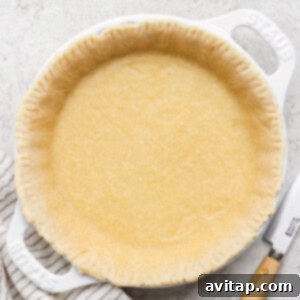
This innovative high-protein pie crust, crafted with skillfully blended cottage cheese, offers a remarkably nutritious and utterly delicious alternative to traditional pie crusts. It bakes up beautifully flaky, boasts a rich flavor, and is incredibly simple to prepare, making homemade pies a breeze.
Pin Recipe
Print Recipe
Email Me This Recipe
Plus, enjoy weekly doses of recipe inspiration straight to your inbox!
Ingredients
- 1.25 cups all-purpose flour
- 1 tablespoon light brown sugar
- 1 teaspoon sea salt
- ¼ cup unsalted butter, cold and diced into small pieces
- ¼ cup 4% cottage cheese
- ¼ cup ice water
Instructions
- Preheat your oven to 350℉ (175°C).
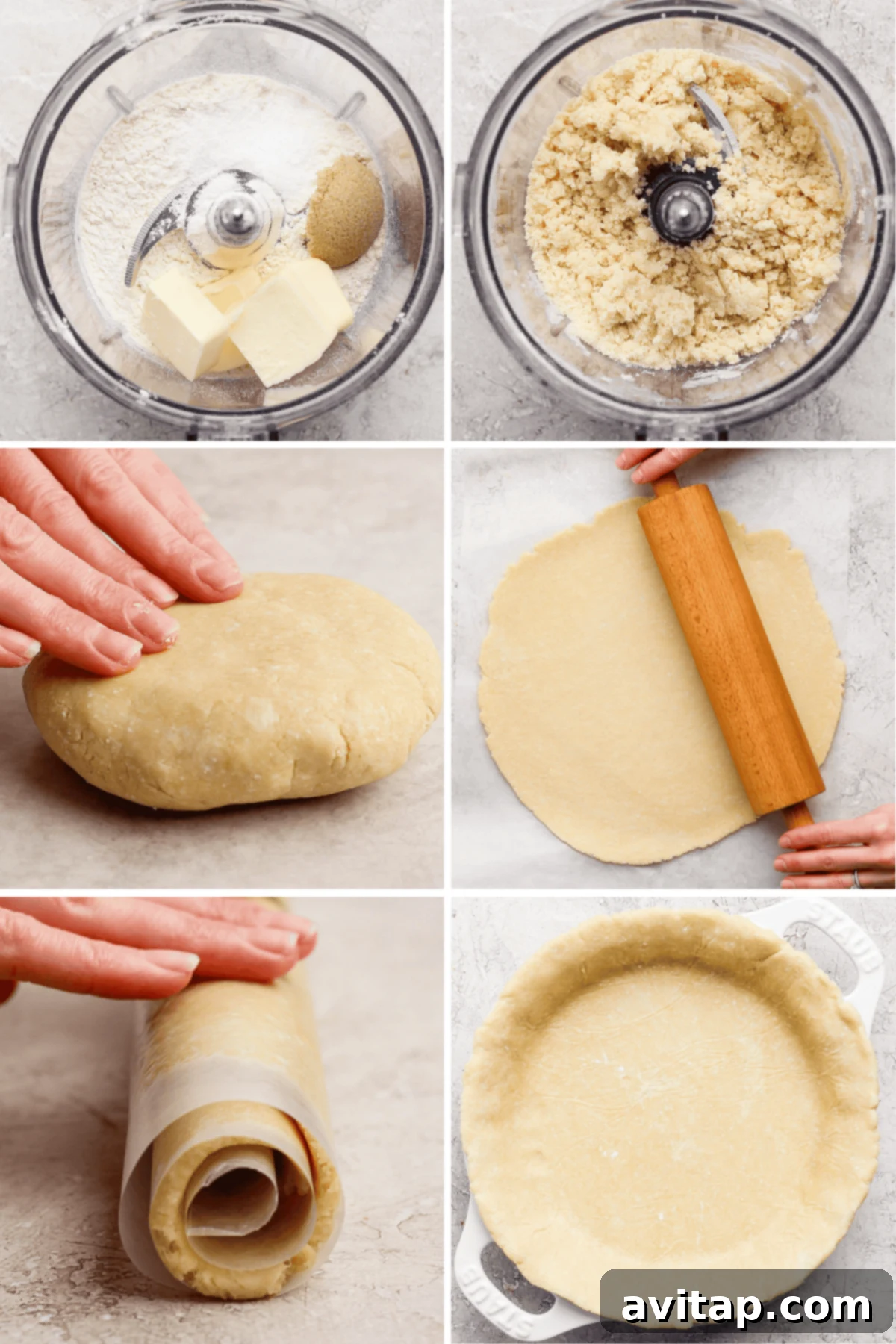
- In a food processor, combine the all-purpose flour, light brown sugar, sea salt, and cold diced butter. Pulse the mixture a few times until the butter is broken down into small, pea-sized pieces. Add the 4% cottage cheese and pulse a few more times until it’s just incorporated. Scrape down the sides of the food processor bowl. Gradually add the ice water, 1 tablespoon at a time, pulsing briefly after each addition, until the dough just begins to clump together. Be careful not to overmix the dough.
- Transfer the prepared dough onto a lightly floured work surface. Gently gather and form the dough into a cohesive, flattened disc. Using a rolling pin, carefully roll the dough into a uniform 10-11-inch (25-28 cm) circle, aiming for a thickness of about ⅛ inch (3mm).
- Carefully transfer the rolled dough into a 9-inch pie pan. Gently press the dough into the contours of the pan and trim any excess dough from the edges. Line the pie dough with a sheet of parchment paper and fill it with pie weights (or use raw rice/dried beans as a substitute).
- Bake the pie crust in the preheated oven at 350℉ (175°C) for 10-15 minutes, or until the edges are lightly golden brown and the crust is set. Remove the baked crust from the oven and allow it to cool completely on a wire rack before filling it with your desired sweet or savory pie filling.
Tips & Notes for a Perfect Protein Pie Crust
- For the flakiest crust possible, ensure all your ingredients, especially the butter and water, are as cold as possible. This prevents the butter from melting prematurely and helps create those desirable airy layers during baking.
- It’s crucial to avoid overworking the dough. Overmixing can develop too much gluten, which will result in a tough, rather than tender, pie crust. Pulse in the food processor just until the dough comes together.
- If you are making a filled pie that requires additional baking, you might only need to par-bake the crust for a shorter duration (around 7-10 minutes) to prevent it from becoming overly browned. Adjust the blind baking time based on your specific pie filling recipe.
- This exceptionally versatile crust performs beautifully with both sweet pies (such as fruit pies, cream pies, or custard pies) and savory tarts or quiches, offering a healthy twist to any dish.
Watch How This High-Protein Pie Crust Is Made
Nutrition Information (Per Serving)
Calories: 179 kcal
Carbohydrates: 22 g
Protein: 4 g
Fat: 8 g
Fiber: 1 g
Sugar: 2 g
Please note: Nutrition information is automatically calculated and should be used as an approximation. Actual values may vary based on specific ingredients and preparation methods.
❤️
Loved this recipe? Share your thoughts in the comments below!
Don’t forget to tag your culinary masterpieces on social media with the hashtag #fitfoodiefinds. We absolutely love seeing your delicious creations and featuring them!
Frequently Asked Questions About Our High-Protein Pie Crust
- Q: Does this high-protein pie crust actually taste like cottage cheese?
- A: This is a common and understandable concern, but rest assured, the answer is a resounding no! When the cottage cheese is thoroughly blended into the dough, its distinct granular texture and strong flavor dissipate completely. Its primary role becomes contributing moisture, enhancing tenderness, and, most importantly, boosting the protein content. The result is a wonderfully flaky crust that tastes indistinguishable from a traditional pie crust, but with the added nutritional benefit.
- Q: Can I use low-fat or fat-free cottage cheese for this recipe?
- A: While technically possible, we strongly recommend using 4% full-fat cottage cheese for the absolute best results. The higher fat content in 4% cottage cheese is crucial for achieving the desired richness, exceptional tenderness, and characteristic flakiness of the crust. Low-fat or fat-free varieties tend to have a higher water content and less fat, which can lead to a slightly drier, tougher, or less flavorful crust. For optimal texture and taste, stick to the full-fat option.
- Q: Is it possible to make this high-protein pie crust gluten-free?
- A: This particular recipe is formulated with all-purpose wheat flour. However, for those seeking a gluten-free option, you could certainly experiment with a high-quality 1:1 gluten-free all-purpose flour blend. It’s important to note that the texture might vary slightly, as gluten plays a significant role in the elasticity and structure of traditional pie crusts. When choosing a gluten-free blend, look for one that contains xanthan gum, as it helps to replicate the binding properties of gluten.
- Q: Is blind baking necessary for this protein pie crust?
- A: Yes, blind baking (also known as par-baking) is highly recommended for this high-protein pie crust, especially if you plan to use it for fillings that don’t require extensive baking, such as custard or cream pies. Blind baking ensures that the bottom crust cooks through completely and remains crisp, preventing it from becoming soggy once the filling is added. For fillings that bake for a longer duration (like some fruit pies), a shorter blind bake might suffice to give the crust a head start.
- Q: Can this versatile crust be used for savory pies or quiches?
- A: Absolutely! This high-protein pie crust is incredibly versatile and well-suited for both sweet and savory applications. Its subtly sweet and neutral flavor profile makes it an excellent base for a wide array of savory dishes. It’s a fantastic choice for classic quiches, vibrant vegetable tarts, comforting chicken pot pies, or any savory filling where you desire a delicious and nutritious crust. It’s a wonderful way to add a healthy protein boost to your savory meals.
Photography by: The Wooden Skillet