
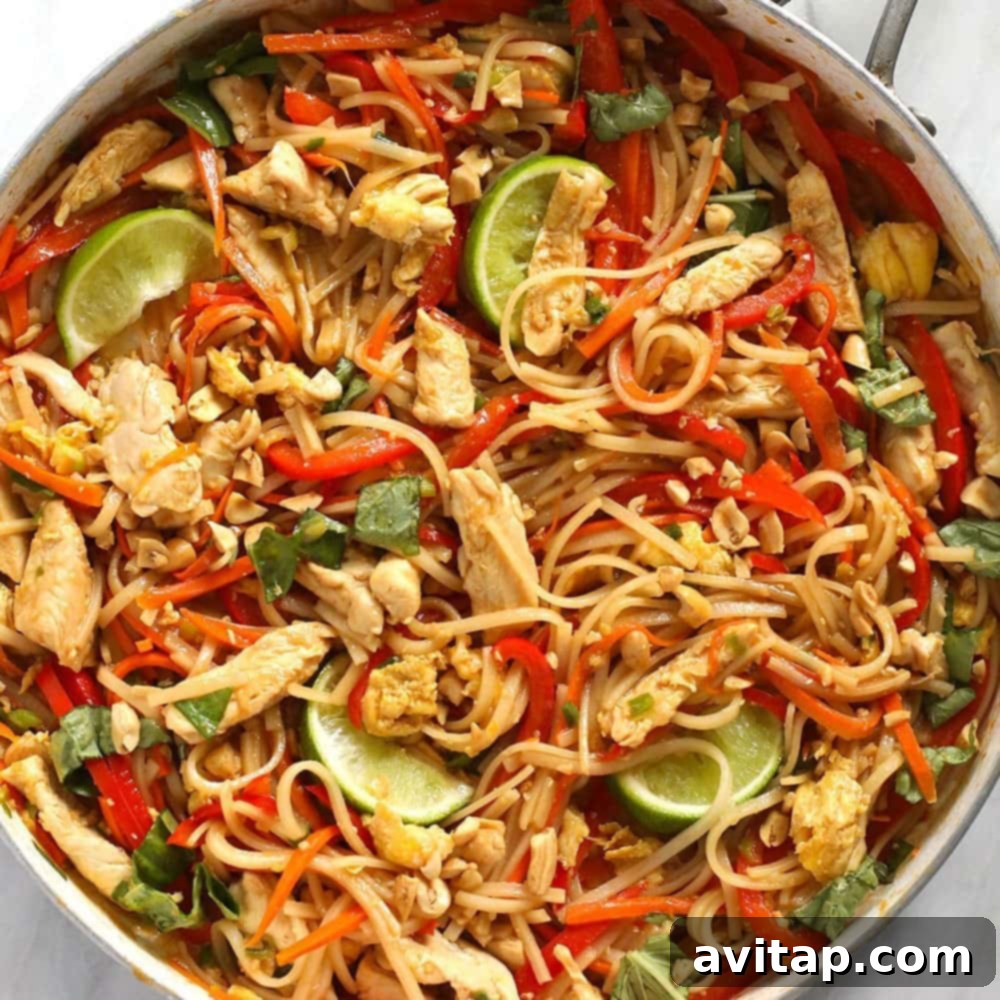
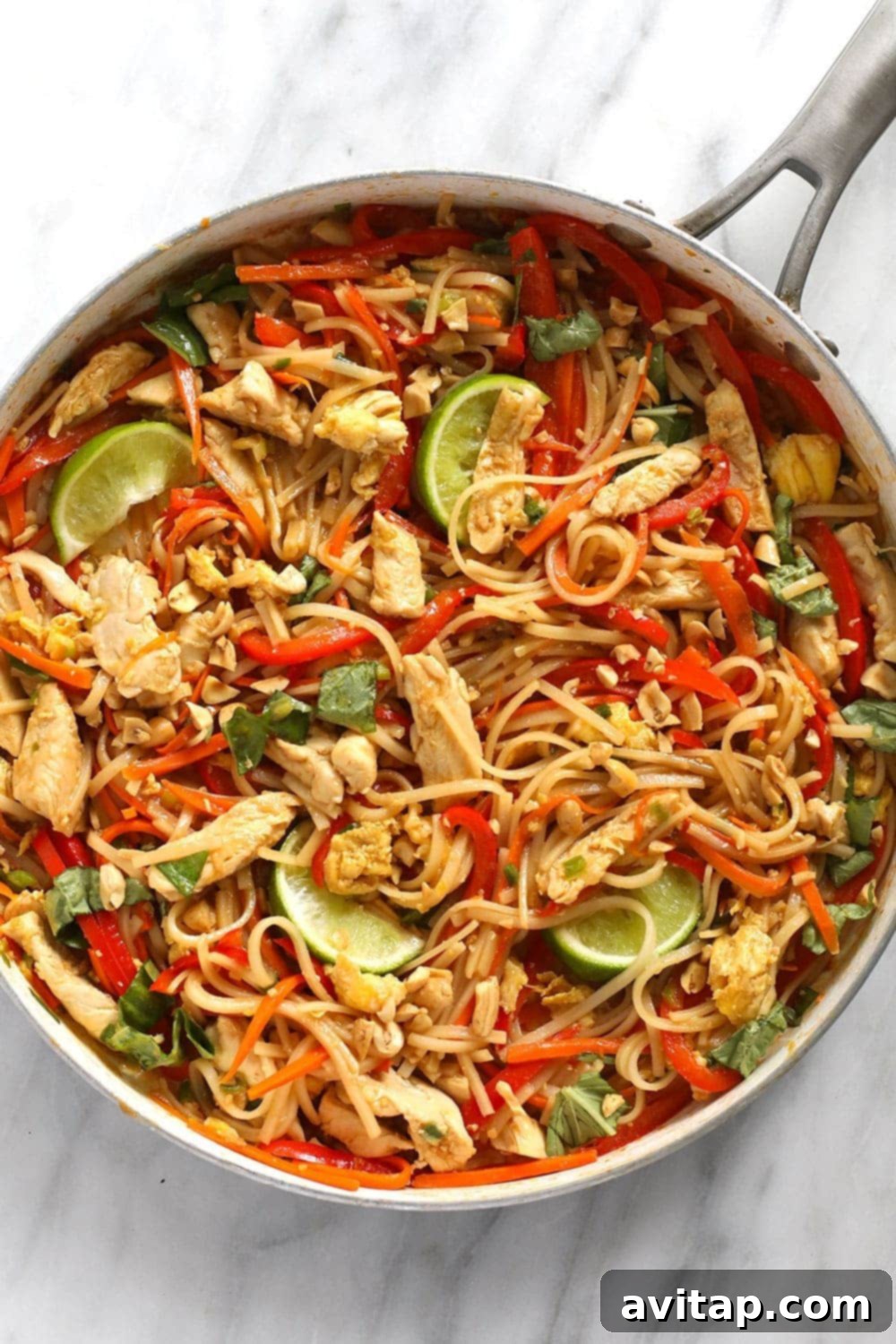
Craving the vibrant, savory, and slightly sweet flavors of classic Chicken Pad Thai? Get ready to experience culinary magic right in your own kitchen! This incredible homemade Chicken Pad Thai recipe is not only ready in under 30 minutes, but it also delivers an authentic taste that genuinely rivals your favorite takeout spot. Say goodbye to delivery fees and hello to fresh, delicious Thai food anytime you desire.
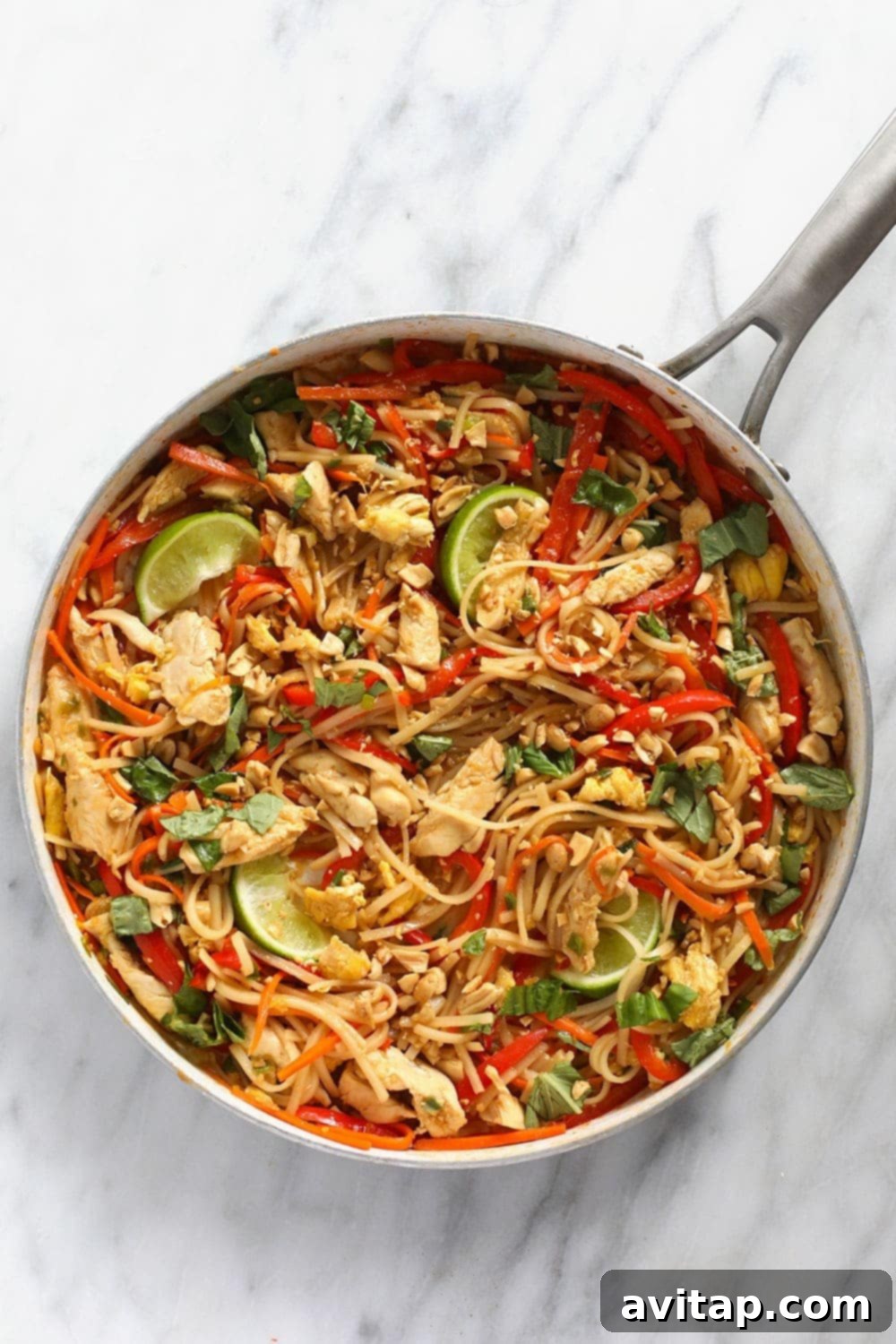
The Ultimate Homemade Chicken Pad Thai Experience
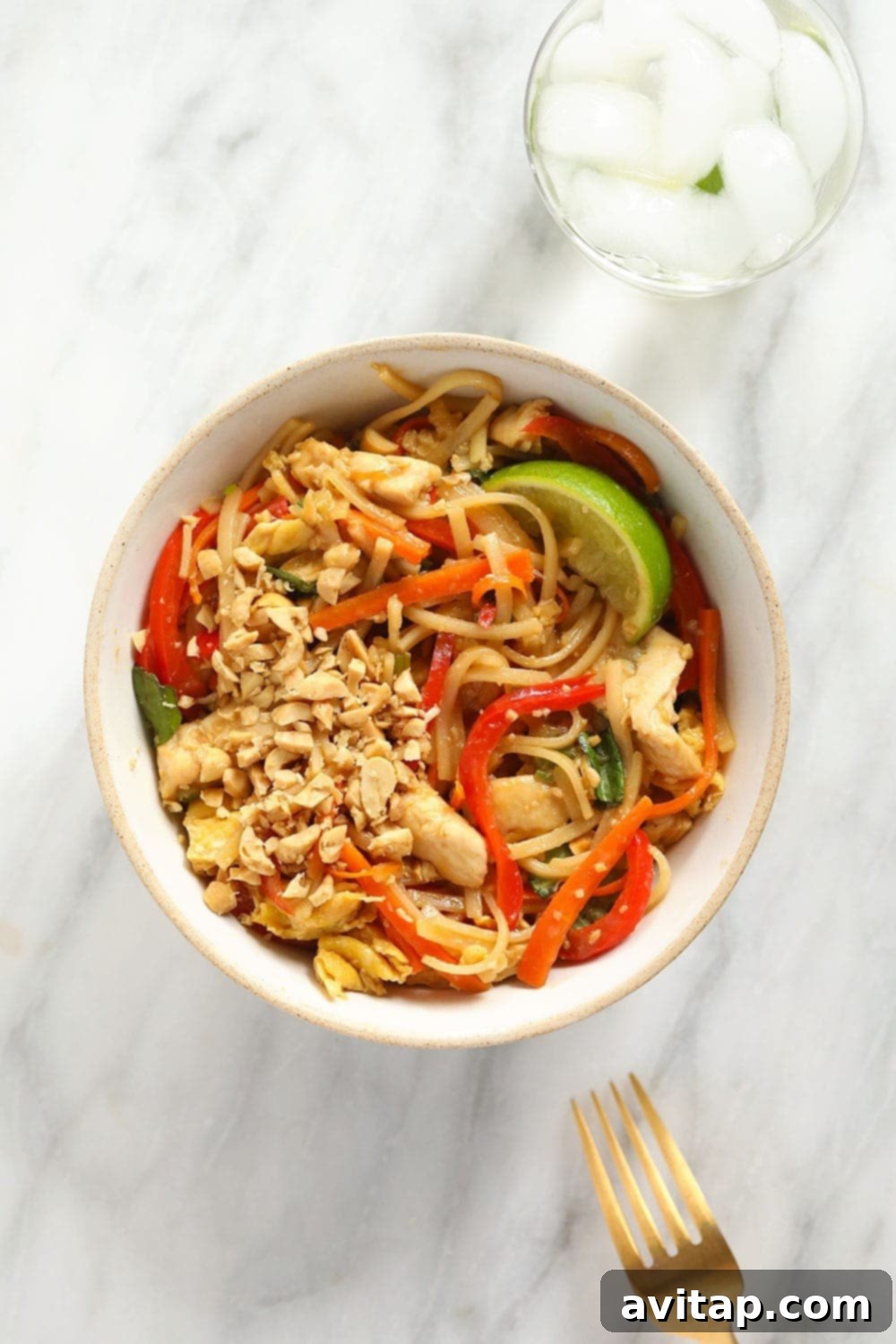
Imagine a generous plate of perfectly stir-fried rice noodles, tender chicken, crisp vegetables, and fluffy scrambled eggs, all coated in an irresistible, balanced sauce. This isn’t just a meal; it’s an experience. We believe that truly amazing Pad Thai doesn’t have to be complicated or confined to restaurant walls. Our simplified approach empowers you to create this beloved Thai dish with confidence and ease, even on your busiest weeknights.
The beauty of this recipe lies in its straightforward process and incredible payoff. You don’t need to be a gourmet chef to achieve remarkable results. We’ve broken down the preparation into a few simple, manageable steps that ensure success every time:
- Perfectly Cook Your Rice Noodles: The foundation of any great Pad Thai.
- Whisk Together the Irresistible Pad Thai Sauce: A harmonious blend of sweet, sour, salty, and umami.
- Sauté Chicken and Fresh Vegetables: Building layers of texture and flavor.
- Gently Scramble Eggs: Adding a classic richness to the dish.
- Combine Everything: Tossing it all together for a unified, delightful meal.
It sounds incredibly easy because it truly is! Keep reading to uncover the accessible ingredients and expert techniques that will transform your home cooking with this sensational homemade Pad Thai recipe.
Essential Ingredients for Your Perfect Chicken Pad Thai
While traditional Pad Thai often features specific ingredients like tamarind paste, our easy Chicken Pad Thai recipe focuses on pantry staples and widely available components without compromising on authentic taste. We’ve crafted a sauce that delivers that iconic sweet-sour-salty balance using ingredients you can easily find at your local grocery store. Here’s a detailed look at what you’ll need to create this fantastic dish:
Rice Noodles: The Heart of Pad Thai
The choice of noodles is crucial for Pad Thai. We use classic flat rice noodles, which are readily available in the Asian section of most supermarkets. When preparing them, follow the package directions carefully. A general rule of thumb is to soak them in hot (not boiling) water until they are just al dente – still firm with a slight bite. Overcooked, mushy noodles are the bane of any Pad Thai enthusiast! Rinse them with cold water immediately after draining to stop the cooking process and prevent sticking.
Oil: Your Stir-Fry Foundation
For sautéing your chicken and vegetables, a high-heat oil is essential. Olive oil works wonderfully, but feel free to opt for coconut oil for a subtle tropical note, sesame oil for a distinct nutty aroma, or avocado oil for its neutral flavor and high smoke point. The right oil ensures your ingredients cook evenly and develop delicious caramelization.
Chicken Breast: Lean Protein Perfection
Boneless, skinless chicken breast is our protein of choice for its lean texture and ability to absorb the rich sauce flavors. For the best results, slice the chicken into long, thin strips, about 1/2 inch wide and 2.5 inches long. This ensures quick and even cooking, allowing the chicken to become tender without drying out, and integrates beautifully with the noodles and vegetables.
Carrots: A Pop of Color and Crunch
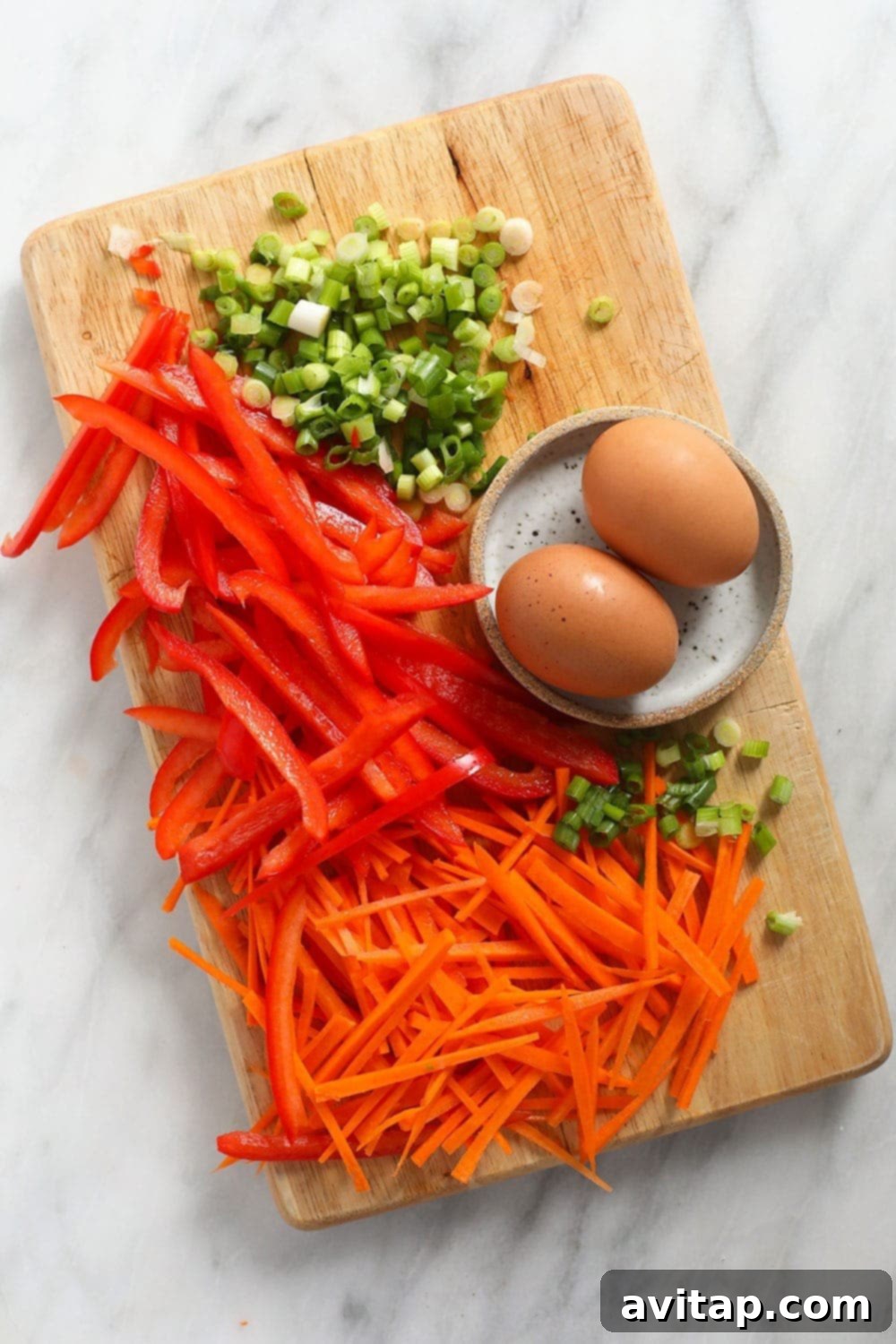
Carrots add a delightful sweetness and essential crunch to your Pad Thai. We highly recommend cutting them into matchsticks rather than shredding. Matchsticks retain their crisp texture better through the stir-frying process, contributing a more satisfying bite to the dish.
Red Bell Peppers: Sweetness and Vibrant Hue
Sweet red bell peppers bring another layer of sweetness, a beautiful splash of color, and a pleasant, firm crunch. Thinly slice them to ensure they cook quickly and meld seamlessly with the other ingredients.
Green Onions: Aromatic Freshness
Green onions are indispensable for their pungent, fresh flavor. We separate them, sautéing the white and light-green parts with the other vegetables to build a flavorful base, and reserving the vibrant green tops for a fresh, aromatic garnish at the end. This dual use maximizes their impact on the dish.
Eggs: The Classic Pad Thai Element
Gently scrambled eggs are a signature component of Pad Thai. After cooking your chicken and vegetables, push them aside to create a space in the pan. Pour the whisked eggs into this space and scramble them, aiming for larger, fluffy curds rather than tiny, grainy pieces. This technique ensures distinct pockets of egg throughout your noodles.
Lime: Essential Brightness
Fresh lime juice is the non-negotiable finishing touch for any Pad Thai. Its bright, zesty acidity cuts through the richness of the sauce, elevating all the flavors and adding a refreshing tang that truly defines the dish. Don’t skip it!
Peanuts: The Ultimate Garnish and Crunch
A sprinkle of chopped, salted peanuts provides that iconic textural contrast and a lovely salty crunch that Pad Thai is known for. They add a nutty depth that complements the sauce beautifully. Lightly salted peanuts are usually best, but you can adjust based on your preference.
Crafting the Perfect Pad Thai Sauce
The sauce is where the magic happens, balancing sweet, sour, salty, and umami. Our easy sauce comes together in minutes:
Soy Sauce (or Tamari): The Umami Foundation
Soy sauce provides the deep, savory umami base for our Pad Thai sauce. If you’re gluten-intolerant or prefer a gluten-free option, Tamari is an excellent substitute that delivers a similar rich flavor profile.
Maple Syrup: Natural Sweetness
To balance the savory and sour notes, maple syrup adds a beautiful, natural sweetness. Honey or even brown sugar can be used as alternatives if maple syrup isn’t on hand, each offering a slightly different caramel undertone.
Rice Vinegar: Tangy Brightness
Rice vinegar contributes a crucial tang and mild acidity, essential for that distinctive Pad Thai flavor. If you’re out, white vinegar or white wine vinegar can be used in a pinch, though rice vinegar offers a slightly milder, sweeter profile.
Garlic: Aromatic Depth
Freshly minced garlic is a non-negotiable aromatic, offering savory depth and warmth to the sauce. It truly enhances the overall flavor complexity, making the dish more inviting and robust.
Fish Sauce: The Authentic Umami Punch
Traditional Pad Thai simply isn’t complete without fish sauce. Don’t be deterred by its strong aroma – it transforms into a rich, savory, slightly funky (in the best way!) umami bomb when cooked, providing an irreplaceable depth of flavor that is the hallmark of authentic Thai cuisine.
Red Pepper Flakes: Customizable Heat
For those who enjoy a little kick, red pepper flakes allow you to customize the spice level. Add a generous pinch for a noticeable warmth, or just a touch for a subtle background heat. You can always add more at the table!
Master Your Homemade Chicken Pad Thai: Expert Tips & Tricks
Achieving restaurant-quality Pad Thai at home is easier than you think, especially with these insider tips:
- Noodle Perfection is Paramount: Seriously, don’t overcook your noodles! Cook them until they’re just tender with a slight chew (al dente). Immediately rinse them with cold water to halt the cooking process and prevent them from becoming sticky or mushy. This step is critical for a great texture.
- Slice Chicken Thin for Even Cooking: When chicken cooks, it tends to plump up. To ensure your chicken strips cook quickly and evenly, and blend perfectly into the dish, slice them thinner than you might initially think – around 1/4 to 1/2 inch thick and about 2-3 inches long. This also helps them absorb the sauce better.
- Embrace the Veggies: This recipe calls for a generous amount of vegetables because they add incredible flavor, texture, and nutritional value, making it a more satisfying and well-rounded meal. Don’t hesitate to add other quick-cooking stir-fry friendly vegetables like broccoli florets, snap peas, or thinly sliced cabbage.
- Don’t Be Afraid to Double Up (With Caution): If you’re feeding a crowd, feel free to double the recipe. However, ensure you use a significantly large pan or a wok. Overcrowding the pan can steam the ingredients instead of stir-frying them, leading to a less vibrant and less flavorful dish. If your pan isn’t huge, cook in two separate batches.
- Customize Your Protein: Chicken is fantastic, but Pad Thai is incredibly versatile! If you prefer shrimp, beef (thinly sliced), or tofu, feel free to swap it out. For a vegetarian option, pressed extra-firm tofu works wonderfully. Just adjust cooking times accordingly.
- Mise en Place is Your Best Friend: “Mise en place” means having all your ingredients prepped and ready before you start cooking. This dish comes together quickly, so having your noodles cooked, sauce mixed, chicken sliced, and vegetables chopped beforehand ensures a smooth and stress-free cooking experience.
- High Heat is Key for Stir-Frying: For that authentic wok-hei (smoky flavor) and perfectly cooked ingredients, make sure your pan is hot before you add oil and then ingredients. This helps achieve a nice sear on the chicken and crisp-tender vegetables.
Frequently Asked Questions About Chicken Pad Thai
Can I use a different noodle in chicken Pad Thai?
Absolutely! While traditional Pad Thai typically uses flat rice noodles, you can certainly experiment. Wider rice noodles (often labeled “Pad See Ew noodles”) or even certain types of egg noodles can work as alternatives. Just be aware that the texture and absorption of the sauce might vary slightly. Always follow the package instructions for your chosen noodle type to ensure they are cooked perfectly al dente.
Are there bean sprouts in chicken Pad Thai?
Yes, bean sprouts are a very common and traditional addition to Pad Thai! They add a wonderful, fresh crunch that contrasts beautifully with the soft noodles. If you enjoy them, feel free to stir them in during the last minute of cooking or serve them raw as a garnish on top for maximum crispness. They are usually found in the produce section of most grocery stores.
Can I use chicken thighs in Chicken Pad Thai?
Indeed! Chicken thighs are an excellent choice for Pad Thai. They tend to be more flavorful and stay juicier than chicken breast, especially when cooked at high heat. Just like with chicken breast, be sure to cut them into small, thin chunks or strips to ensure they cook quickly and evenly. Trim any excess fat before slicing.
How long does Chicken Pad Thai last in the refrigerator?
Properly stored, your homemade Chicken Pad Thai can last for up to 3-5 days in the refrigerator. Ensure it is transferred to an airtight container as soon as it has cooled completely. This prevents spoilage and keeps it fresh for longer, making it a fantastic meal prep option!
Can I make this Pad Thai vegetarian or vegan?
Yes! To make this recipe vegetarian, simply swap the chicken for extra-firm tofu (pressed and cubed) or your favorite plant-based protein. For a vegan version, also ensure you use a vegan fish sauce substitute (available in many Asian markets or online) and omit the eggs, or use a plant-based egg substitute. Adjust the sauce balance as needed.
Storage and Reheating Your Homemade Pad Thai
One of the best things about homemade Pad Thai is how well it keeps, making it perfect for meal prepping or enjoying delicious leftovers!
Storing Your Chicken Pad Thai
Allow your freshly cooked Chicken Pad Thai to cool completely to room temperature before storing. Transfer it into an airtight container to maintain freshness and prevent moisture loss. It will keep beautifully in the refrigerator for up to 3-5 days.
How to Reheat Chicken Pad Thai
Reheating Pad Thai is simple, and with a few tricks, you can restore its delightful texture and flavor. It’s one of my all-time favorite leftovers!
The best way to reheat Chicken Pad Thai is on the stovetop. Add a little moisture – a splash of oil or a tablespoon or two of water or chicken broth – to a skillet over low to medium heat. Add the leftover Pad Thai and gently toss and heat until everything is warmed through. This method helps prevent the noodles from drying out and maintains their desirable chewiness. If you’re in a hurry, you can microwave it in an airtight container for 1-2 minutes, stirring halfway, but the stovetop method yields superior results.
More of our Favorite…
Effortless Homemade Takeout Recipes
Love the idea of recreating your favorite restaurant dishes at home? Explore these other fantastic takeout-style recipes that are just as easy and delicious!
- Honey Ginger Chicken Stir Fry
- Easy Vegetarian Fried Rice
- Instant Pot Cashew Chicken
- Chicken and Broccoli Stir Fry
Chicken Pad Thai
Ingredients
Chicken Pad Thai
- 8- oz. rice noodles
- 2 tablespoons olive oil, separated (any high-heat oil works)
- 1.5 lbs. boneless, skinless chicken breast
- 2 large carrots, peeled and sliced matchsticks
- 2 medium red peppers, thinly sliced
- 10 green onions, (4-inches of the white part, minced)
- 4 large eggs, whisked together
- 1 large lime, cut in half
- 1/4 cup chopped, salted peanuts
Sauce
- 3 tablespoons soy sauce
- 1/4 cup maple syrup
- 1.5 teaspoons rice vinegar
- 1 tablespoon minced garlic
- 4 tablespoons fish sauce
- 1.5 tablespoons lime juice
- red pepper flakes, to taste
Instructions
-
First, prepare the rice noodles by bringing a large pot of water to a boil.
-
Add the rice noodles to the pot and remove the pot from the heat. Let the noodles sit in the hot water for 8-10 minutes, stirring every 1-2 minutes until al dente.
-
When the noodles are cooked al dente, pour them into a colander. Rinse them thoroughly with cold water to stop cooking and prevent sticking, then set them aside.
-
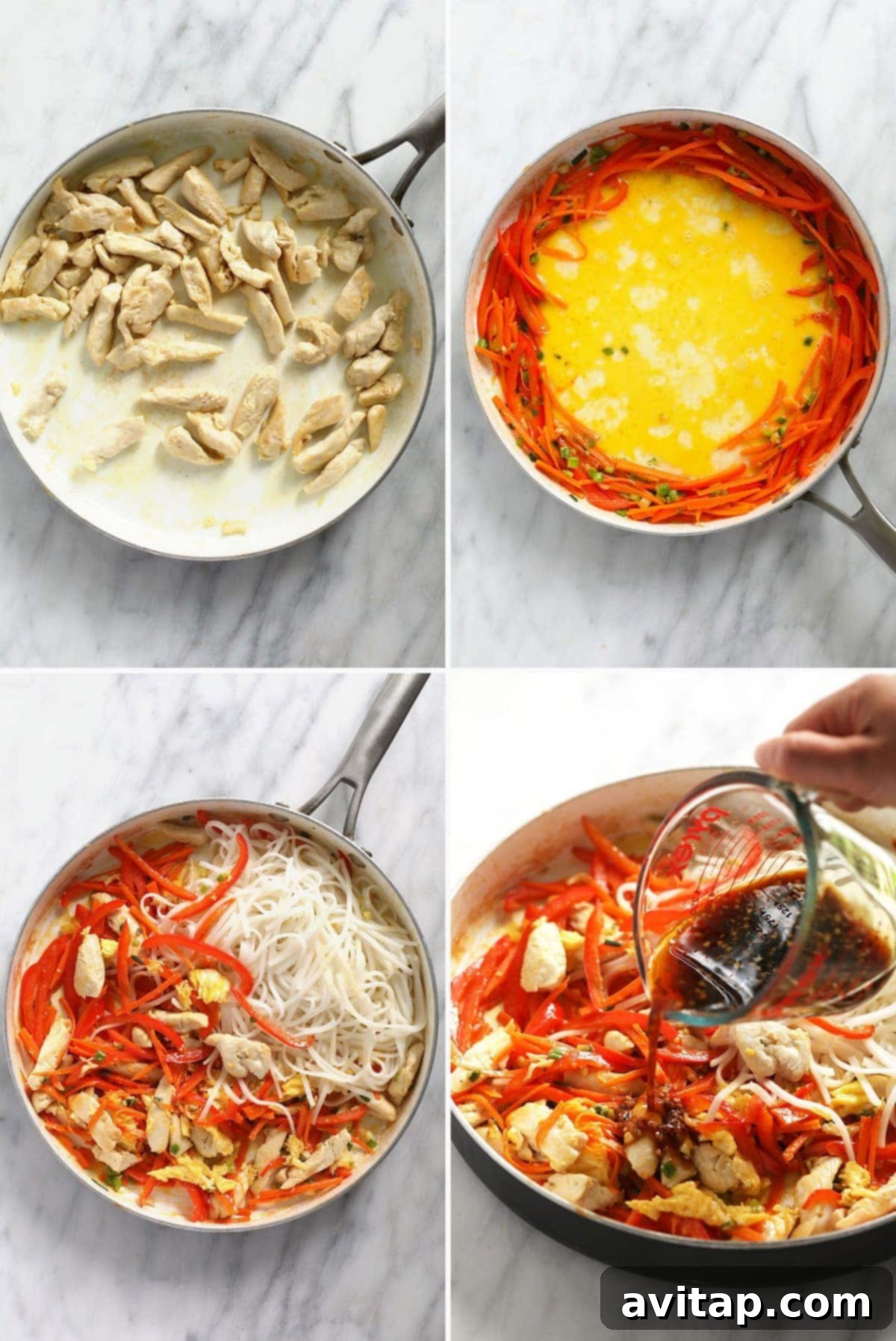
Prepare the pad Thai sauce by combining all the sauce ingredients (soy sauce, maple syrup, rice vinegar, minced garlic, fish sauce, lime juice, red pepper flakes) in a small bowl. Whisk everything together until well combined and set aside.
-
Next, slice the chicken breast. Cut each chicken breast in half horizontally, then slice them into thin strips that are approximately 1/2 inch wide and 2.5 inches long.
-
Then, heat a large skillet or wok over medium-high heat. Add one tablespoon of olive oil to the pan.
-
When the olive oil is fragrant and shimmering, add the sliced chicken breast to the pan and cook, stirring occasionally, until it is fully cooked through and lightly browned. Remove the cooked chicken from the pan and set aside.
-
Next, pour out any excess liquid from the pan, then add the remaining tablespoon of olive oil to the pan.
-
Add the matchstick carrots, thinly sliced red bell pepper, and the minced white parts of the green onions to the pan. Sauté the vegetables for 3-4 minutes, stirring frequently, until they are crisp-tender but not mushy.
-
Once the vegetables are cooked to your liking, push them to one side of the pan to create a clear space or “nest” in the middle. Pour the whisked eggs into this space.
-
Scramble the eggs in the middle of the vegetables with a spatula, breaking them into larger chunks. Cook until the eggs are just set. Once cooked, gently fold the scrambled eggs into the vegetables.
-
Finally, add the cooked chicken pieces, the prepared Pad Thai sauce, and the rinsed rice noodles back into the pan with the vegetables and eggs.
-
Gently mix all the ingredients together, ensuring the noodles are thoroughly coated with the sauce. Continue to cook over medium heat for about 3-4 minutes, tossing regularly, until the noodles have absorbed the sauce and all ingredients are hot.
-
To finish, squeeze fresh lime juice over the top of the Pad Thai and sprinkle generously with chopped peanuts and the reserved green tops of the green onions.
-
Serve immediately and enjoy your delicious homemade Chicken Pad Thai!
Tips & Notes
- For an extra layer of flavor, consider adding a tablespoon of tamarind paste (if available) to the sauce mixture for a more traditional tang.
- Feel free to add a handful of fresh bean sprouts during the last minute of cooking for added crunch.
- Taste the sauce before adding it to the pan and adjust sweetness, saltiness, or sourness to your preference.
Nutrition
Nutrition information is automatically calculated, so should only be used as an approximation.
Shop This Post
Cutting Boards
Nonstick Pans
Don’t forget to tag your posts on social media with the hashtag #fitfoodiefinds, we’d love to see what you’re up to!