
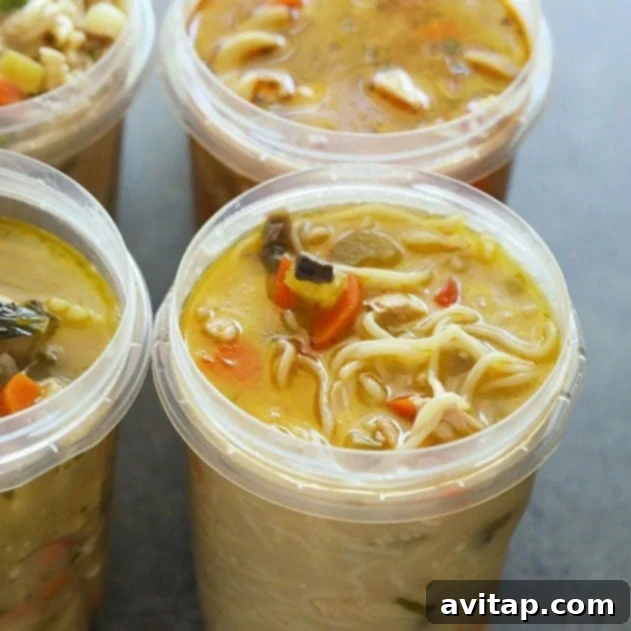
Imagine coming home after a long day and having a delicious, homemade meal ready in minutes. With the magic of freezing soup, this dream can easily become your reality! Preparing a large batch of your favorite soup and storing it in the freezer is a game-changer for busy individuals and families alike. Not only does it streamline your weekly meal planning, but it also ensures you always have a nutritious option on hand, whether for a quick lunch or a comforting dinner.
This comprehensive guide will walk you through everything you need to know about freezing soup, from selecting the best recipes to properly thawing and reheating your culinary creations. Say goodbye to the daily dinner dilemma and embrace the convenience of a well-stocked freezer. You can also explore other convenient options like these crockpot freezer meals for even more make-ahead solutions!
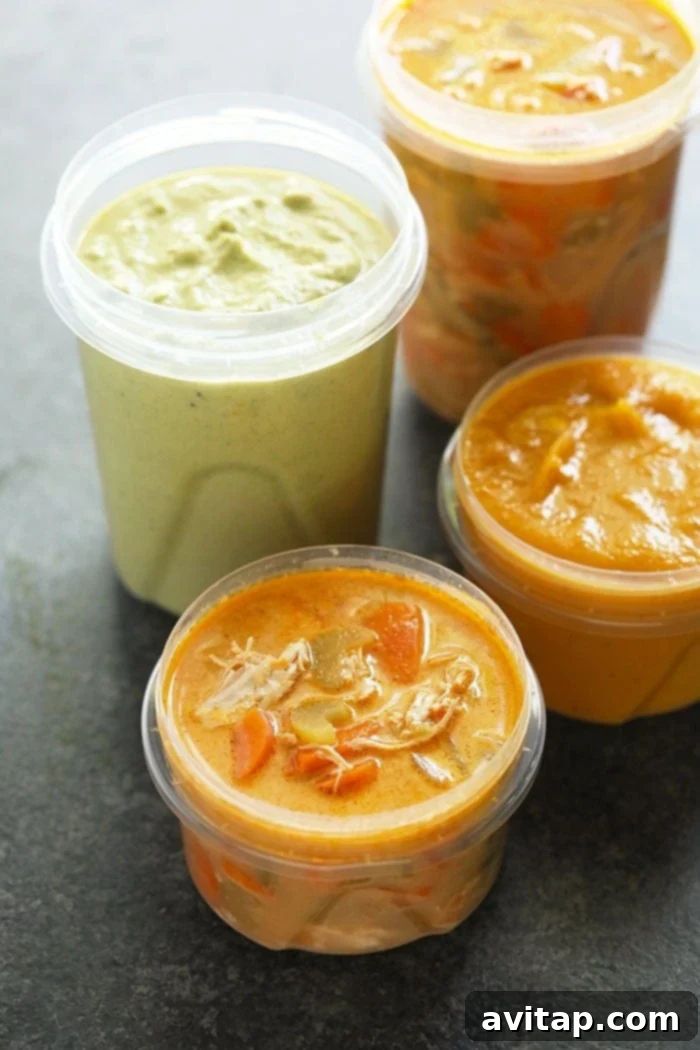
In countless households, a bag or container of frozen soup has been the ultimate savior on chaotic evenings, particularly during periods like postpartum recovery or illness. It effectively eliminates the common “what’s for dinner?” struggle that often arises multiple nights a week. Since the meal is already prepared, all that’s required is a simple thawing and reheating process, making healthy eating effortlessly accessible.
Can You Freeze Soup? Absolutely!
The good news is that most soups are excellent candidates for freezing. However, it’s true that some varieties perform better than others in the freezer, and there are a handful of soups that we recommend special precautions for, particularly those containing dairy or delicate starches like pasta.
Why Make Freezing Soup Your Next Meal Prep Strategy?
Freezing soup offers a multitude of benefits that extend beyond mere convenience. It’s a smart culinary practice that supports healthy eating habits, saves money, and reduces food waste.
- Effortless Meal Prep: Soup is incredibly versatile and can be packed with a wide array of healthy and flavorful ingredients. By dedicating a bit of time to prepare a large batch of a nutritious soup recipe and freezing it for later, you guarantee a wholesome meal option is readily available whenever you need it. This eliminates the temptation of unhealthy takeout on busy days, helping you stay on track with your dietary goals and providing peace of mind.
- Thoughtful Gifting: Preparing homemade soup for friends and family is a truly thoughtful gesture, especially for new parents, those recovering from an illness, or anyone going through a particularly hectic period. A freezer-friendly soup can significantly ease their mealtime burden, offering comfort and nourishment without the need for cooking. It’s a practical and heartfelt way to show you care.
- Unbeatable Dinner Variety: The world of soup recipes is vast and exciting! Freezing various soup recipes allows you to build a diverse culinary library in your freezer. You can enjoy a different flavor profile each week without having to cook from scratch every single time. From hearty stews to light broths, the options are endless, ensuring your taste buds never get bored.
- Reduced Food Waste: When you cook a large pot of soup, it’s easy to have leftovers. Instead of letting them spoil in the fridge, freezing allows you to preserve the excess, significantly reducing food waste. This is not only good for your wallet but also for the environment.
- Economical Cooking: Buying ingredients in bulk when they are in season or on sale is a great way to save money. Cooking large quantities of soup at once allows you to take advantage of these savings, making your meal prep more cost-effective in the long run.
Step-by-Step Guide: How to Freeze Soup Like a Pro
Freezing soup is a straightforward process, but following these key steps will ensure your frozen batches maintain their quality and flavor.
- Choose and Prepare Your Soup: The first step is to decide on your soup recipe. Opt for robust, brothy soups with hardy vegetables and proteins for the best freezing results. Explore our collection of healthy soup recipes for inspiration. Remember this crucial tip: if your recipe calls for cream, milk, cheese, or delicate noodles, plan to add these components *after* thawing and reheating the soup. Freezing these ingredients separately prevents undesirable textural changes.
- Cool the Soup Completely: This is arguably the most critical step. After cooking, allow your soup to cool down to room temperature before transferring it to containers. This prevents condensation from forming inside the sealed container, which can lead to ice crystals and ultimately, freezer burn – a common culprit for diminished flavor and texture. You can expedite cooling by placing the pot in an ice bath or dividing the soup into smaller, shallow containers.
- Portion and Transfer to Freezer-Safe Containers: Once thoroughly cooled, divide the soup into your chosen freezer-safe containers or gallon-size plastic bags. Consider your serving needs; single-portion containers are great for individual meals, while larger containers suit family dinners.
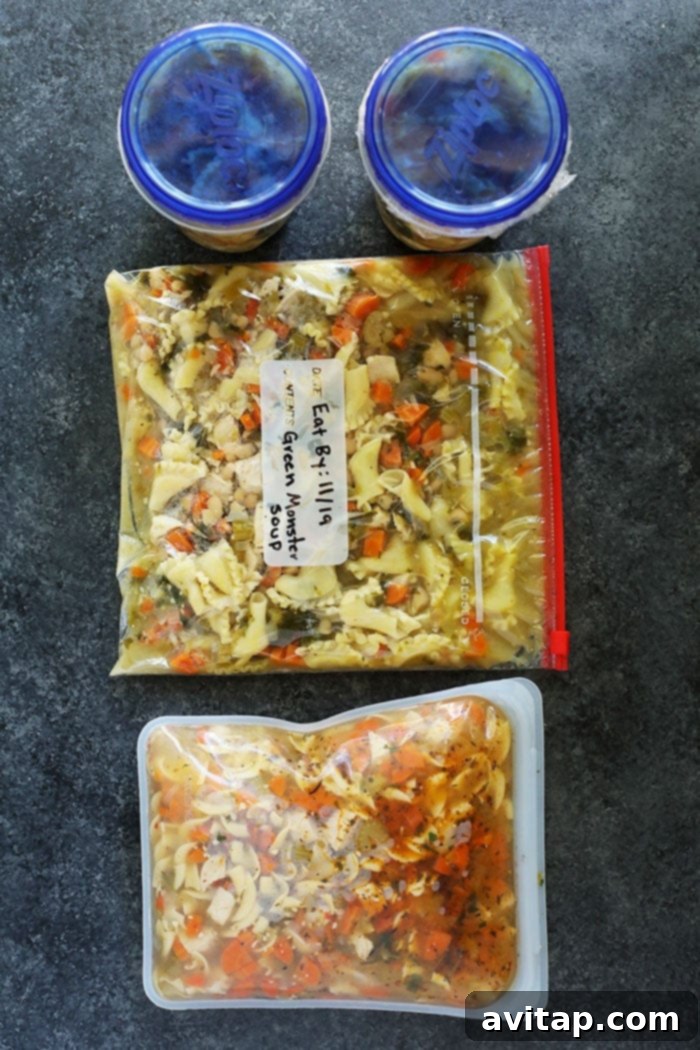
- Label Clearly: Before sealing, take a moment to label your soup with its name and the date it was prepared. This simple habit is invaluable for freezer organization and ensuring food safety, helping you track what you have and when it needs to be consumed.
- Remove Excess Air and Seal: For containers, leave about 1-2 inches of headspace to allow for expansion during freezing. For freezer bags, lay them flat and press out as much air as possible before sealing. Less air means less chance of freezer burn.
- Freeze for Optimal Storage: Place your sealed and labeled soup containers in the freezer. Properly frozen soup can be stored for up to 3 months, offering a convenient and healthy meal solution whenever you need it.
Essential Tips for Perfect Freezer-Friendly Soup
Beyond the basic steps, these expert tips will help you achieve the best possible results when freezing your homemade soups, preserving their taste and texture.
Helpful Tip #1: Undercook Your Vegetables for Freezing. If your soup recipe calls for sautéing or cooking vegetables that will be part of the final frozen soup, try to undercook them slightly. Vegetables tend to soften further during the freezing and thawing process. By undercooking them initially, you avoid them becoming mushy upon reheating, ensuring they retain a pleasant texture. Nobody likes mushy veggies!
Helpful Tip #2: Cool Down Your Soup Completely. We cannot stress this enough: the single most important thing when freezing soup is to let the soup cool completely before placing it in the freezer. Placing hot or warm soup directly into the freezer can raise the internal temperature of the freezer, potentially affecting other frozen items and leading to rapid ice crystal formation on your soup, which is a direct cause of freezer burn. Always ensure your soup is at room temperature before it goes into cold storage.
Helpful Tip #3: Leave Room for Expansion. Remember that liquid expands when it freezes. To prevent your containers from cracking or bursting, do not fill your freezer-safe container all the way to the brim. Leave a crucial 1-2 inches of space at the top of a bag or container. This small gap provides the necessary room for the liquid to expand safely.
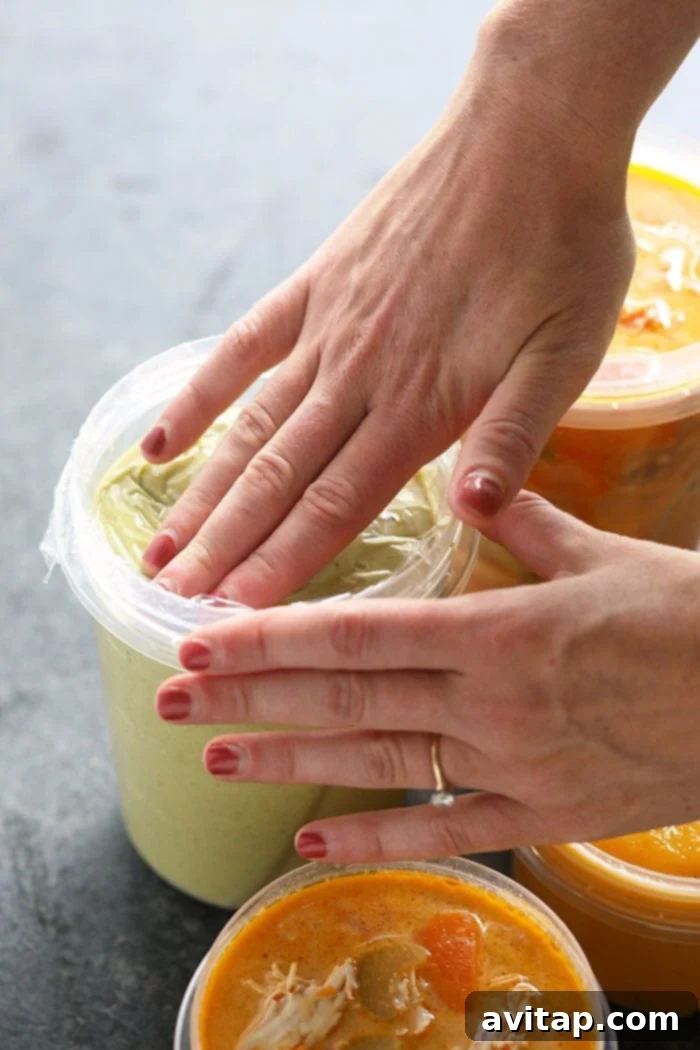
Helpful Tip #4: Prevent Freezer Burn with Plastic Wrap. For an extra layer of protection, especially when using glass or rigid plastic containers, line the top surface of the soup directly with a piece of plastic wrap before securing the lid. This creates an additional barrier against air, significantly reducing the risk of freezer burn and helping to maintain the soup’s freshness and flavor. The less air in contact with the soup, the better.
Helpful Tip #5: Don’t Forget to Label with an “Eat By” Date! This tip is paramount for good freezer management and food safety. Always label your freezer-safe container or bag with both the name of the soup and an “eat by” date. While frozen soup can typically be kept in the freezer for up to 3 months for optimal quality, clear labeling ensures you consume it within its prime window, preventing forgotten or questionable items in the back of your freezer.
Helpful Tip #6: Consider Freezing in Portions. Think about how you’ll typically eat the soup. Freezing soup in single-serving or two-serving portions makes thawing much more efficient and convenient, reducing waste if you only need a small amount. Ice cube trays can even be used for smaller, individual portions of broth or pureed soup bases.
Helpful Tip #7: Freeze Garnishes Separately. Fresh herbs, croutons, or a swirl of cream are best added *after* thawing and reheating. Freezing these elements with the soup can lead to textural degradation, making fresh additions a much more satisfying choice. Store them separately and add right before serving for maximum impact.
The Best Soups to Freeze (and Which to Approach with Caution)
While most soups can be frozen, understanding which ones excel in the freezer and which require a little extra care is key to success. The ideal candidates for freezing are generally robust and forgiving, while others might need a slight adjustment to their preparation.
The perfect soup-freezing candidate is a soup that is brothy, packed with hardy vegetables (like carrots, celery, onions, potatoes, or legumes), and protein-rich ingredients (such as shredded chicken, ground meat, or beans). These ingredients hold up exceptionally well through the freezing and thawing cycle, retaining their texture and flavor. Think hearty vegetable soups, bean soups, chili, and clear chicken or beef broths.
Soups that aren’t quite as good to freeze without modification are those containing significant amounts of dairy, or delicate starches like noodles. This isn’t to say you can’t freeze soups with dairy or noodles, but being aware of potential issues and taking precautions will yield much better results.
Can You Freeze Creamy Soups?
Freezing creamy soups can be tricky because dairy products, such as milk, cream, or cheese, tend to separate and become grainy or curdled once thawed. The fat and water components can break apart, resulting in an unappetizing texture. If you’re determined to prepare and freeze a creamy soup, we highly suggest making the soup without the cream, roux, cheese, or any other dairy thickening agents. Freeze it as a brothy base instead.
Once you are ready to enjoy the soup, thaw it out completely, gently reheat it on the stovetop, and then incorporate the dairy component right before serving. This method ensures your creamy soup retains its smooth, luxurious texture. We’ve successfully tested this approach with our crockpot chicken pot pie soup, and it turned out perfectly creamy and delicious!
Can You Freeze Chicken Noodle Soup?
Yes, you CAN freeze chicken noodle soup, but it requires some specific precautions to prevent a disappointing outcome. When noodles are frozen within a soup, they tend to absorb an excessive amount of moisture, becoming bloated, mushy, and sometimes even disintegrating during the freezing and thawing process. This can result in a soup with an unappetizing texture.
Hot tip: Prepare your noodle soup recipe just as you normally would, but leave the noodles out entirely! Freeze only the flavorful soup base (broth, chicken, vegetables). When you’re ready to serve, thaw the soup base, bring it to a simmer, and then cook fresh noodles directly in the hot soup or boil them separately and add them to each bowl just before eating. This ensures your noodles are perfectly cooked and never soggy.
What about potatoes? Soups with potatoes can sometimes become grainy or mealy after freezing and thawing due to the starch content. If possible, add cooked potatoes after reheating, or opt for sweet potatoes which tend to fare better.
Choosing the Best Containers for Freezing Soup
The right container makes all the difference in preserving your soup’s quality and ensuring easy storage. Different materials and sizes offer various benefits:
- Reusable Glass, Freezer-Safe Containers: These are often considered the best option. Glass is non-porous, meaning it won’t absorb odors or colors, and it’s generally free from chemicals found in some plastics. Look for tempered glass containers specifically labeled as freezer-safe, as regular glass can shatter at extreme temperatures.
- Freezer-Safe Gallon-Size Plastic Bags: For excellent space-saving, especially if you’re freezing larger quantities or gifting soup, these bags are ideal. They can be laid flat to freeze, making stacking easy. Just be sure to remove as much air as possible before sealing.
- Hard-Sided Plastic Containers (Tupperware): Durable and reusable, these are a convenient choice for freezing. Ensure they are explicitly labeled as “freezer-safe” to withstand the cold temperatures without becoming brittle and cracking.
- Single-Serve Containers: For individual portions, small freezer-safe containers (like 16 oz. plastic or glass containers) or small silicone stasher bags are perfect. This allows you to thaw just the right amount for one meal, minimizing waste and maximizing convenience.
- Family-Size Containers: If you’re feeding a larger group, a 32 oz. container, a large silicone stasher bag, or a gallon-size freezer bag will be more appropriate.
When selecting containers, always prioritize those designed for freezer use to prevent damage and maintain food quality. Remember to leave adequate headspace for expansion, regardless of the container type.
Explore More Make-Ahead Options: 6 Crockpot Freezer Meals
Looking for even more simple meal prep ideas to simplify your busy week? Don’t stop at soup! Check out our collection of 6 crockpot freezer meals for easy dinner ideas that can be prepared well in advance. These recipes are designed to be assembled and frozen, then simply dropped into your slow cooker when you’re ready to cook, offering maximum flavor with minimal effort.
- Slow Cooker Chicken Cacciatore
- Slow Cooker Chicken Tikka Masala
- Slow Cooker Chicken Enchilada Casserole
- Slow Cooker Chicken Noodle Soup
- Slow Cooker Chicken Pot Pie Soup
- Crock Pot Honey Garlic Chicken
How to Safely Thaw Frozen Soup
Once you’re ready to enjoy your frozen soup, the thawing process is just as important as the freezing process. Proper thawing ensures food safety and optimal texture. You have a few convenient options, depending on how much time you have:
- Refrigerator Thawing (Recommended Method): This is the safest and most recommended method, though it requires planning ahead. Simply take your frozen soup out of the freezer and place it in the refrigerator overnight, or for at least 12-24 hours, depending on the volume of the soup. This gradual thawing allows the soup to defrost slowly and evenly, minimizing bacterial growth.
- Cold Water Bath Thawing (Faster Method): If you need to expedite the thawing process, a cold water bath is an excellent option. Place your sealed bag or container of frozen soup into a large bowl or sink filled with cold water. Ensure the container is fully submerged. Change the water every 30 minutes to keep it cold. This method can thaw soup in a few hours, depending on its size. Do not use hot water, as this can encourage bacterial growth and uneven thawing.
- Microwave Thawing (Quickest Method, with Caution): While possible, we generally do not recommend defrosting any soup container in a microwave EXCEPT if it’s in a glass container. If using a microwave, remove any metal lids from glass jars and ensure the container is microwave-safe. Use your microwave’s defrost setting or set the power to a low setting (e.g., 30-50%). Microwave the soup for 5-10 minutes, checking and stirring periodically, until it has thawed enough to be transferred to a stovetop pot. Always ensure the soup is fully heated after thawing.
- Direct to Stovetop (For Brothy Soups): For some very brothy soups or those frozen in flexible bags, you can sometimes transfer the frozen block directly into a large saucepan over low heat. Add a splash of broth or water to the bottom of the pan to prevent sticking. Cover and allow the soup to gently melt, stirring occasionally until fully thawed. This method is generally not recommended for creamy or chunky soups which might scorch or thaw unevenly.
Perfecting the Reheating of Frozen Soup
Once your soup is thawed, reheating it correctly will bring it back to its delicious, comforting best. Follow these steps for an optimal experience:
We always recommend reheating your soup on the stovetop. This method allows for even heating and gives you control over the temperature and consistency. Transfer your thawed soup into a medium to large pot and reheat it over medium-low heat, stirring occasionally to prevent sticking and ensure uniform warmth.
During the freezing and thawing process, some soups may become thicker or lose a bit of their liquid content as certain ingredients absorb moisture. You’ll likely need to add some sort of liquid to achieve the desired consistency; chicken or vegetable broth is our go-to choice, but water can also work. Add liquid gradually until the soup reaches your preferred thickness.
Before serving, always give the soup a taste test. Freezing can sometimes mellow flavors, so this is the perfect opportunity to adjust seasonings. You might want to add a pinch more salt, a grind of fresh pepper, a dash of your favorite herbs, or a squeeze of lemon juice to brighten the flavors. If your original recipe called for fresh garnishes, dairy, or noodles, now is the time to add them to individual bowls for the freshest taste and best texture.
More of our Favorite Freezer-Friendly Recipes…
Best Soups for Freezing
Ready to start your freezer soup collection? These recipes are proven winners when it comes to freezing, thawing, and reheating, maintaining their delicious flavor and texture.
- Ultimate Chicken Soup: A classic comfort food that freezes beautifully, providing a hearty and healing meal.
- Taco Soup: Rich in flavor and packed with beans and meat, this soup is perfect for make-ahead meals.
- Turkey Wild Rice Soup: A wholesome and satisfying soup that retains its texture well after freezing.
- Chicken Enchilada Soup: Freeze the base and add cheese and tortilla strips fresh upon serving for a vibrant meal.
- Instant Pot Lentil Soup: Lentils hold up exceptionally well to freezing, making this a fantastic plant-based freezer option.
Freezing soup is an invaluable technique for anyone looking to eat healthier, save time, reduce food waste, and enjoy the convenience of homemade meals. By following these guidelines for preparation, storage, thawing, and reheating, you can confidently stock your freezer with a delicious array of soups, ensuring a comforting and nutritious meal is always just a few steps away. Happy freezing!