
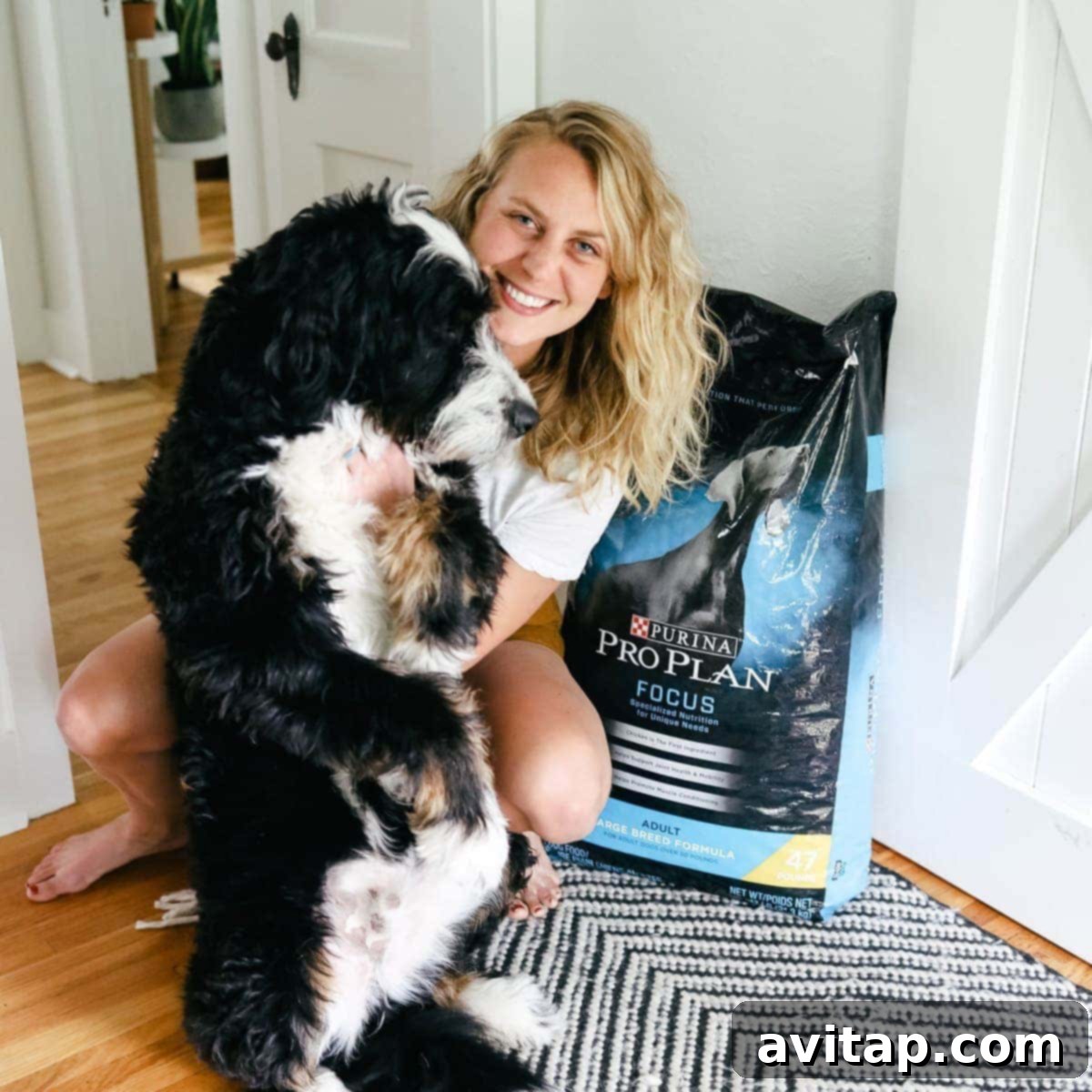
Ensuring your canine companion receives optimal nutrition is paramount for their health and happiness. Today, we delve into the world of dog nutrition with a leading expert, Purina’s Chief Veterinary Officer, Dr. Kurt Venator. This insightful conversation highlights why selecting the right food is one of the most crucial decisions a pet parent can make, impacting everything from a dog’s energy levels to their long-term well-being. Getting expert advice on pet nutrition is a unique opportunity, and we’re excited to share these valuable insights to help you make informed choices for your beloved four-legged family member.
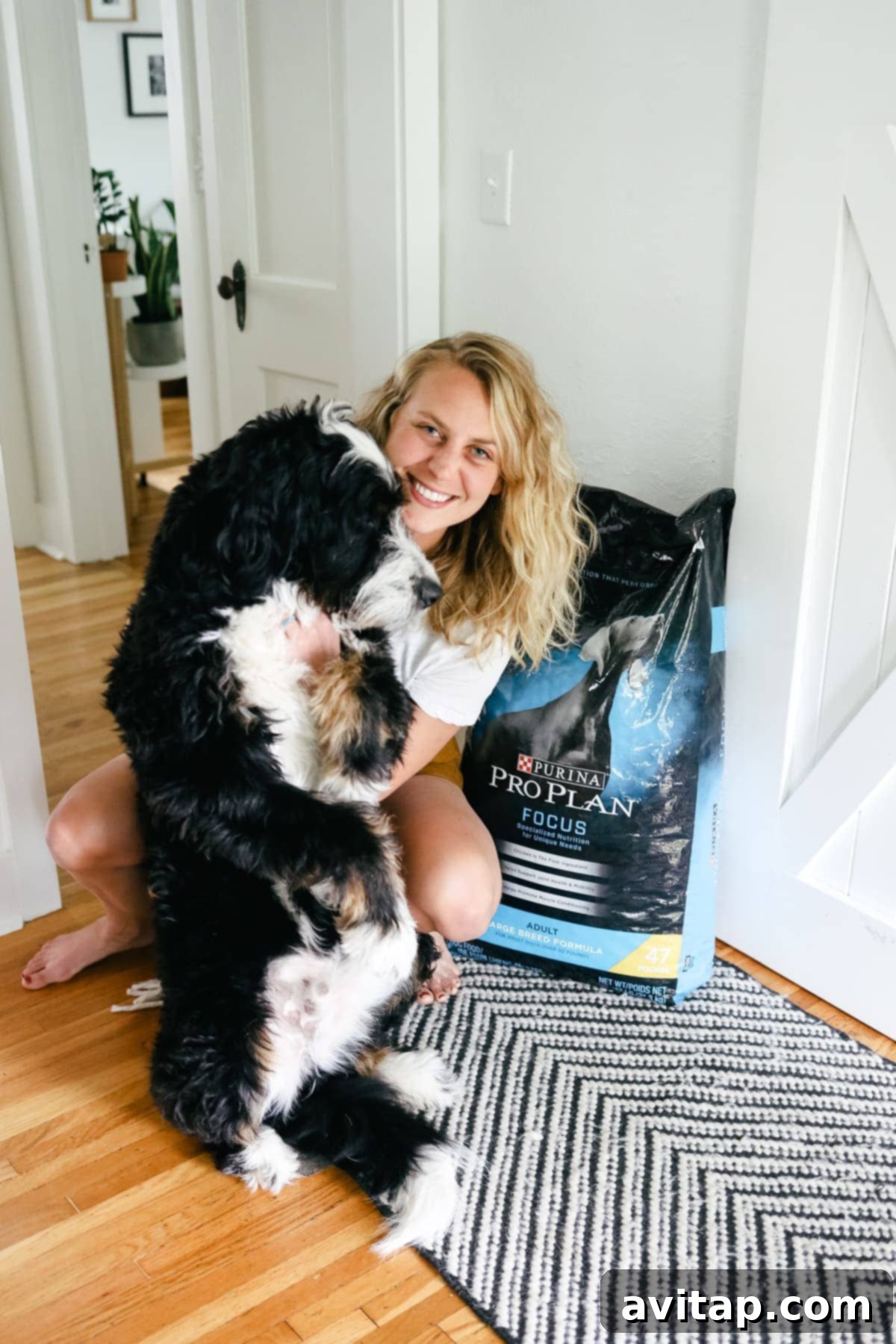
Meet Jasper: Our Beloved Bernedoodle
Becoming a dog parent has truly enriched my life in countless ways. My partner, Mark, and I welcomed our wonderful Bernedoodle, Jasper, into our home in May of 2019, and he has effortlessly become an indispensable part of our family. This magnificent 80-pound Bernedoodle possesses an incredibly sweet and gentle demeanor, making him an absolute joy to have around. His presence brings an undeniable warmth and energy to our daily lives.
Jasper ensures we embrace the outdoors, regardless of the weather – even when temperatures plummet to a chilly -20ºF! He has an innate ability to sense our emotions, offering comforting nudges and requests for pets when we’re feeling down. His quirky antics, like when he dreams on his back with his paws twitching, never fail to bring a smile to our faces. He truly embodies the unconditional love and companionship that only a dog can offer.
Our journey with Mr. Jasper, who recently celebrated his first birthday in March, has certainly been eventful, especially concerning his health. As first-time adult dog owners, we honestly didn’t anticipate the frequent trips to the veterinarian during his initial year. However, it was during this period that we were introduced to Purina Pro Plan, which has proven to be an absolute lifesaver in resolving his persistently sensitive stomach issues. Discovering a nutritional solution that genuinely helped our furry friend was a monumental relief and solidified our trust in the brand. This experience underscored the critical importance of specialized nutrition for dogs with specific health needs.

Why Purina Pro Plan Stands Out for Canine Nutrition
Purina Pro Plan has become our unequivocal top choice for Jasper’s nutrition, and for a multitude of compelling reasons that extend far beyond his obvious love for its taste. This brand offers a level of confidence and quality that every pet parent seeks, anchored by robust scientific research and veterinary endorsement. It’s not just food; it’s a commitment to superior canine health.
- Extensive Research: Backed by over 85 years of pioneering nutritional research, Purina Pro Plan’s formulas are developed with a deep understanding of canine biology and dietary needs. This long-standing commitment to science ensures that every product is formulated based on the latest advancements in pet nutrition.
- Expert Formulations: The brand benefits from the collective expertise of over 400 dedicated Purina scientists, including veterinarians, nutritionists, and animal behaviorists. This multidisciplinary team works tirelessly to create recipes that not only meet but exceed the nutritional requirements of dogs at every life stage.
- Veterinarian Recommended: Purina Pro Plan consistently earns recommendations from veterinary professionals nationwide. This endorsement from trusted experts provides invaluable peace of mind for pet owners, assuring them they are making a wise and healthy choice for their dog.
- High-Quality Ingredients: A cornerstone of Purina Pro Plan’s philosophy is the use of high-quality ingredients, carefully selected for their nutritional value and digestibility. These premium ingredients contribute to optimal nutrient absorption, supporting everything from a healthy coat and strong muscles to a robust immune system.
One of the most impressive aspects of Purina Pro Plan is its incredibly diverse product line, designed to cater to dogs of every size, age, and with virtually any health consideration. From specialized formulas for puppies and seniors to options tailored for weight management, joint health, skin sensitivities, and more, they truly offer a targeted solution for nearly every imaginable health need. This extensive variety ensures that you can find a food specifically engineered to support your dog’s unique physiological requirements.
Jasper’s own journey perfectly illustrates this versatility. He has thrived on an array of Purina Pro Plan products, ranging from the prescription-only EN formula, which was crucial during his periods of illness for digestive support, to a beneficial probiotic supplement, and now a specially formulated large breed kibble. The most reassuring part of this journey was that our veterinarian recommended Purina Pro Plan for Jasper even before we were personally familiar with the brand. This independent professional endorsement truly solidified our decision and instilled profound confidence in choosing this brand as the cornerstone of Jasper’s health and diet.
I must admit, I was quite apprehensive about transitioning Jasper from his specialized prescription food back to a regular adult formula. However, the process was remarkably smooth and stress-free. Jasper is now officially enjoying Purina Pro Plan’s Adult Large Breed Formula Focus, and he absolutely devours every single bite with enthusiastic delight. Cue the happy dance – it’s incredibly satisfying to see him so healthy and enjoying his meals!
Given my deep passion for Jasper’s well-being – I proudly embrace the title of “crazy dog mom” – and the incredible opportunity I had to speak directly with a Purina veterinarian about the complexities of choosing the right dog food, I felt compelled to share these invaluable insights with all of you. Understanding the science and expert advice behind canine nutrition is crucial, and I hope these answers empower you to make the best decisions for your furry friends.
Discover Personalized Nutrition with Pro Plan’s myPlan Tool
Navigating the vast array of dog food options can be overwhelming. To simplify this process and help you find the perfect nutritional match for your pet, Purina Pro Plan offers an innovative resource. Access Pro Plan’s myPlan tool here. This user-friendly online quiz is designed to gather key information about your dog, including their age, breed, activity level, and any specific health concerns. Based on your responses, the tool provides personalized recommendations for the ideal Purina Pro Plan formula, ensuring your canine companion receives tailored nutrition for their unique needs. It’s an excellent starting point for pet parents seeking customized dietary advice without the guesswork.

Expert Answers: Q&A with Purina Vet, Dr. Kurt Venator
When is the ideal time to transition a dog from puppy formula to adult dog food?
The transition from puppy food to adult dog food is a critical milestone in your dog’s development, as their nutritional requirements evolve significantly with age. Puppies, undergoing rapid growth and development, necessitate a diet exceptionally rich in protein to support muscle development and overall growth. Furthermore, they require specific nutrients like DHA (Docosahexaenoic Acid) which is crucial for healthy brain and vision development. Supplying these specialized nutrients during their formative months is essential for laying the foundation for a healthy adulthood.
To accurately determine when your puppy is ready for an adult diet, a comprehensive assessment of both their age and anticipated adult breed size is necessary. These two factors are key indicators of their physical maturity and metabolic needs.
Pro Tip for Puppy Transition
The universally accepted guideline is to continue feeding a puppy-specific formula, expertly designed to meet the intense nutritional demands of growing canines, until your dog reaches approximately one year of age. However, for larger and giant dog breeds, which mature at a slower pace, this transition period can extend up to two years. Prematurely switching to adult food can deprive these larger breeds of vital nutrients necessary for proper skeletal development, potentially leading to orthopedic issues later in life. Always consult your veterinarian for breed-specific advice and monitor your dog’s growth and weight to ensure a smooth and appropriate dietary transition.
Why might my dog be a picky eater, and what can I do about it?
A dog becoming selective about their food can be a source of frustration for many pet parents. There are several common reasons behind this behavior, each requiring a different approach:
- Too Much Variety Leading to Anticipation: One prevalent cause is inadvertently encouraging pickiness by offering a wide array of foods or frequently changing their diet. Dogs are intelligent creatures and can quickly learn that refusing their regular meal might lead to a more desirable, novel offering. This habit can create an expectation of constant culinary excitement, making them less enthusiastic about their staple food. Some dogs might eagerly consume a particular food for a few days, only for their enthusiasm to suddenly wane as they hold out for something “better.” Establishing a consistent feeding routine and sticking to a primary, complete, and balanced food can help curb this behavior.
- Digestive Discomfort and Calorie Regulation: Sometimes, a dog’s refusal to eat is not about pickiness but an instinctive attempt to manage their calorie intake or alleviate internal discomfort. Just like humans, dogs can experience an uncomfortable feeling after overeating. They might naturally try to relieve this discomfort by eating very little or entirely skipping meals for a day or two. This self-regulation is often a sign that their portion sizes might be too large, or they could be experiencing mild digestive upset from other sources (e.g., too many treats).
- Underlying Health Issues: Ask Your Veterinarian: If your dog is typically a good eater and you’ve been diligent about not fostering “problem eater” habits, any sudden or significant deviation from their normal eating patterns warrants immediate attention from your veterinarian. A loss of appetite or unusual pickiness can often be an early indicator of an underlying illness, dental problems, or other health concerns that require professional diagnosis and treatment. Never dismiss a sudden change in eating habits as mere fussiness without a vet check, especially if accompanied by other symptoms like lethargy, vomiting, or diarrhea.
To manage a picky eater, try setting specific meal times and removing any uneaten food after 15-20 minutes. Avoid offering table scraps or excessive treats between meals, as this can spoil their appetite for their main diet. Consistency and patience are key.
My dog isn’t motivated by food during training. What else can I use?
Just as human beings are driven by a diverse range of incentives, so too are dogs. It’s a common misconception that all dogs are equally food-motivated. While many dogs readily respond to food treats as rewards, others might find different forms of positive reinforcement far more compelling. For some canines, a delicious treat is the ultimate motivator, sparking immediate interest and compliance. For others, the thrill of chasing and retrieving a favorite ball, engaging with a disc, or even a session of vigorous tug-of-war might be far more stimulating and rewarding. The key to successful training lies in understanding your individual dog’s preferences.
When you’re embarking on the journey of teaching your dog a new skill or command, take the time to observe and identify what truly excites them. Experiment with various types of rewards – soft treats, crunchy kibble, high-value human-grade foods (in moderation and pet-safe), different toys, or even just enthusiastic verbal praise and petting. Once you discover what truly captures their attention and motivates them, consistently integrate that into your training regimen as a reward for their effort and correct responses. Tailoring your reinforcement strategy to your dog’s specific drives will significantly enhance their learning experience, make training more enjoyable for both of you, and foster a stronger bond.
How does a dog’s ideal macronutrient balance differ from a human’s ideal macronutrient balance?
Interestingly, the fundamental nutritional balance required for optimal health in dogs and humans shares significant similarities at a conceptual level. Both species depend on receiving the correct quantities and proportions of nutrients from six essential groups to thrive: water, protein, fat, carbohydrates, minerals, and vitamins. These macronutrients and micronutrients are the building blocks and fuel sources for all bodily functions, from cellular repair to energy production.
The primary distinction lies in how these nutrients are acquired and the specific ratios best suited for each species’ physiology. For humans, our nutrient intake is typically diverse, drawn from a wide array of food and beverage sources, and often involves complex meal planning to achieve balance. We consume varying diets based on cultural preferences, availability, and individual health goals.
In contrast, reputable commercial dog foods, especially those explicitly identified as “100% complete and balanced,” are meticulously formulated to contain all of these required nutrients (with the exception of water, which must always be provided separately). These formulations are developed based on extensive research into canine nutritional science, ensuring that every meal provides the precise ratios of proteins, fats, carbohydrates, vitamins, and minerals necessary for a dog’s specific life stage, breed size, and activity level. While the basic components are similar, the engineered completeness of quality dog food distinguishes it from the often varied and incomplete daily diet a human might consume from a single meal. This formulation ensures that your dog receives consistent, optimal nutrition without the need for complex meal preparation or supplementation, assuming it’s a high-quality, vet-recommended food.
Is dry or canned/wet food better for my animals?
When it comes to the choice between dry kibble and canned (wet) food for your pet, it’s important to understand that neither is inherently “better” than the other, provided that the food you select is complete and balanced. Both forms of food offer distinct benefits and cater to different needs and preferences.
For cats, which are often described as “neophiliacs” (meaning they enjoy trying new things), dietary variety can be particularly important to prevent boredom and ensure continued interest in their meals. Cats might become finicky if they are fed the exact same food in the exact same way day in and day out. Offering a mix of wet and dry cat food – either combined in a single meal or presented at separate mealtimes – is an excellent strategy. This approach not only introduces texture and flavor variety but also helps ensure adequate hydration, which is especially beneficial for feline urinary health.
For dogs, the decision process can feel overwhelming given the sheer number of options available. A practical first step is to consider which form of dog food best suits your dog’s lifestyle, health, and individual preferences, as well as your own convenience and budget.
Benefits of Dry Dog Food:
- Dental Health: The abrasive action of crunching kibble can help reduce plaque and tartar buildup on teeth, contributing to better oral hygiene.
- Cost-Effectiveness: Dry food is generally more economical per serving than wet food.
- Convenience and Shelf Life: It’s easier to store, less messy, and has a longer shelf life once opened.
- Portion Control: Measuring dry kibble is straightforward, aiding in weight management.
Benefits of Wet Dog Food:
- Hydration: Wet food has a high moisture content, which is beneficial for dogs that don’t drink enough water or those with urinary tract issues.
- Palatability: Its rich aroma and softer texture often make it more appealing to picky eaters, senior dogs with dental issues, or dogs recovering from illness.
- Variety: Wet food often comes in a broader range of flavors and protein sources, offering more dietary excitement.
- Digestibility: Some wet foods can be easier for dogs with sensitive stomachs to digest.
Whether you ultimately choose to feed your dog wet dog food, dry kibble, or even a soft-dry hybrid, it is absolutely crucial to always read the packaging labels thoroughly. This ensures you fully understand the ingredients, nutritional analysis, and feeding guidelines. Always confirm that the chosen food is explicitly labeled as “100% complete and balanced,” which signifies it provides all the essential nutrients your dog needs without additional supplements. Furthermore, examine the ingredient list for high-quality, identifiable ingredients. Before making a final purchase, it is always a wise decision to consult your veterinarian. Their professional advice can help you confidently select a food that is perfectly suited to your dog’s specific health profile, breed, age, and activity level, ultimately contributing to their long-term happiness and well-being.
How important is variety in your pet’s diet? Is it better to change his food once in a while or have them eat the same food?
The role of variety in a dog’s diet is a topic often discussed among pet owners. While it is perfectly acceptable and often recommended for your dog to consume the same complete and balanced food on a daily basis without issues, some dogs, much like humans, can indeed grow bored with monotonous meals and consequently develop into picky eaters. For most dogs, a consistent diet helps maintain digestive stability.
However, introducing controlled variety can offer benefits. If you wish to provide your dog with some dietary excitement without drastically altering their main diet, there are several safe and effective strategies:
- Occasional Wet Food: A popular and easy method is to offer a wet food product occasionally as a topper or as a standalone treat. Wet foods are typically available in a wide variety of protein sources and textures, which can be very appealing to dogs. This provides a burst of new flavor and moisture without requiring a complete switch in their primary kibble.
- Rotating Protein Sources: Another excellent approach is to rotate the primary protein source within the same trusted food formula or brand. For instance, if your dog is accustomed to a chicken-based dry food, you could switch to a beef or salmon-based formula from the same brand after a transition period. This ensures that the overall nutritional balance and quality remain consistent, minimizing the risk of digestive upset, while still introducing new flavors and potentially different amino acid profiles.
Purina Pro Plan, understanding this need for selective variety, offers a diverse range of formulas where different high-quality proteins are listed as the #1 ingredient, such as beef, chicken, or salmon. This makes it straightforward for pet parents to introduce variety in a controlled and nutritionally sound way, ensuring their dogs remain engaged with their meals while receiving consistent, balanced nutrition. When introducing any new food or rotating proteins, always do so gradually over several days to allow your dog’s digestive system to adjust, thus preventing stomach upset.
Disclaimer: This post is sponsored by Purina Pro Plan. We were compensated for sharing our experiences and insights, and all opinions expressed are genuinely our own. We are committed to recommending products we truly believe in and that have positively impacted our pet’s life. Thank you for supporting Fit Foodie Finds and the brands that make our content possible!