
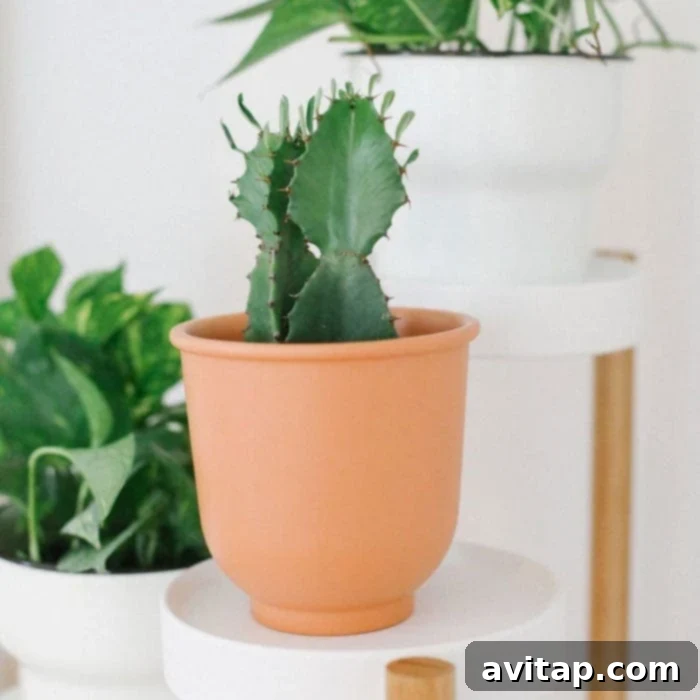
Over the past three years, my home has transformed into a vibrant sanctuary filled with lush greenery. What began as a budding interest has blossomed into a profound passion for indoor plants. These living companions bring an undeniable sense of happiness and tranquility into my daily life, breathing vitality into every room. Beyond their aesthetic appeal, houseplants significantly contribute to a healthier indoor environment by enhancing air quality, and I genuinely believe they possess a unique ability to uplift spirits and improve overall well-being.
If you’re ready to invite the joy of nature into your home, you’re in the right place. This comprehensive guide will walk you through the best indoor plants for beginners, offering practical advice to help you nurture your very own thriving green oasis.
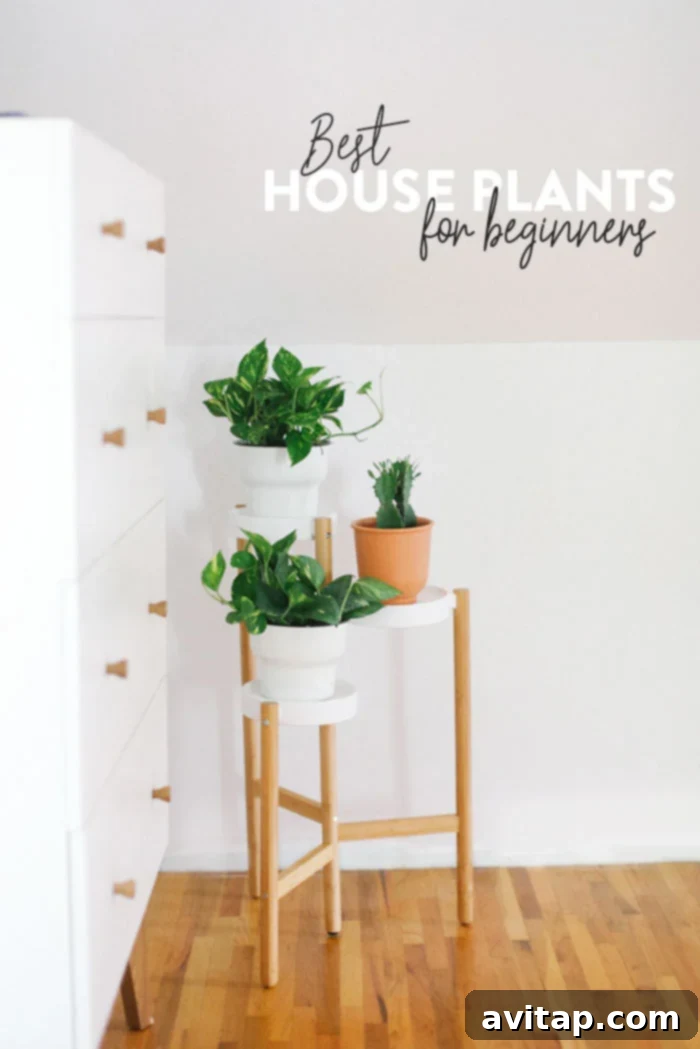
The Ultimate Guide to Easy Indoor Plants for Beginners: Nurture Your Green Oasis
Embracing the Green: My Personal Journey into Houseplant Parenthood
My journey into the world of plants has been a fascinating and rewarding adventure, one I’ve frequently shared on platforms like Instagram. Interestingly, I sometimes receive more questions about plant care than about my food and health-related content! It seems I’ve cultivated a community of fellow plant enthusiasts, and I absolutely love it. Initially, I wouldn’t have dared to call myself a plant expert, but after successfully keeping the majority of my plants thriving for over three years, I consider that a significant personal victory.
Don’t misunderstand; my path hasn’t been without its casualties. I’ve certainly lost my fair share of plants along the way. However, one invaluable lesson I’ve learned is that practice truly makes progress, especially in gardening. Becoming a successful plant parent is an iterative process that requires hands-on experience. This means you might lose a few plants initially, but each loss becomes a crucial learning opportunity. Through these experiences, you’ll intuitively learn critical skills: how to gauge when and how much to water, how different plants respond to their environment, and just how much joy a vibrant, healthy plant can bring into your life.
In fact, the experience of a struggling plant might be the very nudge you need to visit your local greenhouse. These havens of horticulture are staffed by knowledgeable experts eager to answer every question you might have about the plants you’re considering. Arming yourself with information at the point of purchase is one of the best ways to ensure your new green friends receive the best possible care from day one. Beyond local expertise, the internet is an endless resource. You’ll likely find yourself Googling a multitude of plant-related queries, from identifying common pests to understanding specific light requirements. Each search will organically expand your understanding and confidence, transforming you into a more capable and informed plant parent over time.
Top Indoor Plants for Beginners: Your Gateway to a Thriving Home Garden
Today, I’m thrilled to share my top recommendations for the most forgiving and beautiful houseplants, perfect for anyone just starting their green journey. The most common question I receive is, “How do I avoid killing my plants?” This is an excellent and incredibly practical question, as many factors contribute to a plant’s survival. Plants can succumb to overwatering, underwatering, insufficient or excessive sunlight, abrupt changes in room temperature, or drastic shifts in humidity levels. Understanding these environmental needs is key to success.
Given these challenges, I’ve curated a list of the best indoor plants that are renowned for their resilience and adaptability, making them ideal for aspiring plant enthusiasts. You’ll notice that many of these suggestions are considered low-light plants or varieties that don’t demand constant direct sun exposure, simplifying their care even further. Let’s dive into these beginner-friendly options and help you cultivate your flourishing indoor garden!
Succulents: Low-Maintenance Beauties
If you’re searching for your very first indoor plant, succulents are an absolutely fantastic choice. They are not only remarkably gorgeous with their diverse shapes and textures but also incredibly easy to keep alive – or, perhaps more accurately, remarkably hard to kill! The world of succulents offers an astonishing variety, from the classic Echeveria to the unique Haworthia and Sedum. These resilient plants require minimal watering, thriving on neglect rather than constant attention. Their primary requirement is bright, indirect light. A tell-tale sign that your succulent needs more light is if it starts to stretch vertically, a phenomenon known as etiolation, as it seeks out a light source. Simply move it to a brighter spot, and it will often recover beautifully.
Explore detailed care guides for a wide variety of succulents HERE. Ready to start your collection? You can find an amazing selection of succulents on Amazon PRIME HERE.
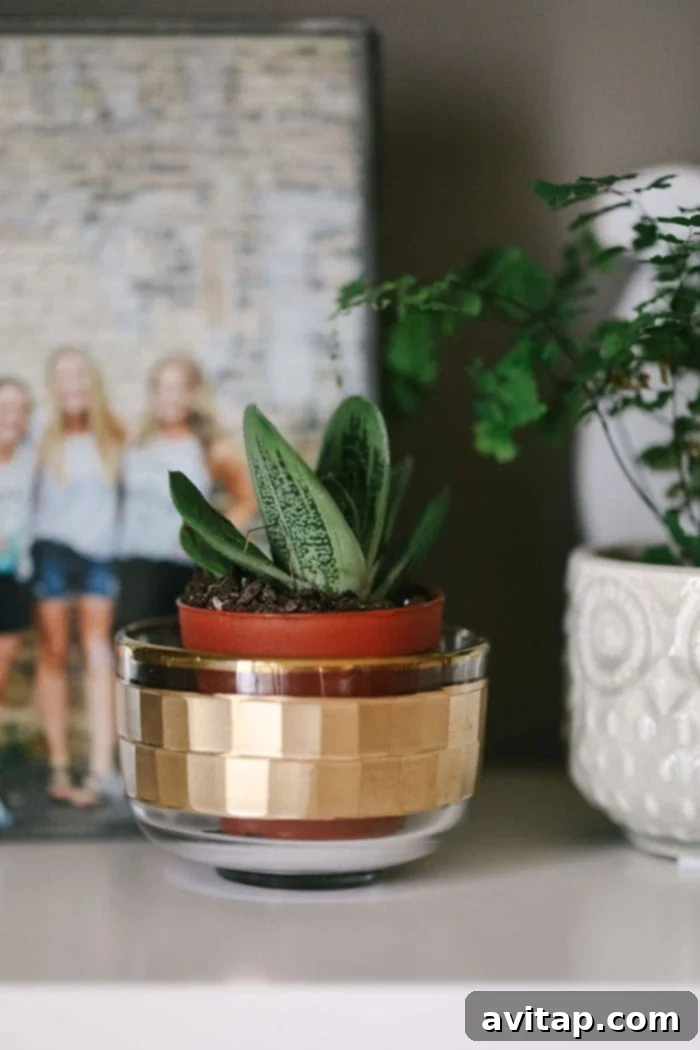
Cacti: Spiky, Stylish, and Simple
Following closely behind succulents in terms of ease of care, cacti are excellent self-sufficient houseplants for beginners. These desert dwellers are masters of survival, demanding very little water and attention, making them ideal for busy individuals or those prone to forgetting to water. Beyond their low-maintenance nature, cacti add a unique, trendy, and often quirky aesthetic to any indoor space. From small, spherical varieties to taller, columnar types, there’s a cactus to suit every taste. Just be mindful of their spines!
Learn more about how to care for various cacti species HERE. To purchase your own stylish cactus online, check out options on Amazon HERE.
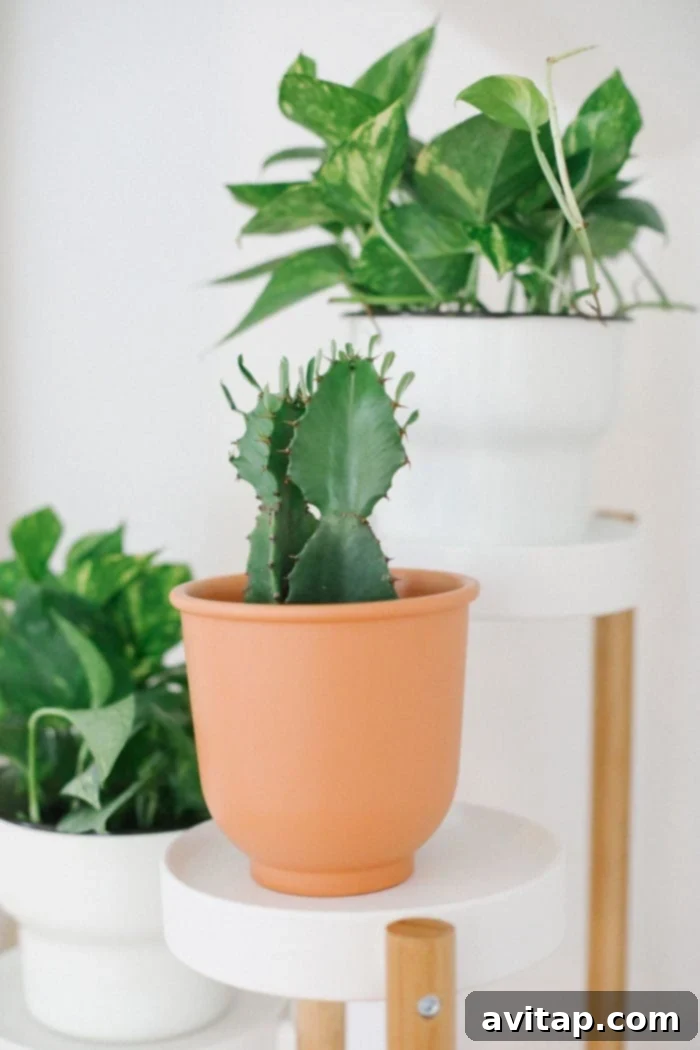
Pothos: The Versatile Vining Wonder
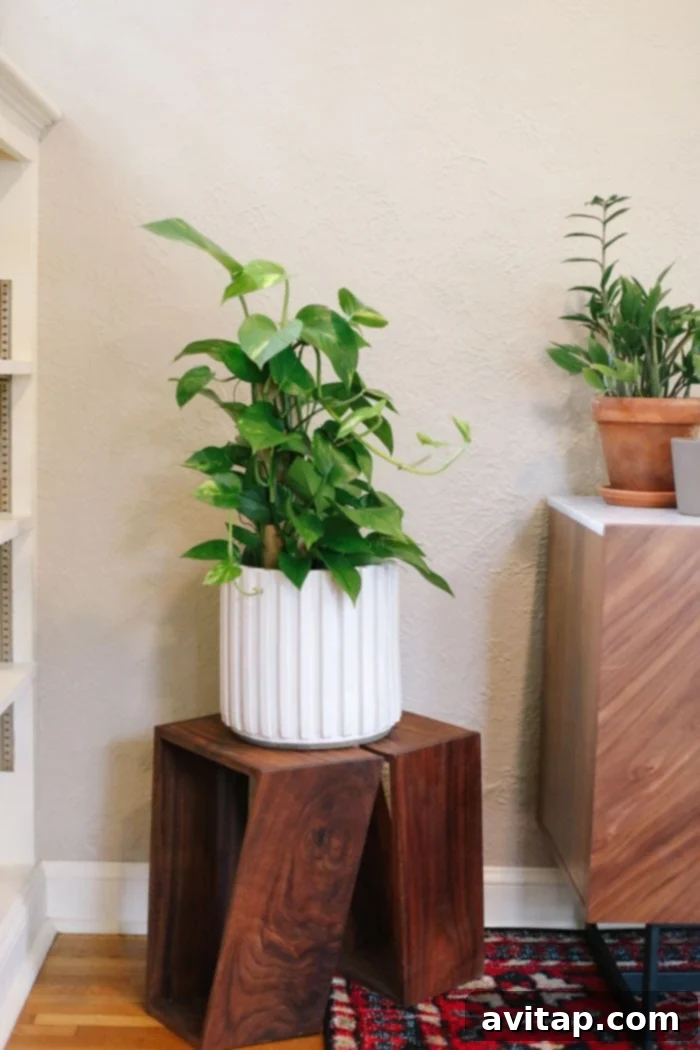
Pothos, often called “devil’s ivy,” are incredibly popular and rightfully so. These vibrant, vine-y, and leafy beauties are superb indoor plants that effortlessly add a touch of lush color and dynamic texture to any room. Their trailing nature makes them perfect for hanging baskets or shelves where their foliage can cascade gracefully. Pothos plants are remarkably hearty and forgiving, tolerating a range of conditions that would challenge many other houseplants. They are known for their resilience, making them an excellent choice for anyone new to plant care. If they’re happy, they will grow and grow, producing long, beautiful vines that can transform your space.
Pro Tip for Pothos Propagation: One of the most rewarding aspects of owning a Pothos is how easy it is to propagate! When your Pothos vines become long, simply snip off a few healthy stems, ensuring each cutting has at least one or two leaves and a node (the small bump on the stem where a leaf emerges). Place these cuttings into a glass of water, ensuring the nodes are submerged. Within a few weeks, you’ll notice roots developing. Once the roots are a couple of inches long, you can gently transfer these new plantlets into soil, and just like that, you’ve got yourself a brand new Pothos plant, expanding your green collection for free!
Discover detailed instructions on how to care for your Pothos plant HERE. If you’re looking to purchase a Pothos online, you can find a variety of options HERE.
Snake Plant (Sansevieria): Air-Purifying Elegance
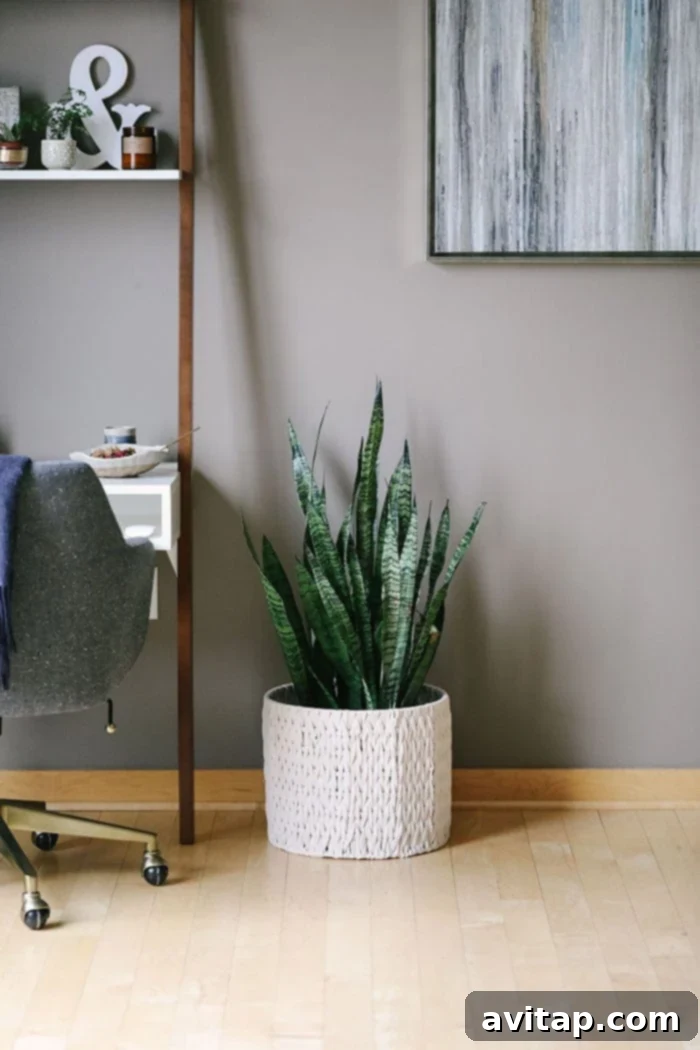
The Snake Plant, also known by its striking botanical name Sansevieria trifasciata or colloquially as “mother-in-law’s tongue” due to its sharp, dagger-like leaves, is a true powerhouse among indoor plants. It is highly celebrated for its exceptional air-purifying qualities, particularly its unique ability to convert carbon dioxide into oxygen at night, making it an excellent bedroom companion. Its tall, upright, and often variegated leaves add a sophisticated, architectural element to any space, effortlessly greening up your home with minimal effort. What makes the Snake Plant a dream for beginners is its incredible resilience; it tolerates a wide range of conditions and doesn’t demand a lot of water or bright light to merely survive, let alone thrive. It’s truly a “set it and forget it” kind of plant.
Gain deeper insights into the care and benefits of the Snake Plant HERE. To bring this elegant and beneficial plant into your home, you can conveniently purchase a Snake Plant online HERE.
ZZ Plant (Zamioculcas zamiifolia): The Resilient Survivor
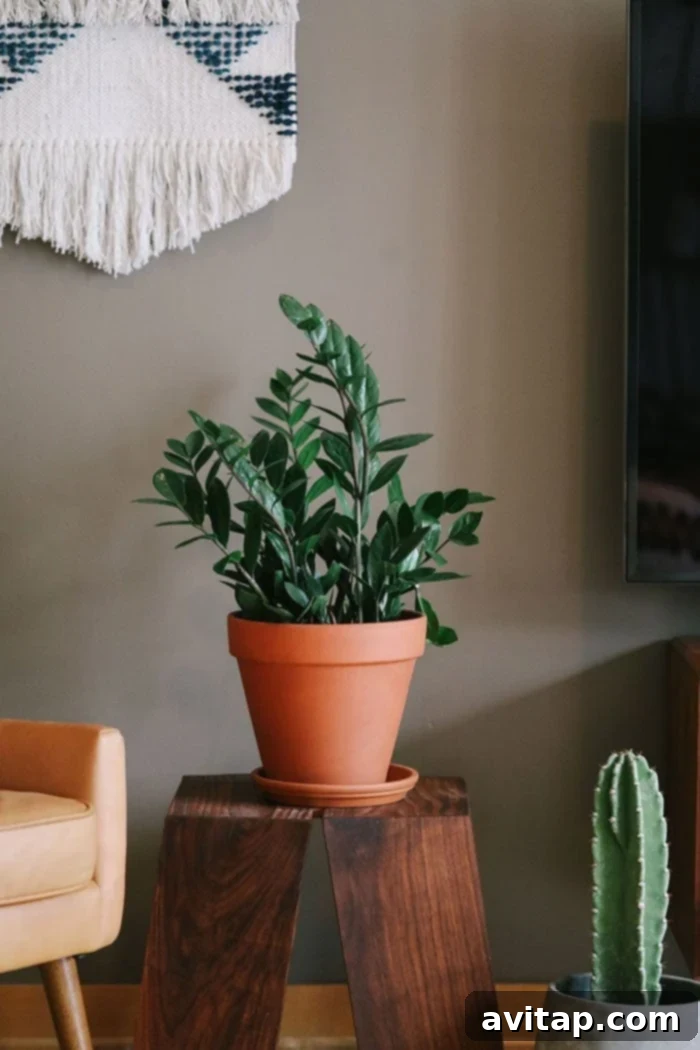
The ZZ Plant, or Zamioculcas zamiifolia, is a wonderfully unique and incredibly robust houseplant that has earned its reputation as one of the hardest-to-kill plants available. Its distinctive, waxy, dark green leaves grow on thick, upright stems, giving it a somewhat sculptural appearance. This plant is often praised for its ability to thrive in a wide range of lighting conditions, from bright, indirect light to surprisingly low-light environments, making it incredibly versatile for various spots in your home. ZZ Plants are drought-tolerant, preferring to be watered sparingly, typically about twice a month or whenever the soil has completely dried out. The key to keeping a ZZ Plant happy and healthy is to avoid overwatering, as this is the most common cause of problems for this resilient species. With minimal care, the ZZ Plant will reward you with its vibrant foliage and easy-going nature.
Dive deeper into the fascinating world of the ZZ Plant and discover more reasons to love it HERE. You can easily purchase your own hardy ZZ Plant on Amazon PRIME HERE.
Ivy: Classic Charm and Graceful Trailing
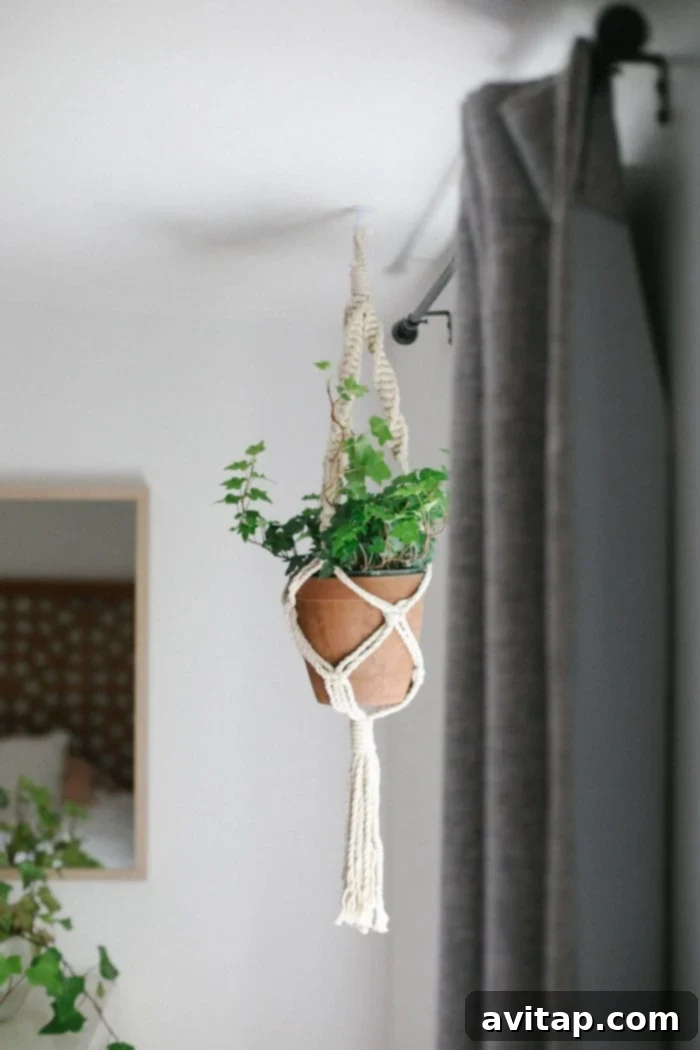
Ivy, particularly English Ivy (Hedera helix), stands out as one of my favorite types of indoor plants due to its elegant, drapey leaves and impressive endurance. Its classic charm brings a timeless appeal to any interior, whether it’s trailing from a hanging basket, climbing a small trellis, or spilling over the edge of a shelf. Ivy varieties are quite resilient and can adapt to different indoor conditions, but they truly thrive in bright, indirect light. They prefer their soil to dry out completely between waterings, so it’s crucial to resist the urge to overwater. Allowing the soil to become too soggy is the most common pitfall for Ivy care, leading to root issues. With proper light and a careful watering schedule, your Ivy will flourish, adding a touch of graceful greenery to your home.
For comprehensive guidance on indoor Ivy care, read up HERE. And yes, you can conveniently purchase beautiful Ivy plants online HERE!
Jade Plant (Crassula ovata): A Symbol of Good Fortune
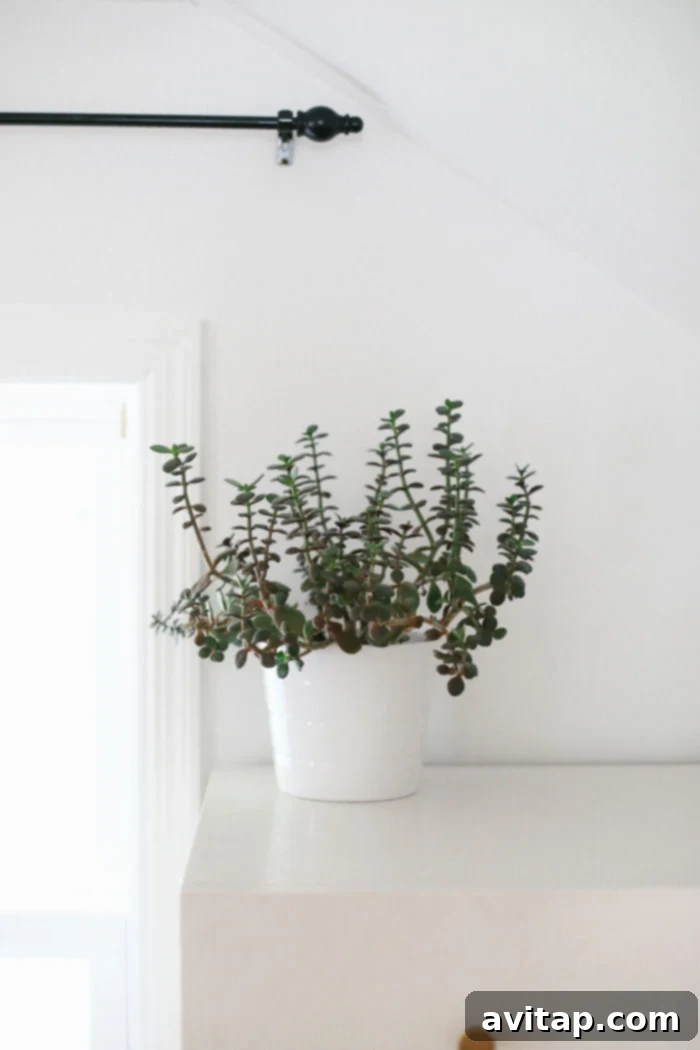
The Jade Plant is a truly remarkable succulent that holds a special place in my heart, as it was literally the very first plant I purchased three years ago. What’s even more impressive? It’s still alive and thriving! I even bought it from Ikea, proving that even budget-friendly plants can have incredible longevity. My Jade Plant has done exceptionally well in various locations around my home, tolerating low light conditions and requiring very little water. It’s surprisingly fickle, meaning it adapts well to being moved and to different environmental nuances, which is a fantastic trait for a beginner plant. With its thick, woody stems and plump, glossy leaves, the Jade Plant is not only beautiful but also considered a symbol of good luck and prosperity in many cultures, making it an ideal housewarming gift or addition to your own collection.
To learn more about the best practices for Jade Plant care and ensure its continued health, explore this informative guide HERE. If you’re ready to invite this resilient and symbolic plant into your home, you can purchase a Jade Plant online HERE.
Essential Houseplant Care Tips: Keeping Your Green Friends Thriving
Successfully nurturing your houseplants goes beyond choosing the right species. Understanding fundamental care practices will significantly increase your chances of having a thriving indoor garden. Here are some essential tips to help prevent common pitfalls and keep your plants happy and healthy:
1. Master the “Finger Check” Before Watering: While specific watering schedules like “twice a month” can be helpful guidelines, the best approach is always to check the soil moisture directly. Stick your finger an inch or two into the soil. If it still feels moist, resist the urge to water. Overwatering is a leading cause of plant demise, so always wait until the soil feels mostly dry before reaching for the watering can. Each plant’s needs can vary based on season, humidity, and pot size.
2. Understand Sunlight: Morning vs. Afternoon Sun: Not all sunlight is created equal. Morning sun is generally gentler and less intense, making it ideal for many plants that enjoy bright, indirect light. Afternoon sun, especially during warmer months, can be much harsher and more direct. If your plant is exposed to direct afternoon sun, its leaves may get scorched or “burned,” indicated by brown, crispy spots. Position plants that prefer bright light in east-facing windows for morning sun, or filter harsh afternoon light with sheer curtains.
3. Prevent Root Rot with Proper Drainage: Root rot is a common and often fatal issue caused by stagnant water around the roots, typically when a pot lacks adequate drainage or a plant is consistently overwatered. Signs include dull, yellowing, or mushy leaves. Always ensure your pots have drainage holes at the bottom. Adding a layer of pebbles or broken pot pieces at the bottom of a pot without drainage holes is a common myth; it doesn’t prevent root rot, but rather raises the water table. The best solution for pots without drainage is to keep your plant in its nursery pot (the plastic container it came in) and place that inside your decorative pot. This allows you to easily remove the plant for thorough watering and drainage, ensuring no excess water sits around the roots.
4. The Nursery Pot Trick: Keep Plants in Their Original Containers: This simple yet revolutionary trick has saved many of my plants. When you purchase a new plant, do NOT immediately repot it into a larger, decorative pot. Instead, simply place the plant, still in its original plastic nursery container, directly into your chosen decorative pot. This strategy offers several benefits: the nursery pot provides excellent drainage, it’s easier to check soil moisture, and you can conveniently remove the plant for watering, allowing excess water to drain completely before returning it to its decorative holder. Repotting is a stressful event for plants, so saving it for when the plant is truly root-bound is a kinder approach.
5. Monitor Humidity and Temperature: Most indoor plants thrive in consistent temperatures (around 65-75°F or 18-24°C) and moderate to high humidity. Avoid placing plants near drafts from windows, doors, or heating/cooling vents, which can cause sudden temperature fluctuations and dry them out. If your home is particularly dry, consider grouping plants together to create a microclimate or using a pebble tray with water, or even a humidifier, especially for tropical varieties.
6. Understand Fertilizing Needs: While not immediately critical for beginners, knowing when and how to fertilize can boost your plant’s growth. Most houseplants benefit from light fertilization during their active growing season (spring and summer), typically once a month or less, depending on the plant. Always dilute fertilizer to half strength or less to avoid burning the roots, and never fertilize a dry plant or one that is stressed.
Finding Your Perfect Plant: Where to Purchase Houseplants
The experience of acquiring a new houseplant can be just as exciting as nurturing it. Whenever possible, I highly recommend buying your plants in person. This allows you to carefully inspect the plant’s overall health: How large is it? Are the leaves vibrant and free from pests or damage? Is the container size appropriate? Beyond a visual inspection, buying in person offers an invaluable opportunity to speak directly with a plant expert. You can ask all your burning questions about specific care requirements, potential issues, and general advice, gaining personalized insights that an online purchase simply can’t provide.
From my personal experience, I’ve had the most consistent success and longevity with plants purchased from local plant shops and specialized greenhouses. While these tend to be a bit pricier, I view it much like investing in high-quality produce. Just as organic, pasture-raised chicken breast costs more but offers better quality and flavor, plants that have been meticulously cared for from the start are generally healthier, more resilient, and more likely to thrive in your home for years to come. Their strong foundational health often translates into less stress and fewer problems down the line.
That’s not to say you can’t find wonderful plants elsewhere! I’m certainly not knocking retailers like Amazon or Ikea, as many of my beloved plants have come from these sources. However, my experience has shown that investing a little more in a plant from a specialized nursery often yields superior long-term results.
- Bachman’s (Excellent local nursery in MN-based)
- Tonkadale Greenhouse (Another fantastic MN-based option)
- Home Depot (Widely available, good selection)
- IKEA (Affordable and surprisingly robust options)
- Amazon (YES, you can even buy a wide variety of plants online!)
Your Indoor Plant Questions Answered
Here are concise answers to some of the most commonly asked questions I receive about indoor plants:
What plants are easy to take care of? All of the plants listed in this guide—Succulents, Cacti, Pothos, Snake Plant, ZZ Plant, Ivy, and Jade Plant—are exceptionally easy to care for and are ideal for beginners. They generally require low light and tolerate infrequent watering, making them forgiving choices.
What can you grow indoors? An incredible variety of plants can thrive indoors! From the beautiful foliage plants mentioned above to herbs, small fruit trees, and even certain vegetables. For beginners, focusing on the resilient houseplants discussed here is the best starting point.
Are succulents good indoor plants? Absolutely, succulents are fantastic indoor plants! They are my number one recommendation for new plant enthusiasts due to their stunning appearance and extremely low-maintenance needs. Starting with a succulent is an excellent way to build confidence as a plant parent.
Styling Your Space: Pots, Plant Hangers, and Macrame
Once you’ve chosen your perfect plant, the next exciting step is selecting the ideal container to complement its beauty and your home’s aesthetic. I confess, I’m quite the pot hoarder! If I fall in love with a pot, which happens frequently, I buy it, then embark on the delightful quest to find the perfect plant to fill it. The right pot can elevate a plant from a simple green accent to a striking decorative element. Beyond traditional pots, consider incorporating stylish plant hangers and macrame creations. These accessories are perfect for showcasing trailing plants like Pothos or Ivy, adding vertical interest, and creating a charming, bohemian vibe in any room. Simple, minimalistic designs often work best to highlight the plant’s natural beauty while seamlessly blending with various decor styles.
Further Learning: Recommended Resources for New Plant Parents
The world of plants is vast and ever-evolving, and there’s always something new to learn! To further enhance your knowledge and confidently navigate your plant journey, here are some additional expert resources focused on indoor plants for newbies and essential tips for keeping your green companions alive and thriving:
- 7 Best House Plants for Beginners – The Spruce
- 6 Easy to Grow, Can’t Kill House Plants – Wit and Delight
- Super Easy House Plants You’ll Love – Midwest Living
- Low Maintenance House Plants – HGTV
- 9 Plants You Can Get Away with Watering Just Once a Month – Apartment Therapy
Phew! That was a journey through the wonderful world of beginner-friendly houseplants. I hope this guide empowers you to start or expand your indoor garden with confidence. Remember, every plant parent starts somewhere, and every success, big or small, is worth celebrating. Don’t hesitate to leave your indoor plant questions in the comments below – I’d love to help! <3