
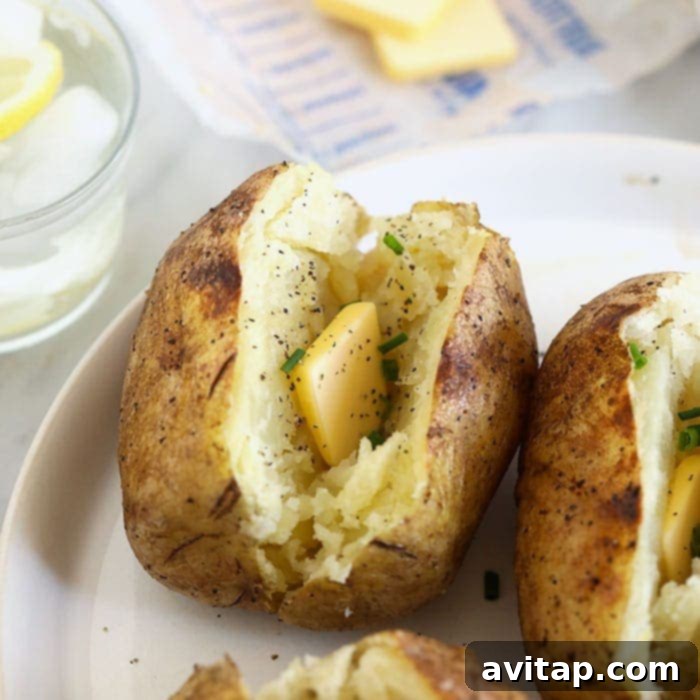
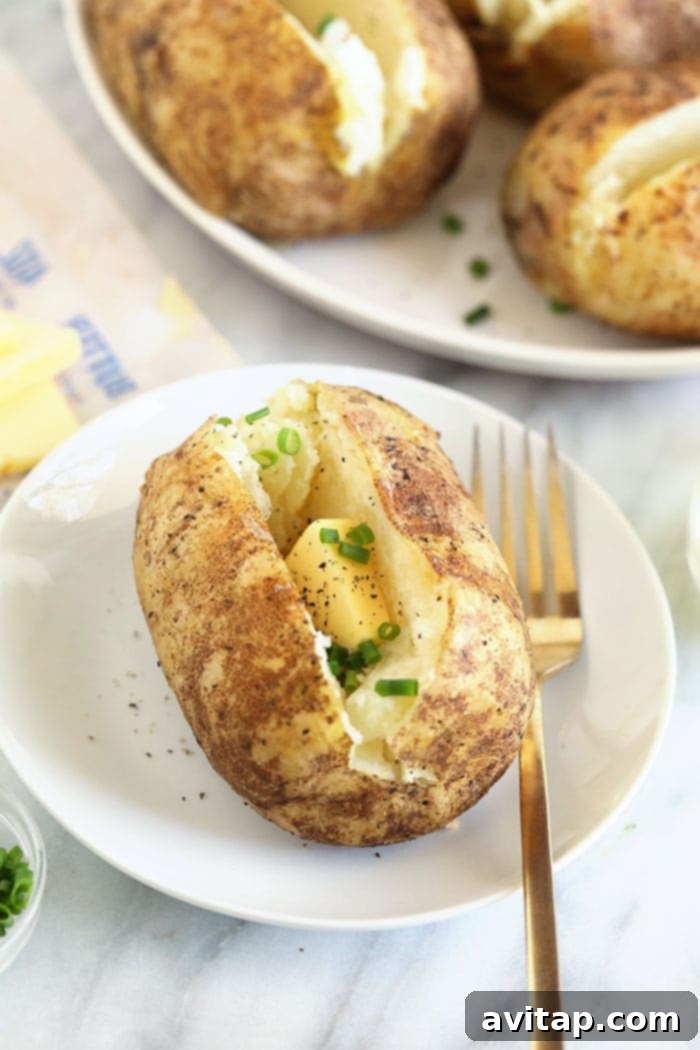
There’s something undeniably comforting and utterly delicious about a perfectly cooked **baked potato in foil**. Whether you’re dreaming of a fluffy interior and crisp skin from your oven or a smoky char from the grill, mastering the art of the foil-wrapped baked potato is a kitchen essential. This guide will walk you through achieving that ideal texture and flavor, ensuring a flawless result every single time you cook.
Baked potatoes are incredibly versatile, making them a fantastic canvas for a wide array of flavors. They shine as a hearty side alongside a succulent sous vide steak, a flaky seared salmon, or even a wholesome vegetarian black bean burger. Their simple preparation belies their incredible potential to elevate any meal.
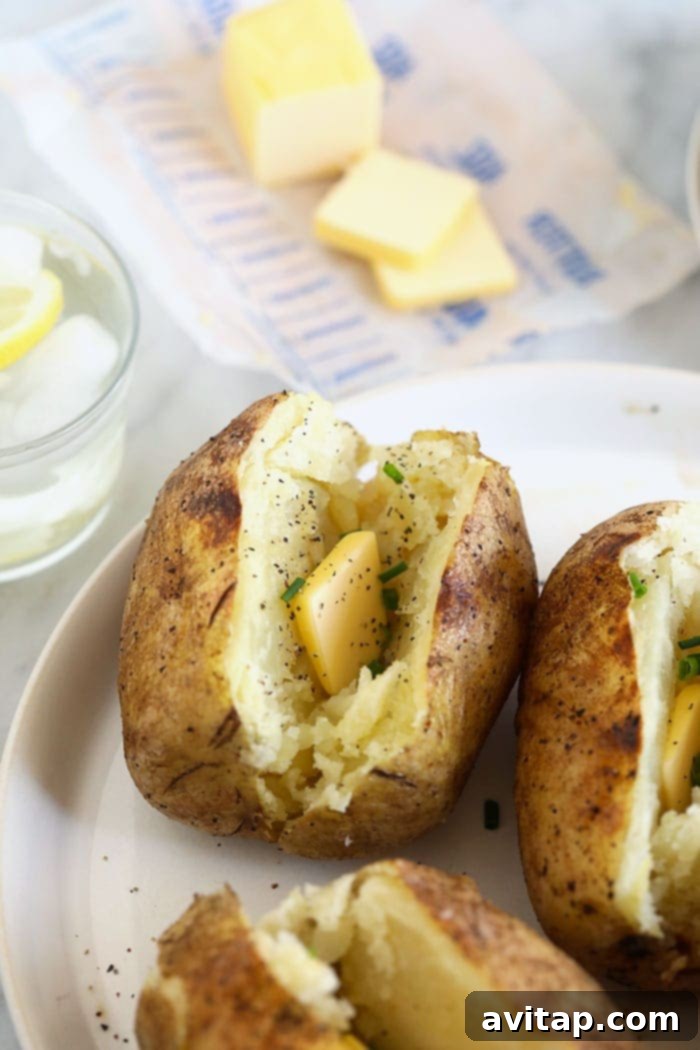
The Ultimate Side Dish: Baked Potato Wrapped in Foil
A baked potato wrapped in foil is a timeless classic that transcends seasons. From the crisp days of spring to the warm evenings of summer, the cozy feel of autumn, or the chilly depths of winter, there’s never a bad moment to indulge in this humble yet satisfying dish. For many, including myself, the baked potato holds a special place. Growing up, I was affectionately known as “Spud” due to my unwavering love and frequent requests for baked potatoes.
Imagine the simple pleasure of a flawlessly fluffy baked potato, its steamy interior ready to melt butter, nestled beside a perfectly cooked main course. It’s the ideal companion for a juicy grilled steak, a tender slow-roasted pork shoulder, or a succulent pan-seared chicken breast. Beyond being a side, a baked potato can transform into a satisfying meal all its own. A generous dollop of cottage cheese and butter (don’t knock it ’til you try it!) or a ladleful of our famous beef chili makes for an incredibly comforting and filling dinner.
Today, we’re returning to the fundamentals, focusing on the techniques that guarantee a perfect baked potato in foil every single time. This comprehensive guide covers both oven-baked and grilled methods, ensuring you have the flexibility to create this delightful side dish no matter your kitchen setup or the weather outside. Get ready to impress your family and friends with potatoes that are consistently soft, fluffy, and bursting with flavor.
Essential Ingredients for Your Perfect Baked Potato
Crafting the ultimate baked potato in foil requires just a few simple, high-quality ingredients. The beauty of this recipe lies in its simplicity, allowing the natural flavors of the potato to shine. Here’s what you’ll need:
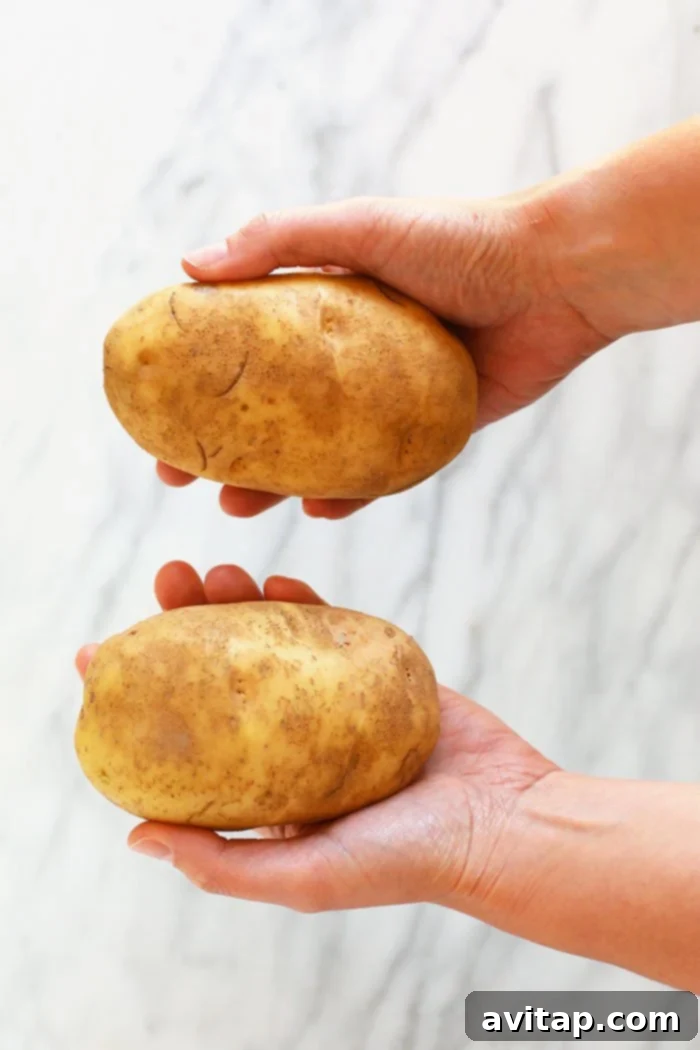
- Large Idaho Potatoes: While this recipe specifically highlights Idaho potatoes (known for their starchy, fluffy interior), the method is incredibly adaptable. You can use almost any type of potato, such as russets, red potatoes, or even sweet potatoes, adjusting cooking times as needed for size and density. Russets are particularly excellent for baking due to their thick skin and dry, mealy texture that becomes wonderfully fluffy when cooked.
- Olive Oil: We find that olive oil imparts the best flavor and helps the potato skin crisp up beautifully while seasoning adheres. However, if you prefer, canola oil or another neutral-flavored oil can also be used effectively. The oil acts as a binder for the seasonings and contributes to a delicious, slightly crispy exterior beneath the foil.
- Salt and Pepper: These two fundamental spices are nothing short of magical for a baked potato. A generous application is key to enhancing the potato’s natural taste and creating a savory crust. Don’t be shy; your tastebuds will certainly thank you for it! Flaky sea salt can add an extra layer of texture and burst of flavor.
- Toppings: The freshly cooked baked potato is truly your oyster! We’ll delve deeper into topping ideas later, but remember this is where you can unleash your creativity. From classic butter and sour cream to gourmet concoctions, the possibilities are endless. Think of your favorite flavors and have fun experimenting.
Why Wrap Your Baked Potato in Aluminum Foil? Exploring the Benefits
The practice of wrapping potatoes in aluminum foil for baking or grilling is a time-honored tradition, and for good reason. There are several significant benefits that contribute to a superior baked potato experience:
Firstly, when you wrap a potato in foil, you create a sealed environment that effectively traps heat. This insulation helps the potato cook more quickly and evenly, as the heat is distributed uniformly around its surface. The foil essentially steams the potato from within, leading to that coveted, incredibly fluffy interior that everyone loves. Without the foil, potatoes tend to dry out more on the outside, and the interior might take longer to reach optimal tenderness.
Secondly, foil plays a crucial role in moisture retention. It prevents the potato from losing too much moisture during the long cooking process, which is vital for achieving a creamy and soft texture inside. This is particularly beneficial for larger potatoes that require extended cooking times.
Finally, and perhaps most practically, foil-wrapped potatoes stay warm for a significantly longer period once removed from the heat source. The aluminum acts as an excellent insulator, making them ideal for meal prepping or serving as part of a larger gathering where timing might be staggered. If you’re hosting a barbecue or a holiday meal, keeping your baked potatoes hot and ready for your guests is a breeze when they’re kept in their foil jackets. This also simplifies cleanup, as the foil contains any mess from the potato itself.
To Poke or Not to Poke: The Baked Potato Debate
The internet is rife with debate on whether or not to poke holes in your baked potatoes before cooking. Some culinary experts insist it’s essential to allow steam to escape, preventing a potential “potato explosion” (though this is exceedingly rare). Others argue it leads to a drier potato.
Based on our extensive experience, the truth is, we’ve tried it both ways—poking holes and leaving them untouched—and consistently achieved the same delicious, perfectly fluffy results. The difference, if any, is negligible. Therefore, while a few small pricks with a fork won’t hurt, it’s not a strictly necessary step for success when wrapping your potato in foil. The foil itself helps manage the steam. If you’re short on time or simply forget, rest assured your baked potato will still turn out wonderfully.
Optimal Baking Times and Temperatures for Baked Potatoes in Foil
Achieving that perfectly cooked baked potato in foil hinges on the right temperature and duration. We highly recommend baking your potatoes at a high temperature of **450ºF (232ºC)** for approximately **45-60 minutes**. This range can vary based on the size and density of your potatoes. For grilling, you’ll follow a similar temperature and timing strategy to ensure even cooking and that signature fluffy texture.
To determine if your potatoes are done, the best test is tenderness. Carefully remove one potato from the oven or grill, unwrap a small section of foil, and gently pierce it with a fork. If the fork slides in with little to no resistance, your potato is perfectly cooked and ready to enjoy. If it’s still firm, simply wrap it back up and continue cooking in 5-10 minute increments until tender. A meat thermometer inserted into the thickest part should read around 205-210°F (96-99°C) for a perfectly fluffy interior.
Why the High Heat is Key for the Best Baked Potatoes
You might wonder why such a high temperature is recommended for baking potatoes. Through extensive testing, we’ve discovered that cooking at 450ºF (232ºC) is the sweet spot. This elevated temperature creates a magical combination: a wonderfully fluffy, cloud-like interior and a delicately crispier outer skin, even beneath the foil. The intense heat cooks the potato quickly and thoroughly, breaking down starches effectively to yield that desirable light and airy texture. It’s the secret to avoiding a dense or gummy potato.
How long to bake potatoes at 375ºF (190ºC) in foil: While 450ºF is our preferred temperature, you can certainly bake potatoes at a lower heat. A medium-sized potato baked at 375ºF (190ºC) will typically take around 1 hour to fully bake. For larger potatoes, you will likely need to add an additional 15-30 minutes, checking for tenderness frequently. Remember, slower cooking at lower temperatures can still yield great results, but the high heat method offers a slight edge in achieving that ultimate fluffy texture more consistently.
Step-by-Step: Crafting a Perfect Baked Potato in Oven or on the Grill, Wrapped in Foil
Follow these simple steps to prepare fluffy, flavorful baked potatoes in foil, whether you’re using an oven or a grill.
Step 1: Thoroughly Clean Your Potatoes
Since potatoes grow underground, it’s common for them to have residual dirt or soil on their skins. Proper cleaning is essential for both hygiene and taste, especially if you plan to eat the skin (which we highly recommend for its flavor and nutrients!).
Begin by holding each potato under cool or warm running water. Using a firm vegetable scrub brush, vigorously scrub the entire surface of the potato to remove any dirt, blemishes, or sprouts. Pay extra attention to any eyes or crevices where dirt might hide. Once clean, pat the potatoes completely dry with a clean kitchen towel or paper towels. This crucial drying step ensures that the olive oil and seasonings will adhere properly, leading to a crispier skin.
Potato Varieties: Which Ones Work Best?
While this method of foil-baking is wonderfully versatile and can be applied to many potato types, it’s important to remember that size and density will directly impact baking time. Larger, denser potatoes will naturally require a longer cook time. Here are some excellent potato options you can confidently use with this foil-pack method, each offering a slightly different texture and flavor profile:
- Russet Potatoes (Idaho Potatoes): The classic choice for baked potatoes. Their high starch content and thick skin yield a light, fluffy, and dry interior perfect for absorbing toppings.
- Sweet Potatoes: A nutritious and naturally sweet alternative. They become incredibly creamy and tender when baked in foil, pairing beautifully with savory or sweet toppings.
- Yams: Similar to sweet potatoes but often moister and richer in flavor, they also bake wonderfully, developing a delicate sweetness.
- Red Potatoes: Smaller and waxier, red potatoes offer a slightly firmer, creamier texture and a mild flavor. They cook faster due to their size and lower starch content.
- Yukon Gold Potatoes: Known for their buttery flavor and creamy texture, these medium-starch potatoes also make an excellent baked potato, offering a moist and dense interior.
Step 2: Drizzle with Olive Oil and Generously Season
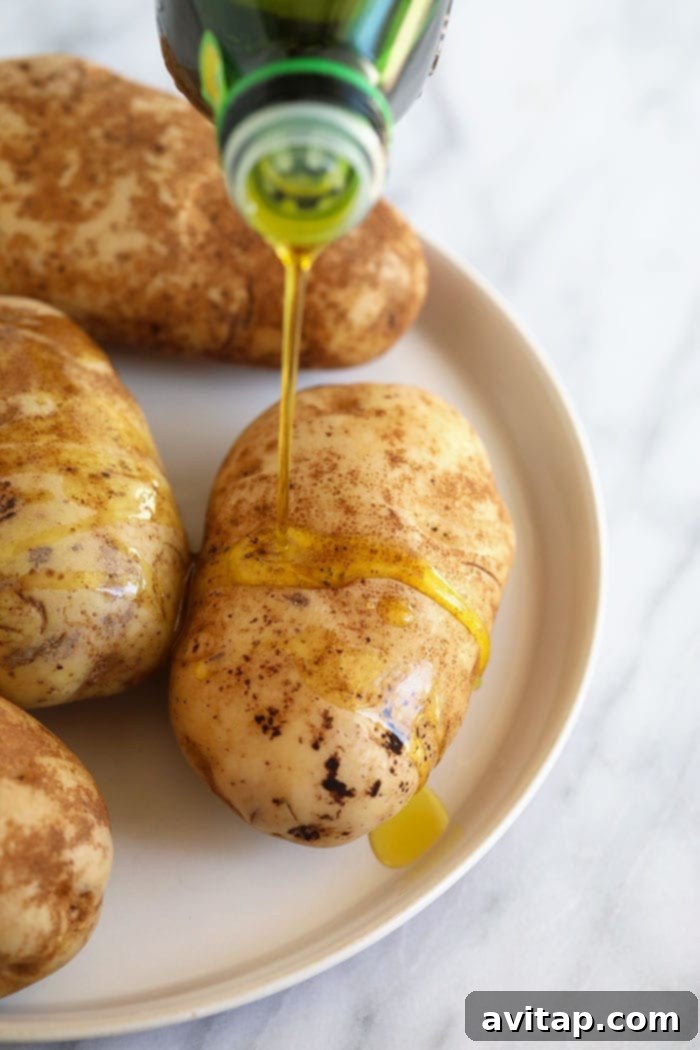
Once your potatoes are sparkling clean and thoroughly dry, it’s time to prepare them for baking. Place each potato on a clean surface or in a shallow dish. Drizzle them generously with olive oil. Don’t be shy; the oil helps the seasoning stick and contributes to a delicious, slightly crisp exterior.
Now, using your hands, massage the olive oil evenly over the entire surface of each potato. Ensure every nook and cranny is coated, as this creates a barrier that locks in moisture and allows the seasonings to really penetrate. Next, season your potatoes generously with salt and freshly ground black pepper. Again, this is not the time to be conservative! The seasoning on the skin is crucial for a flavorful overall experience. A good layer of salt will draw out moisture, contributing to a slightly firmer skin and enhancing the potato’s natural taste.
Step 3: Securely Wrap Each Potato in Tin Foil
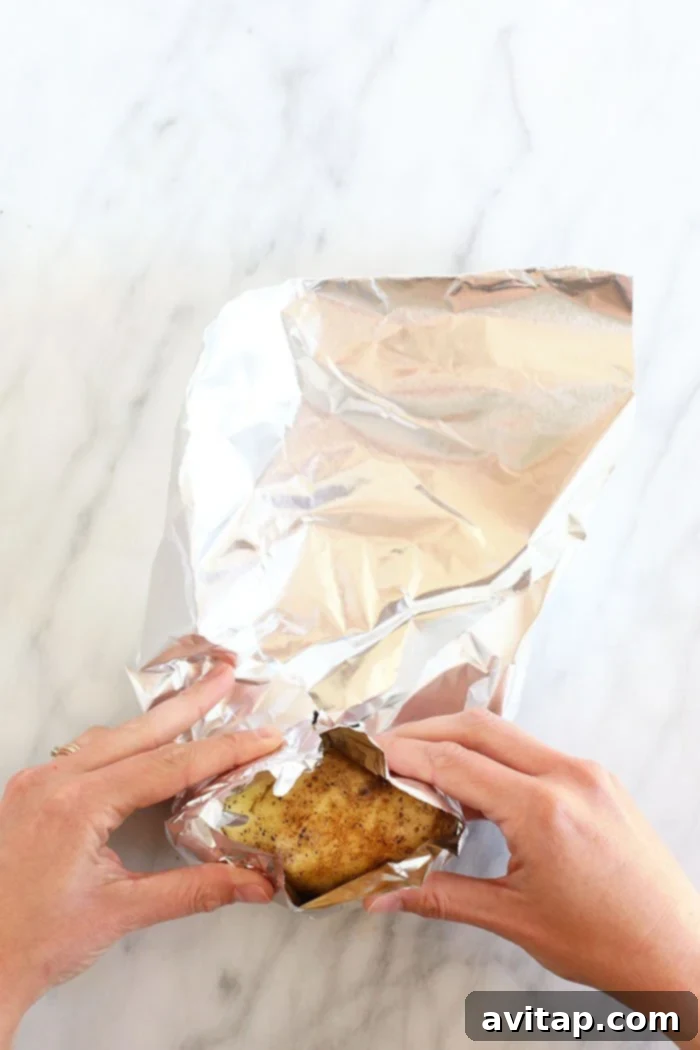
With your potatoes oiled and seasoned, the next crucial step is wrapping them individually in tin foil. The primary reason for this is to create a tightly sealed packet that traps heat and moisture directly around the potato. This ensures that the potato cooks evenly and thoroughly, steaming itself to a wonderfully tender and fluffy consistency inside.
There isn’t a single “right” or “wrong” way to wrap the potato, but aim for a snug, complete enclosure. We often find that mimicking a “burrito roll” works exceptionally well: place the potato in the center of a square of foil, fold two opposite sides over the potato, then fold the remaining two sides to seal the packet tightly. This method helps prevent any steam from escaping and ensures consistent cooking. Use your best judgment to create a secure, compact foil package for each potato.
Step 4: Cook to Perfection – Oven or Grill
Now that your potatoes are prepped and perfectly wrapped, it’s time to cook them. The high heat method ensures a fluffy interior and delicious skin, regardless of your chosen cooking appliance.
Oven Baking vs. Grilling: Choose Your Method
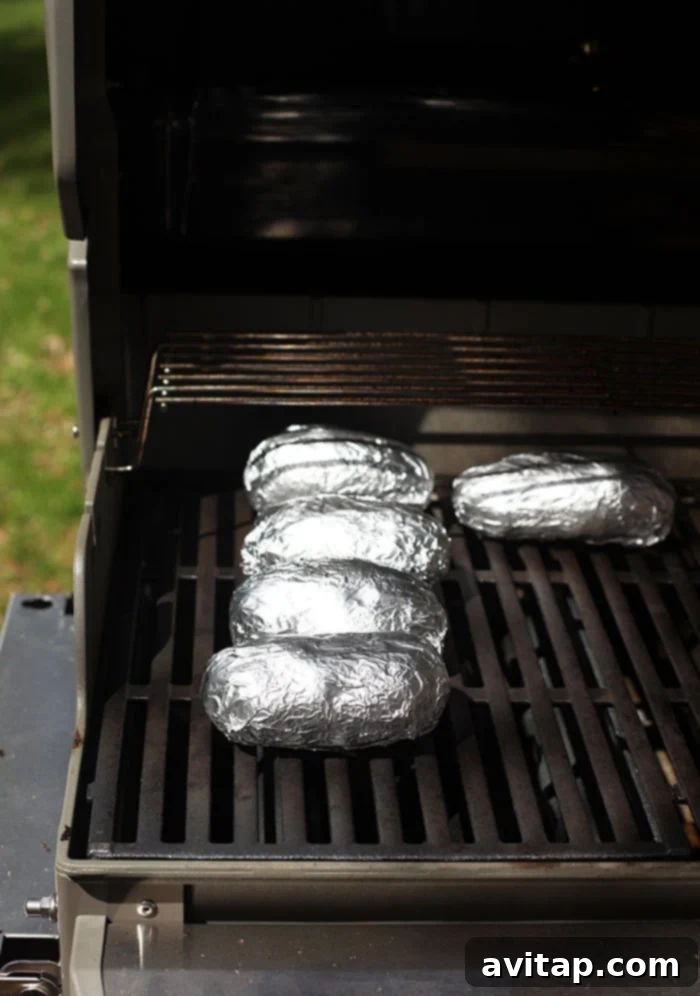
- Oven Baking: For a superb baked potato in the oven wrapped in foil, begin by preheating your oven to a robust 450ºF (232ºC). Once heated, place your foil-wrapped potatoes directly onto the oven rack, allowing for even heat circulation. Bake for approximately 45-60 minutes, turning them over halfway through (after about 30 minutes) to promote uniform cooking. To check for doneness, carefully use a fork to pierce a potato through the foil; it should feel very tender with minimal resistance.
Expert Grilling Instructions
Good news for outdoor cooking enthusiasts! You can achieve the same delicious results for baked potatoes on the grill as you can in the oven. The method is incredibly similar, making it a perfect side for any barbecue. Just like oven baking, you’ll want to preheat your grill to a consistent 450ºF (232ºC). Once the grill reaches temperature, place your foil-wrapped potatoes directly onto the grill grates over direct heat. Close the grill lid to trap the heat, and let them cook for 45-60 minutes. It’s crucial to rotate the potatoes every 10-15 minutes to ensure they cook evenly and prevent any scorching. The exact cooking time will largely depend on the size of your potatoes, so keep an eye on them. You can test for doneness by piercing them with a fork, as described for oven baking.
Both methods will yield a beautifully tender interior, perfect for all your favorite toppings.
For both grilling and oven baking methods, once your potatoes are cooked through, carefully remove them from the heat. Allow them to rest for about 10-15 minutes while still wrapped in their foil. This resting period allows the internal temperature to equalize and prevents steam burns when you unwrap them. Serve immediately for the best experience, or allow them to cool completely before refrigerating for later enjoyment.
Unleash Your Creativity: Delicious Baked Potato Topping Ideas
The plain baked potato is a blank canvas, eagerly awaiting your culinary creativity. While simple butter, salt, and pepper are always a winning combination, don’t hesitate to explore a world of flavors. Here are some fantastic topping ideas to inspire your next baked potato masterpiece:
- Classic Comfort: A generous dollop of sour cream or Greek yogurt (for a lighter twist), finished with fresh, finely chopped chives or green onions. This combination offers a delightful tang and herbaceous freshness.
- Southern Charm: Drizzle with savory homemade BBQ sauce and sprinkle with shredded sharp cheddar cheese. Add a sprinkle of crispy bacon bits for an extra smoky crunch.
- Fresh and Zesty: A spoonful of vibrant salsa provides a refreshing kick. Consider adding a squeeze of lime and some chopped cilantro for a Tex-Mex flair.
- Hearty & Satisfying: Transform your potato into a full meal with leftover beef chili. Top with cheese, sour cream, and jalapeños for an ultimate comfort food experience.
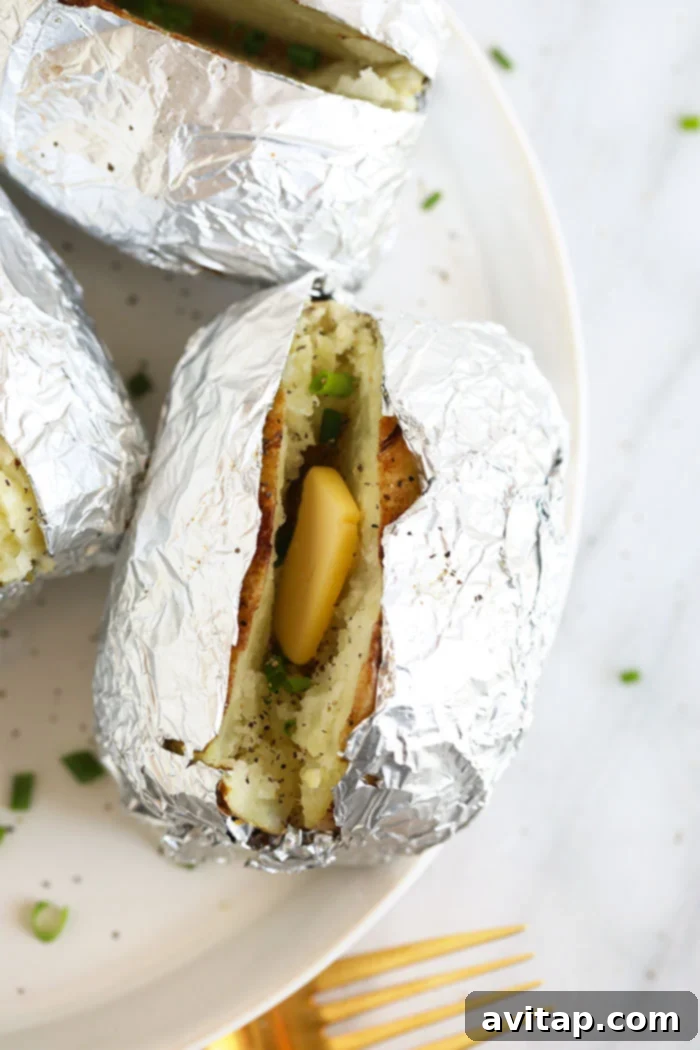
- Back to Basics: Sometimes, simplicity is best. A generous slab of quality butter, a good sprinkle of flaky sea salt, and freshly cracked black pepper highlights the potato’s natural flavor beautifully.
- Plant-Based Delight: For a dairy-free option, smother your potato in a creamy vegan queso. Add black beans, corn, and avocado for a wholesome vegan meal.
- Mediterranean Inspired: Top with hummus, feta cheese, diced cucumbers, tomatoes, and a drizzle of olive oil.
- Breakfast for Dinner: Scrambled eggs, cooked sausage or bacon, and a sprinkle of cheese make for a unique and satisfying meal.
- Broccoli & Cheese: Steamed broccoli florets and a rich cheese sauce (or just melted cheddar) is a timeless favorite.
- Pesto & Parmesan: A spoonful of fresh pesto, sun-dried tomatoes, and grated Parmesan cheese adds an Italian touch.
Got Leftovers?
Twice Baked Potatoes
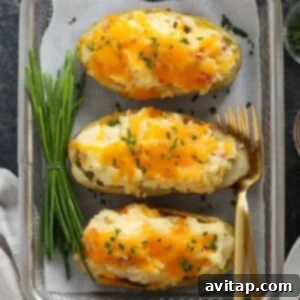
Don’t let any delicious potato go to waste! If you happen to have leftover baked potatoes, an excellent way to repurpose them into another incredible meal is by making twice baked potatoes. This recipe transforms your leftovers into a gourmet side dish or a light meal.
Proper Storage for Leftover Baked Potatoes
If you find yourself with leftover baked potatoes (a rare but welcome occurrence!), proper storage is key to maintaining their quality and ensuring food safety. Allow your cooked potatoes to cool completely to room temperature before storing them. This step is crucial to prevent bacterial growth and maintain their texture. Leaving them wrapped in foil or unwrapping them is a matter of personal preference; some prefer to remove the foil to allow the skin to dry slightly, while others keep it on for convenience. However, removing the foil can sometimes help prevent excessive moisture buildup, which can lead to a slightly soggy texture.
Once cooled, place the potatoes in an airtight container or a large gallon-size freezer bag. Store them in the refrigerator, where they will remain fresh and delicious for up to 3-5 days. Always ensure they are sealed well to prevent them from absorbing odors from other foods in the fridge. For longer storage, cooked baked potatoes can also be frozen, though their texture may change slightly upon thawing and reheating.
Effortless Reheating: Bringing Your Baked Potatoes Back to Life
Reheating baked potatoes is simple, allowing you to enjoy their comforting goodness days after they were first cooked. Here are two convenient options for reheating your foil-wrapped baked potatoes:
Oven Reheating: The oven is arguably the best method for reheating baked potatoes, as it helps restore some of their original crispness while ensuring a fluffy interior. If your baked potatoes are still wrapped in their original foil, you can reheat them directly in the foil. Preheat your oven to 400ºF (200ºC). Place the foil-wrapped potatoes directly on the oven rack and bake for approximately 15-20 minutes, or until the potatoes are thoroughly heated through and tender in the center. This method is excellent for achieving a warm, delicious potato with a satisfying texture.
Microwave Reheating: For a quicker option, the microwave works well, though it won’t yield the same crispy skin as oven reheating. Remove your baked potatoes from the tin foil and place them on a microwave-safe plate. Microwave on high for 1 minute and 30 seconds to 2 minutes, or until they are hot to the touch and warmed through. You might want to flip them halfway through to ensure even heating. While faster, this method can sometimes result in a slightly softer skin.
No matter which reheating method you choose, your leftover baked potatoes are ready to be topped and enjoyed once again!
Discover More of Our Favorite…
Explore More Baked Potato Recipes and Methods
If you’ve fallen in love with the versatile baked potato, you’ll be thrilled to know there are many other fantastic ways to prepare this humble root vegetable. Each method offers a unique texture and flavor profile, ensuring there’s a baked potato for every occasion and every craving. Expand your culinary repertoire with these additional baked potato recipes:
- Slow Cooker Baked Potatoes: For hands-off convenience, perfect for busy days.
- Smoked Baked Potatoes: Infuse your potatoes with a deep, smoky flavor for an outdoor cooking delight.
- Classic Oven Baked Potatoes: A no-foil method for those who prefer an extra-crispy skin.
- Air Fryer Baked Potato: Quick and crispy, ideal for smaller batches and a perfectly textured skin.
- Instant Pot Baked Potato: Achieve tender potatoes in a fraction of the time with pressure cooking.
- Microwave Baked Potato: The fastest method for when you need a baked potato in minutes.
Baked Potato in Oven Wrapped in Foil (+ Grill Method)

Ingredients
- 6 large Idaho potatoes
- 2 tablespoons olive oil
- 1/4 teaspoon salt
- 1/4 teaspoon pepper
Optional Toppings
- Butter
- Salt and pepper
- Sour cream or Greek yogurt
Instructions
-
First, preheat your grill or oven to 450ºF (232ºC).
-
Run potatoes under warm water and use a scrub brush to remove any dirt or residue. Pat them thoroughly dry with a towel.
-
Drizzle the potatoes with olive oil and use your hands to massage the oil into the skin, ensuring full coverage. Then, generously season the entire potato with salt and pepper.
-
Individually wrap each seasoned potato in a piece of tin foil, sealing it tightly to create a packet.
-
For Grilling: Place the foil-wrapped potatoes directly on the grill grates over direct heat. Cover the grill, and let cook for 45-60 minutes, rotating every 10-15 minutes to ensure even cooking.
-
For Oven Baking: Place the foil-wrapped potatoes directly on your oven racks. Bake for 45-60 minutes, rotating them after 30 minutes to cook evenly.
-
After 45 minutes, carefully pierce one of the potatoes with a fork (through the foil if preferred, or unwrap a bit) to check for tenderness. Once the fork easily slides in with little resistance, they are done.
-
Remove the cooked potatoes from the heat. Let them rest, still wrapped in foil, for about 10-15 minutes to cool slightly before unwrapping to avoid burns.
-
Serve hot with your favorite toppings and enjoy!
Tips & Notes
- *Cook time will vary significantly based on the size of your potatoes. Medium-sized Idaho potatoes will typically bake in about 45 minutes, while larger Idaho potatoes may require 60 minutes or even more. Always test for tenderness with a fork.
- Nutrition information provided below does not include any additional toppings you may choose to add.
Nutrition
Calories: 150 kcal
Carbohydrates: 26 g
Protein: 3 g
Fat: 5 g
Fiber: 2 g
Sugar: 1 g
Nutrition information is automatically calculated, so should only be used as an approximation.
Don’t forget to tag your posts on social media with the hashtag #fitfoodiefinds – we’d love to see your delicious creations!
More Delicious Grilled Vegetables in Foil
The convenience and consistent results of cooking in foil aren’t limited to just potatoes. Foil packets are fantastic for grilling a wide variety of vegetables, locking in moisture and flavor while making cleanup a breeze. Expand your grilled side dish repertoire with these other mouth-watering foil-pack vegetable recipes:
- Easy Grilled Peppers and Onions: A vibrant and flavorful side dish, perfect with any grilled meat or as a fajita filling.
- Grilled Asparagus in Foil: Tender-crisp asparagus with minimal effort, seasoned to perfection.
- Foil Pack Grilled Red Potatoes: Another delightful potato option, these smaller, creamier potatoes cook beautifully in foil.