
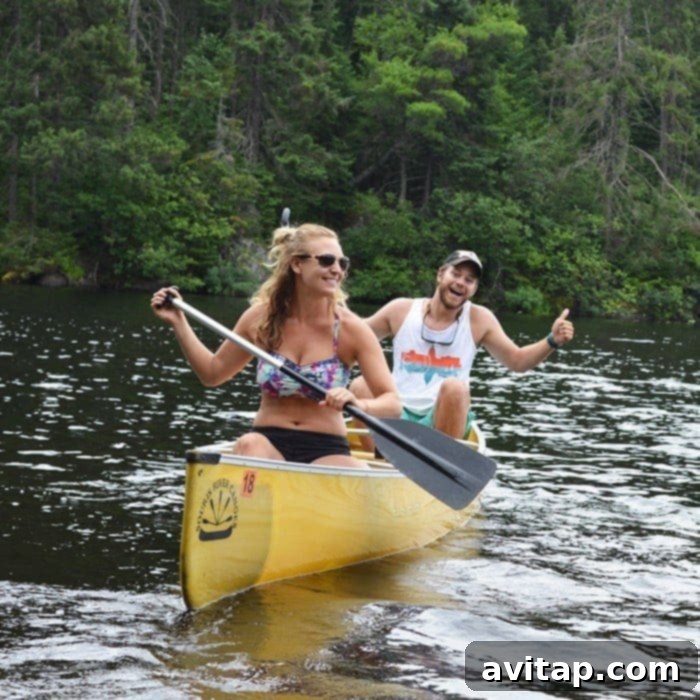
An Unforgettable Journey: Immersed in the Boundary Waters Canoe Area Wilderness
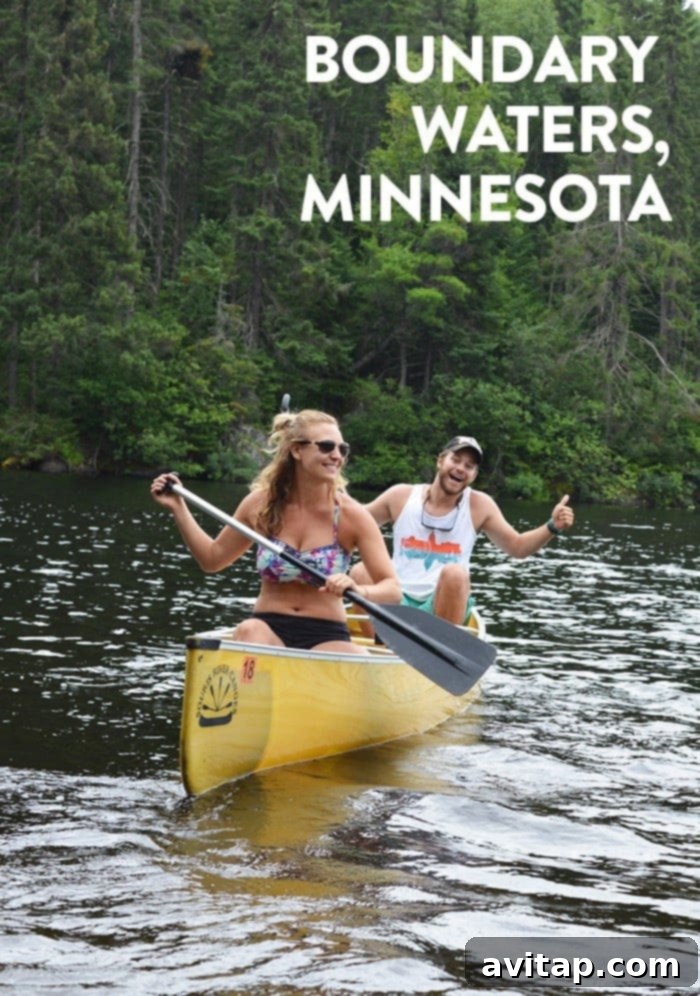
Summer is a season of unparalleled joy and adventure, and I truly wish its vibrant energy could last forever. There’s a certain magic in the long days and warm nights that beckons us to explore, to breathe deeply, and to reconnect with the world around us. This past trip into the heart of northern Minnesota delivered exactly that, and so much more. I am incredibly eager to share the highlights, personal photos, and behind-the-scenes moments from my recent expedition to the awe-inspiring Boundary Waters Canoe Area Wilderness.
Discovering the BWCA: A Million-Acre Wilderness Sanctuary
Nestled in the pristine northern reaches of Minnesota, stretching almost to the Canadian border, lies the legendary Boundary Waters Canoe Area Wilderness (BWCAW). This magnificent region encompasses over a million acres of interconnected lakes, winding streams, and ancient forests, all meticulously shaped by colossal glaciers countless millennia ago. To truly grasp the scope of this natural marvel, you can view a detailed map here. The BWCAW is a tapestry of thousands of small, crystal-clear lakes, rigorously protected by the USDA to preserve its untouched, primeval terrain. Its wilderness status means strict regulations are in place: motorized vehicles are forbidden, and human entry is primarily restricted to canoes and foot traffic. This commitment to preservation ensures that visitors experience nature in its purest, most authentic form.
My partner, Mark (affectionately dubbed ‘Man Candy’), along with my sister and her husband (whom we fondly referred to as ‘Sister’ and ‘Sister Boy’), embarked on a memorable long weekend journey into this extraordinary wilderness. From the moment we dipped our paddles into the first lake, I was utterly captivated. This wasn’t just a trip; it was an immersion, a profound connection with nature that left me completely enamored with the BWCA.
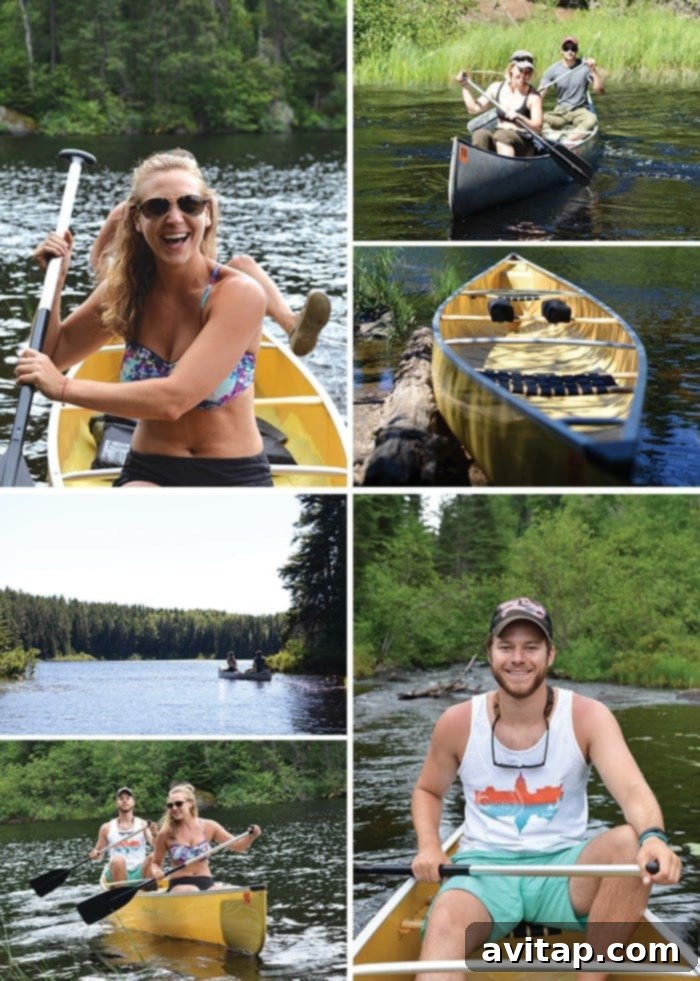
To give you an even better sense of the adventure, I compiled a captivating video showcasing some of our canoeing and camping highlights. A huge shoutout to my talented little brother for his expert editing!
Embracing True Wilderness Camping: Beyond the Comforts of Car Camping
Before this expedition, Mark and I were exclusively familiar with ‘car camping’ – the kind where your vehicle is always nearby, offering easy access to amenities. This trip, however, introduced us to the unvarnished reality of true wilderness camping. The distinctions were immediate and striking. There were no showers, no electricity, no running water (other than the lakes themselves), and certainly no conventional bathrooms. Instead, we embraced the simplicity of a latrine, a designated, rudimentary toilet setup at each campsite – essentially a big hole in the ground, discreetly placed within the forest, topped with a basic toilet seat. It was a humbling and oddly liberating experience, truly disconnecting us from modern conveniences and immersing us in nature’s rhythm.
Thankfully, we weren’t novices venturing into the unknown alone. My sister and brother-in-law, whom we affectionately dubbed our ‘camp mom and dad’ throughout the trip, are seasoned veterans of canoeing and camping in these challenging environments. Their extensive experience proved invaluable, as they meticulously planned every aspect of our journey. From navigating routes to preparing meals, their expertise was evident. They even came equipped with biodegradable wipes – a small but essential comfort in the wilderness that highlighted their preparedness and commitment to leaving no trace and maintaining the pristine environment.
The Road to Grand Marais: A Pre-Trip Saga of Delays and Determination
Our journey began on a Thursday morning, heading north towards Grand Marais, Minnesota. What should have been a straightforward drive quickly unfolded into a logistical challenge. Mark’s flight from Milwaukee to Minneapolis the previous Wednesday night was abruptly cancelled, a casualty of a major system-wide outage with Southwest Airlines. With all subsequent Southwest flights fully booked, we were forced to book an expensive, early-morning flight on a different airline for Thursday. This unexpected hurdle added significant stress, especially considering our tight schedule.
The urgency stemmed from our crucial Global Entry interviews, scheduled for Thursday in Grand Portage, MN – a location conveniently just 45 minutes from our planned overnight stop. Securing a Global Entry appointment is notoriously difficult; major metropolitan areas like the Twin Cities, Chicago, and Milwaukee often have waiting lists extending three months or more. These Grand Portage slots were a rare find and absolutely vital, as we had an international trip to Europe planned in just two weeks! As fate would have it, Mark’s replacement flight was then delayed by another two hours on Thursday morning, shrinking our window to make the appointments to a mere twenty minutes. With adrenaline pumping, we raced against the clock, speeding through the North Shore’s scenic routes, and miraculously, avoided any traffic. We arrived at our Global Entry appointments with precisely four minutes to spare. Four minutes! It was an incredible relief and a testament to our determination and the importance of meticulous travel planning, even when faced with unforeseen circumstances.
That evening, we settled into Grand Marais, a charming coastal town approximately an hour’s drive from our BWCA entry point. In a delightful coincidence, our friends Linley and her partner also had BWCA plans for the exact same weekend! We seized the opportunity to meet up at Voyageur Brewing, a local favorite, for some beers and appetizers. On a personal note, discovering a newfound appreciation for beer has been an exciting development for me! It was an early night for everyone, as we needed to be well-rested for our early Friday morning departure to Tuscarora Lodge. This lodge served as our portage outfitter – the perfect starting point for our wilderness adventure. My sister, Shell, and her husband, Ben, had their own canoe strapped to their car, while Mark and I opted to rent one. Tuscarora Lodge offered a seamless experience: we could rent our canoe, securely leave our vehicle on their property, and embark directly from their lakeside location. It was incredibly efficient and streamlined our entry into the pristine wilderness.
Mastering the Art of Portaging: The Wilderness Workout
Before this trip, I thought I understood what ‘portaging’ entailed. Oh, how wrong I was! Our very first 50-rod portage of the day quickly disabused me of any naive notions. Portaging, in its simplest and most grueling form, means carrying all your gear – backpacks, food, and critically, your canoe – from one lake to another over dry land. It’s the essential bridge between waterways in a canoe-only wilderness, a physical challenge that truly tests your endurance and mental fortitude.
Understanding Rods: The Measure of a Challenge
The length of a portage is measured in ‘rods,’ with one rod being roughly the length of a canoe, approximately 16.5 feet or 5 meters. So, a 50-rod portage, by my rough estimate, translates to about a quarter-mile of rugged terrain – though this can vary significantly depending on the path. Each portage presents its own unique set of challenges: some are steep uphill climbs, others are treacherous with loose rocks, boggy and muddy, or wind through dense forest undergrowth. Imagine navigating these paths while shouldering a 50-pound pack. If you’re Mark, you’re not just carrying your pack; you’re also expertly balancing a heavy canoe over your head, making each step a deliberate test of strength and endurance. The first day alone, we completed six portages before finally reaching our designated campsite for the night. Their lengths ranged from a challenging 20 rods to an exhausting 50 rods, each one a mini-adventure in itself and a significant accomplishment.
Despite the physical demands, the paddling sections were undeniably my favorite part of the entire journey. Gliding across the water, immersed in the profound quiet of the wilderness, offered an unparalleled opportunity for quality time with Mark. It might sound a bit mushy, but the truth is, these moments of shared effort and serene beauty forged a deeper connection. It was fascinating to observe how dramatically the wind conditions varied from one lake to the next. One lake could be intensely windy, requiring considerable effort to paddle, while the very next one, just a short portage away, would be perfectly calm and still, reflecting the sky like a mirror. This constant variation kept us engaged and reminded us of nature’s unpredictable yet captivating spirit.
Weather, Wildlife, and Battling the Bugs
Let’s talk about the weather – an ever-present and influential factor in any wilderness excursion. Our trip coincided with one of Minnesota’s hottest weeks of the year. In the Twin Cities, temperatures soared into the high 90s, a truly rare occurrence. Up north, in the Boundary Waters, highs were in the upper 80s, which is exceptionally warm for this region. This heat had a surprising and welcome consequence for the first night: mosquitos were virtually non-existent! Apparently, these notorious insects despise extreme heat, offering us a brief reprieve from their incessant buzzing.
However, the second night brought a dramatic change. A refreshing rain shower cooled the air, and with the drop in temperature, came a massive, relentless swarm of mosquitos. I’d never before witnessed or heard such a concentration of these buzzing pests in my life. Mark, unfortunately, bore the brunt of their attack; I counted an astonishing 26 mosquito bites on just one of his shoulders! Interestingly, I remained completely unscathed. A peculiar fact about me is that my skin simply doesn’t react to mosquito bites. While they may still bite me, I experience no subsequent irritation, itching, or welts. It’s a small but appreciated evolutionary quirk when venturing into bug-ridden territories, though it made me empathize with Mark’s discomfort even more deeply.
Wilderness Cuisine and Essential Gear Innovation
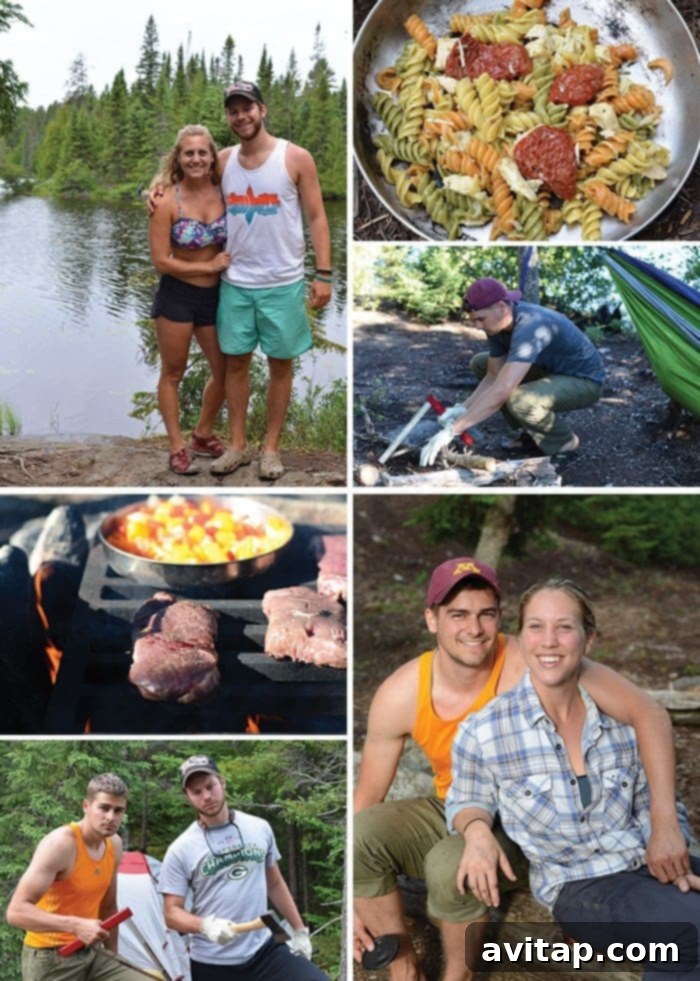
When it comes to camping meals, my sister Michelle and brother-in-law Ben are true connoisseurs. Having completed countless wilderness trips, their experience meant one thing: we certainly wouldn’t go hungry! Our provisions were surprisingly elaborate for a primitive camping trip, showcasing how modern innovations can enhance the wilderness experience. We packed frozen steaks and bacon, carefully insulated to last, along with a water bottle filled with eggs (a brilliant space-saving idea). Pasta, cheese sticks, tuna, oatmeal, and a generous supply of peanut butter formed the backbone of our meals, supplemented by various snacks. And, of course, no wilderness escape is complete without a few indulgences: two large bags of wine and a bottle of whiskey added a touch of luxury to our evenings, enjoyed under a canopy of stars.
I also contributed to the snack department by making a giant batch of ‘energy balls’ – nutrient-dense, bite-sized treats perfect for replenishing energy after a strenuous three-hour paddle or a challenging portage. These little powerhouses, packed with oats, nuts, and dried fruit, were a welcome pick-me-up and a testament to clever wilderness meal planning.
The Marvel of On-Demand Water Purification
Perhaps the most impressive aspect of our camping cuisine, and indeed our essential gear, was our method for water purification. I had never encountered anything like it before. Instead of lugging heavy bottled water, we simply sterilized our drinking water directly from the lake! Michelle and Ben brought an incredible UV light gadget – a true marvel of portable technology. This device effectively cleared our lake water of bacteria and other microorganisms right before our eyes, transforming potentially unsafe water into pure, drinkable refreshment. It was absolutely mind-blowing to witness and a testament to how far wilderness gear has evolved, making extended trips into remote areas safer, more efficient, and significantly more sustainable.
Embracing Disconnection: The True Spirit of the BWCA
Reflecting on this remarkable trip, countless elements contributed to its profound impact on me. The opportunity to be 100% disconnected from the constant demands of modern reality was truly transformative. For three glorious days, I had no cell service, no Wi-Fi, and no digital distractions. It was an incredible reset, revealing just how much I unconsciously rely on my phone in daily life. This forced digital detox allowed me to be fully present, to engage intentionally with my surroundings, and to simply slow down, allowing my senses to fully absorb the sights, sounds, and smells of the ancient forest.
There’s an undeniable magic in being enveloped by untouched nature – the towering pines, the shimmering lakes, the silence broken only by the calls of loons or the rustling of leaves. This immersion fosters a deep sense of introspection, prompting reflection on the meaning of life and one’s place within the vastness of the natural world. It strips away the superficial, leaving you with what truly matters, fostering a profound sense of peace and clarity.
I’ve only been home for a few days, and already, the longing for another BWCA adventure is palpable. The wilderness called, and I answered, emerging refreshed, re-centered, and utterly enchanted. The Boundary Waters isn’t just a destination; it’s an experience that rejuvenates the soul and reminds us of the profound beauty and peace that await when we dare to unplug and explore. It truly is a sanctuary for the mind and spirit.
Planning Your Own BWCA Adventure: Essential Tips for First-Timers
For those inspired to undertake their own journey into the Boundary Waters, remember that careful planning is paramount. Permits are required and should be secured well in advance, especially for popular entry points, to ensure your desired dates. Researching portage lengths and conditions, understanding and adhering strictly to Leave No Trace principles, and packing lightweight, durable gear are crucial for a successful and enjoyable trip. Consider going with experienced individuals, or hiring a licensed outfitter or guide, if it’s your first time to ensure safety and proper navigation. The BWCA offers an unparalleled opportunity to connect with nature on a deep level, challenge yourself physically and mentally, and create memories that will truly last a lifetime. Prepare to be amazed and transformed by the raw beauty of this incredible wilderness.