
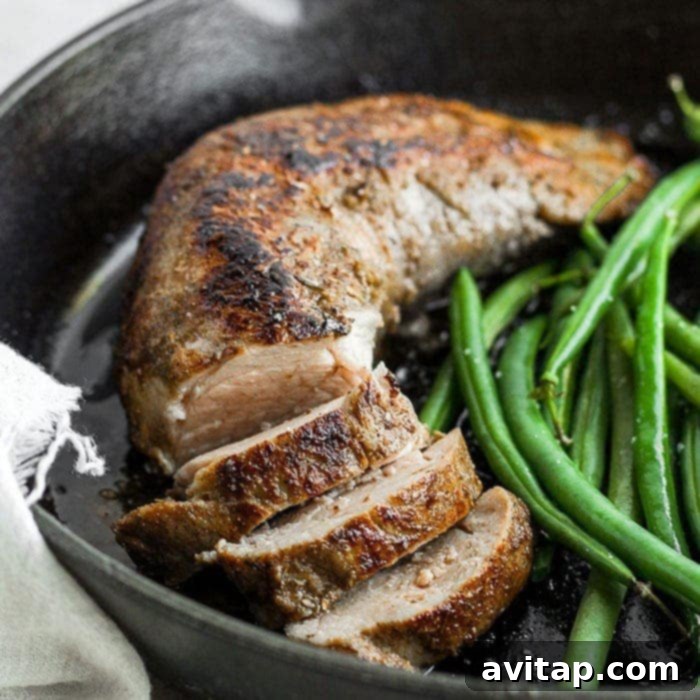
Prepare to transform your cooking experience with this incredible sous vide pork tenderloin. This method ensures your pork is perfectly seasoned, cooked to an unparalleled tenderness using the sous vide, and finished with a brief, high-heat sear for that irresistible, flavor-packed crust. If you’ve ever struggled with dry or unevenly cooked pork, sous vide is your culinary game-changer.
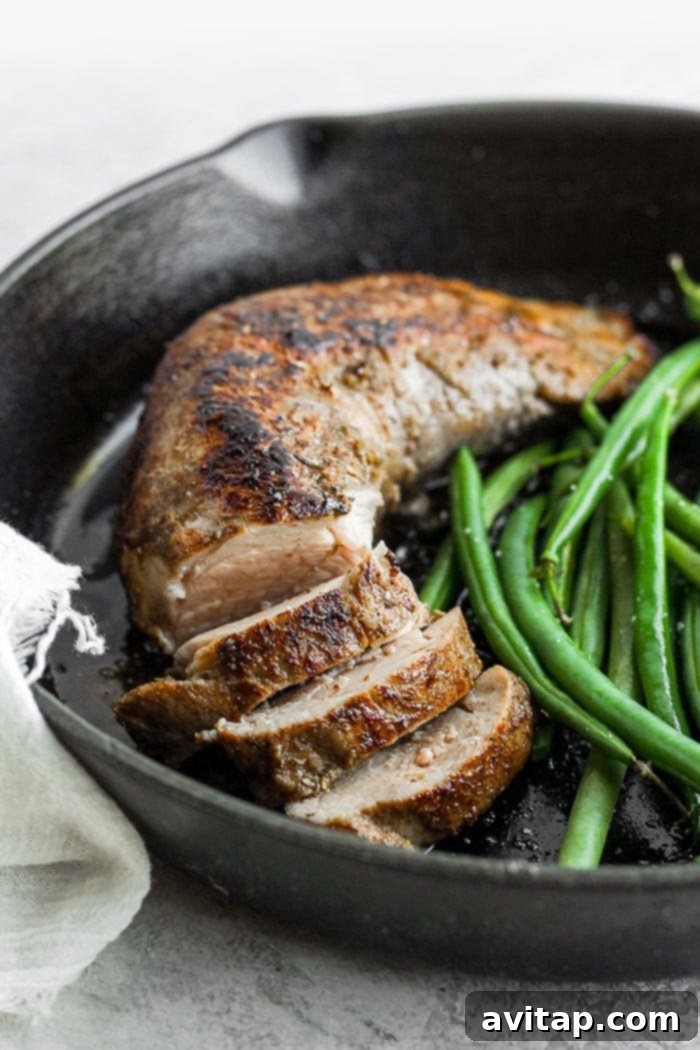
Once you try pork tenderloin prepared with sous vide, you’ll wonder how you ever cooked it any other way! Pork tenderloin is a fantastic choice for any meal, renowned for being a lean, high-protein cut that’s readily available in most grocery stores. When cooked sous vide, it reaches an exquisite level of juiciness and tenderness that is simply unmatched by traditional cooking methods.
For this foolproof recipe, you’ll need just a few key ingredients: a 1-lb. unflavored pork tenderloin, a robust spice rub, and of course, your trusty sous vide immersion circulator. With these simple components, you’re well on your way to a succulent and memorable meal.
Essential Equipment for Sous Vide Pork Tenderloin
To embark on your sous vide culinary journey, precise equipment is key to achieving consistent, restaurant-quality results. Here’s a breakdown of what you’ll need:
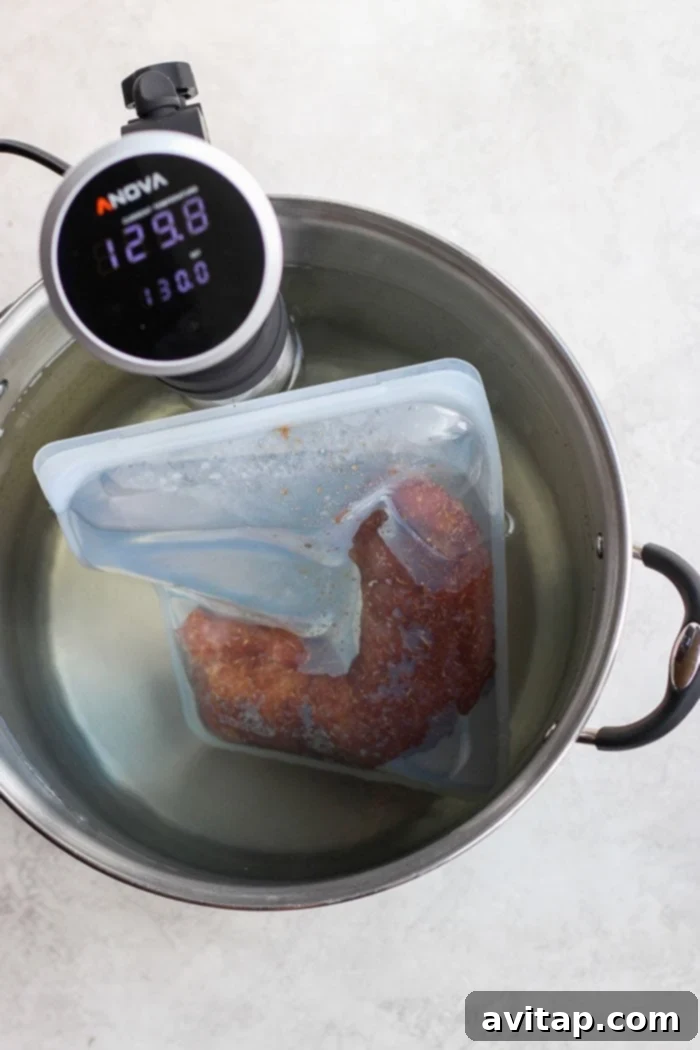
- A Sous Vide Immersion Circulator: This is the heart of the operation, maintaining a precise water temperature. Look for one that’s easy to use and reliable. Many models, like the Anova, offer smart features such as Bluetooth connectivity, allowing you to monitor and control your cook from your phone.
- A Large Pot or Container: You’ll need a vessel capable of holding enough water to fully submerge your pork tenderloin, along with your sous vide circulator. A stockpot or a dedicated sous vide container works perfectly.
- A Cast Iron Skillet: This is crucial for the post-sous vide sear. Cast iron retains heat exceptionally well, which is essential for developing a beautiful, golden-brown crust on your pork without overcooking the perfectly tender interior.
- A Vacuum Sealer or Zipper-Lock Bags: Essential for creating an airtight seal around your pork, allowing for even heat transfer in the water bath. If using zipper-lock bags, the water displacement method can be used to remove air.
Beyond the hardware, the flavor truly comes alive with a stellar seasoning. We are particularly fond of a homemade pork seasoning, which typically features a harmonious blend of savory and sweet notes from ingredients like garlic powder, brown sugar, and other aromatic spices. This rub forms the perfect foundation for our tenderloin.

Our Favorite
Sous Vide Circulator
For consistent and effortless results, the Anova Sous Vide is a top contender. It’s incredibly user-friendly and often includes smart features like Bluetooth for remote monitoring, making precision cooking accessible to everyone.
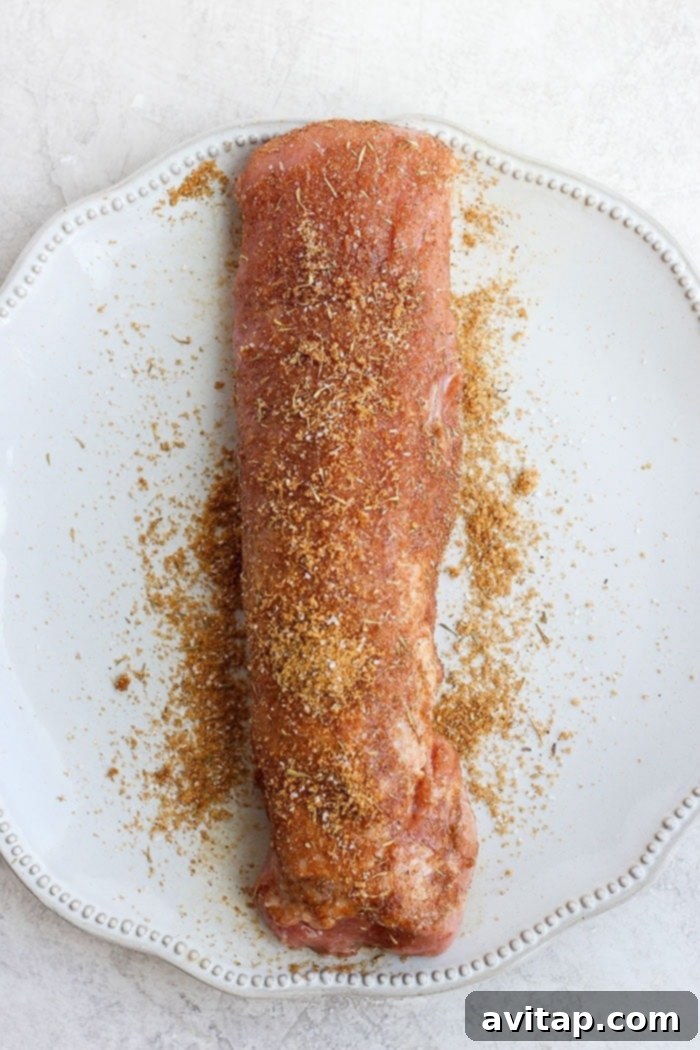
Achieving Perfect Temperature: Sous Vide Pork Tenderloin Temperature Guide
Understanding the right temperature is paramount for sous vide success. While the USDA recommends an internal temperature of 145ºF for safely cooked pork, sous vide allows you to achieve this safety at lower temperatures over an extended period through pasteurization. Furthermore, remember that you will be searing the pork after the water bath, which will increase its internal temperature by approximately 10-15 degrees Fahrenheit. This final sear contributes to both safety and an incredible texture.
Here are our recommended temperature settings for your sous vide pork tenderloin, depending on your preferred doneness:
- Medium Rare: 130ºF (Result: A beautiful rosy-pink interior, exceptionally tender, and very juicy. This is our preferred temperature for the most succulent results, especially after searing.)
- Medium: 140ºF (Result: A slightly less pink, firm, and juicy texture. A great choice for those who prefer a more traditional doneness while still retaining moisture.)
- Well-Done: 150ºF (Result: A white and firm interior. While sous vide still prevents dryness, the texture will be less yielding than lower temperatures.)
We personally find that cooking the pork at 130ºF for medium-rare results in a perfectly cooked interior after the searing step. The sear provides that final touch of heat and a glorious crust. If you prefer your pork to be cooked through even before searing, setting your sous vide to 145ºF is a safe and reliable option.
Optimal Cooking Time for Sous Vide Pork Tenderloin
The beauty of sous vide is its ability to cook food precisely without overcooking. For pork tenderloin, the cooking time is less about precise minute-by-minute timing and more about allowing the meat to reach its target internal temperature evenly and consistently throughout.
We recommend a minimum cooking time of 3 hours for a 1-lb. pork tenderloin. This duration ensures that the entire tenderloin reaches the exact temperature you’ve set for your water bath, guaranteeing uniform doneness from edge to edge. Unlike traditional methods where a few minutes too long can dry out the meat, sous vide is much more forgiving.
One of the significant advantages of sous vide is its flexibility. Feel free to extend the cooking time for as long as 12 hours without fear of overcooking or drying out your pork. This “set it and forget it” aspect makes sous vide ideal for meal prepping or entertaining, allowing you to prepare the protein well in advance and simply sear it just before serving.
Deep Dive into Precision Cooking!
Your Comprehensive Guide to Sous Vide Cooking
Curious to unlock more secrets of this innovative cooking technique? Sous vide, French for “under vacuum,” is a method of cooking food in a precisely controlled water bath. This technique ensures that food is cooked evenly from edge to edge, achieving perfect results every single time that are difficult to replicate with conventional methods. It’s particularly excellent for meats, resulting in unmatched tenderness and juiciness.
If you’re eager to expand your knowledge and explore the full potential of this culinary art, dive into our Guide to Sous Vide Cooking. We cover everything from setting up your equipment and understanding food safety to advanced techniques and troubleshooting common issues, ensuring you become a sous vide master in no time!
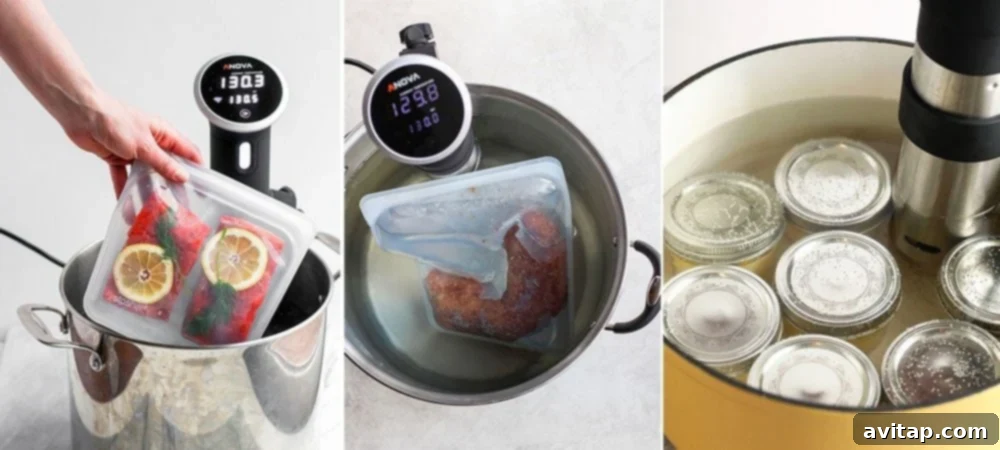
Flavorful Twists: Substitutions & Variations
While our recommended spice rub delivers exceptional flavor, the beauty of cooking is experimentation! Here are some ideas to customize your sous vide pork tenderloin:
- Rub Alternatives: If you’re short on time or prefer convenience, a quality store-bought pork rub can be a great substitute for the homemade blend. Look for rubs with a good balance of sweet, savory, and a hint of spice. For a different profile, consider a Mediterranean-inspired rub with oregano, rosemary, and lemon zest, or a smoky BBQ rub.
- Herbal Infusion: For an aromatic twist, add fresh herbs like sprigs of rosemary, thyme, or sage directly into the vacuum bag with the pork tenderloin. A few cloves of crushed garlic or thin slices of onion can also infuse deep flavor during the sous vide process.
- Sweet & Savory Glazes: After searing, you can brush your pork tenderloin with a glaze for an extra layer of flavor. Options include a classic apple cider glaze, a tangy balsamic reduction, a sweet apricot jam glaze, or a spicy honey-sriracha concoction.
- Marinades (Pre-Sous Vide): While the dry rub is excellent, you could also marinate your pork tenderloin for a few hours before sous vide cooking. A simple marinade with soy sauce, ginger, garlic, and a touch of sesame oil can add an Asian flair, or a mixture of olive oil, lemon juice, and herbs for a brighter profile. Just be sure to pat the tenderloin very dry before applying any rub or searing.
Important Note on Meat Cuts: For this specific recipe, we highly recommend sticking with pork tenderloin. Its lean nature and delicate structure are perfectly suited for the sous vide method and the suggested cooking times. Other cuts of pork, such as pork loin, pork shoulder, or chops, have different fat content, thickness, and muscle structures, requiring entirely different temperatures and cooking durations to achieve optimal results. While sous vide is versatile for many meats, adjusting the recipe to other cuts would necessitate significant modifications.
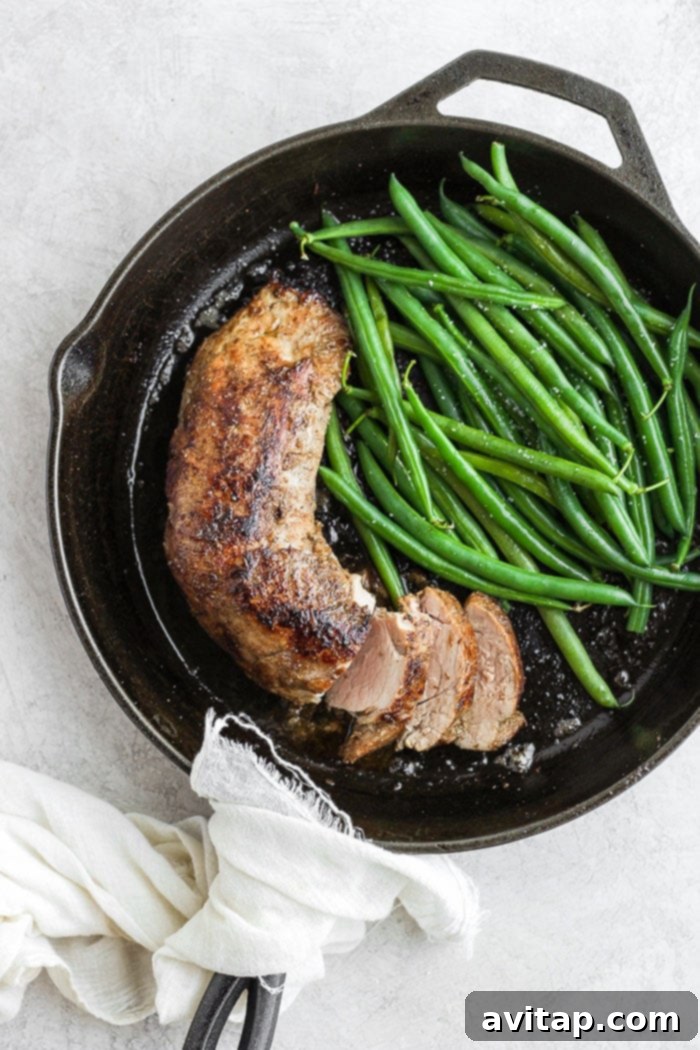
Elevate Your Meal: Inspired Serving Suggestions
A perfectly cooked sous vide pork tenderloin deserves equally delightful accompaniments. Here are some ideas to complete your gourmet meal:
- Sauces & Gravies: Drizzle your tenderloin with a vibrant homemade chimichurri for a fresh, herbaceous kick, or opt for a rich and earthy mushroom gravy to complement the savory notes of the pork. A simple pan sauce made from the searing pan drippings (deglazed with wine or broth) also adds incredible depth.
- Roasted Vegetables: Pair your pork with hearty balsamic roasted Brussels sprouts or tender-crisp asparagus. Other excellent choices include roasted carrots with honey and thyme, or glazed parsnips.
- Potato Perfection: Nothing quite beats the classic combination of pork and potatoes. Serve alongside fluffy mashed potatoes, crispy roasted red potatoes, or a creamy potato gratin for a comforting and satisfying side.
- Fresh Salads: For a lighter, yet flavorful option, a bright and zesty shaved Brussels sprout salad offers a fantastic textural contrast. A simple green salad with a light vinaigrette or a refreshing cucumber and tomato salad would also be excellent.
- Grain Sides: Consider serving with quinoa pilaf, couscous, or a wild rice blend for a wholesome and balanced meal.
Sous Vide Pork Tenderloin Recipe
This recipe delivers a flavorful, extremely tender, and perfectly cooked pork tenderloin every single time. Learn how to season and master the sous vide process in no time with this simple guide.
By: Linley Hanson
Prep Time: 15 mins
Cook Time: 3 hrs
Total Time: 3 hrs 15 mins
Servings: 4
Ingredients
- 1 lb. pork tenderloin
- 1 tablespoon brown sugar
- 1.5 teaspoons garlic powder
- 1/2 teaspoon onion powder
- 1 teaspoon coarse salt
- 1/4 teaspoon ground cinnamon
- 1/2 teaspoon dried thyme
- 1/4 teaspoon pepper
- 2 tablespoons olive oil
Instructions
- Begin by filling a large stockpot or a suitable container with water. Ensure there is enough water to fully submerge your pork tenderloin while also meeting the minimum depth requirement for your sous vide immersion circulator.
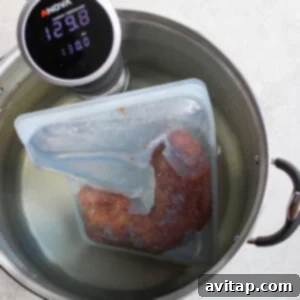
- Carefully place your sous vide device into the water bath and secure it to the side of your pot. Set the desired temperature for your pork tenderloin based on your preferred doneness: 130ºF for medium-rare, 140ºF for medium, or 150ºF for medium-well. Allow the water to come up to temperature.
- While the water bath heats, prepare your flavorful homemade pork dry rub. In a small bowl, thoroughly mix together the brown sugar, garlic powder, onion powder, coarse salt, ground cinnamon, dried thyme, and pepper.
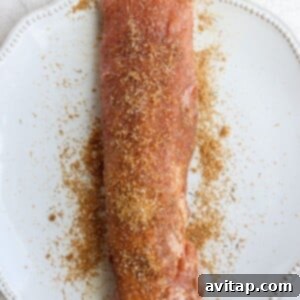
- Generously rub the entire surface of the pork tenderloin with the prepared dry rub, ensuring it is completely coated for maximum flavor.
- Carefully place the seasoned pork tenderloin into a Food Saver bag or a high-quality zipper-lock bag (like a Stasher bag). Remove as much air as possible before sealing the bag to ensure efficient heat transfer in the water bath.
- Once the water bath has reached your target temperature, carefully submerge the sealed bag containing the pork tenderloin into the pot. Use a bag clip or weights if necessary to ensure the bag remains fully submerged throughout the cooking process.
- Set your timer for 3 hours and allow the pork tenderloin to cook gently in the temperature-controlled water bath.
- After 3 hours of cooking, carefully remove the pork tenderloin from the water bath and take it out of the bag. Pat the pork very dry with paper towels; this step is crucial for achieving a good sear.
- Heat 2 tablespoons of olive oil in a large cast iron skillet over medium-high heat. Allow the skillet to get very hot until the olive oil begins to shimmer and is fragrant.
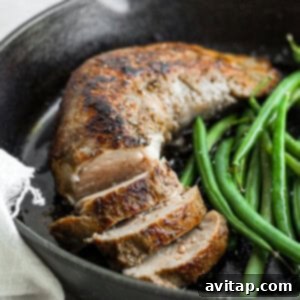
- Carefully place the dried pork tenderloin into the hot skillet. Sear for approximately 2 minutes on each side, rotating it to develop a rich, golden-brown crust on all surfaces.
- Once seared, transfer the pork tenderloin to a cutting board. Allow it to rest for 5-10 minutes before slicing and serving. This resting period allows the juices to redistribute, ensuring every slice is incredibly moist.
Tips & Notes for Success
- Pre-made Rub: If you keep a batch of our homemade pork dry rub ready in your pantry, use about 2 tablespoons of rub per 1 lb. of pork tenderloin for optimal flavor.
- Achieving a Perfect Sear: Ensure your skillet is screaming hot before adding the pork. Don’t overcrowd the pan. If cooking multiple tenderloins, sear them in batches to maintain high heat.
- Bagging Tips: When using zipper-lock bags, try the “water displacement method” to remove air: slowly submerge the bag with the pork into the water bath, letting the water pressure push the air out before sealing it just above the waterline.
- Resting is Key: Don’t skip the resting step! Even after sous vide, a brief rest allows the muscle fibers to relax, resulting in a more tender and juicy final product.
Nutrition Information (Approximate Per Serving)
Please note that nutrition information is automatically calculated and should be used as an approximation.
- Calories: 206 kcal
- Carbohydrates: 7 g
- Protein: 23 g
- Fat: 9 g
- Fiber: 0 g
- Sugar: 6 g
We’d Love to Hear From You!
We hope this guide empowers you to create the most succulent sous vide pork tenderloin you’ve ever tasted. This method is a testament to how precision cooking can elevate everyday meals into gourmet experiences.
If you loved this recipe or have any questions, please feel free to leave a comment below! Your feedback is invaluable to us.
Don’t forget to share your culinary creations on social media! Tag your posts with the hashtag #fitfoodiefinds – we can’t wait to see your perfectly cooked sous vide pork tenderloin!