
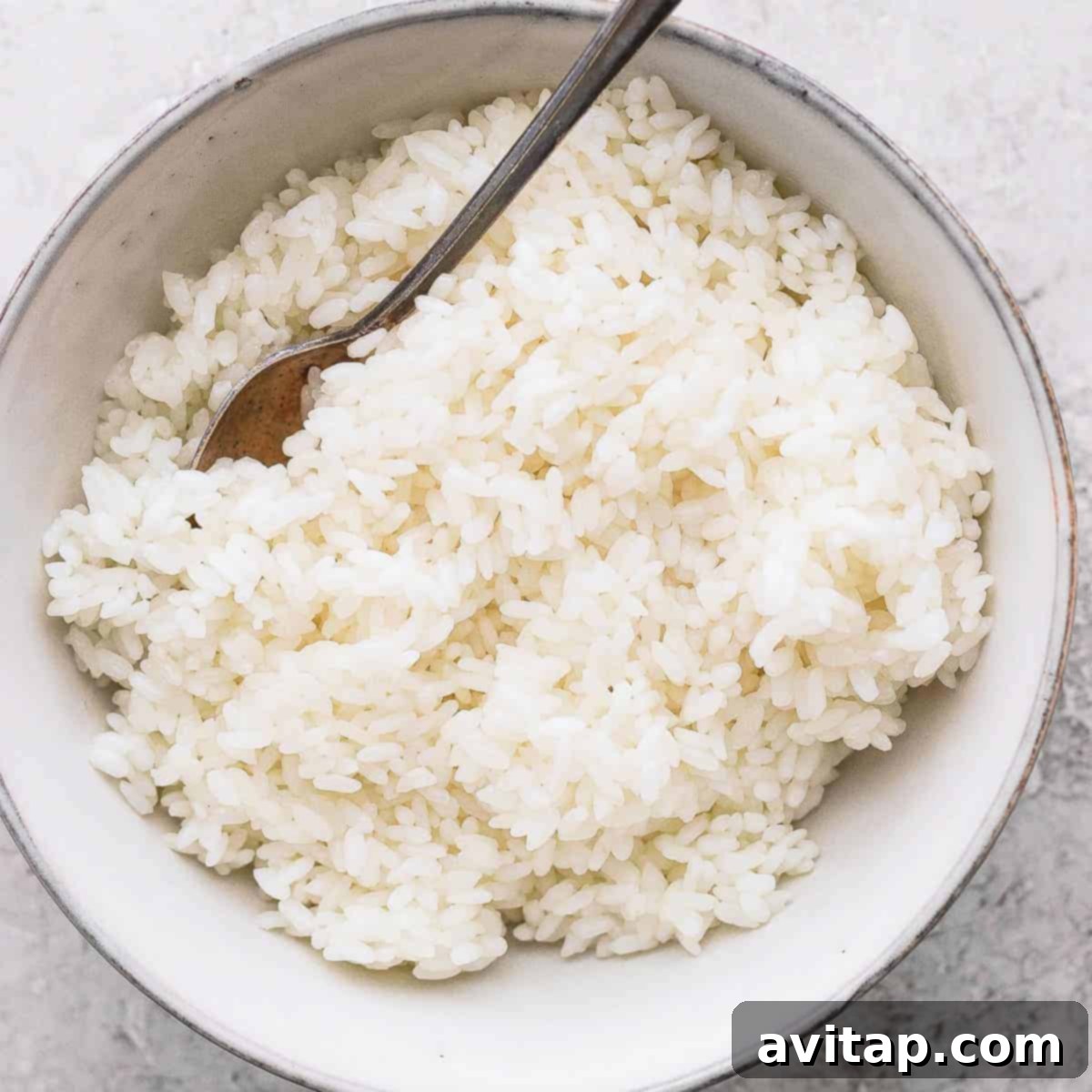
Discover the incredible versatility of sticky rice, a staple that perfectly complements a myriad of Asian-inspired dishes. Whether you’re craving a savory delight like our popular Korean Ground Beef or a sweet, tropical treat, sticky rice is the ultimate side. Learn how to prepare this delightful glutinous rice in your own kitchen with our detailed, step-by-step guide, ensuring perfect, fluffy, and sticky results every single time.
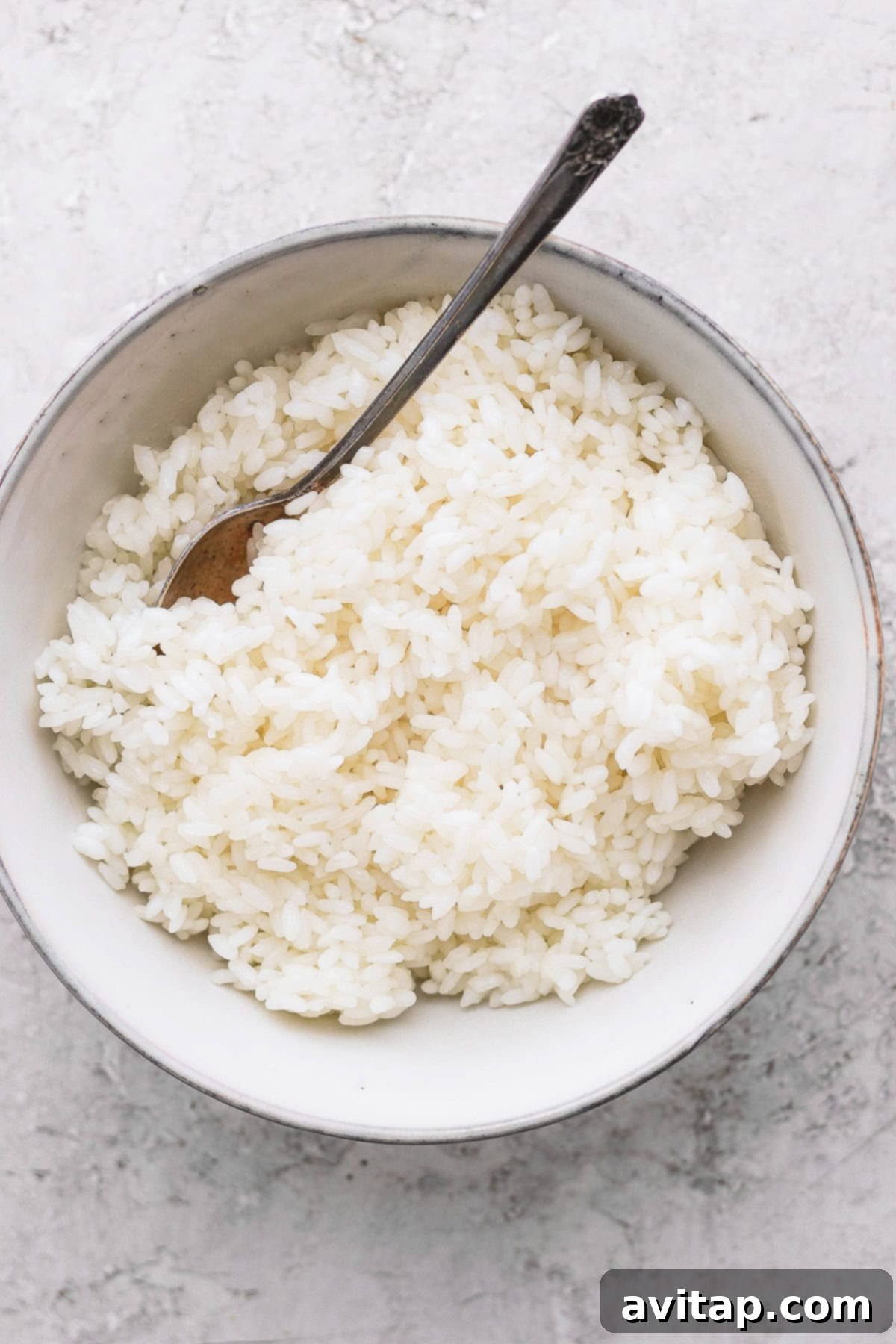
This authentic sticky rice recipe is a cherished family tradition, generously shared by our talented video producer, Pachee. We are honored to delve into the rich culinary heritage of Hmong and Thai cooking through her expertise, bringing genuine flavors right to your table.
Mastering Sticky Rice: A Comprehensive Guide to Authentic Asian Glutinous Rice
Sticky rice, also widely known as glutinous rice or sweet rice, is more than just a side dish; it’s a culinary cornerstone in many Southeast Asian and East Asian cuisines. Its unique sticky, chewy texture and subtle sweetness make it an incredibly versatile base for both savory meals and delectable desserts. If you’ve ever savored restaurant-quality sticky rice and wished you could replicate it at home, you’re in the right place. This guide provides a foolproof method, passed down through generations, to achieve perfectly cooked sticky rice that rivals any professional chef’s.
The Heart of the Home: Pachee’s Authentic Sticky Rice Tradition
From Pachee: My earliest memories of sticky rice are deeply intertwined with my father. He would often prepare it as a simple yet satisfying snack for us. I can vividly recall him gently rolling the hot rice between his hands, carefully blowing on it to cool it down just enough before passing a lovingly shaped ball to me. It was a gesture of warmth and care, a tradition passed down through our family, connecting us across generations through this humble dish. These small, sticky rice balls, rolled with love, weren’t just food; they were a symbol of family, comfort, and heritage.
As I grew older, I naturally found myself performing the same ritual for my own nieces and nephews. Watching them joyfully run around at grandma and grandpa’s house, I would cool and shape sticky rice for them, continuing a beautiful tradition. Sticky rice remains a year-round staple in our home, a constant presence that adapts effortlessly to any meal. Its inherent versatility means it pairs beautifully with everything from robust, savory curries to light, sweet fruit desserts, making it an indispensable part of our culinary landscape.
What Exactly is Sticky Rice? Exploring Glutinous Rice
Sticky rice, scientifically known as Oryza sativa var. glutinosa, is a unique type of rice characterized by its opaque grains, minimal amylose content, and high amylopectin content. This composition is what gives it its distinctive “sticky” quality when cooked, as opposed to the fluffy, separate grains of long-grain rice. Despite its name, glutinous rice is completely gluten-free; the term “glutinous” refers to its glue-like stickiness, not the presence of gluten protein. It is a fundamental crop primarily cultivated and consumed across Asia, playing a central role in the cuisines of Thailand, Laos, Vietnam, China, Japan, and many other regions. Its ability to complement both intensely sweet and profoundly savory dishes makes it an exceptionally versatile ingredient in countless traditional recipes.
Choosing the Best Rice: Sweet Rice for Perfect Stickiness
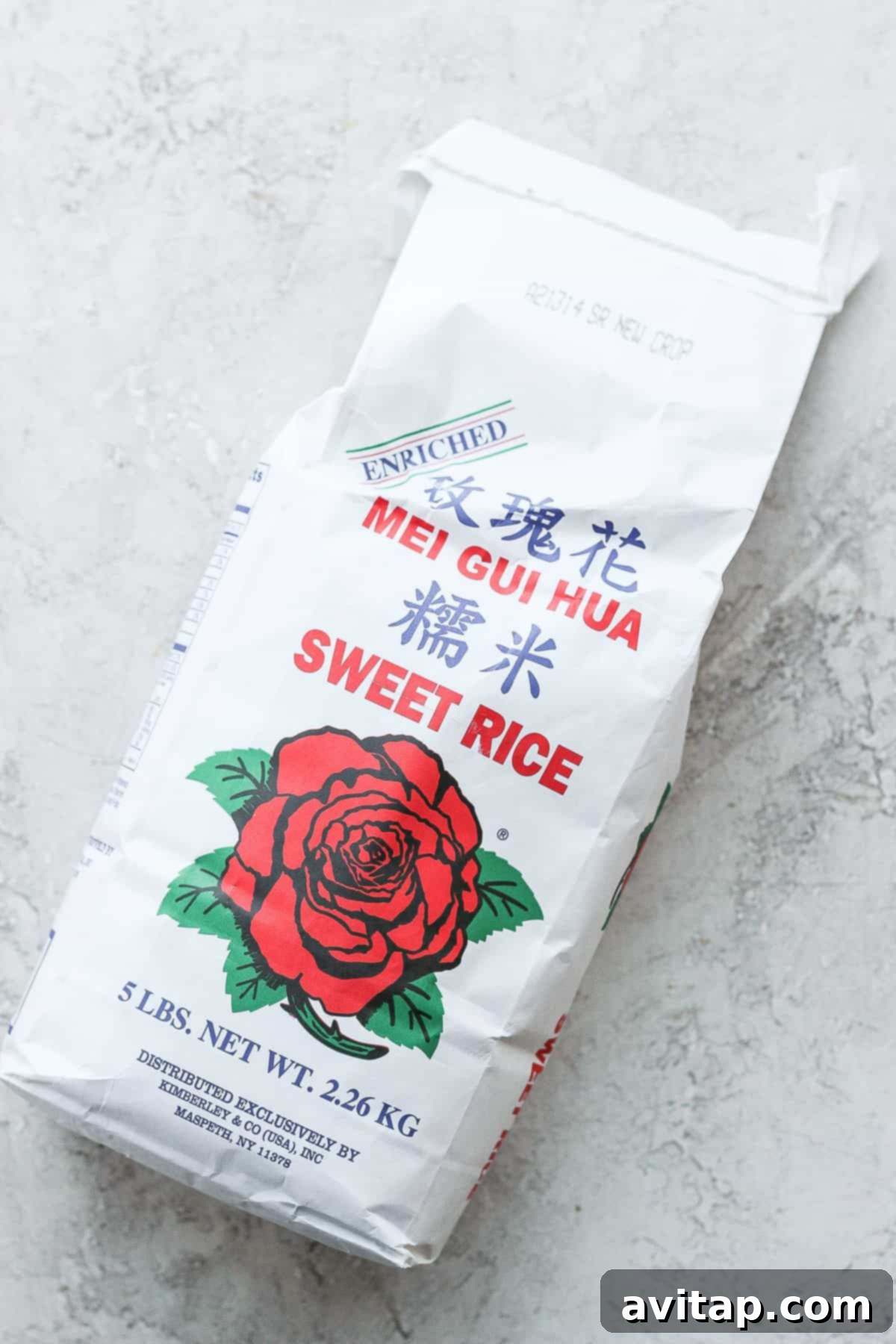
For achieving the truly authentic texture of sticky rice, Pachee highly recommends using “sweet rice” or “glutinous rice.” These terms are often used interchangeably to describe the specific variety needed for this recipe. You will typically find sweet rice sold in bags labeled “glutinous rice,” “sweet rice,” or sometimes “sticky rice.” For this particular recipe, we successfully used Apple Brand Sweet Rice, which is a popular and reliable choice. This type of rice is readily available in most Asian grocery stores. Furthermore, with the growing popularity of international cuisines, many larger mainstream grocery stores across the US are also stocking sweet rice in their international or Asian food aisles. Look for packages that specifically mention “glutinous” or “sweet” rice to ensure you get the right variety.
Essential Ingredients and Tools for Sticky Rice Success
Preparing perfect sticky rice is surprisingly simple, requiring just two core ingredients and a few fundamental tools. The quality of your rice and the proper steaming equipment are key to achieving that desirable chewy yet tender consistency.
Ingredients
- Sweet rice (also known as glutinous rice)
- Water (for rinsing, soaking, and steaming)
Essential Tools
- Bamboo steamer basket
- Steam pot (or a large pot to hold the bamboo basket)
- Strainer (a fine-mesh strainer is ideal)
- Large mixing bowl
For the bamboo basket and steam pot, Pachee recommends investing in a traditional set like THIS one, which is designed specifically for steaming rice and vegetables. However, you can absolutely make do with equipment you likely already have. Any large pot in your kitchen can function as a steam pot, as long as it’s wide enough to comfortably hold your bamboo basket. The critical factor is ensuring that the bottom of the bamboo basket does not come into direct contact with the water in the pot while the rice is steaming. This prevents the rice from boiling and becoming mushy, allowing it to cook gently with steam.
Embrace Local Flavors: Supporting Your Asian Grocery Store!
When embarking on an Asian-inspired culinary journey, we strongly encourage you to visit your local Asian grocery store. These vibrant markets are often treasure troves of authentic ingredients, specialized tools, and unique spices that can elevate your cooking to new heights. By choosing to shop locally, you not only gain access to fresh, high-quality products, but you also play a vital role in supporting small businesses and cultural communities. It’s a wonderful way to connect with the origins of your food and discover new flavors, making your cooking experience even more enriching.
Step-by-Step Guide: How to Make Perfect Sticky Rice Every Time
For precise measurements and a condensed recipe, please refer to the full recipe card below this section. This guide offers comprehensive details for each step.
Step 1: The Essential Rinse
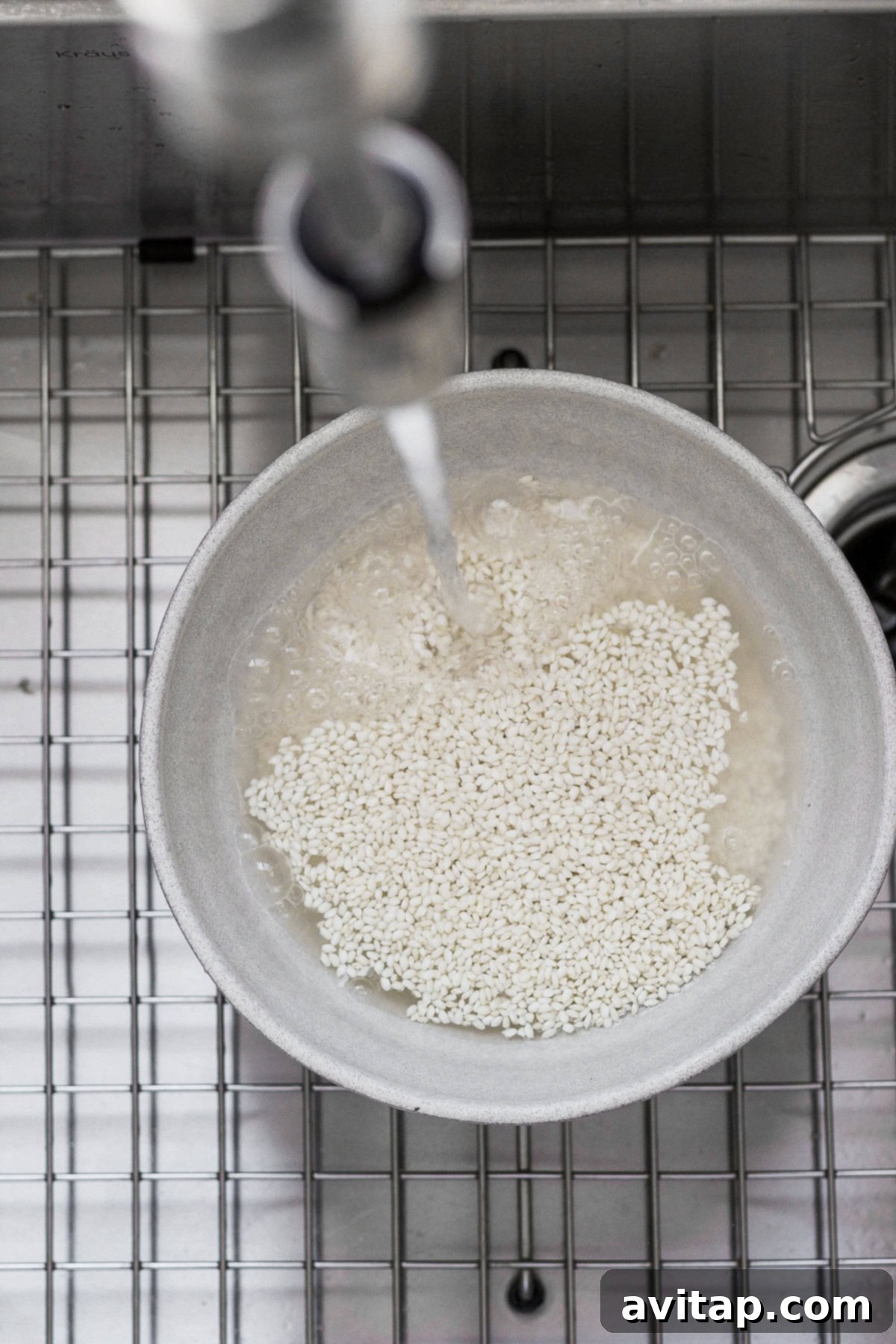
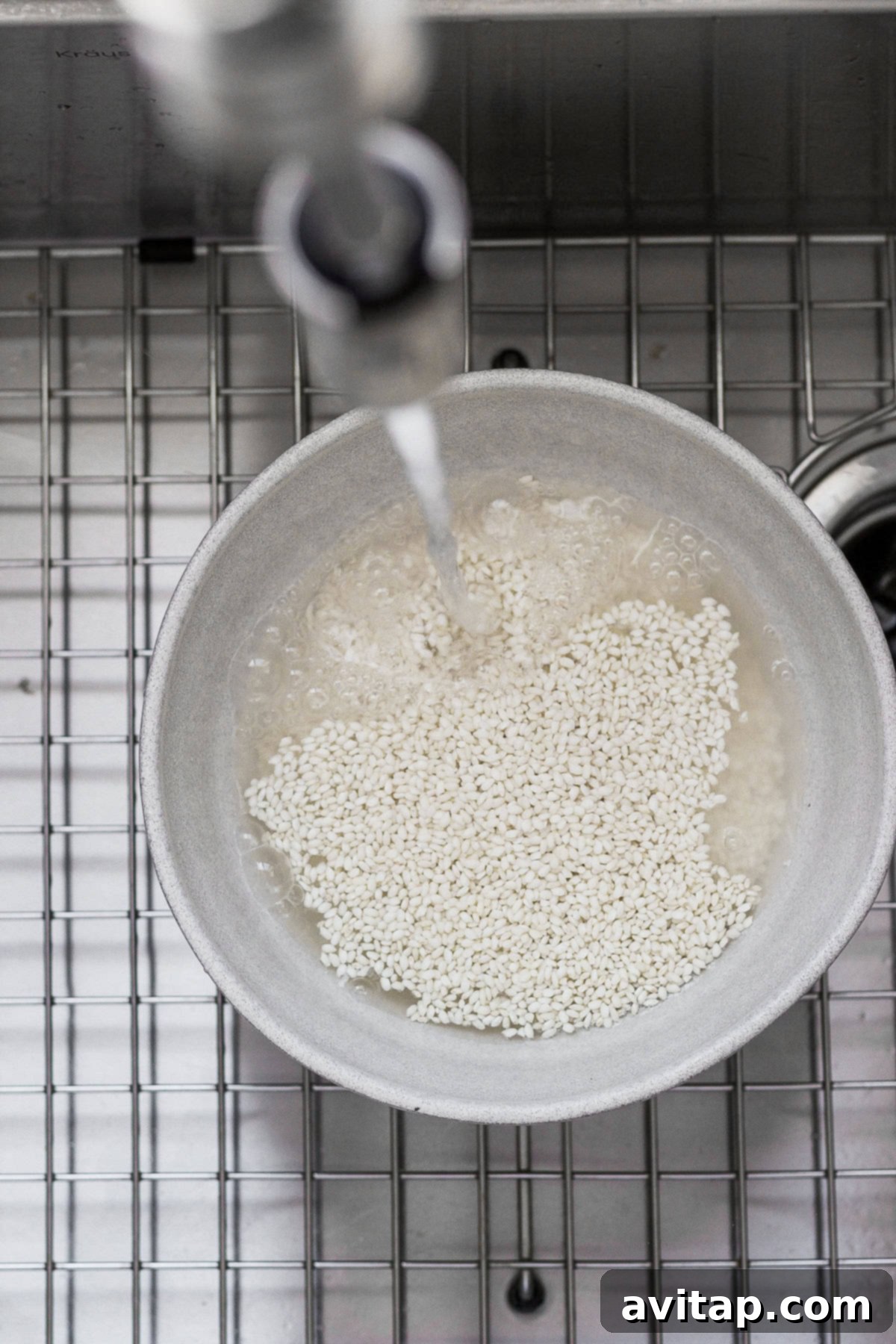
Begin by placing 3 cups of sweet rice into a large mixing bowl. Turn on warm water and rinse the rice thoroughly. Gently agitate the grains with your hands, then carefully drain the cloudy water. Repeat this rinsing process 2-4 times, or until the water runs mostly clear. This crucial step removes excess surface starch from the rice grains, which is key to preventing the rice from becoming excessively gummy or clumpy and ensures a more evenly cooked final product.
Step 2: The First Soak – Softening for Success
After rinsing, fill the bowl of rice with fresh warm water, ensuring the rice is completely submerged by at least an inch or two. Let the rice soak undisturbed for 45 minutes to 1 hour. This initial soaking period is fundamental; it allows the rice grains to absorb water, softening them considerably. This pre-softening ensures that the rice will steam beautifully, resulting in a tender yet firm texture without being undercooked or hard in the center. As the soaking time approaches its end, about 10-15 minutes prior, begin to boil a separate pot of water. This pot should be large enough to comfortably submerge the entire quantity of rice you are preparing for a brief hot water bath in the next step.
Step 3: Initial Strain
While your pot of water is heating up to a rolling boil, carefully transfer the soaked rice from its bowl into a fine-mesh strainer. Allow the rice to drain thoroughly, shaking gently to remove as much excess water as possible. Set the strained rice aside, ensuring it’s ready for the next step as soon as the boiling water is prepared.
Step 4: The Hot Water Soak – Enhancing Texture
Once the large pot of water has reached a vigorous, rolling boil, immediately turn off the heat. Carefully add the strained rice directly into this pot of hot water. Using a spoon or spatula, gently stir the rice for exactly 3 minutes. This brief hot water treatment is a critical step in Pachee’s method; it further softens the rice grains, contributing to an incredibly tender and pleasant texture, making the sticky rice exceptionally enjoyable. It is crucial, however, to be vigilant and not exceed the 3-minute mark. Leaving the rice in the hot water for too long will overcook it, resulting in undesirable mushy sticky rice. To check if the rice is ready, pick out a single grain and try to break it in half; it should snap easily without being too firm or too soft.
- The primary benefit of this added hot water soak is the creation of a distinctly softer, more pliable, and ultimately more enjoyable rice texture, distinguishing it from simply steamed rice.
- You’ll know the rice has achieved the perfect pre-steaming consistency when a single grain breaks easily in half between your fingers, indicating it has absorbed enough moisture without becoming waterlogged.
Step 5: Second Strain
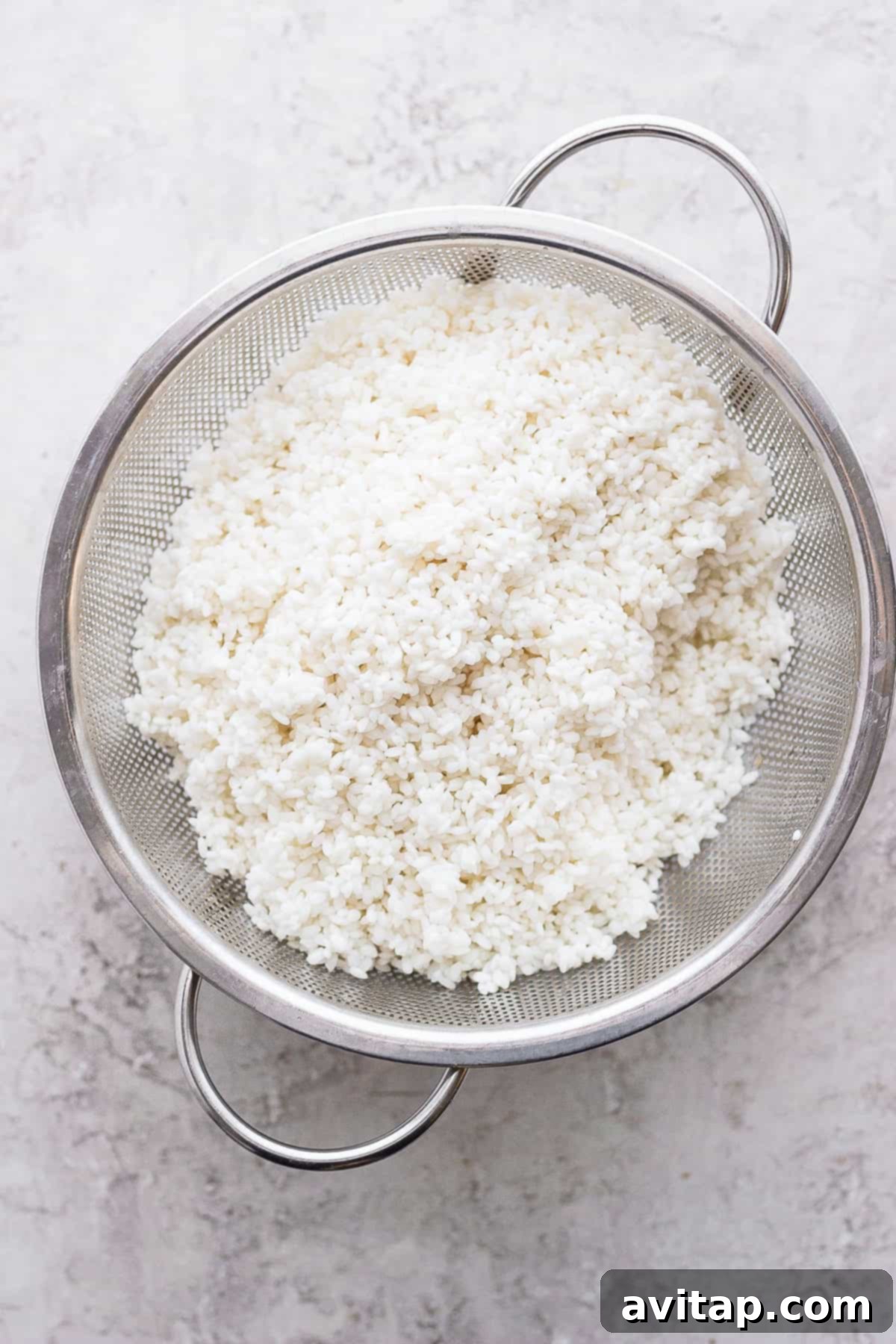
After the brief hot water soak, carefully pour the rice and water back into your strainer. Ensure all the hot water is thoroughly drained from the rice grains. You can gently shake the strainer to facilitate this. Set the perfectly prepped rice aside; it is now ready for its final transformation through steaming.
Step 6: Steaming to Perfection
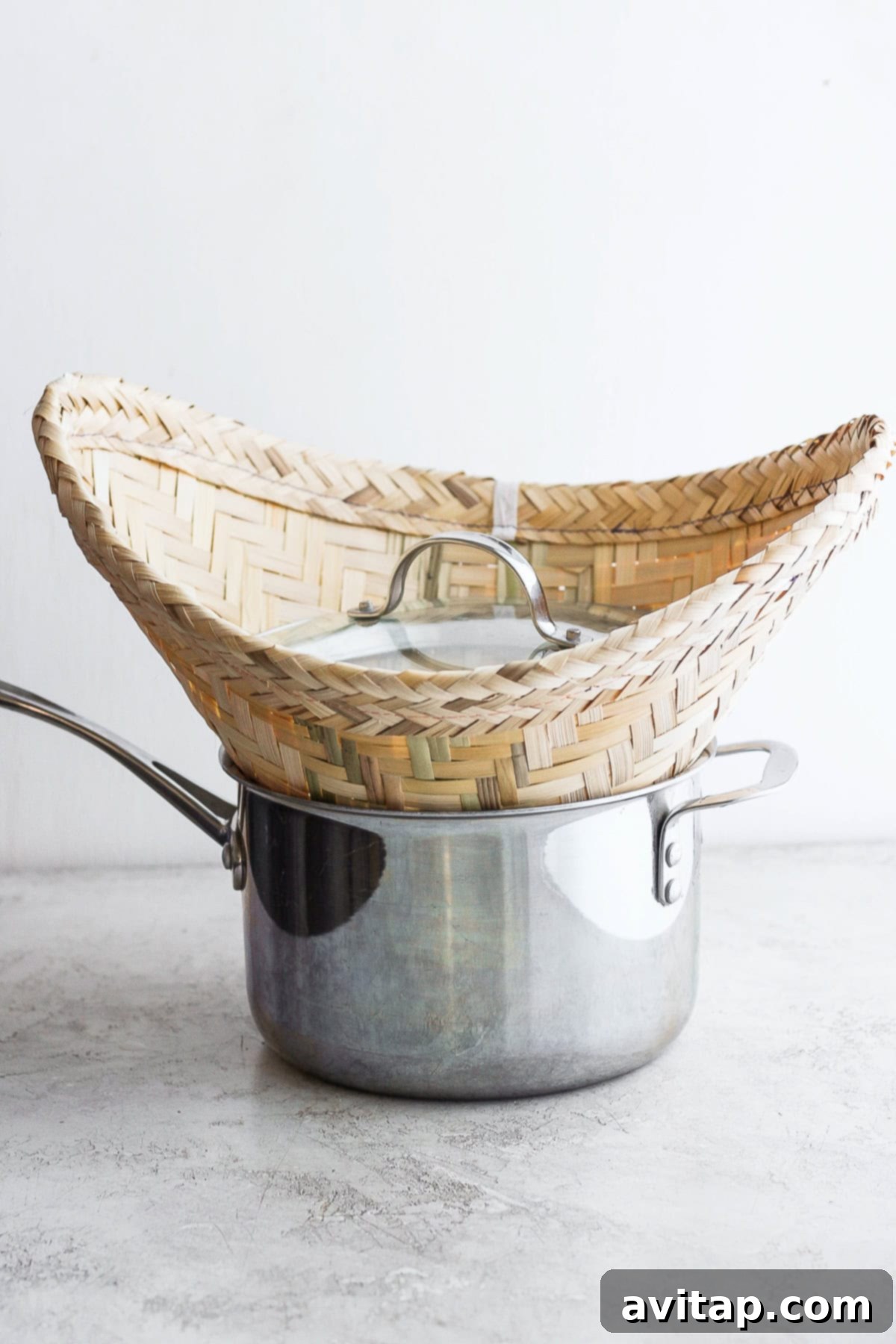
Now, prepare your steaming setup. Fill the bottom of your steam pot with water – typically about 2-3 inches, or enough so that it will generate ample steam without needing refilling during the cooking process. Place your bamboo steamer basket securely on top of the steam pot. Turn the heat to high, bringing the water to a rolling boil to create robust steam. A critical point here: it is absolutely essential that the boiling water in the steam pot does not touch the bottom of the bamboo basket. If the water comes into contact with the rice, it will boil instead of steam, resulting in waterlogged and mushy sticky rice, which is not what we’re aiming for.
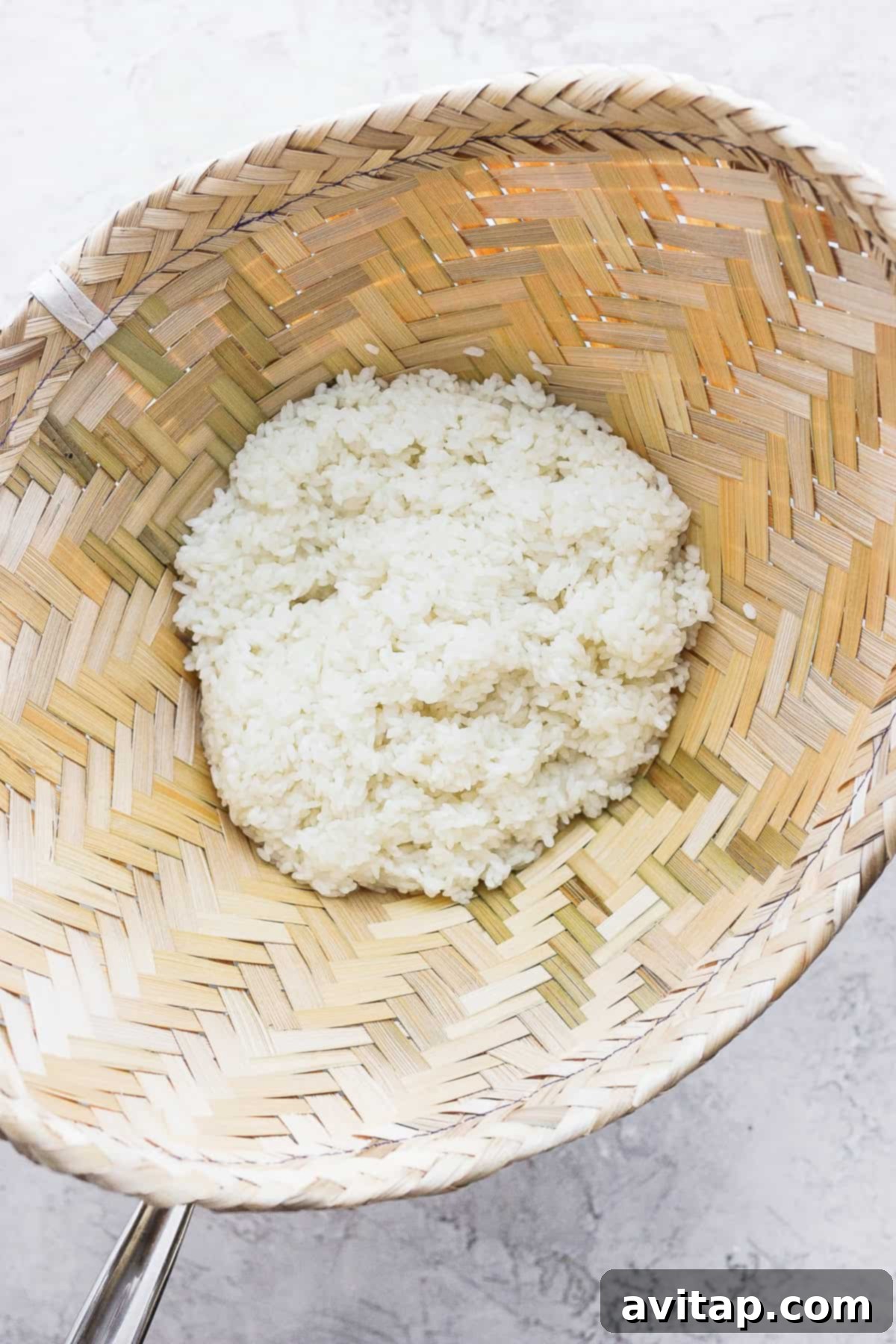
Once the steam is strong, slowly and carefully transfer the pre-soaked and drained rice into the bamboo basket. Distribute it evenly without pressing down too hard, allowing steam to circulate. Cover the bamboo basket with its lid, ensuring it fits snugly to trap all the steam. A tight seal is vital for efficient and even steaming. Allow the rice to steam for approximately 30 minutes. The exact timing can vary slightly depending on the quantity of rice you’re cooking and the intensity of your steam. It’s perfectly acceptable to lift the lid briefly after 20-25 minutes to check on the rice; it should be translucent, tender, and sticky, but each grain should still maintain its distinct shape. Avoid overcooking, as this can lead to overly soft or mushy rice.
Expert Tips for Unforgettable Sticky Rice
Achieving the perfect sticky rice texture is an art, but with these expert tips, you’ll master it in no time. These insights will help you avoid common pitfalls and ensure your sticky rice is consistently delightful, whether served with sweet or savory dishes.
Always rinse the rice thoroughly: This step is non-negotiable. Rinsing the sweet rice under warm water 2-4 times removes excess surface starch. If you skip this, your rice is likely to become overly gummy and clump together in an unappetizing way, rather than retaining its individual, yet sticky, grain structure. Clear rinse water is your indicator that enough starch has been removed.
Don’t skip soaking the rice (both times!): The initial cold or warm water soak for 45-60 minutes is crucial for hydrating the grains and softening them from the inside out. This makes them pliable and receptive to steaming. The subsequent brief hot water soak (Pachee’s secret!) further tenderizes the rice, contributing to that incredibly soft, pleasant chew without it becoming mushy. Skipping these steps could result in hard, unevenly cooked grains that could literally “break a tooth” as the original recipe playfully warns!
Before placing the rice in the steam basket, prepare it: To prevent frustrating sticking and make for effortless cleanup, always prepare your bamboo steamer basket. Lightly spray or rub the bottom and lower sides of the bamboo basket with a neutral cooking oil (like vegetable or canola oil) or a thin layer of butter. This creates a barrier that ensures the sticky rice releases easily once cooked, keeping its beautiful form.
When steaming the rice, mind the water level: This is paramount. The water in your steam pot must *not* touch the bottom of your bamboo basket. If it does, your rice will boil directly in the water instead of cooking gently with steam. The result will be soggy, waterlogged, and mushy rice, losing that desirable sticky yet separate texture. Ensure there’s enough space between the water and the basket for steam to circulate freely.
Keep the steamer lid tightly closed: Once the rice is in the basket and steaming, resist the urge to constantly peek! Every time you lift the lid, you release valuable steam, extending the cooking time and potentially leading to unevenly cooked rice. A tight-fitting lid ensures that steam is effectively trapped, allowing the rice to cook consistently and efficiently.
Serve immediately for best texture: Sticky rice is at its absolute best when served fresh and warm. Its texture is most pliable and delightful right after steaming. If it cools too much, it can become firmer. If you need to serve it later, gently rewarm it (see storage tips below) to revive its soft, sticky quality.
Perfect Pairings: What to Serve with Your Sticky Rice
Sticky rice is renowned for its incredible versatility, making it a fantastic accompaniment to a vast array of dishes. Its subtle sweetness and unique texture can perfectly balance rich, savory flavors or enhance delicate, sweet desserts. While it’s famously delicious with many Thai and Laotian dishes, its appeal extends across various Asian cuisines.
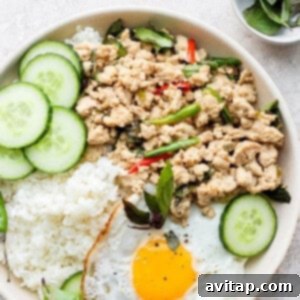
Pachee’s recipe for
Pad Krapow (Thai Basil Stir Fry)
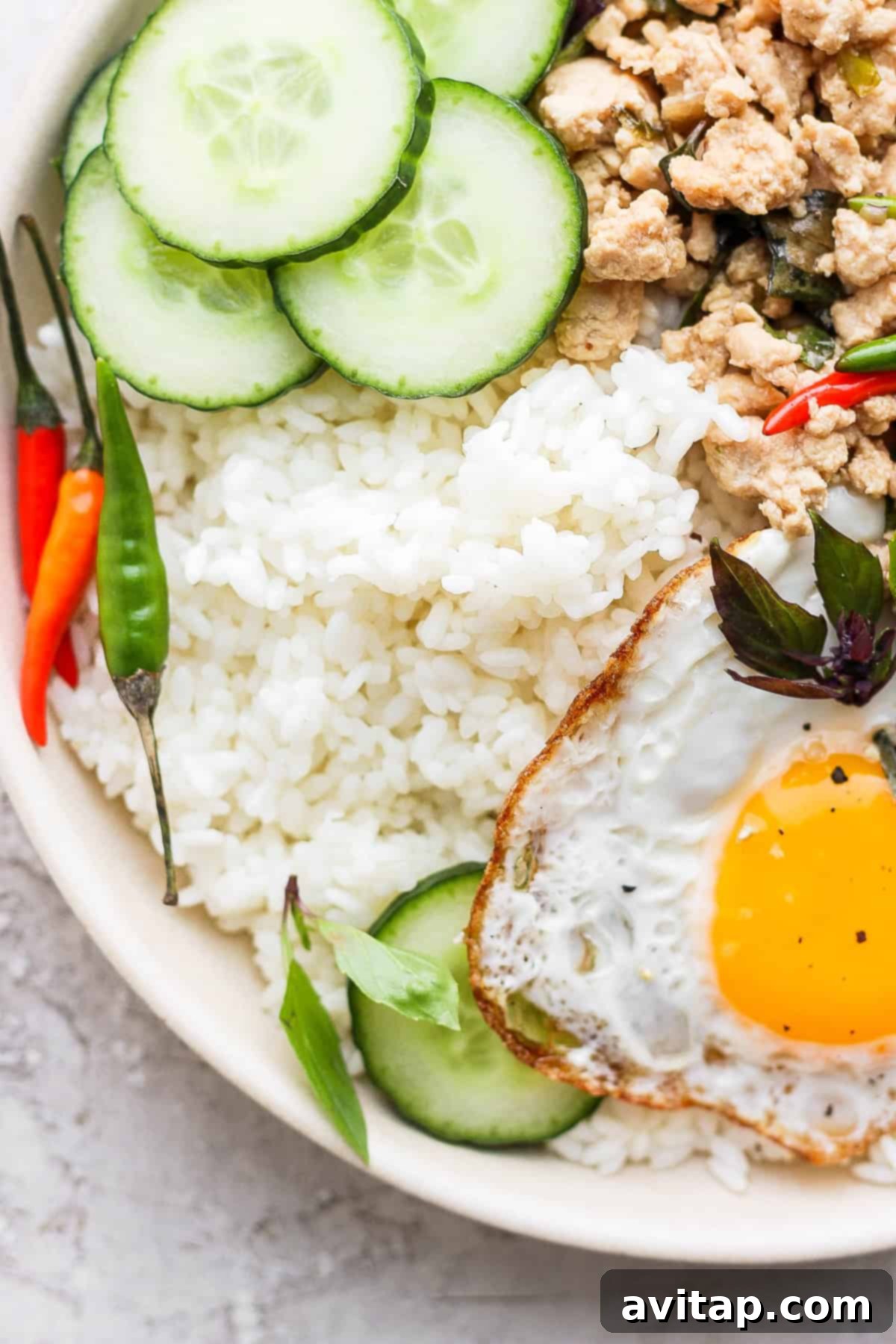
We absolutely adore serving this freshly steamed sticky rice with Pachee’s authentic Pad Krapow (Thai Basil Stir Fry). The way the rice absorbs the savory, spicy sauce is simply divine! But if you’re looking for other fantastic serving recommendations, here are a few of our personal favorites that showcase its versatility:
- Shrimp Stir Fry: The delicate sweetness of sticky rice is a wonderful counterpoint to the vibrant flavors of a shrimp stir fry, especially one with a savory soy-ginger sauce.
- Chicken Stir Fry: A classic pairing! The sticky rice provides a comforting base for any chicken stir-fry, soaking up all the delicious juices and seasonings.
- Orange Chicken: The crispy, tangy-sweet goodness of orange chicken finds its perfect partner in the soft, slightly sweet sticky rice.
- Honey Sticky Pork: The name says it all! The sticky texture of the rice complements the glaze of honey sticky pork exceptionally well, making every bite a delight.
- Grilled Meats (Thai/Lao style): Think marinated grilled chicken (Gai Yang) or pork (Moo Ping). The rice is traditionally eaten by hand with these dishes, tearing off pieces and dipping them into sauces.
- Mango Sticky Rice: For a sweet treat, serve warm sticky rice with sliced fresh mango and a drizzle of sweetened coconut milk. It’s a classic Thai dessert that highlights the rice’s natural sweetness.
- Larb (Lao/Thai Meat Salad): The cooling crunch of Larb, often made with ground chicken or pork, is beautifully balanced by warm sticky rice, which also helps to temper its spiciness.
Storing and Reheating Sticky Rice
Proper storage is key to maintaining the texture of your sticky rice. Once it has cooled to room temperature, transfer any leftover sticky rice into an airtight container. Store it promptly in the refrigerator, where it will remain fresh and delicious for up to 3 days. Beyond this, its quality may start to diminish.
To reheat sticky rice effectively: The best method is to gently steam it again. Place the refrigerated sticky rice back into a bamboo steamer basket over boiling water for 5-10 minutes, or until it is soft and pliable once more. If a steamer isn’t available, you can also place it in a microwave-safe container with a tablespoon or two of water, cover loosely, and microwave on high for 1-2 minutes, stirring halfway through, until it’s warmed through and soft. Avoid excessive microwaving, as this can dry out the rice.
More of our Favorite…
Delicious Recipes Featuring Rice
If you love rice as much as we do, you’ll be excited to explore these other fantastic recipes that celebrate this versatile grain in all its forms. From zesty sides to complete meals, there’s a rice dish for every occasion:
- Cilantro Lime Rice: A zesty, refreshing side that perfectly complements Mexican-inspired dishes.
- Sushi Burrito: A fun, deconstructed take on sushi, packed with your favorite fillings and plenty of rice.
- Cauliflower Fried Rice: A healthy, low-carb alternative to traditional fried rice, packed with flavor and veggies.
- Instant Pot Brown Rice: Master perfect, fluffy brown rice effortlessly with the convenience of your Instant Pot.
- How to Cook Wild Rice: Learn the best techniques for cooking this hearty, nutty, and nutritious grain.
- One-Pan Lemon Herb Chicken and Rice: A simple, flavorful meal where chicken and rice cook together to perfection.
- Creamy Mushroom Risotto: Indulge in this rich, comforting Italian classic, showcasing Arborio rice.
Sticky Rice Recipe
Emily Richter (Inspired by Pachee’s family recipe)
Prep time:
50 mins
Cook time:
30 mins
Total time:
1 hr 20 mins
6
Equipment
- Steam Pot
- Bamboo Basket (or a dedicated steamer insert)
- Strainer (fine-mesh recommended)
- Large mixing bowl
Ingredients
- 3 cups sweet rice, (e.g., Apple Brand Sweet Rice or other glutinous rice)
- Water (for rinsing, soaking, and steaming)
Instructions
-
Rinse Rice: Place 3 cups of sweet rice into a large bowl. Rinse the rice under warm water 2-4 times, agitating gently with your hands, and drain after each rinse until the water runs mostly clear. This removes excess surface starch.
-
First Soak: Fill the bowl of rinsed rice with warm water, ensuring it’s fully submerged. Let the rice soak for 45 minutes to 1 hour. This step helps soften the rice for ideal steaming texture.
-
Prepare for Hot Water & Initial Strain: A few minutes before the soaking time ends, bring a large pot of water to a rolling boil. While the water heats, transfer the soaked rice into a strainer, allowing excess water to drain.
-
Hot Water Soak (Second Soak): Once the pot of water is boiling, immediately turn off the heat. Carefully add the strained rice into the hot water and stir gently for 3 minutes. Be careful not to leave the rice in too long, as this will cause mushy sticky rice. This brief soak creates a softer, more pleasant rice. The rice is ready when a grain breaks easily in half.
-
Second Strain: Carefully strain or drain the rice again, ensuring all hot water is removed. Set it aside.
-
Set up Steamer: Add water into the steam pot and place the bamboo basket on top. Turn the heat on high to generate steam. Important: Ensure the water doesn’t touch the bottom of the bamboo basket.
-
Steam Rice: Lightly spray or rub the inside of the bamboo basket with oil or butter to prevent sticking. Slowly transfer the twice-soaked and strained rice into the bamboo basket and cover tightly with a lid. Let it steam for 30 minutes. Steaming time may vary depending on the amount of rice; it’s okay to check for doneness periodically.
-
Serve & Enjoy: Once steamed to perfection, remove from the steamer and serve immediately with your favorite sweet or savory dishes.
Tips & Notes
- Prevent Sticking: Be sure to spray or rub butter/oil onto the bottom and sides of the bamboo basket before adding the rice. This prevents sticking and makes cleanup much easier.
- Crucial Steaming Tip: It is vital that the water in the steam pot does not touch the bottom of the bamboo basket. If it does, your rice will boil and become mushy instead of steaming to a perfectly sticky texture.
- Proper Rinsing: Don’t underestimate the rinsing step! It removes crucial starches that would otherwise make your rice too gummy.
Nutrition (per serving, approximate)
Calories:
95
kcal
Carbohydrates:
21
g
Protein:
1
g
Fat:
1
g
Fiber:
0
g
Sugar:
12
g
Nutrition information is automatically calculated and should only be used as an approximation.
Photography by: The Wooden Skillet
We hope this detailed guide empowers you to create perfect sticky rice in your own kitchen, bringing a taste of authentic Asian culinary tradition to your home. Enjoy the process, savor the delicious results, and don’t forget to share your sticky rice creations with us! We love seeing how our recipes inspire your cooking adventures.