
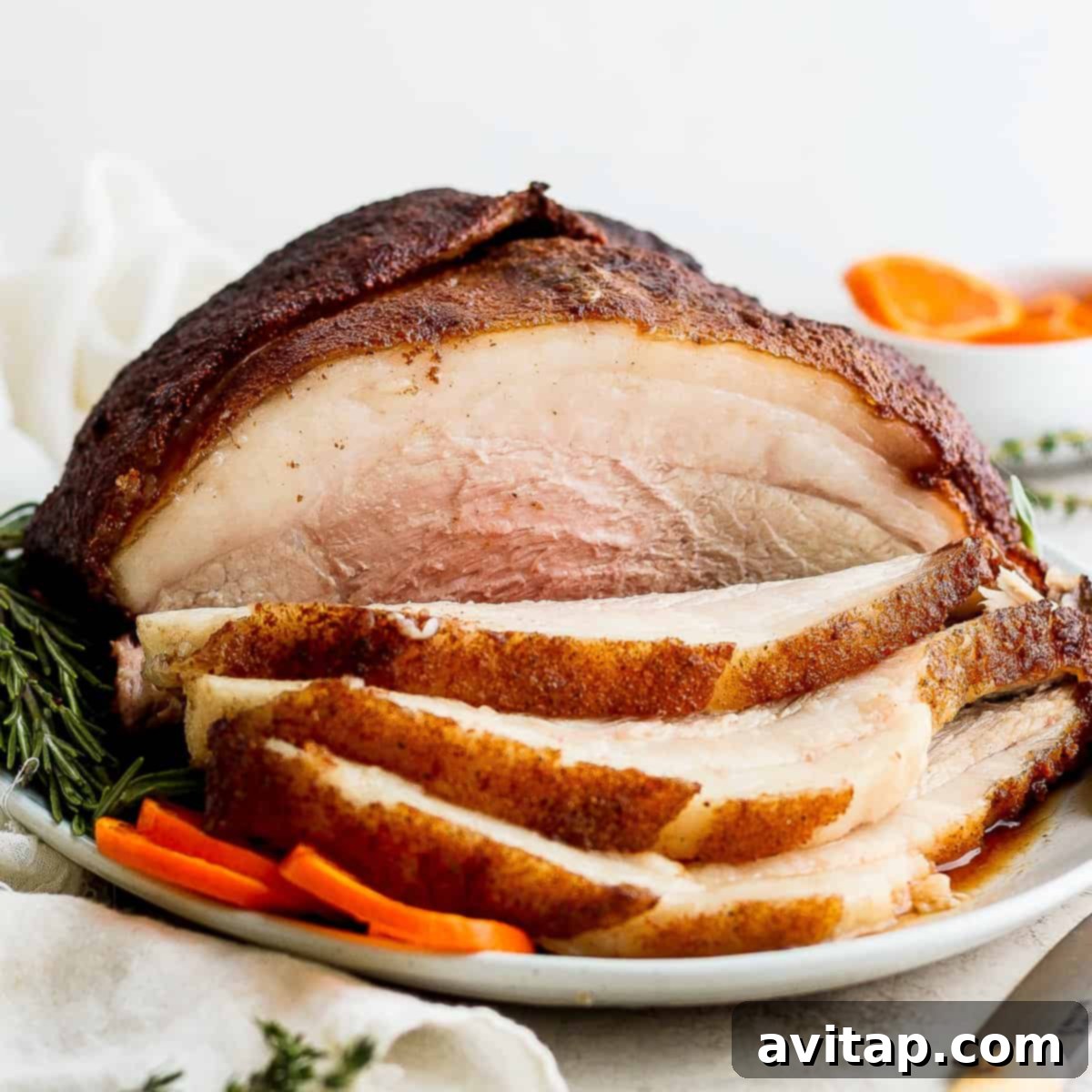
Smoked ham stands as a culinary masterpiece, a dish revered for its rich flavor, succulent texture, and impressive presentation. Ideal for grand holiday feasts, elegant dinner parties, or simply a weekend gathering, a perfectly cooked smoked ham is guaranteed to be the centerpiece of any table. This comprehensive guide will walk you through crafting an unforgettable smoked ham recipe, featuring a deep overnight brine, a savory dry rub, and precise smoking techniques to ensure every slice is incredibly juicy and bursting with flavor. Forget bland, store-bought options; prepare to elevate your culinary skills and delight your guests with a truly exceptional homemade smoked ham.
Smoked Ham: The Quintessential Holiday Meal
There’s an undeniable magic to serving a homemade smoked ham. Beyond its delicious taste, it embodies warmth, tradition, and celebration. Each bite of this flavorful and juicy creation offers a depth of smoky goodness that transcends ordinary meals, making it the ultimate choice for special occasions like Easter, Thanksgiving, or Christmas. It’s not just food; it’s an experience, a centerpiece that brings people together and creates lasting memories.
In this extensive guide, we will delve into every aspect of preparing the perfect homemade smoked ham. From understanding the best cuts of pork to mastering the art of brining, applying a flavorful dry rub, and precisely smoking your ham, we cover it all. Our aim is to demystify the process, empowering you to confidently create a dish that will impress even the most discerning palates. By the time you finish, you’ll possess the knowledge to smoke your own ham like a seasoned pitmaster, feeling accomplished and incredibly proud with every succulent, smoky slice.
Why You’ll Adore This Smoked Ham Recipe
Preparing this smoked ham isn’t just about cooking; it’s about creating a culinary masterpiece that everyone will rave about. Here’s why this recipe will become your go-to:
- Unrivaled Juiciness and Flavor: Our method, featuring an overnight brine and a carefully balanced dry rub, locks in moisture and infuses the ham with an incredible depth of flavor that is simply irresistible.
- Versatile for Any Occasion: While it shines as a holiday centerpiece, this ham is equally fantastic for a weekend dinner, and its delicious leftovers provide endless meal possibilities throughout the week.
- Wholesome, Preservative-Free Goodness: By making it yourself, you control every ingredient, ensuring you get a premium, delicious ham without any unwanted additives or preservatives often found in store-bought versions.
- A Guaranteed Crowd-Pleaser: The rich aroma and exquisite taste of freshly smoked ham have universal appeal. Prepare for glowing compliments and requests for seconds – and the recipe!
Understanding Smoked Ham: More Than Just Cooked Pork
At its core, smoked ham refers to a cut of pork, specifically from the hind leg of a pig, that has been slow-cooked in a smoker. This cooking method imparts a distinct, aromatic smoky flavor that permeates the meat, transforming it from a simple piece of pork into a gourmet delight. Unlike conventional oven roasting, smoking not only cooks the ham but also tenderizes it over a longer period at lower temperatures, while allowing the wood smoke to infuse its unique character. When combined with our special dry rub, the smoking process creates a beautiful, flavorful crust on the exterior, complementing the succulent interior and enhancing every dimension of the ham’s taste profile.
The magic of smoked ham lies in the complex interplay of flavors: the inherent sweetness of pork, the savory notes from the dry rub, and the profound depth added by the wood smoke. This combination results in a finished product that is far superior to pre-cooked hams, offering a depth and freshness that can only be achieved through homemade preparation.
The Science of Smoke Flavor
Smoking uses controlled heat and smoke from wood combustion to cook and flavor food. The chemical compounds in wood smoke (like phenols, guaiacols, and syringols) penetrate the meat, creating its characteristic taste and aroma. Different woods impart different flavors – from mild fruit woods like apple and cherry to stronger woods like hickory and mesquite. Understanding these nuances can help you fine-tune your smoked ham to perfection.
Choosing the Right Cut: What Meat to Use for Homemade Smoked Ham
While it might seem straightforward, finding a raw ham cut for smoking can be surprisingly tricky, especially outside of peak holiday seasons. Traditionally, “ham” refers specifically to the cut of meat taken from the hog’s hind leg. This muscle group is known for its lean yet flavorful characteristics, making it ideal for the slow, tenderizing process of smoking.
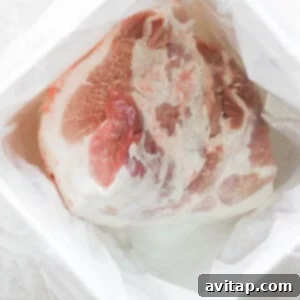
When you’re at the butcher, you’ll be looking for a raw, uncured pork leg. Most hams found in supermarkets are already cured, pre-cooked, and often smoked. For this recipe, we want to start from scratch to control the flavor and achieve the best results. Don’t hesitate to ask your butcher for a “fresh ham” or “green ham,” which refers to the uncured hind leg of the pig. This ensures you’re getting the perfect canvas for your smoking masterpiece.
Boneless vs. Bone-In Ham: Which is Best for Smoking?
Both boneless and bone-in ham cuts can be used successfully for this smoked ham recipe, each offering unique advantages:
- Boneless Ham: This is often easier to handle, carve, and typically cooks faster due to its uniform shape and lack of bone mass. It’s an excellent choice for those seeking convenience and a slightly quicker smoking time. Our recipe was developed and tested using a boneless ham, ensuring reliable results. A boneless ham usually weighs between 7-9 pounds.
- Bone-In Ham: While requiring a bit more effort to carve, a bone-in ham is prized by many for the additional flavor and moisture the bone imparts during cooking. The bone marrow and connective tissues release flavor compounds that enrich the meat, leading to a deeper, more traditional ham taste. However, bone-in hams are larger, typically ranging from 12-14 pounds, and will require a longer smoking duration.
Regardless of your choice, the key is to ensure the ham fits comfortably in your smoker and that you monitor its internal temperature closely for perfect doneness.
Sourcing Your Raw Ham: Tips for Finding the Perfect Cut
Finding a raw, uncured ham can sometimes be a quest, especially outside of major holiday seasons. Most grocery stores stock cured or pre-cooked hams. Here are your best options for acquiring the ideal cut for your homemade smoked ham:
- Local Butcher Shops: This is undoubtedly your best bet. A good local butcher can often source fresh ham for you or, if you plan ahead, cut aside the hind leg on the day they butcher a pig. They can also offer valuable advice on the cut and size.
- Specialty Meat Markets: Stores specializing in high-quality meats are more likely to carry less common cuts like raw ham, even year-round.
- Online Meat Purveyors: Several online services deliver quality meats directly to your door. A quick search for “fresh ham delivery” or “uncured pork leg” can yield results, though shipping costs can be a factor.
- Farmer’s Markets (Seasonal): If you have local pig farmers at your farmer’s market, inquire about ordering a fresh ham. This is often the best way to get high-quality, locally sourced pork.

Explore Various Cuts of Pork
Curious about where all the delectable cuts of pork originate on the pig? We’ve simplified it for you! Dive deeper into everything pork and discover more details in our extensive collection of favorite pork recipes!
How to Smoke a Ham: A Step-by-Step Overview
Embark on your journey to smoking a spectacular ham with this quick tutorial. For the complete, detailed ingredient list and written recipe, please scroll down to the dedicated recipe card section.
- Prepare the Brine: Start by creating a robust brine solution. Ensure you have a large, food-safe container or cooler that can fully submerge your ham. This step is crucial for moisture and flavor.
- Brine the Ham: Carefully place the ham into the prepared brine, making sure it’s completely covered. Refrigerate it overnight or for up to 24 hours to allow the ham to absorb maximum moisture and seasoning, resulting in an exceptionally juicy ham.
- Apply the Dry Rub: After brining, remove the ham and pat it thoroughly dry. Generously apply your flavorful dry rub, ensuring it adheres to every surface. This rub will develop into a delectable, savory crust during smoking.
- Craft the Basting Liquid: In a saucepan, combine butter, diced onion, and salt, sautéing until fragrant. Then, incorporate garlic and honey for a touch of sweetness and depth. This liquid will keep your ham moist and add another layer of flavor.
- Smoke to Perfection: Transfer the prepared ham to your preheated smoker. Smoke at 300ºF for 2-3 hours, basting the ham every 30 minutes with your liquid to maintain moisture and build flavor.
- Allow the Ham to Rest: Once the ham reaches an internal temperature of approximately 140ºF, remove it from the smoker. Let it rest for a crucial 30 minutes. This allows the juices to redistribute, ensuring a tender and moist final product.
- Slice and Savor: After resting, slice your beautifully smoked ham and serve immediately. Enjoy it fresh, or savor the delicious leftovers throughout the week.
How Long to Smoke a Ham? Achieving Perfect Doneness
The duration required to smoke a ham can vary, but generally, a 7-8 pound boneless ham will take approximately 2-3 hours when smoked at a consistent temperature of 300ºF. Several factors influence the exact smoking time:
- Bone-in vs. Boneless: Bone-in hams typically take longer to cook than boneless hams of the same weight, as the bone conducts heat differently and acts as an insulator.
- Size and Weight: Larger and heavier hams will naturally require more time on the smoker.
- Smoker Type and Consistency: Different smokers (pellet, electric, charcoal, offset) can vary in their heat retention and temperature consistency. Always trust your thermometer over estimated times.
- Starting Temperature: A ham taken directly from the refrigerator will take longer to come up to temperature than one that has sat out for a bit (though it should still be kept cool for safety).
Regardless of these variables, the most critical indicator of doneness is the internal temperature. For a fully cooked ham (which most store-bought hams already are, though we are working with raw here), the safe internal temperature is 145ºF. However, for a raw ham that has been brined and is now being smoked, we are aiming for an internal temperature between 140ºF-145ºF. The ham will continue to cook slightly during the resting period (carryover cooking), which is why it’s often removed a few degrees below the target. A reliable meat thermometer is an indispensable tool for achieving perfect results every time.

Pro Tip!
Thermoworks Thermapen: Your Cooking Ally
We cannot stress enough the importance of using a reliable meat thermometer when cooking any cut of meat, especially large ones like ham. The Thermapen is our absolute favorite go-to meat thermometer, known for its rapid and accurate readings every single time, guaranteeing your ham is cooked to perfection without guessing.
Curing vs. Brining: Understanding the Key Differences for Ham
Both brining and curing are traditional techniques used to enhance the flavor and texture of meat, particularly ham, and help keep it juicy. While they share similarities in using salt, their primary goals and methodologies differ:
- Curing: This is a more intensive process primarily intended for long-term preservation of meat, though it also imparts distinct flavors. Curing typically involves a “dry cure” where a mixture of salt, sugar, and nitrates (or nitrites) is rubbed onto the meat, drawing out moisture and inhibiting bacterial growth. The process is lengthy, often taking weeks, and results in products like country ham, prosciutto, or bacon. The nitrates contribute to the characteristic pink color of cured meats and a unique flavor profile.
- Brining: Brining, on the other hand, is generally a “wet cure” process where meat is submerged in a highly salty water solution, often enhanced with sugars, herbs, and spices. The main purpose of brining is to infuse the meat proteins with moisture and salt, making the finished product incredibly juicy and flavorful. Through osmosis, the salt solution enters the meat cells, helping them retain moisture during cooking. While it does offer some preservation benefits, it’s not as extensive as traditional curing. You can brine a ham for anywhere from 12 hours up to 3 days, depending on its size and your desired level of saltiness and moisture.
For this specific smoked ham recipe, we utilize a wet brine overnight. This crucial step ensures that the ham remains exceptionally moist and tender throughout the long smoking process, preventing it from drying out and guaranteeing a truly succulent result.
Common Questions About Smoking Ham
Absolutely! You can indeed smoke a store-bought ham, provided it has been cured but *not* already smoked. If it’s a pre-cooked, cured ham, smoking it for approximately 45 minutes to 1 hour at 225-250ºF will infuse it with a wonderful fresh smoky flavor, enhancing its taste significantly. Just be careful not to overcook it, as it’s already cooked.
Properly stored, your delicious homemade smoked ham will remain fresh and flavorful for up to 7 days in the refrigerator. Ensure it’s kept in an airtight container to prevent drying out and absorb any unwanted odors.
Yes, this method is quite versatile! We’ve successfully tested this recipe with both pork shoulder (often called Boston butt) and picnic ham (from the front leg). Both cuts yielded delicious results, though smoking times will vary based on the size and shape of the meat. Always rely on a meat thermometer to check the internal temperature periodically until it reaches the desired doneness for that specific cut.
The choice of wood greatly influences the final flavor of your smoked ham. We typically recommend and use Traeger Signature pellets for their balanced, versatile smoke profile. However, feel free to experiment with others: applewood or cherry wood provide a milder, sweeter smoke that pairs wonderfully with pork, while hickory offers a stronger, more traditional smoky flavor. Mesquite is also an option for a very bold, distinct smoke.
Complementary Serving Suggestions for Your Smoked Ham
No holiday meal or special dinner is complete without an array of delectable side dishes that perfectly complement your centerpiece smoked ham. Here are some fantastic pairings to create a truly unforgettable feast:
- Baked Potatoes in Foil: Simple yet satisfying, a perfectly baked potato with a fluffy interior is an ideal canvas for butter, sour cream, and chives, providing a comforting contrast to the savory ham.
- Roasted Green Beans: Crisp-tender roasted green beans, perhaps with a hint of garlic and lemon, offer a fresh, vibrant crunch that balances the richness of the ham.
- Roasted Red Potatoes: These offer a delightful bite with their creamy interior and crispy skin, seasoned simply to let their natural flavors shine alongside the star of the meal.
- Roasted Broccoli: Tender-crisp roasted broccoli, perhaps with a sprinkle of Parmesan, provides a nutritious and slightly bitter counterpoint that enhances the ham’s savory notes.
- Creamy Mashed Potatoes: A classic for a reason, fluffy mashed potatoes soaked in butter and cream are the ultimate comfort food pairing, perfect for soaking up any delicious ham juices.
- Sweet Potato Casserole: For a touch of sweetness, a decadent sweet potato casserole topped with pecans or marshmallows adds a festive and delightful contrast.
Creative Ideas for Leftover Smoked Ham
One of the best perks of making a large smoked ham is the abundance of delicious leftovers! Smoked ham is incredibly versatile and can elevate a wide array of dishes. Don’t let a single savory morsel go to waste with these creative ideas:
- Hearty Soups and Stews: If you used a bone-in ham, be sure to set the bone aside! It’s the secret ingredient for a rich and flavorful broth. Use it to make an incredible Split Pea Soup with Ham, or cube the leftover meat to add to lentil soup, bean chili, or a creamy potato soup.
- Savory Casseroles: Dice your leftover ham and incorporate it into classic comfort foods. It’s a fantastic addition to these incredibly cheesy scalloped potatoes, macaroni and cheese, or a breakfast casserole.
- Breakfast & Brunch Delights: Ham is a breakfast staple for a reason! Transform your leftovers into a delicious bagel ham and cheese quiche recipe, a robust breakfast burrito, a savory omelet, or a simple ham and egg scramble.
- Sandwiches and Wraps: Pile thinly sliced ham onto fresh bread with your favorite cheese and condiments for gourmet sandwiches, or roll it into a wrap with some fresh greens and a zesty dressing.
- Salad Topping: Add diced smoked ham to a fresh green salad for a boost of protein and savory flavor.
- Pizza Topping: Use thinly sliced or diced ham as a topping for homemade pizzas.
Storing Your Smoked Ham for Optimal Freshness
To ensure your smoked ham remains as delicious as possible, proper storage is key. Once your ham has cooled completely to room temperature (this is important to prevent condensation and bacterial growth), transfer it to an airtight container. It will keep beautifully in the refrigerator for up to 7 days.
For longer storage, especially if you have an abundance of ham, freezing is an excellent option. Wrap individual portions tightly in plastic wrap, then place them in a freezer-safe bag or container. Frozen smoked ham can be stored for up to 3 months, making it perfect for quick additions to future soups, hearty burritos, or flavorful breakfast scrambles. Thaw it in the refrigerator overnight before reheating and enjoying.
Discover More of Our Favorite…
Irresistible Pork Recipes
- Smoked Pork Shoulder: Master another incredible smoked pork cut.
- Ribs in the Oven: Perfect tender ribs without a smoker.
- Air Fryer Pork Tenderloin: Quick, easy, and healthy pork tenderloin.
- Ultimate Pork Roast: A classic, flavorful pork roast recipe.
Juicy Smoked Ham Recipe
Linley Hanson
14 hours
2 hours
16 hours
10 servings
Print Recipe
Ingredients
For the Brine:
- 2 cups kosher salt
- 7-8 lb. raw boneless ham, (bone-in can also be used, adjust cooking time)
- Approx. 20-25 cups cold water
For the Dry Rub:
- 3 tablespoons brown sugar
- 2 tablespoons garlic powder
- 1 tablespoon kosher salt
- 1 teaspoon ground black pepper
- 3 teaspoons paprika
- 2 teaspoons chili powder
For the Basting Liquid:
- 4 tablespoons salted butter
- ½ medium white onion, diced
- ½ teaspoon kosher salt
- 4 cloves garlic, minced
- 2 tablespoons honey
- 4 cups broth, any kind (chicken, vegetable, or beef)
Instructions
-
1. Prepare the Brine Solution: In a large saucepan, combine 2 cups of kosher salt with 4 cups of water. Bring the mixture to a boil over high heat, whisking continuously until the salt is completely dissolved. Remove from heat.
-
2. Brine the Ham: Transfer the hot salt water solution to a very large, food-safe container (such as a 20-30 gallon bucket or a large cooler). Fill the container about halfway with additional cold water. Carefully place the raw ham into the container and add more cold water until the ham is fully submerged. Cover the container securely and refrigerate for at least 12 hours, or for maximum juiciness, up to 24 hours.

-
3. Prepare the Dry Rub: In a small bowl, combine all the dry rub ingredients: brown sugar, garlic powder, kosher salt, ground black pepper, paprika, and chili powder. Mix thoroughly until well combined. Set aside.
-
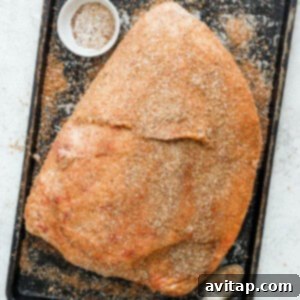
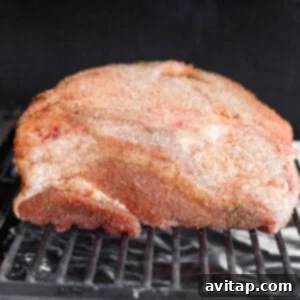
4. Apply the Dry Rub to Ham: Remove the ham from the brine and pat it very dry with paper towels. Transfer the dry ham to a baking sheet. Generously massage the prepared dry rub all over the entire surface of the ham, ensuring it gets into every crevice. Let the rubbed ham rest at room temperature for about 15 minutes while you prepare your smoker.
-
5. Preheat Your Smoker: Preheat your smoker to 300ºF (149ºC). If using a pellet smoker, we recommend Traeger Signature pellets for a balanced smoke, but feel free to use your preferred wood type (e.g., apple, cherry, hickory).
-
6. Prepare the Basting Liquid: While the smoker preheats, melt the salted butter in a small saucepan over medium-high heat. Add the diced white onion and ½ teaspoon kosher salt, and sauté for about 10 minutes until the onion is softened and fragrant. Stir in the minced garlic and honey, continuing to sauté for an additional minute until aromatic.
-
7. Simmer Basting Liquid: Pour the broth into the saucepan with the onion mixture and bring it to a gentle boil. Reduce the heat to low, cover the saucepan, and keep the basting liquid warm until needed.
-
8. Smoke the Ham: Carefully transfer the dry-rubbed ham to the preheated smoker. Smoke the ham for 2-3 hours, basting generously with the warm liquid every 30 minutes. This regular basting is crucial for keeping the ham moist and building a glossy, flavorful exterior.
-
9. Check Temperature and Rest: Begin checking the internal temperature of the ham after 2 hours using a reliable meat thermometer. Insert the thermometer into the thickest part of the ham, avoiding the bone if using a bone-in cut. Once the internal temperature reaches approximately 140ºF (60ºC), remove the ham from the smoker. Let it rest, loosely tented with foil, for a minimum of 15-30 minutes. This resting period allows the juices to redistribute evenly throughout the meat, ensuring a tender and moist ham. Remember, the ham will continue to cook slightly (carryover cooking) during this rest.
-
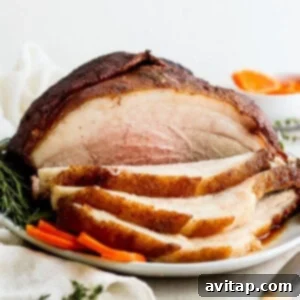
10. Slice and Serve: After resting, carve the smoked ham into your desired slices. Serve immediately as a show-stopping main course, or enjoy it in delicious ham sandwiches and other recipes throughout the week.

Tips & Notes for Success
- Ham Weight Differences: Remember that a boneless ham typically ranges from 7-9 pounds, while a bone-in ham can be significantly larger, often weighing between 12-14 pounds. This difference directly impacts brining and smoking times.
- Precise Temperature is Key: The smoking time will vary based on whether you use a bone-in or boneless ham, as well as its specific size. The most crucial factor for a perfectly cooked and safe ham is reaching an internal temperature between 140ºF-145ºF. Always use a reliable meat thermometer.
- Extended Brining for Deeper Flavor: While overnight brining is recommended, you can extend the brining period for up to 3 days in the refrigerator for an even deeper infusion of flavor and moisture. Ensure the ham remains fully submerged.
- Sourcing Raw Ham: Around the holiday seasons, raw ham (sometimes labeled “fresh ham” or “green ham”) may be more readily available at larger grocery stores. Otherwise, your local butcher shop is the best resource for sourcing a quality bone-in or boneless raw ham cut.
- Wood Choice: Don’t be afraid to experiment with different wood types in your smoker. Apple, cherry, or pecan woods offer a milder, slightly sweet smoke that complements pork beautifully, while hickory provides a more robust, classic barbecue flavor.
- Resting is Essential: Do not skip the resting step! It allows the internal temperature to equalize and the juices to redistribute, resulting in a much juicier and more tender ham.
Nutrition Information (Estimated per Serving)
Calories: 562 kcal
,
Carbohydrates: 11 g
,
Protein: 82 g
,
Fat: 19 g
,
Fiber: 0.5 g
,
Sugar: 8 g
Nutrition information is automatically calculated and should be used as an approximation. It may vary based on specific ingredients and preparation methods.
Loved this recipe? Leave a comment below!
Don’t forget to tag your culinary creations on social media with the hashtag #fitfoodiefinds – we’d absolutely love to see what you’re cooking up!
Photography by: The Wooden Skillet