
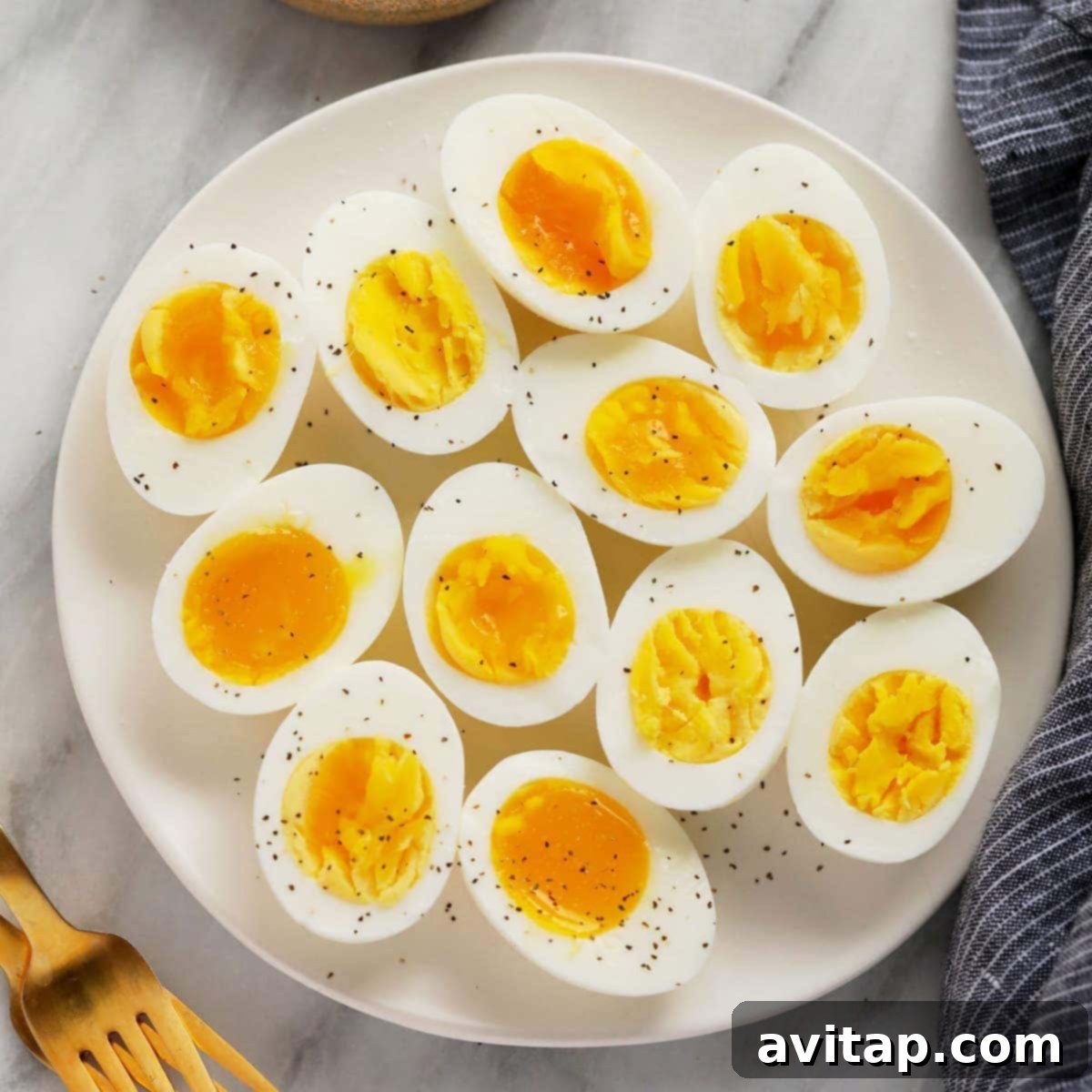
Master the Art of Perfect Hard Boiled Eggs: Your Ultimate Guide
Hard boiled eggs are a culinary staple, cherished for their versatility, nutritional value, and convenience. Whether you’re a seasoned chef or a beginner in the kitchen, mastering the art of the perfect hard boiled egg is a game-changer. From quick, protein-packed snacks to essential ingredients in elaborate dishes, flawlessly cooked eggs elevate any meal. This comprehensive guide will walk you through a foolproof method, ensuring you achieve easy-to-peel eggs with vibrant yolks every single time, tailored to your preferred consistency.
Forget the frustration of stubborn shells and discolored yolks. Our method for creating the ideal hard boiled egg is incredibly simple, relying on precise timing and a crucial post-cooking step. Get ready to transform your eggs into culinary masterpieces that are not only delicious but also a breeze to peel.
The Foolproof Method for Easy-Peel Hard Boiled Eggs
Achieving perfect hard boiled eggs consistently hinges on a few key steps. Our tried-and-true technique guarantees eggs that are easy to peel and boast beautiful, bright yellow yolks without any grayish-green rings. Follow these instructions closely for stellar results every time.
Essential Equipment You’ll Need
- Pot: Choose a pot large enough to comfortably accommodate all your eggs in a single layer, ensuring they are fully submerged in water. Overcrowding can lead to uneven cooking and cracks.
- Large Eggs: This recipe is designed for large-sized eggs. An important tip: older eggs (store-bought eggs that have been in your fridge for a week or two) are often easier to peel than very fresh farm eggs. This is because the pH level changes as an egg ages, making the membrane less prone to sticking to the shell.
- Large Bowl of Ice Water: This is a non-negotiable step! An ice bath is critical for both stopping the cooking process and ensuring easy peeling. Prepare it before you even start boiling.
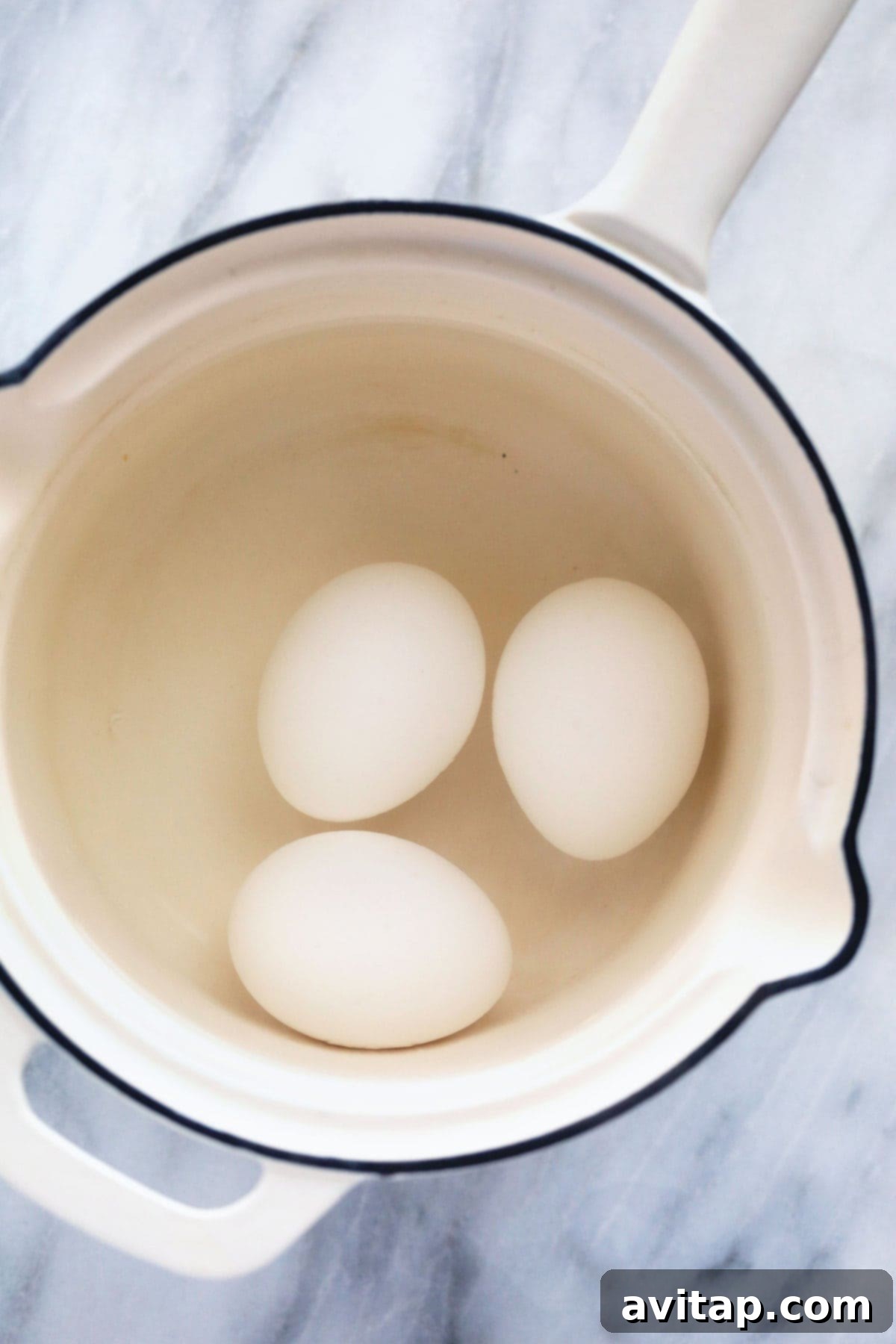
Step-by-Step Instructions for Perfect Hard Boiled Eggs
- Prepare the Ice Bath: Before you even touch the eggs, fill a large bowl halfway with ice cubes. Add cold water until the ice is mostly submerged. Set this aside; it needs to be ready for immediate use.
- Bring Water to a Rolling Boil: Place your pot on high heat and fill it with enough water to cover your eggs by at least an inch. Bring the water to a vigorous, rolling boil.
- Gently Add Eggs: Using a slotted spoon, carefully lower your eggs one by one into the boiling water. This prevents them from cracking upon impact with the bottom of the pot. Ensure the water returns to a boil quickly.
- Boil for Desired Consistency: Once the water is boiling again, start your timer. The cooking time will dictate your yolk’s consistency:
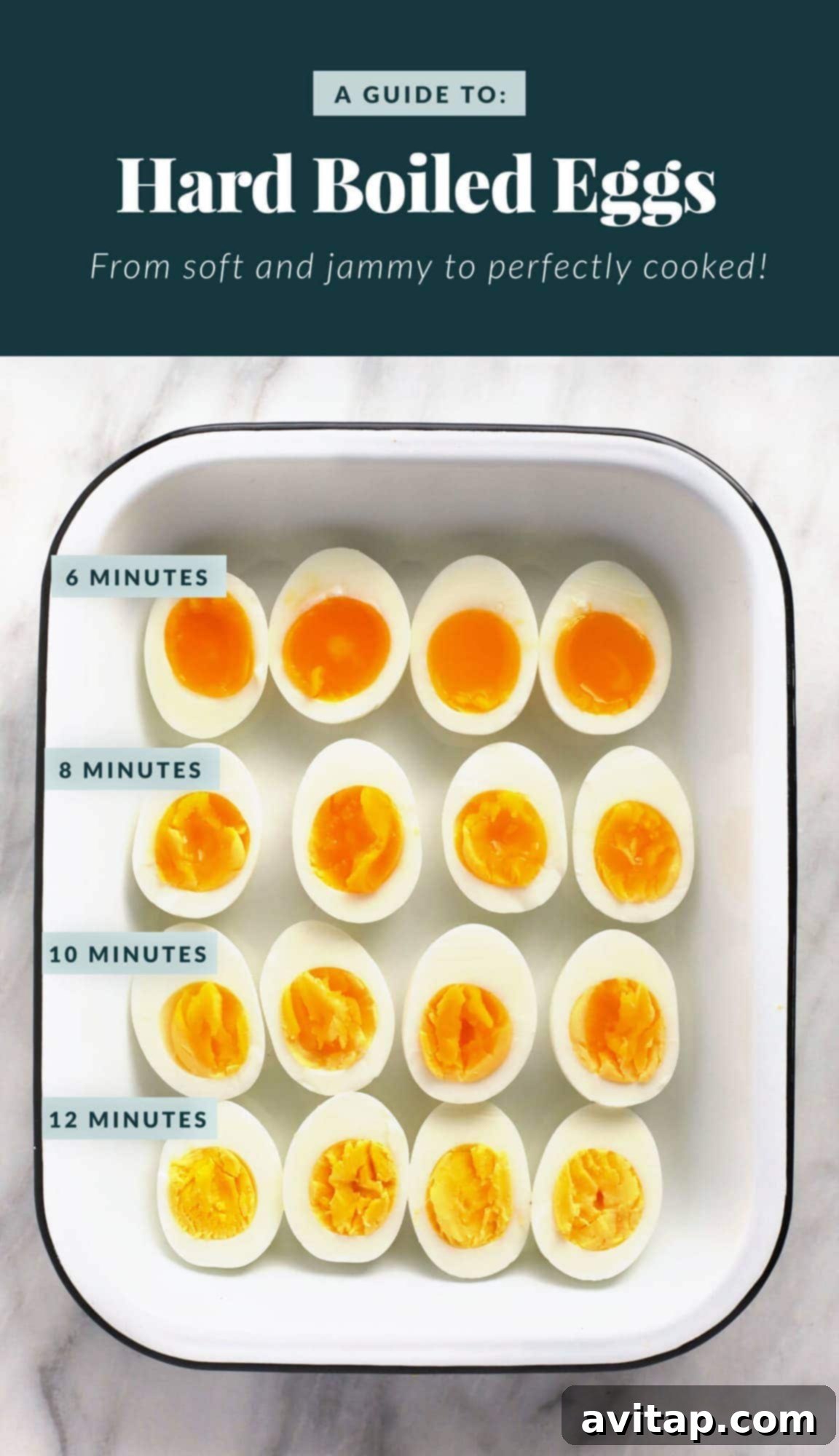
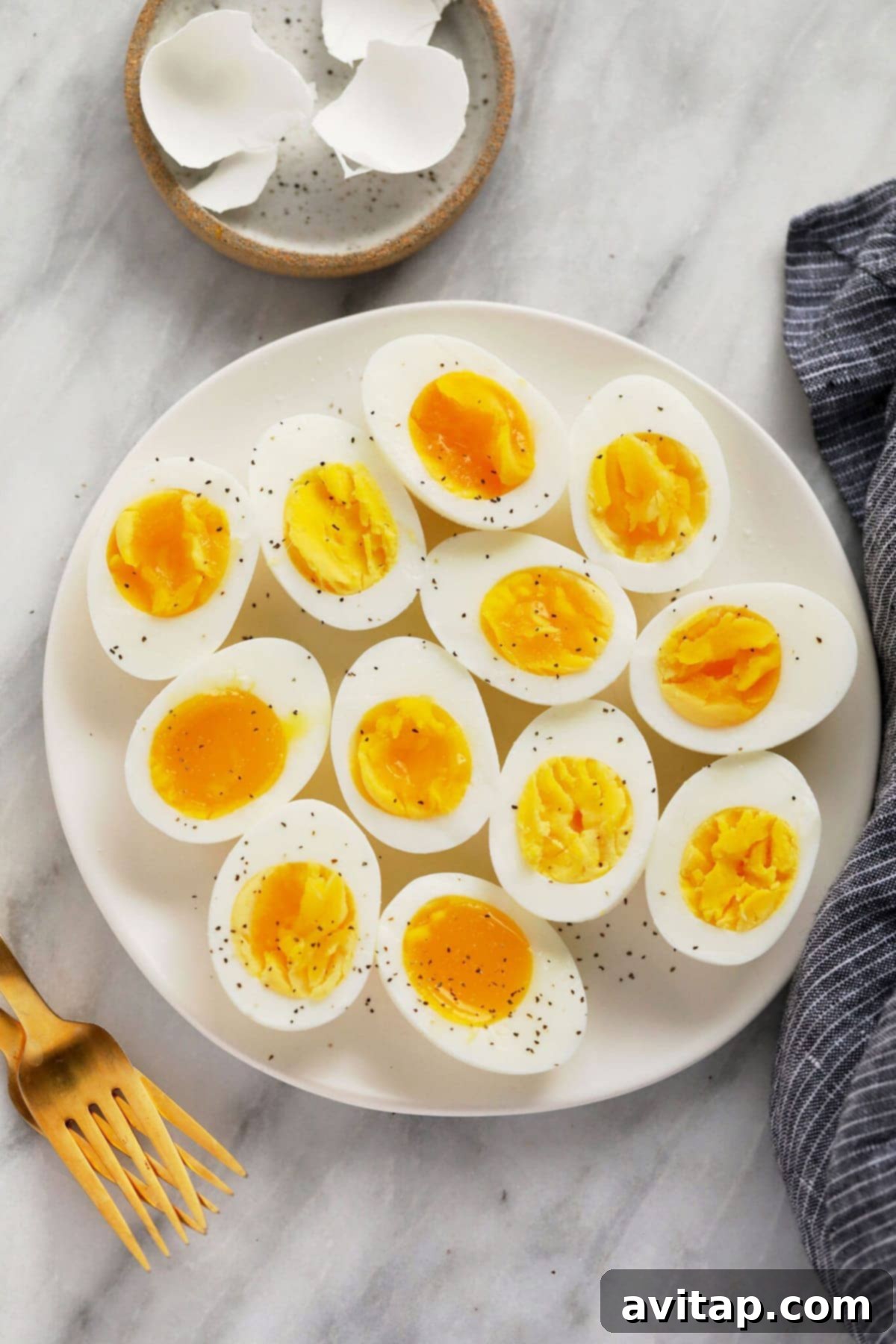
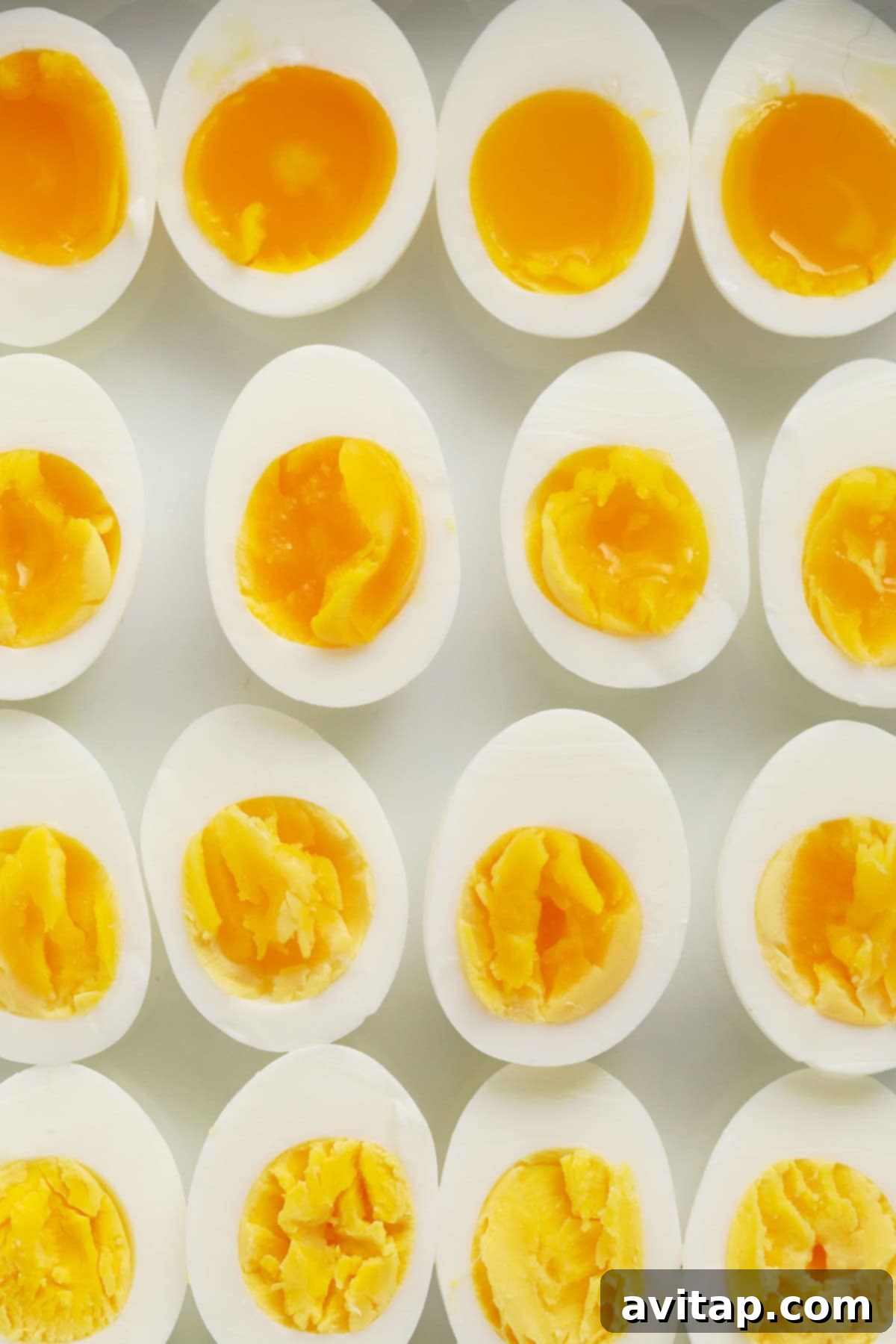
- 6 minutes: For a very soft-boiled egg with a runny yolk and tender whites.
- 8 minutes: For a jammy, custardy yolk that is mostly set but still slightly soft in the center – perfect for toast!
- 10 minutes: Our magic number for a classic, firm, bright yellow hard-boiled yolk that isn’t chalky.
- 12 minutes: For a fully cooked, well-done hard-boiled egg with a lighter yellow yolk, ideal for mashing in salads.
- Immediate Ice Bath Transfer: As soon as the timer goes off, remove the pot from the heat. Immediately transfer the eggs from the hot water into the prepared ice bath using your slotted spoon. Let them chill for at least 5-10 minutes. This abrupt temperature change is the secret to easy peeling.
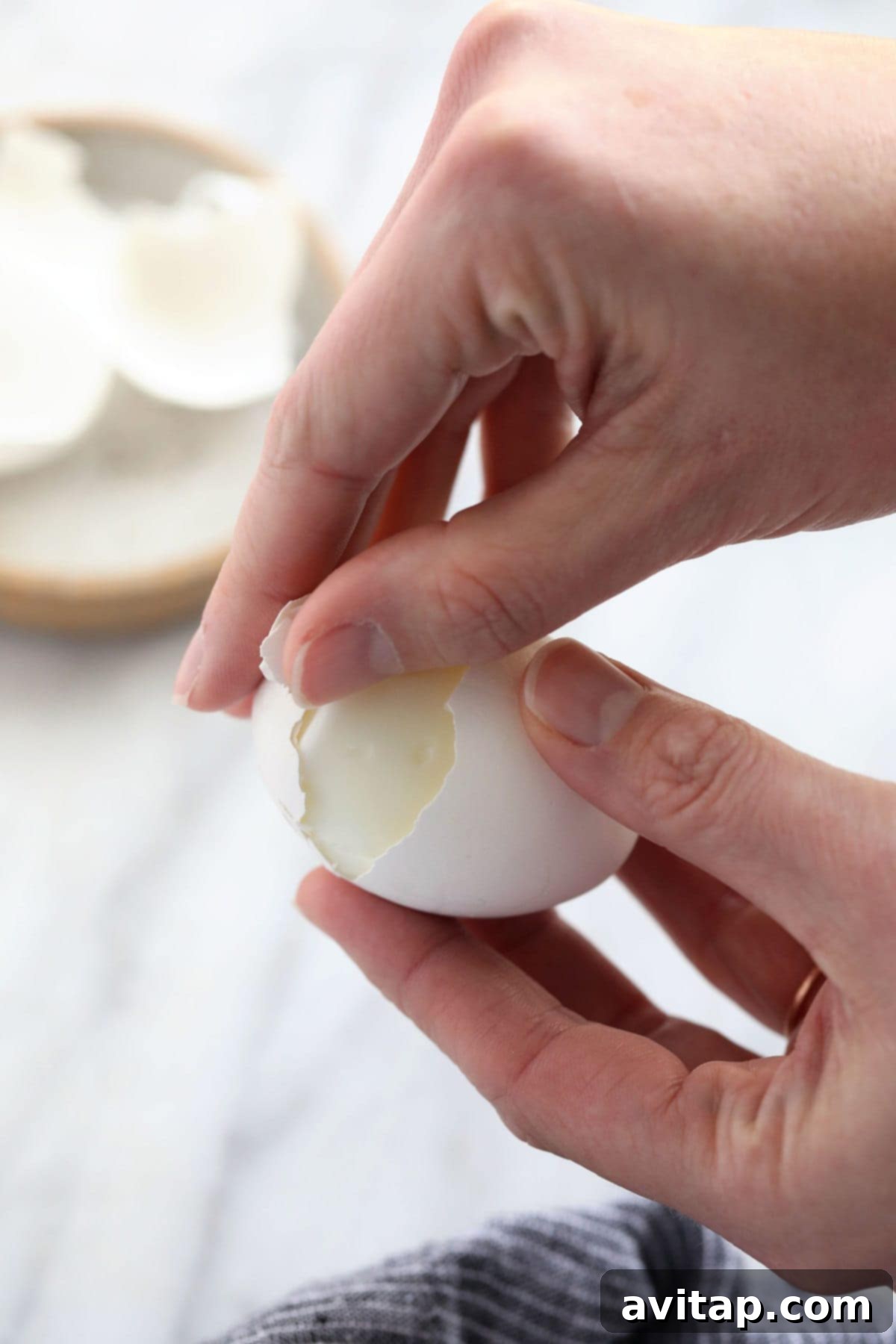
- Peel with Ease: Once thoroughly chilled, gently crack the egg all around its circumference. You can roll it on a counter or tap it gently. Start peeling under cold running water, which helps further separate the shell from the membrane. You’ll find the shells practically slide off!
- Enjoy Your Perfect Hard Boiled Eggs: Slice them, season them, or incorporate them into your favorite recipes.
Pro Tip: Don’t worry about bringing eggs to room temperature before boiling. We’ve found that eggs straight from the fridge work perfectly fine with this method.
Achieve Your Ideal Yolk: A Timing Guide
The beauty of hard boiled eggs lies in their versatility, especially when it comes to yolk consistency. Whether you prefer a creamy, molten center or a firmly set, crumbly yolk, precise timing is your best friend. Here’s a detailed guide to help you achieve your perfect egg, from soft-boiled to completely set:
- 6 Minutes: Soft-Boiled Perfection
At this timing, you’ll get eggs with whites that are just set and a yolk that is beautifully warm and runny. It’s ideal for dipping toast soldiers or drizzling over salads. The yolk will be a vibrant, fluid yellow. - 8 Minutes: Jammy Yolk Delight
The 8-minute mark yields a “jammy” or “custardy” yolk. The whites are firm, and the yolk is mostly set but still soft, moist, and wonderfully creamy in the center. This consistency is fantastic for avocado toast or a ramen bowl. - 10 Minutes: The Classic Hard-Boiled Yolk
This is our recommended time for the quintessential hard-boiled egg. The yolk will be fully set, bright yellow, and firm yet still moist, without any dry or chalky texture. This is perfect for egg salad, deviled eggs, or a straightforward snack. - 12 Minutes: Well-Done and Fully Set
For those who prefer a completely firm, lighter yellow yolk, 12 minutes is your target. The whites will be fully cooked, and the yolk will be solid throughout. This consistency is excellent for grating over salads or when a very firm texture is desired.
The Science Behind the Ice Bath: Why It’s Crucial
The ice bath isn’t just an optional step; it’s a critical component of our foolproof method for perfectly peeled, vibrantly colored hard boiled eggs. As soon as your eggs finish cooking, transferring them immediately into a large bowl of ice water performs two vital functions:
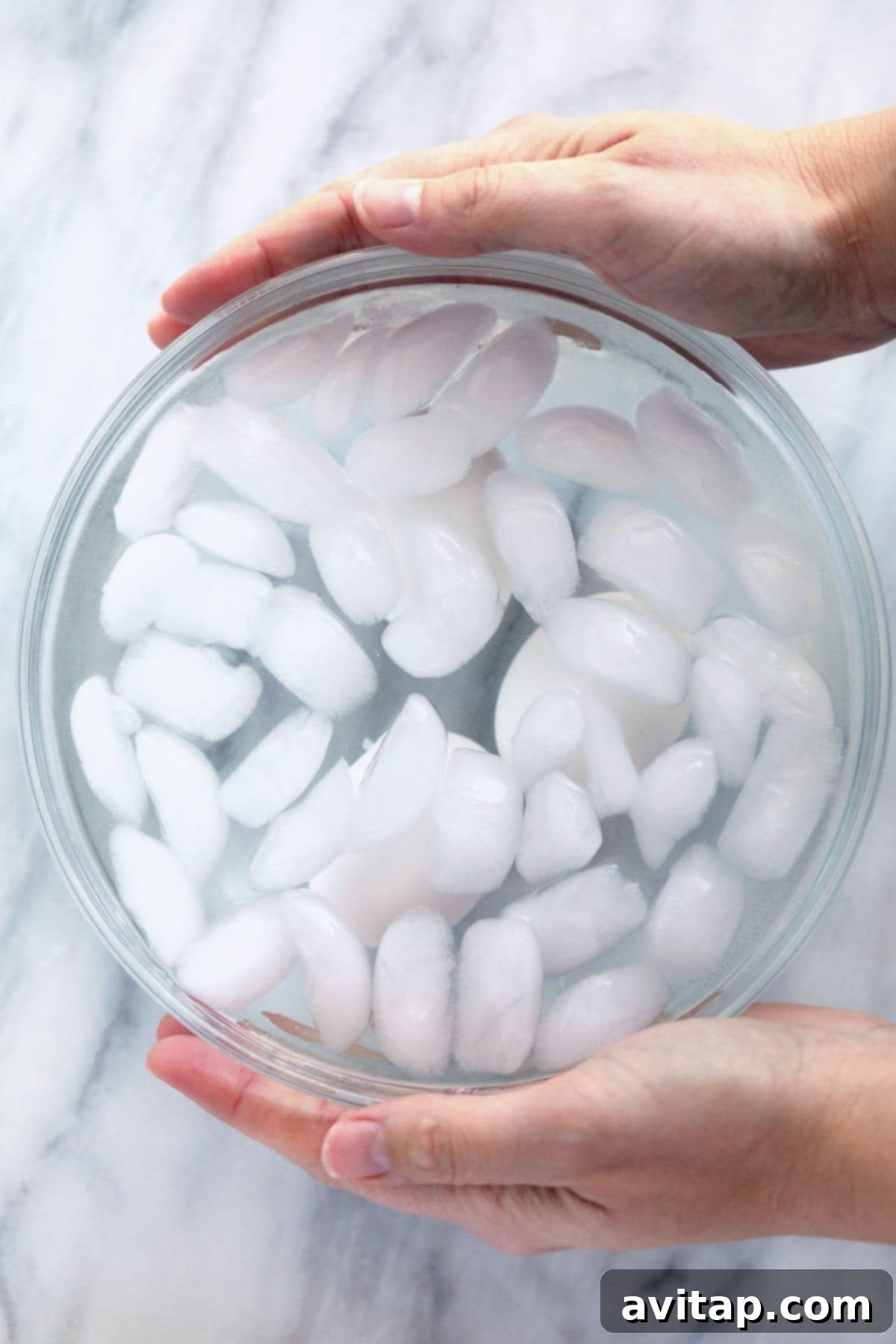
- Effortless Peeling: The rapid change from boiling water to an icy bath causes the egg to contract quickly. This contraction helps to pull the inner membrane away from the shell, creating a tiny air gap that makes the shell significantly easier to remove. Without this thermal shock, the membrane often sticks stubbornly to the egg white, leading to frustrating tears and a messy appearance.
- Bright Yellow Yolk & No Green Ring: The ice bath also halts the cooking process instantly. This prevents overcooking, which is the primary cause of that unappealing grayish-green ring around the yolk. This ring forms when sulfur from the egg white reacts with iron in the yolk due to prolonged exposure to heat. By cooling the eggs rapidly, you preserve the beautiful, bright yellow color of the yolk, enhancing both their visual appeal and taste.
Storing Your Hard Boiled Eggs: Freshness & Safety
Proper storage is essential to keep your hard boiled eggs fresh and safe to eat. Knowing how to store them correctly ensures you can enjoy your perfectly cooked eggs for days to come.
- Refrigerator (Unpeeled): Store unpeeled hard boiled eggs in their carton or an airtight container in the refrigerator for up to 7 days. The shell acts as a natural protective barrier, helping to prevent them from absorbing odors from other foods.
- Refrigerator (Peeled): Peeled hard boiled eggs should also be stored in an airtight container in the refrigerator. To maintain moisture and prevent them from drying out or developing an “eggy” smell, you can cover them with a damp paper towel or submerge them in a bowl of cold water (changing the water daily). They will last for about 5-7 days this way.
- Countertop: Hard boiled eggs should not be left at room temperature for more than 1-2 hours. Beyond this timeframe, bacteria can rapidly multiply, increasing the risk of foodborne illness. Always refrigerate them promptly.
- Freezing: Yes, you can freeze hard boiled eggs, though the texture of the whites can become rubbery. It’s generally recommended to only freeze the yolks, which retain their texture better. If you wish to freeze whole hard boiled eggs, peel them first, then place them in a freezer-safe bag or container, removing as much air as possible. They can be frozen for up to 3 months. Thaw in the refrigerator before use.
Common Questions About Hard Boiled Eggs
Here are answers to some of the most frequently asked questions about cooking and storing hard boiled eggs, helping you become an even more confident egg-cooking pro!
How long can I leave my hard boiled eggs on the counter?
According to the FDA, hard boiled eggs should not be left out of the refrigerator for more than 1-2 hours. After this period, the risk of bacterial growth increases significantly, making them unsafe to eat.
How do I prevent my eggs from cracking while boiling?
The key is to handle them gently. Always use a slotted spoon or a ladle to carefully lower the eggs into the boiling water, rather than dropping them. This minimizes impact and reduces the chance of cracks. Starting with eggs at room temperature can also help reduce temperature shock, though our cold-egg method works well too if eggs are added gently.
Should I store my eggs peeled or still in the shell?
You can store them either way, but storing them in the shell is often preferred. The shell provides an extra layer of protection, preventing the egg from drying out and absorbing odors from other foods in the refrigerator. If you store them unpeeled, you can even write the date on the shell to easily track freshness. If you peel them, ensure they are in an airtight container.
Can you freeze hard boiled eggs?
Yes, you can freeze hard boiled eggs, but with a caveat. The texture of the egg white can become slightly rubbery or tough after freezing and thawing. The yolk, however, freezes quite well and maintains its creamy texture. If you plan to use them for dishes where texture isn’t paramount, like egg salad, simply peel your eggs, place them in a freezer-safe bag or container, remove as much air as possible, and freeze for up to 3 months. Thaw them in the refrigerator overnight before use.
What’s the easiest way to hard boil eggs?
Our method outlined above is one of the easiest and most reliable: bring a pot of water to a boil, gently add your eggs, boil for your desired time (6-12 minutes), and then immediately transfer them to an ice bath for at least 5-10 minutes before peeling. This sequence ensures both perfect cooking and easy peeling.
How do I know if my hard boiled eggs are still good?
Hard boiled eggs stored properly in the refrigerator will last up to 7 days. The most reliable way to tell if an egg has gone bad is its smell. A rotten egg will emit a distinct, unpleasant sulfurous odor. If there’s any doubt about freshness, it’s always best to discard it.
Creative Ways to Enjoy Your Hard Boiled Eggs
While a simple sprinkle of salt and pepper is always a delicious way to enjoy hard boiled eggs, their versatility truly shines when incorporated into other dishes. Here are a few inspiring ideas to repurpose your perfect hard boiled eggs:
-
Egg Salad
A classic for a reason! Hard boiled eggs form the creamy base of this beloved dish. Mix chopped hard boiled eggs with Greek yogurt or mayonnaise, a touch of mustard, and seasonings like dill or chives. Serve on bread for a delicious sandwich or enjoy it in lettuce cups for a lighter option. Try our favorite Egg Salad recipe for a flavorful meal.
-
Deviled Eggs
An irresistible appetizer, deviled eggs are always a crowd-pleaser. Halve your hard boiled eggs, scoop out the yolks, and mix them with mayonnaise, mustard, vinegar, and seasonings. Pipe or spoon the creamy mixture back into the whites for a tangy and delightful treat. These easy deviled eggs are perfect for parties or a quick snack.

Deviled eggs: a classic appetizer that’s always a hit. -
Cobb Salad
Hard boiled eggs are a cornerstone of the vibrant Cobb Salad, adding essential protein and a creamy texture. Pair them with grilled chicken, bacon, avocado, tomatoes, blue cheese, and crisp greens for a wholesome and satisfying meal. Explore our Rotisserie Chicken Cobb Salad or a refreshing Spring Cobb Salad.
-
Toast or Bagel Topping
Keep it simple and satisfying! Slice or mash hard boiled eggs and arrange them over toasted bread or a bagel. Add a sprinkle of everything bagel seasoning, chili flakes, or fresh herbs for an elevated breakfast or lunch. They’re a fantastic protein boost to any toast creation, including avocado toast.
Boost your avocado toast with a delicious hard boiled egg. -
Potato Salad
Elevate your potato salad with the rich creaminess of hard boiled eggs. Chopped eggs blend seamlessly with potatoes, mayonnaise, and other ingredients for a hearty side dish. Our Loaded Baked Potato Salad offers a healthier twist.
-
Curried Eggs
For a flavorful twist, try making curried eggs. Sauté onions and spices, then add chopped hard boiled eggs with a creamy sauce. Serve with rice or naan for a quick and exotic meal.
Explore More Egg-cellent Recipes & Tutorials
Eggs are an incredibly versatile ingredient, and mastering various cooking methods opens up a world of culinary possibilities. Here are some of our other favorite recipes and tutorials featuring eggs:
- Healthy Egg Salad
- Tuna Egg Salad
- Deviled Egg Salad
- Loaded Baked Potato Salad
- Spring Cobb Salad
- How to Cook Over-Medium Eggs
- How to Make Soft Boiled Eggs
- Mastering Poached Eggs
- Guide to Over Easy Eggs
- Perfect Over Hard Eggs
- Simple Baked Eggs
- Fluffy Scrambled Eggs
- Sunny Side Up Eggs Tutorial
- How to Fry an Egg
- Air Fryer Hard Boiled Eggs
How to Make Hard Boiled Eggs
Whether you love a runny yolk or a more firm yolk, our method for hard boiled eggs is so easy and foolproof! All you need are your eggs, a medium pot, water, and ice!
By: Lee Funke
Prep time: 10 mins
Cook time: 10 mins
Total time: 20 mins
Servings: 6
Ingredients
- 3-6 large eggs
- Ice cubes
- Cold water
Instructions
- First, fill a medium bowl halfway with ice cubes and cover the ice cubes with cold water. Set aside.
- Fill a medium saucepan with water and bring the water to a rolling boil over high heat.
- Gently add the eggs to the boiling water using a slotted spoon and let them boil for the desired time:
- 6 minutes: for soft-boiled eggs (runny yolks)
- 8 minutes: for jammy hard-boiled eggs (creamy yolks)
- 10 minutes: for medium hard-boiled eggs (firm, bright yellow yolks)
- 12 minutes: for fully cooked hard-boiled eggs (lighter yellow, well-set yolks)
- When the eggs are done cooking, carefully drain the hot water from the saucepan and immediately transfer the eggs into the ice bath. Let them chill for at least 5-10 minutes.
- Carefully peel the shell from each egg. If the shell isn’t peeling easily, try cracking the egg all over and peeling it under cold running water to help loosen the membrane.
- Cut the egg in half and enjoy immediately, or store for later use!
Tips & Notes
- Store hard boiled eggs (peeled or unpeeled) in the refrigerator for up to 7 days (per the FDA).
- If you have a big enough pot, you can cook up to a dozen eggs at a time. Ensure they are in a single layer and fully submerged.
- For an even easier peel, use eggs that are a week or two old rather than farm-fresh eggs.
Watch It
See the full process in action by watching our video tutorial below:
Perfect Hard Boiled Eggs: Are you ready to get PERFECT hard boiled eggs every single time? This hard boiled eggs recipe is foolproof and will get you the exact kind of yolk you want!
Nutrition
Nutrition information per serving (approximate, based on one large egg):
- Calories: 70 kcal
- Carbohydrates: 1 g
- Protein: 6 g
- Fat: 5 g
- Fiber: 0 g
- Sugar: 0 g
Nutrition information is automatically calculated, so should only be used as an approximation.