
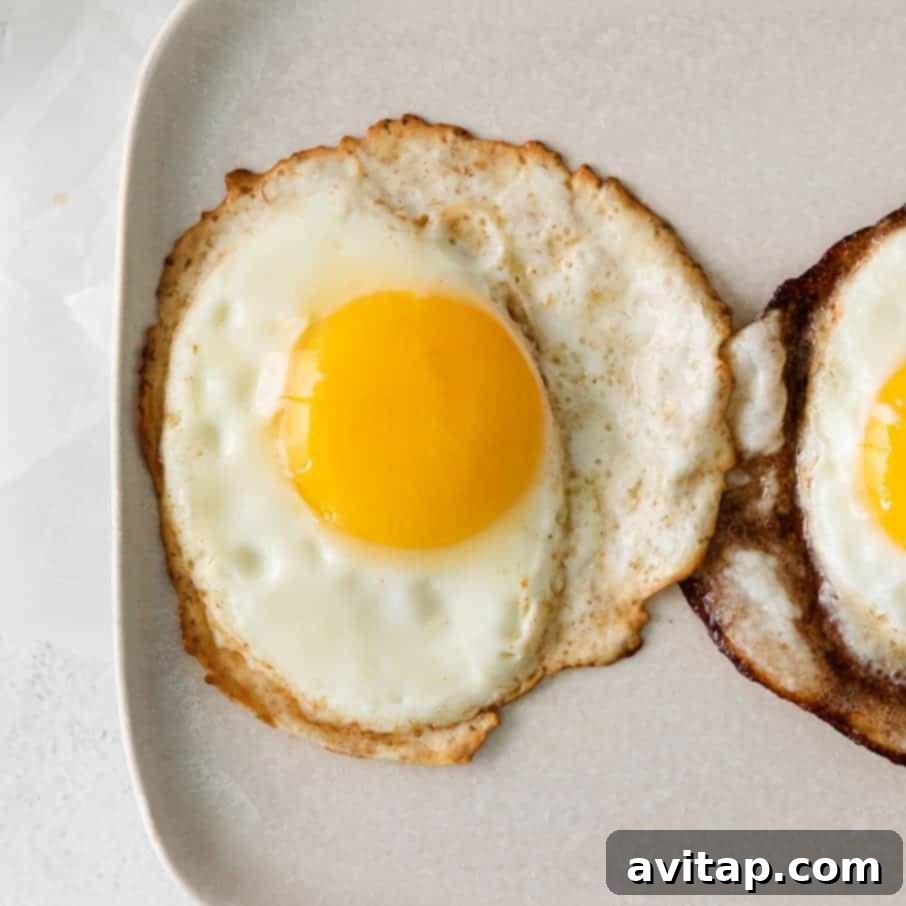
Welcome to the ultimate guide to frying eggs like a culinary pro! Frying an egg might seem simple, but achieving that perfect texture, whether you crave a runny yolk, a jammy center, or a firm, fully cooked egg, is an art. This tutorial will empower you to master the skillet and consistently create delicious fried eggs tailored exactly to your preference.
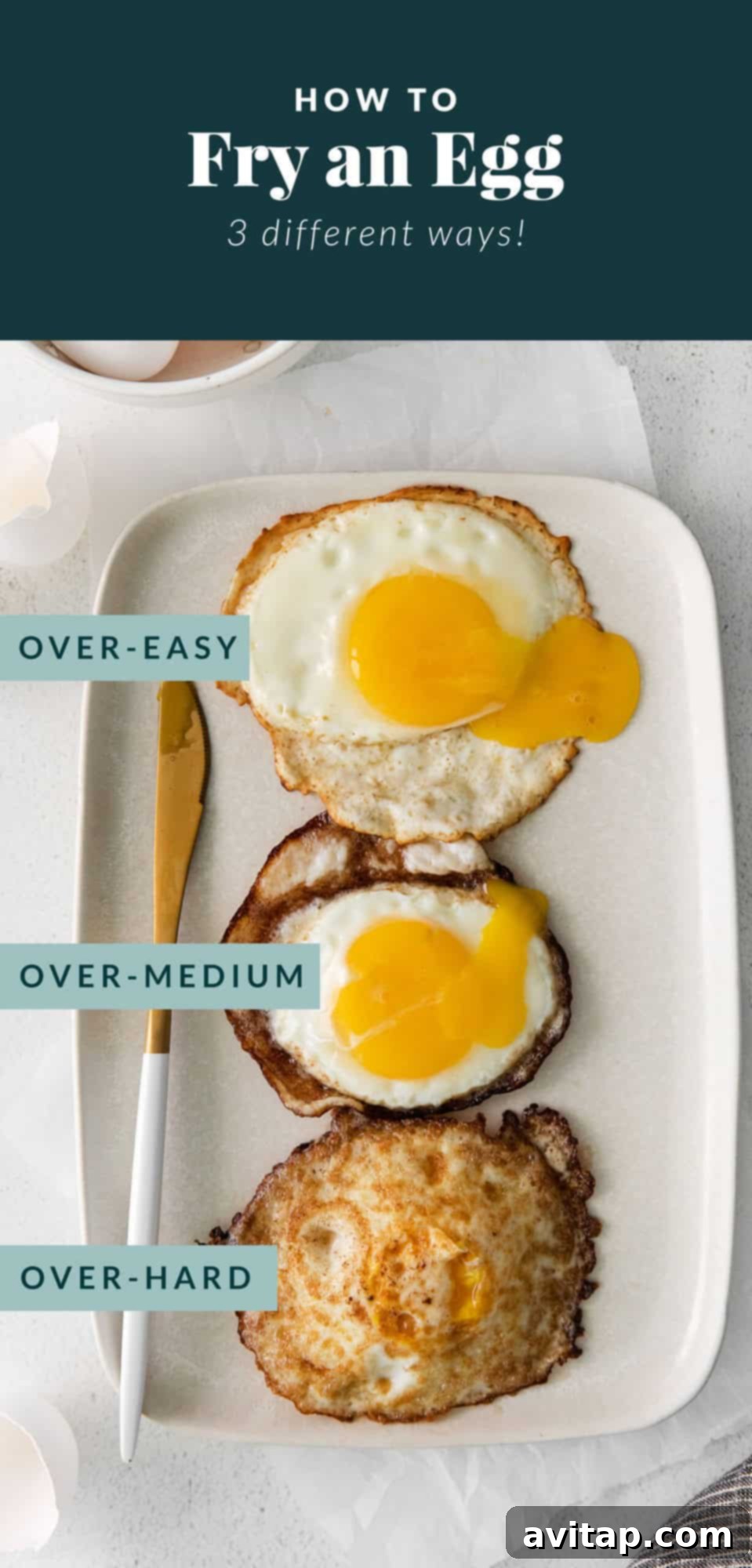
We’ve meticulously tested various methods, experimenting with different types of fats, a range of pans, and precise cooking times to demystify the process. Our goal is to ensure that every egg you fry turns out flawlessly, meeting your desired level of doneness. Say goodbye to guesswork and hello to consistently perfect fried eggs, every single time.
For those wondering, my personal preference leans towards an over-medium egg – that delightful balance of a firm white and a slightly gooey, jammy yolk is simply irresistible!
Essential Tools and Ingredients for Perfect Fried Eggs
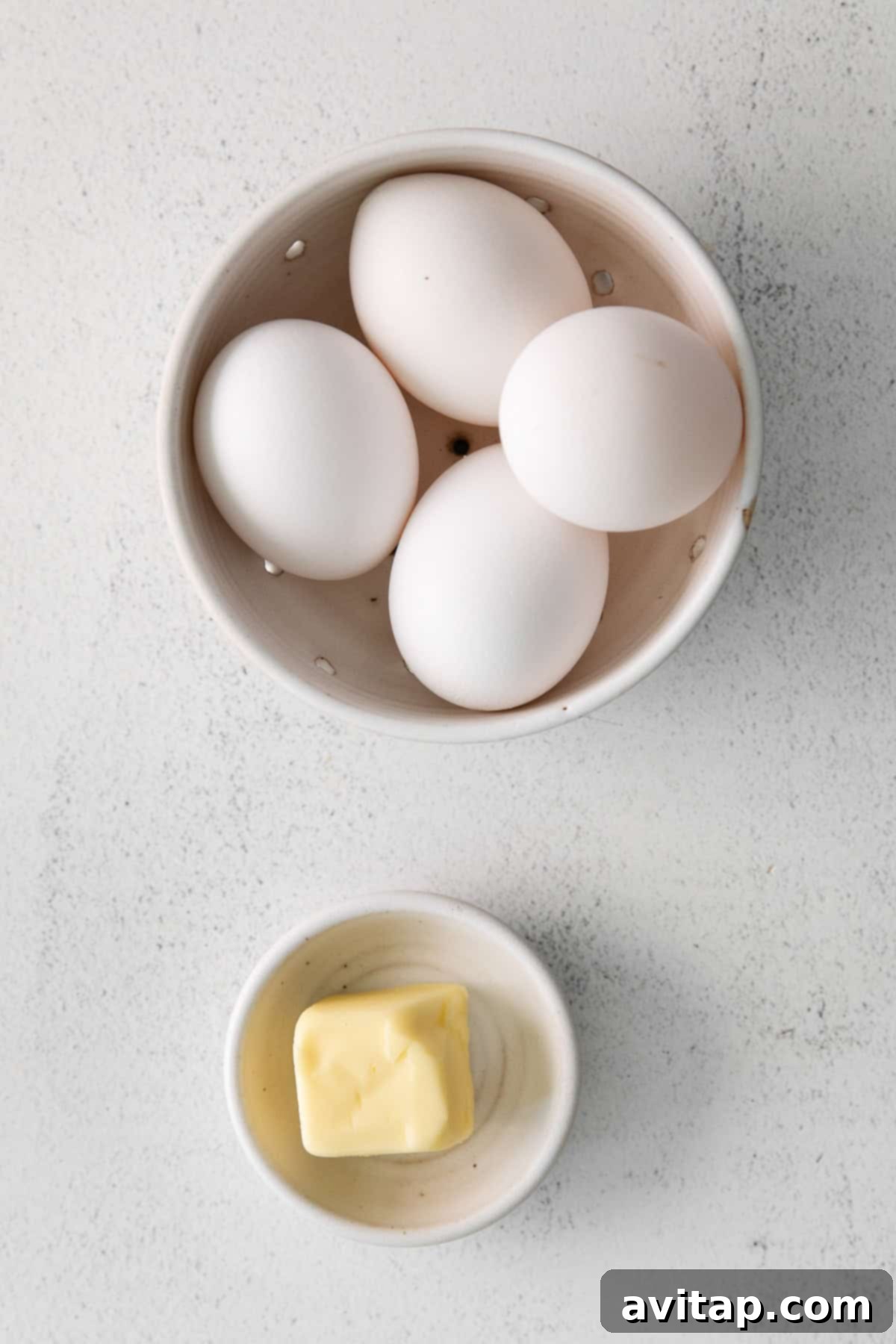
Before you crack that egg, let’s gather the necessary components for frying success. Having the right tools and fresh ingredients is key to achieving that restaurant-quality fried egg at home.
- Pan: A high-quality non-stick skillet is undeniably the easiest choice for frying eggs, making them simple to flip and remove. However, with the right technique and sufficient fat, cast iron and stainless steel pans can also yield excellent results.
- Fat: Your choice of cooking fat significantly impacts the egg’s flavor and texture. Butter offers a rich, nutty taste and a tender egg white, while oils like avocado or olive oil can produce crispier, bubbly edges.
- Eggs: Freshness matters! Always check the date on your egg carton for peak quality. Fresher eggs tend to hold their shape better in the pan, resulting in a neater appearance. Room temperature eggs can also cook more evenly.
- Seasoning: Simple salt and freshly ground black pepper are classic choices to enhance the natural flavor of your fried eggs. Consider flaky sea salt for a gourmet touch.
Butter vs. Oil: The Great Debate for Frying Eggs
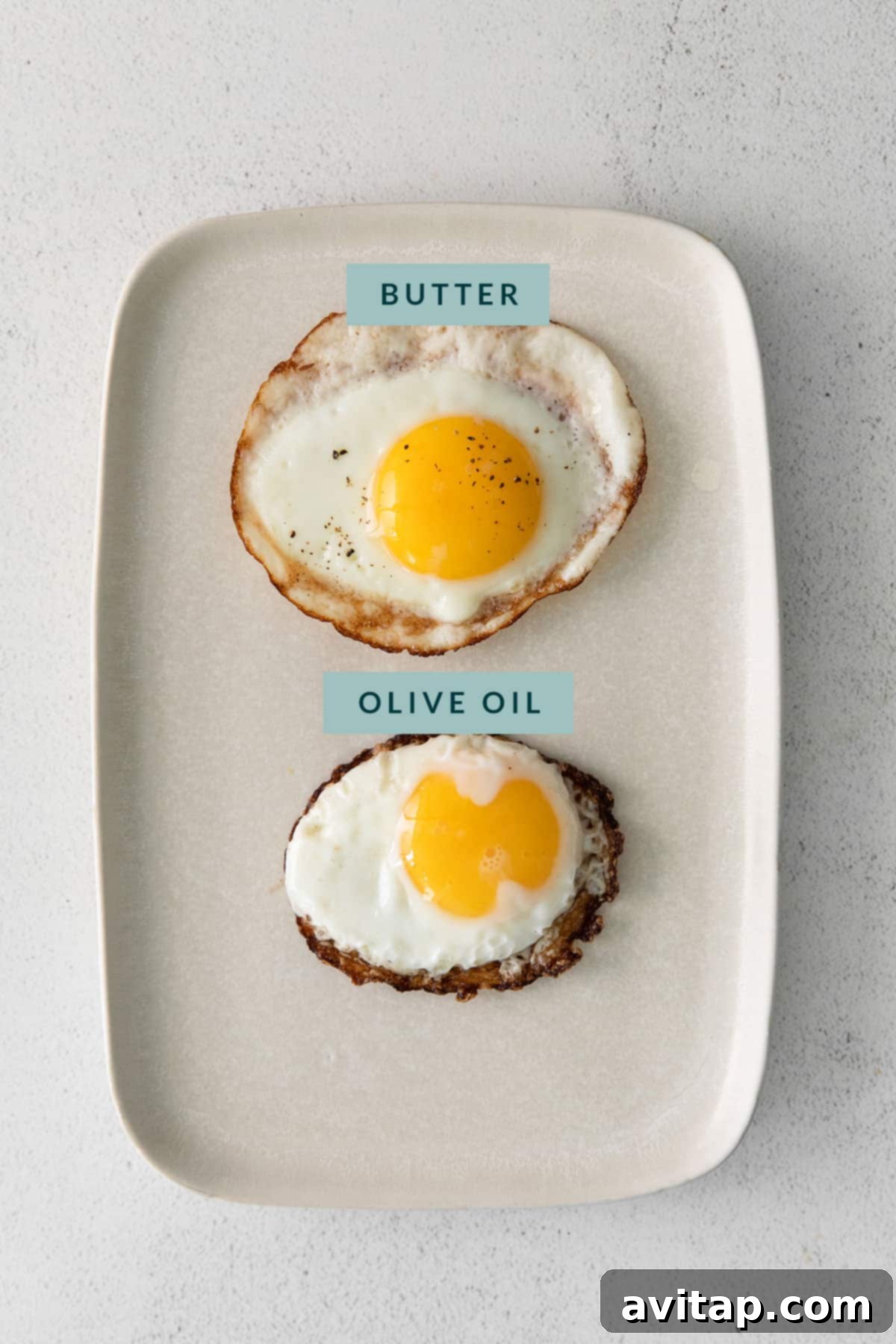
The choice between butter and oil often sparks a friendly debate among egg enthusiasts. Each fat brings unique qualities to your fried egg, influencing both its flavor and texture. Understanding these differences will help you choose the best option for your culinary preference.
Butter: Opting for butter results in a beautifully tender egg with a rich, nutty undertone. When cooked over medium-high heat, butter allows the egg white to cook through gently, minimizing browning. This method is ideal for those who prefer an over-easy or over-medium egg with soft, delicate whites and a creamy mouthfeel. The subtle golden hue and buttery aroma are truly unmatched, elevating the simple fried egg to a luxurious experience.
Oil: If you’re a fan of those delightfully crispy, slightly browned edges on your egg whites, then oil is your go-to. Using a neutral-flavored oil such as avocado oil or a robust extra virgin olive oil can achieve a wonderfully bubbly, lacy texture around the perimeter of the egg. The higher smoke point of certain oils also allows for a slightly hotter pan, which contributes to the crispiness. This method delivers a satisfying crunch that contrasts beautifully with the soft yolk, appealing to those who appreciate textural variety in their fried eggs.
Exploring the Delicious World of Fried Egg Variations
The beauty of a fried egg lies in its versatility. Depending on your preference, you can achieve a spectrum of yolk consistencies, from gloriously runny to perfectly firm. Your preferred yolk texture largely depends on the cooking duration and whether you opt to flip the egg during frying.
Let’s delve into the three primary variations of fried eggs, guiding you to your ideal breakfast, brunch, or anytime meal.
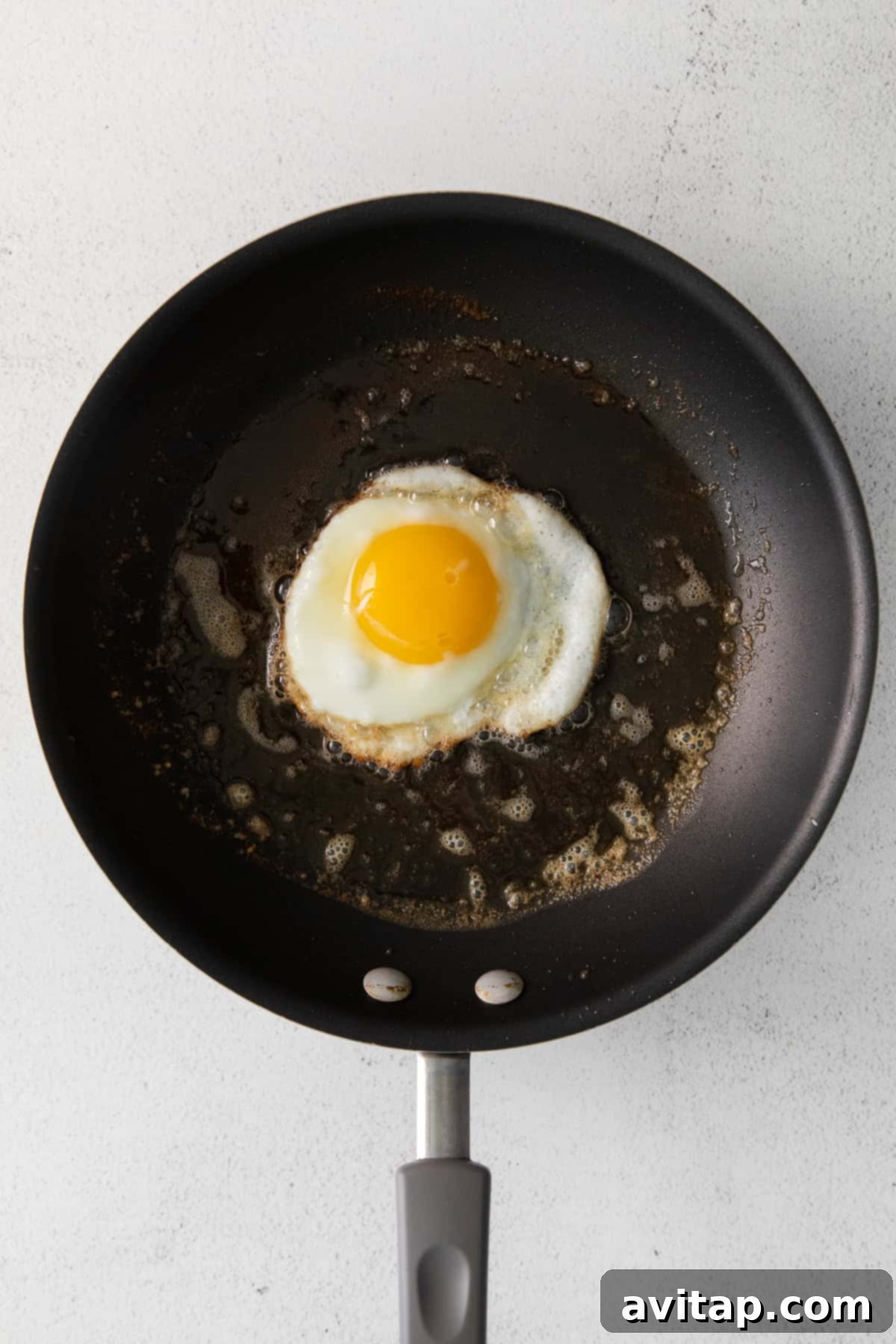
- Over-Easy Eggs: Also known as “sunny-side up eggs” when not flipped. To achieve over-easy eggs, cook them over medium heat until the egg white is just set and opaque, typically taking about 2-3 minutes. The yolk should remain fully liquid and jiggly. This style is perfect for those who love to dip toast or runny yolks over rice.
- Over-Medium Eggs: For this popular style, continue cooking the egg over medium heat until the whites are completely cooked through, with no translucent areas remaining. The yolk should be partially set, offering a rich, jammy consistency that’s still wonderfully gooey in the center. This usually takes 3-4 minutes. This is a fantastic middle-ground, providing a creamy texture without the full runniness of over-easy.
- Over-Hard Eggs: If you prefer a fully cooked yolk with absolutely no jiggle, over-hard is your choice. Cook the eggs over medium heat for 4-5 minutes, ensuring both the whites and yolk are entirely firm. To guarantee complete doneness, gently flip the egg and cook for an additional 20-30 seconds on the other side. This variation is ideal for sandwiches or meals where a solid egg is preferred.
Choosing the Best Pan for Frying Eggs
The type of pan you use can significantly impact the success and ease of frying eggs. While there are numerous options available, understanding the characteristics of each material will help you achieve the best results. Our top recommendation for effortlessly fried eggs remains a non-stick skillet.
Regardless of your pan choice, a crucial tip is to avoid overcrowding. Frying too many eggs in a small skillet can lower the pan’s temperature, leading to uneven cooking and eggs that steam rather than fry. Always opt for a larger skillet when preparing multiple eggs simultaneously, ensuring each egg has enough space to cook perfectly.
Popular Pan Materials for Frying Eggs
- Non-Stick Skillet: This is arguably your best friend when frying eggs. A good non-stick coating ensures that eggs slide off effortlessly, requiring less fat and making cleanup a breeze. It’s the ideal choice for beginners and experienced cooks alike, simplifying an already easy recipe.
- Cast Iron Skillet: Known for its excellent heat retention and even heat distribution, a well-seasoned cast iron skillet can fry eggs beautifully. It gets hot quickly and maintains a consistent temperature. However, it requires careful preheating and ample butter or oil to prevent sticking, especially around the edges. Keep an eye on your eggs and gently loosen them as they cook.
- Stainless Steel Pan: While not as forgiving as non-stick or as consistent as cast iron, a stainless steel pan can still be used for frying eggs. The key is proper preheating and adequate fat to create a non-stick surface. Stainless steel can sometimes heat inconsistently, leading to hot spots, so diligence and careful temperature management are essential to prevent sticking and burning.
More of our Favorite…
Egg Tutorials
If you’re looking to expand your egg repertoire, explore these comprehensive guides to various egg preparations:
- Perfect Hard Boiled Eggs
- Over-Medium Eggs
- Soft Boiled Eggs
- Poached Eggs
- Over Easy Eggs
- Over Hard Eggs
- Baked Eggs
- Scrambled Eggs
- Sunny Side Up Eggs
- Fried Eggs
- Air Fryer Hard Boiled Eggs
Frequently Asked Questions About Frying Eggs
Frying an egg for a sandwich follows the same basic principles as frying one to eat alone. However, for a less messy sandwich experience, we highly recommend cooking your egg over hard. This ensures a fully set yolk, preventing any drips and making your sandwich much easier to enjoy on the go.
If you wish to fry an egg without added oil or butter, a non-stick pan is absolutely essential. Crack the egg directly into the pan. Then, add 1-2 tablespoons of water to the skillet and immediately cover it with a lid. The steam created will cook the egg white and gently set the yolk to your desired consistency without any additional fat.
Yes, you can certainly “fry” an egg in the oven, though it’s technically more of a baked egg. Lightly grease a baking sheet or individual ramekins with a bit of oil or butter. Crack your eggs onto the prepared surface. Bake in a preheated oven at 350ºF (175ºC) for 15-20 minutes, or until the whites are set and the yolks reach your preferred doneness.
Fried eggs are incredibly versatile and can be enjoyed at any meal. For a classic breakfast, serve them with crispy toast and a side of bacon or savory sausage, perhaps even tucked into a breakfast sandwich with melted cheese. If you’re incorporating fried eggs into lunch or dinner, they pair beautifully with a juicy steak for a hearty steak and eggs meal, or perched atop a bowl of rice with your favorite toppings for a quick and satisfying rice bowl.
Discover More Egg-cellent Recipes
Do you share our love for eggs? Whether you’re craving a protein-packed start to your day or a quick, satisfying meal, explore these diverse and delicious egg recipes.
Easy Sheet Pan Scrambled Eggs
Cottage Cheese Egg Salad
Egg and Croissant Breakfast Casserole
Cottage Cheese Baked Eggs
Savory Breakfast Galette
Storage and Reheating Fried Eggs
If you find yourself with leftover fried eggs, proper storage is key to maintaining their freshness. Allow your fried eggs to cool completely to room temperature before transferring them into an airtight container. Once sealed, they can be safely stored in the refrigerator for up to 3 days. This makes them a convenient option for quick meals or meal prep.
To reheat: For the best results without overcooking, gently reheat your fried eggs in the microwave on a low setting. This prevents the whites from becoming rubbery and helps maintain the desired yolk consistency, especially for over-easy or over-medium eggs.
Creative Serving Suggestions for Fried Eggs
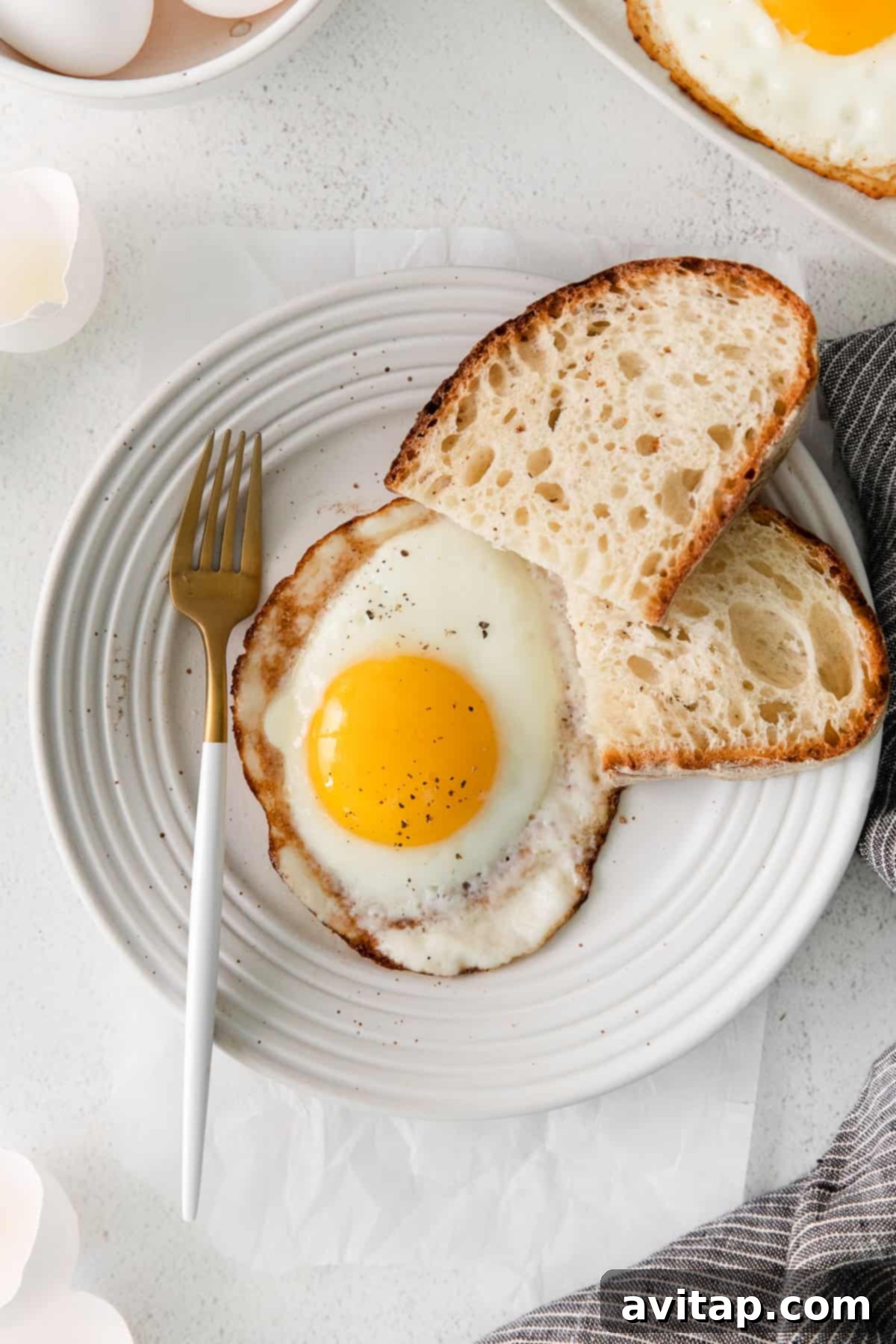
The humble fried egg is a versatile star, capable of elevating any meal. There’s truly nothing better than a perfectly fried egg, perhaps drizzled with a touch of your favorite hot sauce, served alongside crispy toast and savory bacon for a classic breakfast. But don’t stop there!
If you’re feeling a bit more adventurous or looking to impress, consider serving your fried eggs with a vibrant garden breakfast hash, some homemade breakfast sausage, or even paired with fluffy French toast for an indulgent brunch. Fried eggs also make an excellent addition to lunch or dinner, providing a rich, savory topping for salads, grain bowls, or even a simple avocado toast. The possibilities are endless!
Easy Fried Egg Recipe
Lee Funke
2 mins
5 mins
7 mins
2
Ingredients
- 4 large eggs
- 2 tablespoons unsalted butter or oil
Instructions
-
Heat a non-stick frying pan (8-inch or 10-inch works best) over medium heat. Add butter or oil.
-
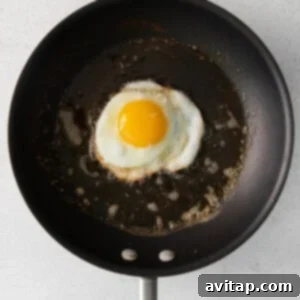
Once the fat has melted and is shimmering, carefully crack the eggs into the pan. Avoid overcrowding the pan; ideally, fry no more than 2 eggs at a time to maintain even heat.

-
Cook the eggs over medium heat until they reach your desired doneness:
– For over-easy eggs: Cook for about 2-3 minutes, until the egg white is just set and opaque, but the yolk remains runny and jiggly.
– For over-medium eggs: Cook for 3-4 minutes, until the egg white is fully cooked with no raw areas, and the yolk is jammy and slightly jiggly in the center.
– For over-hard eggs: Cook for 4-5 minutes, ensuring both the egg white and yolk are completely firm. To confirm, you can gently flip the egg and cook for an additional 20-30 seconds.
-
Carefully remove the cooked eggs from the pan and season immediately with salt and pepper to taste. Enjoy!
Tips & Notes
- The choice of pan significantly impacts the outcome. We highly recommend using a non-stick skillet for effortless frying, even when using butter. A pan with a naturally slippery surface ensures your eggs are easy to move and flip without tearing. While cast iron can work, we advise against it if you’re seeking a fuss-free experience.
- Never overcrowd your eggs in the skillet. For optimal cooking and browning, ensure each egg has ample space. If frying more than two eggs, use a larger skillet or cook in batches.
- For consistently cooked whites with minimal browning and a rich flavor, use butter as your cooking fat. If you prefer crispier, bubbly edges on your egg whites, opt for olive oil or avocado oil.
- While this recipe outlines instructions for sunny-side up, over-easy, over-medium, and over-hard eggs, feel free to flip your egg at any point to achieve your desired yolk consistency. Remember, the longer the egg cooks after flipping, the firmer the yolk will become.
Watch Our Fried Egg Tutorial
Curious to see these tips in action? Watch our step-by-step video tutorial to visually guide you through the process of frying the perfect egg, ensuring you master every technique discussed.
Nutrition Information (per serving, approximate)
Carbohydrates: 1 g,
Protein: 13 g,
Fat: 21 g,
Fiber: 0 g,
Sugar: 0 g
Nutrition information is automatically calculated and should be used as an approximation only.
Love this recipe? Leave a comment below!
Don’t forget to tag your delicious creations on social media with the hashtag #fitfoodiefinds – we’d absolutely love to see what you’re cooking up!