
Welcome to the ultimate resource for building a resilient and healthy emergency food supply. In this comprehensive Guide to Healthy Emergency Food Prep, you’ll discover not only which nutritious, long-lasting foods are essential for stocking your pantry during uncertain times but also an abundance of practical, healthy meal ideas that leverage these versatile staples. Preparing for the unexpected is crucial, and ensuring your family has access to wholesome nutrition is paramount.
The Ultimate Guide to Healthy Emergency Food Prep: Stocking Your Pantry for Any Crisis
Table of Contents
- Understanding Emergency Food Prepping
- Strategic Pantry Stocking for a Crisis
- Essential Tips for Smart Emergency Prepping
- Top Foods to Stock Up On for Long-Term Storage
- Nourishing Emergency Meal Ideas for Any Situation
Understanding Emergency Food Prepping
In an ever-unpredictable world, the importance of emergency food preparedness has become undeniably clear. Events like the COVID-19 pandemic served as a stark reminder of how quickly access to essential goods can be disrupted. Many found themselves unprepared, facing empty shelves and growing anxiety about feeding their families. This guide aims to empower you with the knowledge and resources to build a robust, healthy emergency food supply, transforming potential stress into confidence.
While the initial instinct during a crisis might be to grab highly processed, convenience foods, we advocate strongly for maintaining a healthy diet. Eating nutritious meals during challenging times is not merely about physical sustenance; it’s vital for boosting your immune system, maintaining energy levels, and supporting mental well-being. With a little planning and creativity, you can ensure your emergency pantry is stocked with wholesome ingredients that contribute to your overall health and resilience.
Further Resources for Crisis Preparedness:
- Rolling Updates on Global Health Emergencies by the World Health Organization
- Preparing Your Household for Public Health Crises by CDC.gov
- Harvard’s Comprehensive Health Resource Center by Harvard University
Strategic Pantry Stocking for a Crisis
Preparing yourself and your loved ones for any unforeseen crisis involves a multi-faceted approach, and establishing a well-stocked emergency food supply in your pantry, freezer, and refrigerator should always be a top priority. This isn’t just about accumulating food; it’s about making smart, informed choices that prioritize nutrition, shelf-life, and versatility.
To assist you in this crucial task, we’ve compiled a comprehensive downloadable emergency grocery list. This list focuses on whole, real foods, steering clear of highly processed items laden with excessive sodium, unhealthy fats, and artificial additives. Our philosophy centers on sustainable, healthy living, even in emergencies. By choosing wisely, you can maintain your dietary principles and nourish your body effectively.
Keep reading for an in-depth exploration of each recommended food category and practical tips to maximize your emergency food preparation efforts!
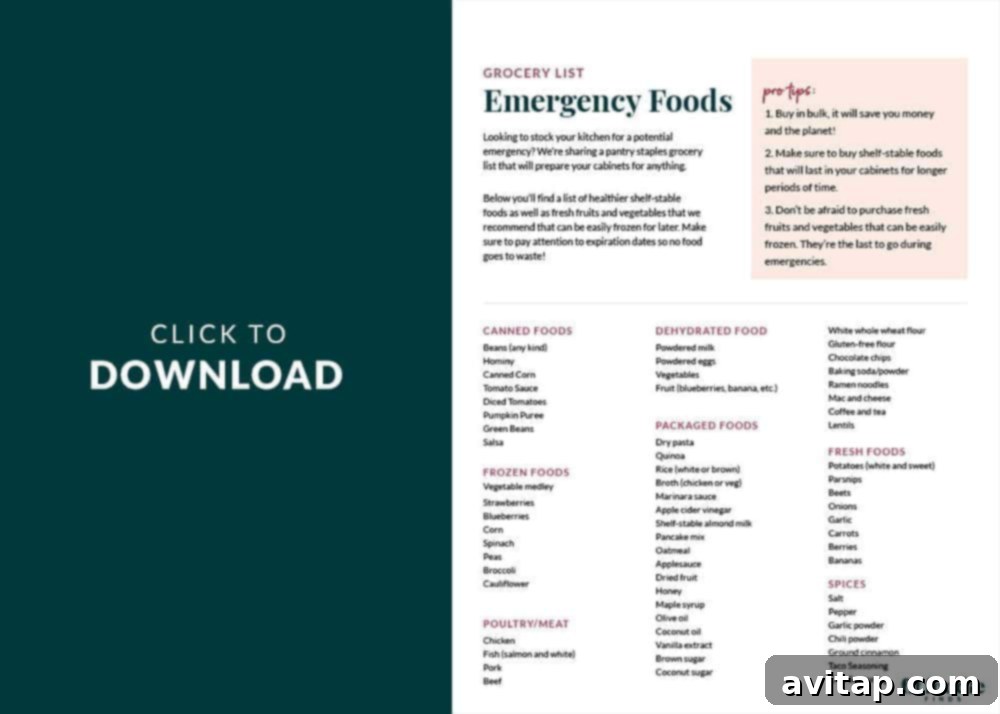
5 Essential Tips for Healthy Emergency Food Prepping
Strategic planning is the cornerstone of effective emergency food preparedness. Follow these five key tips to build a resilient and nutritious food supply:
- Develop a Comprehensive Meal Plan: Before you even step foot in a grocery store, dedicate time to creating a detailed meal plan. Consider recipes that can be consumed immediately, as well as those that can be prepared in advance and frozen for later use. This foresight prevents food waste, optimizes your shopping trips, and ensures you have a clear strategy for using your stored items. Think about meals that use common ingredients across several recipes for maximum efficiency.
- Prioritize Shelf Stability and Rotation: When purchasing canned goods or other non-perishable items, always check expiration dates diligently. A pro tip: grocery stores often place older stock at the front. Reach for items at the back of the shelf to secure the freshest possible products with the longest shelf life. Implement a “First-In, First-Out” (FIFO) system at home, ensuring older items are consumed before newer ones to maintain freshness and prevent spoilage.
- Embrace the Power of Freezer Meals: Freezer meals are game-changers for healthy eating, especially during a crisis. They simplify meal preparation, reduce stress, and allow you to pre-cook nutritious options. Explore our extensive collections of make-ahead freezer breakfast recipes and versatile slow cooker freezer meals for inspiration. These options are perfect for batch cooking and provide ready-to-eat solutions when fresh ingredients are scarce.
- Don’t Overlook Fresh Fruits and Vegetables: While non-perishables are crucial, don’t shy away from fresh produce. In the initial phases of a crisis, fresh fruits and vegetables might still be available and are often overlooked as people rush for canned or frozen options. Stock up on sturdy, longer-lasting fresh produce and learn how to properly store or freeze any excess. Many vegetables and fruits can be blanched and frozen, preserving their nutrients for later use, offering a welcome addition to meals when other fresh options are gone.
- Leverage the Benefits of Bulk Buying: Purchasing food in bulk offers multiple advantages for emergency preparedness. Not only does it significantly save money in the long run, but it also reduces packaging waste, making it an environmentally friendlier choice. Furthermore, bulk sections are often less frequented during initial panic buying waves, making them a strategic place to find staples like grains, beans, and flours. Always store bulk items in airtight containers to protect against moisture and pests.
Foods to Stock Up On: Your Comprehensive List
Building a robust emergency food supply means focusing on items that offer nutrition, versatility, and extended shelf life. Here’s a detailed breakdown of essential foods to consider for your crisis pantry:
Canned Foods: Shelf-Stable Nutrition
When selecting canned goods, prioritize options that are low in sodium and high in protein and fiber. Always consider your meal plan and select ingredients that can be used across multiple recipes, perhaps even enough for double batches. Canned goods are perfect for hearty, comforting meals like chilis, soups, and casseroles, many of which can be eaten fresh or frozen for future use.
- Black Beans: Excellent source of plant-based protein and fiber. Versatile for tacos, soups, and salads.
- Garbanzo Beans (Chickpeas): Great for adding texture to stews, making hummus, or roasting for a crunchy snack.
- Pinto Beans: A staple for Mexican cuisine, rich in fiber and ideal for re-fried beans or chili.
- Refried Beans: Quick and easy for burritos, tacos, or as a side dish. Look for low-sodium versions.
- Canned Hominy: A unique addition to stews and posole, offering a different texture.
- Canned Corn: Sweet and versatile, adds flavor and nutrients to countless dishes.
- Tomato Sauce: The base for many pasta dishes, pizzas, and stews.
- Diced Tomatoes: Essential for chilis, soups, and casseroles. Opt for no-salt-added varieties.
- Canned Pumpkin Puree: Not just for pies! Great for baking, adding to oatmeal, or thickening soups, packed with Vitamin A.
- Canned Sweet Potato Puree: Similar to pumpkin, a nutrient-dense addition to baking or savory dishes.
- Canned Butternut Squash Puree: Offers a creamy texture and sweet flavor to soups and sauces.
Frozen Foods: Preserving Freshness and Nutrients
Frozen foods are an exceptional way to incorporate whole, nutrient-dense ingredients into your diet when fresh produce might be scarce or perish quickly. Freezing locks in nutrients, making them a smart choice for long-term storage.
You can seamlessly substitute frozen vegetables in most recipes that call for fresh ones. Just remember to thaw them properly and drain any excess liquid before adding them to your dish to maintain desired texture and flavor. We are also huge proponents of smoothies, which brilliantly utilize frozen fruits and vegetables alongside shelf-stable liquids like almond milk for a quick, nutritious boost.
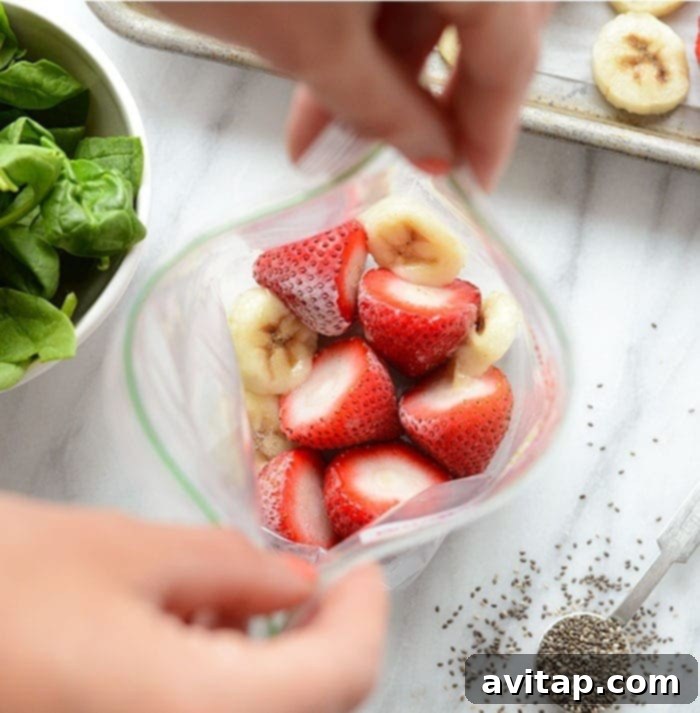
Pro-Tip: While we prioritize whole foods, during times of need, consider stocking up on healthier pre-packaged frozen meals. Brands like Annie’s burritos, Trader Joe’s Orange Chicken, or even a healthier frozen pizza can be elevated with the addition of your own frozen vegetables or a dash of extra spice, turning a convenience item into a more wholesome meal.
- Frozen Vegetable Mixes: Convenient and versatile for stir-fries, soups, and casseroles.
- Frozen Fruit Mixes: Ideal for smoothies, oatmeal toppings, or thawing for a simple fruit snack.
- Frozen Strawberries: Packed with Vitamin C, great for smoothies and desserts.
- Frozen Blueberries: Antioxidant-rich, perfect for baking, oatmeal, or smoothies.
- Frozen Corn: Adds sweetness and texture to many savory dishes.
- Frozen Spinach: A nutrient powerhouse, easily added to soups, sauces, or eggs.
- Frozen Peas: Quick to cook and a good source of vitamins and fiber.
- Frozen Broccoli: Excellent for roasting, steaming, or adding to casseroles.
- Frozen Cauliflower: A versatile vegetable that can be roasted, mashed, or added to curries.
- Frozen Meat (Chicken, Salmon, Beef, Pork, Fish): A crucial protein source that can be stored for extended periods.
- Frozen Tortellini/Ravioli: Quick and satisfying pasta options.
- Frozen Dumplings: A comforting and easy-to-prepare meal.
- Frozen Pizzas: A morale booster; dress them up with extra frozen veggies for added nutrition.
- Frozen Burritos: Convenient individual meals that can be enhanced with canned beans or salsa.
Dehydrated Food: Lightweight and Long-Lasting
When fresh dairy and produce might be unavailable, dehydrated options offer a remarkably long shelf life and significant nutritional value. While they might not be as immediately appealing as their fresh counterparts, you’ll be surprised at how well dehydrated vegetables integrate into soups, chilis, and marinara sauces, rehydrating to add flavor and nutrients.
- Powdered Milk: Essential for baking, cereals, or as a drink when fresh milk isn’t an option.
- Powdered Eggs: A convenient protein source for scrambled eggs or baking.
- Dehydrated Vegetables: Excellent for adding to soups, stews, or rehydrating for side dishes.
- Dehydrated Fruit (strawberries, blueberries, bananas, apples, etc.): Nutrient-dense snacks, great for adding to oatmeal or trail mixes.
Packaged Foods: Staples for Every Kitchen
The array of healthy packaged food options available today makes stocking a nutritious emergency pantry easier than ever. Again, a proactive approach to meal planning before heading to the grocery store will ensure you purchase ingredients that align with specific, easy-to-prepare recipes. Don’t forget baking ingredients – having flour, sugar, oats, and leavening agents allows you to create homemade bread, cookies, and other baked goods, which can be incredibly comforting and can also be frozen.
- Dry Pasta: A versatile base for countless meals, available in various shapes and whole-grain options.
- Quinoa: A complete protein and gluten-free grain, excellent as a side or in bowls.
- Rice (Brown and White): A fundamental staple, offering energy and versatility. Brown rice provides more fiber.
- Lentils: High in protein and fiber, great for soups, stews, and vegetarian dishes.
- Vegetable Broth: Essential for soups, sauces, and cooking grains.
- Chicken Broth: A flavorful base for savory dishes.
- Marinara Sauce: A quick and easy sauce for pasta, pizzas, or dipping.
- Apple Cider Vinegar: Useful for cooking, salad dressings, and has various health benefits.
- Shelf-Stable Nut Milk (Almond, Soy, Oat): A dairy alternative for cereals, smoothies, and cooking.
- Pancake Mix: A comforting breakfast option. Choose whole-grain varieties when possible.
- Oatmeal: A hearty, fiber-rich breakfast, versatile with various toppings.
- Applesauce: A snack, dessert, or baking ingredient.
- Dried Fruit (cherries, raisins, apricots, cranberries, dates, figs, mango, etc.): Energy-dense snacks, good for baking or trail mix.
- Honey: A natural sweetener with a very long shelf life.
- Maple Syrup: Another natural sweetener for pancakes, oatmeal, or baking.
- Oil (Olive and Coconut): Essential for cooking and adding healthy fats.
- Vanilla Extract: A key ingredient for baking.
- Sugar (Coconut and Brown): Fundamental for baking and sweetening.
- Flour (White Whole Wheat and Gluten-Free options like Almond or Oat): Essential for baking bread, muffins, and other goods.
- Cornmeal: For cornbread, polenta, or thickening.
- Chocolate Chips: A comforting treat and baking ingredient.
- Baking Soda and Baking Powder: Essential leavening agents for baking.
Fresh Foods: The Often-Overlooked First Wave
Interestingly, fresh produce is often the last to disappear from store shelves during the initial stages of a crisis. If fresh food is available, seize the opportunity to buy it! Incorporate fresh fruits and vegetables into your meals immediately, or prepare them for future consumption by freezing any excess. This strategy ensures you maximize your nutritional intake during the early phase of an emergency.
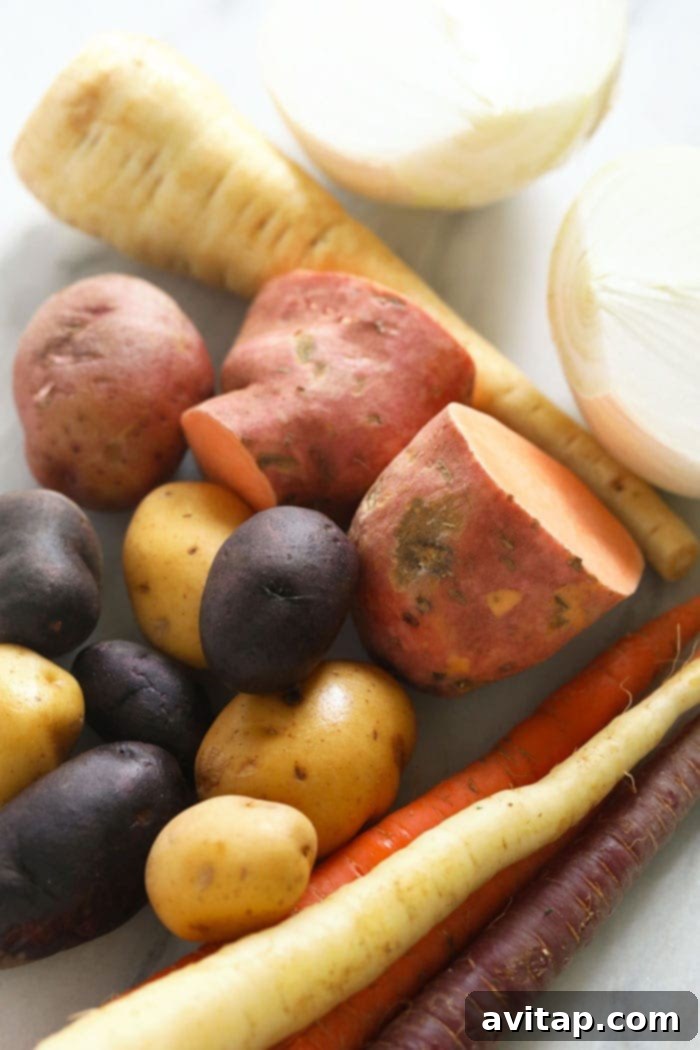
Root vegetables are particularly valuable for emergency food prep due to their naturally extended shelf life. Stored in a cool, dark, and dry place, they can last for weeks, sometimes months. They are incredibly versatile, forming the base for many hearty soups and stews. Our roasted root vegetable recipe is a testament to their delicious potential and a perfect way to utilize these resilient vegetables.
- Potatoes (White and Sweet): Versatile, energy-rich, and excellent for baking, mashing, or roasting.
- Parsnips: Sweet and earthy, great for roasting or adding to stews.
- Carrots: A source of Vitamin A, good for snacking, soups, and roasting.
- Beets: Nutritious and earthy, can be roasted, boiled, or pickled.
- Onions: A fundamental aromatic for almost any savory dish.
- Garlic: Essential for flavoring and has natural immune-boosting properties.
Spices: The Flavor Essential
A well-stocked spice cabinet is an invaluable asset, especially during an emergency. Spices can transform bland meals made from pantry staples into flavorful, comforting dishes, significantly boosting morale and making healthy eating more enjoyable. Consider stocking up on individual spices, and for ultimate convenience, pre-made seasoning mixes like our homemade taco seasoning or fajita seasoning can be lifesavers, quickly adding depth to a variety of meals.
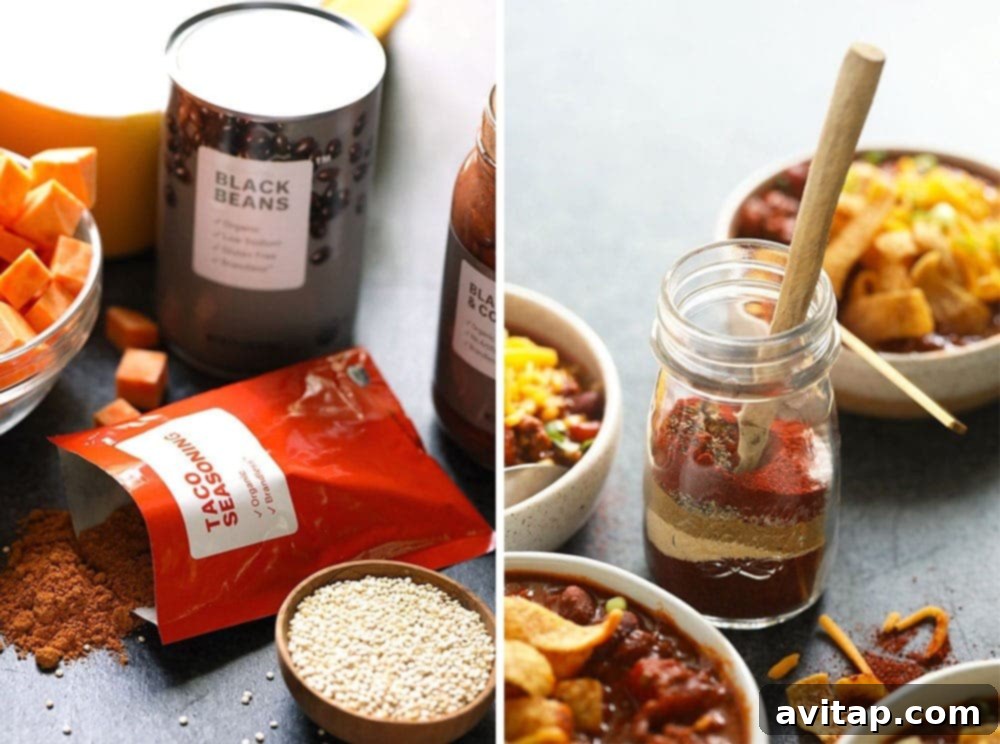
Top 10 Essential Spices to Stock Up On:
- Salt: The most fundamental seasoning.
- Black Pepper: Universal seasoning for savory dishes.
- Taco Seasoning: Perfect for transforming beans or ground meat.
- Garlic Powder: A versatile aromatic when fresh garlic isn’t available.
- Chili Powder: Essential for chilis, stews, and adding warmth.
- Ground Ginger: Adds a unique flavor to sweet and savory dishes, also known for its medicinal properties.
- Ground Cinnamon: Great for oatmeal, baked goods, and warming drinks.
- Chili Seasoning: A robust blend for spicier dishes.
- Onion Powder: A convenient aromatic substitute for fresh onions.
- Italian Seasoning: A versatile blend for pasta sauces, roasted vegetables, and meats.
Drink Mixes: Essential Hydration and Variety
Maintaining adequate hydration is paramount for health and resilience during any crisis. While clean water is the most critical element, having a variety of drink options and electrolyte replacements can significantly aid in staying healthy and can provide a welcome change. Electrolyte mixes are especially important for replenishing vital minerals lost during stress or physical exertion.
- Nuun Electrolyte Tablets: Convenient tablets to add to water for essential electrolyte replenishment.
- Emergen-C: A vitamin C and electrolyte supplement for immune support and hydration.
- Coffee Grounds: For those who rely on their daily caffeine fix, a comfort in uncertain times.
- Instant Coffee: A quick and easy coffee solution without special equipment.
- Tea Bags: A comforting, warm beverage with a long shelf life.
Storage Options: Protecting Your Investment
As you accumulate a larger-than-normal food supply, having adequate storage solutions becomes incredibly important. Proper storage not only protects your food from spoilage, moisture, and pests but also helps you organize your pantry effectively, making it easier to track and rotate your stock. These items will truly become your best friends in maintaining your emergency provisions.
- Gallon-size Plastic Bags: Versatile for portioning, freezing, and general storage.
- Glass Containers: Durable, reusable, and excellent for airtight food storage in the pantry or refrigerator.
- Tinfoil: Ideal for wrapping leftovers, cooking, and protecting food from light and air.
- Plastic Wrap: Useful for sealing containers and protecting food surfaces.
- Stasher Bags (Reusable Silicone Bags): An eco-friendly alternative for freezing, cooking, and storing food.
Healthy Emergency Meal Ideas: Inspiring Your Crisis Kitchen
Now that your pantry is strategically stocked with healthy, long-lasting staples, it’s time to transform those ingredients into delicious and nourishing meals. You don’t have to sacrifice flavor or nutrition during an emergency. Here at Fit Foodie Finds, we already boast hundreds of recipes perfectly suited for utilizing pantry staples. We’re highlighting some of our top picks below, emphasizing their practicality and nutritional value for crisis situations.
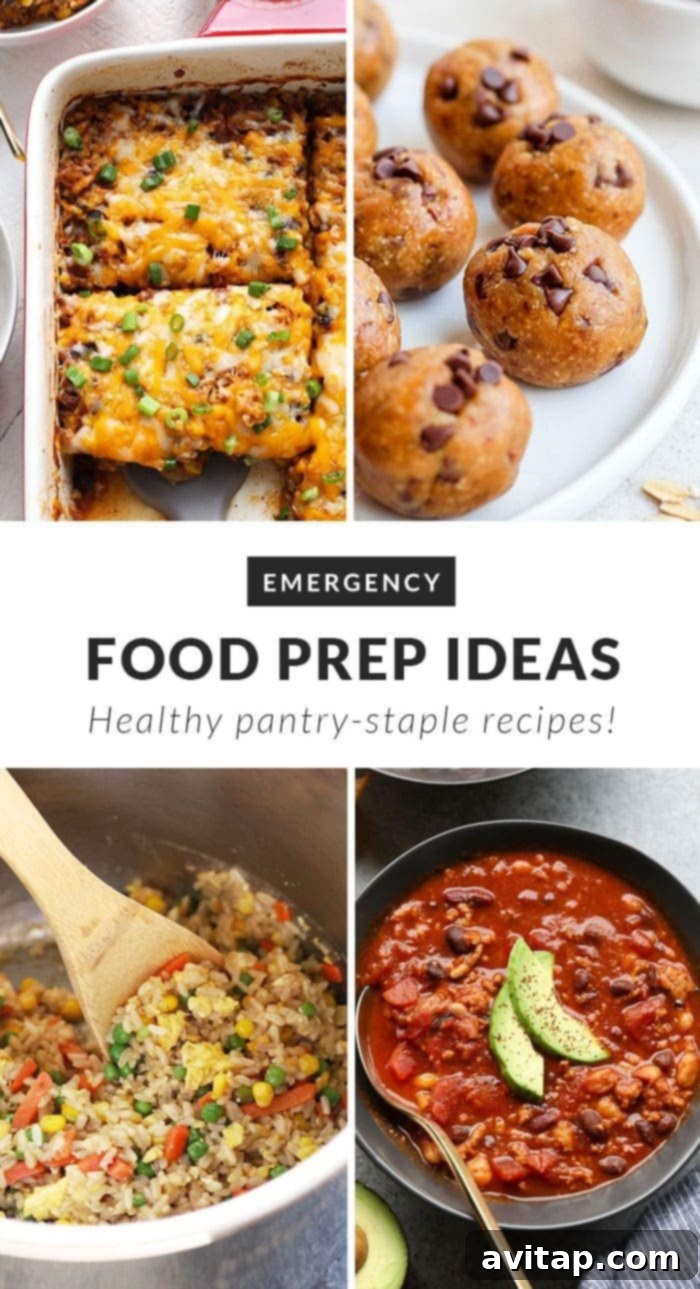
Wholesome Emergency Breakfast Ideas
Start your day strong with these energy-boosting breakfast options, primarily relying on pantry staples:
- 2-Minute Microwave Oatmeal: Inexpensive, filling, and customizable with dried fruit, nuts, or a dollop of nut butter. A quick and warm start to any day.
- PB Chocolate Chip Baked Oatmeal Cups: Perfect for make-ahead convenience; grab and go.
- Baked Eggs: A simple protein-packed option, especially useful if you have a reliable heat source.
- Hard-Boiled Eggs in the Oven: Easy to prepare in batches for quick protein snacks or meal additions.
- Banana Pancake Muffins: A delicious baked option that uses overripe bananas and common pantry baking ingredients. They can be enjoyed immediately or frozen for later.
- Applesauce Skillet Pancake Cake: A comforting, shareable breakfast or dessert.
Hearty Emergency Main Dishes (Lunches & Dinners)
For satisfying lunches and dinners during an emergency, think versatile casseroles, comforting soups, robust stews, easy pastas, and nourishing bowls. These categories maximize the use of shelf-stable ingredients.
Casseroles: Effortless, hearty, and often freezer-friendly.
- Southwestern Chicken Casserole: An excellent pantry-friendly choice. If fresh chicken isn’t available, canned chicken works perfectly, or simply omit for a delicious vegetarian version.
- Chicken and Rice Casserole: A classic comfort food that can be adapted with frozen veggies and canned chicken.
- Slow Cooker Enchilada Casserole: Uses minimal effort and often relies on canned ingredients and tortillas.
- Mexican Quinoa Sweet Potato Casserole: A fantastic vegetarian option requiring sweet potatoes (long shelf life), an onion, and various canned goods. Much of its vibrant flavor comes from a simple jar of salsa, making it incredibly accessible.
Soups, Stews & Chilis: Warm, nourishing, and perfect for batch cooking.
- Vegetarian Instant Pot Chili: Our most protein-packed vegetarian chili. It combines packaged goods with longer-lasting fresh vegetables like sweet potatoes, onions, and carrots, delivering robust flavor and nutrition.
- Crock-Pot Chicken Chili: A low-effort meal that can utilize frozen or canned chicken, beans, and spices.
- Sweet Potato Lentil Stew: A wonderfully comforting and nutritious vegan option, rich in fiber and protein.
- Lazy Girl Turkey Chili: Ideal if you have a pound of ground meat (frozen or fresh) on hand. The bulk of the recipe relies on beans and pantry spices, making it simple and delicious.
Pasta & Rice Dishes: Versatile and satisfying carbohydrate bases.
- Instant Pot Fried Rice: This recipe requires only six core ingredients: brown rice, frozen veggies, vegetable broth, olive oil, an egg (optional if unavailable), and an easy homemade fried rice sauce. Quick, flavorful, and a great way to use frozen vegetables.
- Mama’s Spaghetti and Meatballs: A classic, comforting meal. Canned tomatoes and dried pasta are perfect staples here.
- Sun-Dried Tomato Basil Pasta: Primarily uses packaged goods and your favorite dry pasta, creating a gourmet-tasting meal from simple ingredients.
- Sweet Potato Spinach Lasagna: A more involved but highly rewarding dish that can be made ahead and frozen.
- Vegetarian Thai Curry Skillet: An incredibly versatile one-pot vegetarian meal. Use green or red curry paste and whatever combination of frozen or shelf-stable vegetables you have on hand for a flavorful, exotic dish.
Non-Perishable Salads: Light and refreshing options when fresh greens are scarce.
- Black Bean Corn Salad: A fantastic vegetarian salad option composed entirely of pantry staples like canned black beans and corn. It’s light, refreshing, and packed with fiber and protein.
- Tuna Egg Salad: Combines two excellent protein sources: canned tuna and eggs, for a hearty and satisfying salad.
- 5-Minute Tuna Salad: For canned tuna lovers, this recipe is a lifesaver. It calls for one can of albacore tuna, a bit of Greek yogurt (or mayo), dried chives, lemon juice, salt, and pepper – quick, simple, and delicious.
- Fiesta Tuna Salad: Adds a vibrant, spicy twist to classic tuna salad with pantry ingredients.
Nourishing Bowls: Customizable and great for using up various staples.
- Vegetarian Brown Rice Bowls: Use this recipe as a template for endless variations. Combine any cooked grain (like brown rice or quinoa) with a protein source (beans, lentils), any vegetables you have (fresh, frozen, or canned), and a healthy fat like guacamole or hummus for a complete meal.
- Copycat Chipotle Chicken Burrito Bowls: Easy to assemble with rice, beans, salsa, and canned chicken.
- Sweet Potato Buddha Bowl: A colorful and nutritious vegan meal that can utilize stored sweet potatoes and grains.
Freezer Meal Powerhouses: Prepare ahead to save time and effort during a crisis.
- Best Homemade Frozen Burritos: A fantastic way to create individual, complete meals ready to heat and eat.
- 6 Crockpot Freezer Meals: If you have a slow cooker and love chicken, these recipes allow you to prepare six different meals at once, storing them in your freezer until needed. Ultimate convenience!
- Make-Ahead Breakfast Recipes: Our top six freezer-friendly breakfast ideas ensure you’re stocked with nutritious morning options for days, reducing morning stress.
- How to Freeze Bananas: A simple guide to preserving bananas for smoothies and baking.
Other Versatile Meals:
- Crock Pot Baked Potatoes: A simple, hands-off method for preparing a versatile base for toppings like chili or canned beans.
- Chicken and Broccoli Stir Fry: Easily adaptable by using canned chicken and frozen or canned vegetables instead of fresh, served over rice.
- Eggroll in a Bowl: Cabbage, which lasts a long time, forms the base of this flavorful meal. Combine with rice, frozen veggies, and a few Asian-inspired sauces for a quick, healthy dish.
- Cauliflower Tikka Masala: A rich and flavorful vegetarian curry that can use frozen cauliflower and pantry spices.
Comforting Emergency Snacks & Desserts
Don’t underestimate the power of a satisfying snack or a sweet treat to boost morale during challenging times. These recipes primarily use common pantry ingredients and many are freezer-friendly.
- No-Bake Chocolate Peanut Butter Cookies: Made with just six basic pantry ingredients, these are incredibly easy, delicious, and can be frozen. Plus, they’re naturally gluten-free!
- Flourless Blondies: A delightful, gluten-free treat made primarily from nut butter and sugar.
- Healthy Cookie Dough Bites: We adore energy bites for quick, wholesome snacks! These are based on oats, dates, and nut butter, offering sustained energy.
- Healthy Peanut Butter Cups: A simple, healthier take on a classic favorite.
- Healthy Banana Bread: Beyond bananas, this comforting bread requires only pantry staples. Feel free to add chocolate chips, nuts, or dried fruit for extra flavor and texture.
- Healthy Monster Cookies: A fun, satisfying cookie recipe that often uses oats, peanut butter, and chocolate chips.
- Flourless Brownies: Rich, fudgy brownies made without traditional flour, relying on nut butter for structure.