
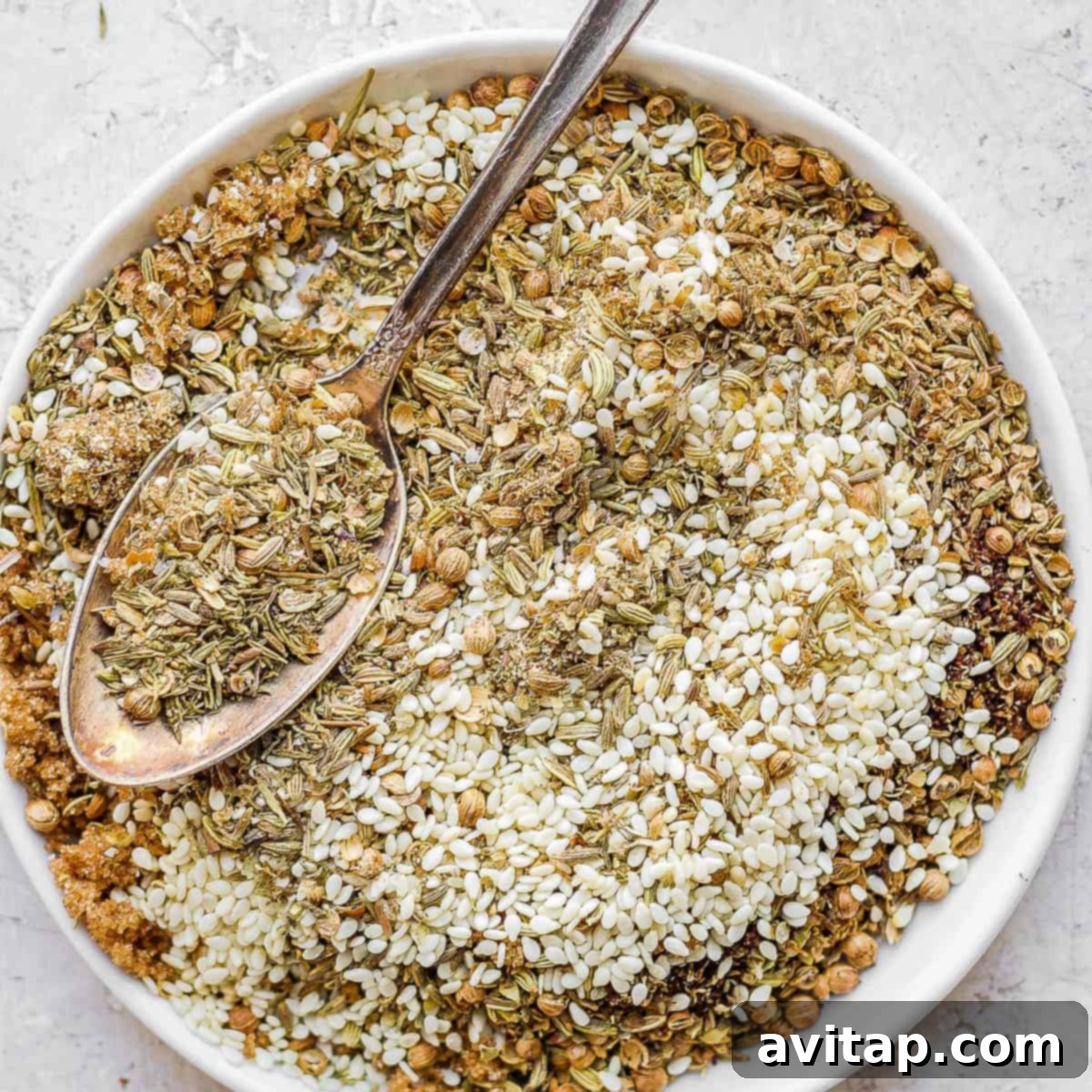
Embark on a culinary journey with this incredible homemade za’atar seasoning. This vibrant Middle Eastern spice blend is a harmonious fusion of savory, subtly sweet, and wonderfully umami notes, ready to elevate any dish. Whether generously sprinkled over perfectly roasted vegetables, used as a robust dry rub for various meats, or simply dashed onto soft scrambled eggs for a gourmet touch, its versatility knows no bounds. Crafting your own za’atar ensures unparalleled freshness and allows for complete customization, making it a staple you’ll wonder how you ever lived without.
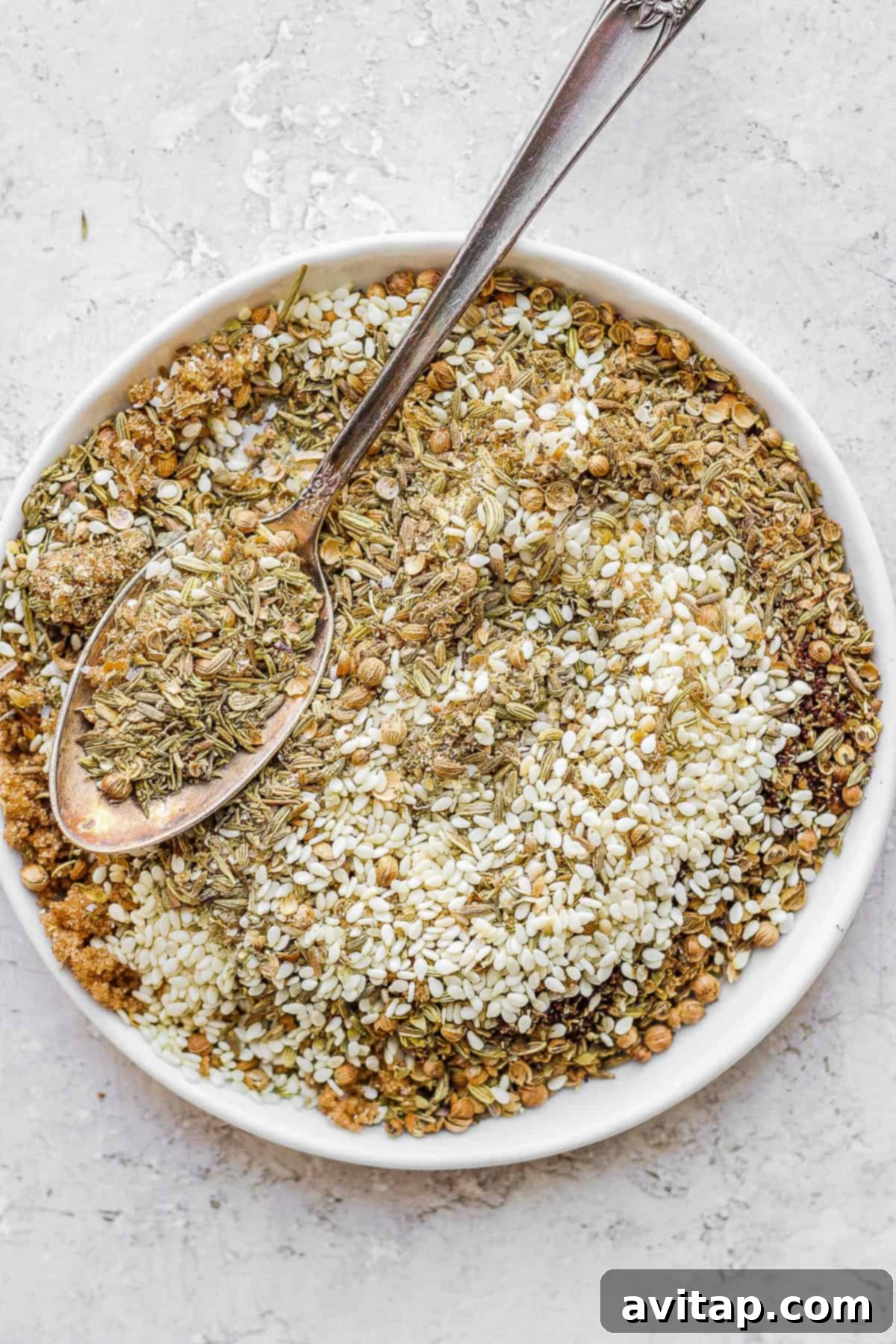
Crafting Your Own Za’atar Seasoning: A Taste of the Middle East
We are absolutely captivated by the rich and complex flavors of za’atar seasoning! This homemade blend strikes an exquisite balance, offering a deeply savory profile with delightful sweet undertones and an undeniable richness. In this comprehensive guide, we’ll walk you through everything you need to know: the essential ingredients (spoiler: just 11 simple components!), easy-to-follow steps to whip up a fresh batch, and practical tips for storing this aromatic blend in your pantry. Get ready to transform your cooking with this authentic and incredibly versatile spice mix.
What Exactly is Za’atar Seasoning?
Za’atar is more than just a spice blend; it’s a foundational element of Middle Eastern cuisine, particularly prevalent in countries like Lebanon, Syria, Jordan, and Palestine. The name “za’atar” itself can refer to both the herb blend and a specific herb from the oregano family, often wild thyme. This iconic seasoning typically combines dried thyme, oregano, marjoram, ground sumac, and toasted sesame seeds. Its precise composition can vary significantly from one region to another, and even from family to family, reflecting local preferences and the dishes it’s intended to accompany. Historically, za’atar has been valued not only for its distinct flavor but also for its supposed health benefits.
What Does Authentic Za’atar Seasoning Taste Like?
Prepare your palate for a truly unique and vibrant flavor experience! Za’atar seasoning is remarkably complex and highly aromatic. It delivers a rich, earthy foundation from the dried herbs like thyme, oregano, and marjoram, complemented by a bright, tangy zest from the sumac. The toasted sesame seeds contribute a nutty depth and a delightful textural crunch, rounding out the flavor profile. This intricate combination results in a balanced blend that is savory, herbaceous, a little tart, and subtly sweet, making it incredibly versatile for a wide array of culinary applications. Each component plays a crucial role in creating its signature taste.
Why You’ll Love Crafting Your Own Spice Blends
Complete Salt Control: One of the biggest advantages of making your own spice blends is having full command over the sodium content. Many commercially prepared blends often contain excessive amounts of salt and sometimes include undesirable fillers or anti-caking agents. By blending your own za’atar, you can adjust the salt level precisely to your dietary needs and taste preferences, ensuring a healthier and more flavorful outcome.
Tailored Flavor Profile: Customization is key with homemade spices. Whether you prefer a spicier kick, a sweeter note, or a more pronounced tang, you have the power to adjust the ratios of each ingredient. This allows you to create a za’atar seasoning that perfectly matches your culinary vision and the specific dishes you plan to use it in, making every meal uniquely yours.
Unbeatable Freshness and Potency: Store-bought spices can often sit on shelves for extended periods, losing their potency and aroma. When you grind and mix your own spices at home, you capture their freshest, most vibrant flavors. This ensures that your za’atar seasoning is bursting with aromatic oils and bold taste, making a noticeable difference in the quality of your cooking. Plus, it’s often more economical in the long run.
No Hidden Additives: Say goodbye to preservatives, artificial colors, and other mystery ingredients. Homemade spice blends are pure and simple, containing only the spices you choose. This transparency is a significant benefit for those looking to maintain a clean diet and avoid unnecessary chemicals in their food.
Effortless Batch Preparation: Once you’ve perfected your ideal za’atar blend, it’s incredibly easy to make larger batches. Prepare a double or triple quantity and store it properly, and you’ll always have this fantastic seasoning on hand. This convenience saves time during meal prep and ensures your kitchen is always stocked with your favorite flavor enhancer.
Essential Ingredients for Homemade Za’atar Seasoning
For precise measurements and the full recipe, please scroll down to the detailed recipe card below.
Creating your own za’atar seasoning from scratch requires just a handful of aromatic spices. Each ingredient plays a vital role in building the blend’s signature complex flavor profile:
- Fennel Seeds: These licorice-like seeds add a subtle sweetness and a distinct aromatic depth, contributing to the overall warmth of the blend.
- Cumin Seeds: Earthy and slightly bitter, cumin seeds are fundamental to many Middle Eastern flavors, providing a robust base.
- Coriander Seeds: Offering a bright, citrusy, and slightly sweet note, coriander seeds bring a lovely freshness and complexity.
- Dried Thyme: A cornerstone of za’atar, dried thyme provides a woody, minty, and subtly floral herbaceousness.
- Dried Oregano: Similar to thyme but often bolder and more pungent, oregano deepens the savory, herbaceous character.
- Dried Marjoram: With a milder, sweeter, and more delicate flavor than oregano, marjoram softens the blend and adds another layer of herbal aroma.
- Ground Sumac: This vibrant red spice is essential for za’atar’s characteristic tangy, slightly fruity, and sour notes, which are crucial for its bright profile.
- Kosher Salt: To enhance and balance all the flavors. Its coarse texture is also ideal for grinding the seeds.
- Granulated Garlic: Provides a savory, aromatic punch without the moisture of fresh garlic, ensuring a dry, stable blend.
- Brown Sugar: A touch of brown sugar introduces a subtle sweetness that beautifully balances the tang of sumac and the earthiness of the herbs.
- White Sesame Seeds: Toasted sesame seeds contribute a nutty flavor and a satisfying textural crunch, making them indispensable.
When selecting your ingredients, prioritize freshness. Whole spices, especially the seeds, should be relatively new for the most potent flavor and aroma. Investing in good quality spices will significantly impact the final taste of your homemade za’atar.
How to Make Za’atar Seasoning: A Simple Step-by-Step Guide
For complete ingredient quantities and detailed instructions, refer to the recipe card found further down the page.
Creating your own za’atar seasoning is a straightforward process that yields incredibly rewarding results. Follow these simple steps to prepare a batch of this versatile Middle Eastern spice blend:
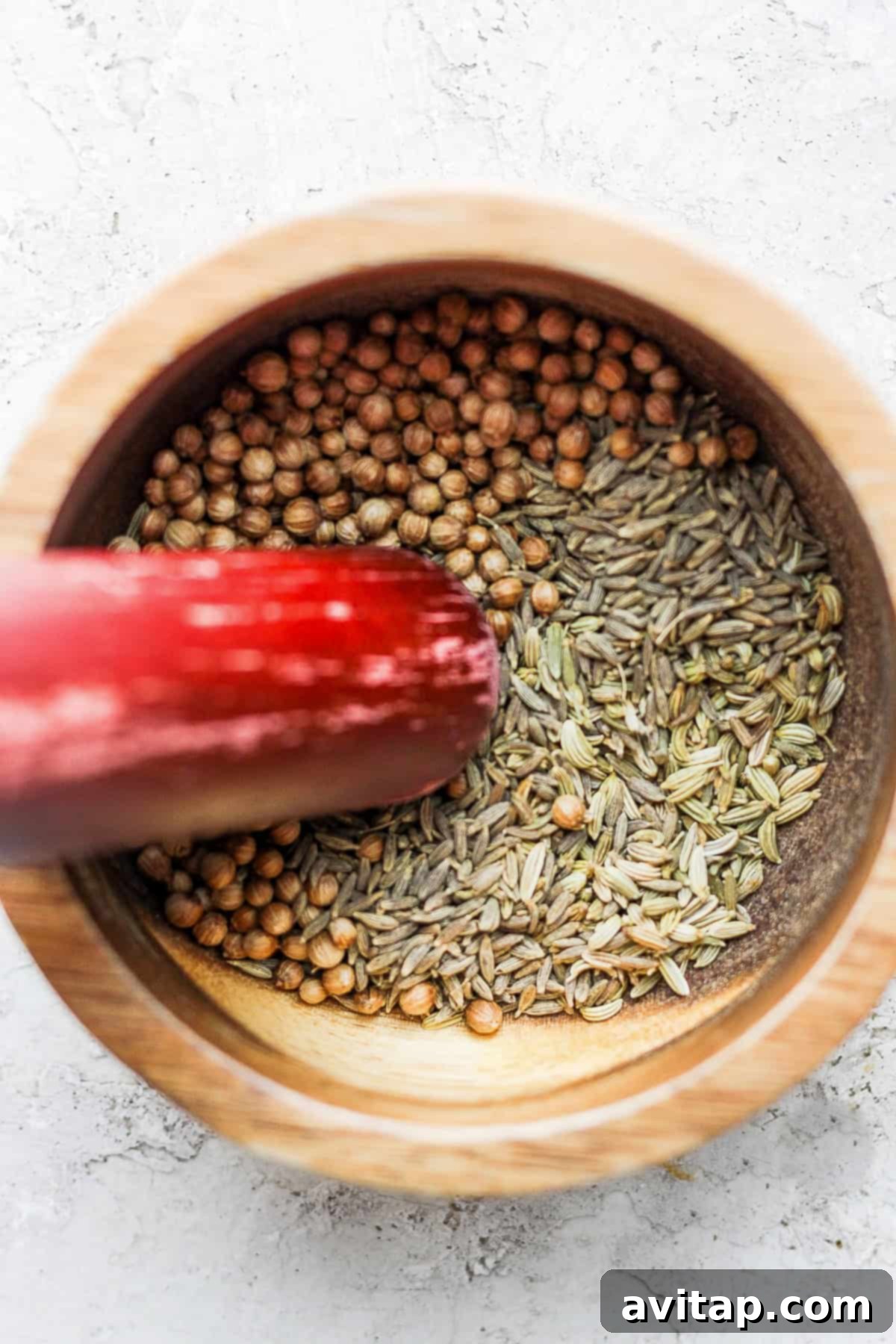
- Prepare Your Seeds: Begin by placing the fennel seeds, cumin seeds, and coriander seeds into a mortar. Using a pestle, gently but firmly grind the seeds. The goal is to break them down enough so they are no longer whole, releasing their aromatic oils and creating a fragrant powder. Continue grinding until you achieve a coarse, aromatic texture. The delightful scent of freshly ground spices will begin to fill your kitchen at this stage.
- Combine Dried Herbs and Flavorings: Once your seeds are adequately crushed and fragrant, add the dried thyme, oregano, marjoram, ground sumac, kosher salt, granulated garlic, and brown sugar to the mortar with the ground seeds. Using the pestle, gently combine these ingredients. Avoid heavy grinding at this stage; instead, focus on mixing everything thoroughly to ensure an even distribution of flavors. The idea is to incorporate the fine powders and herbs with the crushed seeds.
- Introduce Sesame Seeds: This is a crucial step for texture. Carefully add the white sesame seeds to the mixture. Using a spoon or your hands (if clean), gently toss and mix the sesame seeds with the rest of the spices. It is important not to use the pestle to grind the sesame seeds. They should remain whole, providing that distinctive nutty crunch and visual appeal that defines authentic za’atar.
- Store Your Homemade Za’atar: Once all ingredients are thoroughly combined, transfer your freshly made za’atar seasoning into an airtight jar or container. Ensure the container has a secure lid to preserve freshness. Store it in a cool, dark place, away from direct sunlight and heat. This will help maintain its vibrant flavor and aroma for months to come.
Making za’atar at home ensures maximum freshness and allows you to control the quality of ingredients, resulting in a superior spice blend every time.
Expert Tips for Perfect Homemade Za’atar Seasoning
No Mortar and Pestle? No Problem! While a mortar and pestle are ideal for gently crushing spices and releasing their oils, you can certainly make za’atar without one. A dedicated spice grinder or a clean coffee grinder works perfectly for processing the seeds. If using a coffee grinder, ensure it’s thoroughly cleaned and free of coffee residue to prevent any unwanted flavor transfer. Pulse the seeds until coarsely ground, then transfer to a bowl to mix with the remaining ingredients.
Craving More Savory Depth? If you prefer a za’atar blend with a more pronounced savory and earthy character, it’s easy to adjust. Consider adding an additional 1 teaspoon of ground sumac for extra tang and depth, along with an extra 1/2 teaspoon of granulated garlic to boost that savory base. You could also increase the amounts of dried thyme and oregano slightly for a more herbaceous punch.
Sweeten the Deal: For those who appreciate a slightly sweeter za’atar, perfect for fruit salads or yogurt bowls, simply increase the brown sugar from 2 teaspoons to a full tablespoon. This subtle alteration will create a blend that balances the tang and herbs with a pleasant sweetness, opening up new culinary possibilities.
Boost the Tang: If you love the bright, lemony notes of sumac, feel free to add another half teaspoon to a full teaspoon of ground sumac to the blend. This will amplify the tartness, making your za’atar even more refreshing and vibrant.
Toast for Enhanced Flavor: For an even deeper, nuttier flavor profile, lightly toast the fennel, cumin, coriander, and sesame seeds in a dry skillet over medium-low heat for a few minutes before grinding. Watch them carefully to prevent burning, as burnt spices can turn bitter. This step intensifies their natural oils and aroma.
Quality Matters: The final taste of your za’atar relies heavily on the quality and freshness of your individual spices. Always aim for fresh, aromatic spices. If your herbs or seeds have been sitting in the cupboard for years, their potency will be diminished, resulting in a less vibrant blend.
Organize Your Pantry
Glass Spice Jars
Keep your kitchen impeccably organized and your homemade spices fresh with this stylish empty glass spice jar set! Ideal for preserving the aroma and flavor of your za’atar.
Unlock Flavor: Incredible Ways to Use Za’atar Seasoning
Za’atar seasoning is remarkably versatile, making it a fantastic addition to almost any meal. Its complex flavor profile complements a wide array of ingredients and cooking styles. Here are just some of our favorite ways to incorporate this delicious spice blend into your daily cooking:
- Meat and Seafood: Use za’atar as a dry rub for chicken, lamb, or fish before roasting, grilling, or pan-searing. It creates a beautiful crust and infuses the protein with a herbaceous, tangy flavor. Try it with ground meat for meatballs or kofta!
- Roasted Vegetables: Toss your favorite vegetables like cauliflower, carrots, potatoes, or zucchini with olive oil and za’atar before roasting. The spices caramelize, enhancing their natural sweetness and adding a delightful Middle Eastern twist.
- Eggs: A simple sprinkle of za’atar over fried, scrambled, or poached eggs can instantly elevate your breakfast or brunch. It adds a sophisticated layer of flavor that’s both comforting and exotic.
- Salad Dressings: Whisk za’atar into your homemade vinaigrettes or mix it with olive oil and lemon juice for a simple yet flavorful dressing that pairs wonderfully with green salads, grain salads, or even grilled halloumi.
- Dips and Spreads: Stir za’atar into hummus, labneh (strained yogurt), or baba ghanoush for an authentic Middle Eastern experience. You can also mix it with olive oil and serve it as a dip for fresh pita bread.
- Bread and Pastries: Sprinkle za’atar over flatbreads, focaccia, or even homemade pizza before baking for a savory, aromatic crust. It’s also fantastic on savory muffins or scones.
- Grains and Legumes: Add a dash of za’atar to cooked couscous, quinoa, rice, or lentil dishes to infuse them with depth and aroma. It pairs particularly well with chickpea-based recipes.
- Soups and Stews: Stir a teaspoon or two of za’atar into hearty lentil soups, chicken stews, or vegetable broths towards the end of cooking for an herbaceous, warming flavor.
- Yogurt and Cheese: Combine za’atar with Greek yogurt for a savory dip, or sprinkle it over feta cheese, goat cheese, or cream cheese for an appetizer.
- And So Much More! Don’t be afraid to experiment. Za’atar’s unique profile makes it a fantastic secret ingredient in unexpected places, from marinades to compound butters.
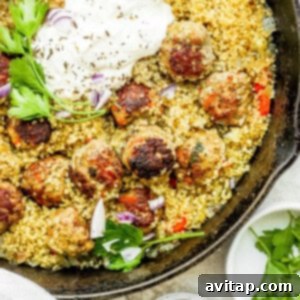
Flavorful Meal Idea
One Pot Za’atar Meatballs and Couscous
Put your freshly made za’atar seasoning to fantastic use with our amazing one-pot za’atar meatballs and couscous skillet. A simple, delicious, and satisfying meal!
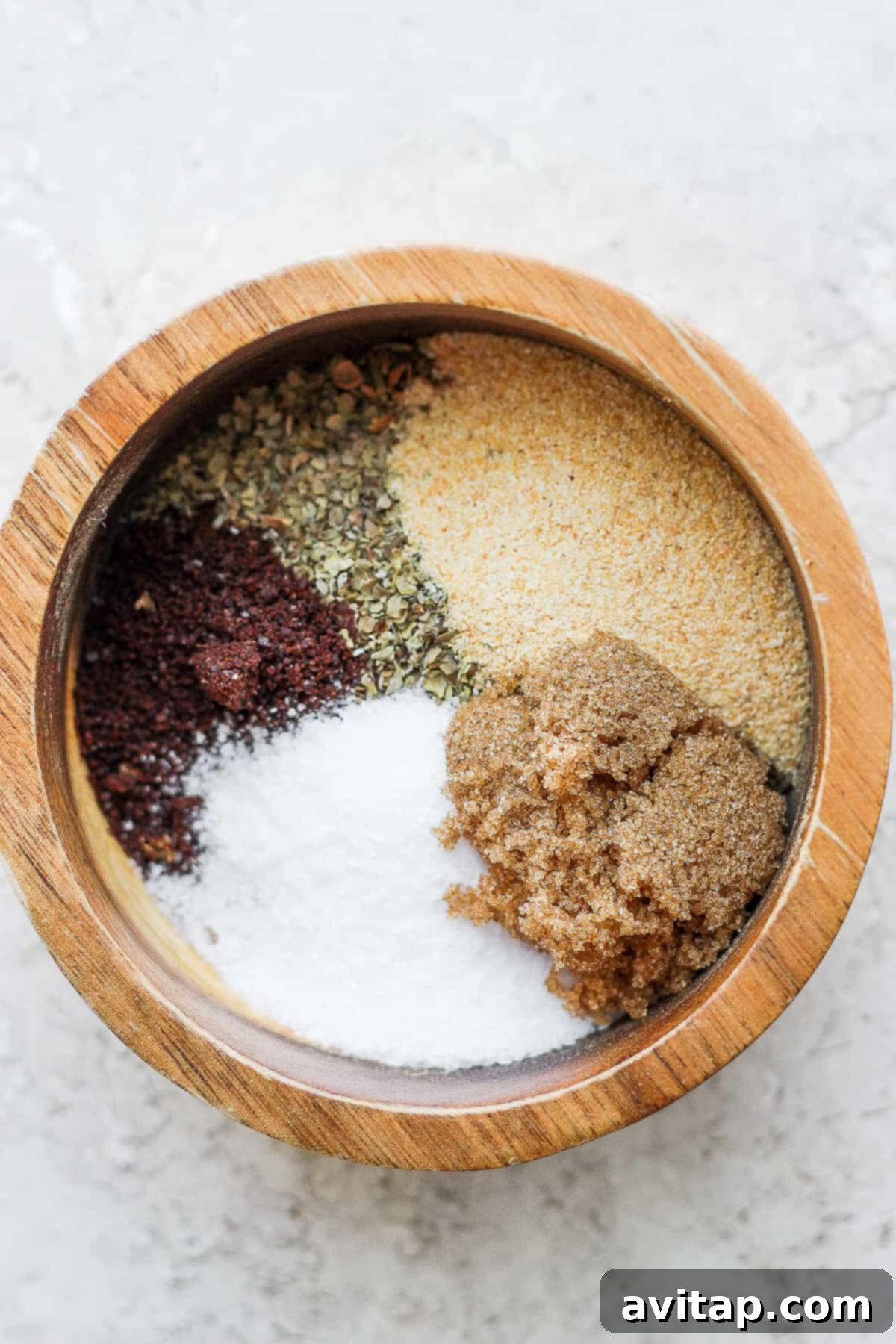
Explore More Homemade Seasoning Recipes
Beyond za’atar, crafting your own spice blends at home offers numerous benefits. It’s an excellent way to save money, control ingredient quality, and significantly limit the sodium content often found in store-bought options. We’re passionate about homemade seasonings and always keep our pantry well-stocked with a variety of our own blends. Once you start making your own, you’ll discover how much fresher and more vibrant your dishes become. Dive into the world of spice blending and elevate your culinary game with personalized flavor profiles.
Proper Storage for Your Za’atar Seasoning
To ensure your homemade za’atar seasoning retains its maximum flavor, aroma, and potency, proper storage is essential. Once prepared, transfer the blend into a completely airtight container. Glass jars with tight-fitting lids are ideal, as they prevent air and moisture from degrading the spices. Store this container in a cool, dark place, such as a pantry or a spice cabinet, away from direct sunlight, heat, and humidity. These elements are the biggest enemies of spice freshness.
When stored correctly, your fresh za’atar seasoning will maintain its peak quality for up to 6 months. While it may still be safe to use beyond this period, its vibrant flavors and aromas will gradually diminish. Always give your spices a sniff test before use; if they no longer smell fragrant and potent, it’s time to make a fresh batch.
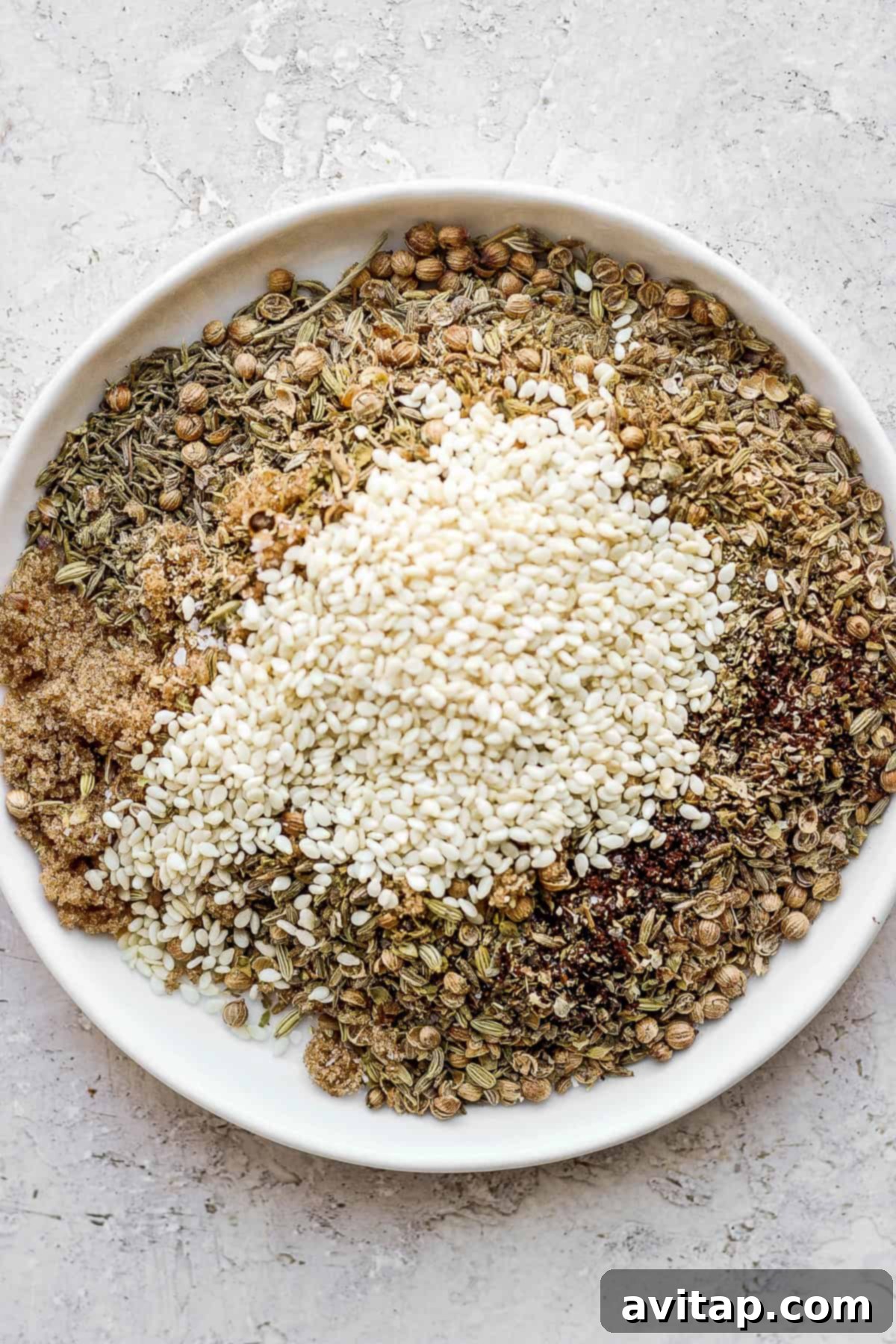
More of our Favorite…
Homemade Spice Blend Recipes
If you’ve enjoyed creating your own za’atar, you’ll love these other fantastic homemade seasoning recipes. Expand your spice collection and bring fresh, vibrant flavors to every meal:
- Flavorful Turkey Seasoning
- Easy Pot Roast Seasoning
- Everything Bagel Seasoning
- Steak Taco Seasoning
- Smoked Chicken Dry Rub
★
★
★
★
Homemade Za’atar Seasoning Recipe
Emily Richter
Prep:
5 mins
Cook:
0 mins
Total:
5 mins
24 servings
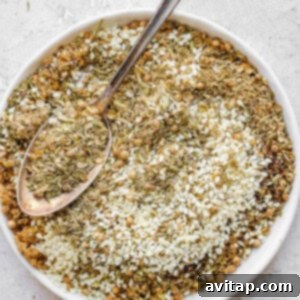
Ingredients
- 1 tablespoon fennel seeds
- 1 tablespoon cumin seeds
- 1 teaspoon coriander seeds
- 1 tablespoon dried thyme
- ½ tablespoon dried oregano
- 2 teaspoons dried marjoram
- 1 tablespoon ground sumac
- 2 teaspoons kosher salt
- 1 teaspoon granulated garlic
- 2 teaspoons brown sugar
- 1 tablespoon white sesame seeds
Instructions
-
Place fennel seeds, cumin seeds, and coriander seeds in a mortar and pestle (or spice grinder). Grind until fragrant and until the seeds are no longer whole, but rather coarsely crushed.
-
Add the dried thyme, oregano, marjoram, ground sumac, kosher salt, granulated garlic, and brown sugar to the mortar (or a mixing bowl). Gently combine with the crushed seeds.
-
Finally, toss the white sesame seeds with the rest of the spices. Ensure the sesame seeds remain whole; do not grind them with the pestle.
-
Transfer the finished za’atar seasoning to an airtight jar or container with a secure lid and store in a cool, dark place for optimal freshness.
Tips & Notes
- If you do not have a mortar and pestle, you can use a clean coffee grinder or a dedicated spice grinder to crush the whole seeds. Just be sure to rinse any coffee residue out of the grinder first if using it for coffee.
- For a deeper flavor, lightly toast the whole seeds in a dry pan before grinding.
- Adjust the sumac and brown sugar amounts to suit your preference for tanginess and sweetness.
Nutrition
Calories:
36 kcal
,
Carbohydrates:
4 g
,
Protein:
1 g
,
Fat:
2 g
,
Fiber:
1 g
,
Sugar:
1 g
Nutrition information is automatically calculated, so should only be used as an approximation.
Love this recipe? Share your thoughts below!
We’d be thrilled to see your culinary creations! Don’t forget to tag your posts on social media with the hashtag #fitfoodiefinds.