
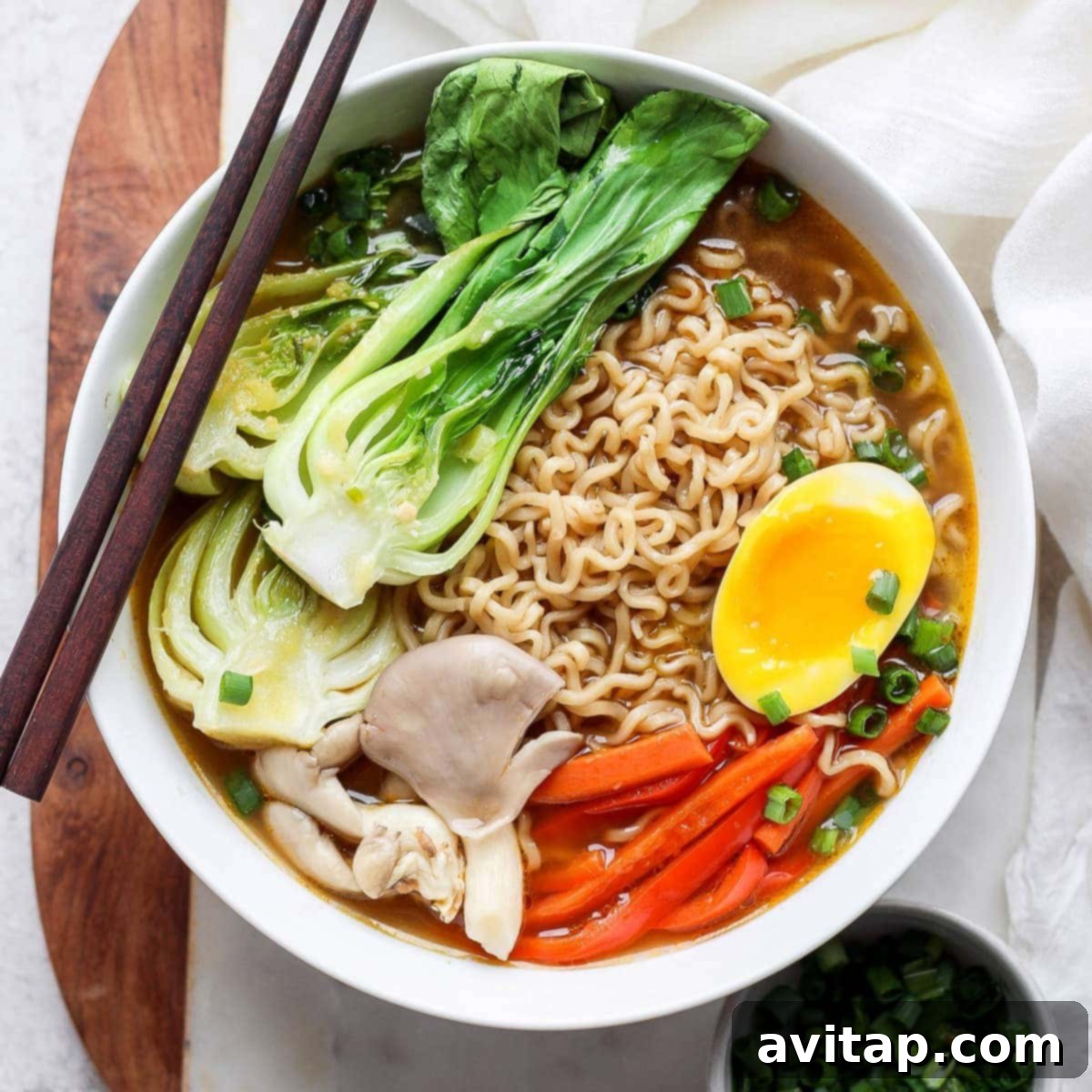
Embark on a culinary journey with our easy and incredibly flavorful vegetarian ramen recipe. This guide will help you create a hearty, vegetable-packed bowl of ramen that’s ready to enjoy in just about an hour, proving that comfort food can also be nutritious and exciting!
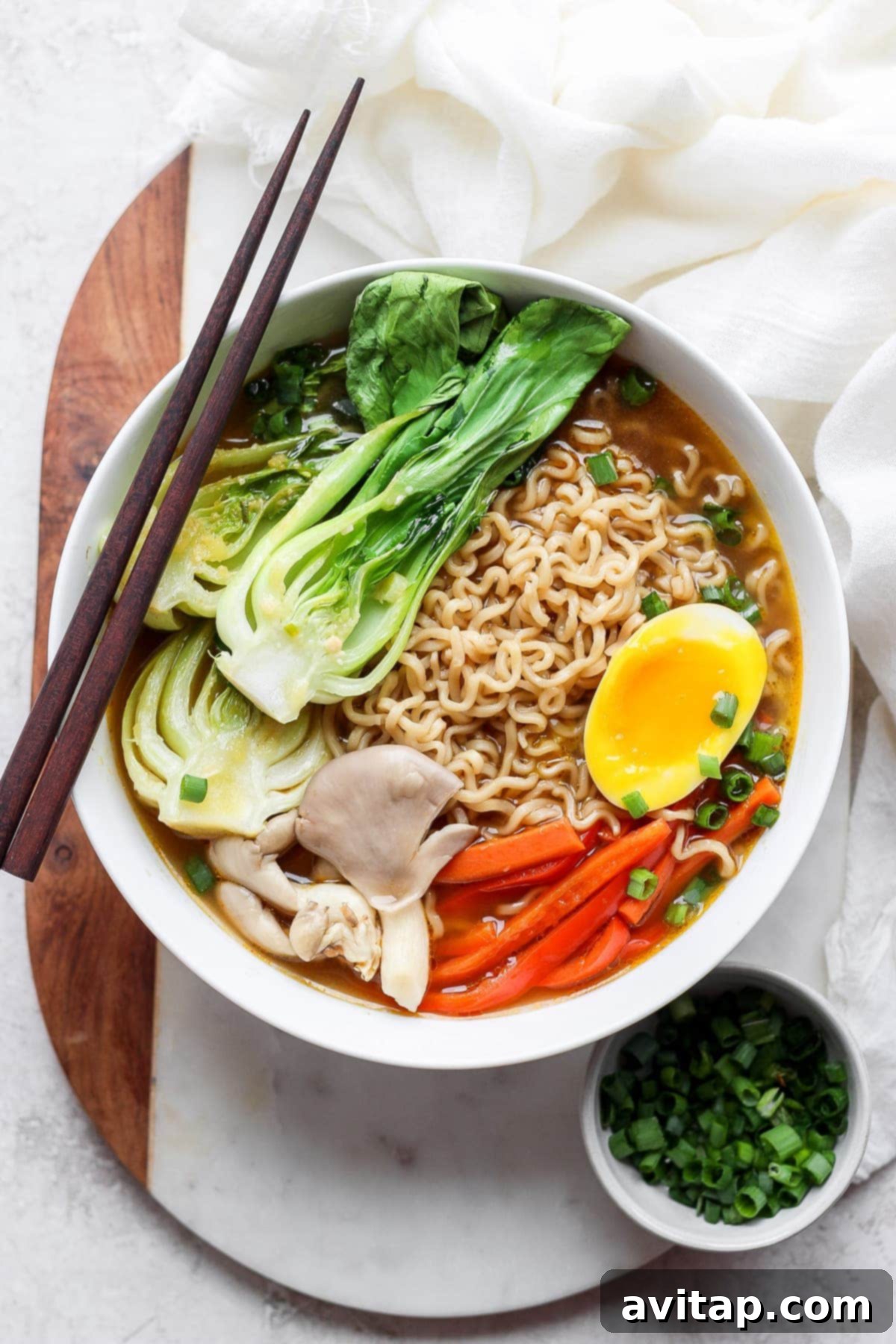
Easy & Flavorful Vegetarian Ramen Recipe: Your Guide to a Hearty Bowl
This recipe is an ode to the classic Japanese ramen, re-imagined with a vibrant vegetarian twist. While not strictly traditional, our version captures the soulful essence and rich depth of flavor that makes ramen so universally loved. We’ve drawn inspiration from countless bowls of delicious ramen enjoyed over the years, aiming to craft a broth that is not only profoundly flavorful but also accessible for home cooks.
Crafting a Delectable Vegetarian Ramen Soup
Our approach to ramen is all about maximizing flavor with wholesome, plant-based ingredients. Traditional Japanese ramen, known for its rich meat or fish-based broths often flavored with soy sauce or miso, varies significantly across different regions of Japan. While we respect these deep-rooted traditions, our goal was to create a vegetarian rendition that doesn’t compromise on taste or satisfaction. We believe we’ve succeeded in developing a seriously flavorful broth that stands on its own, offering a comforting and delicious experience without the need for meat products.
This recipe is designed to be a culinary adventure, a commitment to creating something truly special. Don’t be intimidated by the number of steps; each stage is simple and contributes significantly to the final symphony of flavors. The time and effort invested will be richly rewarded with a bowl of ramen that tastes like it came from your favorite restaurant.
Essential Tip: Read the Recipe First!
Before you begin cooking, we strongly recommend reading the entire recipe through from start to finish. This will give you a clear understanding of the process and help you anticipate each step. Many components of this ramen build upon each other, so careful preparation is key to a smooth cooking experience. We’ve structured the recipe to ensure optimal flavor development and efficiency, so following it as written will yield the best results.
The Art of Homemade Ramen Eggs (Ajitama)
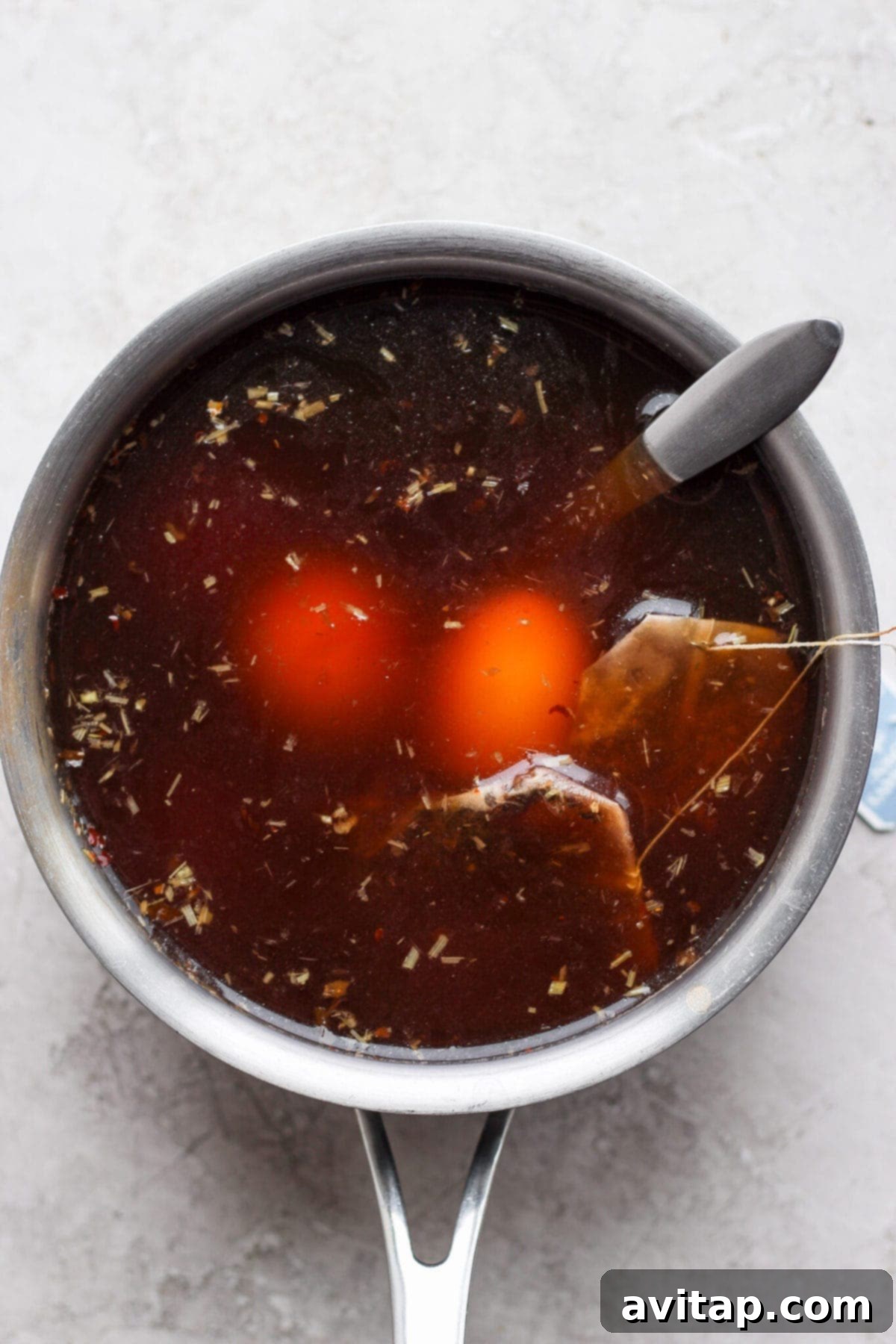
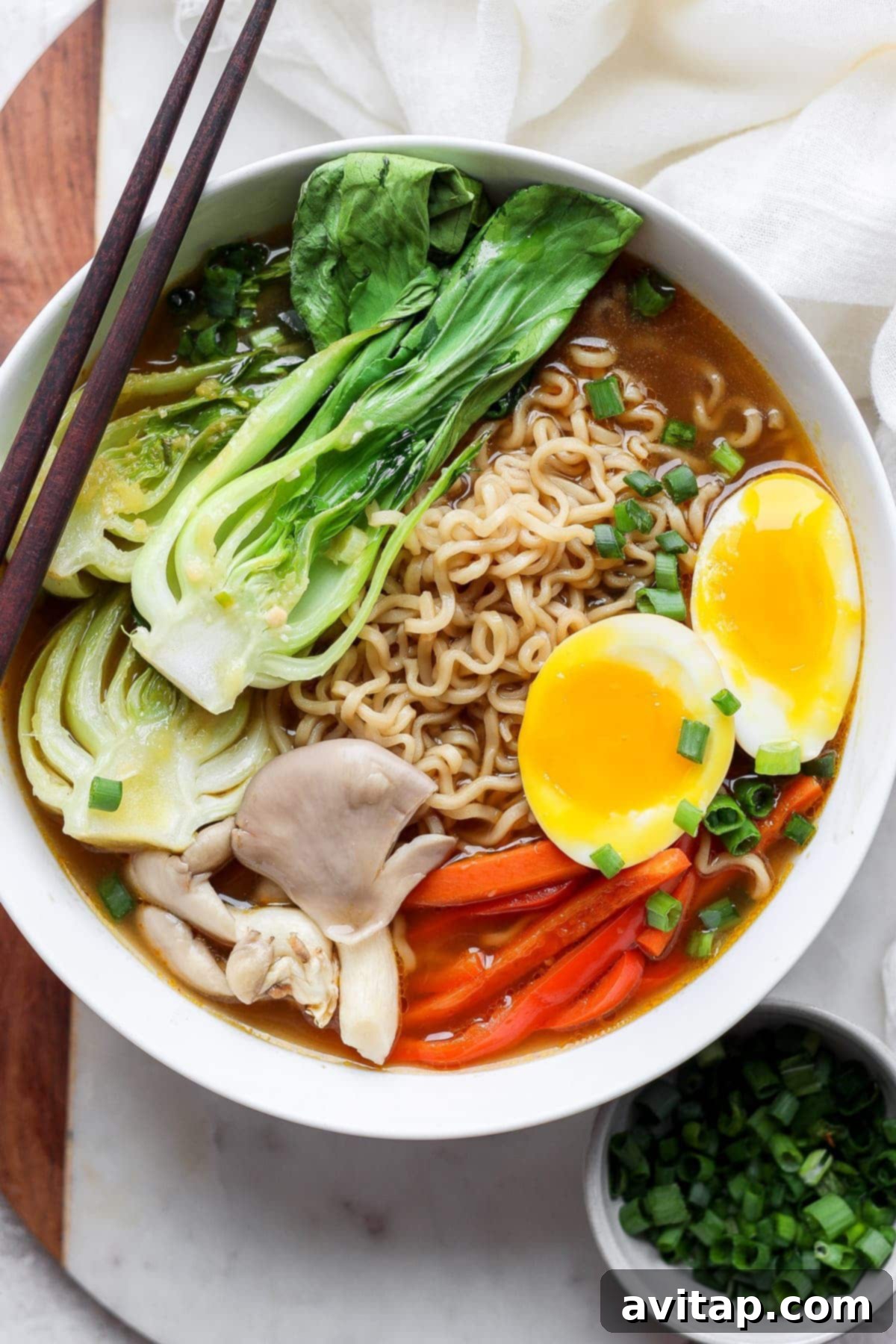
For many ramen enthusiasts, the soft-boiled, marinated egg (Ajitama) is an undeniable highlight of the dish. Our homemade ramen eggs, while slightly unconventional, are bursting with flavor and perfectly complement the rich broth. We achieve a beautifully soft-boiled egg yolk, which is then steeped in a savory marinade that will later become an integral part of our ramen broth. This ingenious method ensures that no flavor goes to waste!
For a deep dive into perfecting these delightful eggs, including detailed step-by-step instructions and expert tips, be sure to check out our dedicated post on quick ramen eggs. It covers everything you need to know to achieve that perfect jammy yolk and intensely flavored white.
A Crucial Note: Do NOT discard the marinade from the ramen eggs! This is not a suggestion; it’s a command! This flavorful liquid is pure culinary gold and forms the aromatic foundation of your ramen broth. Saving it is essential for achieving the complex depth of flavor that makes this recipe truly outstanding.
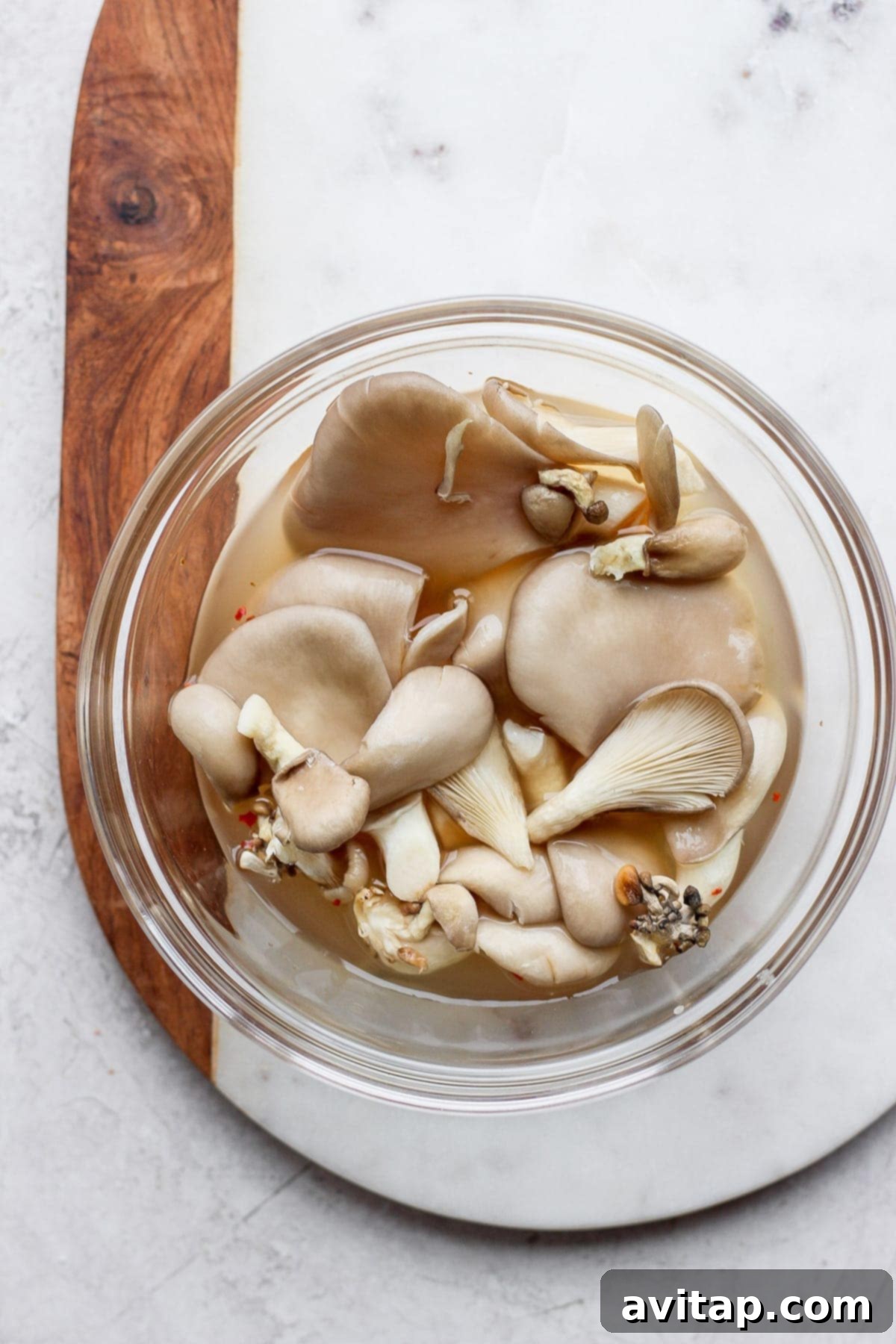
Quick-Pickled Mushrooms: A Tangy Topping
Once your ramen eggs are happily marinating, it’s time to prepare another fantastic topping: quick-pickled mushrooms. These provide a wonderful tangy contrast and a delightful texture to the warm, savory ramen. Served cold, they add a refreshing burst of flavor with every spoonful.
The method for pickling these mushrooms is quite similar to our popular quick pickled spicy peppers, which, by the way, would also make an excellent topping for this ramen if you enjoy an extra kick!
- Begin by cleaning your beech mushrooms thoroughly with a damp cloth to remove any dirt or debris.
- In a medium bowl, whisk together the rice vinegar, apple cider vinegar, a pinch of red pepper flakes for subtle heat, and salt until the salt completely dissolves.
- Add the cleaned mushrooms to the vinegar mixture. Toss gently to ensure all the mushrooms are evenly coated.
- Allow the mushrooms to sit and marinate in this mixture until just before you are ready to serve your ramen. The longer they sit, the more intensely flavored they will become.
Mushroom Variations: Can I use different types of mushrooms?
Absolutely! While beech or oyster mushrooms are highly recommended for their texture and ability to absorb flavor, you can certainly experiment with other varieties. White button mushrooms or cremini (bella) mushrooms work well too; just be sure to thinly slice them before tossing them into the vinegar mixture to ensure they pickle effectively and integrate nicely into the ramen.
Preparing the Bok Choy: A Gentle Steam
With your eggs and mushrooms actively marinating, your focus shifts to preparing the foundational elements for your ramen broth and toppings. The first step involves tenderizing the bok choy, which will be a delightful, fresh addition to your finished bowl.
Choosing Your Bok Choy
For this recipe, we highly recommend using baby bok choy. Its delicate texture and mild flavor are perfect for ramen. If baby bok choy isn’t available, don’t worry! You can easily use larger bok choy. Simply slice it into smaller, manageable pieces to ensure it cooks evenly and integrates well with the other ingredients.
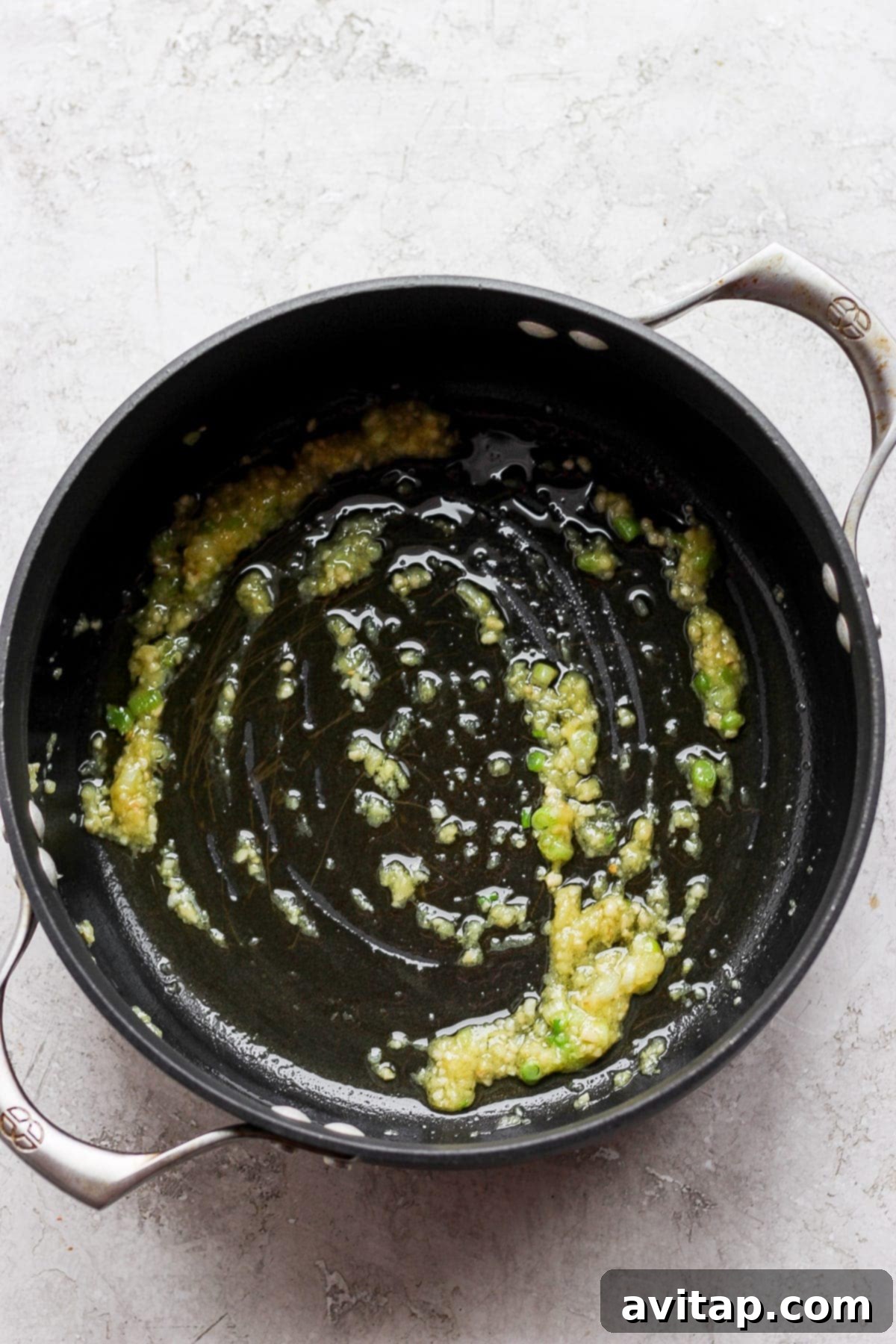
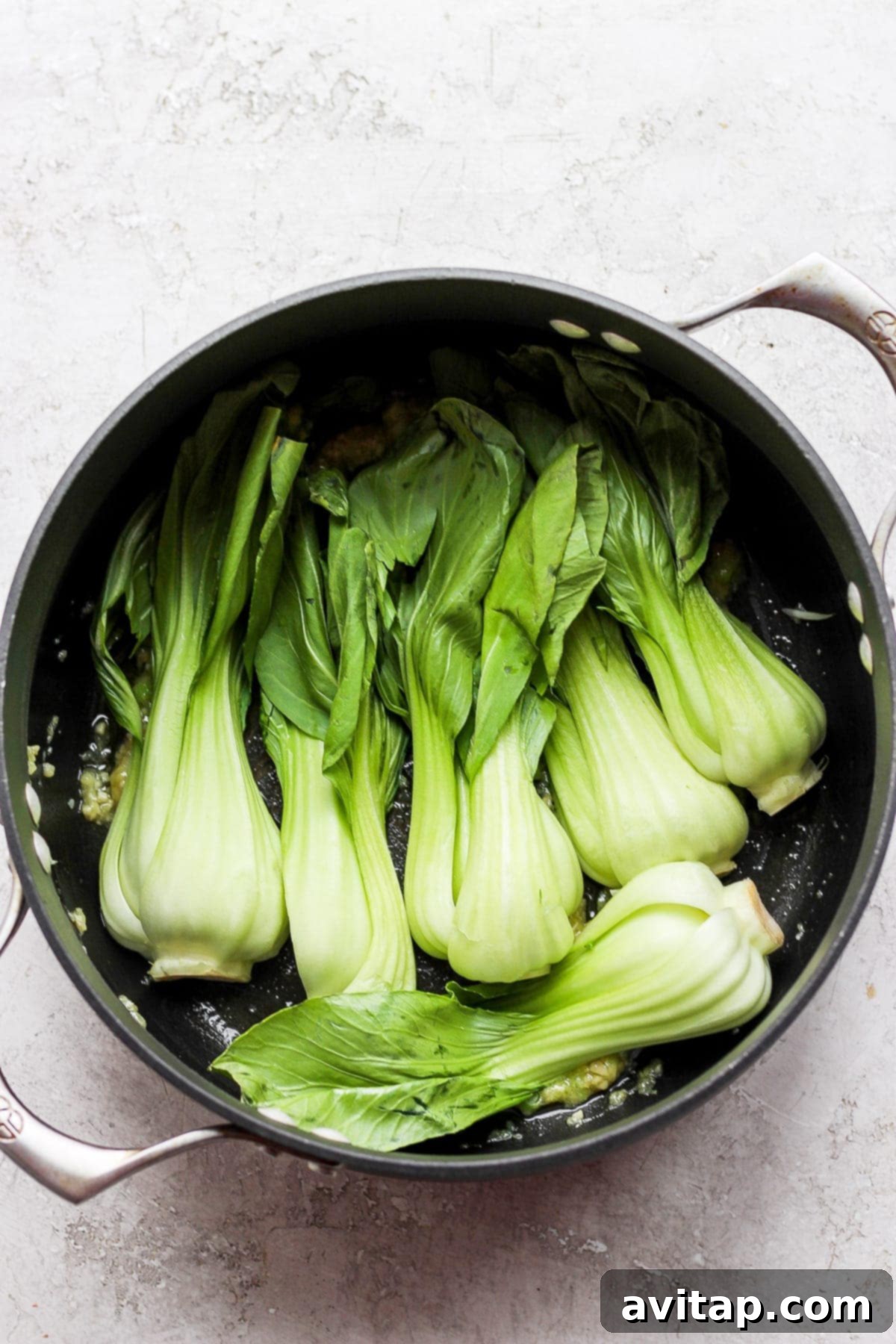
To prepare the bok choy, you’ll start by sautéing the white parts of your green onions in a large Dutch oven or heavy-bottomed pot. Once they become fragrant, add freshly grated ginger and minced garlic to the pot, allowing their aromas to release for about a minute. Next, incorporate the quartered baby bok choy, tossing it gently to coat with the aromatic oil. Cover the pot and allow the bok choy to steam for 3-4 minutes, just until tender-crisp. Remove the cooked bok choy from the pot and set it aside; it will be added back in at the very end to gently reheat.
Sautéing the Hearty Vegetables
A vegetarian ramen wouldn’t be complete without a generous helping of colorful vegetables! Using the same Dutch oven where you cooked the bok choy (which now holds residual flavors of garlic and ginger), add sliced red bell peppers and matchstick carrots. Sauté these vibrant vegetables for just 2-3 minutes. This quick sauté ensures they remain slightly crisp, adding a delightful crunch and sweetness to your ramen without becoming mushy.
The Flavorful Ramen Egg Broth Base
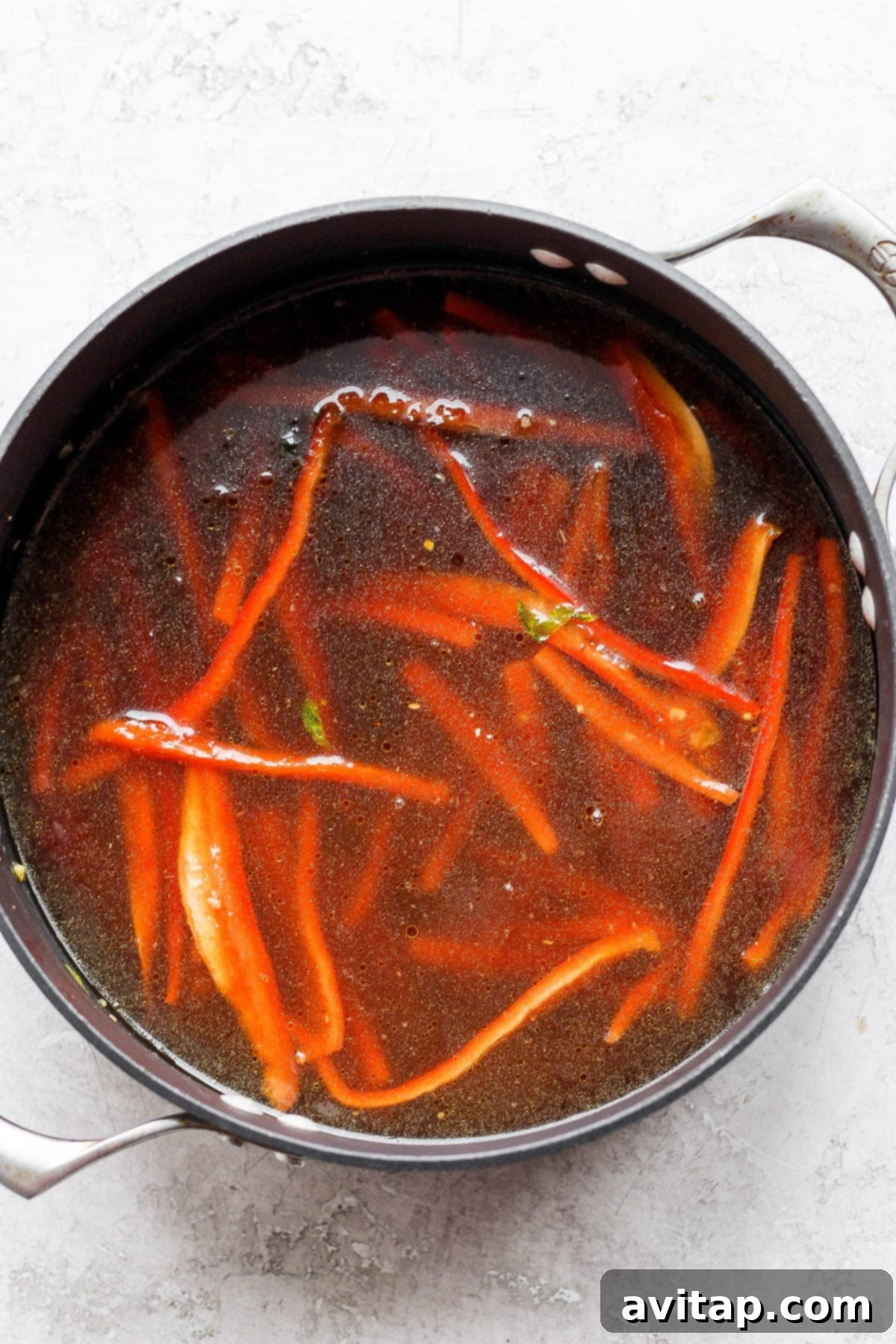
While your peppers and carrots are gently cooking, carefully retrieve the marinated ramen eggs from their flavorful liquid and set them aside. These will be halved and added to each serving bowl later. Next, remove and discard the tea bags from the egg marinade. This concentrated liquid is incredibly rich in umami and aromatic notes. Pour the entire marinade through a fine-mesh sieve into a clean bowl to remove any loose tea leaves or ginger pieces, ensuring a smooth and clear broth base. Finally, pour this meticulously strained “egg broth” directly into the Dutch oven with your sautéed peppers and carrots. This step is crucial for building the profound depth of flavor in your ramen.
Finishing the Broth and Adding the Noodles
To complete your ramen broth, add the chicken broth (or vegetable broth for a fully plant-based option), soy sauce, sriracha (for a touch of heat), and fish sauce (if not strictly vegetarian, or omit/replace with a vegan alternative) to the Dutch oven. Whisk all the ingredients together thoroughly until well combined. Bring the entire mixture to a rolling boil, allowing all the flavors to meld beautifully.
Once the broth is boiling, add your Japanese-style ramen noodles to the pot. Cook them according to package directions, typically for about 5-7 minutes, or until they reach an al dente texture – meaning they are cooked through but still have a slight bite. Avoid overcooking, as soggy noodles can significantly detract from the ramen experience.
Meal Prep Tip for Perfect Ramen
If you’re planning to enjoy this delicious ramen throughout the week, we highly recommend a simple meal prep strategy to maintain optimal texture and flavor. Cook the ramen noodles in a separate pot of boiling water, then drain them, rinse them thoroughly with cold water to stop the cooking process, and store them separately from the broth. When you’re ready to eat, simply reheat your broth and add a fresh portion of noodles.
Why this matters: Leaving the noodles submerged in the broth for extended periods will cause them to absorb too much liquid, becoming mushy and significantly diminishing the quality of your ramen. Separating them ensures every bowl is as fresh and satisfying as the first.
Serving Your Delicious Vegetarian Ramen
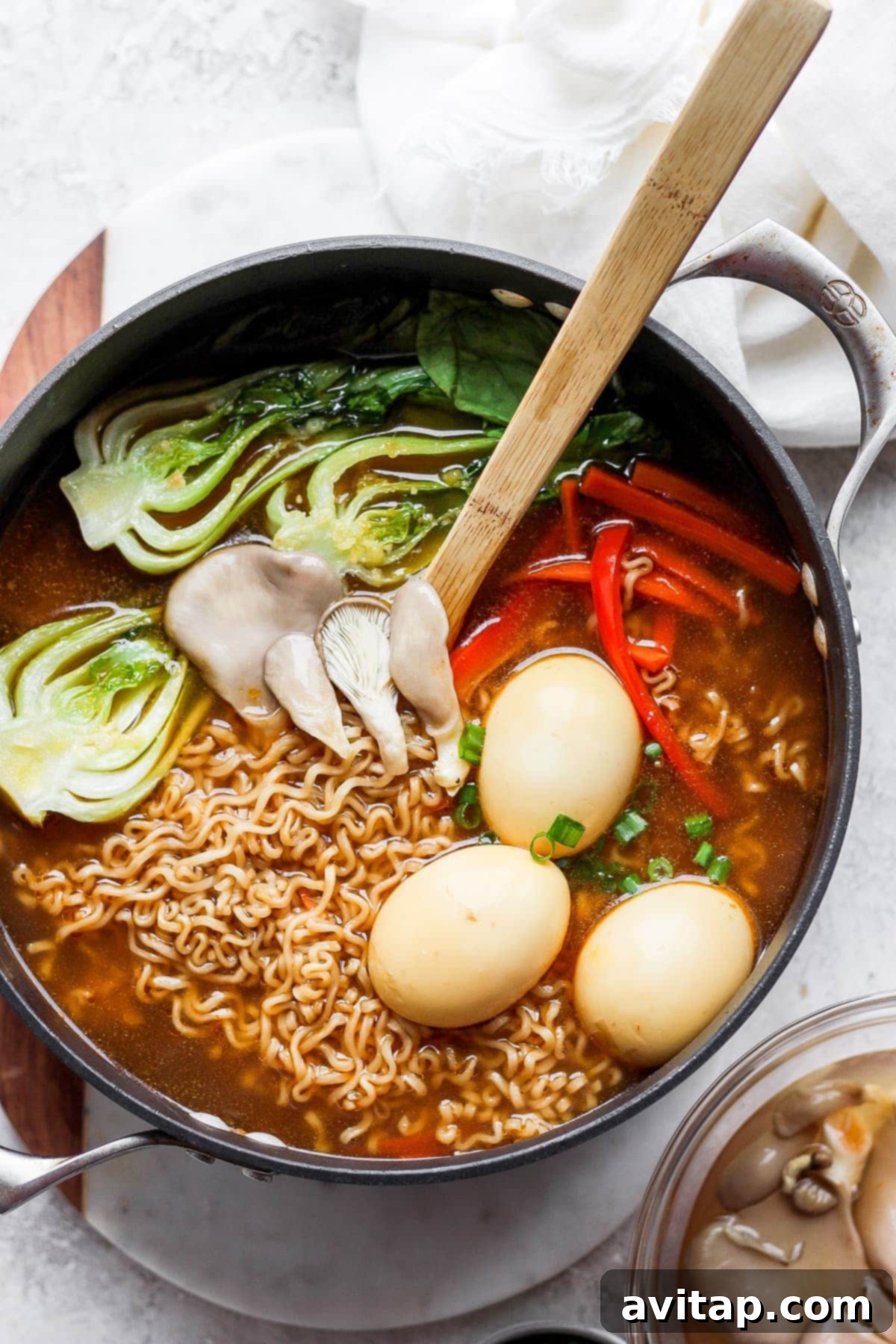
The final step is the exciting assembly! Reduce the heat to low, then gently return the reserved bok choy to the pot to warm through for about 2-3 minutes. Ladle the hot, flavorful ramen, noodles, and vegetables into individual large serving bowls. To each bowl, add a perfectly halved ramen egg and a generous spoonful of your quick-pickled mushrooms. Garnish with the green parts of the green onions, fresh Thai basil, and cilantro for an extra burst of freshness and color. Serve immediately and savor every spoonful of this homemade masterpiece!
Common Questions About Homemade Ramen Soup
Where can I find Japanese-style ramen noodles for homemade soup?
Finding the right ramen noodles is key to an authentic experience. Most well-stocked grocery stores now carry dried Japanese-style ramen noodles, which are a convenient and excellent choice. We often use these noodles for their consistent quality. However, for an unparalleled texture and taste, if you have access to an Asian grocery store or a local ramen shop, we highly recommend inquiring about fresh ramen noodles. The difference in chewiness and overall experience is truly remarkable. If you opt for fresh noodles, note that they typically cook much faster, requiring only 2-3 minutes of boiling time.
Can I add meat to this vegetarian ramen recipe?
While this recipe is crafted as a delicious vegetarian option, it is incredibly versatile. If you or your guests prefer to include meat, feel free to add your favorite cooked protein. Excellent additions include tender shredded chicken, savory grilled shrimp, thinly sliced pork belly, or seared beef. Simply prepare your chosen meat separately and add it to your bowl just before serving.
How can I make this ramen spicier?
Adjusting the spice level to your preference is easy! To add more heat, you can increase the amount of sriracha in the broth, sprinkle in additional red pepper flakes, or stir in a spoonful of your favorite chili garlic sauce. For an extra punch, a dash of chili oil drizzled over the top of your finished bowl works wonders.
What other toppings can I add to ramen soup?
The beauty of ramen lies in its endless customization possibilities. Think about your favorite ramen takeout and let that inspire you! Here are a few more ideas to elevate your bowl:
- Crispy fried tofu or tempeh for added protein and texture.
- Fresh, crunchy bean sprouts for a refreshing element.
- Additional sautéed greens like spinach or mustard greens.
- A dollop of kimchi for a tangy, fermented kick.
- Toasted sesame seeds for a nutty aroma.
- Sweet and crisp snow pea pods.
- A swirl of sesame oil for an extra layer of richness.
- Nori (dried seaweed sheets) for an umami boost.
Storage Tips for Leftover Ramen
To ensure your leftover ramen remains delicious, we highly recommend storing the broth and noodles separately. Transfer the cooled ramen broth to an airtight container and store it in the refrigerator for 5-7 days. Cooked noodles should also be stored in a separate airtight container. When ready to enjoy, simply reheat the broth gently on the stovetop and add a fresh portion of noodles to warm through. This method prevents the noodles from becoming soggy and ensures a fresh-tasting meal every time.
Discover More of Our Favorite…
Healthy Soups & Stews
- Spicy Coconut Thai Curry Soup (Vegan)
- Instant Pot Sweet Potato and Carrot Ginger Soup
- Asian Chicken Noodle Soup
- Spicy Chicken Noodle Soup
- Hearty Taco Soup
Easy Vegetarian Ramen Recipe
This vegetarian ramen recipe is our take on an easy ramen recipe that is full of flavor, vegetables, and ready in an hour!
By: Linley Hanson
Ingredients
For the Ramen Eggs
- 6 large eggs
- 6 cups water (for boiling eggs)
- 2 tablespoons soy sauce (or tamari for a gluten-free option)
- 2 teaspoons fresh grated ginger
- 2 teaspoons fresh grated lemongrass
- 2 teaspoons garlic chili sauce
- 1 teaspoon fish sauce (omit for strictly vegetarian, use vegan alternative if preferred)
- 2 black tea bags
- 2 ginger tea bags
For the Quick Pickled Mushrooms
- 8 oz. beech mushrooms (or oyster mushrooms, wiped clean)
- ½ cup rice vinegar
- ½ cup apple cider vinegar
- ¼ teaspoon red pepper flakes
- ⅛ teaspoon salt
For the Ramen Broth & Assembly
- 3 tablespoons olive oil
- 4 green onions (white and green parts separated)
- 2 tablespoons minced garlic
- 1 tablespoon freshly grated ginger
- 2 baby bok choy (quartered)
- 1 large red pepper (sliced)
- 2 medium carrots (cut into matchsticks)
- ¼ teaspoon salt
- 4 cups chicken broth (or vegetable broth for vegetarian)
- 2 tablespoons soy sauce
- 2 teaspoons sriracha
- 1 teaspoon fish sauce (omit for strictly vegetarian, use vegan alternative if preferred)
- 8 oz. Japanese-style ramen noodles (approx. 4 servings)
Optional Toppings
- Fresh Thai Basil
- Fresh Cilantro
- Sesame seeds
- Chili oil
Instructions
Ramen Eggs Preparation
- Bring 4 cups of water to a boil in a medium saucepan, then remove it from the heat.
- Add the soy sauce, grated ginger, grated lemongrass, garlic chili sauce, and fish sauce (if using) to the saucepan and whisk everything together.
- Submerge the black tea bags and ginger tea bags in the mixture. Let them steep to infuse the marinade with flavor. Set this marinade aside to cool slightly.
- In a separate saucepan, bring 5 cups of water to a rolling boil. Carefully add 6 large eggs into the boiling water.
- Boil the eggs for exactly 5 minutes for a soft, jammy yolk. Immediately transfer the eggs to an ice bath for 5 minutes to halt the cooking process.
- Gently peel the eggshells from all the eggs. Place the peeled eggs into the cooled tea marinade.
- Allow the eggs to soak in the marinade while you prepare the mushrooms and the rest of the ramen. The longer they marinate, the deeper the flavor and color will be. Do NOT discard this flavorful marinade! It is essential for your ramen broth.
Quick Pickled Mushrooms Preparation
- In a medium-sized bowl, combine the rice vinegar, apple cider vinegar, red pepper flakes, and salt. Whisk these ingredients thoroughly until the salt dissolves.
- Add the cleaned mushrooms to the bowl. Stir gently to ensure all the mushrooms are completely coated with the pickling liquid.
- Set the mushrooms aside to marinate while you continue with the ramen preparation.
Ramen Broth & Assembly
- Heat a large 5-quart Dutch oven or heavy-bottomed pot over medium-high heat. Add the olive oil.
- Once the olive oil is shimmering and fragrant, add only the white parts of the green onions to the pot (save the green parts for a fresh garnish). Sauté for 1 minute until softened and aromatic.
- Add the minced garlic and freshly grated ginger to the green onions. Sauté for another 2 minutes, stirring frequently, until very fragrant.
- Next, add the quartered bok choy to the Dutch oven. Toss all the ingredients together until the bok choy is lightly coated with the aromatic oil.
- Reduce the heat to medium, cover the Dutch oven, and let the bok choy steam for 4-5 minutes, until tender-crisp.
- Carefully remove the cooked bok choy from the Dutch oven, leaving any residual garlic and onion in the pot. Set the bok choy aside.
- Add the sliced red bell pepper and matchstick carrots to the same pot. Sauté these vegetables for 2-3 minutes, just until they begin to soften slightly but retain a pleasant crunch.
- Carefully remove the ramen eggs from their marinade and set them aside. Discard the spent tea bags from the marinade. This remaining liquid is your concentrated flavor base for the ramen broth.
- Pour the black tea and egg marinade mixture through a fine-mesh sieve directly into the Dutch oven with the sautéed vegetables. This step removes any small pieces of ginger or tea leaves, ensuring a smooth broth. Stir to combine.
- Finally, add the chicken broth (or vegetable broth), the additional soy sauce, sriracha, and fish sauce (if using) to the pot. Whisk everything together thoroughly and bring the broth to a vigorous boil.
- Once the broth is boiling, add the Japanese-style ramen noodles. Cook them according to package instructions, typically 5-7 minutes, or until they are al dente (cooked through but still firm to the bite). If using fresh ramen noodles, they will only need 2-3 minutes.
- When the noodles are ready, return the reserved bok choy and the halved ramen eggs to the Dutch oven to warm through for about 2-3 minutes.
- Ladle the hot ramen into large serving bowls. Top each bowl with a spoonful of the quick-pickled mushrooms, a sprinkle of chopped green onion, fresh Thai basil, and cilantro. Serve immediately and enjoy!
Tips & Notes
- For the best results and to maximize flavor, we strongly recommend following the recipe steps in the order they are written. Certain components build upon earlier preparations, ensuring a harmonious blend of flavors.
- If you plan to prepare this meal in advance or have leftovers, it is crucial to cook and store the noodles separately from the broth. This prevents the noodles from absorbing too much liquid and becoming mushy, preserving their texture for later enjoyment.
Nutrition
Calories: 304 kcal
Carbohydrates: 18 g
Protein: 18 g
Fat: 19 g
Fiber: 5 g
Sugar: 7 g
Nutrition information is automatically calculated, so should only be used as an approximation and can vary based on specific ingredients and brands used.
Don’t forget to tag your delicious creations on social media with the hashtag #fitfoodiefinds – we’d absolutely love to see what you’re cooking up!